Did you know that around 30% of online purchases are returned? Understanding return authorization is crucial for both consumers and businesses navigating this inevitable aspect of shopping. Return authorization, often known as RMA (Return Merchandise Authorization), is a process that allows customers to return products for refunds, replacements, or repairs with clear guidelines and procedures. This ensures that returns are processed smoothly and helps maintain customer satisfaction. By learning about return authorization, you’ll not only grasp how to streamline returns for your business but also empower yourself as a savvy shopper, knowing your rights and the necessary steps to take if your purchase doesn’t meet your expectations. Let’s dive into everything you need to know about this essential topic!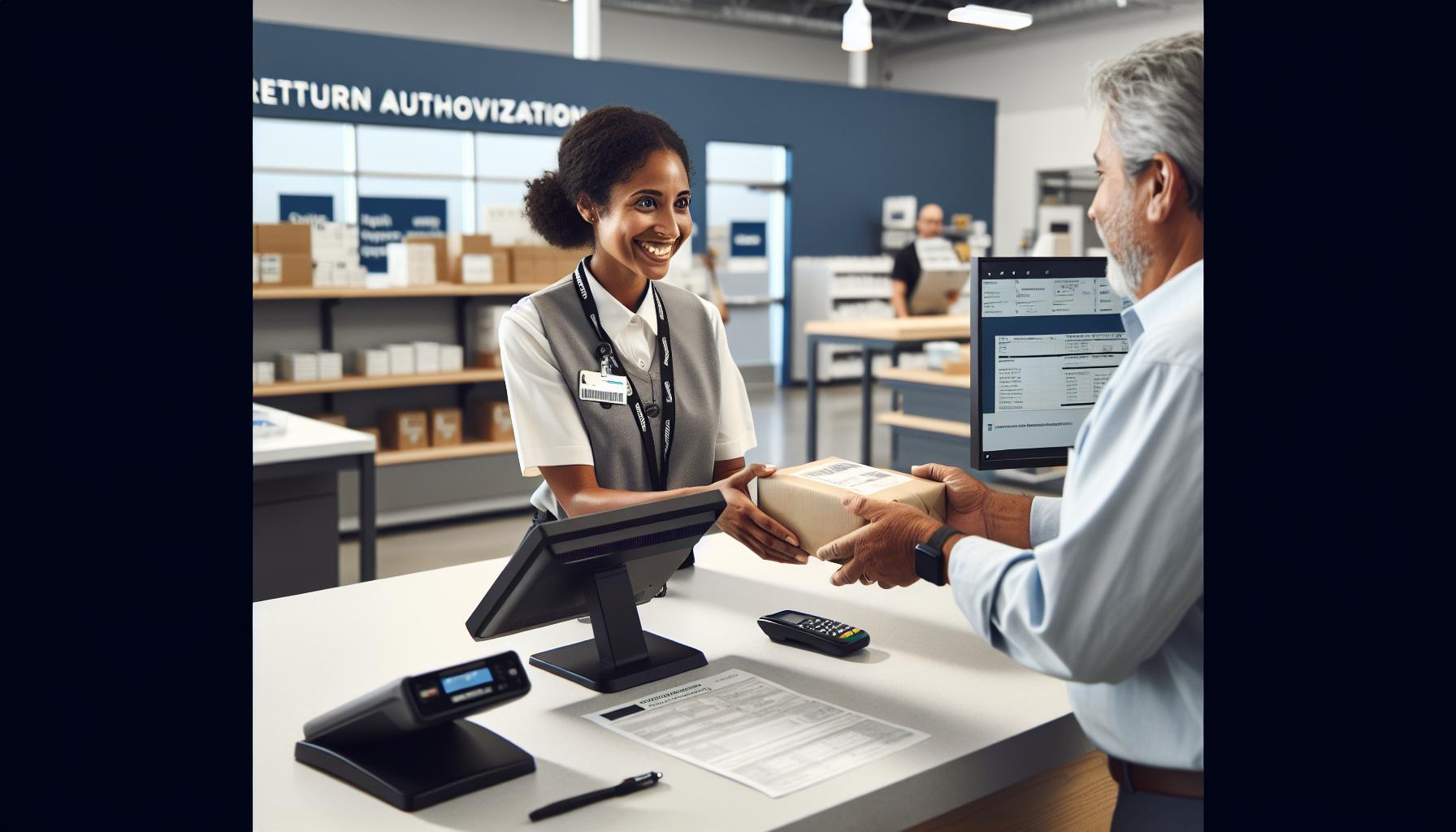
What Is a Return Authorization and Why Is It Important?
Understanding the mechanisms of a return authorization (RA) system is essential for effective retail management. A return authorization serves as a formal approval from a seller permitting the return of purchased goods. It generates a unique return authorization number that customers must reference when sending back items. This process not only streamlines returns but also protects the interests of both the retailer and the consumer, ensuring transparency and accountability.
The significance of return authorization lies in its role in maintaining inventory control and customer satisfaction. When products are authorized for return, businesses can manage their stock levels more effectively, facilitating easier restocking and minimizing loss due to unapproved or fraudulent returns. Furthermore, having a clear RA system enhances the customer experience, offering a structured way to process returns that can lead to increased loyalty and trust. Customers appreciate knowing that there is a standardized process they can follow, which can help alleviate concerns related to returns.
Moreover, return authorizations help in documenting the reasons for returns, allowing sellers to analyze patterns and improve product quality or customer service. Companies can use this data to identify recurring issues, whether they stem from defective products, misleading descriptions, or customer dissatisfaction, ultimately leading to better decision-making and improved operational practices.
In summary, return authorizations are not merely administrative tools but pivotal components that contribute to customer relations and the overall effectiveness of a business’s operations. By understanding and implementing robust RA processes, retailers can foster a supportive environment for returning customers, which is crucial in today’s competitive marketplace.
Key Benefits of Having a Return Authorization System
Having a return authorization system in place can significantly enhance the efficiency of retail operations while simultaneously boosting customer satisfaction. This system not only streamlines the return process but also brings numerous benefits that contribute to a more organized, transparent, and appealing retail experience.
One of the primary advantages of a return authorization system is improved inventory management. By issuing return merchandise authorization (RMA) numbers, retailers can track which items are being returned and anticipate their restocking. This level of control helps minimize inventory discrepancies and allows businesses to promptly adjust stock levels, ensuring optimal product availability. In an era where inventory accuracy can directly impact sales, having an organized RMA process is invaluable.
Moreover, a return authorization system fosters customer trust and loyalty. When customers know there is a clear, established process for returns, they feel more secure in their purchasing decisions. This transparency reduces anxiety about the risk of buying something that may not meet their expectations. A well-implemented RMA process cultivates a relationship with consumers, encouraging repeat purchases by demonstrating that the retailer values customer satisfaction.
Additionally, the data collected from return authorizations can provide insights into product performance and customer preferences. By analyzing the reasons behind returns, businesses can identify trends, such as recurring defects or common misconceptions about their products. This information becomes a critical tool for making informed decisions regarding product improvements, marketing strategies, and customer service enhancements.
Ultimately, investing in an effective return authorization system is not just about managing returns; it’s about creating a more holistic approach to customer interaction and retention. By improving inventory management, building customer trust, and gaining valuable insights, businesses can position themselves for greater success in a competitive marketplace.
How to Obtain a Return Authorization: Step-by-Step Guide
To successfully navigate the return authorization process, consumers should understand the step-by-step approach required to obtain a Return Merchandise Authorization (RMA). This process not only ensures that you follow the guidelines set by the retailer but also helps you to have your returns processed smoothly and efficiently. Knowing how to obtain a return authorization can significantly reduce frustration and enhance your overall shopping experience.
The first step typically involves contacting the retailer or manufacturer where the purchase was made. This can often be done through their customer service email, phone number, or dedicated returns portal on their website. Be prepared to provide essential details such as your order number, the item in question, and a description of the issue you encountered with the product. This information allows the retailer to assess your request quickly.
Once your request is made, the next phase is the evaluation of your return request. The retailer will review the details provided and determine if the product qualifies for a return under their return policy. If approved, they will issue you an RMA number, which is crucial for tracking the return process. Make sure to write down this number, as it will need to be included with the returned item to facilitate proper processing.
Subsequently, you’ll need to package the item for return. Ensure you include the RMA number on the package and follow any specific instructions the retailer provides for return shipping. This may include using specific carriers, required packaging, and even including a copy of the invoice or return form. Additionally, it’s wise to keep a record of the shipment for your reference until the retailer confirms receipt of the returned product.
Finally, after the item has been returned and the retailer processes the return, you can expect a follow-up regarding your refund or replacement. Keeping track of the entire process from initiation to resolution can help you stay informed and ensure a seamless experience. By following these steps diligently, you can make the return authorization process work in your favor, contributing to a positive shopping experience overall.
Common Reasons for Requesting Return Authorizations
The decision to request a return authorization is often driven by a variety of consumer needs and experiences. Understanding these common reasons can greatly enhance the efficiency of the return process and help businesses improve their customer service. Customers typically seek return authorizations for issues ranging from product defects to changes in preference, and knowing these motivations can streamline returns for both parties.
One prevalent reason for requesting a return authorization is receiving a defective or damaged product. This can encompass items that arrived broken, malfunctioning, or simply not as described. For instance, a customer might receive an electronic device that won’t power on or clothing that has noticeable tears. In these cases, an RMA is essential to initiate the return and prompt a replacement or refund.
Another common reason stems from ordering errors, whether by the customer or the retailer. A customer might accidentally order the wrong size, color, or model of a product, creating the need for a return. Alternatively, if a retailer ships an incorrect item, the customer will certainly need an RMA to correct the mistake. In both scenarios, clear and accessible return authorization processes are vital to maintain customer satisfaction and confidence.
Additionally, changes in needs or preferences frequently lead to return requests. After purchasing, a consumer might realize they no longer require the item or discover alternative products that better fit their expectations. For example, someone may initially buy a kitchen appliance but later find it does not suit their cooking style. A flexible return authorization process allows customers to feel secure in their purchasing decisions, knowing they have options post-purchase.
In summary, the reasons behind requesting return authorizations often center on defects, errors, and changes in consumer preferences. By recognizing these motivations, businesses can develop more effective return policies and enhance customer satisfaction through efficient resolution of return requests. Building a return authorization system that addresses these needs fosters trust and loyalty among consumers, ultimately benefiting both the business and its customers.
Understanding Different Types of Return Authorizations
Understanding the various types of return authorizations can be pivotal for both customers and retailers, shaping the return experience and guiding the return process efficiently. Return authorization (RA) serves as the gateway for customers wanting to return products, and recognizing the nuances among different types helps streamline operations and enhance customer satisfaction.
Types of Return Authorizations
There are several types of return authorizations, each designed to address specific circumstances and improve the efficiency of the return process. Understanding these can empower retailers and customers alike.
- Standard Return Authorization: This is the most common type, allowing customers to return items typically due to dissatisfaction, size issues, or buyer’s remorse. A standard RA usually requires the customer to submit a request, often via an automated online system, providing details like order number and reason for return.
- Defective Product Return Authorization: Specific for when customers receive items that are damaged or malfunctioning, this RA type often prioritizes customer needs by expediting the return process. Customers may need to provide proof of the defect, such as photographs, to validate their claim.
- Exchange Return Authorization: Similar to standard returns, these authorizations are specifically for instances where customers want to exchange a product rather than receive a refund. Retailers often streamline this process to maintain customer goodwill and ensure product satisfaction.
- Special Circumstance Return Authorization: These RAs apply to unique situations, like products bought during a promotion or those subject to specific conditions (e.g., final sale items). Retailers define the terms under which these returns are accepted, often requiring additional information from the customer.
- Bulk Return Authorization: Often used by businesses or large organizations, this RA allows for the return of multiple items in a single transaction. This type is particularly relevant for B2B operations where orders can involve large quantities and specific return conditions.
By clearly defining these different types of return authorizations, retailers enhance clarity and help customers navigate the return process more effectively. A thorough understanding of return authorization types can also inform policy development, allowing businesses to foster a positive shopping experience and build trust with their customers.
Incorporating technology into this process, such as automated systems for issuing RAs or monitoring return reasons and patterns, can further enhance operational efficiency, reduce return fraud, and ultimately improve customer experience. Encouraging transparency and accessibility in return policies can help consumers feel more confident in their purchases, knowing that if issues arise, they have a clear path to resolution.
Best Practices for Managing Return Authorizations
Managing return authorizations effectively can transform what is often viewed as a burden into a streamlined, customer-friendly process. A well-structured return authorization system not only enhances operational efficiency but also builds long-term customer loyalty. To achieve this, it’s essential to implement best practices that prioritize clarity, accessibility, and responsiveness.
Clear Communication and Guidance
First and foremost, clarity in communication is vital. Ensure that your return authorization procedure is straightforward and easily accessible on your website. Create a dedicated returns page that outlines the steps to request an RMA, including necessary details such as order numbers and reasons for returning items. Encourage customers to consult this resource before initiating a return, which can significantly reduce the volume of inquiries and streamline the process. Additionally, automating responses for common questions can provide immediate answers, enabling quicker resolutions for customers.
Data Tracking and Analysis
Utilize technology to your advantage by implementing a system for tracking return requests and outcomes. This can help identify patterns in returns, such as frequently returned items or common reasons for dissatisfaction. By analyzing this data, retailers can make informed product development and inventory management decisions. For instance, if a particular product has a high defect rate, it might prompt a review of the supplier or manufacturing processes. Equipping your team with real-time data also empowers them to offer personalized assistance to customers based on their return history, further enhancing the shopping experience.
Empowered Customer Service Teams
Having a knowledgeable customer service team ready to assist with return authorizations is essential. Train your staff not only to understand the return policies in detail but also to empathize with customer concerns. Encourage them to be proactive in offering solutions, such as exchanges or store credits, which can often mitigate dissatisfaction. When staff can smoothly facilitate the return process and communicate effectively, it reduces friction and fosters a positive impression of your brand.
Building Trust and Transparency
Lastly, cultivate a culture of trust by being transparent about your return policies. Ensure that customers are aware of their rights concerning returns before making a purchase. This can include clear timelines for processing returns and issuing refunds. Highlight your commitment to customer satisfaction in your marketing materials, assuring customers that they can shop with confidence. By establishing clear, fair policies and delivering on those promises, you’ll not only minimize return requests but also enhance customer satisfaction and loyalty over time.
Implementing these can provide a smoother experience for both customers and retailers, transforming returns from a painful necessity into an opportunity for engagement and improvement.
Return Authorization Policies: What You Need to Know
Having a clear and well-defined return authorization policy is crucial for any business looking to maintain customer satisfaction and operational efficiency. A return policy not only provides customers with confidence in their purchasing decisions but also sets clear expectations for what they can anticipate when they need to return a product. This transparency can significantly reduce potential disputes and misunderstandings, making the return process smoother for both the customer and the retailer.
Core Elements of a Return Authorization Policy
When crafting a return authorization policy, consider including the following essential elements:
- Time Frame: Specify the period within which customers can initiate a return, typically ranging from 14 to 60 days post-purchase.
- Condition of Items: Clarify what conditions products must meet to be eligible for a return. For instance, are items required to be unopened, unused, or in resale condition?
- Return Shipping Costs: Address who bears the cost of return shipping. Some businesses opt to cover these costs to enhance customer satisfaction, while others may pass this expense on to the customer.
- Refund or Exchange Options: Outline if customers will receive a full refund, exchange, or store credit upon return. This can greatly influence the decision-making process of customers.
- Return Authorization Process: Detail the steps customers must follow to obtain a return authorization number (RMA), emphasizing any necessary documentation or information they need to provide.
Encouraging Compliant Returns
A well-structured return authorization policy not only protects the retailer but also fosters a positive customer experience. For example, by providing an easy-to-navigate online returns portal, customers can quickly submit requests and receive RMA numbers without additional hassle. By doing so, businesses can substantially decrease return-related queries directed to customer service, allowing representatives to focus on more complex issues.
Moreover, establishing a feedback loop can help identify common reasons for returns. If numerous customers cite sizing issues for clothing, for instance, reconsidering product descriptions or offering detailed sizing charts can decrease the rate of returns overall. These proactive measures not only save time and resources but also signal to customers that their feedback is valued and acted upon.
In conclusion, a clearly articulated return authorization policy enhances the customer experience while streamlining internal processes. By prioritizing transparency and accessibility, businesses can transform return requests from a logistical challenge into an area of opportunity for engagement and improvement, ultimately leading to increased customer loyalty and trust.
Real-Life Examples of Effective Return Authorization Processes
In the competitive landscape of retail, an effective return authorization process can distinguish successful businesses from those struggling to maintain customer loyalty. Numerous companies have reinvented their return policies to provide a seamless experience while enhancing customer satisfaction. For instance, major online retailers like Zappos have built their reputations partly on generous return policies, allowing customers to send back items without hassle. Their policy includes a straightforward procedure for obtaining return authorizations, which significantly reduces friction and fosters trust among consumers.
Another exemplary case is Amazon, which utilizes sophisticated technology to streamline its return authorization process. When a customer initiates a return, the system quickly generates a return merchandise authorization (RMA) number, automatically sending a return shipping label via email. This digital integration not only speeds up the returns process but also enables Amazon to track return reasons efficiently, helping them identify trends that can inform product offerings and inventory management.
Key Takeaways from Successful Examples
These examples illustrate essential factors contributing to effective return authorization processes:
- Transparency: Clear communication about the return process empowers customers and minimizes confusion.
- Flexibility: Allowing customers to choose between refunds, exchanges, or store credit can enhance satisfaction.
- Technology Integration: Utilizing software solutions to automate RMA generation and tracking makes the entire process smoother.
- Feedback Utilization: Actively collecting and analyzing return reasons helps retailers refine their offerings and reduce return rates.
By implementing these strategies, businesses not only create a more pleasant return experience but also utilize feedback to continually improve their operations. Creating a culture centered around customer care and feedback loops positions retailers for long-term success and customer retention.
Tech Solutions for Streamlining Return Authorizations
In today’s fast-paced retail environment, leveraging technology to streamline return authorizations is not just beneficial; it’s essential for maintaining customer satisfaction and operational efficiency. The right tech solutions can automate the returns process, dramatically reducing the workload for customer service teams and enhancing the overall customer experience. Businesses that invest in effective return management systems can expect to see not only improved efficiency but also greater customer loyalty in the long run.
Automated Return Merchandise Authorization (RMA) systems represent a significant leap forward in managing returns. These systems allow customers to initiate returns online, often through user-friendly portals that guide them step by step through the process. Once a return is initiated, an RMA number is generated automatically, which can be tracked in real-time. For instance, companies like Adaptive Tech Solutions have implemented intuitive return policies that emphasize simplicity, where customers can easily return items no later than 30 days after the order’s ship date[2].
Moreover, adopting digital solutions such as mobile apps or integrated customer service platforms can facilitate smoother communications between retailers and customers throughout the return process. By providing customers with real-time updates and easy access to customer service representatives, businesses can address issues promptly, thereby minimizing frustration and maximizing customer relations. Real-life examples from industry leaders demonstrate that companies employing these advanced technologies not only see a decline in return-related inquiries but also an increase in customer satisfaction and repeat business[3].
In conclusion, integrating technology into return authorization processes is a powerful strategy for modern retailers. From automating RMA generation to utilizing analytics for operational improvements, tech solutions can streamline returns and enhance customer experience, ultimately fostering a competitive edge in the marketplace.
Return Authorization and Customer Satisfaction: Building Trust
In an age where consumer choice is abundant and competition is fierce, the way businesses handle return authorizations (RAs) plays a critical role in shaping customer trust and satisfaction. An efficient and transparent RA process not only meets the basic expectation of consumers but also serves as a vital touchpoint in building long-term relationships. When customers know they can return a product with ease, it instills confidence in their purchasing decisions and fosters loyalty.
A well-structured return authorization system allows customers to initiate returns online seamlessly. This not only saves time but also reduces the anxiety often associated with returning items. When companies provide clear guidelines and timely responses-such as sending confirmation emails, offering tracking numbers, and explaining the refund process-they make the customer feel valued and respected. For instance, a study demonstrated that businesses with streamlined return processes saw an increase in customer retention rates by up to 30%[1].
To further enhance customer satisfaction, retailers can personalize the return process. Tailoring messages based on the customer’s previous interactions or preferences can make the experience feel more human. For example, utilize customer data to send personalized return instructions or offer targeted discounts on future purchases as an incentive to overcome the frustration of making a return. This not only addresses immediate concerns but also transforms the return into an opportunity for engagement, ultimately reinforcing trust.
Customers are more likely to share their positive experiences, which can enhance a brand’s online reputation. Positive reviews about hassle-free returns can drive new customers to businesses, proving that investing in an efficient return authorization process pays dividends beyond immediate sales. On the other hand, a cumbersome or opaque return process can lead to negative reviews and a loss of potential customers. Keeping this in mind, every interaction related to return authorization should be viewed as a chance to enhance customer relationships and build brand loyalty.
In summary, managing return authorizations effectively is not merely a logistical challenge but a significant aspect of customer relationship management. By approaching returns empathetically and efficiently, businesses can turn potential frustrations into positive experiences that encourage trust and repeat business.
Legal Implications of Return Authorizations in Retail
Navigating the legal landscape surrounding return authorizations can be daunting for retailers, but it’s crucial for safeguarding business interests and enhancing customer trust. Understanding the legal implications of return merchandise authorization (RMA) processes not only helps businesses comply with consumer protection laws but also minimizes risks associated with potential disputes. For instance, retailers who fail to adequately communicate their return policies run the risk of being seen as misleading, leading to customer dissatisfaction and even legal challenges.
Consumer Protection Laws
Various consumer protection laws govern return policies, particularly in terms of transparency, fairness, and the rights of consumers. In the United States, the Federal Trade Commission (FTC) mandates that return policies must be clearly stated at the point of sale. This includes any conditions, deadlines, and requirements for returns. Violating these regulations can lead to legal action and financial penalties. For example, some states require businesses to provide written documentation of a return policy, which must be honored regardless of what is communicated during the transaction. Retailers must ensure their return authorization process aligns with these laws to avoid disputes.
Documenting Transactions
Incorporating a well-defined RMA system also serves as a significant protective measure from a legal perspective. Documentation is key in proving compliance and addressing any disputes that may arise. A comprehensive return authorization form that clearly outlines terms and accepted reasons for returns can protect against claims of false advertising or poor service. This form acts as both a record and an acknowledgment by the customer that they understand and accept the return conditions, which can be vital if legal issues surface later.
Regulatory Compliance
Many sectors have additional regulations that could impact return policies. For instance, the electronics industry is often governed by specific warranties and return rules, outlined in laws like the Magnuson-Moss Warranty Act. Retailers must ensure they are in compliance, as violations can lead to customer lawsuits or repercussions from regulatory bodies. Hence, understanding the nuances of these regulations is essential for businesses to maintain legal integrity while facilitating customer returns.
In summary, legal implications of return authorizations are multifaceted, encompassing consumer rights, regulatory compliance, and the importance of transparent communication. By instituting a robust return authorization system, retailers not only reaffirm their commitment to customer satisfaction but also shield themselves against potential liabilities. This proactive approach not only enhances operational efficiency but also strengthens consumer relationships, paving the way for long-term loyalty and trust.
Tips for Handling Return Authorization Issues with Customers
Handling return authorization issues with customers can significantly influence their overall perception of your brand. By fostering a smooth return process, you not only boost customer satisfaction but also enhance loyalty and trust-a critical component for long-term success in retail. Here are some practical strategies to navigate these challenges effectively.
One effective approach is to establish clear and transparent communication regarding your return policies. Ensure that customers understand the criteria for getting a return authorization. For instance, provide detailed information on acceptable reasons for returns, timelines, and necessary documentation. Including this information prominently on your website or in confirmations can preemptively address potential questions and reduce confusion. A well-structured FAQ section can also serve as a valuable resource, helping customers find answers quickly without needing to reach out for support.
Another critical tactic is to maintain empathy and understanding when dealing with return requests. Customers may be frustrated or confused, so acknowledging their feelings can go a long way toward resolving issues. Training your customer service team to listen actively and respond thoughtfully will not only help in resolving specific issues but will also create a more positive interaction. Often, simply having a friendly and understanding voice on the other end can turn an unhappy customer into a loyal one.
Utilizing technology can also streamline the return authorization process. Software solutions can manage requests automatically and keep track of customer interactions. By integrating your RMA system with your existing customer management tools, you can better visualize return patterns and tailor your approach accordingly. This not only makes the process more efficient but also enhances customer trust, as rapid and reliable responses are regarded positively.
Lastly, document all interactions and outcomes related to return authorizations. This ensures that there is a record of communications, which can be beneficial in cases of disputes or misunderstandings. Proper documentation will also help you analyze return trends and improve your policies over time, leading to a more seamless experience for customers in the future.
In conclusion, combining clear communication, empathetic customer service, effective use of technology, and thorough documentation can significantly mitigate issues related to return authorizations. By fostering an environment that prioritizes customer satisfaction, you not only resolve immediate concerns but also build the foundation for lasting customer relationships.
Faq
Q: What are the steps to create a return authorization request?
A: To create a return authorization request, follow these steps: 1. Locate your order details. 2. Visit the retailer’s website or customer service portal. 3. Fill out the return authorization form with necessary information (like order number). 4. Submit your request and wait for confirmation with further instructions. For detailed steps, see our section on How to Obtain a Return Authorization: Step-by-Step Guide.
Q: Why do some companies require a return authorization?
A: Many companies require a return authorization to manage returns efficiently. This helps track returned products, prevent fraud, and ensure compliance with return policies. It streamlines processing and helps maintain inventory accuracy. For more on the significance of return authorizations, check out our section on What Is a Return Authorization and Why Is It Important?.
Q: When should I expect a response after requesting a return authorization?
A: Typically, you should expect a response within 24-48 hours after submitting your return authorization request. This timeframe can vary by company, so check their return policy for specific details. For more insights, see Tips for Handling Return Authorization Issues with Customers.
Q: Can I return items without a return authorization?
A: Returning items without a return authorization can lead to complications, such as non-acceptance of the return. Most retailers require it to process returns accurately. Always check the retailer’s policy to avoid issues. For detailed practices, refer to our section on Return Authorization Policies: What You Need to Know.
Q: What should I do if my return authorization is denied?
A: If your return authorization is denied, review the denial reason provided. Common reasons include missing information or policy violations. You can often appeal the decision by contacting customer service directly or resubmitting your request with the correct details. More guidance is available in Tips for Handling Return Authorization Issues with Customers.
Q: How does a return authorization affect customer satisfaction?
A: Return authorization plays a crucial role in enhancing customer satisfaction by simplifying the return process and building trust. A clear and effective authorization process reassures customers that their concerns are taken seriously. For more on this topic, check out Return Authorization and Customer Satisfaction: Building Trust.
Q: What information is typically required for a return authorization?
A: Generally, you need to provide your order number, the item(s) you wish to return, and a brief reason for the return. Some companies may also request photos if the item is damaged. For detailed insights, refer to How to Obtain a Return Authorization: Step-by-Step Guide.
Q: Are there legal implications surrounding return authorizations?
A: Yes, there are legal implications, such as consumer protection laws that govern return policies. Companies must ensure these policies are clearly communicated and consistently enforced. For an in-depth discussion, visit our section on Legal Implications of Return Authorizations in Retail.
Final Thoughts
Understanding return authorization is vital for hassle-free shopping experiences, whether you’re a consumer seeking refunds or a seller fine-tuning your return policy. By grasping the nuances of the return merchandise authorization (RMA) process, you empower yourself to make informed decisions, reduce the stress of returns, and ensure smoother transactions. Don’t wait-evaluate your returns strategy today and see how it can enhance customer satisfaction and loyalty!
For more insights, check out our articles on optimizing returns management and the best practices in e-commerce. If you’re looking to streamline your business operations, consider signing up for our newsletter for expert tips and resources that keep you ahead of the curve. Your next step to mastering returns is just a click away-explore further and transform your understanding today!
Get our latest guides, news, and insights highlighted in your Google Search & AI Overviews.