
In the timeless tale of Charlotte’s Web by E.B. White, we discover a profound exploration of friendship, loyalty, and the complexities of life and death. This classic story invites readers into the heartwarming and sometimes heart-wrenching journey of a piglet named Wilbur and his unlikely friend, a wise spider named Charlotte. As young readers grapple with themes of compassion and the circle of life, this beloved book serves as a springboard for thoughtful discussions about caring for others and the impact of friendships. Will Charlotte’s clever words save Wilbur from the fate of becoming someone’s dinner? Engaging with this story not only offers delightful entertainment but also fosters emotional intelligence in navigating life’s toughest lessons. Join us as we delve deeper into this cherished narrative, uncovering its enduring significance and the valuable life lessons it imparts.
Understanding the Core Themes of Charlotte’s Web
The world of Charlotte’s Web is rich with themes that resonate with readers of all ages, capturing both the innocence of childhood and the complexities of life. At its core, the narrative explores the deep bonds of friendship, making it the primary lens through which many of its messages are conveyed. The relationship between Wilbur, the pig, and Charlotte, the spider, exemplifies loyalty, sacrifice, and devotion. Wilbur’s journey from being a runt destined for slaughter to a celebrated animal illustrates that true friendship can inspire hope and change, encouraging readers to recognize the power of companionship and selflessness.
Another significant theme is the inevitability of change and the cycle of life. Throughout the story, there is an underlying tension between joy and sorrow. As characters confront mortality-especially with the reality of Wilbur’s fate-readers are prompted to reflect on their own feelings about loss and the nature of life itself. Charlotte’s efforts to save Wilbur highlight the themes of perseverance and courage in the face of what seems insurmountable. The delicate balance of these themes teaches young readers about the transient beauty of relationships and encourages a deeper understanding of life’s natural cycles.
In addition to friendship and change, Charlotte’s Web introduces concepts of innocence and growing up. Through Fern’s character, who initially grapples with the harsh realities of animal life versus her protective instincts, readers witness a poignant exploration of childhood innocence. As the story unfolds, Fern’s gradual shift away from the farm encapsulates the transition into adulthood, reminding us that maturing often involves letting go of certain ideals and accepting life’s complexities.
Overall, E.B. White weaves these themes together seamlessly, creating a tapestry that not only entertains but also imparts lasting lessons on empathy, sacrifice, and the profound connections that define existence. As readers progress through the pages, they are invited to reflect on their relationships and the world around them, urging a deeper appreciation for both the joys and challenges that life presents.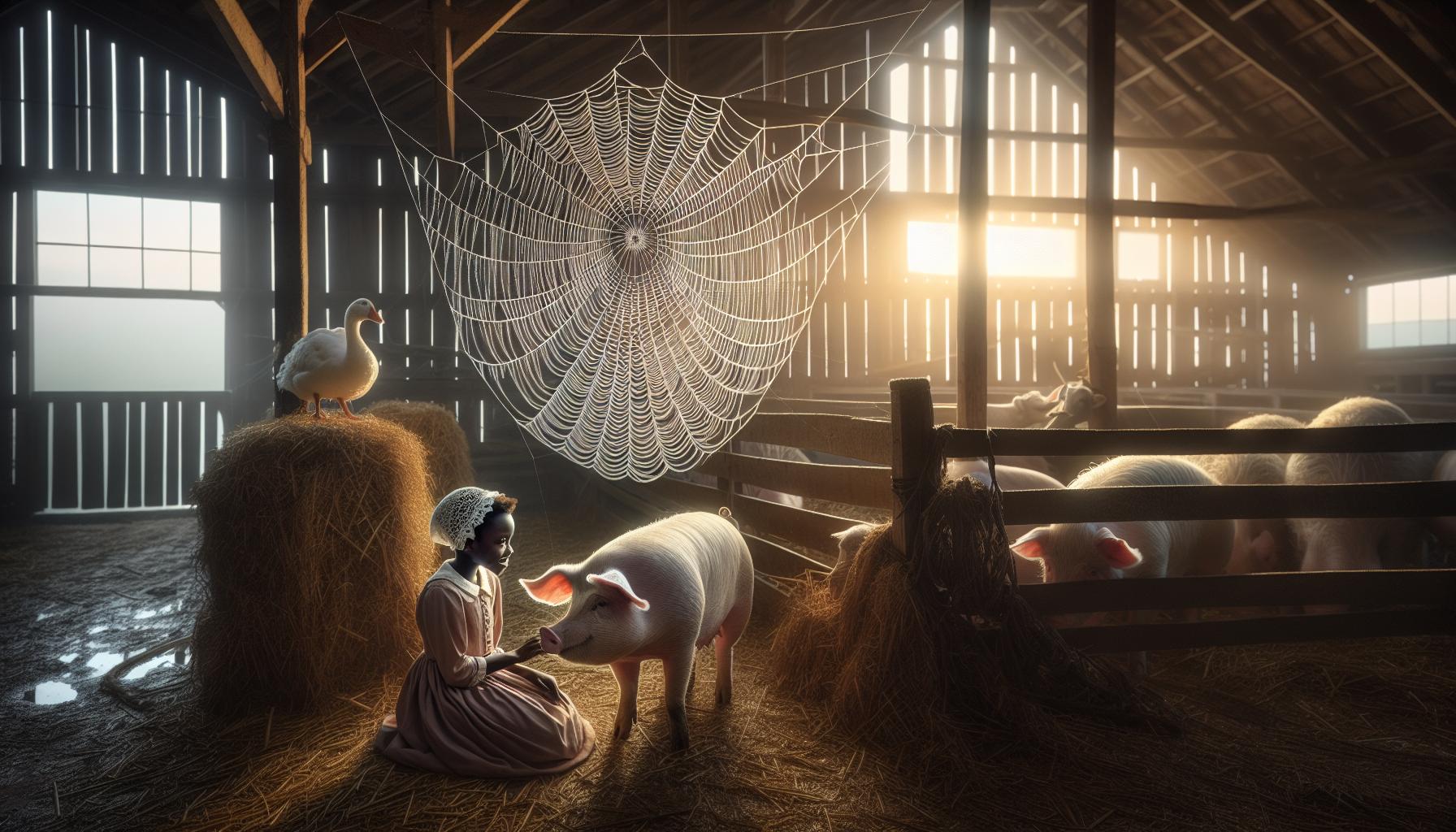
The Impact of Friendship in Charlotte’s Web
The emotional core of E.B. White’s Charlotte’s Web revolves around the transformative power of friendship, which not only shapes the characters within the narrative but also resonates deeply with readers of all ages. Wilbur, a pig destined for slaughter, finds an unexpected ally in Charlotte, a wise and determined spider. This unlikely duo not only embodies the theme of loyalty but also serves as a profound example of how friendship can inspire extraordinary acts of bravery and selflessness. Charlotte’s commitment to saving Wilbur illustrates that true friends prioritize each other’s well-being, even when personal sacrifices are required.
In this story, friendship is not limited to Wilbur and Charlotte. It extends to Fern, the young girl who initially saves Wilbur from his grim fate. Fern’s nurturing spirit and deep connection with animals showcase a child’s innocence and the importance of empathy. As she grows up, the diminishing bond with Wilbur becomes a poignant reflection on the complexities of growing up and the inevitable changes in relationships. The contrast between the steadfast nature of Charlotte’s friendship and the more transient connections that Fern experiences highlights that while friendships may evolve over time, the lessons they impart remain invaluable.
Moreover, the impact of friendship is woven into the narrative’s exploration of community. The support Charlotte garners from the other animals on the farm illustrates how collective friendships can foster resilience in times of crisis. Charlotte’s efforts to save Wilbur not only rally other animals but also inspire a wider human audience, reinforcing the idea that friendship can mobilize action and generate hope in seemingly hopeless situations. The friendships formed among the characters offer readers insight into the importance of collaboration and solidarity, reinforcing that enduring bonds can lead to remarkable outcomes.
In conclusion, the enduring impact of friendship in Charlotte’s Web prompts readers to reflect on their own relationships. The book adeptly teaches the value of loyalty, empathy, and sacrifice while celebrating the beauty of connections that transcend differences. By demonstrating how genuine friendships can alter destinies, E.B. White leaves an indelible mark on the reader’s understanding of the essential role that relationships play in enriching our lives.
Character Analysis: Wilbur, Charlotte, and Fern
Wilbur, Charlotte, and Fern each represent distinct perspectives and themes in E.B. White’s Charlotte’s Web, weaving together a rich tapestry of childhood innocence, loyalty, and the poignant realities of life. Together, they embody the significant messages of the narrative, allowing readers of all ages to navigate complex emotional landscapes and understand the deeper meanings of friendship and sacrifice.
Wilbur, the endearing and vulnerable pig, is the epitome of innocence and dependence. Rescued from death by the compassionate Fern, Wilbur initially embodies the peace and simplicity of farm life. As the plot progresses, he evolves into a character that constantly seeks connection, echoing the universal human desire for companionship. His naive understanding of his fate fuels the emotional stakes of the story; Wilbur’s journey from fear and confusion to confidence and hope illustrates the transformative power of friendship. The relationship he shares with Charlotte provides him with strength, highlighting how one’s true friends can empower and protect against life’s uncertainties.
Charlotte, a wise and selfless spider, serves as a mentor and protector. Her intelligence and creativity are matched only by her unwavering commitment to Wilbur’s survival. Charlotte’s character encapsulates the essence of loyalty and sacrifice. She uses her talents to craft messages that elevate Wilbur’s status, ultimately saving him from slaughter. Through her actions, Charlotte teaches readers about the profound impact that one individual can have on another’s life. Her quiet bravery and strategic thinking reflect the heart of true friendship-putting others before oneself, even at great personal cost. As Charlotte slowly succumbs to her natural life cycle, her legacy becomes a poignant reminder of the cycles of life and the enduring nature of love and sacrifice.
Fern Arable, the young girl who first saves Wilbur, symbolizes childhood innocence and the intrinsic bond between humans and animals. Her unique ability to communicate and empathize with the creatures around her highlights the theme of connection that runs throughout the story. As Fern grows, her relationship with Wilbur shifts; she begins to navigate the complexities of adult life, which often leads to misunderstandings and distance. This evolution emphasizes the bittersweet nature of growing up and the inevitable changes relationships undergo. Fern’s initial nurturing outlook juxtaposes the later independence that comes with maturity, reflecting how friendships and connections may fade yet remain deeply rooted in shared experiences.
In summary, the character dynamics between Wilbur, Charlotte, and Fern vividly illustrate the themes of friendship, loyalty, and the acceptance of life’s impermanence. Each character’s journey emphasizes the importance of relationships in facing life’s challenges, teaching valuable lessons on empathy, sacrifice, and the bittersweet nature of growing up. Through E.B. White’s masterful storytelling, readers are encouraged to cherish their own connections and recognize the profound impact of friendship on their lives.
The Role of Nature and Farm Life in Charlotte’s Web
In E.B. White’s timeless classic, the interplay between nature and farm life is not just a backdrop but an integral part of the narrative that deepens the themes of friendship and sacrifice. The idyllic setting of Fern’s family farm serves as both a cozy home for the characters and a landscape that reflects the cycles of life and death, nurturing and loss. This environment is rich with details that evoke a sense of connection to the natural world, allowing readers to appreciate the simple beauty and profound lessons found within it.
At the heart of the story lies the contrast between innocence and the harsh realities of farm life. Wilbur’s experience as a pig awaiting his fate highlights the delicate balance of existence in rural life. His initial safety in Fern’s care offers a glimpse into the innocence of childhood, yet the looming threat of slaughter introduces a sobering truth about the realities of farming. As Charlotte works to save Wilbur through her cleverness and creativity, she embodies the symbiotic relationship between farm animals and nature, showcasing how instincts and intelligence can work together for survival. This bond illustrates how understanding and knowledge can arise from nature, empowering characters to navigate their challenges.
Moreover, White meticulously portrays the seasonal changes that accompany life on the farm. From the vibrant bloom of spring to the quiet dormancy of winter, each season reflects the natural cycles that parallel the characters’ journeys. The changing landscape serves as a reminder of life’s impermanence, emphasizing lessons on growth, decay, and renewal. For example, Charlotte’s life cycle mirrors the seasonal progression, ultimately embodying the themes of sacrifice and legacy. As she weaves her final web, she leaves a mark that transcends her physical presence, an echo of the natural world’s inherent ability to create meaning from loss.
Nature transcends physical descriptions and becomes a character in its own right, influencing the behaviors and fates of Wilbur, Charlotte, and Fern. For readers, this sets a foundation for understanding the importance of empathy not only among characters but also towards the world around them. The farm embodies a microcosm of human interactions, reflecting that like nature, relationships often require nurturing and understanding to flourish. By positioning nature and farm life at the center of the narrative, E.B. White invites readers to appreciate the complexity of these elements, urging them to recognize the role of interconnectedness in both life and friendship.
Literary Devices Used in Charlotte’s Web
E.B. White’s *Charlotte’s Web* masterfully employs various literary devices to enrich its storytelling and deepen readers’ understanding of its themes. Through the use of vivid imagery, personification, symbolism, and foreshadowing, White crafts a narrative that resonates with both children and adults, making it a beloved classic.
Imagery is one of the most striking features of the novel. White describes the quiet beauty of the farm, from the glistening dew on morning grass to the cozy warmth of the barn. This imagery not only paints a picturesque setting but also immerses readers in the characters’ world, allowing them to experience the sensory richness of farm life. For instance, the changing seasons serve as a backdrop to the emotional journey of the characters, reflecting themes of growth and decay.
Personification and Symbolism
The personification of Charlotte, the spider, and her ability to communicate with Wilbur imbue the story with a sense of magic and wonder. Charlotte’s character embodies wisdom and sacrifice, making her a symbol of true friendship and loyalty. Her web-spinning represents the interconnectedness of life and the impact one can have on others. The words she weaves into her web-like “Some Pig” and “Terrific”-not only save Wilbur but serve as metaphors for the beauty of individuality and the power of words.
Foreshadowing and Themes
Foreshadowing is another effective device used by White. Early in the story, when Wilbur first learns of his fate, the atmosphere shifts, hinting at the trials he and his friends will face. This technique builds tension and engages readers’ emotions as they anticipate the outcome of Wilbur’s plight. The theme of friendship is seamlessly interwoven through these devices, showcasing how the bonds between the characters are critical to their fight against the harsh realities of life.
In weaving these literary devices throughout *Charlotte’s Web*, E.B. White enriches the narrative and cultivates an engaging reading experience. The clever use of imagery, personification, symbolism, and foreshadowing not only enhances the story’s depth but also invites readers to reflect on the enduring values of friendship, sacrifice, and the interconnectedness of all living beings.
The Evolution of Friendship: Lessons from the Story
The progression of friendship depicted in *Charlotte’s Web* serves as a compelling narrative about the true essence of companionship, highlighting that love and loyalty often develop through understanding and sacrifice. At the heart of this story lies the profound bond between Wilbur, a vulnerable pig, and Charlotte, a wise spider, illustrating how friendship can flourish across the boundaries of species and expectations. Their relationship embodies the timeless lesson that friendship often requires profound selflessness and a willingness to support one another in the face of adversity.
Throughout the story, readers witness the evolution of friendship through various stages, beginning with Wilbur’s initial loneliness and desperation to connect. When Charlotte enters his life, she not only offers him companionship but also teaches him about inner strength and resilience. Her dedication to saving Wilbur from slaughter represents the ultimate act of friendship; she risks her own life to ensure his survival. This transition from mere acquaintances, based on necessity, to deep, unconditional friendship enriches the narrative and reflects the powerful influence friends can have on one another.
Lessons in Sacrifice and Loyalty
One striking aspect of the friendship between Wilbur and Charlotte is the theme of sacrifice. Charlotte’s commitment to Wilbur’s well-being demonstrates that true friends often make sacrifices for those they care about. This selflessness not only enhances their bond but also encourages readers to consider the importance of loyalty in their relationships. The text prompts a reflection on how meaningful friendships often require us to look beyond our comfort zones and take action for the benefit of others.
Additionally, the evolution of Wilbur’s character highlights another crucial lesson about friendship: the necessity to appreciate and nurture relationships. As Wilbur grows more confident, he learns to value Charlotte’s wisdom and support. This exchange fosters a profound respect and admiration between them, illustrating that friendships evolve through mutual care and understanding. Ultimately, *Charlotte’s Web* captures these themes, reminding readers that the essence of friendship is not merely companionship but an intricate dance of empathy, support, and growth.
Charlotte’s Web and Its Cultural Significance
Charlotte’s Web, since its publication in 1952, has transcended its role as a children’s book to become a cultural touchstone that speaks to profound themes of friendship, loyalty, and the cycle of life. E.B. White’s masterful storytelling and rich character development not only resonate with young readers but also offer valuable life lessons for adults. This beloved classic has been a key part of the literary landscape, often introducing complex moral dilemmas and emotional experiences in a way that is accessible to children.
The story is set in a quintessential American farm environment, which adds a layer of simplicity and nostalgia that resonates with readers. The portrayal of nature and community in Charlotte’s Web encourages an appreciation for the rural lifestyle and the interconnectedness of living beings. White’s detailed descriptions of the farm and its inhabitants invite readers to reflect on the importance of empathy across species. This connection to nature is not merely a backdrop; it serves as a vital element that highlights themes of life, death, and renewal.
Moreover, Charlotte’s Web has significantly impacted educational settings, often being used as a tool to teach children about the values of friendship, compassion, and the realities of life. Teachers utilize the book to foster discussions about empathy, ethical choices, and the weight of responsibility, particularly through the lens of Charlotte’s sacrifice and Wilbur’s growth. Such discussions nurture emotional intelligence in young readers, teaching them to appreciate the nuances of relationships and the importance of standing up for loved ones.
In adapting the book into various films, stage productions, and merchandise, its cultural significance has only grown. These adaptations often introduce Charlotte’s Web to new generations, ensuring its messages about friendship and selflessness remain relevant. The story’s ability to evoke emotion and provoke thought, regardless of the medium, cements its place as a timeless classic, making it both a personal and cultural cornerstone. Through the enduring legacy of Wilbur and Charlotte’s friendship, E.B. White’s tale continues to inspire reflection on the nature of love, sacrifice, and the bonds that connect us all.
Comparative Analysis: Other Friendship Classics
Exploring the theme of friendship in literature reveals a vast landscape of beloved classics that echo the sentiments found in E.B. White’s Charlotte’s Web. This novel’s rich tapestry of bond and loyalty resonates strongly with works like Winnie-the-Pooh, The Wind in the Willows, and The Little Prince. Each story encapsulates unique friendships that illuminate the virtues of empathy, sacrifice, and companionship, making them timeless narratives that speak to both children and adults.
In Winnie-the-Pooh by A.A. Milne, the friendship between Pooh and his friends in the Hundred Acre Wood mirrors the innocence and simplicity found in Charlotte’s Web. Both texts emphasize that true friendship is forged in moments of support and adventure, whether it’s Pooh rescuing Piglet or Charlotte crafting messages to save Wilbur. The comforting presence of community stands as a pillar in both stories, illustrating how friends uplift each other in times of need.
Similarly, The Wind in the Willows, penned by Kenneth Grahame, showcases the camaraderie among Mole, Rat, Toad, and Badger. Their interactions are steeped in loyalty and the willingness to stand by one another, even amidst Toad’s reckless escapades. This dynamic parallels the relationship between Charlotte and Wilbur, exemplifying how steadfast friendship can navigate life’s ups and downs, emphasizing a shared journey over individual strife.
Another poignant example is The Little Prince by Antoine de Saint-Exupéry, where the protagonist’s encounters reveal deep truths about love, loss, and connection. The relationship between the Prince and the Fox centers around the idea that “you become responsible, forever, for what you have tamed,” akin to Charlotte’s selfless act of saving Wilbur. Both narratives explore the depth of emotional bonds, teaching young readers about the weight and beauty of friendship.
These comparisons illustrate how Charlotte’s Web fits comfortably within this lineage of friendship classics. Each story contributes rich insights into the human experience, articulating the delicate balance between joy and sorrow that defines our connections with others. By examining these texts side by side, readers can appreciate the myriad ways in which literature celebrates friendship, providing not only entertainment but also invaluable lessons for navigating relationships throughout life.
Charlotte’s Web in Education: Teaching Themes and Values
E.B. White’s Charlotte’s Web serves not only as a beloved children’s tale but also as a powerful educational tool that conveys essential themes and values. As educators approach the book, they find a rich narrative that lays the groundwork for discussions about friendship, loyalty, and the natural world. The lessons embedded in the story can inspire engaging classroom activities and robust discussions, enabling students to explore complex emotional and moral concepts.
Core Themes to Explore
One of the primary themes in Charlotte’s Web is the significance of friendship. The bond between Charlotte and Wilbur exemplifies unconditional love and selflessness. Teachers can encourage students to reflect on this theme through creative projects, such as writing letters from one character to another or even creating murals that depict key moments of their friendship. Discussion prompts could ask, “What does true friendship look like?” or “How do Charlotte’s actions teach us about loyalty?”
Another critical theme is the cycle of life and the role of nature. The story is set on a farm, and this setting provides an opportunity to address topics related to agriculture, ecology, and the importance of animals in our lives. Educators can incorporate lessons on farming practices or the way different animals contribute to the ecosystem. Field trips to local farms or virtual interactions with farmers can enhance students’ understanding of these themes and establish a real-world connection.
Practical Classroom Applications
To teach the values found within Charlotte’s Web, teachers can adopt various interactive methods. Here are some actionable strategies:
- Character Journals: Assign students to maintain a journal from the perspective of different characters. They can document their thoughts and feelings about events in the story, allowing them to engage deeply with the text and think critically about character motivations.
- Thematic Discussions: Facilitate group discussions focusing on themes like sacrifice, community, and change. Use guiding questions to help students articulate their thoughts and connect personal experiences to the characters’ journeys.
- Interdisciplinary Learning: Connect the themes of Charlotte’s Web with lessons in science (biology of the animals), language arts (storytelling and narrative techniques), and social studies (farm life and community roles). Creating interdisciplinary units can show students the interconnectedness of knowledge.
Engaging with Literary Devices
Educators can highlight the literary devices E.B. White employs, such as personification and imagery, enhancing students’ appreciation for language. Activities could include identifying instances of personification in the text and discussing how these elements make the story more relatable and impactful.
By exploring the themes and values found in Charlotte’s Web, educators can foster a learning environment that encourages curiosity, empathy, and critical thinking. This approach not only engages students with a classic text but also equips them with valuable life lessons that extend beyond the classroom.
Fan Reactions: Reviews and Interpretations
The deep emotional resonance of E.B. White’s Charlotte’s Web ignites a passionate response from readers of all ages, fostering a rich tapestry of interpretations and reviews. Many fans reflect on the profound themes of friendship, sacrifice, and the cycle of life, often highlighting how these elements resonate with their own experiences. A frequent interpretation is that Charlotte’s unwavering loyalty to Wilbur ultimately embodies the purest form of friendship-one that transcends species boundaries and emphasizes selflessness. This perspective invites readers to consider how true friends act out of love, even when it involves personal sacrifice.
Reviewers also note the book’s ability to evoke nostalgia, with many adults recalling their first encounters with the story during childhood. They often express gratitude for the lessons learned and the emotional foundation established through White’s narrative. Emotional reactions often range from joy during Charlotte’s clever schemes to heartbreak during her poignant farewell. This reaction spans generations, showcasing the book’s ability to touch on universal human experiences, such as loss and love, regardless of age.
Many interpretations incorporate themes that extend beyond the text, delving into discussions about agricultural life, the relationship between humans and animals, and environmental consciousness. Some readers appreciate how the farm setting serves as a backdrop for these relationships, providing a realistic glimpse into rural life and the responsibilities that come with it. Moreover, the depiction of nature complements the book’s themes, allowing readers to foster a deeper respect and understanding for the ecosystem.
In educational settings, Charlotte’s Web is often lauded for its potential to spur discussions about ethics and empathy. Teachers share anecdotes of how students relate deeply to the characters, fostering a sense of community in the classroom. As students explore the principles of friendship and loyalty portrayed in the story, they learn valuable lessons about compassion that extend beyond the narrative. This connection to real-world values renders Charlotte’s Web not just a children’s classic but a timeless guide for adult readers, educators, and future generations.
Adaptations of Charlotte’s Web in Film and Theatre
The enchanting world of E.B. White’s *Charlotte’s Web* has not only thrived in the pages of literature but has also found life on screen and stage, captivating audiences through various adaptations. Each rendition brings its unique interpretation to the timeless tale of friendship between a pig named Wilbur and a spider named Charlotte, while also appealing to new generations of viewers, ensuring that the core themes of the story remain vibrant and relevant.
### Film Adaptations
The story was first brought to life through animation in 1973 with the release of a television film produced by Lee Mendelson and directed by Charles A. Nichols. This adaptation features a memorable musical score, enhancing the emotional depth of scenes, particularly Charlotte’s poignant moments. Following this, a full-length animated film was launched in 2006, directed by Gary Winick. This version combines live-action with CGI animation, allowing for a fresh take on the classic story. The 2006 adaptation is notable not just for its visuals, but for its star-studded voice cast, which includes Dakota Fanning as Fern, Julia Roberts as Charlotte, and Steve Buscemi as Templeton the rat. This adaptation remained true to the original narrative while presenting a modernized, family-friendly vision that resonated with audiences of all ages [[1]].
### Stage Productions
In addition to film, *Charlotte’s Web* has also made a significant impact in the world of theater. Various stage adaptations have captured the essence of the book, bringing audiences closer to the emotional beats of the story. Notably, a musical version created by Charles Strouse and Julie Stein premiered in 2016, adding an engaging dimension through song and dance. This theatrical adaptation often emphasizes the themes of friendship and the beauty of life’s cycles, inviting actors and audiences to explore the depths of White’s narrative in a live setting.
### Educational Importance
While adaptations provide entertainment, they also serve a vital educational purpose. Teachers and educators frequently utilize these adaptations to support lessons on themes such as empathy, ethics, and the importance of friendship. Viewing a film or attending a theatrical performance can deepen students’ understanding and connection to the text, making it an effective tool for teaching literary analysis and moral lessons.
In summary, *Charlotte’s Web* continues to thrive not only as a beloved book but also as an adaptable story that invites exploration across various mediums. The film and theatrical adaptations have successfully introduced the narrative to broader audiences, ensuring that the tale of friendship between Wilbur and Charlotte endures as a classic for future generations.
Legacy of Charlotte’s Web: Why It Endures
In a world increasingly driven by technology and individualism, E.B. White’s Charlotte’s Web stands as a poignant reminder of the enduring power of friendship and selflessness. This beloved tale, first published in 1952, has not only enchanted generations of readers but has also played a significant role in shaping the landscape of children’s literature. Its central themes transcend time, teaching valuable lessons about love, loss, and the beauty of nurturing relationships, which resonate deeply across both personal and societal contexts.
One key reason behind the book’s lasting legacy is its multifaceted exploration of friendship. The bond between Wilbur, the pig, and Charlotte, the spider, illustrates a profound commitment to one another’s well-being, showcasing characteristics like loyalty, empathy, and sacrifice. This dynamic encourages readers to reflect on their own relationships, fostering a deeper understanding of how acts of kindness can create ripples of positive change. For instance, Charlotte’s determination to save Wilbur demonstrates the capacity to put others’ needs before one’s own, a lesson that is increasingly valued in today’s often self-centered world.
Moreover, Charlotte’s Web has maintained its relevance through its adaptability and inclusion in educational settings. Teachers leverage the themes of the book to initiate discussions on ethics and empathy, using it as a tool for instilling values in young readers. The timeless narrative structure and the rich, relatable character arcs allow educators to engage students in meaningful literary analysis, making complex themes accessible and enjoyable. Adaptations in film and theater further amplify its reach, providing diverse platforms for new audiences to discover this classic tale. For example, the 2006 film adaptation introduced the story to a whole new generation, utilizing contemporary techniques and star-studded voice performances to enhance its appeal.
Ultimately, the legacy of Charlotte’s Web lies in its ability to evoke emotional authenticity and connection. As readers revisit the story, they find not only a charming tale set on a farm but also rich layers of wisdom about the human experience. Its exploration of friendship encourages readers of all ages to reflect on their interactions, inspiring them to cultivate relationships grounded in understanding and compassion. This profound simplicity, coupled with its heartfelt message, ensures that White’s beloved characters will continue to be cherished for years to come, reminding us all of the extraordinary impact of love and friendship.
Frequently asked questions
Q: What is the main theme of friendship in Charlotte’s Web?
A: The main theme of friendship in *Charlotte’s Web* is the deep bond between Wilbur, Charlotte, and Fern. Charlotte exemplifies selflessness by helping Wilbur, demonstrating that true friendship often involves sacrifice. This theme is vital throughout the story, highlighting how friends support each other during challenging times.
Q: How does Charlotte help Wilbur in the story?
A: Charlotte helps Wilbur by using her intelligence to save him from being slaughtered. She spins words into her web that praise Wilbur, convincing others of his uniqueness. This act not only underscores their friendship but also shows how kindness and cleverness can protect loved ones from harm.
Q: Why is *Charlotte’s Web* considered a classic of children’s literature?
A: *Charlotte’s Web* is considered a classic because it addresses complex themes of friendship, loss, and the cycle of life in a way that resonates with both children and adults. E.B. White’s beautifully crafted prose and the relatable character dynamics make it a timeless tale that continues to teach valuable life lessons.
Q: What lessons about friendship can children learn from *Charlotte’s Web*?
A: Children can learn the importance of loyalty, empathy, and self-sacrifice in friendships from *Charlotte’s Web*. The story teaches that true friends stand by each other during difficult times and that acts of kindness and bravery can have a profound impact on others’ lives.
Q: How does E.B. White use literary devices to convey friendship themes?
A: E.B. White employs various literary devices, such as symbolism and foreshadowing, to enhance the theme of friendship. For example, Charlotte’s web symbolizes the connection between her and Wilbur, while foreshadowing highlights the impending challenges they will face, emphasizing the strength of their bond.
Q: What role does the setting play in *Charlotte’s Web* regarding friendship?
A: The farm setting in *Charlotte’s Web* serves as a backdrop that reflects the simplicity and authenticity of friendships. Nature fosters the characters’ bonds, allowing them to connect more deeply while facing life’s ups and downs, reinforcing the idea that friendships can thrive in nurturing environments.
Q: In what ways do Wilbur and Charlotte’s characters complement each other?
A: Wilbur and Charlotte’s characters complement each other as Wilbur represents innocence and vulnerability, while Charlotte embodies wisdom and strength. Their contrasting traits highlight how different personalities can unite to overcome challenges, demonstrating that diverse friendships are often the most enriching.
Q: How does *Charlotte’s Web* address the concept of change in friendships?
A: *Charlotte’s Web* addresses change through the evolving bond between its characters, particularly when Charlotte faces mortality. This change teaches that friendships can endure despite life’s transformations, focusing on the lasting impact friends have on one another, even after they part ways.
In Conclusion
Thank you for joining us in exploring “Charlotte’s Web,” a timeless tale of friendship that highlights the enduring bonds that connect us all. Remember, understanding this classic story not only enriches your appreciation for literature but also teaches vital life lessons about kindness and sacrifice. If you want to dive deeper, check out our articles on “Top Friendship Books for Kids” and “The Legacy of E.B. White” to further expand your literary journey.
Don’t miss our newsletter for the latest updates on book reports and engaging literary content. Share your thoughts on this book in the comments below, and feel free to explore our other educational resources-there’s much more awaiting you! By embracing these narratives, you’ll enhance your understanding of character development and themes that resonate across generations. Let’s keep the conversation going; after all, every great story deserves to be celebrated!
Get our latest guides, news, and insights highlighted in your Google Search & AI Overviews.