

In a world where differences often divide us, Wonder: Kindness Wins gives readers a powerful reminder of the impact kindness can have. This heartwarming story follows Auggie Pullman, a boy with facial differences, as he navigates the challenges of fitting into a new school. The narrative not only engages young readers but also pushes the boundaries of empathy and acceptance. As we delve into Auggie’s journey, we explore themes that resonate with many-bullying, friendship, and the importance of embracing one another’s uniqueness. This book has become a vital discussion starter about kindness and understanding in diverse communities, encouraging readers of all ages to reflect on their own actions and the small yet significant impact they can have on someone else’s life. Join us as we unpack the layers of this beloved story and highlight its crucial messages that are more relevant now than ever.
Exploring the Themes of Kindness in “Wonder
In RJ Palacio’s “Wonder,” the theme of kindness is intricately woven throughout the narrative, revealing itself in various forms and challenges. The story encapsulates the profound impact that small acts of kindness can have on individuals and the broader community, emphasizing that kindness, while sometimes demanding courage, ultimately fosters deep connections and mutual understanding. As we delve into this theme, we uncover both the difficulties and the transformative power of kindness that resonate with readers of all ages.
One of the most poignant explorations of kindness is the juxtaposition of characters who display it openly, like Auggie’s friends Summer and Jack, against those who struggle to do so, reflecting real-world complexities. For instance, the emotional sacrifices made by characters when choosing kindness over indifference illustrate that while the right choice may be challenging, it is undeniably worth the effort. This theme is echoed in various scenarios throughout the book, such as when classmates show support during Auggie’s trials at school. These moments highlight that kindness is not just a fleeting gesture; it requires empathy and strength, revealing the theme’s layered nature that invites readers to reflect on their own behaviors and attitudes toward others.
Moreover, the narrative encourages readers to embrace differences, teaching that kindness can bridge gaps created by prejudice and fear. The numerous situations where characters triumphed through kindness not only fostered personal growth but also built a compassionate community around Auggie. This message is not confined to the pages of the book; it serves as a call to action for readers. For instance, educators have successfully incorporated “Wonder” into classroom discussions, prompting students to brainstorm ways to exhibit kindness, illustrating the novel’s practical applications in everyday life [[1]].
Ultimately, the theme of kindness in “Wonder” resonates deeply because it mirrors the real-world challenges everyone faces. It highlights the importance of perseverance in the pursuit of compassion, reminding us that acts of kindness-no matter how small-can have significant consequences, ultimately contributing to a more inclusive and understanding society. Through this lens, “Wonder” not only entertains but educates, prompting both young and adult readers to rethink the power of their words and actions.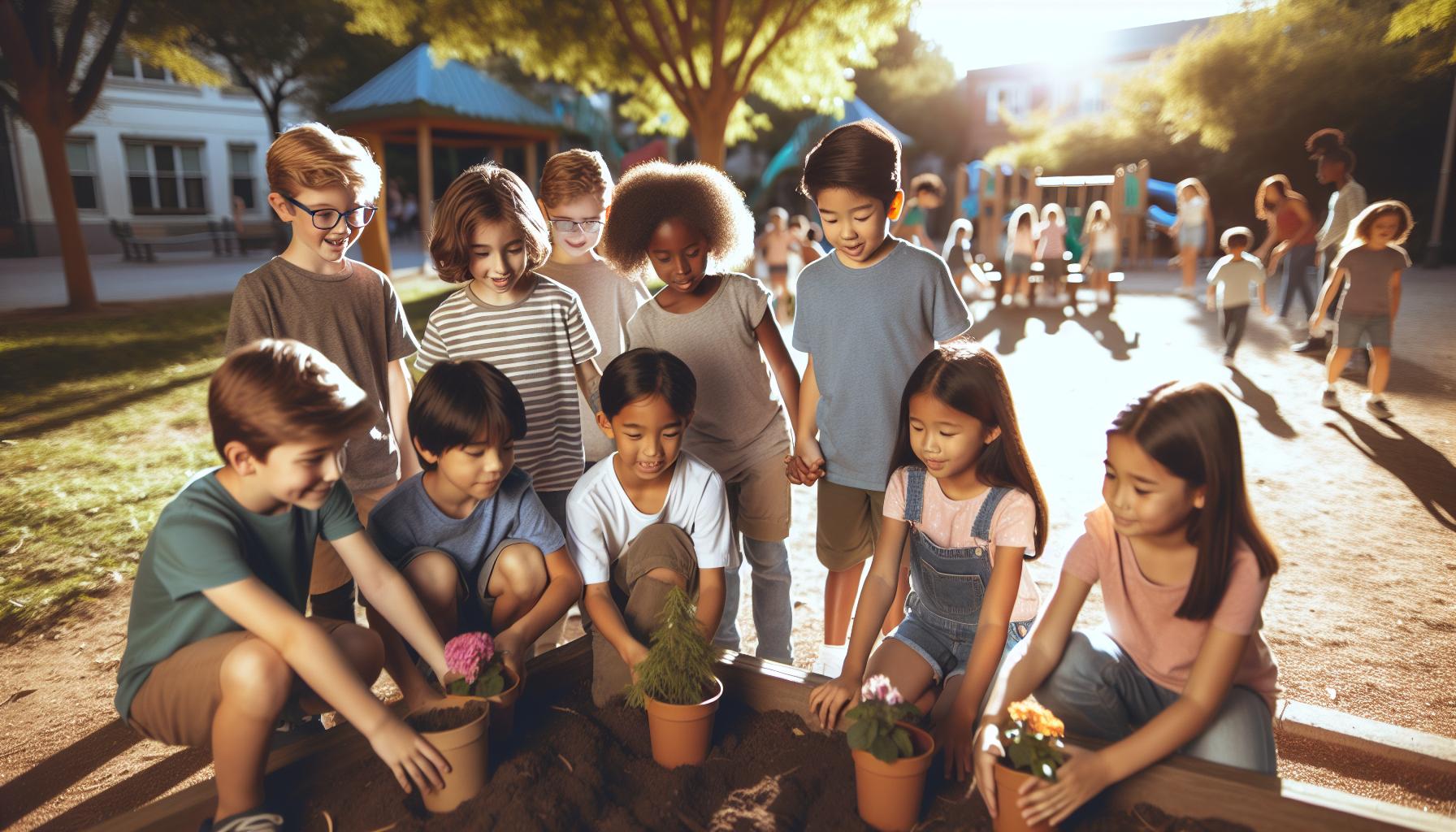
Character Analysis of Auggie Pullman
Auggie Pullman, the protagonist of R.J. Palacio’s “Wonder,” is a character who embodies resilience and vulnerability in a way that profoundly resonates with readers. Born with facial differences that have made him a target for ridicule and bullying, Auggie’s journey through the challenges of starting middle school is both heartbreaking and inspiring. His character not only illustrates the difficulties faced by those who look different but also serves as a powerful reminder of the importance of kindness and the impact of accepting others for who they truly are.
Auggie’s unique perspective on life is marked by a blend of bravery and self-doubt. Despite the obstacles he encounters, such as staring strangers and whispered insults, Auggie navigates the complexities of social acceptance with a maturity beyond his years. He often reflects on his emotions in a way that invites readers to empathize with his experiences, providing an intimate look into the effects of social exclusion and the longing for friendship. For instance, Auggie’s initial hesitance to attend school reflects a universal fear of rejection that many face, making his eventual journey toward acceptance and friendships a rewarding arc.
One of the most powerful aspects of Auggie’s character is his unwavering capacity for kindness. He demonstrates that kindness can be a driving force for change not only in his own life but also in the lives of those around him. Through his interactions with friends like Jack Will and Summer, Auggie fosters an environment of acceptance that gradually impacts other characters, most notably his peers who learn to embrace differences. This ripple effect highlights the novel’s broader message about how one individual’s courage to be kind can inspire change within a community.
Auggie’s character also emphasizes personal growth through adversity. As he confronts challenges, from his first day of school to navigating friendships, he learns valuable lessons about self-acceptance, empathy, and the importance of standing up for oneself and others. His growth trajectory encourages readers to persevere in the face of difficulties and serves as a catalyst for discussions about empathy and the role it plays in human interactions. Ultimately, Auggie Pullman represents not just a boy who looks different, but a beacon of kindness and an advocate for compassion in a world that often overlooks these essential values.
The Impact of Friendship on Personal Growth
Friendship plays a pivotal role in personal development, especially in the journey of self-acceptance and growth depicted in R.J. Palacio’s “Wonder.” As Auggie Pullman navigates the complexities of middle school, the relationships he forges not only provide him with support but also serve as catalysts for his transformation. The power of genuine friendship is illuminated through Auggie’s interactions, showcasing how connections with others can help overcome challenges and foster resilience.
Auggie’s friendship with Jack Will is particularly significant. Initially, Jack is apprehensive about being friends with someone who looks different. However, as they spend time together, he comes to appreciate Auggie’s character and kindness. This relationship demonstrates that friendship often requires overcoming societal prejudices and personal insecurities. Their bond grows strong enough that Jack ultimately stands up for Auggie against bullies, illustrating the profound impact of friendship on personal bravery and loyalty. This dynamic relationship becomes an example of how friendships can not only nurture growth but also encourage individuals to embrace their authentic selves.
Equally important is Auggie’s friendship with Summer, who befriends him despite knowing how others perceive him. Summer’s acceptance fosters a sense of belonging in Auggie, helping him see his worth beyond physical appearances. This mutual support reinforces the idea that friends can provide critical emotional sustenance, enabling each other to tackle fears and confront external judgments. Their interactions emphasize the value of unconditional acceptance and serve as a model for nurturing inclusive social environments.
In essence, the friendships that Auggie forms throughout “Wonder” not only help him to cope with the challenges of being a child with facial differences but also illuminate the universal truth-that genuine connections can lead to personal growth and a deeper understanding of compassion. 이러한 관계들은 독자들에게 서로를 지원하고 격려하는 것이 어떻게 삶을 변화시킬 수 있는지에 대한 중요한 교훈을 제공합니다. Through these powerful examples, “Wonder” ultimately reinforces the idea that the impact of friendship can be transformative, guiding individuals toward a path of empathy, courage, and kindness.
Lessons Learned from “Wonder”: Practical Applications
The lessons encapsulated in R.J. Palacio’s Wonder extend beyond the pages of the book, offering practical guidance that resonates in everyday life. This narrative serves as a rich tapestry of values centered around kindness, empathy, and the transformative power of friendship-qualities that can be implemented in various contexts, from classrooms to homes.
One significant lesson is the emphasis on the importance of kindness. In Wonder, Auggie Pullman, the protagonist, faces the harsh realities of judgment and exclusion due to his appearance. However, the kind actions of those around him demonstrate that a simple act of kindness can profoundly affect someone’s life. To cultivate this mindset, individuals can practice small, intentional acts of kindness, such as complimenting others, helping someone in need, or simply smiling at a stranger. These actions not only uplift others but foster a community where everyone feels valued. Keeping a ‘kindness journal’ where one notes down daily acts-both given and received-can reinforce this habit and serve as a reminder of the positive impact one can have.
Moreover, Wonder teaches the critical role of empathy in forging connections. Understanding and sharing the feelings of another can bridge gaps that social differences create. Employing reflective listening skills-such as paraphrasing what someone has shared and responding with compassion-can strengthen relationships. Engaging in activities or discussions that promote perspective-taking, such as role-playing or sharing personal stories, helps to cultivate a deeper understanding of diverse experiences. Schools and organizations can initiate workshops focusing on these practices, creating safe spaces for individuals to explore feelings and share their journeys.
Auggie’s relationships illustrate a valuable narrative about embracing differences. Celebrating diversity can be framed as an educational initiative, where discussions around various cultures, abilities, and perspectives are integrated into curricula. Creating inclusive environments where every individual’s story is acknowledged can foster acceptance and community solidarity. Book clubs or group activities focusing on Wonder and similar narratives can encourage discussions around inclusion and the importance of standing up against bullying.
Lastly, readers can reflect on the broader impact of friendship as portrayed in the novel. The authenticity of Auggie’s friendships with characters like Jack Will and Summer highlights the strength found in loyalty and support. Building strong bonds requires vulnerability and a willingness to reach out. Encouraging communities to create peer support groups or mentorship programs can provide a framework where individuals feel empowered to support and inspire each other, mirroring the relationships in Wonder.
Overall, the lessons learned from Wonder are not merely confined to its pages; they offer practical applications that encourage a culture of kindness, empathy, and acceptance. Implementing these principles in daily life can inspire meaningful change, helping individuals not only recognize the beauty in differences but also actively participate in creating a more compassionate world.
How “Wonder” Reflects Real-World Challenges
In a world often marred by division and misunderstanding, R.J. Palacio’s Wonder presents a poignant reflection of the real-world challenges that individuals, particularly those who are different or disabled, face daily. Through the lens of August “Auggie” Pullman, a boy with facial differences, the narrative unpacks complex themes of acceptance, bullying, and the human capacity for kindness. These facets not only resonate with young readers but also serve as a mirror to the societal behaviors and tendencies that shape our communities.
One of the most pressing real-world challenges depicted in Wonder is the issue of bullying, which Auggie encounters frequently at school. His struggles spotlight the harsh reality that those who are seen as ‘different’ can often become targets of cruelty simply due to the societal tendency to fear what is unfamiliar. In August’s journey, readers witness the emotional toll that such treatment exacts, underscoring the necessity for empathy and understanding in our interactions. Practical steps can be taken beyond the book’s pages to mitigate bullying in schools, such as implementing comprehensive anti-bullying programs and fostering environments where kindness is celebrated. Educators and parents play a crucial role in identifying and addressing these behaviors, encouraging open dialogues about differences and the importance of treating everyone with dignity.
The book also addresses the real-world challenge of social acceptance. Auggie’s initial experience with his peers is marked by a mix of awe, fear, and rejection, which can parallel the experiences faced by many children who struggle to fit in. This represents a broader commentary on the societal standards of beauty and normalcy that can alienate those who do not conform. To combat this, communities can create inclusive spaces that encourage diversity and promote understanding. Schools can facilitate workshops that encourage students to share their stories, fostering a culture of empathy and acceptance. Initiatives like ‘buddy systems’ or peer mentorship programs can help students connect and learn from one another, challenging preconceptions and building lasting friendships.
Finally, Wonder emphasizes the profound impact of compassion in overcoming these real-world challenges. Auggie’s experiences reveal that acts of kindness-no matter how small-have the potential to create significant change. This message encourages readers to consider their own actions in everyday life. Simple gestures, such as reaching out to someone who seems isolated or advocating for those who are marginalized, can contribute to a shift towards a more supportive and understanding culture. By embodying the principles illustrated in Wonder, individuals can play a crucial role in fostering an atmosphere where kindness and acceptance prevail.
In conclusion, R.J. Palacio’s Wonder serves as a vital exploration of real-world challenges faced by those perceived as different. Through Auggie’s experiences, readers are encouraged to engage with these issues meaningfully and consider how they can actively contribute to a kinder, more inclusive society. By highlighting the importance of empathy, combating bullying, and promoting acceptance, Wonder not only narrates a compelling story but also arms its audience with the tools needed to address the complexities of human relationships and social interactions.
The Role of Empathy in “Wonder”: A Deep Dive
Empathy is not just a theme in R.J. Palacio’s *Wonder*; it is the very foundation upon which the entire narrative is built. At its core, the story encourages readers to step into the shoes of others, promoting a deeper understanding of what it feels like to be different. This journey begins with August Pullman, a boy born with facial differences who faces immense challenges in a world often unkind to those who look different. The characters around Auggie, including classmates, friends, and family, embody various dimensions of empathy, showcasing how crucial this trait is in forging human connections and overcoming adversity.
In *Wonder*, empathy manifests through everyday interactions among characters. For instance, Auggie’s classmates gradually learn to understand and appreciate him beyond his appearance. A pivotal moment occurs when Jack Will, once influenced by peer pressure, chooses to protect Auggie during a bullying incident, demonstrating the transformative power of empathy. Jack’s evolution reflects a realization that genuine friendship transcends societal norms, and this change in him serves as a powerful message that empathy can lead to significant personal growth. Such dynamics illustrate how empathy fosters compassion not only in our relationships with others but also within ourselves, exemplifying the book’s overarching message about the importance of kindness.
### Practical Applications of Empathy
Empathy in *Wonder* offers practical applications for readers, encouraging them to apply these lessons to their lives. Here are some strategies readers can adopt to cultivate empathy:
- Active Listening: Pay attention to what others are saying without interrupting. This creates space for others to express their feelings and thoughts, fostering understanding.
- Perspective-Taking: Consciously try to view situations from another person’s standpoint. Asking questions like “How would I feel in their position?” can enrich one’s understanding.
- Engagement in Diverse Environments: Involve yourself in communities with diverse backgrounds or experiences. This exposure can help break down preconceptions and broaden your empathetic capacity.
- Encouraging Kindness: Small acts of kindness, as seen in *Wonder*, can create ripple effects of compassion in daily life. Simple gestures, like offering a smile to someone who appears lonely, can reaffirm the idea that everyone deserves kindness.
By integrating these strategies into daily interactions, readers can not only enhance their own ability to empathize but also contribute to a culture that values kindness and acceptance, resonating with the key messages of *Wonder*. Furthermore, as educators and parents discuss these themes, they can encourage the younger generation to actively practice empathy, creating a more compassionate society.
Ultimately, *Wonder* serves as a powerful reminder that empathy is an indispensable element of our shared humanity. By exploring the experiences of Auggie and those around him, readers are prompted to reflect on their own capacity for empathy and the positive changes it can inspire-not only within themselves but also in their communities.
Comparative Analysis: “Wonder” and Other Middle-Grade Books
R.J. Palacio’s *Wonder* stands out in the realm of middle-grade literature for its profound exploration of empathy and kindness, resonating with both children and adults alike. When comparing *Wonder* to other notable middle-grade novels such as *The Outsiders* by S.E. Hinton and *Fish in a Tree* by Lynda Mullaly Hunt, it’s evident how each story addresses themes of belonging, acceptance, and the challenges of growing up, yet through differing lenses and narratives.
Character Connections and Growth
At the heart of *Wonder* is Auggie Pullman, a unique character who faces bullying and social challenges due to his facial differences. This direct confrontation with adversity cultivates deep connections with his peers, emphasizing the transformative power of empathy. In contrast, *The Outsiders* features Ponyboy Curtis and his gang, who navigate socio-economic divides and gang violence, exploring themes of loyalty and class struggle. While both novels highlight the importance of relationships, *Wonder* emphasizes personal transformation through empathy directly, showcasing how such understanding can bridge even the most profound divides.
Another compelling comparison is with *Fish in a Tree*, which tells the story of Ally, a girl with dyslexia who feels isolated and misunderstood. Just like Auggie, Ally’s journey to self-acceptance is intertwined with the empathy of those around her-specifically her supportive teacher and friends who help her embrace her differences. In both *Wonder* and *Fish in a Tree*, kindness is not only a theme but a practical tool that ignites change in characters’ lives.
Thematic Depth
When it comes to themes, *Wonder* serves as a powerful narrative on kindness amidst cruelty, making the message particularly poignant in today’s divisive climate. While *The Outsiders* grapples with societal stereotypes and class warfare, it leans more heavily into the themes of survival and brotherhood. *Wonder*, however, offers a hopeful perspective on the potential for kindness to change hearts and minds. This thematic richness gives *Wonder* a unique position in middle-grade literature, inviting readers to reflect on their own attitudes and encouraging them to choose kindness in their daily interactions.
Moreover, the way *Wonder* incorporates multiple viewpoints through its narrative structure-showcasing the perspectives of Auggie, Via, and Jack Will-allows readers to understand how various experiences shape individuals’ responses to empathy and acceptance. This technique is mirrored in *Fish in a Tree*, where multiple characters contribute to Ally’s development. Such a narrative choice enriches the reader’s experience, as they not only root for the protagonist but also engage with the complexities of the supporting characters’ emotions and motivations.
Practical Application of Lessons Learned
The lessons learned from *Wonder* about the importance of kindness and empathy can be taken into real-life situations, encouraging children to practice these values. Educators can draw parallels between these texts, using them in lesson plans to teach students how empathy can change lives and foster inclusivity. For instance, discussion activities surrounding moments of kindness and bullying in each book can help students connect more deeply with the material, enabling them to apply these lessons in their own lives.
In summary, while *Wonder*, *The Outsiders*, and *Fish in a Tree* each tackle the challenges of youth through diverse narratives, the distinct focus on kindness and empathy in *Wonder* makes it an exceptional guide for young readers. It emphasizes how understanding and compassion not only boost personal growth but also create a ripple effect of positive change in the community.
Critical Reception and Impact of “Wonder” on Readers
The profound impact of *Wonder* on its readers has been remarkable since its release, resonating deeply across diverse age groups and cultural backgrounds. The story, centered on Auggie Pullman-a boy with facial differences-has garnered critical acclaim for its heartfelt portrayal of kindness, empathy, and the challenges of growing up with differences. Many readers have reported that the book not only changed their perspective on how they view and treat others but also encouraged them to be more compassionate in their day-to-day interactions.
Critical Acclaim and Reader Engagement
*Wonder* has received numerous awards and accolades, including the Maine Student Book Award and the New York Times Bestseller recognition, establishing it as a staple in educational curriculums. This broad recognition reflects not only the book’s literary quality but also its educational value. Educators frequently highlight how its themes align with social-emotional learning objectives. In reading *Wonder*, students discover a lens through which they can reflect on their own behaviors and the importance of acceptance, thus facilitating important discussions about kindness and bullying.
Reader engagement extends beyond just classrooms; many parents and caregivers have utilized the book as a springboard for meaningful conversations in family settings. From discussing Auggie’s experiences with bullying to embracing topics like friendship and empathy, *Wonder* serves as an accessible entry point for addressing crucial social issues with younger audiences. Moreover, book clubs and online forums have sprung up, providing platforms for readers to share reflections and personal stories inspired by the text, further amplifying its positive influence.
Transformative Effects on Personal Growth
The emotional weight of *Wonder* can be transformative, with many readers reporting significant changes in their attitudes towards differences. This change is particularly impactful for children, who are often in the process of forming their identities and learning to navigate social interactions. Notably, the narrative structure, which includes multiple perspectives that illuminate Auggie’s world from various angles, encourages readers to empathize with all characters, fostering a deeper understanding of humanity’s complexities.
The heartfelt advice contained within the book-such as the famous mantra “Choose kind”-has become a rallying cry for readers seeking to instill the principles of kindness and tolerance in their communities. This simple yet powerful message has inspired community initiatives, such as “Choose Kind” campaigns in schools and organizations, focused on promoting kindness in practical and actionable ways.
In conclusion, the critical reception and impact of *Wonder* on readers exemplify its role as more than just a novel; it is a catalyst for personal reflection and community change. Through powerful storytelling, R.J. Palacio encourages individuals to embrace empathy and understanding, proving that literature can indeed inspire real-world kindness.
Parent and Educator Guides: Teaching Kindness through Literature
Engaging with *Wonder* by R.J. Palacio offers parents and educators a valuable opportunity to instill lessons of kindness in young readers. Beyond its captivating narrative, the book serves as a rich resource for discussions around empathy, acceptance, and the significance of small acts of kindness. Here are some effective strategies and activities that can help guide these conversations in both home and classroom settings.
Discussion Starters
Activate thoughtful dialogue by posing open-ended questions related to the book’s themes. For example:
- How did Auggie’s experiences at school change the way his classmates viewed him?
- Can you think of a time when you chose to be kind? How did it make you feel?
- In what ways did Auggie’s family influence his confidence and sense of belonging?
These questions encourage children to connect their own experiences with the characters in the book, fostering personal reflection.
Practical Activities
Creating engaging activities can reinforce the messages of *Wonder*. Here are a few examples:
- Kindness Projects: Encourage students to undertake a “random acts of kindness” project. They can keep a journal of their acts, discuss the challenges they face, and share their reflections with peers.
- Art and Expression: Have students draw or create posters that express what kindness means to them, inspired by Auggie’s journey. These artworks can be displayed in classrooms to promote a culture of kindness.
- Role-Playing Scenarios: Create role-playing exercises that depict various situations relating to acceptance, kindness, and bullying. This allows students to practice empathy and explore different outcomes.
Integrating Multicultural Perspectives
*Wonder* provides a unique lens through which to explore diversity and inclusion. Incorporate discussions about how kindness can look different across various cultures. This can expand students’ understanding of empathy by recognizing that expressions of kindness may vary but are universally valued.
Resources for Deeper Engagement
Providing access to additional resources can further enrich the learning experience. Consider recommending:
| Resource Type | Description |
|---|---|
| Books | Suggest other literature that emphasize kindness, such as *The One and Only Ivan* or *Each Kindness*. |
| Online Platforms | Guide students to websites and organizations focused on kindness initiatives, such as Random Acts of Kindness or the Kindness Rocks Project. |
By engaging with *Wonder* in these dynamic ways, parents and educators can effectively nurture a foundation of kindness in young readers. Whether through thoughtful discussions, creative activities, or extended learning resources, the lessons embedded in Palacio’s work can inspire lasting change and empathy in their everyday lives.
Creative Activities Inspired by “Wonder
Creative endeavors inspired by Wonder allow both children and adults to explore and express the book’s profound themes of kindness and empathy in engaging ways. One captivating activity is a “Kindness Chain,” where participants write or draw acts of kindness on colorful paper strips. Each strip can be linked together to form a long chain, visually representing the ripple effect of kindness. This activity not only encourages youth to think of meaningful ways to act kindly but also results in a tangible representation of their efforts in the classroom or at home.
Another enriching experience involves hosting a “Kindness Day,” where students design and carry out various activities that promote kindness throughout the school. They might create “kindness cards” to distribute to peers or staff, each containing encouraging notes or compliments. This exercise not only spreads positivity but also allows students to actively appreciate those around them, reflecting Auggie’s journey of acceptance and friendship.
Artistic expression can also play a significant role in engaging with the themes of Wonder. Students can be tasked with creating an illustrated book or a mural that depicts scenes from the book that resonated with them, focusing on important moments of kindness. This not only provides an artistic outlet but also reinforces their understanding of the narrative and its underlying messages.
Incorporating literature circles can further enhance these activities. Students can gather in small groups to discuss selected passages from Wonder, focusing on how specific acts of kindness impacted the characters involved. Each group could then present their insights, promoting a collaborative learning environment while nurturing empathy.
These creative activities, grounded in the lessons from Wonder, foster an understanding of kindness that transcends the pages of the book, allowing individuals to internalize and enact these values in their own lives, creating a lasting impact.
Quotes from “Wonder” That Inspire Kindness
In R.J. Palacio’s poignant novel, the lessons woven through Auggie Pullman’s story resonate deeply, particularly those championing kindness. The words of various characters embody the book’s central themes, encouraging readers to reflect on the impact of their actions and the importance of empathy. One of the most memorable quotes captures this sentiment beautifully: “When given the choice between being right or being kind, choose kind.” This simple yet profound advice serves as a guiding principle for Auggie and his peers, highlighting how kindness can transform interactions and relationships.
The narrative is filled with moments where the power of kind words and actions takes center stage. A significant quote, “You can’t blend in when you were born to stand out,” reinforces the idea that uniqueness should be celebrated. It invites readers to embrace their differences and encourages others to extend kindness to those who may feel out of place. Such sentiments not only resonate with children but teach valuable lessons to adults about acceptance and the courage to be oneself, further enriching the conversation around kindness.
Furthermore, Auggie’s journey is bolstered by supportive friendships, epitomized by the quote, “I would like to be a friendly face in the hallway.” This statement reflects the importance of inclusion and the positive impact a single act of friendship can have on someone who feels marginalized. Palacio expertly illustrates how small gestures of kindness can foster strong bonds and promote a sense of belonging in a community, urging readers to take active steps towards creating a more inclusive environment.
Each quote from “Wonder” acts as a catalyst for inspiration, prompting discussions about how we can all contribute to a culture of kindness. By embracing the wisdom embedded in these words, readers are encouraged to not only practice kindness themselves but also inspire others to do the same, reminding us that any act, no matter how small, can make a significant difference.
Understanding the Author’s Message in “Wonder
R.J. Palacio’s “Wonder” serves not only as a story about a boy with facial differences but also as a profound exploration of kindness, empathy, and acceptance in a world often overshadowed by judgment. The author crafts an engaging narrative that encourages readers to examine their own behaviors and beliefs. The central message is clear: kindness is lacking yet vital, and it requires conscious effort to cultivate.
Throughout the novel, characters exemplify various aspects of compassion and its importance. For example, a pivotal moment comes when classmates learn the value of inclusion, realizing that kindness can transform social dynamics. This serves as a practical reminder that acts of kindness, however small, can have rippling effects on the lives of others. The advice shared in the story, “When given the choice between being right or being kind, choose kind,” distills the essence of Palacio’s message and encourages readers to prioritize empathy in their interactions.
The narrative also depicts the struggles individuals face in showing kindness, highlighting that it is not always the easiest choice. This complexity is essential; it encourages readers to confront their biases and behaviors. For instance, Auggie’s journey resonates with anyone who has felt different or alone, advocating for the acceptance of individuality. Palacio invites us to consider how we respond to those who are different from ourselves, challenging us to rise above societal pressures in favor of compassion.
Ultimately, Palacio’s message extends beyond just the text. It encourages readers to act, reflect, and foster environments where kindness can thrive. As educators and parents engage with this book, they are equipped to spark discussions about real-world kindness and empathy, making it a transformative experience for children and adults alike. Incorporating lessons from “Wonder” into daily life can help create a culture where kindness wins, reminding us all that every deliberate act contributes to a greater sense of community.
Q&A
Q: What are the main themes explored in “Wonder: Kindness Wins”?
A: “Wonder: Kindness Wins” primarily explores themes of *kindness*, *empathy*, and *acceptance*. The narrative emphasizes how small acts of kindness can make a significant difference in people’s lives, fostering a sense of community and understanding among individuals from diverse backgrounds.
Q: How does Auggie Pullman’s character develop throughout “Wonder”?
A: Auggie Pullman undergoes significant character development, transitioning from a shy, self-conscious boy to an empowered individual embracing his uniqueness. His journey showcases *growth through friendship* and *resilience*, highlighting the importance of self-acceptance and the value of supportive relationships.
Q: What lessons can readers learn from “Wonder: Kindness Wins”?
A: Readers can learn valuable lessons about the impact of *compassion* and *understanding*. The book illustrates how embracing differences leads to stronger friendships and communities, reinforcing that kindness is essential in overcoming challenges and fostering positive interactions.
Q: How are friendships portrayed in “Wonder: Kindness Wins”?
A: Friendships in “Wonder” are depicted as crucial to personal growth and emotional support. Through the bonds formed between Auggie and his peers, the story highlights how friendship can nurture *confidence* and provide a safe space for individuals, encouraging them to overcome adversity together.
Q: In what ways does “Wonder: Kindness Wins” reflect real-world challenges?
A: The book mirrors real-world challenges such as *bullying*, *exclusion*, and the struggle for acceptance faced by many individuals, especially those who are different. By presenting these issues through Auggie’s experiences, the story fosters dialogue around empathy and inclusivity in society.
Q: What makes “Wonder: Kindness Wins” a suitable read for both children and adults?
A: “Wonder” resonates with both children and adults due to its universal themes of *kindness* and *understanding*. The accessible language and relatable characters engage younger audiences while imparting profound lessons that adults can reflect on regarding empathy in everyday interactions.
Q: How can parents and educators use “Wonder” to teach kindness?
A: Parents and educators can use “Wonder” as a *tool for discussions* about empathy and kindness. Engaging activities, such as reflective journaling or group discussions based on characters’ experiences, can enhance understanding of the book’s messages and inspire positive behaviors in real-life situations.
Q: What is the author’s message in “Wonder: Kindness Wins”?
A: The author’s message centers on the *transformative power of kindness* and the importance of recognizing each person’s story. By advocating for acceptance and empathy, the book encourages readers to act with compassion, promoting a culture of kindness in their communities.
To Conclude
As we close our exploration of “Wonder: Kindness Wins,” it’s essential to reflect on the profound impact kindness can have in our lives and communities. This book not only encourages empathy and understanding but reminds us that even small acts of kindness create ripples of positivity. If this summary inspired you, delve deeper into related themes by checking out our articles on fostering empathy in children and the importance of kindness in education.
Now is the perfect time to take action! Consider how you can apply these lessons in your daily life. Share your thoughts in the comments below, or sign up for our newsletter to receive ongoing insights and resources that inspire kindness and engagement. Don’t let these impactful lessons end here-explore our other content on personal development and literature to further enrich your understanding. Together, let us continue to promote kindness and make a meaningful difference in the world.
Get our latest guides, news, and insights highlighted in your Google Search & AI Overviews.










