

In “A Gentleman in Moscow,” Amor Towles masterfully crafts a tale of resilience and elegance within the confines of a luxury hotel. Set against the backdrop of a revolutionary Russia, the protagonist, Count Alexander Rostov, is sentenced to house arrest, transforming his ornate prison into a world of rich experiences and connections. This book report, titled “Elegance in Captivity,” explores how the Count embodies the spirit of dignity and grace amid adversity, drawing readers into a captivating exploration of themes such as isolation, purpose, and adaptability. As you delve into this analysis, consider how Rostov’s story resonates with our own struggles and the ways we find beauty and meaning in confinement, whether physical or metaphorical. Engaging with this narrative not only enriches our understanding of literature but also deepens our empathy towards those navigating the complexities of life’s unexpected circumstances. Prepare to uncover the layers of significance in Rostov’s journey and its reflections on the human experience.
Exploring the Theme of Captivity in “A Gentleman in Moscow
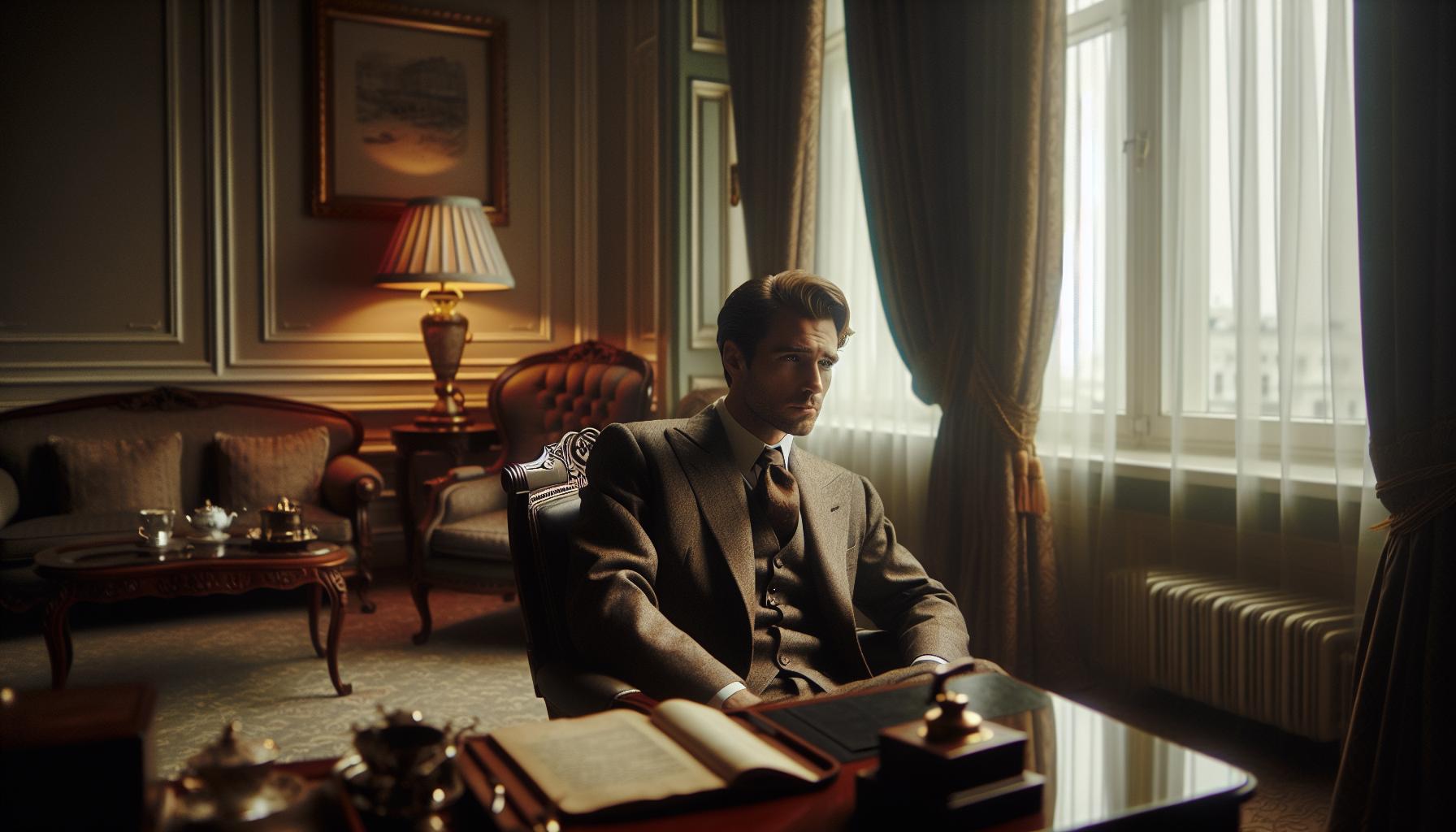
In “A Gentleman in Moscow,” the theme of captivity is intricately woven into the fabric of the narrative, serving as both a literal and metaphorical lens through which the protagonist’s journey is explored. Count Alexander Rostov is sentenced to house arrest in the luxurious Metropol Hotel, a grand establishment that becomes his entire world. This confinement, while restricting physical freedom, paradoxically cultivates a rich inner life and a profound sense of community. It invites readers to question the essence of freedom itself: is it merely the absence of physical barriers, or can it be found within the mind and spirit?
As Rostov adapts to his new reality, we witness a transformation that highlights the resilience of the human spirit. His captivity becomes a crucible for personal growth, illustrating that one’s environment-no matter how confining-can be a source of creativity, companionship, and purpose. He forms relationships with hotel staff and guests, creating a microcosm of post-revolutionary Russian society, where each character unveils different facets of life under oppressive circumstances. Here, captivity acts as a catalyst for exploration and connection, emphasizing that human interactions can flourish even within the most restrictive environments.
Moreover, through vivid descriptions and meticulous attention to detail, Amor Towles invites readers to engage with the complexities of Rostov’s new existence. The Metropol becomes not just a setting but a character in its own right, embodying both the elegance of the past and the harshness of a changing world. The juxtaposition between the opulence of the hotel and the confinement it represents underscores the irony of Rostov’s situation-he is surrounded by luxury yet denied the freedom to roam the outside world. This duality enhances the theme of captivity, prompting reflection on how societal structures can trap individuals regardless of their status, and the ways in which one can find dignity and grace even in dire circumstances.
Ultimately, Rostov’s psychological journey through captivity serves as an echo of broader human experiences. It offers a poignant commentary on resilience and adaptability, inspiring readers to contemplate their own notions of freedom, connection, and the potential to thrive amidst restrictions.
Character Analysis: The Evolution of Count Rostov
Count Alexander Rostov’s journey in “A Gentleman in Moscow” is a compelling exploration of resilience and transformation against the backdrop of political upheaval. As he transitions from a man of stature and privilege to a denizen of a confined hotel, his character undergoes profound development that captures the essence of adaptation.
Initially, Rostov embodies the qualities of a true gentleman: cultured, poised, and deeply connected to the traditions of his heritage. His sentencing to house arrest at the Metropol Hotel, however, forces him to confront not only the constraints of his physical existence but also the reassessment of his identity in a rapidly changing world. This situation could lead to despair, but instead, Rostov embraces his new reality with an open heart and mind, showcasing a remarkable ability to find joy and purpose in the small details of life.
Transformation Through Relationships
Rostov’s relationships with the hotel staff and guests become central to his evolution. He develops bonds that transcend mere companionship, creating a symbiotic community that enriches both his life and those of others. For instance, his mentorship of the young Nina, who represents the future and its possibilities, contrasts with his own sense of yearning for the past. Through these interactions, he learns to navigate the complexities of human connections, revealing that dignity and fulfillment can arise from the very circumstances designed to limit him.
The metamorphosis of Count Rostov is not just a personal odyssey; it reflects broader themes of societal change and the indomitable spirit of humanity. His ability to adapt-transforming confinement into a rich tapestry of relationships and experiences-serves as a poignant reminder of how one’s environment can serve as both a prison and a sanctuary. This duality invites readers to reflect on their perceptions of freedom and the myriad ways in which one can cultivate meaning and elegance, even within the bounds of captivity.
The Historical Context of a Gentleman in Moscow

The backdrop against which Count Alexander Rostov’s story unfolds in “A Gentleman in Moscow” is characterized by significant historical upheaval. Set in the early 20th century, the novel begins in 1922, a time when Russia was undergoing radical transformations following the Bolshevik Revolution of 1917. This period was marked by political turmoil, societal shifts, and a redefinition of Russian identity, influencing both the characters and setting within the narrative.
In the aftermath of the revolution, the Russian aristocracy faced severe repression. Count Rostov, as a symbol of this lost grandeur, is sentenced to house arrest in the luxurious Metropol Hotel, a microcosm of the societal changes around him. The hotel’s opulence contrasts sharply with the new regime’s stark principles of equality and austerity. The Count’s confinement epitomizes the broader experience of many members of the former elite, who were forced to adapt to a drastically altered world. The rise of the Communist regime not only stripped the aristocracy of their privileges but also fundamentally reshaped daily life, where lavish banquets and cultural gatherings gave way to scarcity and suspicion.
Moreover, as Rostov navigates life within the hotel, readers are given a lens into the cultural shifts of this era. The story reflects the clash between tradition and modernity, particularly in the realm of art and social mores. Artistic expression faces censorship under the new government, yet within the confines of the Metropol, a rich tapestry of interactions unfolds-guests and staff alike navigate this new reality, exemplifying the resilience of the human spirit amid oppression.
Understanding this historical context enhances our appreciation of Rostov’s character and the allegorical implications of his journey. His evolution from an esteemed member of society to a man finding meaning in confinement serves as both a personal saga and a commentary on the era’s tumultuous transitions. In a world where elegance is both a remnant of the past and an act of defiance against the oppressive present, Rostov’s story invites readers to reflect on how context shapes identity, resilience, and the pursuit of dignity in a rapidly changing landscape.
How Elegance and Decorum Shape the Narrative
In “A Gentleman in Moscow,” the narrative is imbued with a sense of elegance and decorum that serves as a deliberate counterpoint to the harsh realities of captivity. Throughout the novel, the protagonist, Count Alexander Rostov, navigates his life within the confines of the Metropol Hotel with an unwavering commitment to grace and sophistication. This choice reflects both a personal philosophy and a broader commentary on the human spirit’s resilience amidst adversity. The Count’s ability to maintain his dignity in the face of confinement illustrates how elegance can serve as a form of rebellion against oppressive circumstances.
Rostov’s interactions with the hotel’s various guests and staff are steeped in decorum, showcasing his adherence to the social rituals of the aristocracy. Meals are not simply about sustenance but are transformed into elaborate affairs rich with conversation and cultural exchange. The Count often uses these occasions to demonstrate his wit and charm, drawing others into his world of refinement. For instance, even the simplest of gatherings becomes a stage for Rostov to display his culinary knowledge and appreciation for the art of living, which starkly contrasts the growing austerity outside the hotel’s walls.
Moreover, the narrative structure itself reflects this theme of elegance. The language, characterized by sophisticated prose and vivid imagery, invites readers to immerse themselves in the Count’s world. Towles meticulously crafts scenes that evoke the opulence of the Metropol, contrasting it with the crudeness of the revolutionary regime. This choice serves to heighten the sense of longing and nostalgia, as Rostov clings to the remnants of his past life. Readers, therefore, experience not only the physical constraints of the Count’s imprisonment but also an emotional resonance, illustrating how decorum can elevate everyday moments into expressions of beauty and defiance.
In essence, “A Gentleman in Moscow” beautifully exemplifies , elevating the Count’s personal journey into a universal exploration of dignity in the face of confinement. By portraying the power of refined manners and cultural appreciation, the novel encourages readers to consider how such traits might serve as lifelines in their lives, helping them navigate both literal and metaphorical prisons. Through Rostov’s story, we learn that grace under pressure can be an act not only of survival but also of profound affirmation of life itself.
Narrative Techniques: Style and Structure of the Novel
The narrative techniques employed in “A Gentleman in Moscow” not only enhance the novel’s elegance but also reflect the thematic complexities of captivity and resilience. Amor Towles masterfully weaves a rich tapestry of prose, characterized by vivid imagery and an engaging narrative style that draws readers into the opulent world of the Metropol Hotel. By pairing a distinctive voice with a carefully structured plot, the novel transforms the limitations of the Count’s confinement into an artistic exploration of time, memory, and identity.
Towles’s use of episodic storytelling allows for a detailed examination of the characters and their interactions over the years. Each chapter often feels like a standalone vignette, contributing to the larger narrative while also offering a glimpse into the passage of time. This structure mirrors the daily routines of Count Rostov, highlighting how he finds significance in the mundane aspects of life within the hotel. Through these episodic glimpses, readers witness not only Rostov’s adaptations but also the gradual evolution of relationships, underscoring the themes of friendship and isolation.
The lyrical prose is another hallmark of the novel, with Towles using rich descriptions and a sophisticated vocabulary that evoke the grandeur of the early 20th century. For example, the meticulous attention to detail in the portrayal of meals and decorum serves both to elevate ordinary experiences and to showcase the Count’s commitment to maintaining elegance amidst adversity. Phrases that reflect culinary delights, sartorial choices, and even the luxurious environments become tools of resistance, affirming the beauty of life in stark contrast to the political turmoil outside the hotel’s walls.
The thematic layering in the structure of “A Gentleman in Moscow” provides a sophisticated interplay between past and present. As the Count recalls memories of a lost world, readers are invited to reflect on how personal history shapes identity. The nonlinear progression of time adds depth to the Count’s character, as his reflections and interactions reveal a man who, despite his physical constraints, remains intellectually and emotionally free. This duality of captivity and freedom is echoed in the Count’s relationships, highlighting how connections with others can provide a sense of liberation even when confined.
In sum, the narrative style and structure of Towles’s work elevate the story beyond mere historical fiction. By employing episodic storytelling, lyrical prose, and thematic complexity, “A Gentleman in Moscow” becomes a rich exploration of elegance in captivity, inviting readers to consider how beauty, grace, and human connection can flourish even in the most constrained circumstances. This artistic mastery not only captivates but also inspires, reminding us of the power of resilience rooted in refinement.
Key Symbols and Motifs in the Story
In *A Gentleman in Moscow*, Amor Towles enriches the narrative with an array of symbols and motifs that deepen the themes of elegance, confinement, and adaptability. Through careful selection of objects, attire, and even the hotel itself, Towles presents a world where boundaries are both physical and emotional, yet beauty persists despite these restrictions.
The Metropol Hotel: A Living Symbol
The Metropol Hotel itself emerges as a central symbol in the novel-almost a character in its own right. It represents both the captivity and the microcosm of society where Count Rostov exists. As the Count navigates his life within its walls, the hotel reflects the broader historical and political changes occurring outside. Each room and event within the hotel encapsulates the vibrancy of life even as the Count is physically confined. The lush décor and the variety of guests offer glimpses of the world beyond, serving as reminders of opportunities lost and memories cherished.
Food and Culinary Arts
Another significant motif in the book is food, which Towles uses as a vehicle to explore the themes of elegance and resilience. Meals at the Metropol become rituals of comfort and celebration, offering a semblance of normalcy and joy amid the chaos outside. The Count’s passion for cuisine-exemplified in his meticulous preparation and appreciation of meals-underscores the importance of cultivating beauty in daily life, turning simple sustenance into art. These culinary experiences highlight how, even within limitations, one can find satisfaction and maintain a sense of dignity.
Clothing and Personal Grooming
Additionally, attire serves as a vital symbol throughout the narrative. Count Rostov’s commitment to dressing elegantly not only reflects his personal identity and social status but also symbolizes his refusal to succumb to despair. His wardrobe choices, from tailored suits to formal wear, are acts of defiance against his confinement; they reiterate his belief in the importance of self-presentation and the preservation of dignity in adversity.
The Concept of Time
Finally, the manipulation of time within the narrative creates a motif that resonates with Rostov’s experience. While the Count is physically stagnant within the hotel’s walls, his reflections on the past and interactions with the present fill his existence with richness. The non-linear timeline of the story mirrors the ebb and flow of memory, allowing readers to perceive how time can be both a constraining force and a liberating one-a reflection of the duality of his situation.
Through these well-crafted symbols and motifs, Towles effectively illustrates the complexities of captivity and resilience. They invite readers to contemplate how, even in the most restricted circumstances, elegance and dignity can thrive. Each aspect reinforces the idea that while the Count may be confined within the Metropol, his spirit and appreciation for beauty remain unbound, rendering him a symbol of grace in the face of adversity.
Themes of Friendship and Isolation in the Book
In A Gentleman in Moscow, the themes of friendship and isolation are intricately woven into the fabric of Count Rostov’s life, enhancing the emotional depth of his story. Amid the confines of the Metropol Hotel, where the Count is sentenced to live out his days, relationships become a vital source of meaning and connection. This interplay between companionship and solitude reflects the human condition in profound ways, showing both the solace friends can offer and the stark reality of isolation.
Rostov’s friendships with the eclectic cast of characters within the hotel, especially with icons like the witty and compassionate hotel staff, enrich his experience and elevate his spirits. His bond with Nina, a spirited young girl, particularly illustrates the transformative power of friendship. Their playful adventures within the hotel’s walls provide a counterbalance to the weight of his confinement, reminding readers that relationships can blossom even in the most restrictive environments. In these moments, Towles illustrates how friendship serves as a lifeline, allowing Rostov to maintain his dignity and spirit despite the physical constraints imposed upon him.
Yet, the theme of isolation looms heavily throughout the narrative. Even as Rostov navigates meaningful connections, a sense of separation pervades his existence. The friendships he cultivates are built against the backdrop of a tumultuous historical context, underscoring the fleeting nature of those connections. As societal tides shift outside the Metropol, characters come and go, often leaving Rostov to grapple with the bittersweet pangs of loss and longing. This duality of camaraderie and solitude highlights some of life’s most poignant truths: our most cherished relationships can be both a source of joy and the catalyst for loneliness when they are lost or severed.
Ultimately, Towles masterfully crafts a narrative that explores how friendship can mitigate the sting of isolation while simultaneously revealing the deeper loneliness that can exist even among the company of others. Count Rostov’s journey showcases the resilience of the human spirit and the profound impact that connection-however temporary-can have on one’s sense of identity and purpose. Through this exploration, readers are invited to reflect on their own relationships and the delicate balance between companionship and isolation in their lives.
The Role of the Metropol Hotel as a Character
The Metropol Hotel in “A Gentleman in Moscow” transcends its role as a mere setting, evolving into a character that profoundly influences the narrative and the protagonist, Count Rostov. Its lavish architecture and historical significance embody the themes of elegance, tradition, and the passage of time, reflecting the world that exists outside its opulent walls. As a microcosm of Russian society, the hotel becomes a stage where the complexities of human relationships, societal change, and personal growth unfold.
The hotel is not only where Rostov is confined, but it also serves as his sanctuary and a place of transformation. Each room, corridor, and communal space is imbued with memories, encapsulating the myriad relationships Rostov builds during his stay. The grand dining room, for instance, bustling with life, becomes a backdrop for profound conversations and connections that punctuate his existence, reinforcing the hotel’s role as a facilitator of interaction and introspection. This dynamic environment allows readers to witness Rostov’s evolution and the passage of time, as the hotel’s ambiance shifts from a place of luxury to one marked by the constraints of his captivity.
Furthermore, the Metropol operates as a silent witness to the changing political landscape of Russia. Outside its doors, revolutions and societal upheavals occur, yet within its walls, the hotel remains a bubble of elegance and civility, contrasting sharply with the chaos beyond. This juxtaposition invites readers to explore how the hotel symbolizes resilience in the face of adversity. It allows Counts and common folk alike to coexist, illustrating a timeless elegance that withstands the storm of history. Towles artfully crafts this setting to signify both confinement and security, capturing the duality of Rostov’s experience – a splendid prison where memories are made and lost, yet where dignity is preserved amidst turmoil.
In summary, the Metropol Hotel stands as a crucial character in “A Gentleman in Moscow,” illustrating how place can shape identity and experience. Its rich narrative functions not only as a physical location but as a critical component in understanding the broader themes of friendship, isolation, resilience, and the passage of time that define Rostov’s journey. Learning to appreciate this character’s nuance invites readers to reflect on their own surroundings and how places can profoundly influence one’s life trajectory.
Reader Reception: Reviews and Critical Acclaim
The reception of A Gentleman in Moscow has been overwhelmingly positive, with readers and critics alike praising Amor Towles for his exquisite prose and the depth of his characters. Many reviews highlight how the novel combines charm and learning, inviting readers to immerse themselves in the intricacies of Count Alexander Rostov’s life as he navigates the confines of the Metropol Hotel. The narrative’s ability to balance humor with poignant reflections on history resonates strongly, drawing readers into a world that, while rigid in its boundaries, is rich in experiences and relationships.
One of the striking aspects noted in various reviews is the book’s exploration of themes such as resilience and adaptability. Critics applaud how the protagonist, despite his forced captivity, finds ways to create a meaningful existence. This theme captivates readers who appreciate stories that emphasize growth through adversity. As Towles weaves Rostov’s personal evolution with significant historical events unfolding outside the hotel, many find themselves reflecting on the parallels in their own lives, making the narrative both relatable and thought-provoking.
Moreover, readers have commented on the novel’s lush descriptions and stylistic elegance, which further enhance the sense of place and time. The Metropol itself is often described not just as a setting, but as a character that shapes the storyline and influences Rostov’s relationships. In reviews, readers express admiration for how this vibrant backdrop facilitates interconnected stories of friendship, love, and social change. Many find themselves wishing they could inhabit this world, even if only through the pages of the book.
The scholarly and popular acclaim reflects a broader literary conversation, with A Gentleman in Moscow often recommended in reading groups and literature classes. Its rich themes and characters prompt discussions about the nature of freedom and imprisonment, solidifying its place in contemporary literature as a compelling exploration of life’s complexities amidst adversity. This delightful interplay of narrative depth and historical commentary encourages readers to revisit not just the text but also their interpretations of elegance in captivity, making it a cherished pick among book lovers.
Lessons on Resilience and Adaptability from the Novel
Count Alexander Rostov’s journey in the confines of the Metropol Hotel is not just a narrative of imprisonment; it is a profound exploration of resilience and adaptability in the face of life’s restrictions. This unique story illustrates how one can find purpose and meaning even when circumstances seem bleak, providing crucial lessons for readers about facing their own challenges.
Rostov’s ability to transform his confinement into a rich tapestry of experiences exemplifies the essence of resilience. When stripped of his previous life and forced to live within the walls of the hotel, he cleverly adapts his perspective to thrive in his new reality. By engaging with the hotel’s staff and guests, he cultivates meaningful relationships that help sustain his spirit. This highlights a vital lesson: embracing community and connection can provide strength in isolation. Readers can take inspiration from Rostov’s interactions, realizing that engaging with others-even during tough times-can foster growth and fulfillment.
Moreover, Count Rostov’s routine becomes a symbol of structure in chaos. His adherence to daily rituals-be it savoring a meticulously prepared meal or indulging in fine literature-demonstrates how small practices can provide comfort and stability. This is particularly relevant in today’s fast-paced world, where routines can often slip by the wayside. Establishing personal rituals, no matter how minor, can create a sense of control and normalcy. Readers may consider implementing their own small, daily routines that ground them, helping to cope with stress and uncertainty.
Rostov’s journey is also a testament to the power of perspective. He learns to redefine freedom within the confines of his walls, illustrating that adaptability is about mindset as much as circumstance. Rather than viewing his life as a series of restrictions, he chooses to see it as an opportunity for exploration and personal growth. This reveals an essential strategy for readers: by shifting one’s outlook to focus on what can be controlled or explored, rather than what is lost, a sense of empowerment can emerge even in confinement.
In summary, the lessons embedded in Rostov’s story are timeless; they urge readers to develop resilience through community, establish grounding routines, and cultivate a positive perspective. These principles illuminate pathways to personal growth, urging us to adapt and flourish despite life’s inevitable adversities.
Comparative Analysis: Similar Works to Explore
The exploration of life within the confines of a singular place, as exemplified in A Gentleman in Moscow, resonates deeply within the literary tradition of novels that grapple with themes of captivity and adaptation. As readers delve into this rich narrative, they might also find value in engaging with several other works that share similar motifs of elegance under constraint and the human spirit’s resilience in challenging circumstances.
One compelling novel is The Room by Emma Donoghue, which tells the story of a young boy and his mother who are held captive in a small garden shed. The novel deftly illustrates how the limited environment can impact their perceptions of freedom and reality, much like Count Rostov’s experiences confined to the Metropol Hotel. This close-knit perspective fosters strong bonds and creative adaptations to mundane routines, inviting readers to reflect on the nature of liberty and creativity amid captivity.
Another notable work is Life Before Man by Margaret Atwood, where the intricacies of personal confinement take center stage not in a physical space, but within the confines of mental and emotional states. The characters grapple with societal expectations and emotional isolation, mirroring Count Rostov’s navigation of social structures within the hotel. Atwood’s exploration of identity, relationships, and hidden emotions complements the themes prevalent in Towles’s novel.
For readers intrigued by the historical context of confinement, The Book Thief by Markus Zusak offers an unforgettable glimpse into a young girl’s life in Nazi Germany. Set during World War II, it follows Liesel Meminger, who finds solace in books while grappling with her circumstances. The narrative showcases how literature and community can provide refuge amidst turmoil, paralleling Rostov’s own reliance on stories and connections forged within the hotel’s walls.
Lastly, The Elegance of the Hedgehog by Muriel Barbery introduces readers to an opulent Parisian apartment building where the lives of an observant concierge and a gifted young girl intertwine. The story invites contemplation of beauty and intellect in a controlled environment, echoing the elegance and decorum that Count Rostov navigates daily.
These recommended titles not only enhance the experience of reading A Gentleman in Moscow but also expand the reader’s understanding of the multifaceted themes of captivity, resilience, and the sophistication of human relationships. Engaging with these narratives allows for a deeper exploration of how individuals can thrive and maintain grace within restrictive circumstances, presenting valuable lessons applicable to various aspects of life.
Discussion Questions for Book Clubs and Readers
Engaging with the themes found in A Gentleman in Moscow can spark profound discussions among book club members. This novel, rich with philosophical undertones and historical insights, invites readers to ponder their own perspectives on captivity, resilience, and the complexities of human relationships within confined settings. Here are some discussion questions designed to ignite thoughtful conversations and deeper analysis.
Exploring Themes of Captivity and Freedom
- What does captivity symbolize within the narrative? How does Count Rostov’s confinement at the Metropol Hotel challenge or reinforce traditional ideas of freedom?
- In what ways does the novel illustrate the dichotomy between physical captivation and mental liberation? Can you relate Count Rostov’s experience to any contemporary examples of personal confinement or restraint?
Character Analysis
- How does Count Rostov evolve throughout the story? Identify key moments that showcase his adaptability and resilience. What lessons does he learn, and how do these changes reflect broader human experiences?
- Discuss the significance of the supporting characters in the Metropol Hotel. How do they contribute to Rostov’s development and the overarching themes of elegance in captivity?
The Role of Setting and Context
- How does the Metropol Hotel itself function as a character? In what ways does its opulence contrast with the political and social realities outside its walls?
- Consider the historical context of the novel. How does the backdrop of Soviet Russia enhance your understanding of the characters’ struggles and triumphs?
Literary Techniques and Narrative Style
- What narrative techniques does Amor Towles employ to convey the story? Discuss the pacing, structure, and style. How do these choices impact your reading experience?
- Identify symbols and motifs within the novel. How do they reflect the central themes of elegance and captivity? Consider the role of food, art, or music as narrated through Rostov’s experiences.
Reflection and Connectivity
- How do friendship and isolation intertwine in the characters’ lives? What does the novel suggest about the importance of human connections in overcoming isolation?
- If you could ask Count Rostov one question, what would it be and why? How would that question reflect your understanding of his journey?
These prompts provide a framework for dynamic discussions and encourage readers to share their insights, experiences, and personal reflections, ultimately enriching their appreciation of Towles’s literary masterpiece.
Frequently Asked Questions
Q: What are the main themes explored in “A Gentleman in Moscow”?
A: The novel primarily explores themes of captivity, elegance, and resilience. Through Count Rostov’s confinement in the Metropol Hotel, readers witness how he navigates his new reality, builds lasting friendships, and maintains his dignity, highlighting the human spirit’s ability to adapt under adversity.
Q: How does the Metropol Hotel play a crucial role in the story?
A: The Metropol Hotel serves as a microcosm of Russian society, reflecting historical shifts and serving as a backdrop for Count Rostov’s life. It functions almost as a character itself, impacting relationships and symbolizing both confinement and a vibrant social world, which readers can explore in more detail in our article section on the role of the Metropol Hotel.
Q: What literary techniques does Amor Towles use in the book?
A: Towles employs techniques such as rich descriptive language, non-linear timelines, and vivid character development. These elements create an immersive reading experience, enhancing the themes of elegance and societal change. For a deeper analysis, refer to our section on narrative techniques in the article.
Q: Why is the character of Count Rostov significant?
A: Count Rostov embodies grace under pressure and showcases the impact of social change on individual lives. His evolution throughout the novel illustrates resilience and adaptability, making him a compelling figure representing personal dignity against broader societal upheaval.
Q: What lessons about friendship does “A Gentleman in Moscow” impart?
A: The novel underscores the importance of human connection and loyalty. Through Count Rostov’s relationships with various characters, it highlights how friendships can offer solace and purpose, especially in times of isolation. These themes are further explored in our section on themes of friendship and isolation.
Q: How does the historical context influence the narrative?
A: The historical context of post-revolutionary Russia is integral to the plot, providing a backdrop that enhances character motivations and conflicts. It informs readers about societal transformation and personal confinement, which we analyze in-depth in the historical context section of our article.
Q: What are some recommended similar works to “A Gentleman in Moscow”?
A: Readers who enjoyed “A Gentleman in Moscow” might appreciate “The Cuckoo’s Calling” by Robert Galbraith or “The Night Circus” by Erin Morgenstern. These works share themes of intricate plot development, rich character studies, and detailed settings, which can be further explored in our comparative analysis section.
Q: How has “A Gentleman in Moscow” been received by critics and readers?
A: The novel has garnered wide acclaim for its lyrical prose and engaging storytelling. Critics praise Towles’ ability to blend humor with poignant themes, making it a favorite among book clubs. Explore more on its reception in our reader reception section in the article.
The Conclusion
As we conclude our exploration of “A Gentleman in Moscow,” it’s clear that Amor Towles crafts a powerful narrative of resilience and elegance amid confinement. The lessons learned from Count Rostov’s journey remind us of the importance of character, adaptability, and the joys of human connection. If you found solace in this tale, consider diving deeper into our analysis of the historical context surrounding the book, or explore our detailed character studies to enrich your understanding.
Don’t miss out on future insights-subscribe to our newsletter for updates on captivating book reports and reviews that will inspire your reading journey. Alternatively, check our recommendations for similar literary gems that examine themes of imprisonment, personal growth, and societal change. Share your thoughts on the book below; we’d love to hear how Rostov’s story resonated with you. Your engagement could spark valuable discussions among fellow readers, making this community even stronger. Embrace the elegance in captivity and let your journey through literature continue!
Get our latest guides, news, and insights highlighted in your Google Search & AI Overviews.










