
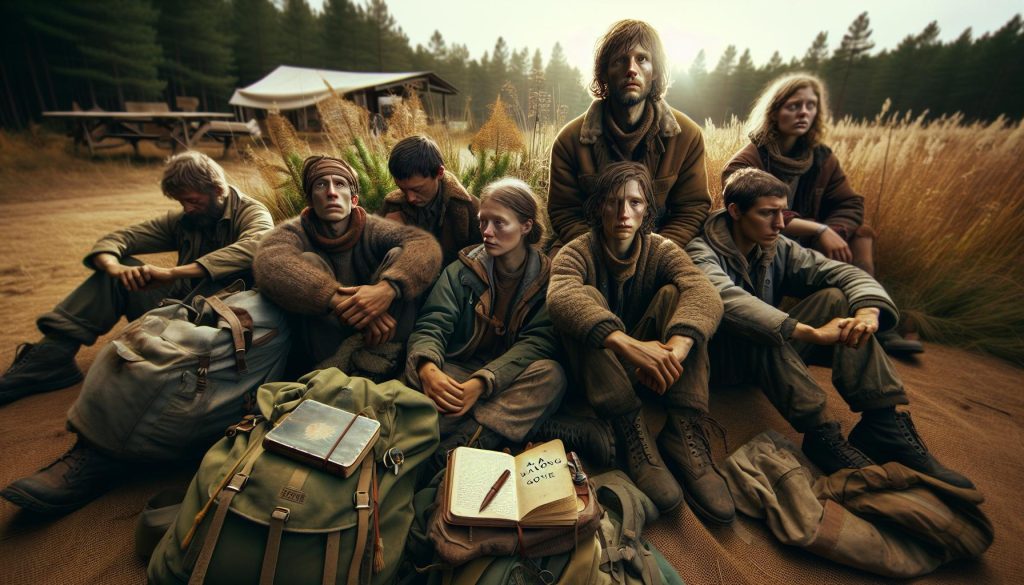
In “A Long Way Gone,” Ishmael Beah shares his poignant and harrowing journey from child soldier to survivor in war-torn Sierra Leone. This powerful memoir not only sheds light on the brutal realities of civil conflict but also emphasizes the resilience of the human spirit amidst unimaginable hardship. As readers, we often grapple with understanding the complexities of trauma and survival; Beah’s story allows us to connect with these themes on a deeply emotional level. By exploring his transformation and the challenges he faced, we can gain insight into the broader societal impacts of war. This book report will break down the critical elements of Beah’s experience, drawing connections to universal themes of loss, hope, and redemption. Whether you’re a student seeking to comprehend a significant historical narrative or a reader interested in stories of resilience, this exploration promises to engage and provoke thought about the enduring effects of conflict and the strength to overcome adversity.
Understanding the Context of “A Long Way Gone
Understanding the context surrounding Ishmael Beah’s memoir, A Long Way Gone, is crucial for grasping its profound themes of survival, loss, and resilience. The memoir is set against the backdrop of the brutal civil war in Sierra Leone during the 1990s, a conflict characterized by its devastation of society and the pervasive impact on children. Beah, who was just a child when the violence erupted, depicts the harrowing transformation of a nation torn apart by crime, corruption, and a struggle for power. This societal breakdown not only led to the recruitment of child soldiers but also stripped away the innocence of an entire generation.
The memoir begins with Beah’s life before the war-an ordinary childhood filled with play and familial bonds. However, the invasion of rebel forces disrupts this tranquility, plunging him into a nightmarish reality. Beah’s narrative serves as both a personal account and a broader commentary on the consequences of war on youth and the human spirit. The gravity of his experience invites readers to reflect on the fragility of childhood in the face of war, making it a vital text for understanding the historical and emotional landscape of post-colonial Africa.
In examining the context of Beah’s life, it is essential to consider the global implications of child soldiers, as illustrated through his experiences. Beah emerged from the war’s chaos to become an advocate for children affected by armed conflict, emphasizing his continued engagement with the challenges facing youth today. Readers are encouraged to confront the uncomfortable realities he describes, which transcend individual stories to touch on universal themes of survival, redemption, and the quest for identity amidst turmoil. Understanding this context not only deepens appreciation for Beah’s story but also urges a critical dialogue about the impact of war on human lives, particularly the youngest and most vulnerable among us.
Key Themes in Ishmael Beah’s Survival Story
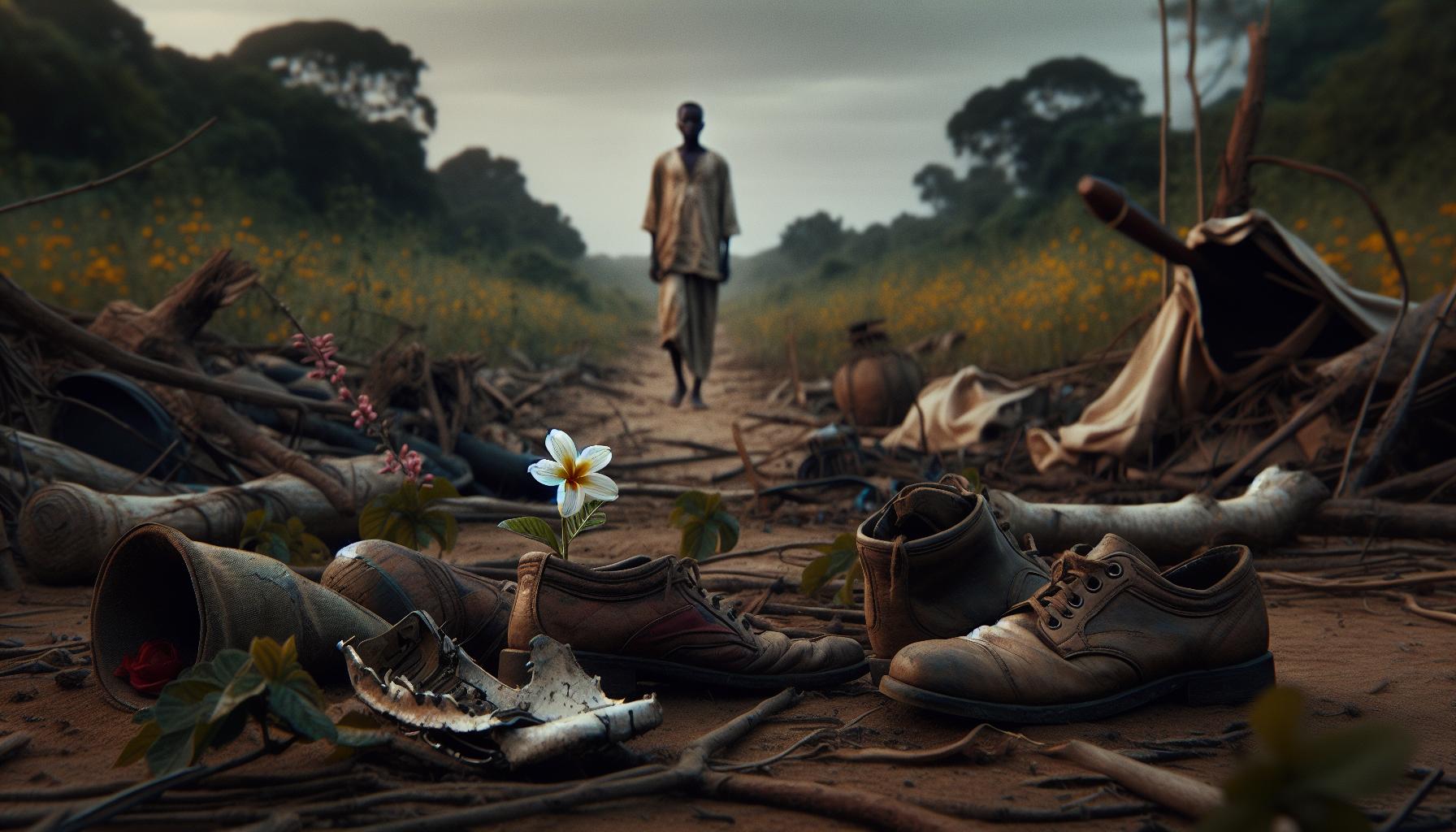
Survival amid chaos is a core theme in Ishmael Beah’s memoir, weaving through every page of A Long Way Gone. The book chronicles Beah’s transformation from a cheerful boy who loves hip-hop and storytelling to a child soldier whose innocence is ravaged by war. This gripping narrative emphasizes the stark contrast between childhood dreams and the heartbreaking realities imposed by war. Readers witness the profound adjustments he must make to endure his harrowing experiences, capturing not just the physical struggle for survival but the psychological battles that unfold within the mind of a young boy thrust into violence.
At the heart of Beah’s story is the theme of resilience. His relentless determination to survive, despite extreme circumstances, illustrates the extraordinary strength of the human spirit. Even when stripped of family and community, Beah discovers his inner fortitude, embodying resilience in a world that seeks to break him. This theme extends to the broader narrative of child soldiers, highlighting how many children are coerced into a life of violence yet retain their voices and hopes for a better future. The narrative becomes not only a personal testimony but also a universal message about the capacity for recovery and hope in the most unimaginable situations.
Another significant theme is the impact of violence on identity. As Beah grapples with the horrors of war, his sense of self undergoes a traumatic transformation. He is torn between the boy he once was and the soldier he is forced to become. This duality brings forth a poignant exploration of identity crisis, as Beah struggles to reconcile his memories of innocence with the actions he takes in the heat of battle. Such conflicts resonate deeply with readers, prompting reflection on how trauma can redefine personal narratives and alter one’s understanding of humanity.
Lastly, the memoir speaks powerfully to the need for community and connection. Throughout his ordeal, Beah highlights the relationships he forms, whether they’re fleeting alliances with fellow soldiers or the memories of his family. These connections underscore the importance of support systems in overcoming adversity. The loss of those bonds exacerbates his suffering, yet the remnants of love and solidarity remind him of what is worth striving for-peace, belonging, and ultimately, a return to normalcy.
Through Beah’s multifaceted survival story, readers are invited to engage deeply with the realities of conflict, the strength of resilience, and the importance of maintaining one’s identity and connections, even in the darkest of times.
Character Analysis: Ishmael Beah and Others

Ishmael Beah’s memoir, A Long Way Gone, presents a vivid exploration of the complexities within its characters, particularly centering on Beah himself and the diverse cast he encounters throughout his harrowing journey. As the narrative unfolds, Beah provides a nuanced reflection on his own transformation as well as the various figures who emerge in his life, each contributing to the overarching themes of survival, identity, and humanity amid the chaos of war.
Ishmael Beah, the protagonist, is not merely a victim of war; he is a complex individual who evolves through trauma. Initially portrayed as a happy, carefree boy, his experiences as a child soldier profoundly reshape his identity. The traumatic events he endures lead to an internal struggle, where he grapples with feelings of guilt, loss, and the remnants of his childhood innocence. As Beah transitions from a naive youth to a hardened soldier, his character embodies the tragic loss of childhood-a universal theme that resonates deeply with readers. His resilience becomes a focal point; despite being plunged into violence, Beah intermittently reflects on his past, clinging to fragments of hope and humanity that underscore the possibility of redemption even after irrevocable change.
Throughout his ordeal, Beah encounters a range of characters, each representing different facets of the conflict. Figures like his brother, who also faces the horrors of war, serve to amplify Beah’s sense of loss and longing for his former life. The relationships he forms with fellow child soldiers illustrate the desperate bonds that develop in response to extreme circumstances. These characters, often flawed and conflicted themselves, highlight the brutal reality that in war, moral lines blur, and survival takes precedence over conventional values. Their interactions with Beah add depth to his character development and paint a broader picture of the collective trauma experienced by children caught in such dire situations.
Another pivotal character is the compassionate soldier who serves as a mentor to Beah. This character offers a rare glimpse of empathy and care amidst the brutality, contrasting sharply with the violent worldview Beah is forced to adopt. Through this relationship, Beah’s yearning for connection and understanding is revealed, illustrating the crucial role that bonds and mentorship play in fostering resilience. The mentor’s influence becomes a cornerstone in Beah’s journey back to humanity, emphasizing the necessity of compassion in even the most destructive environments.
In summary, the characters in A Long Way Gone provide a rich tapestry that enhances the exploration of key themes related to survival and identity. Through these relationships and interactions, Beah not only recounts his harrowing experiences but also reflects on the enduring human spirit’s capacity for hope, healing, and connection, even amid the darkness of war. This multifaceted character analysis encourages readers to recognize the profound impact that individual relationships and personal transformations can have in the face of overwhelming adversity.
The Impact of War on Childhood Innocence
The harrowing experiences detailed in Ishmael Beah’s memoir profoundly illustrate the devastating impact of war on childhood innocence. Through his journey from a carefree boy to a child soldier, Beah encapsulates the tragic transformation that countless children endure in conflict zones. The essence of childhood-characterized by play, learning, and family bonds-is stripped away amidst violence and fear. This loss is not merely a change in environment; it is a profound alteration of identity, as Beah reflects on in his narrative.
War disrupts not only the physical safety of children but also inflicts emotional and psychological scars that can last a lifetime. Beah portrays moments of sheer terror, where the sounds of gunfire obliterate the laughter of youth. At the onset, Beah’s life is filled with innocent joys: dancing, dreaming, and sharing stories with friends. However, as war ravages his homeland, those joys are replaced with survival instinct and fear. The transition from a child playing in the streets to one holding a gun is strikingly depicted, revealing how quickly innocence can erode under the pressures of conflict.
Beah’s interactions with fellow child soldiers further emphasize the collective trauma inflicted upon youth. In the midst of chaos, they form bonds out of necessity, finding solace in shared suffering. Yet, these relationships are a double-edged sword; while they provide a semblance of companionship, they are also a stark reminder of the loss of normal childhood experiences. Characters like Beah, who are thrust into the role of soldiers, often grapple with guilt, anger, and confusion, reflecting the internal struggles that accompany such forced maturation.
Ultimately, A Long Way Gone serves as a poignant reminder of the resilience of the human spirit. Despite the overwhelming evidence of loss, Beah’s story also highlights moments of hope and humanity. While war has the power to destroy innocence, the quest for reconnection and redemption resonates throughout the narrative. Beah’s reflections on his childhood underscore a crucial reality: even amidst the darkest circumstances, glimmers of hope and the potential for healing remain. Through understanding these themes, readers gain insight into the broader implications of war on childhood, igniting a call to action for the protection and support of children in conflict-affected areas.
Literary Techniques and Narrative Style
The narrative style of Ishmael Beah’s memoir, *A Long Way Gone*, is deeply impactful, blending visceral descriptions with a haunting simplicity that draws readers into the stark realities of war. Using a first-person perspective allows Beah to convey his experiences and emotions authentically, immersing the audience in his journey from an innocent child to a soldier engulfed in violence. His writerly voice consists of both prose and lyrical passages that reflect a profound sense of loss while simultaneously capturing the resilience of the human spirit.
Imagery and Symbolism
Beah employs rich imagery to evoke the stark contrasts of his childhood and the atrocities of war. For instance, he frequently juxtaposes moments of innocence, such as the vibrant scenes of dancing and storytelling, with graphic depictions of violence and suffering. This use of contrasting imagery not only illustrates the harsh transformation of his environment but also highlights the complexity of his memories. Symbolism plays a significant role, too; objects and experiences serve as reminders of lost innocence. The abandoned airplane, a central setting for the group of boys, represents both refuge and the remnants of a fractured society, emphasizing the mingled feelings of safety and dislocation.
Stream of Consciousness and Flashbacks
Beah’s narrative often utilizes a stream of consciousness style, reflecting his fragmented thoughts and emotions as he grapples with trauma. This technique effectively conveys the chaos within his mind, allowing readers to experience his confusion and despair. Additionally, the frequent use of flashbacks creates a non-linear narrative that mirrors the disjointed nature of memory in trauma survivors. These flashbacks propel the reader through Beah’s past, illuminating the stark contrast between his idyllic childhood and the harsh realities of war and survival.
Dialogue and Internal Monologue
Moreover, dialogue is presented in a way that captures the camaraderie and desperation of Beah’s relationships with other child soldiers. Conversations filled with slang and the rhythm of youth add authenticity to their interactions, portraying a shared humanity amidst the horrors of their circumstances. Internal monologues further deepen the reader’s understanding of Beah’s psychological landscape, revealing the internal conflicts, guilt, and sorrow that haunt him. Through these literary techniques, Ishmael Beah not only recounts his harrowing journey but also invites readers to reflect on the broader implications of war on childhood and humanity.
By weaving these literary elements into his narrative, Beah’s memoir becomes both a survival story and a poignant commentary on the cost of conflict, leaving readers with lasting reflections about the resilience of the human spirit and the profound scars of war.
Survival Strategies Explored in the Book
During his harrowing journey through civil war, Ishmael Beah exhibits a variety of survival strategies that illustrate not only his resourcefulness but also his resilience in the face of unimaginable hardship. These methods are critical to understanding the narrative of A Long Way Gone, where survival becomes a multifaceted endeavor.
One significant aspect of Beah’s survival strategy is adaptability. Faced with the turmoil of his environment, he learns quickly to modify his actions and thoughts in response to shifting circumstances. For example, as he experiences the brutality of conflict, he adopts a mindset focused on immediate survival rather than the long-term implications of his experiences. This pragmatic approach helps him navigate dangerous situations, whether evading soldiers or finding sustenance in the forest. His ability to change quickly reflects a crucial survival skill in war-torn settings-maintaining mental flexibility in the face of unpredictability.
Relationships also play a pivotal role in survival. Beah forms connections with other child soldiers, which provide him with emotional support and practical assistance. The bonds he develops within his group are vital for emotional sustenance, fostering a sense of belonging and shared determination amidst chaos. Such camaraderie offers protection and resources, as the group relies on one another for food, shelter, and comfort. Beah’s experiences exemplify how solidarity can be a powerful tool for survival, turning vulnerable children into a collective force against overwhelming adversity.
Finally, Beah’s narrative showcases the importance of memory and storytelling as powerful survival tools. Throughout his ordeal, he clings to memories of his past life-his family, his favorite music, and moments of joy before the war. These recollections not only serve as a psychological refuge but also fuel his hope for a future beyond the war. The act of recalling happier times helps him maintain his identity amidst the trauma, illustrating the significance of internal narratives in preserving one’s sense of self in dire situations. Beah’s ability to invoke these memories enables him to withstand the ravages of war, highlighting how the human spirit can find resilience even in the bleakest circumstances.
In summary, the survival strategies Ishmael Beah employs throughout A Long Way Gone-adaptability, forming alliances, and utilizing memory-demonstrate the complex interplay between personal agency and external circumstances in the quest for survival. These strategies not only reflect Beah’s extraordinary resilience but also serve as profound lessons on the impact of war on the human spirit, ultimately encouraging readers to reflect on the broader implications of conflict and survival.
Lessons Learned from Beah’s Experiences
In the haunting landscape of Ishmael Beah’s life recounted in A Long Way Gone, numerous lessons emerge that resonate far beyond his personal experiences. One of the most profound insights from his journey is the importance of resilience in the face of adversity. Beah’s ability to adapt to the brutal realities of war exemplifies the human capacity to endure. This adaptability is not merely a survival mechanism; it cultivates a mindset that can be applied in various life situations. Resilience, then, becomes a vital skill, helping individuals navigate life’s challenges, whether they be emotional, physical, or social in nature.
Another critical lesson is the significance of community and relationships. Beah discovers that amidst chaos, the bonds formed with others can provide essential emotional and practical support. In times of turmoil, these connections can be a source of strength, fostering a sense of belonging that combats feelings of isolation. Reflecting on this, it becomes evident that building and maintaining relationships is crucial not just for immediate survival, but for overall well-being. This illustrates the concept that collective strength can emerge from vulnerability, reminding readers of the power of solidarity in overcoming shared struggles.
Moreover, Beah’s emphasis on memory and storytelling demonstrates how these elements play a critical role in preserving identity and hope. His recollections of a peaceful life serve as a psychological anchor amid the surrounding turmoil, highlighting the importance of narratives in coping with trauma. By actively engaging with his memories, Beah illustrates how reflecting on the past can offer comfort and motivation for the future. This lesson points to the transformative power of storytelling-not just as a means of personal expression, but as a vital tool in healing and fostering resilience.
Ultimately, the experiences detailed in A Long Way Gone encourage reflection on broader societal issues surrounding war, childhood, and human rights. Beah’s story is a reminder that while systems of conflict can devastate lives, resilience, community, and storytelling can also cultivate hope and healing. These lessons resonate deeply, providing valuable guidance for navigating the complexities of life beyond the pages of his memoir.
Comparative Analysis: Real Life vs. Narrative
In examining Ishmael Beah’s *A Long Way Gone*, the juxtaposition of real-life experiences against the narrative structure reveals a profound exploration of truth versus storytelling. Beah’s memoir is not just a collection of events but rather an evocative tapestry of survival, identity, and the human condition during one of the most violent periods in Sierra Leone’s history. The blend of raw authenticity from his life as a child soldier with narrative techniques serves to heighten emotional impact while fostering a connection with readers unfamiliar with the harsh realities of war.
- Real-Life Experiences: Beah recounts harrowing episodes that illustrate the brutalities of war, including the loss of family, forced conscription, and the moral dilemmas faced by children in combat. His vivid recollections portray a stark reality where innocence is abruptly stripped away, forcing survival at any cost. These experiences resonate as factual accounts, grounding the memoir in genuine hardship and offering readers a visceral understanding of conflict’s impact on youth.
- Narrative Techniques: Beah employs various literary techniques to shape his story, including foreshadowing and flashback sequences that create a dual timeline-his past innocence contrasted with present turmoil. This narrative style not only crafts suspense but also deepens the emotional layers of his story, allowing readers to engage with his journey on multiple levels. Through rich imagery and reflective insights, Beah transforms his pain into a universal story of loss and resilience, bridging the gap between individual experience and collective understanding.
The resultant effect is one where the narrative transcends mere recounting of events; it becomes a poignant commentary on the nature of conflict and its capacity to define-and often distort-identity. Beah’s experiences in the war and his reflections on those experiences highlight not just the storytelling of survival but the necessity of narrating one’s lived reality as a pathway to healing and understanding. In contrast to straightforward autobiography, Beah’s work reflects a sophisticated interplay of memory and narration, suggesting that the lens through which one views trauma can alter its interpretation and impact.
Understanding this dynamic enriches our appreciation of Beah’s account as both a personal story and a broader narrative about the effects of war on childhood innocence and human rights. By delving into the tension between reality and narrative, readers can better grasp the urgency behind Beah’s message: that storytelling is not merely an act of remembrance, but a crucial mechanism for resilience and hope amidst despair.
Cultural Context and Historical Background
The backdrop of Ishmael Beah’s A Long Way Gone is essential for understanding the profound impact of war on childhood and society. Sierra Leone, a small country in West Africa, endured a devastating civil war from 1991 to 2002, driven by a complex mix of political corruption, social inequality, and economic hardship. The conflict was starkly characterized by the use of child soldiers, a practice that turned a generation of youth into combatants, often forcibly conscripted and manipulated into violence. This historical context sets the stage for Beah’s narrative, illustrating not just a personal tale of survival but a collective tragedy echoed through countless lives.
Cultural factors further complicate the narrative of war in Sierra Leone. The country has a rich tapestry of ethnic diversity, with various groups such as the Temne, Mende, and Creole. Each group maintains unique traditions and social structures, which were heavily impacted by the war. The disintegration of family units and social bonds reveals a deeper commentary on the loss of cultural identity amid the chaos of conflict. Beah’s experiences reflect not only his personal struggles but also the broader disillusionment faced by many young people grappling with the violence around them and the insidious erasure of their cherished cultural values.
Moreover, understanding the historical lineage of colonialism and the struggles for independence provides additional insight into the roots of conflict. The legacy of British colonization left Sierra Leone with political instability and economic challenges, which manifested in post-colonial governance marked by corruption and civil unrest. Beah’s memoir encapsulates these intersections of personal experience and historical reality, delineating how these forces converge to shape individual destinies. By grounding his story within this tumultuous cultural and historical landscape, Beah not only recounts his survival but also acts as a voice for the millions affected by the agony of war, making the importance of cultural context apparent.
Through A Long Way Gone, readers gain a clearer understanding of the dire consequences of civil conflict on childhood and society. Beah’s narrative serves as a crucial reminder of the broader implications of war, encapsulating the resilience and suffering of individuals while prompting critical discourse around the responsibilities of the global community to protect vulnerable populations, especially children caught in the crossfire of political strife.
Critical Reception and Reviews of the Book
The critical reception of Ishmael Beah’s memoir, *A Long Way Gone: Memoirs of a Boy Soldier*, has been widely positive, establishing it as an essential narrative in the canon of war literature. From its release, this gripping account of Beah’s experiences as a child soldier during the Sierra Leone Civil War garnered acclaim for its raw honesty and emotional depth. Reviewers have often highlighted how Beah’s storytelling transcends mere autobiography, offering profound insights into the psychological effects of war on youth.
Key Points of Praise
- Accessibility and Impact: Critics have lauded Beah’s ability to express complex ideas with simplicity, making his harrowing journey accessible to a broad audience. The memoir’s straightforward language does not shy away from the brutality of war but presents it in a way that encourages reflection rather than desensitization.
- Humanization of Child Soldiers: Many reviewers have appreciated how Beah’s narrative humanizes child soldiers, challenging stereotypes and evoking empathy. By sharing his personal story, he compels readers to confront the realities faced by children in conflict zones, rather than viewing them merely as statistics.
- Literary Merit: The memoir has been recognized for its literary techniques, including vivid imagery and poignant metaphors that evoke the sensory experiences of war and survival. This stylistic choice enhances the narrative’s emotional resonance and helps readers visualize the chaos Beah faced.
Critique and Analysis
Despite its acclaim, some critics have pointed to certain limitations, such as the memoir’s focus on individual experiences perhaps overshadowing broader systemic issues contributing to the conflict. While *A Long Way Gone* serves as a personal testament, it also raises questions about the representation of violence and trauma in literature. Some scholars argue that while Beah’s voice is powerful, it is also important to acknowledge the multitude of other narratives that exist within the context of war.
The memoir stands out not only for its storytelling but also for its role in humanitarian advocacy. Beah’s subsequent work with UNICEF has further elevated the conversation around child soldiers, reinforcing the importance of understanding their plight beyond the pages of his book. Readers are often left with a sense of urgency to engage with and support initiatives aimed at preventing child exploitation in war.
Overall, *A Long Way Gone* continues to resonate with audiences, prompting discussions about the impact of war on childhood innocence, the resilience of the human spirit, and the responsibility of global citizens to advocate for the vulnerable. Its critical reception underscores the need for ongoing dialogue around these themes, making it a poignant text for both academic study and personal reflection.
Reading Guide: Discussion Questions and Analysis
The narrative of *A Long Way Gone* is not just an account of survival; it’s a profound exploration of the struggles faced by a child soldier in a war-torn land. As readers engage with Ishmael Beah’s journey, they are invited to reflect on the complexities of humanity, resilience, and the indelible impact of war on young lives. To deepen this understanding, a set of discussion questions can facilitate reflection and foster meaningful dialogue.
Discussion Questions
- How does Beah’s storytelling style contribute to the emotional impact of his narrative? Discuss specific literary techniques he uses to evoke feelings of empathy and distress.
- What role does memory play in Beah’s recollections of his experiences? Analyze how his memories shape the reader’s understanding of trauma and healing.
- In what ways does the memoir challenge stereotypes about child soldiers? Examine how Beah presents himself and others beyond the label of a “child soldier.”
- What survival strategies does Beah employ throughout the memoir? Identify key moments that illustrate his resourcefulness and resilience, and discuss their significance.
- How is the theme of innocence portrayed in the memoir? Explore moments that highlight the loss of innocence and the process of coping with such loss.
These questions not only encourage critical thinking but also provide a framework for discussing broader implications related to war, youth, and recovery.
Analysis Prompts
Consider the following prompts to guide deeper analysis of the memoir’s themes and context:
- Examine the cultural and historical background of Sierra Leone during the civil war. How does this context inform Beah’s story and the experiences of those involved?
- Discuss the significance of community and family in Beah’s narrative. How do relationships influence his survival and recovery process?
- Reflect on Beah’s evolution as a character. How does he change from the beginning of the memoir to the end, and what factors influence this transformation?
- Analyze how the memoir addresses the theme of hope amidst despair. What moments showcase Beah’s ability to find or create hope despite the overwhelming circumstances?
Each of these prompts serves to unpack the rich layers of Beah’s experiences and encourages a comprehensive understanding of the narrative.
By actively engaging with these questions and prompts, readers can foster a more profound appreciation for *A Long Way Gone* as not just a story of survival, but as a vital commentary on the resilience of the human spirit amid unimaginable hardships. This engagement will also enhance discussions around the importance of advocacy for affected children, prompting reflection on how one can support current efforts to combat the exploitation of youth in conflict around the world.
Resources for Further Exploration on War and Survival
Understanding the complex realities surrounding war and survival can deepen our comprehension of Ishmael Beah’s *A Long Way Gone*. Readers interested in exploring these themes further will find a wealth of resources available, from books and articles to documentaries and organizations dedicated to advocacy and education about child soldiers and humanitarian crises.
Books and Articles
A variety of written works can expand your perspective on the experiences of child soldiers and the impact of war. Consider the following:
- “They Poured Fire on Us from the Sky” by John Bul Dau, et al. – This memoir shares the harrowing experiences of Sudanese Lost Boys, providing insight into the challenges faced by children in conflict.
- “Child Soldier: When Boys and Girls Are Used in War” by UNICEF – A comprehensive report that presents statistics, personal stories, and analyses about the plight of child soldiers globally.
- “War Child: A Boy’s Story” by Emmanuel Jal – This autobiography recounts the journey of a child soldier turned musician, highlighting the devastating effects of war on youth.
- Research articles in journals such as “Childhood” and “Peace & Conflict: Journal of Peace Psychology” offer peer-reviewed studies focused on the psychological effects of warfare on children.
Documentaries and Films
Visual media can powerfully convey the realities of war and survival. Here are some recommendations:
- “The Devil Came on Horseback” – A documentary that chronicles the experiences of former U.S. Marine Brian Steidle, who witnessed the atrocities in Darfur.
- “Invisible Children” – A film raising awareness about the abduction of children in Uganda, emphasizing the plight of child soldiers and efforts to combat these injustices.
- “Before the Last Curtain Falls” – This documentary showcases the stories of former child soldiers in Sierra Leone and their subsequent journey toward healing and forgiveness.
Organizations for Advocacy and Support
Engaging with organizations committed to child rights and the rehabilitation of child soldiers can provide avenues for deeper involvement and understanding. Consider the following organizations:
- War Child – An organization focused on supporting children affected by war through education and community support initiatives.
- Save the Children – Provides resources and programs aimed at protecting children caught in conflict zones and works for long-term recovery.
- The United Nations Children’s Fund (UNICEF) – Works globally to advocate for children’s rights and provide support in emergency situations affecting young people.
By utilizing these resources, readers can gain a richer understanding of the themes explored in *A Long Way Gone*, as well as the broader implications of childhood experiences in war. Engaging with literature, visual narratives, and advocacy organizations fosters a deeper connection to the issues at hand, empowering individuals to contribute towards solutions and elevate awareness.
Q&A
Q: What are the main themes explored in “A Long Way Gone”?
A: The main themes of A Long Way Gone include the loss of childhood innocence, the effects of war on individuals and communities, the struggle for survival, and the search for identity amid chaos. Notably, Ishmael Beah reflects on resilience and the impact of trauma on memory and adulthood.
Q: How does Ishmael Beah portray resilience in his survival story?
A: Ishmael Beah portrays resilience through his journey of adapting to brutal circumstances. He illustrates moments of hope and strength, demonstrating that despite severe adversity, individuals can withstand trauma and maintain their humanity. This theme resonates throughout his narrative, showcasing both despair and determination.
Q: What literary techniques does Beah use in A Long Way Gone?
A: In A Long Way Gone, Beah employs literary techniques such as vivid imagery, flashbacks, and symbolism. These techniques enhance the emotional depth of his experiences, allowing readers to connect with his harrowing journey and understand the complexities of war.
Q: How does “A Long Way Gone” address the impact of war on childhood?
A: A Long Way Gone addresses the impact of war on childhood by highlighting how conflict strips away innocence and normalcy. Beah shares his struggles with violence and loss, revealing how war transforms children into survivors and fighters, often at the cost of their psychological well-being.
Q: What lessons can be learned from Ishmael Beah’s experiences?
A: Readers can learn lessons about the importance of empathy, compassion, and the human spirit’s resilience. Beah’s experiences emphasize the value of storytelling in healing and the need to recognize the effects of conflict on individuals and societies.
Q: What is the significance of the title “A Long Way Gone”?
A: The title A Long Way Gone signifies the journey from childhood to survival amidst war. It encapsulates Beah’s profound transformation and the profound changes he witnessed-not only in himself but also in his community and the fabric of life in Sierra Leone.
Q: How does Beah’s narrative style affect the reader’s understanding of the story?
A: Beah’s narrative style, characterized by a frank and straightforward approach, creates a compelling connection with readers. His use of personal anecdotes and direct language allows readers to experience the harsh realities of war intimately, fostering a deeper understanding of the impact of violence.
Q: In what ways does “A Long Way Gone” serve as a commentary on conflict and its consequences?
A: A Long Way Gone serves as a poignant commentary on the devastating consequences of conflict, especially on youth. Beah illustrates how war disrupts lives, communities, and futures, urging readers to reflect on the socio-political conditions that lead to such humanitarian crises.
To Wrap It Up
In conclusion, “A Long Way Gone” is not just a narrative of survival; it’s a profound exploration of resilience in the face of unimaginable adversity. By reflecting on Ishmael Beah’s journey, we gain invaluable insights into the impact of war on youth and the healing power of storytelling. If you found this breakdown helpful, we invite you to delve deeper into related themes by checking out our guides on the consequences of conflict in literature and the transformative role of memoirs in understanding personal histories.
Don’t miss out on further enriching your knowledge-sign up for our newsletter for exclusive content and updates on similar topics. Join the conversation by sharing your thoughts in the comments below or explore our other resources, which could include guides on literary analysis or personal survival stories. Your engagement helps foster a community of thoughtful discussion, and we’re eager to hear your voice.
Get our latest guides, news, and insights highlighted in your Google Search & AI Overviews.










