In a world increasingly captivated by complex characters and intricate plots, “A Man Called Ove” by Fredrik Backman stands out with its portrayal of an irritable yet endearing protagonist. Ove, a curmudgeon whose life is steeped in routine and loss, often mirrors the grumpiness many of us feel in a fast-paced, ever-changing society. This book report delves into the heart of Ove’s story, exploring themes of loneliness, love, and the transformative power of community. Readers will find that beneath his grumpy exterior lies a narrative that resonates with anyone who has ever felt misunderstood or isolated. By examining the nuances of Ove’s character and the dynamics of his relationships, this report will reveal the profound lessons hidden in his simple, everyday life. Join us on this journey to discover how a seemingly unlovable figure can teach us about connection, compassion, and the importance of finding beauty in the mundane.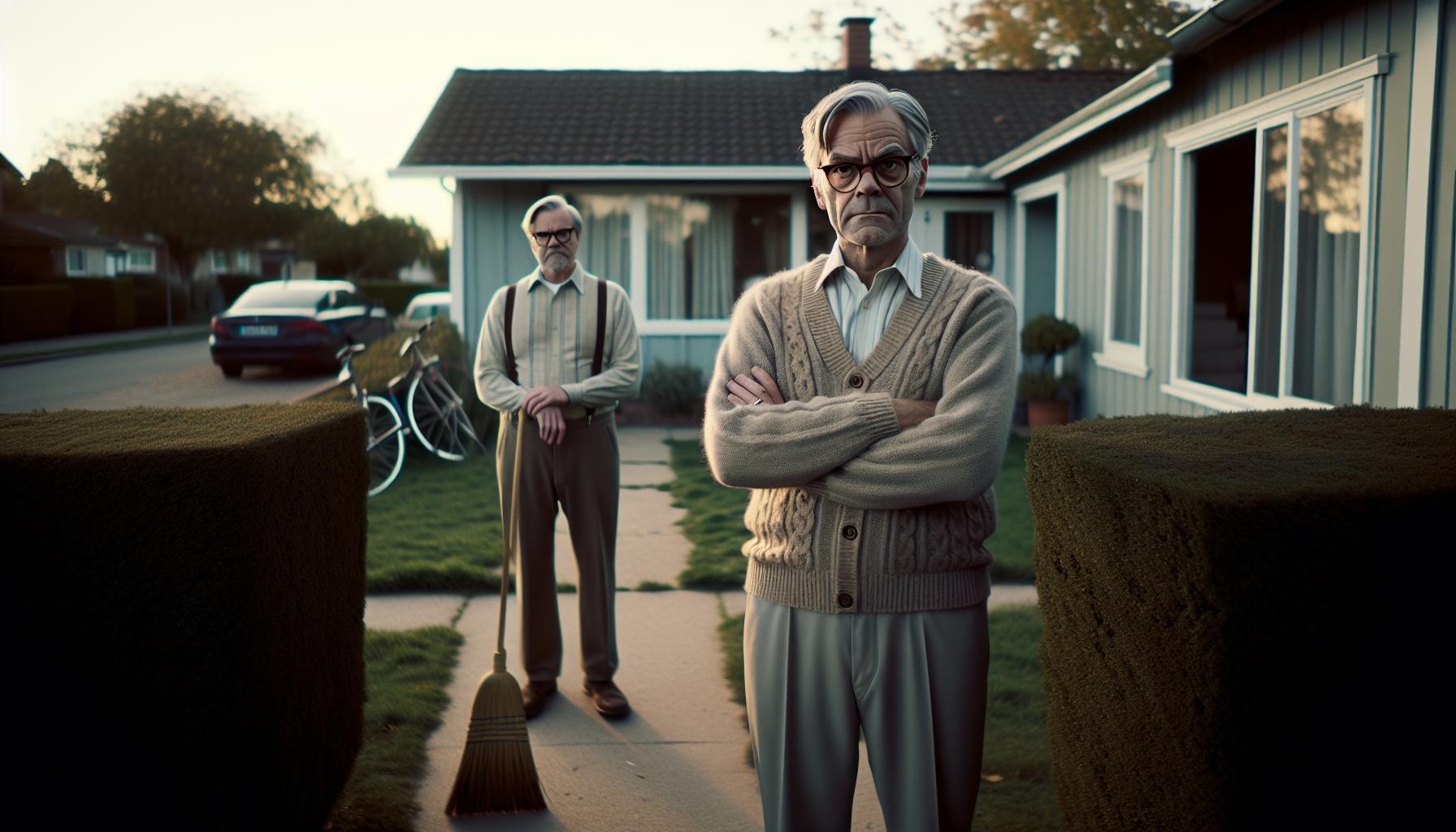
Character Analysis: Understanding Ove’s Grumpy Persona
Ove’s grumpy persona is a carefully crafted façade that serves as both a defense mechanism and a poignant commentary on the complexities of human connection. The protagonist of Fredrik Backman’s “A Man Called Ove” is initially perceived as a curmudgeon, exhibiting a rigid set of beliefs and an intolerance for the incompetence he sees in the world around him. Yet, this grumpiness is not merely a caricature; it is a deeply ingrained aspect of his character molded by profound experiences of love and loss.
Central to understanding Ove is recognizing the profound impact of his late wife, Sonja. Their relationship is beautifully depicted, revealing the warmth and joy that once filled Ove’s life. Sonja’s vibrant personality contrasts starkly with Ove’s gruff exterior, illustrating how her love provided color to his otherwise monochrome world. In her absence, Ove’s grumpiness becomes a manifestation of his grief and a protective shield against further emotional pain. This duality invites readers to explore empathy for A Man Called Ove, as they see not only a man hardened by tragedy but also one who remains capable of love and connections if he allows them.
Understanding Ove’s perspective is crucial to navigating the book’s themes of community and connection. His sharp criticisms and unwillingness to adapt highlight societal norms and individual responsibilities-calling readers to reflect on their behavior towards others. Backman artfully reveals that behind Ove’s abrasive surface lies a heart still yearning for companionship. Frequent encounters with his neighbors, who gradually pierce Ove’s solitude, illustrate how communities can transform lives. Ove’s gradual thawing encapsulates the timeless truth that vulnerability often leads to the strongest bonds, a message that resonates throughout the novel.
Ultimately, Ove is a character that embodies the complexity of human emotions-where grumpiness can coexist with profound affection. This layered persona leaves readers questioning their preconceived notions about others, urging them to look beyond surface behaviors to understand the deep stories that shape us all.
Thematic Exploration: Love and Loss in “A Man Called Ove
The exploration of love and loss in Fredrik Backman’s “A Man Called Ove” provides a poignant lens through which to understand the intricacies of human emotion and relationships. Central to this narrative is the notion that love is not merely an experience filled with joy, but often intertwined with profound grief. The protagonist, Ove, embodies this duality. His relationship with his late wife, Sonja, is a testament to this love – a vibrant force that once illuminated his life, now overshadowed by her absence. Understanding the depth of this loss is essential to grasping Ove’s initial gruffness and his unwillingness to connect with others.
The Complexity of Love and Grief
The profound impact of Ove’s love for Sonja is reflected in his memories and the way he navigates the world post-loss. Sonja is portrayed as a source of warmth and color in Ove’s monochrome existence, underscoring how their love transformed him. This transformation speaks not only to the joys of companionship but also highlights the unique vulnerabilities that come with it. When Sonja passes, Ove’s world reduces to shades of gray, as he grapples with the emptiness left by her departure. His grumpiness serves as both a shield and a signal of his deeper emotional turmoil, illustrating the raw pain that can accompany profound love.
In their interactions, Ove often reveals snippets of their life together, invoking a bittersweet nostalgia that resonates throughout the book. For instance, simple memories like their shared laughter over mundane tasks highlight not only the beauty of their bond but also the stark reality of what he has lost. Such reflections invite readers to consider the lasting impact of love on one’s identity and the subsequent struggle to cope with loss. This theme resonates deeply with anyone who has loved and lost, fostering empathy toward Ove’s character as he navigates the challenges of moving forward.
The Path to Healing through Connection
As the narrative unfolds, Ove’s gradual connections with his neighbors become pivotal in illustrating how love can exist beyond romantic relationships. His interactions with characters like Parvaneh and her family reveal the healing power of community and the importance of companionship in overcoming grief. Their persistent warmth and kindness slowly chip away at Ove’s defenses, reminding him that love manifests in various forms. It is through these evolving relationships that Ove begins to reconcile his past with the possibility of a meaningful future, showcasing a powerful message: even in the depths of sorrow, new bonds can forge pathways toward healing and happiness.
Ultimately, “A Man Called Ove” challenges readers to reflect on their own experiences of love and loss. It illustrates how the legacies of our loved ones shape us, often in ways we do not immediately recognize. Recognition of this complexity can inspire readers to embrace their emotions, understanding that grief and love can coexist as they navigate their paths through life. As Ove learns to open his heart once more, readers are encouraged to do the same, fostering a compassionate understanding of those around them who, like Ove, might wear grumpiness as a mask for their deeper feelings.
Narrative Style: How Humor Sparks Emotion
Despite the often somber themes of grief and loss in “A Man Called Ove,” Fredrik Backman’s narrative is infused with laughter, showcasing how humor can slice through pain, creating a rich emotional tapestry. Ove himself, a curmudgeon with a penchant for strict routines, is ironically placed in situations that highlight his deep-seated frustrations, often to humorous effect. This juxtaposition of his grouchy demeanor against the absurdities of life allows readers to empathize with him while simultaneously enjoying the levity that laughter brings. Humor acts as a bridge connecting the reader to Ove’s emotional world, making his story relatable and engaging.
The humor in Backman’s style emerges not just from Ove’s cynical observations, but also from the quirky characters that surround him. For example, the interactions between Ove and his new neighbors, particularly the exuberant Parvaneh, are filled with comedic moments that showcase the absurdity of Ove’s rigid viewpoint. These encounters often serve as a foil to Ove’s serious nature, encouraging readers to see the world through a more light-hearted lens. By illustrating situations where Ove’s grumpy exasperation meets the cheerfulness of those around him, Backman creates a dialogic dynamic that evokes laughter while underlying the deeper, often poignant themes of connection and community.
Moreover, Backman utilizes timing and delivery effectively, punctuating heavy moments with unexpected quips or relatable observations. This technique not only entertains but also deepens the emotional impact of the narrative. For instance, when Ove is confronted with modern inconveniences that conflict with his traditionalist views, his reactions often elicit chuckles, drawing the reader into his perspective. These lighter moments provide necessary relief from the heavier themes of loss and mourning, ultimately demonstrating that even amidst sorrow, laughter is a vital component of the human experience.
In essence, the narrative style of “A Man Called Ove” exemplifies how humor can coexist with profound emotional depth. Backman invites readers to explore the complexities of life through a lens that balances joy and sorrow, encouraging us to find laughter even during our darkest hours. This blend of humor with heartfelt moments not only makes Ove a memorable character but also resonates with readers who might be grappling with their own experiences of loss and connection. By showing that humor can spark emotions and strengthen bonds, the novel reinforces the idea that even the grumpiest among us have the capacity for love and joy.
Plot Summary: Key Events and Turning Points
The journey of Ove in Fredrik Backman’s “A Man Called Ove” is a poignant exploration of life framed by significant events that redefine his existence and the perceptions of those around him. The narrative unfolds through a series of key moments that illuminate Ove’s character and the emotional landscape of his life, enabling readers to understand the depth of his grumpiness and the warmth hidden beneath.
One of the most impactful turning points occurs at the beginning of the novel when Ove, having lost his beloved wife, Sonja, feels utterly purposeless. This moment of profound grief sets the stage for his initial plans to end his life, as he believes that reuniting with Sonja is the only way forward. However, Ove’s attempts are repeatedly interrupted by his new neighbors, particularly the spirited Parvaneh. Their persistent disruptions introduce both conflict and connection, prompting Ove to confront his isolation. This battle between his desire for solitude and the unexpected bonds forming around him creates tension that propels the narrative.
As Ove begrudgingly engages with those around him, each interaction becomes a pivotal event that chipping away at his hard exterior. For example, his relationship with Parvaneh evolves through critical exchanges that showcase the comedic clashes of their personalities. At one moment, Ove’s systematic approach to problems is comedically juxtaposed against Parvaneh’s chaotic energy, reminding readers of the charm and absurdity of daily life.
Moreover, flashbacks to Ove’s life with Sonja reveal key events that shaped his worldview. These memories, intertwined with present-day challenges, provide depth to his character. They demonstrate not only Ove’s capacity for love but also how loss transforms a person. The story beautifully illustrates that moments of joy and sorrow are often intertwined, and it’s through these reflections that readers connect deeply with Ove’s plight.
Ultimately, the combination of his past experiences and present relationships culminates in a transformative arc for Ove. The decision to embrace community and reconnect with life instead of succumbing to despair marks a definitive turning point in his character development. This evolution illustrates that even the most resolute individuals can find solace and purpose through connection, encapsulating the core message of the novel: that love, even in its absence, continues to shape us.
Supporting Characters: The Impact of Community
In “A Man Called Ove,” the evolution of the titular character is profoundly influenced by the vibrant community surrounding him. These supporting characters serve not just as mere acquaintances but as catalysts that challenge Ove’s staunch beliefs and bring warmth into his otherwise solitary existence. As Ove embarks on a journey from isolation to connection, the interactions with his neighbors-especially Parvaneh-illustrate the powerful role that community plays in healing the wounds of loss and fostering resilience.
Parvaneh, a spirited young woman and Ove’s neighbor, epitomizes the unexpected ways in which community can penetrate a person’s defenses. Her determination to include Ove in her life contrasts sharply with his natural inclination towards solitude. Ove’s brusque demeanor often leads him to push her away, yet Parvaneh continually insists on forging a connection. This persistence not only showcases the depth of her character but also symbolizes the community’s innate ability to reach out to those in need. Through these interactions, Ove begins to rediscover joy and purpose, ultimately reshaping his understanding of relationships.
Moreover, the novel paints a broader picture of community through various other residents, such as Ove’s neighbors who, in their own quirky ways, become part of his inadvertently chosen family. They collectively represent a tapestry of life experiences reflecting diversity and the universal need for companionship. Each character emerges with their unique backstory, contributing to the richness of Ove’s interactions and illustrating that even the most unyielding hearts can be softened by love and acceptance.
The impact of community in shaping Ove’s journey underscores a crucial message about human connection. Through small acts of kindness, moments of shared laughter, and even conflicts, Ove learns that a life intertwined with others-despite his earlier resistance-offers healing and meaning. This underscores an intrinsic truth: while we may sometimes wish to isolate ourselves, the community’s embrace often rekindles a lost sense of belonging and ultimately teaches us about the strength found in unity. Through the lens of Ove’s relationships, the narrative invites readers to reflect on their own lives, encouraging an openness to connection that can lead to personal growth and fulfillment.
Lessons Learned: What Ove Teaches Us About Life
In the narrative of “A Man Called Ove,” readers encounter a grumpy yet deeply relatable character whose journey unfolds valuable life lessons that resonate across diverse audiences. Ove’s struggles with grief, connection, and purpose encapsulate the human experience, reminding us that beneath a rough exterior often lies a heart yearning for understanding and companionship.
One of the most poignant lessons Ove teaches is the significance of community. Throughout the story, Ove’s interactions with his neighbors showcase the transformative power of connections formed through shared experiences. Initially, Ove is resistant to outside influence; however, the persistence of those around him, especially Parvaneh, illustrates how small acts of kindness and genuine outreach can break down barriers of isolation. This shows that while solitude may provide comfort, engaging with others can lead to profound personal growth. Recognizing the need for community encourages readers to actively participate in their own social circles, offering support to others and inviting help when necessary.
Ove’s journey also emphasizes the importance of vulnerability. His initial stoicism is a defense mechanism against the pain of loss, yet over time, he learns that allowing others in can lead to healing. Embracing vulnerability not only enriches relationships but also fosters a sense of belonging. Readers are urged to reflect on their lives and consider how opening up can lead to deeper connections and a better understanding of their own emotions.
Moreover, Ove’s unwavering principles and strict routines, though comical at times, prompt a vital conversation about the balance between rigidity and flexibility in our lives. While having a set of values is essential, Ove’s evolution illustrates that adaptability can lead to unexpected joy and personal fulfillment. This balance encourages us to embrace change and remain open to new experiences, reinforcing the idea that life is often richer when we are willing to step outside our comfort zones.
In sum, the life lessons embodied by Ove challenge readers to reconsider their own views on isolation, community, and vulnerability. By engaging with the world and allowing ourselves to connect with others, we may discover not only personal healing but also the joy of shared human experiences. Ultimately, Ove’s story is a testament to the resilience of the human spirit and the enduring power of love, reminding us that it’s never too late to let others in and pave the way for growth and happiness.
Symbolism and Motifs: Objects that Resonate
In “A Man Called Ove,” objects serve not only as physical elements of the story but also as significant symbols that resonate deeply with the themes of love, loss, and connection. Each item reflects aspects of Ove’s life, offering insight into his character and the transformative journey he undergoes. By exploring these objects, readers can grasp the underlying messages of the narrative, which continuously reiterate the importance of community and emotional vulnerability.
One of the most poignant symbols in the novel is Ove’s beloved Saab 93, a vintage car that represents his past, his principles, and a connection to his late wife, Sonja. The car is not merely a mode of transportation; it encapsulates Ove’s identity and the life he once led. His meticulous care for the Saab symbolizes his deep-seated values and his struggle against the changes brought by modernity, linking his sense of self-worth to the physical object. When Ove confronts the idea of losing the car, it parallels his fear of losing the memories of Sonja and the life they built together.
Another significant motif is the recurring mention of Ove’s toolbox, filled with tools that represent his skills, autonomy, and the tangible work of maintenance-both of his home and his life. Ove’s proficiency with these tools serves as a metaphor for his attempts to control his environment and emotions. Each object reflects Ove’s attempt to fix not just broken appliances but also the fractures in his social connections. In time, however, Ove learns that not all problems can be resolved with tools, prompting him to seek help from those around him, thereby illustrating a crucial shift from isolation to acceptance.
Furthermore, the recurring imagery of winter contrasts with the themes of warmth and community. The snow-covered streets symbolize Ove’s initial emotional coldness and isolation, while the gradual melting of snow reflects his heartwarming journey towards openness and connection with his neighbors. As he begins to let others into his life, the winter landscape transforms, paralleling his internal changes.
Thus, the careful crafting of symbolism and motifs in Ove’s world invites readers to reflect on their own lives, challenging them to consider the significance of their possessions and the narratives embedded within them. The objects in “A Man Called Ove” are not only tools of Ove’s trade but also vessels of memory and connection, serving as reminders that even the most grumpy or stoic individuals have stories that deserve to be shared and understood.
Reader Reception: Why Audiences Adore Ove
The extraordinary charm of Ove, the protagonist in Fredrik Backman’s novel, stems from the unique blend of grumpiness and vulnerability that resonates deeply with readers. Ove is the embodiment of the everyday curmudgeon, a figure that many can recognize from their own lives-sour on the outside but with a heart softened by loss and love. This relatable duality invites audiences to look beyond his brusque demeanor and see the human experience reflected in his struggles and triumphs.
One reason readers adore Ove is his profound, albeit often cantankerous, communication style. His no-nonsense approach to life creates a raw authenticity that many find refreshing. With his blunt observations about the world, Ove serves as a mirror for society’s absurdities, prompting laughter as well as introspection. This delicate balance of humor and poignancy allows readers to connect emotionally, recognizing in Ove their own frustrations, desires, and unheeded joys.
Moreover, Ove’s journey of transformation-from a man entrenched in bitterness to one who learns to embrace community-is incredibly impactful. As he reluctantly interacts with his neighbors, the gradual thawing of his icy exterior resonates with anyone who has ever felt isolated or uncertain about reaching out. Ove illustrates the power of human connection, reminding us that even the most resistant individuals can change when surrounded by kindness and understanding. This theme resonates strongly in a world that often feels fragmented.
Key Elements of Audience Reception
- Relatable Characterization: Readers see aspects of their own lives in Ove, making his character both familiar and endearing.
- Humor and Heart: His gruff humor serves as a vehicle for deeper emotional truths, balancing comedy with serious themes of love and loss.
- Redemptive Arc: Ove’s transformation highlights the importance of community and emotional vulnerability, encouraging readers to reconsider their own connections.
In summary, it is the blend of Ove’s gruff exterior, profound internal conflicts, and eventual emotional evolution that endears him to audiences worldwide. His journey encourages readers to reflect on their own lives, relationships, and the ways they might also learn to let others in, revealing the universal truths that underpin Backman’s poignant storytelling.
Adaptations: Comparing the Book to Film
The transition of Fredrik Backman’s beloved novel, A Man Called Ove, from page to screen has sparked considerable interest, drawing in audiences who appreciate the depth of the story and its characters. The film adaptation, first released in Sweden in 2015 and later in a Hollywood version starring Tom Hanks, stays faithful to the book’s core themes while offering a visual interpretation that enhances the narrative.
The essence of Ove’s character-his grumpiness intertwined with poignant tenderness-remains intact in both adaptations. In the original Swedish film, Rolf Lassgård embodies Ove brilliantly, capturing his curmudgeonly exterior and emotional complexities. The cinematography complements this portrayal through various settings in the Swedish suburban landscape, establishing a cozy yet melancholic atmosphere that echoes the novel’s tone. The 2022 American remake, while offering a different cultural perspective, aims to retain Ove’s relatable nature, integrating humor and heartwarming moments that resonate broadly with viewers familiar and unfamiliar with the source material.
While the films successfully translate many key scenes and character arcs from the book, some adaptations highlight different aspects of Ove’s relationships with his neighbors that can enhance or alter viewer perceptions. For instance, the dynamics between Ove and his community are given additional screen time in both adaptations, emphasizing the transformative power of friendship and connection. The films also utilize visual storytelling techniques that deepen emotional engagement; for example, moments of introspection are conveyed through close-up shots that immerse viewers in Ove’s internal struggles, which are described with a more detached narrative style in the book.
Yet, adaptations often necessitate changes for pacing and clarity. Some scenes that are rich in detail in Backman’s writing are condensed in the film to maintain viewer engagement, which can result in a loss of some subtleties regarding Ove’s background and motivations. However, these alterations can also provide an accessible entry point for new audiences, inviting them to explore the book for a more comprehensive understanding of Ove’s journey.
In conclusion, the film adaptations of A Man Called Ove serve to broaden its appeal, yet they remain rooted in the heart of Backman’s storytelling. Both versions, whether the Swedish or American, draw viewers into Ove’s life, encouraging a wider appreciation of themes such as love, loss, and the importance of community, while leaving audiences curious enough to reread the book and delve deeper into Ove’s world.
Cultural Context: How Swedish Life Influences the Story
Sweden’s cultural backdrop plays a pivotal role in shaping the narrative of Fredrik Backman’s A Man Called Ove, imbuing the story with layers of meaning that resonate deeply with both Swedish readers and international audiences. The setting, a suburban community marked by its stark yet charming architecture and meticulously maintained lawns, becomes integral to the portrayal of Ove’s character and his relationships. This cultural context provides insight into the nuances of Swedish life, greatly influencing the themes of community, individuality, and social norms.
In Sweden, the concept of “lagom,” which translates to “just the right amount,” permeates social interactions and lifestyles. This cultural ethos encourages moderation and harmony, contrasting sharply with Ove’s often abrasive demeanor and his struggle with feelings of isolation and loss. The tension between Ove’s grumpiness and the supportive community around him highlights a key narrative arc, illustrating how individuals can challenge societal norms while simultaneously being shaped by them. For example, the newcomer couple next door, who initially disrupt Ove’s orderly life, ultimately embody the values of connection and empathy that are central to Swedish culture. Through their influence, the story suggests that even the most curmudgeonly of characters can find redemption and warmth within a community that values relationships.
Moreover, the Swedish cultural landscape, with its respect for privacy and personal space, adds another layer to the story. Ove, a steadfast traditionalist, grapples with the evolving social dynamics that emphasize openness and neighborly interaction. In a landscape where people typically keep to themselves, Ove’s reluctance to engage initially serves as a commentary on how culture can both isolate and unite individuals. This backdrop enriches the narrative, allowing readers to appreciate the intricate dance between Ove’s stubbornness and the community’s unyielding kindness.
The environmental elements of Swedish life, such as the long winters and the beauty of changing seasons, also reflect Ove’s internal journey. The stark contrasts in weather metaphorically echo his emotional state-a harsh exterior hiding tender sentiments. As the seasons shift, so does Ove’s understanding of life and love, illustrating how the Swedish environment influences not only the ambiance of the story but also the character’s growth. Ultimately, Backman’s intricate weaving of cultural context invites readers to delve deeper into the universal themes of loss, love, and community, all seen through the uniquely Swedish lens.
Critical Acclaim: Reviews and Awards Highlighting the Book
The remarkable resonance of Fredrik Backman’s A Man Called Ove is evident in the critical acclaim it has garnered since its publication. This novel, which adeptly blends humor and pathos, has not only captured the hearts of readers worldwide but has also earned numerous accolades that highlight its impact on contemporary literature. With translation into over 45 languages and selling millions of copies globally, Ove’s story serves as a testament to the universal themes of love, loss, and community that Backman explores.
Acknowledged by Critics
Critics have consistently praised the novel for its emotional depth, wit, and insightful portrayal of human relationships. The book received the 2012 Goodreads Choice Award for Fiction, a clear indication of its popularity among readers. Many reviews emphasize how Backman’s skillful storytelling allows readers to connect with Ove, evoking both laughter and tears as they navigate his misanthropic exterior and the warmth that lies beneath. The New York Times lauded it as a “charming debut” that manages to blend “wry humor and poignant deep-seated sadness,” showcasing how Ove’s journey resonates on a personal level with a diverse audience.
Awards and Recognition
The accolades for A Man Called Ove extend beyond reader choice awards; it has received several prestigious literary honors. Notably, it was named the winner of the 2014 Shorty Award for Best Fiction, and the 2015 Book of the Year Award by the Swedish Academy. In addition, the book’s adaptation into a film further enhanced its profile, leading to several nominations at international film festivals. The film received critical acclaim and introduced Ove’s story to an even broader audience, solidifying the character’s status as an endearing, if grumpy, hero.
For those exploring the permanence of Ove’s appeal in literature, Backman’s work serves as an instructive case study on how a simple premise-cast a cranky old man in a relatable light-can evolve into a powerful narrative that touches hearts across cultures and demographics. Readers are drawn not only to the intricacies of Ove’s personality but also to the overarching message that community and connection can lead even the most seemingly impenetrable souls toward redemption and joy.
Future Reading: Recommendations for Similar Stories
For readers captivated by the endearing yet grumpy protagonist of Fredrik Backman’s work, exploring similar literary gems can enhance the enjoyment of themes surrounding love, community, and personal transformation. Several other novels resonate with Ove’s story, offering nuanced narratives featuring complex characters grappling with life’s challenges.
Heartwarming Recommendations
- A Man Called Ove by Fredrik Backman
If you haven’t yet, consider diving into Backman’s other works, such as Britt-Marie Was Here, which centers on a similar character-Britt-Marie, who navigates the challenges of life after her marriage ends. The humor and poignant themes will feel familiar to Ove’s fans.
- The Unlikely Pilgrimage of Harold Fry by Rachel Joyce
This novel tells the story of Harold, a seemingly ordinary man who embarks on an unexpected journey that leads him to confront his past and relationships. Joyce weaves humor and emotion, capturing the spirit of rediscovery that will resonate with fans of Ove.
- Major Pettigrew’s Last Stand by Helen Simonson
This delightful story follows the unlikely friendship between a retired British officer and a Pakistani shopkeeper. Themes of love, tradition, and community shine through as the characters navigate their ways through societal expectations and personal desires, echoing the themes found in Ove’s journey.
Exploring Deeper Connections
- The Curious Incident of the Dog in the Night-Time by Mark Haddon
Told from the perspective of a boy with autism, this novel blends humor with deep emotional insight, exploring themes of family, belonging, and understanding one’s self in the world-similar to Ove’s struggle against isolation.
- The Rosie Project by Graeme Simsion
This charming romantic comedy features Don Tillman, a genetics professor who embarks on a quest for a suitable partner through a scientifically rigorous project. The quirks and misadventures he faces provide both humor and heart, reminiscent of Ove’s gruff exterior hiding a softer heart.
Each of these tales, much like Ove’s, explore the complexities of human relationships, the significance of community, and the redemptive power of love. For those who connect with Ove’s grumpy yet lovable character, these recommendations promise to provide similar warmth and insight, proving that sometimes, the most unexpected characters can lead us on the most extraordinary journeys.
Frequently asked questions
Q: What is the main theme of “A Man Called Ove”?
A: The main theme of “A Man Called Ove” is the exploration of love and loss. Ove’s grumpy exterior masks a deep emotional pain stemming from his late wife’s death. Through his interactions with neighbors, the book illustrates how community and connection can help heal the wounds of grief, emphasizing the importance of relationships in overcoming loneliness.
Q: Why do readers find Ove lovable despite his grumpiness?
A: Readers find Ove lovable because of his complex character. His gruffness is counterbalanced by moments of vulnerability and humor, revealing a compassionate side. This blend makes him relatable, showcasing how even the most curmudgeonly individuals can have a profound impact on their communities, as discussed in the Supporting Characters section of the article.
Q: How does the narrative style of “A Man Called Ove” enhance the story?
A: The narrative style of “A Man Called Ove” employs humor and poignancy, making readers both laugh and reflect. This unique storytelling approach highlights Ove’s thoughts and memories, creating a deeper emotional connection to his character. As explored in the article, the balance of humor and sadness allows readers to engage more profoundly with Ove’s journey.
Q: What lessons can be learned from Ove’s character in the book?
A: Ove teaches important lessons about empathy, forgiveness, and the value of community. His evolution from a solitary figure to someone who embraces relationships illustrates that personal connections can bring meaning to life. Readers are encouraged to reflect on their own lives and how they can impact others positively, as noted in the Lessons Learned section.
Q: How does “A Man Called Ove” compare to its film adaptation?
A: The film adaptation of “A Man Called Ove” captures the book’s essence but condenses some character arcs and themes. While both versions maintain Ove’s grumpy yet lovable nature, the film simplifies certain plot points, focusing more on visual storytelling. For a detailed comparison, refer to the Adaptations section of the main article.
Q: What makes the supporting characters in “A Man Called Ove” significant?
A: Supporting characters in “A Man Called Ove” play a crucial role in driving Ove’s transformation. They provide a stark contrast to his initial isolation, helping him rediscover joy and purpose. Their interactions illustrate how community can influence personal growth, as discussed in the Supporting Characters section, demonstrating that connection can change lives.
Q: When was “A Man Called Ove” published and who is the author?
A: “A Man Called Ove” was published in 2012 by Swedish author Fredrik Backman. The novel gained widespread acclaim for its heartfelt storytelling and relatable protagonist, becoming a bestseller and winning several literary awards, as outlined in the Critical Acclaim section.
Q: Where can I find similar books to “A Man Called Ove”?
A: For readers seeking books similar to “A Man Called Ove,” consider exploring works that delve into themes of community, loss, and personal redemption. Recommendations for similar stories can be found in the Future Reading section, providing options that resonate with the same emotional depth and warmth.
In Summary
Thank you for exploring our report on “A Man Called Ove: Grumpy Yet Lovable.” We’ve highlighted the charm of Ove’s character and how his journey reveals the profound impact of connection and community. If you found this insightful, dive deeper into related topics that examine the strategies of character development in literature. Check out our article on Effective Character Arcs or expand your understanding with The Importance of Community in Fiction.
Feeling inspired? Don’t miss out on future insights! Subscribe to our newsletter for more engaging content that connects literature to real-life experiences. If you have questions or perspectives to share, we’d love to hear your thoughts in the comments below. Your engagement not only fuels our passion but enriches our community. Explore more articles and deepen your literary journey-let’s keep the conversation alive!
Get our latest guides, news, and insights highlighted in your Google Search & AI Overviews.