

In the enchanting world of Shakespeare’s A Midsummer Night’s Dream, love dances through a labyrinth of magic, mischief, and mistaken identities. This timeless play delves into the complexities of love and its unpredictable nature, revealing how easily desire can be influenced by external forces. Whether you’re a student seeking deeper insight into Shakespearean themes or a curious reader interested in the interplay of romance and fantasy, this book report will unravel the rich tapestry of characters and their whimsical journeys within a mystical forest.
As you embark on this exploration of love and magic, you will discover not only the humorous and poignant moments that define the play but also how these elements resonate with our own experiences of love in a world that often seems chaotic and confusing. Join us as we dive into the themes, characters, and underlying messages of this classic work, and uncover the lasting significance of love’s transformative power.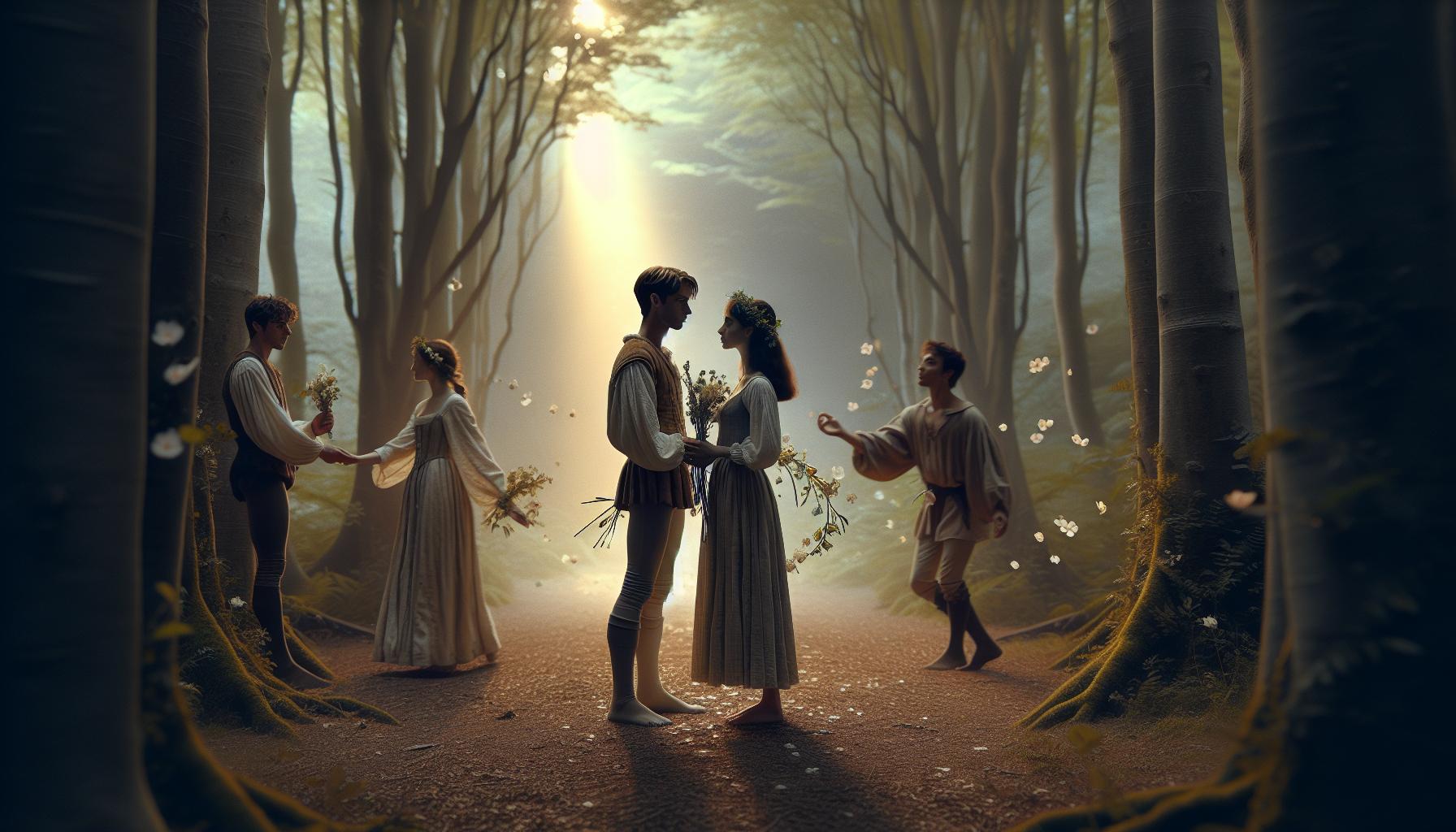
Thematic Overview of Love in A Midsummer Night’s Dream
In Shakespeare’s A Midsummer Night’s Dream, love is presented as a complex and multifaceted force that can lead to joy and despair, passion and confusion. The play intricately weaves the interactions of various couples and their romantic entanglements against the backdrop of the whimsical and transformative powers of magic. Central to this thematic exploration is the notion that love is not merely a straightforward emotion but a chaotic and often irrational journey shaped by external influences, such as magic, societal expectations, and personal desires.
Throughout the play, love is depicted as an unpredictable, sometimes irrational force. As characters navigate their romantic dilemmas, the audience witnesses how easily affections can shift. For instance, the love potion used by Oberon to manipulate Titania and the young lovers serves as a metaphor for the fickle nature of love. The characters’ experiences suggest that love can be easily misguided and subject to external manipulation, highlighting its instability and the potential for confusion it brings. This thematic ambiguity invites readers to reflect on the thin line between love and obsession, as well as the ways in which societal pressures can shape romantic encounters.
Moreover, the interplay between love and magic in the play amplifies the thematic concerns surrounding love’s irrationality. The enchanted forest offers a setting where the normal rules of love do not apply, allowing characters to explore different facets of their romantic motivations. This space of transformation not only serves as a catalyst for action but also underscores the idea that love often involves a degree of self-discovery and change, revealing deeper truths about human desire and relational dynamics. As characters like Lysander, Hermia, Demetrius, and Helena navigate the enchantments of the forest, their journeys reflect the chaos and beauty inherent in pursuing love, illustrating how transformation-whether through magic or personal growth-plays a crucial role in their experiences.
Ultimately, A Midsummer Night’s Dream presents love as a profound and often bewildering experience. By intertwining elements of fantasy and reality, Shakespeare invites his audience to consider how love can transcend mere emotions to become a transformative force that challenges perceptions and reveals the complexities of human relationships. In this light, the play remains a timeless exploration of the nuances of love and the inherent magic that accompanies it.
The Role of Magic and Transformation in the Play
The enchanted landscape of the forest serves as a vivid backdrop for the transformative power of magic in Shakespeare’s tale, revealing love’s unpredictable nature. In A Midsummer Night’s Dream, magic is not merely a whimsical element; it acts as a catalyst for change, highlighting how external forces can shape personal desires and relationships. These transformations often blur the lines between reality and illusion, prompting characters-and the audience-to question the authenticity of their emotions.
One of the most significant tools of magic in the play is the love potion wielded by Oberon, the king of the fairies. This potion exemplifies the capricious nature of love by making characters fall in and out of affection based on mere whim. For example, when Lysander falls madly in love with Helena after the application of the potion, it underscores how love, when influenced by magical intervention, can lack depth and genuine connection. This manipulation raises the question: is love still true if it is artificially induced? The potion’s effects demonstrate that love can be a wondrous yet perilous game, deeply affected by forces beyond the lovers’ control.
As the characters navigate their experiences in a world governed by enchantment, the forest itself becomes a transformative space. The physical separation from the constraints of Athens allows them to explore their identities and desires free from societal expectations. In this magical realm, each character embarks on a journey of self-discovery. For instance, Hermia’s struggle for love and choice against familial constraints is intensified by the magic around her, highlighting that true love often necessitates both courage and the ability to change.
The interplay between magic and transformation culminates in the resolution where characters return to a state of clarity, albeit after a chaotic interlude. The eventual reconsolidation of relationships signifies a return to reality, yet the experiences within the enchanted forest instill a newfound understanding of love and identity among the characters. Shakespeare crafts a narrative that not only entertains but also invites audiences to reflect on the complexities of love, identity, and transformation, ultimately suggesting that while magic may distort reality, it can also illuminate deeper truths about the human experience. This thematic richness is what makes A Midsummer Night’s Dream a timeless exploration of love and the transformative power of magic.
Character Analysis: Love’s Complex Dynamics
In Shakespeare’s “A Midsummer Night’s Dream,” love emerges as a powerful and sometimes chaotic force, uniquely expressed through the dynamic interactions of the characters. Each pair of lovers embodies different aspects of love, from the passionate to the irrational, ultimately revealing how deeply entangled love can be with identity and desire. The complexity of these relationships invites readers to question the nature of love itself, especially when influenced by external factors like magic and societal pressures.
The principal lovers-Hermia, Lysander, Helena, and Demetrius-each illustrate distinct facets of love’s dynamics. Hermia’s fierce determination to follow her heart stands in stark contrast to the expectations of her father and society. Her conflict between familial loyalty and true affection resonates with anyone who has grappled with societal norms versus personal desire. On the other hand, Lysander represents a romantic idealism, seemingly committed to Hermia despite the obstacles posed by external authority. However, his sudden infatuation with Helena under the influence of the love potion raises questions about the authenticity of his feelings. Is love genuine if it can be manipulated so easily?
Helena’s character introduces the theme of unrequited love. Her persistent pursuit of Demetrius, despite his initial disdain, showcases love’s often painful reality. Helena’s transformation throughout the play-from insecurity to assertiveness-demonstrates how love can compel individuals to confront their vulnerabilities and ultimately catalyze personal growth. In contrast, Demetrius undergoes a transformation as well, albeit under magical duress, suggesting that love, when artificially induced, lacks the depth necessary for truly fulfilling relationships. The question looms: can love blossomed from manipulation ever be real?
The interplay of these characters also exemplifies the notion of mistaken identity and love’s often irrational nature. As characters switch affections due to the magical love potion, Shakespeare crafts a narrative that blurs the lines between genuine affection and enchantment. The forest acts as a liberating space where societal laws do not apply, freeing the lovers to explore their true selves-yet this freedom is precariously balanced with the confusion and chaos magic introduces. Ultimately, characters learn about their desires, confront their individual selves, and recognize the intricate webs of love that connect them, creating a deeper understanding of both their relationships and identities.
In theatrical terms, the relationships shift like the play’s very setting-intense and fluctuating, often influenced by comedic misunderstandings, revealing that love is not always straightforward but rather a complex dance of emotion, desire, and external manipulation. As readers engage with these characters, they may find reflections of their own experiences, prompting contemplation of love’s multifaceted nature and its potential for both joy and confusion.
Key Symbols and Motifs Related to Love and Magic
In “A Midsummer Night’s Dream,” symbols and motifs serve as intricate threads woven into the fabric of love and magic, enriching the narrative and deepening its thematic resonance. One of the most prominent symbols is the love potion, which embodies both the enchantment and chaos of love. Initially, this potion appears to be a tool for achieving romantic bliss, as it can compel individuals to fall in love at first sight. However, its misuse by Oberon points to love’s unpredictable nature, suggesting that love manipulated can lead to confusion and heartache. As characters encounter the effects of the potion, the boundaries of genuine affection blur, prompting audiences to question whether love can truly be authentic when it is subject to external influence.
The forest functions as another significant motif, representing a realm where societal norms dissolve and the characters can explore their inner desires. It contrasts sharply with the ordered, rigid world of Athens, highlighting the tension between the constraints of society and the liberating power of love and magic. In this enchanted space, lovers experience transformations-both magical and emotional-revealing their true selves. The forest also symbolizes the unpredictable nature of love; as characters chase one another amidst the trees, their identities and desires become tangled, mirroring the chaotic relationships that unfold throughout the play.
Moonlight often symbolizes romance and the mysterious qualities of love, particularly in the scenes set in the forest. Shakespeare frequently invokes images of the moon to create a dreamlike atmosphere, enhancing the mystical qualities of love rituals. The interplay of light and dark in these scenes reflects the dualities of love: its illumination of beauty and passion, alongside the shadows of jealousy and deceit. Love under the moonlight can be intoxicating, yet it also exposes vulnerabilities, leading to misunderstandings and mistaken identities.
Furthermore, transformation is a recurring theme throughout the play, with characters evolving both through magical means and personal revelations. The metamorphosis of Bottom into a donkey, and the ensuing chaos that follows, metaphorically illustrates the folly and absurdity that can accompany love. This transformation acts as a reminder that love can alter perceptions and identities, shaping how individuals view themselves and one another.
Collectively, these symbols and motifs highlight the complexities of love and magic in “A Midsummer Night’s Dream,” urging readers to reflect on how these elements shape human experience. The interplay of love’s beauty and chaos encourages audiences to consider their interpretations of affection, desire, and the influences that can distort or enhance these relationships. Through these rich layers, Shakespeare invites us to explore the intricate dynamics at play, both in the realm of fantasy and within our own lives.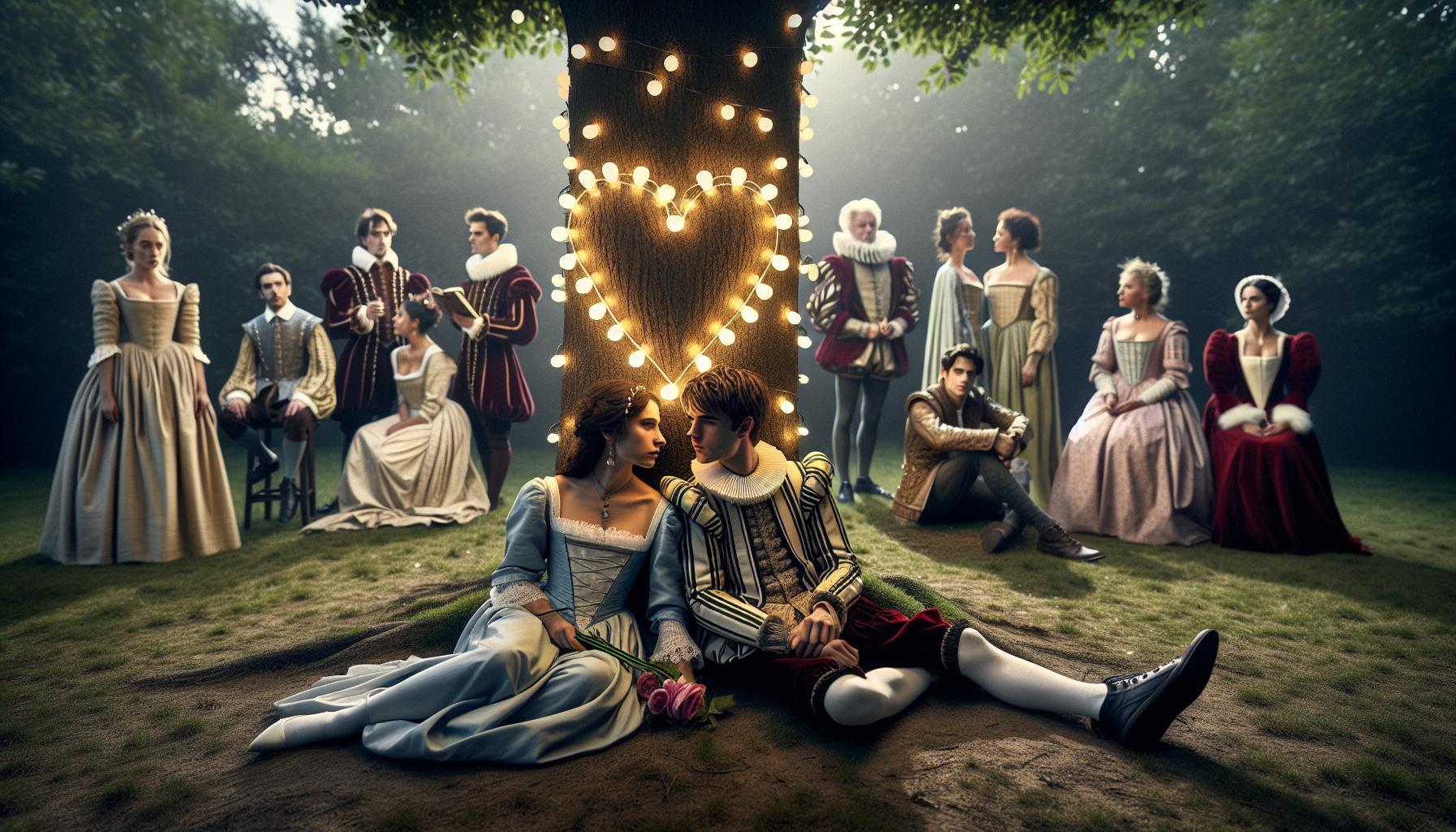
Comparative Analysis: Love in A Midsummer Night’s Dream vs. Other Shakespearean Works
In examining the portrayal of love within “A Midsummer Night’s Dream,” it becomes enlightening to juxtapose it with other works by Shakespeare, revealing both shared motifs and unique explorations of romantic dynamics. Shakespeare’s comedies often delve into love’s irrational and transitory nature, and while “A Midsummer Night’s Dream” vividly embodies this theme through its magical interventions, other plays like “Romeo and Juliet” and “Twelfth Night” provide deeper insights into love’s complexities and societal implications.
In “A Midsummer Night’s Dream,” love is depicted as whimsical and capricious, driven largely by external forces-most notably through the meddling of Puck and the enchantments of Oberon. The use of the love potion serves to illustrate how easily love can be manipulated and how perception can shift instantaneously. This motif contrasts sharply with “Romeo and Juliet,” where love is portrayed as a passionate and often destructive force, suggesting that true love faces dire consequences when constrained by familial feud and societal expectations. The intensity of Romeo and Juliet’s love, rooted in a deeper knowledge of one another, highlights the tragedy that arises when love is both true and thwarted, a stark contrast to the lighthearted resolutions often found in comedies like “A Midsummer Night’s Dream.”
Another avenue of comparison can be drawn with “Twelfth Night,” where love is similarly complicated by mistaken identities and misunderstandings. The character Viola, disguised as Cesario, navigates love’s complexities in ways that echo the misunderstandings among the lovers in the forest. Both plays employ elements of disguise and transformation to explore themes of identity and desire. However, while “A Midsummer Night’s Dream” concludes with joyous reconciliations and comedic triumphs, “Twelfth Night” retains a more bittersweet edge, reflecting on the difficulties of finding genuine connection amidst confusion.
- Love’s Nature:
- A Midsummer Night’s Dream: Capricious and whimsical
- Romeo and Juliet: Passionate and tragic
- Twelfth Night: Complex and bittersweet
- Intervention of External Forces:
- A Midsummer Night’s Dream: Magic and potions
- Romeo and Juliet: Familial conflicts
- Twelfth Night: Disguises and misunderstandings
Ultimately, while Shakespeare often portrays love as a central theme in his works, each narrative explores this emotion through different lenses-whether it be through the lens of comedy that allows for fantastical transformations, the tragic depth of young lovers’ plight, or the bittersweet complexities of identity and unrequited love. This comparative analysis serves not only to deepen our understanding of love as a thematic pillar in “A Midsummer Night’s Dream” but also to highlight the diversity of Shakespeare’s exploration of this universal experience across his body of work. Understanding these nuances enriches our reading of love’s infinite complexities as portrayed by Shakespeare, revealing both the joys and the pitfalls that accompany it.
Exploring the Concept of Dream vs. Reality
In “A Midsummer Night’s Dream,” the interplay between dreams and reality creates a complex tapestry that challenges perceptions and explores the fleeting nature of love. The forest acts as a transformative dreamscape where reality bends under the influence of magic, allowing characters to navigate their desires and identities. This dream-like quality raises fundamental questions about the authenticity of experiences and the sometimes illusory characteristics of love itself. As the characters wander through the enchanted woods, they grapple with their emotions, leading to a blurred line between genuine affection and the whims of enchantment.
The theme of dreams manifests prominently through Puck’s mischief and Oberon’s magic, illustrating the ease with which love can be altered. When Oberon uses a love potion on Titania, the queen of the fairies, she falls desperately in love with the transformed Bottom, whose head has been whimsically changed into that of a donkey. This scene not only serves as a comedic spectacle but also invites the audience to contemplate how love can be shaped by external circumstances, often leading to irrationality and chaos. Such scenarios invite readers to ponder: Can love truly exist when influenced by such magical forces, or does it merely reflect a dream designed by others?
Moreover, the contrast between the worlds of Athens and the forest offers a striking juxtaposition of the rigid societal norms of reality against the liberating, unpredictable nature of the dream state. In the forest, characters shed their societal roles and experience love without the constraints of reason or obligation, highlighting how the boundaries of reality can confine true feelings. This shift suggests that in moments away from societal pressures, authentic emotions can thrive. However, upon returning to the structured environment of Athens, characters are prompted to reconcile their sometimes contradictory feelings, leaving the audience to question whether genuine love can survive the rigid confines of reality.
Ultimately, the dream vs. reality dichotomy in “A Midsummer Night’s Dream” serves as a powerful tool for exploring the ephemeral nature of love. The play reminds us that love is not always defined by clarity or logic-it is often a distorted reflection of our desires, influenced by circumstances, fantasies, and the whims of fate. By engaging with this theme, readers are encouraged to acknowledge their own perceptions of reality and love, pondering the extent to which dreams shape their experiences and relationships.
The Influence of Setting on Love and Magic
The enchanting setting of “A Midsummer Night’s Dream” plays a crucial role in shaping the dynamics of love and magic, acting as a catalyst for transformation and revelation. The forest, with its lush greenery and mystical aura, functions as a space where societal norms dissolve, allowing characters to explore their desires uninhibited by the expectations of the Athenian court. This contrast between the regulated, structured society of Athens and the wild, unpredictable nature of the forest not only enhances the whimsical nature of the narrative but also raises significant questions about authenticity and the essence of love.
By immersing the characters in a magical environment, Shakespeare amplifies the theme of transformation. In the forest, under the influence of fairies and their enchanting potions, love becomes capricious and mutable. The setting allows for whimsical elements, such as Oberon’s use of the love potion, which causes Titania to fall in love with Bottom, transformed absurdly into a donkey. This transformation highlights how external factors can distort genuine feelings, suggesting that love is not merely a product of personal emotion but is also influenced by circumstances and environment. The ease with which characters fall in and out of love underscores the idea that the forest serves as a dreamscape where reality bends, mirroring the fluidity of human emotions.
Moreover, the forest’s magic creates an atmosphere where characters can engage with their true selves, free from societal constraints. Here, the characters experiment with their identities, as seen when Hermia and Lysander flee together, daring to defy Athenian law. Similarly, Helena’s pursuit of Demetrius takes on a more poignant tone as the forest setting amplifies her emotional vulnerability. The wild, unpredictable natural world becomes a mirror for their inner tumult, capturing the spectrum of love from joyous enchantment to painful yearning.
Ultimately, the setting in “A Midsummer Night’s Dream” is not merely a backdrop but a living entity that interacts with the characters and influences their choices. As characters navigate this magical world, they confront their individual desires and motivations, revealing the complexities of love itself. Thus, Shakespeare uses setting as a vital tool to explore how love is shaped, disrupted, and sometimes transformed by the environments in which it exists, prompting readers to reflect on the nature of love and the forces that govern it.
Modern Interpretations: Relevance of Love and Magic Today
In today’s world, the themes of love and magic in “A Midsummer Night’s Dream” resonate with a profound relevance that transcends time. Shakespeare’s depiction of love as a transformative, often unpredictable force mirrors contemporary experiences where emotional connections are frequently influenced by external factors. In our digital age, where social media and dating apps create a realm of instant intimacy and rapidly changing affections, the characters’ struggles with love in the enchanted forest can evoke our own challenges in navigating relationships and identities.
The concept of love as an elusive and mutable force is highlighted through characters like Helena and Demetrius, whose tumultuous relationship reflects the complexities of unrequited love and the quest for acceptance. Today, many individuals grapple with similar feelings, often seeking love in places that may not honor their true selves. This modern parallel invites readers to reconsider how external pressures, societal expectations, and technological advancements impact their own romantic pursuits. In essence, the potions and enchantments that alter characters’ affections can serve as a metaphor for the ways in which our environments and social contexts shape our feelings and relationships.
Magic, both literal and figurative, continues to capture our imaginations, inviting individuals to explore the realms of the fantastical and the unknown in everyday life. From popular culture including films, literature, and art inspired by the mystical elements in Shakespeare’s play, we see a sustained fascination with the transformative power of love and the magical occurrences that inspire it. For instance, modern adaptations of the play frequently highlight the romantic chaos and surreal experiences that parallel contemporary love stories, engaging audiences with the idea that enchantment still exists in our modern narratives.
Ultimately, “A Midsummer Night’s Dream” inspires modern audiences to reflect on their perceptions of love through the lens of magic-encouraging a deeper understanding of how our desires can be influenced by the enchanting, chaotic forces in our lives. By embracing the complexities inherent in love and relationships, individuals today can appreciate the enduring message that, much like the play’s characters, they are on a journey through the unpredictable and magical landscape of their own hearts.
Critical Reception: How Critics View Love in the Play
The exploration of love in “A Midsummer Night’s Dream” has captivated critics and scholars for centuries, underscoring its multifaceted nature. Many have noted that Shakespeare crafts a landscape in which love is depicted as both a wondrous and chaotic force, subject to the whims of magic, social norms, and individual desires. Critics often highlight how the intertwining stories of the four lovers-Hermia, Lysander, Helena, and Demetrius-reveal the complexity and sometimes absurdity of romantic entanglements. A central theme in critical reception is this notion of love’s irrationality, where passion can be influenced as easily as it can be obscured by illusions and enchantments.
The Paradox of Love
One prevailing perspective among critics is the paradoxical depiction of love as both delightful and distressing. Love’s capriciousness is particularly pronounced through the character of Oberon, who uses magic to manipulate the affections of others, demonstrating how love can be unintentionally warped by external forces. In his influential work, literary critic H.D. Traill posited that Shakespeare presents love as “a tyrant,” echoing the sentiments of many who view love’s unpredictability with a blend of admiration and caution. This duality invites reflections on how modern relationships are similarly influenced by societal pressures and the desire for acceptance, drawing parallels between early modern and contemporary experiences.
Impact of Setting and Structure
Another focal point for critical analysis is the play’s unique setting in an enchanted forest, a space where the usual rules of society dissolve. Critics argue that this magical backdrop serves as a crucial catalyst for personal transformation and emotional revelations among characters, emphasizing the theme of love as a form of enchantment that requires an environment conducive to its exploration. The shift from the structured world of Athens to the liberated chaos of the forest mirrors the way contemporary lovers might find themselves in eleventh-hour moments of discovery-whether through travels or significant life changes.
Additionally, Shakespeare’s use of comedic elements to tackle the often treacherous waters of love has led critics to appreciate the nuances of humor in shaping human relationships. Comedic performances and the “play within a play” structure further enhance this aspect, prompting audiences to engage with love’s follies and triumphs in a light-hearted yet reflective manner. Scholars often suggest that such comedic frameworks allow greater exploration of vulnerability and identity, urging readers to consider how they perceive love in their own lives.
In conclusion, the critical reception of love in “A Midsummer Night’s Dream” reveals a rich tapestry of interpretations and insights that resonate with audiences across ages. Emphasizing the unpredictability and transformative qualities of love, these critiques encourage us to navigate our personal experiences with an open heart and an understanding of the magic that, while sometimes chaotic, ultimately enriches our lives.
Themes of Misdirection and Identity in Relationships
In “A Midsummer Night’s Dream,” the themes of misdirection and identity weave a complex tapestry that challenges our understanding of love and relationships. The use of magic by Puck and Oberon not only serves to create comedic confusion but also to reveal deeper truths about the characters’ identities. Misunderstandings and mistaken identities create a chaotic landscape in which characters, both intentionally and unintentionally, question their own feelings and desires. This mirrors real-life experiences where external pressures, social constructs, or emotional upheavals can distort personal identity and the nature of one’s relationships.
The characters’ fluctuations in love and loyalty illustrate the instability of personal feelings when subjected to external influences. For example, Lysander’s affection for Hermia is abruptly altered by the enchantment from the flower’s juice, which causes him to fall for Helena instead. This sudden shift not only reflects the play’s theme of misdirection but also signals how easily passion can be swayed by external factors, questioning the authenticity of what these characters consider “true” love. Similarly, Helena’s quest for Demetrius’s love highlights the theme of identity; she grapples with her self-worth, manipulating herself to fit what she believes will win his affection. These moments compel the audience to consider how often individuals compromise their identities in pursuit of love.
Moreover, the enchanted forest acts as a liminal space-one that disrupts ordinary social rules, allowing characters to explore various facets of their identities. As the night unfolds, illusions become reality, urging each character to confront the dichotomy between who they are and who they feel they ought to be. In this surreal environment, love transcends mere attraction, evolving into a platform for personal exploration and discovery. This journey of self-exploration teaches valuable lessons about understanding the fluidity of identity and the complexities of love, suggesting that clarity often emerges from chaos.
Ultimately, the interplay of misdirection and identity in relationships invites readers to reflect on their own experiences. People often find themselves at the mercy of societal expectations or the whims of fate, causing them to reevaluate their identities and desires in the pursuit of love. Through humor and enchantment, Shakespeare sheds light on this enduring complexity, suggesting that understanding oneself is fundamental to navigating the often bewildering dynamics of love and relationships. Whether in the Elizabethan era or today, the essence of these themes remains relevant, encouraging us to embrace the messiness of love with all its surprising twists and turns.
Guided Reader’s Analysis: Key Passages on Love and Magic
In examining the interplay of love and magic in “A Midsummer Night’s Dream,” certain passages stand out for their profound insight and comedic brilliance. These lines invite readers to delve into the complexities of affection, desire, and the whimsical powers that shape them. Understanding these key moments can enhance your appreciation of Shakespeare’s exploration of relationships, revealing how easily love can be twisted by external forces.
One pivotal passage occurs during Oberon’s soliloquy in Act II, Scene I, where he recalls his plan to use a magical flower to invoke love. He states, “What thou seest when thou dost wake, / Do it for thy true love take” (II.i.165-166). This moment introduces the theme of love’s malleability through magic. The enchantment administered by the juice of the flower symbolizes how easily hearts can be swayed. Readers might reflect on how this mirrors their own experiences; love often feels capricious, subject to influence beyond personal control. By recognizing this, one can gain insight into the nature of infatuation versus genuine affection.
Another critical moment arrives when Lysander, under the spell’s influence, dismisses Hermia and professes love for Helena instead: “O me! You juggler! You canker-blossom! / You thief of love!” (II.ii.95-96). This dramatic shift showcases how quickly the characters’ affections can change under the spell of magic, emphasizing love’s instability. This section highlights Shakespeare’s message that love is not just a feeling but also a construct that can be manipulated. Throughout the play, characters navigate a labyrinth of emerging identities and shifting loyalties, compelling readers to consider how external pressures can distort true feelings.
The characters’ experiences are further complicated by their surroundings. The enchanted forest serves as a crucible of transformation and revelation. As Puck observes in Act III, Scene II, “Lord, what fools these mortals be!” (III.ii.115). This line encapsulates the absurdity not only of love but of human nature itself, reinforcing the theme that the boundaries of reality are blurred within this magical realm. Readers are invited to explore how the chaotic environment shapes the characters’ journeys, prompting questions about the nature of reality versus illusion in personal relationships.
Ultimately, these passages and their analyses bridge the world of Shakespeare’s text with the readers’ own lives. They reveal the complexities of love, illuminated by the lens of magic that both complicates and clarifies our understanding of relational dynamics. By engaging with these moments, readers can reflect on their definitions of love, acknowledging the potential for distortion in their own experiences, and how the fantastical elements of magic can resonate with the emotional upheavals faced in reality.
Educational Resources for Deeper Understanding
Delving into the enchanting world of “A Midsummer Night’s Dream” unveils rich and complex themes of love and magic that resonate across time. To gain a deeper understanding of these concepts and their intricacies, various educational resources can enhance your exploration of the play. Here are several helpful avenues to consider that will deepen your knowledge and appreciation of Shakespeare’s work.
Online Resources and Guides
The internet hosts a wealth of resources to aid in studying “A Midsummer Night’s Dream.” Websites such as the Folger Shakespeare Library offer comprehensive guides, including detailed summaries, character analyses, and thematic discussions. This site not only provides context but also offers insights into Shakespeare’s language, helping readers navigate the nuances of Early Modern English.
For interactive learning, platforms like Shakespearean Translator provide tools to translate modern English into Shakespearean language, allowing readers to experience the text through a transformed lens. This can illuminate how language and wording influence themes of love and magic in the play. Additionally, teaching resources such as lesson plans and quizzes from educational websites like the National Endowment for the Humanities can be invaluable for classroom discussions or personal study.
Books and Academic Analysis
Books exploring Shakespeare’s thematic concerns offer a more in-depth analysis. *Shakespeare and Love* by David Bevington and *The Cambridge Companion to Shakespeare’s Comedy* by Alexander Leggatt delve into the themes of romance and the use of magic throughout Shakespeare’s works. These texts provide critical perspectives and scholarly insights that can enhance your understanding of character motivations and thematic development.
For those interested in the intersection of love and magic, *Magic in the Shakespearean Theater* by Henry P. Smith is a fascinating exploration of how magical elements shape the narrative and underscore the unpredictable nature of love in the play. Engaging with such literature fosters a richer comprehension of the text’s complexities and relevance.
Performance and Adaptation Analysis
Examining various adaptations of “A Midsummer Night’s Dream” can reveal different interpretations of love and magic across cultures and eras. Watching filmed productions, such as the 1999 movie adaptation featuring Kevin Kline and Michelle Pfeiffer, or attending live theater performances can offer fresh perspectives and emotional resonance that text alone may not convey. Consider comparing how different directors interpret the role of magic in the characters’ relationships, and reflect on how these choices affect the portrayal of love’s complexities.
Additionally, discussions in forums such as Goodreads or dedicated Shakespearean study groups can facilitate community engagement, where you can share insights, ask questions, and explore different viewpoints on the themes of love and magic.
By utilizing these resources and engaging with a variety of perspectives and themes, such as the challenges of love influenced by external magical forces, readers can appreciate the timeless, enchanting complexity of “A Midsummer Night’s Dream.” This multifaceted approach not only enriches your reading experience but also imparts a deeper understanding of Shakespeare’s enduring relevance in exploring the intricacies of human emotion and the fantastical.
Frequently Asked Questions
Q: What are the main themes of love in “A Midsummer Night’s Dream”?
A: The primary themes of love in “A Midsummer Night’s Dream” include the complexities of romantic relationships, the influence of magic on love, and the idea of love as irrational and fickle. These themes explore how love can be both enchanting and chaotic, often leading to comedic situations.
Q: How does magic influence the relationships in the play?
A: Magic plays a crucial role in shaping relationships in “A Midsummer Night’s Dream.” It creates misunderstandings and transforms affections, such as when Puck causes chaos by applying love potions. This highlights how external factors can alter human emotions and decisions, which ties into the play’s exploration of love’s unpredictability.
Q: What literary devices does Shakespeare use to depict love in the play?
A: Shakespeare employs metaphor, symbolism, and irony to illustrate love’s multifaceted nature. For instance, the love potion serves as a symbol for love’s transformative power, while irony highlights the misalignment between characters’ feelings and their actions, enhancing the comedic effect throughout the play.
Q: How does the setting contribute to the themes of love and magic?
A: The enchanted forest setting in “A Midsummer Night’s Dream” symbolizes a realm where normal rules of love do not apply. This magical space allows characters to explore their desires and mistakes, emphasizing how settings can influence emotional experiences and relationships in dramatic literature.
Q: What is the role of dreams in “A Midsummer Night’s Dream”?
A: Dreams serve as a metaphor for the illusionary nature of love and reality. They blur the line between what is real and what is imagined, reinforcing the idea that love can often feel dreamlike and uncertain. The play suggests that our experiences, akin to dreams, can be both enlightening and confusing.
Q: How does Shakespeare compare love in this play to love in his other works?
A: In “A Midsummer Night’s Dream,” Shakespeare presents a more light-hearted and comedic view of love, contrasting with the darker portrayals in plays like “Romeo and Juliet.” This comparison highlights the variety of romantic experiences in his works, from joyful unions to tragic outcomes.
Q: Why is the character analysis important in understanding love dynamics?
A: Understanding character dynamics enriches our perception of love in the play. Each character embodies different aspects of love-desire, jealousy, attraction. Analyzing these characters reveals how their interactions reflect real-life complexities in relationships, making the themes more relatable.
Q: What critical reception has “A Midsummer Night’s Dream” received regarding its treatment of love?
A: Critics often praise “A Midsummer Night’s Dream” for its playful yet profound exploration of love. Many highlight how Shakespeare’s treatment of love blends humor with insight, making it a timeless examination of romantic entanglements. This reception reflects the enduring relevance of its themes in contemporary discourse.
To Conclude
Thank you for diving into our exploration of love and magic in “A Midsummer Night’s Dream.” As we’ve seen, this enchanting play weaves complex relationships and mystical elements, revealing profound truths about human nature. If you enjoyed this insights-packed report, consider exploring our in-depth analysis of Shakespeare’s themes of love and conflict here or our guide on navigating literary analysis here.
To stay updated on our latest content, don’t forget to sign up for our newsletter. Your journey through Shakespeare’s world doesn’t have to end here-dive deeper into the realms of literature and discover new perspectives! Feel free to leave a comment or share your thoughts; your engagement enriches our community. Remember, every page of a book holds a new adventure-let’s continue exploring together!
Get our latest guides, news, and insights highlighted in your Google Search & AI Overviews.










