In a society where justice often feels out of reach, John Grisham’s “A Time to Kill” delves into the complex interplay of morality and law. This gripping narrative challenges readers to confront difficult questions: What is justice? To what lengths would one go to protect their loved ones? As we explore the themes of racial tension and the pursuit of justice, we gain insight into the struggles that shape our moral compass. By examining this powerful story, readers can reflect on their values and beliefs, fostering a deeper understanding of right and wrong. Join us as we navigate the intricate layers of this compelling tale and uncover its relevance to today’s social issues.
Understanding Justice in “A Time to Kill
In “A Time to Kill,” the concept of justice is multifaceted, intertwining personal morality with the legal system’s mechanics. The novel invites readers to grapple with the profound questions surrounding what justice truly means in a world rife with prejudice, violence, and moral ambiguity. As the story unfolds, it becomes evident that the pursuit of justice is often in direct conflict with the law, complicating the characters’ choices and the reader’s perspectives on right and wrong.
At the narrative’s core is Carl Lee Hailey, a father who seeks to avenge the brutal assault on his young daughter, Tonya. His actions-murdering the perpetrators upon their arrival in court-instigate a fierce debate about the morality of vigilantism versus the established criminal justice system. The legal proceedings that follow become a crucible for examining the limitations and failings of that system, particularly in cases heavily influenced by race and social inequities. As Jake Brigance, Carl Lee’s attorney, navigates the intricacies of the trial, the reader is confronted with difficult moral dilemmas: Can justice be served when the system appears designed to favor certain groups over others?
The novel’s portrayal of justice extends beyond legal definitions, touching on emotional and communal dimensions. Characters, including the jurors, grapple with their own biases while tasked with making decisions that could alter the lives of others. The racial tensions that pervade the narrative emphasize the disparities in how justice is perceived and delivered based on skin color. Grisham eloquently captures these tensions through a Southern lens, employing the courtroom as a battleground where personal values clash with societal norms.
Ultimately, “A Time to Kill” compels readers to reflect on the nature of justice-not as an absolute, but as a complex, often flawed pursuit. Through its richly drawn characters and their intense moral conflicts, the novel serves as a reminder that justice, when divorced from compassion and understanding, can lead to further injustices. This exploration leaves a lasting impact, prompting ongoing dialogue about the intersection of race, morality, and law in contemporary society.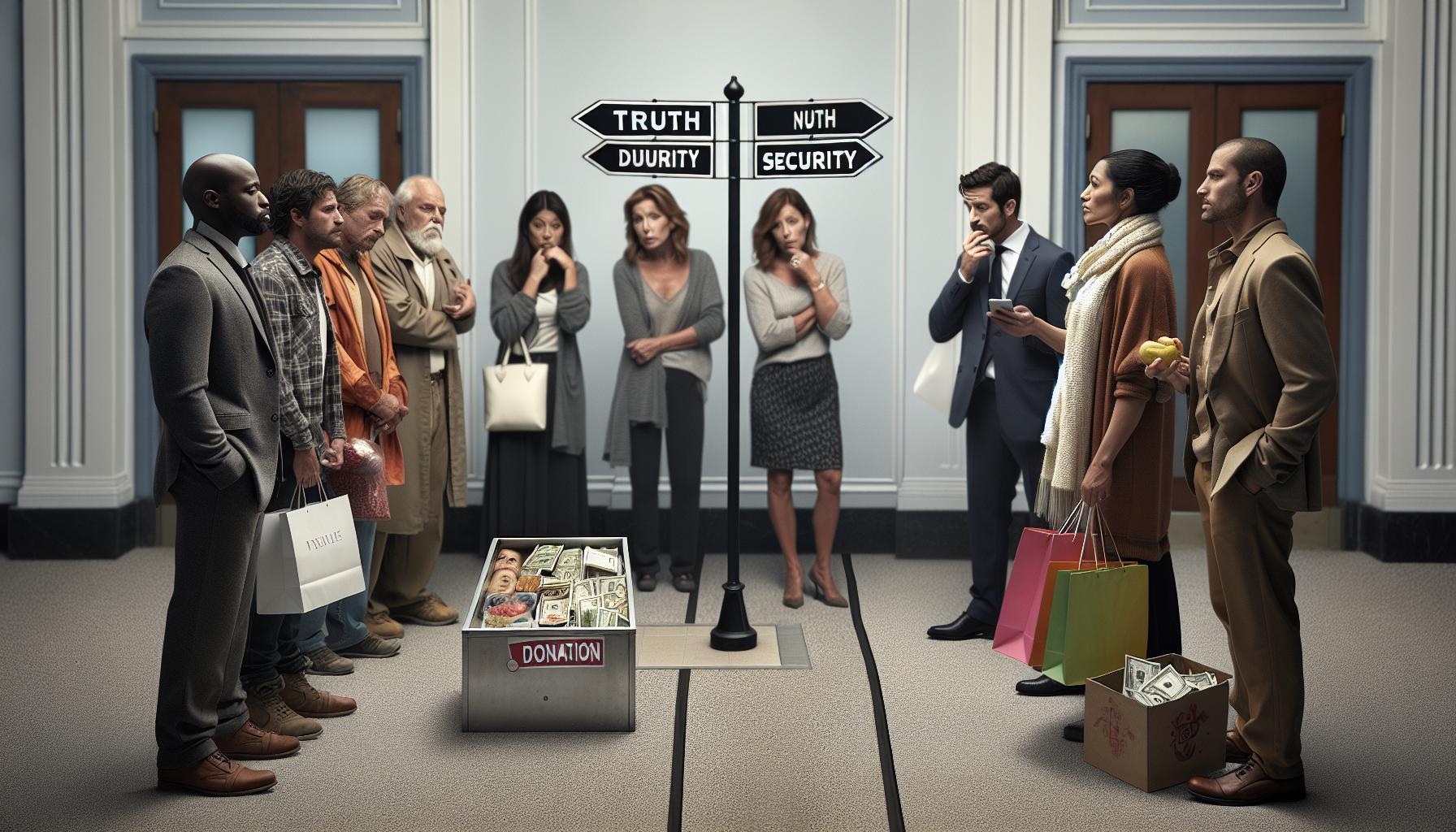
The Moral Dilemmas of the Characters
In “A Time to Kill,” the characters grapple with moral dilemmas that force them to navigate the treacherous waters of justice, vengeance, and personal ethics. The core conflict stems from Carl Lee Hailey’s desperate act of murdering the men who assaulted his daughter, Tonya. This pivotal event sets off a cascade of ethical questions: Is his act of vengeance justified as a means to protect his family? Is it acceptable to take the law into one’s own hands when the system appears to have failed? Each character’s choices reflect their values and the cultural pressures they face, creating a rich tapestry of moral conflict.
The attorney Jake Brigance embarks on a perilous journey as he defends Carl Lee. He must contend with his own beliefs about justice and the legal system while facing the community’s backlash. Jake embodies the internal struggle between professional duty and personal conviction. His defense becomes a platform for exploring broader themes of morality, challenging the reader to consider whether adhering to the law always equates to enacting true justice. His determination to seek fairness for Carl Lee, despite the overwhelming odds and dangers, highlights the sacrifices made in pursuit of a just outcome.
Meanwhile, jurors must confront their own biases, which complicates their role in delivering justice. As they deliberate the case, their decisions are influenced not only by the evidence presented but also by their individual beliefs about race, morality, and the legitimacy of Carl Lee’s actions. The novel excels in illustrating how personal experiences and societal conditioning shape the jurors’ perception of justice. This conflict becomes particularly poignant as they navigate their conscience amidst societal pressures and the heated emotions surrounding the trial.
Key Moral Questions Raised:
- Is vengeance ever justified?
- How do personal experiences influence one’s perception of justice?
- Can the legal system provide true justice in a racially and socially biased environment?
Ultimately, “A Time to Kill” forces readers to consider that moral dilemmas are not always black and white. The characters’ struggles illuminate the complexities behind seeking justice in a flawed system, encouraging introspection about the nature of right and wrong in the pursuit of fairness. The emotional weight of these dilemmas allows the novel to transcend its narrative, prompting an ongoing dialogue on morality, law, and human compassion.
Exploring Racial Tensions in the Narrative
The narrative of “A Time to Kill” is deeply entrenched in the racial tensions that permeate the American South, specifically addressing the historical and systemic injustices faced by African Americans. The story unfolds in a small Mississippi town where the brutal rape of a young black girl, Tonya Hailey, ignites a firestorm of racial strife and leads to her father’s violent act of retribution. This shocking incident serves as a catalyst for exploring the complex and often fraught relationship between race and justice.
Throughout the novel, the contrasts between black and white characters illuminate the pervasive racism that influences every aspect of the legal proceedings. For instance, Carl Lee Hailey’s decision to kill his daughter’s assailants stems not only from a profound sense of paternal protection but also from a recognition that he is unlikely to receive justice within a biased legal framework. The defense attorney, Jake Brigance, encounters significant obstacles as he attempts to dismantle the entrenched racial prejudices of the jury, which skew their perception of Carl Lee’s actions. This dynamic highlights the novel’s critical examination of how race can dictate the moral compass of an entire community, leading to the dehumanization of black victims and the vilification of their defenders.
The narrative also explores societal reactions that arise in response to racial tensions. As the trial unfolds, the tensions reach a boiling point, manifesting in violent protests and threats against both Carl Lee and Jake. Characters grapple with their ingrained biases while attempting to navigate a community deeply divided along racial lines. For many jurors, their own life experiences and societal conditioning obstruct their ability to view the case through an equitable lens. This reality forces readers to confront challenging questions: To what extent do personal prejudices influence judicial outcomes? Can true justice be achieved within a system that operates under the shadow of racism?
Ultimately, Grisham’s “A Time to Kill” serves as a poignant reminder of the enduring impact of racial tensions on the quest for justice. By weaving personal stories with broader societal issues, the novel not only critiques the failures of the legal system but also invites readers to reflect on their own perceptions of race, morality, and justice in contemporary society. This multi-layered examination encourages a deeper understanding of how history, culture, and individual choices shape the ongoing struggle for justice and equality.
The Role of Law and Its Limitations
In “A Time to Kill,” the complexities of law are illuminated through the story’s central themes of justice and morality. The novel portrays a legal system that, while designed to be impartial, is often swayed by societal prejudices and personal biases. The character of Jake Brigance, the defense attorney, navigates these treacherous waters, attempting to uphold the law while contending with the overwhelming racial tensions surrounding his client’s case. This juxtaposition raises critical questions about the efficacy and limitations of law as a tool for achieving true justice.
The legal system, as depicted in the story, is portrayed as inherently flawed, operating within a structure that is deeply influenced by prevailing social attitudes. For instance, Carl Lee Hailey’s violent act of revenge is instigated by the anticipation that the legal system would fail him and his daughter. This highlights a crucial limitation: when individuals lose faith in the system, they may feel justified in taking the law into their own hands, resulting in a cycle of violence and retribution. Brigance’s struggle to present Carl Lee’s actions in a context that jurors can understand is emblematic of how the law sometimes falls short of addressing the moral nuances of human behavior.
Judicial Disparities
The narrative also sheds light on judicial disparities that stem from systemic racism. The composition of the jury, comprised of individuals whose life experiences and biases reflect the community’s racial divides, creates a challenging environment for a fair trial. Brigance’s realization that his ability to persuade the jury is constrained by their ingrained prejudices demonstrates how subjective interpretations of justice can lead to a miscarriage of legal outcomes. This reality forces readers to confront the critical question: can justice genuinely be served in a system that is itself a reflection of societal inequities?
The Limitations of Legal Ethics
Moreover, “A Time to Kill” explores the ethical implications of lawyering within an imperfect system. Jake Brigance is faced with the moral dilemma of defending a client whose actions he believes are wrong yet understandable. This situation illustrates the tension between legal ethics-such as the duty to provide a vigorous defense-and personal morality, which may align more closely with feelings of outrage against the violence inflicted upon Tonya Hailey. The narrative invites readers to ponder where the line can be drawn between legal obligation and moral conviction, and how such dilemmas can shape the nature of justice itself.
In essence, Grisham’s work offers a powerful commentary on , provoking readers to contemplate how justice can be defined and pursued amid a landscape dotted with moral ambiguity and social injustice. Through the intricate interplay of characters and the challenges they face within the legal framework, “A Time to Kill” serves as a poignant reminder of the ongoing struggle to reconcile law with the quest for genuine justice.
Jonathan Grisham’s Writing Style and Techniques
Jonathan Grisham’s storytelling prowess in “A Time to Kill” can be attributed to his skillful weaving of tense courtroom drama with profound moral dilemmas. His writing style is marked by a clear, engaging prose that allows readers to become invested in the characters and the high-stakes situations they navigate. Grisham effectively balances legal jargon with accessible language, ensuring that even readers unfamiliar with legal proceedings can grasp the complexities of the court case. This approach not only captivates a broad audience but also enhances the emotional weight of the story.
One notable technique Grisham employs is the use of multiple perspectives, which enriches the narrative and provides a comprehensive view of the social and racial tensions present in the story. By delving into the motivations and inner conflicts of various characters-such as Jake Brigance and Carl Lee Hailey-Grisham allows readers to understand the multifaceted nature of justice and morality. This technique creates empathy for all sides involved, prompting readers to question their own beliefs about right and wrong. Additionally, the dialogue in the novel is sharp and realistic, reflecting the diverse voices and backgrounds of the characters, which further immerses the audience in the setting.
Furthermore, Grisham’s ability to build suspense is evident throughout the novel. He frequently deploys cliffhangers and strategic pacing to maintain a sense of urgency, particularly during crucial courtroom scenes. This keeps readers on the edge of their seats, mirroring the tension experienced by the characters. The effective use of foreshadowing also adds depth; subtler clues throughout the narrative hint at conflicting outcomes, which not only keeps readers guessing but also reinforces themes of unpredictability within the justice system.
Lastly, Grisham’s incorporation of real-world issues, such as racism and the flaws inherent in the legal system, serves to ground the novel in reality. This relevance not only provides a richer context for the story but also encourages readers to reflect on contemporary societal issues, making “A Time to Kill” not just a gripping legal thriller but also a poignant commentary on justice and morality. By combining these techniques, Grisham crafts a powerful narrative that resonates with readers long after the final page is turned.
Impact of Setting on Themes of Justice
The setting of “A Time to Kill” is not just a backdrop; it plays a crucial role in shaping the narrative, character motivations, and the overarching themes of justice and morality. Set in the racially charged environment of Mississippi in the 1980s, the story reflects a society grappling with deep-rooted prejudices and systemic injustices. This context amplifies the moral dilemmas the characters face, as it reveals how personal and societal histories influence perceptions of right and wrong.
In this small, segregated town, the legal system itself is a reflection of the broader societal values, where racial tensions are palpable and often dictate the outcomes of legal proceedings. The courtroom serves as a microcosm for the community, illustrating how biases can warp the pursuit of justice. For instance, as Jake Brigance takes on the defense of Carl Lee Hailey, the trial becomes less about the facts of the case and more about the town’s collective conscience, raising questions about whether true justice is possible in an environment steeped in racism. Each character’s decisions are informed significantly by their surroundings, creating a rich tapestry of conflicting emotions and ethical quandaries.
Moreover, Grisham intricately intertwines the physical landscape with the emotional landscape of the characters. The oppressive heat of Mississippi symbolizes the simmering tensions that fuel the conflict and underscores the pressures that the characters endure. This environment fosters a sense of urgency and desperation, particularly during key courtroom scenes, where the stakes could not be higher. The setting influences not only the characters’ actions but also the reactions of the community, demonstrating how geography can shape moral outcomes.
Finally, the day-to-day realities of life in a small southern town-marked by suspicion, fear, and a history of violence-serve to complicate the ideal of justice. As people are forced to confront their personal biases and the societal structures that uphold them, the narrative challenges readers to reflect on the complexities of achieving justice against the prevailing norms. Through this potent interplay between setting and theme, “A Time to Kill” invites readers to ponder: in a world where the scales of justice are so heavily tilted, what does it truly mean to seek redress? Understanding the impact of setting on the themes of justice provides deeper insights into the characters’ motivations and the powerful questions the novel raises about morality and human dignity.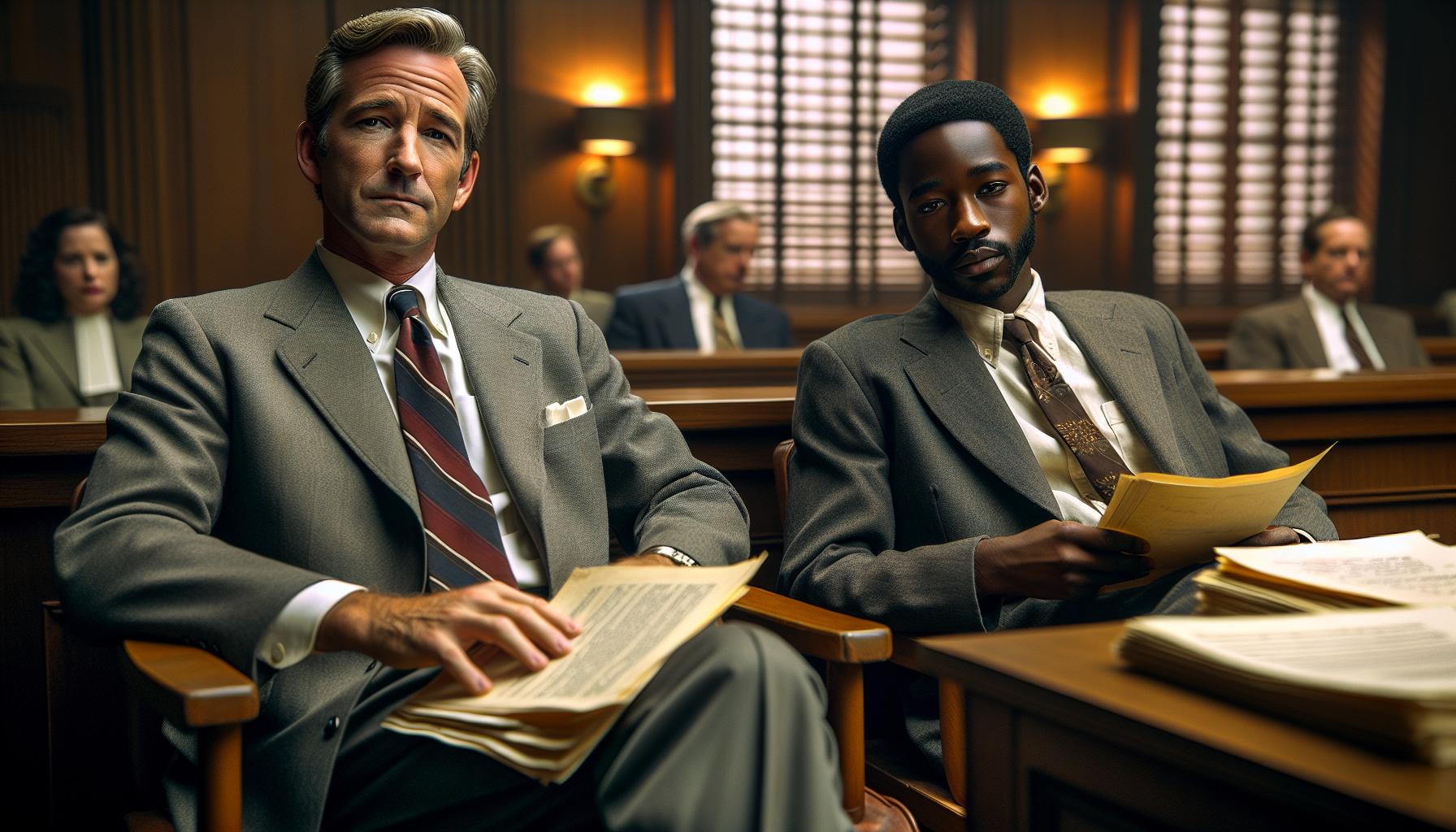
Character Analysis: Jake Brigance and Carl Lee Hailey
In John Grisham’s “A Time to Kill,” the intricate interplay between the two main characters-Jake Brigance and Carl Lee Hailey-embodies the complex themes of justice, morality, and racial tension that permeate the narrative. Jake Brigance, the idealistic white attorney, faces the formidable challenge of defending Carl Lee Hailey, a Black father who has taken the law into his own hands after a horrific crime against his daughter. Their relationship is marked by both a deep mutual respect and the societal constraints imposed upon them by their divided community.
Jake is portrayed as an ambitious yet morally conflicted lawyer. His dedication to the truth and pursuit of justice is tested repeatedly as he navigates a courtroom fraught with racial prejudices and personal biases from various community members. Despite his inexperience and the considerable pressure he faces, Jake’s fervent belief in the legal system’s potential to deliver justice propels him forward. His character demonstrates a willingness to confront not only the external challenges of a racially charged trial but also his inner turmoil regarding the implications of defending a man who committed murder in broad daylight.
On the other hand, Carl Lee Hailey represents the desperate lengths a father will go to protect his child. His actions, while legally indefensible, stem from an overwhelming emotional response to the trauma inflicted upon his daughter. Carl Lee’s character raises essential questions about the nature of justice: Is it justifiable to take the law into your own hands when you believe the system has failed? This internal conflict makes Carl Lee a sympathetic figure; he is portrayed not simply as a murderer but as a man pushed to his limits by an intolerable situation. His journey reflects the raw emotional impact of systemic racism and personal vengeance, challenging readers to empathize with his plight even as they grapple with the moral implications of his actions.
Together, Jake and Carl Lee’s dynamic embodies the central moral dilemmas at the heart of “A Time to Kill.” Through their evolving relationship, Grisham explores themes of racial injustice, the ethical responsibilities of lawyers, and the struggle for personal redemption. Their story invites readers to reflect on issues of societal norms, the limits of the law, and what it truly means to seek justice in a world rife with inequality.
The Emotional Power of the Trial Scene
The climactic trial scene in John Grisham’s “A Time to Kill” serves as a powerful narrative device that crystallizes the novel’s exploration of justice, morality, and human emotion. It is in this courtroom where readers witness the stark contrast between law and personal conviction, as Jake Brigance must tread an almost impossible line between his duty as a lawyer and the deeply ingrained societal prejudices of his community. The emotional weight of the trial is heightened by Grisham’s skillful prose, which immerses the audience in the tension and desperation of the characters involved.
The trial itself becomes a microcosm of the larger societal issues at play. As Jake Brigance presents his defense, every argument takes on a deeper significance, directly engaging with the fears, biases, and pain of the town of Clanton. The stakes are not just legal; they are profoundly personal. Grisham masterfully crafts a courtroom atmosphere that oscillates between moments of tension and vulnerability. For instance, Jake’s impassioned closing argument-where he pleads for mercy by asking the jury to imagine the brutal crime against Carl Lee Hailey’s daughter-strikes at the heart of the jurors’ humanity. This technique encourages readers to grapple with their own feelings toward justice, crime, and retribution, drawing them into the emotional core of the narrative.
The dynamic of the courtroom is intensified by the reactions of the characters, as well as the community’s response, revealing the multifaceted nature of moral dilemmas. The trial scene culminates in a pivotal moment when Jake urges the jurors to empathize with Carl Lee’s anguish. This appeals to the audience’s sense of justice, not just through legal precedent but through an understanding of human suffering. Grisham’s compelling portrayal prompts readers to ask themselves: what would they do in Carl Lee’s position? The characters’ interplay illuminates the challenges of balancing legal obligations with personal morality, making the trial not merely a matter of courtroom strategy, but a poignant and engaging examination of humanity.
Through , “A Time to Kill” resonates beyond the bounds of fiction, urging readers to reflect on their own beliefs about justice and morality in an imperfect world. Grisham invites us to consider the profound complexities of human emotion that underpin legal proceedings, and in doing so, reminds us that justice is often a deeply personal journey, fraught with difficult choices and moral ambiguity.
Public Perception and Media Influence
play critical roles in shaping the narrative of justice in John Grisham’s “A Time to Kill.” As the story unfolds, the characters navigate a highly charged social climate, heavily influenced by the views and biases propagated through the media. The trial of Carl Lee Hailey, who takes the law into his own hands after the brutal assault of his daughter, becomes a focal point not only for the characters but also for the community’s sentiment-a sentiment that is molded significantly by media portrayal.
In Clanton, Mississippi, the trial garners immense media attention, reflecting not only the local racial tensions but also the broader societal issues of crime, punishment, and moral responsibility. The media’s framing of the case serves to amplify divisions within the community, putting immense pressure on the jury as their perspectives are influenced by sensationalized reporting. The portrayal of Carl Lee as both a hero and a villain in the eyes of the public complicates the quest for justice, forcing characters like Jake Brigance to confront not only the legal implications of their actions but also the ethical dilemmas posed by public opinion.
Media’s Role in Shaping Public Sentiment
The media’s relentless coverage serves as a double-edged sword, often igniting passion and anger within the community while also fostering a sense of moral urgency for justice. For instance, local and national news outlets amplify the stakes of the trial, framing Carl Lee’s actions in various lights-ranging from an act of parental vengeance to a tragic consequence of systemic racism. This not only affects the jury’s decision but also highlights how media narratives can sway public perception in complex legal cases, where law and morality often intersect.
- Framing and Narrative Control: The way the case is reported can create heroes and villains out of individuals, influencing how the public perceives both the accused and the victims.
- Racial Dynamics: Media coverage can exacerbate existing racial tensions, showcasing the biases that are deeply embedded within society and the justice system.
- Ethical Dilemmas: Characters are faced with tough questions: should justice be pursued strictly within the confines of the law, or is there a greater moral obligation to consider human empathy?
Ultimately, Grisham’s narrative illustrates the intertwined fates of media and justice, revealing how powerful storytelling-whether in the courtroom or the press-can skew public perception and, consequently, the pursuit of true justice. The courtroom becomes not just a battleground for legal arguments but also a stage where public sentiment, colored heavily by media influence, plays a decisive role in determining the outcome of the trial. This complex interplay invites readers to ponder the weight of societal views and the often volatile power of the media in shaping our understanding of right and wrong.
Drawing Parallels to Modern Legal Cases
In an era where justice continues to be scrutinized under the lens of public opinion and media portrayal, modern legal cases echo the themes presented in “A Time to Kill.” The trials of individuals who take justice into their own hands, often driven by deep emotional pain and a perceived failure of the legal system, resonate not only within the confines of the courtroom but also in societal discussions regarding morality and law.
Notable examples include high-profile cases such as that of Michael Dunn, who, after a dispute over loud music, shot into a vehicle carrying teenagers, claiming self-defense. Dunn’s trial was heavily influenced by public sentiment regarding gun rights and racial tensions, reflecting a community divided over the justification for his actions. Much like Carl Lee Hailey, Dunn’s legal battle blurred the lines between law and personal morality, prompting discussions about societal values and legal definitions of justice.
Modern Legal Cases as Moral Reflections
The parallels between “A Time to Kill” and contemporary cases extend to the media’s role, where narrative framing can sway perceptions and influence jury decisions. Just as the media spotlight intensified the racial and moral divisions in Clanton, Mississippi, sensationalized coverage of events such as the Trayvon Martin case transformed public opinion and mobilized movements advocating for justice. These events showcase how media narratives can amplify feelings of injustice and urgency, leading to national debates about race, violence, and the retaliation against systemic failures.
Several common themes emerge when comparing these cases:
- The Complexity of Justice: In both literature and real-life situations, the quest for justice is never straightforward. Each case encapsulates a myriad of emotional and societal factors that can complicate legal outcomes.
- Public Perception: The role of social media and traditional news outlets in shaping narratives highlights the challenge of achieving unbiased perceptions amidst a sea of opinions.
- Ethical Dilemmas: Characters and real individuals alike face the question: Is vigilante justice ever justified when the legal system appears inadequate?
As society continues to grapple with these challenging dilemmas, the narrative of “A Time to Kill” remains relevant, inviting reflection on the nature of justice and the moral complexities that accompany it in both fiction and reality. The emotional weight of these modern case studies underscores the enduring legacy of Grisham’s work, emphasizing that while laws may be written, the spirit of justice often dwells in the hearts and minds of those who witness and are impacted by its proceedings.
Themes of Revenge vs. Justice
In “A Time to Kill,” the intricate balance between revenge and justice is a central theme that challenges readers to examine their moral beliefs and societal norms. At its core, the narrative showcases how Carl Lee Hailey’s decision to take the law into his own hands after his daughter’s brutal assault stems from deep emotional pain and a profound sense of helplessness within a flawed judicial system. His actions prompt readers to consider: Can personal vengeance ever be justified, especially when the legal system seems inadequate in delivering justice?
The novel presents a dichotomy between the notion of vigilantism and the principles of lawful justice. On one side, Carl Lee represents the extreme emotional response to trauma-his desire for revenge is fueled by his unrelenting grief and anger. This perspective highlights a fundamental question: When does the pursuit of justice cross over into the realm of revenge? On the other hand, Jake Brigance, the protagonist and defense attorney, embodies the belief in structured legal processes, advocating for due process despite the emotional turbulence surrounding the case. His commitment to justice, albeit complicated by his personal convictions, serves to remind readers of the critical importance of upholding legal standards, even in the face of overwhelming emotional turmoil.
This tension between revenge and justice resonates strongly with contemporary societal issues, where individuals often grapple with the notion of retribution versus rehabilitation. The prevalence of high-profile cases in the media, where defendants are portrayed in starkly differing lights, emphasizes how public perception can cloud the lines of justice. Much like Carl Lee’s story, these cases highlight a community’s complex relationship with law enforcement, justice, and retribution, prompting ongoing discussions about morality in a legal context.
Ultimately, Grisham’s narrative compels readers to reflect on their values regarding justice and revenge. The emotional stakes involved in Carl Lee’s actions present a poignant question: Is true justice achievable, or is it merely a construct shaped by personal beliefs and societal pressures? As the verdict unfolds, readers are left to ponder the implications of their decisions-whether driven by vengeance or a quest for justice-on the fabric of society as a whole. The enduring legacy of this theme encourages a more profound exploration of moral complexities, ensuring that “A Time to Kill” remains relevant in discussions about justice and morality in our times.
Critical Reception and Legacy of the Novel
The powerful narrative of “A Time to Kill” has not only captivated readers but also ignited significant conversations about justice, morality, and race in America. Upon its release in 1989, the novel garnered a mix of critical acclaim and scrutiny. While many praised its gripping storytelling and poignant exploration of challenging themes, some critics expressed concern regarding its portrayal of race relations and the implications of its plot. The novel struck a chord with readers, quickly becoming a bestseller and establishing John Grisham as a leading voice in legal thriller fiction.
Critical Reception
Initial reviews highlighted Grisham’s ability to weave complex moral dilemmas into a fast-paced legal narrative. Publications like The New York Times acknowledged the book’s ability to provoke thought, stating that it “forces the reader to confront their own biases and beliefs about justice.” While the book resonated with a wide audience, some critics noted that its depiction of race, particularly through the character of Carl Lee Hailey and the trial’s racial dynamics, was a source of contention. Certain reviewers felt that the book bordered on stereotypes rather than fully addressing the nuances of the racial tensions it sought to explore. Nonetheless, readers directly engaged with its themes, leading to discussions in book clubs and classrooms across the nation.
Legacy and Impact
The legacy of “A Time to Kill” extends beyond its commercial success; it has become a cultural touchstone that continues to influence discussions about race, violence, and the justice system in the U.S. The book has inspired numerous adaptations, including a successful film in 1996, which further propelled its themes into the public consciousness. The narrative paved the way for more discussions about vigilantism, the legal system’s shortcomings, and the question of what constitutes true justice.
In contemporary society, “A Time to Kill” remains relevant as it resonates with ongoing debates surrounding race relations and systemic injustice. As high-profile legal cases continue to spark national conversations, Grisham’s novel acts as a lens through which readers can examine their own values and the ethical complexities of justice. The gripping nature of the story ensures that it will endure in literary discussions, making it a compelling read for those willing to engage with its profound moral questions.
This enduring relevance illustrates how literature can serve as a powerful vehicle for social commentary, urging readers to reflect on their beliefs and society’s values through the prism of storytelling. Grisham’s work continues to invite readers to grapple with the uncomfortable intersections of race, morality, and justice, solidifying its place as an important piece of American literary and cultural history.
Frequently Asked Questions
Q: What are the main themes in “A Time to Kill”?
A: The main themes in “A Time to Kill” include justice, morality, racism, and revenge. These themes intertwine as the characters navigate a controversial trial, forcing readers to confront complex moral dilemmas about justice in a racially charged environment.
Q: How does Grisham portray the legal system in the novel?
A: Grisham portrays the legal system as both flawed and powerful. The story highlights its limitations in achieving true justice, emphasizing the influence of public opinion and racial tensions on legal outcomes, especially in the context of a trial that stirs deep societal divisions.
Q: What is the significance of the setting in “A Time to Kill”?
A: The setting of Clanton, Mississippi is significant as it reflects the racial tensions and historical prejudice of the American South. This context amplifies the story’s themes of justice and morality, as the characters are influenced by their environment in profound ways.
Q: How does the character of Jake Brigance embody the theme of moral conflict?
A: Jake Brigance embodies moral conflict as he grapples with defending Carl Lee Hailey, who took the law into his own hands after a tragic event. His ethical dilemmas reveal the struggles between professional duty and personal beliefs, ultimately challenging the notions of justice.
Q: Why is public perception important in “A Time to Kill”?
A: Public perception plays a crucial role in “A Time to Kill” as it impacts the trial’s proceedings and outcomes. The community’s views reflect broader societal attitudes toward race and justice, influencing jurors and shaping the unfolding drama around the case.
Q: What role does revenge play in the narrative?
A: Revenge acts as a catalyst in the story, driving Carl Lee Hailey’s actions after the assault on his daughter. This theme contrasts sharply with the ideals of justice portrayed during the trial, prompting discussions about the moral implications of taking the law into one’s hands.
Q: How does Grisham’s writing style enhance the story’s themes?
A: Grisham’s writing style-characterized by vivid descriptions and intense dialogue-enhances the themes by creating an immersive experience. His technique evokes strong emotional responses, allowing readers to engage deeply with the characters’ struggles and the moral complexities of the situation.
Q: In what ways does “A Time to Kill” draw parallels to modern social issues?
A: “A Time to Kill” draws parallels to modern social issues, especially regarding racial injustice and the legal system’s shortcomings. The novel encourages discussions on contemporary cases of racial violence and the public’s demand for justice, making it relevant to ongoing societal dialogues.
Future Outlook
In conclusion, “A Time to Kill” intricately weaves themes of justice and morality, challenging readers to confront their beliefs about right and wrong in the face of harrowing circumstances. This book report highlights the moral complexities and societal implications presented by John Grisham, urging you to reflect on how justice is often a matter of perspective. Don’t let this dialogue end here; dive deeper into related discussions by exploring our article on legal ethics or our detailed analysis of Southern Gothic literature.
Ready to join the conversation? Share your thoughts in the comments, and explore more insightful content to enrich your understanding of literature and its societal impact. If you haven’t already, sign up for our newsletter for curated literary insights and updates. Your journey towards understanding the nuances of justice and morality in literature starts now-so take the next step today!
Get our latest guides, news, and insights highlighted in your Google Search & AI Overviews.