In today’s fast-paced educational environment, the effectiveness of traditional book reports is often called into question. With changing pedagogical approaches, many educators wonder whether these assignments genuinely enhance learning or merely serve as nostalgic relics of the past. Book reports can play a pivotal role in developing critical thinking, comprehension skills, and personal connections to reading. They encourage students to engage deeply with texts, fostering a greater understanding and appreciation of literature. However, as we delve into this discussion, it’s essential to explore how these tools can be adapted to meet contemporary educational goals. By examining the benefits and potential drawbacks of book reports, we can uncover their true value in equipping students with the skills they need to thrive in an increasingly complex world. Join us as we explore whether book reports are still effective teaching tools today and how they can be revitalized to inspire a new generation of learners.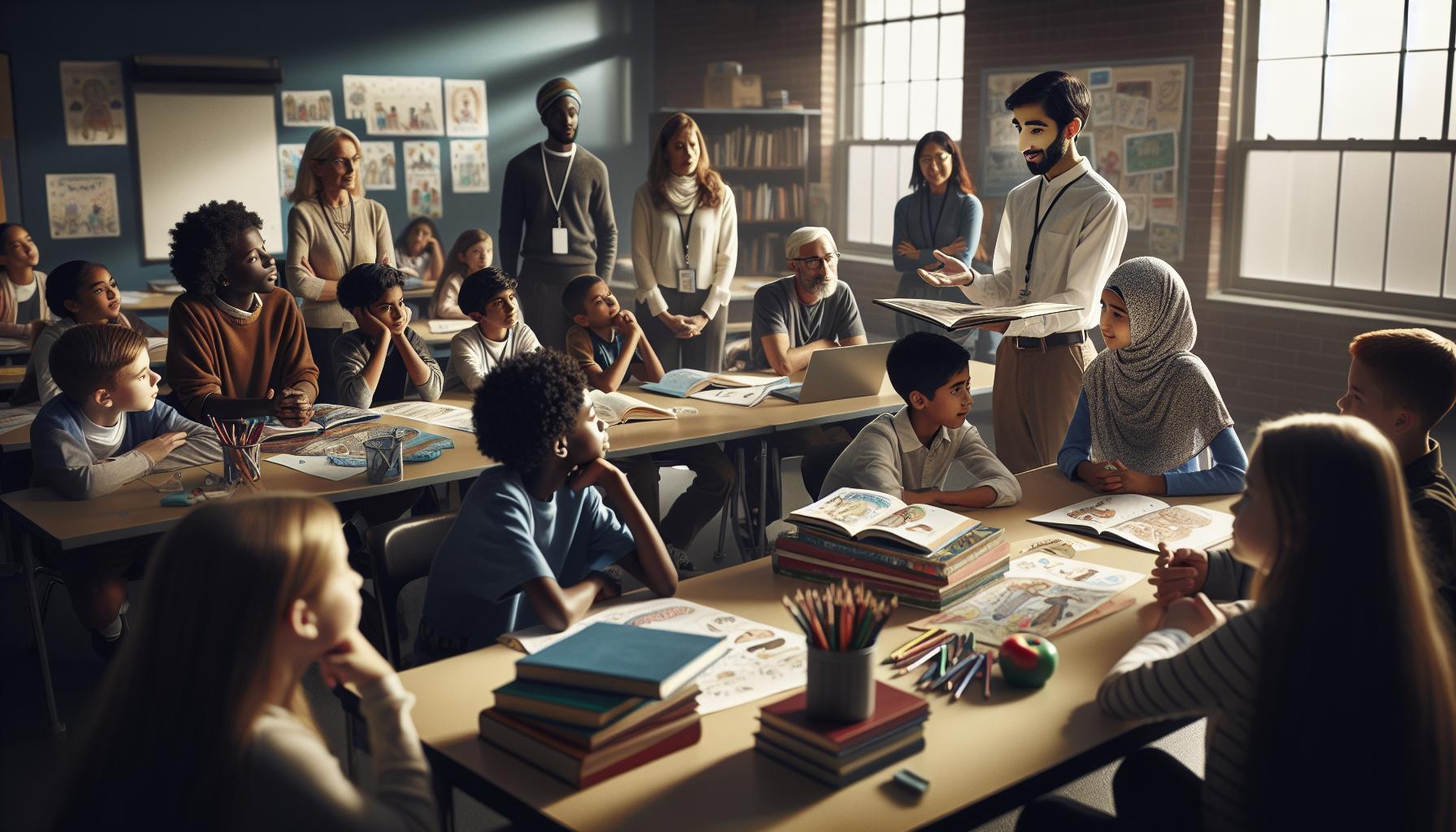
Impact of Book Reports on Student Learning Outcomes
The effectiveness of book reports as a pedagogical tool can have a profound impact on student learning outcomes. Traditionally, book reports have been seen as a method for assessing reading comprehension and encouraging students to engage with literature. However, their influence extends beyond mere evaluation; they play a significant role in developing critical thinking, analytical skills, and a deeper understanding of narrative structures.
One of the primary ways in which book reports enhance learning is by fostering critical engagement with texts. When students are tasked with summarizing a book, analyzing character motivations, or reflecting on themes, they are required to process the information actively rather than passively consuming it. For instance, a report that involves thematic analysis encourages students to make connections between the literature and their own experiences or the world around them. This kind of engagement can lead to improved comprehension, retention, and the ability to articulate thoughts more clearly.
Additionally, book reports can be tailored to meet diverse learning styles, making them a flexible assignment that caters to a range of student needs. As seen in independent book report projects, students can choose activities that align with their strengths, whether they prefer artistic expression, oral presentations, or traditional writing. This adaptability not only makes the assignment more enjoyable but also enhances learning by allowing students to engage in ways that resonate with them personally.
Moreover, integrating technology into book reports can further amplify their effectiveness. Digital formats such as presentations, blogs, or video summaries can stimulate creativity and make the assignment more interactive. By using these tools, students can collaborate with peers and explore different ways to convey their understanding of the material. This modern approach not only captures student interest but also prepares them for future academic and professional environments where technology plays a vital role in communication.
In summary, when implemented thoughtfully, book reports can significantly impact student learning outcomes by enhancing critical thinking, accommodating diverse learning styles, and integrating technology into the learning process. These elements come together to create a richer and more meaningful educational experience that encourages lifelong learning and a love for literature.
Understanding Different Types of Book Reports
Different types of book reports provide diverse avenues for students to engage with literature, each format offering unique opportunities to deepen understanding and critical analysis. By exploring the various styles of book reports, educators can tailor assignments that not only suit the content of the book but also align with students’ strengths and interests.
One popular approach is the traditional written book report, where students summarize the plot, analyze characters, and reflect on themes. This format encourages grammatical and structural skills while reinforcing comprehension. Written reports can vary in length and detail, allowing students to express their insights in a way that best reflects their reading experience. For instance, a fifth-grade student might be assigned a one-page summary, while high schoolers delve into multiple pages of in-depth analysis supported by textual evidence.
Alternatively, creative book reports challenge students to step beyond written words into a realm of artistic expression. Options like creating dioramas, posters, or even acting out scenes from the book invite collaboration and innovation. Such assignments stimulate engagement as students not only read the material but also interpret it visually. A middle school student, for instance, might choose to create a storyboard that captures key events and character development, fostering visual literacy alongside literary understanding.
Digital presentations have emerged as a dynamic format for book reports, integrating technology into the learning process. Tools such as slideshows, blogs, or video essays allow students to craft interactive presentations that can be shared with peers. This format not only taps into their technical skills but also encourages collaboration and feedback, which can enhance learning. Students might, for example, use a video format to create a book trailer, summarizing the plot and appealing to potential readers emotionally and visually.
Furthermore, alternative assessments, such as thematic projects where students connect the literature to broader societal issues, encourage critical thinking and real-world application of knowledge. In a project centered on a novel about social justice, students might research related contemporary issues and present their findings alongside their book analysis. This method demonstrates the relevance of literature in contemporary discourse and prepares students for informed citizenship.
In summary, recognizing the various types of book reports enables educators to provide nuanced and engaging assignments that cater to multiple learning styles, thereby enhancing student comprehension and enthusiasm for reading. The key lies in equipping students with the tools to interpret texts in a variety of formats, promoting a comprehensive understanding of literature while simultaneously developing critical thinking skills.
How to Choose the Right Book for Reports
Selecting the right book for student reports can significantly influence their engagement and learning outcomes. When students connect with the material they read, they are more likely to immerse themselves in the content, enhancing both comprehension and retention. Therefore, educators can implement strategies to ensure the chosen books resonate with their students while promoting critical thinking and creativity.
Consider Student Interests and Reading Levels
Understanding the unique interests and reading abilities of students is crucial in selecting appropriate texts. Encourage students to participate in the selection process, as their insights into personal preferences can guide choices that foster enthusiasm for reading. Incorporating a range of genres-including fiction, non-fiction, graphic novels, and poetry-can also cater to diverse tastes. For instance, a student interested in science fiction might flourish when given a popular title like “The Hunger Games,” while a history enthusiast might prefer “The Diary of a Young Girl” by Anne Frank.
Aligning with Curriculum Goals
It’s essential that selected books not only engage students but also align with educational objectives. Teachers should consider how a book connects to the current lessons or themes being explored in the classroom. For example, if a social studies unit focuses on civil rights, selecting a book such as “The Watsons Go to Birmingham” can enhance understanding and make learning more relevant. Utilizing state or national standards as a guide can help in choosing texts that bolster curricular goals and deepen students’ knowledge in specific areas.
Diverse Perspectives and Themes
Introducing books that explore various cultures, experiences, and social issues can enrich students’ learning experiences. Texts that challenge students to think critically about societal norms or history, such as “Wonder” by R.J. Palacio, can create opportunities for discussions around empathy and acceptance. Incorporating literature from diverse authors not only broadens students’ perspectives but also fosters inclusivity and promotes understanding of different cultures.
Accessibility and Format Variety
Choosing books that are accessible to all students, including those with learning differences, is paramount. Consider including audiobooks, e-books, or graphic novels, which can provide alternative pathways for engagement. For example, some students might benefit from the visual representation in graphic novels, whereas others may excel with audiobooks that allow them to absorb the material in a different format.
In summary, the selection of books for reports should be a thoughtful process that considers student interests, curriculum alignment, diverse perspectives, and accessibility. By engaging students in this manner, educators can create a motivating environment that enhances literacy skills and fosters a lifelong love for reading.
Book Reports vs. Alternative Assessment Methods
Traditional book reports have long been considered a staple in educational settings, yet they often fail to engage students in meaningful ways. Research indicates that many students produce reports that merely summarize plot points, lacking depth and analysis. In response, educators are exploring alternative assessment methods that resonate more with students and actively involve them in their learning process. This shift not only fosters greater creativity but also promotes critical thinking and deeper comprehension of the material.
Rethinking Assessment Strategies
Alternative assessment methods can take many forms, ranging from multimedia presentations to creative projects. For instance, instead of submitting a written report, students might create a book trailer or a podcast episode that captures the essence of the story or characters. Such projects encourage students to interpret and present their understanding in innovative ways, blending their comprehension of the text with technological skills. This approach aligns well with contemporary learning environments, where digital literacy is just as crucial as literary knowledge.
Diverse Project Options
Educators can choose from a variety of creative project options that serve as effective alternatives to traditional book reports:
- Character Interviews: Students can role-play as a character from the book, conducting an imaginative interview that reveals their motivations and perspectives.
- Book Collages: Creating visual representations of themes, characters, or key events can help students synthesize their thoughts in a more engaging manner.
- Alternate Endings: Writing a new conclusion for the story encourages students to think critically about plot structure and character development.
- Multimedia Presentations: Students can integrate images, sound, and video into presentations, which can be stimulating for both presenter and audience.
Moreover, these alternative methods can cater to various learning styles, ensuring that all students have the opportunity to demonstrate their understanding in a manner that suits them best.
Enhancing Engagement and Retention
By employing alternative assessment methods, educators create a more engaging and enjoyable learning environment. When students are allowed to express their understanding creatively and personally, they are likely to remember the content better. A study highlighted by Edutopia suggests initiatives like the “one-pager” approach, where students summarize a book’s essence on a single page, can enhance clarity and depth of understanding without overwhelming them with lengthy assignments [[2](https://www.edutopia.org/article/creative-alternatives-to-book-reports)].
In conclusion, while traditional book reports have their place in education, leveraging alternative assessment methods can elevate student engagement and comprehension. By embracing these innovative approaches, educators can inspire students to delve deeper into their reading while developing critical thinking and creative skills necessary for the 21st century.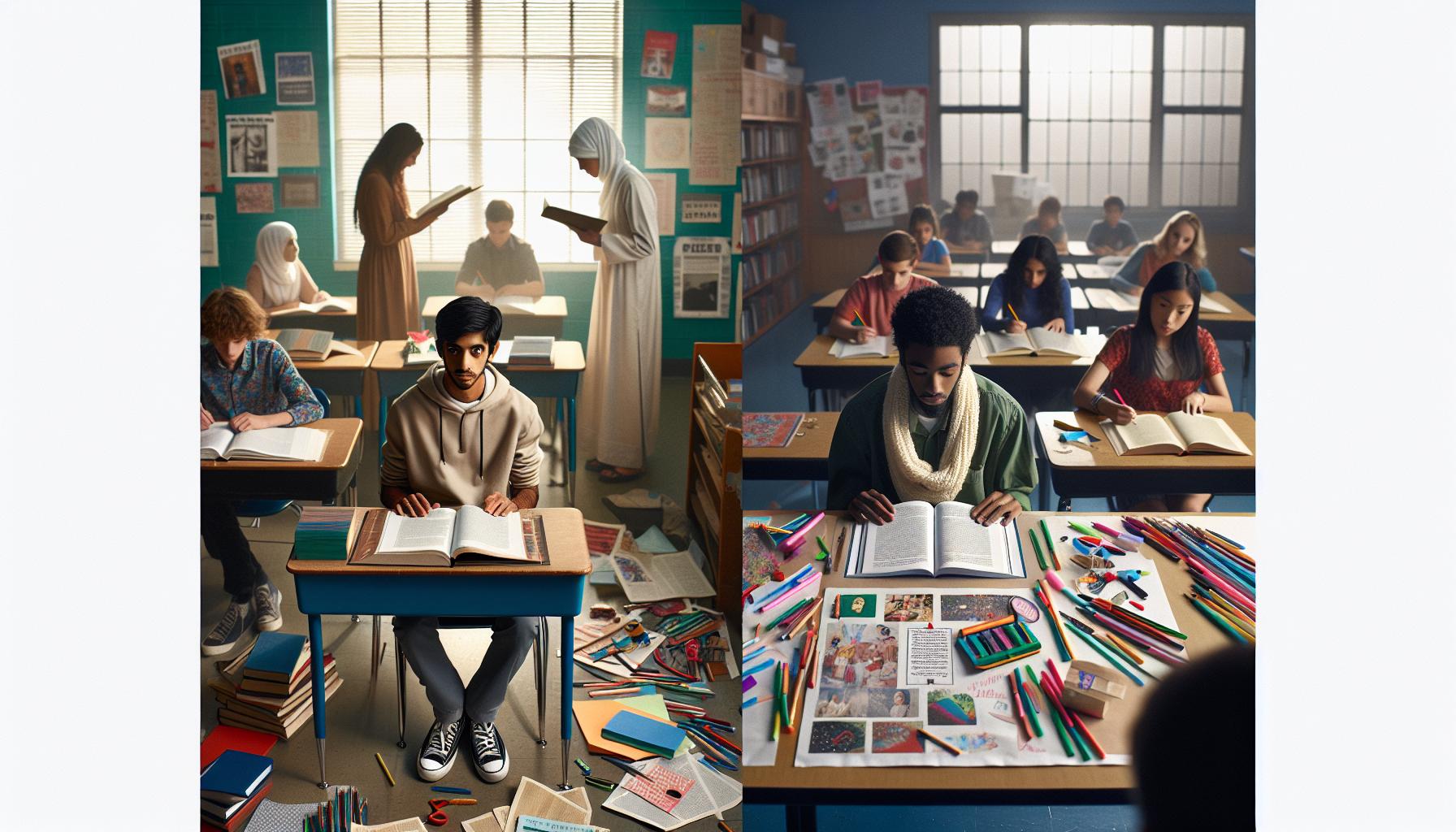
Engaging Students: Creative Book Report Ideas
Fostering student engagement through creative book report ideas is essential in making literature relevant and enjoyable. Traditional book reports often lead to repetitive tasks that may discourage deeper engagement with texts. However, by reimagining these assignments into projects that stimulate creativity, educators can spark students’ interest and enhance their understanding of literary concepts.
One effective approach is to design multimedia presentations. Students can create book trailers, akin to movie trailers, or even podcasts discussing the themes and characters of their chosen books. This method allows students to express their interpretations through various media formats, which not only makes learning more interactive but also integrates critical digital skills that are vital in today’s world. For example, a student might create a YouTube video explaining the main character’s arc, which could be shared in class for discussion, encouraging peer feedback and collaborative learning.
Another engaging project is the concept of book collages. Here, students create a visual representation that encapsulates significant themes, characters, and settings of the book. This not only aids in synthesizing the material but also provides a tangible output that they can present to their classmates. Colorful and visually appealing collages can serve as discussion starters, enabling students to engage in a deeper analysis of visual symbolism in literature.
Additionally, the idea of alternative endings can be particularly compelling. Students can write and present their own conclusions to the stories they read, prompting them to think critically about the implications of narrative choices. Not only does this exercise enhance creative writing skills, but it also encourages deeper reflection on the characters’ motivations and the author’s messages. Engaging in such activities supports skills like empathy and critical thinking, which are vital for meaningful literary analysis.
Ultimately, enabling students to explore literature through these innovative formats can significantly enhance their engagement and retention of the material. By moving away from traditional methods and implementing creative project ideas, educators can promote a more dynamic, participatory classroom environment where students take ownership of their learning journey. These varied approaches cater to different learning styles and interests, ensuring a richer educational experience that connects literature with real-world applications.
Integrating Technology in Book Reports
In today’s digital age, integrating technology into book reports not only enriches the learning experience but also aligns with the skills students need for the future. By leveraging various online tools and platforms, educators can transform traditional assignments into vibrant, interactive projects that resonate with students’ interests and capabilities. This approach not only enhances comprehension but also fosters essential 21st-century skills such as collaboration, communication, and digital literacy.
Multimedia Presentations
One effective method for integrating technology is through multimedia presentations. Students can utilize tools like Canva or Prezi to craft dynamic presentations that go beyond simple text. These platforms enable the incorporation of images, videos, and animations, providing a richer context for the book’s themes and characters. For instance, a student might create a digital book trailer that visually summarizes the plot while highlighting its emotions, much like a movie preview would. This not only captivates their classmates but also encourages further discussion and analysis of literary elements in a format that feels relevant to them.
Collaborative Online Platforms
Online collaboration tools such as Google Slides or Padlet can also facilitate teamwork, allowing students to work together from different locations. This kind of group project may involve creating a shared Padlet board that visualizes their thoughts on the book through text, images, and links to relevant articles or videos. This format not only promotes engagement but also encourages peer-to-peer learning, as students are likely to learn from one another while exploring diverse perspectives on the same text.
Digital Storytelling Tools
Furthermore, digital storytelling is an innovative way to enhance students’ understanding of literature. Platforms like Storybird or Adobe Spark allow students to create narratives that reflect their interpretations of the book. By crafting their own digital stories, students engage deeply with the material as they consider critical plot points, character development, and thematic elements. This deeper dive into the narrative encourages critical thinking, making literature studies more profound and personal.
Interactive and Gamified Learning
Additionally, gamifying book reports can significantly boost motivation. Tools such as Kahoot! or Quizlet can transform assessments into games, prompting students to answer questions about their readings in a fun, competitive format. Creating quizzes based on their books helps reinforce key concepts, while also fostering a sense of camaraderie and enthusiasm among peers. When students feel that learning is dynamic and enjoyable, their likelihood of engagement increases.
In summary, technology offers myriad possibilities to revitalize book reports, making them more engaging and informative. By incorporating multimedia, collaborative platforms, digital storytelling tools, and gamification into their assignments, educators can nurture a generation of learners who are not only proficient in understanding literature but also adept at utilizing technology to express their insights. This integration ensures that book reports remain relevant and effective teaching tools in contemporary classrooms.
Common Challenges with Book Reports Today
Many educators and students find themselves grappling with the evolving dynamics surrounding book reports in contemporary classrooms. While these assignments have traditionally served as a cornerstone of literary education, their effectiveness is often questioned due to several common challenges that arise in today’s educational landscape.
One significant issue is the disparity in student engagement. With the advent of digital media and diverse reading formats, students may perceive traditional book reports as monotonous or unappealing. This lack of interest can lead to insufficient comprehension of the material, resulting in reports that are more about fulfilling a requirement than demonstrating an understanding of the text. To address this, teachers can offer choices in how students present their reports, such as through videos, interactive presentations, or creative projects, making the assignments more relevant to their interests and enhancing engagement.
Another challenge lies in the varying levels of reading skills and interests among students. When a class is assigned the same text, those who struggle with reading may feel overwhelmed, whereas advanced readers might find the material underwhelming. Differentiating assignments by allowing students to select books that match their reading levels and interests can help alleviate these disparities. For example, educators might implement a tiered assignment system where students can choose from different reading lists that span various genres and difficulty levels, promoting a more inclusive learning environment.
Additionally, the emphasis on standardized testing and other metrics often sidelines book reports in many curricula. Teachers may struggle to justify the time spent on these assessments when faced with mounting pressures to prepare students for exams. In response, it might be beneficial to integrate book report assignments with skill-building exercises that align with standardized testing objectives, ensuring that they serve a dual purpose in the educational process. By demonstrating how book reports can reinforce critical thinking and comprehension skills crucial for testing, teachers can advocate for their continuing relevance.
Ultimately, recognizing and tackling these challenges head-on is crucial for making book reports effective teaching tools today. By actively engaging students, differentiating assignments, and aligning with educational standards, educators can transform book reports from mere obligations into meaningful opportunities for learning and personal expression.
Examining Teacher Perspectives on Book Reports
While the debate over the effectiveness of book reports continues, teacher perspectives reveal a nuanced understanding of their value in the educational landscape. Many educators see book reports as valuable tools for fostering comprehension and critical thinking, yet they recognize the need for innovation to keep students engaged. A common sentiment is that traditional book reports can be limiting, but when adapted to fit modern educational contexts, they can thrive.
Addressing Diverse Learning Needs
Teachers often emphasize the importance of tailoring book reports to address the diverse needs of their students. For instance, allowing students to select books that resonate with their interests not only boosts motivation but also enhances engagement, making reports more meaningful. When students are given the freedom to choose, their reports reflect deeper insights and personal connections to the text, which encourages a richer understanding of literature. Furthermore, educators may suggest incorporating differentiated assignments, wherein students can present their understanding through various formats-such as visual projects, presentations, or even creative writing-catering to different learning styles and preferences.
The Shift Towards Integration with Technology
Incorporating technology into book reports is another avenue that many teachers are exploring. The traditional written report is giving way to multimedia presentations, podcasts, and digital storytelling, aligning assignments with the skills most relevant in today’s digital world. This shift not only makes the assignment more engaging for students but also prepares them for future academic and professional environments where digital literacy is vital. By embracing tools like blogs or video presentations, educators can foster critical thinking and creativity while ensuring that students express their understanding in ways that resonate with their own interests and strengths.
Reinforcing Critical Thinking and Assessment Alignment
Teachers also highlight the role of book reports in developing critical thinking skills, particularly when integrated with curriculum goals and standardized testing preparation. When educators design book reports that require analysis, comparison, and evaluation, they help students hone skills that extend beyond the literature itself. This approach not only makes book reports a valuable learning tool but also emphasizes their relevance in a curriculum focused on measurable outcomes. By framing these assignments as opportunities to build essential skills, teachers can advocate for their place in the classroom, potentially overcoming resistance from curriculum planners focused on traditional assessment methods.
The perspectives shared by educators underscore that when book reports are thoughtfully designed to engage students, accommodate various learning styles, and incorporate modern technologies, they can indeed serve as effective teaching tools in today’s ever-evolving educational landscape.
The Role of Book Reports in Critical Thinking Skills
Engaging with literature through book reports is not merely an exercise in summarization; it serves as a powerful catalyst for developing critical thinking skills among students. At its core, the act of writing a book report requires students to move beyond surface-level comprehension and delve deeper into analysis, interpretation, and evaluation of texts. By engaging with the narrative, characters, themes, and authors’ intentions, students are prompted to form their own perspectives and defend them with evidence, thereby enhancing their analytical capabilities.
Analyzing Literature to Foster Critical Skills
When students undertake book reports, they engage in a multi-step process that promotes critical thinking:
- Analysis of Themes and Characters: Understanding the motivations and evolution of characters, as well as the overarching themes of the narrative, requires students to interpret complex ideas and articulate their understanding. For instance, a report on a classic novel may challenge students to explore how character decisions reflect societal values or personal ethics.
- Comparative Evaluations: Many book reports encourage students to compare and contrast texts. This practice not only enhances their understanding of each work but also develops their ability to analyze and synthesize information. For instance, students could write a report comparing the themes of love and sacrifice in two different novels, which encourages them to think critically about each author’s unique approach to similar ideas.
- Argumentation and Support: Crafting a well-structured report demands that students formulate and articulate arguments while providing textual evidence to support their claims. This process reinforces logical reasoning and the importance of substantiating opinions with credible information.
Expanding Expression Through Diverse Formats
Innovative approaches to book reports are essential in nurturing critical thinking in contemporary classrooms. For example, integrating creative projects, such as digital storytelling or multimedia presentations, allows students to express their insights in varied formats. This not only engages different learning styles but also encourages deeper exploration of the text’s nuances.
Additionally, when students are encouraged to present their findings to classmates, they engage in peer-to-peer dialogue that can lead to further critical examination of the material. Constructive discussions can prompt students to refine their viewpoints and consider alternative interpretations, enriching their learning experience and fostering a collaborative environment of critical inquiry.
Real-World Applications and Lifelong Skills
The skills developed through writing book reports transcend the classroom, equipping students with essential tools for future academic and professional pursuits. Critical thinking is a fundamental skill in problem-solving and decision-making across numerous fields, from business to the sciences. By training students to evaluate literature critically, educators also prepare them to navigate complex real-world scenarios where nuanced understanding and analytical skills are paramount.
Ultimately, when thoughtfully designed, book reports can serve not just as a method of assessing comprehension but as a vital educational strategy to cultivate critical thinkers who are equipped to engage with the complexities of the world around them.
Real-World Applications of Book Report Skills
Engaging with literature through book reports equips students with invaluable skills that extend far beyond the classroom. The process of writing a book report enables learners to develop critical thinking, a skill that is essential in today’s complex world. By analyzing narratives, evaluating themes, and forming substantiated opinions, students practice the kind of analytical thinking that is crucial in various fields including business, science, and law. For instance, crafting an argument based on literary evidence mirrors the argumentative tasks one might encounter in professional environments, such as presenting a case in court or advocating for a position in a business meeting.
Developing Essential Life Skills
Beyond critical analysis, the ability to effectively communicate ideas is enhanced through the experience of writing and presenting book reports. Students learn to articulate their thoughts clearly and concisely, a skill that translates directly into nearly every career path. Whether it’s drafting emails, delivering presentations, or conveying complex ideas to various audiences, the foundations laid by book reports foster strong communication skills. For example, a student who provides a detailed analysis of a novel’s themes learns to outline arguments logically, a technique that is equally applicable to crafting a business proposal or an academic paper.
Connecting Literature to Real-World Issues
Furthermore, book reports often encourage students to connect the themes and characters in their readings to current social issues. This approach not only deepens their understanding of literature but also cultivates empathy and social awareness. Consider a project centered on a contemporary novel that addresses climate change; students may research real-world implications and propose innovative solutions. This kind of engagement fosters not only academic growth but also inspires young people to become proactive members of society, empowered to address the challenges they observe in the world around them.
In summary, the skills honed through writing and presenting book reports equip students with critical thinking abilities, communication prowess, and a greater sense of social responsibility. These competencies are essential for success in both personal and professional domains, illustrating the enduring value of book reports as effective teaching tools in modern education.
Evaluating the Effectiveness of Book Reports in Modern Classrooms
In today’s educational landscape, the effectiveness of book reports is a topic of ongoing debate. While traditional book reports have been a staple in classrooms for generations, their ability to engage modern learners and foster meaningful educational outcomes is increasingly scrutinized. Recent discussions reveal that while book reports can provide valuable skills, their execution often requires adaptation to truly resonate with today’s diverse student needs.
One pivotal aspect in evaluating the effectiveness of book reports lies in their alignment with student learning styles. For instance, traditional reports focused heavily on summaries might overlook the varied preferences of learners, such as visual or kinesthetic modalities. To enhance effectiveness, educators are encouraged to blend creativity with the traditional model. Incorporating alternatives like multimedia presentations, artistic interpretations, or even dramatized readings can transform the conventional report into a comprehensive engaging project that caters to diverse learning preferences. This shift not only makes the exercise more enjoyable but also requires students to think critically, communicate effectively, and collaborate – skills essential in the modern world.
Moreover, the integration of technology plays a significant role in re-evaluating book reports’ relevance. With the rise of digital tools, students can now create interactive reports through platforms that allow them to incorporate videos, infographics, and hyperlinks to related content. This not only enhances their research skills but also encourages deeper engagement with the text. For example, using blog posts or digital storytelling can turn a standard report into an exploration of themes that extends beyond the book itself, bridging literature with real-world applications such as social issues or current events.
In essence, while evaluating the effectiveness of book reports, it’s essential to recognize that their success lies in adaptability. By merging traditional writing exercises with innovative strategies that embrace technology and creativity, educators can revitalize book reports as a dynamic learning tool. This approach not only enhances student engagement but also cultivates a deeper understanding of literature, preparing students with critical thinking and communication skills needed for their future endeavors.
Faq
Q: Are book reports still relevant in today’s educational environment?
A: Yes, book reports remain relevant as they foster *critical thinking* and *comprehension skills*. They encourage students to engage deeply with texts, articulating their understanding in a structured format. To enhance their relevance, consider integrating technology and creative approaches alongside traditional reports.
Q: What are some alternatives to traditional book reports?
A: Alternatives to traditional book reports include *digital storytelling*, *multimedia presentations*, or *book trailers*. These methods allow for creative expression and can make literary analysis more engaging. Exploring platforms like Canva or Adobe Spark can help students present their insights innovatively.
Q: How can teachers assess the effectiveness of book reports?
A: Teachers can assess the effectiveness of book reports by examining *student engagement*, *quality of analysis*, and *understanding of themes*. Implementing peer reviews or reflective essays about the book report process can provide additional insights into students’ learning outcomes.
Q: What skills do students gain from writing book reports?
A: Writing book reports helps students develop *analytical skills*, *writing proficiency*, and the ability to *summarize content*. These skills are essential not only in academic settings but also in their future professional careers, fostering effective communication and critical analysis.
Q: How can technology improve the book report experience?
A: Technology can enhance book reports by allowing students to create *interactive presentations*, use *graphic organizers*, or collaborate on *shared documents*. Tools like Google Slides or Padlet enable students to express their ideas visually and encourage collaborative learning.
Q: What role do book reports play in developing reading comprehension?
A: Book reports play a crucial role in developing *reading comprehension* as they require students to analyze and interpret texts. By summarizing and critiquing books, students practice extracting key ideas and themes, which strengthens their overall understanding.
Q: How should teachers introduce book reports to engage students?
A: Teachers can introduce book reports by discussing the importance of reading and analysis, sharing examples of engaging reports, and allowing students to choose books that interest them. Providing clear guidelines and creative options will motivate students to invest in the assignment.
Q: Can book reports encourage teamwork among students?
A: Absolutely, book reports can foster teamwork through *group projects* where students collaborate on a shared text. This approach encourages discussion, peer learning, and the pooling of ideas, enriching the overall learning experience while building social skills.
Concluding Remarks
In conclusion, book reports remain a relevant teaching tool when effectively integrated into modern educational frameworks. They not only enhance comprehension but also foster critical thinking and communication skills. As you consider incorporating or refining book reports in your teaching practice, remember that their effectiveness can be significantly enhanced through creative approaches and the incorporation of digital tools.
To deepen your understanding, explore our articles on optimizing learning outcomes through innovative assessment strategies, as well as tips for enhancing student engagement in literature. Don’t miss out on our insights into the importance of diverse reading materials, which can further enrich your classroom experience.
Feeling inspired? Sign up for our newsletter for the latest tips and resources, and join the conversation by sharing your thoughts on book reports in the comments below. Let’s continue to innovate together in the quest for effective teaching!
Get our latest guides, news, and insights highlighted in your Google Search & AI Overviews.