Creating a movie poster for a book report offers a dynamic way to engage with literature, allowing students to reflect on themes, characters, and narratives visually. This approach not only enhances comprehension but also fosters creativity and critical thinking. Did you know that visual aids can significantly improve learning retention? By transforming a book’s essence into a film-style poster, students can capture the core of their analyses while sparking interest among peers. Whether you aim to impress your teacher or simply enrich your own understanding, this guide will walk you through crafting an eye-catching movie poster that showcases your insights and understanding of the book. As you explore the balance of imagery, color, and text, you’ll not only learn design principles but also deepen your connection to the story. Let’s dive into the exciting world of visual storytelling and discover how to make your book report stand out!
Understanding the Importance of Movie Posters for Book Reports
Creating a movie poster for a book report can transform a simple assignment into an engaging visual project that captures the essence of the story in a single frame. Much like film posters, which serve as a compelling first impression for potential viewers, a well-designed book report poster can draw in your audience-your classmates and teacher-by offering a glimpse into the narrative world of the book. Posters are not just decorative; they communicate themes, character dynamics, and the overall mood, which can enhance understanding and stimulate discussion.
The importance of such presentations lies in their unique ability to merge creativity with analytical thinking. By distilling the book’s themes and plots into visual elements-such as images, colors, and typography-you reinforce your grasp of the material while honing your design skills. Moreover, this format encourages you to think critically about what makes a story impactful. For instance, if your book contains strong emotional arcs or action sequences, representing these moments visually allows you to engage your audience on multiple sensory levels, making the content of your report more memorable.
Furthermore, using a film-style approach to your design invites you to analyze what makes successful movie posters effective. As noted in discussions around film poster design, elements such as compositions, color schemes, and typography are meticulously chosen to evoke specific emotions and reactions from the target audience [3]. In essence, designing a poster for your book report not only aids in the comprehension of your reading material but also equips you with valuable skills for future creative projects. Embrace this opportunity to blend literature with art, and let your imagination inform your design choices while remaining rooted in the themes and narratives of the book.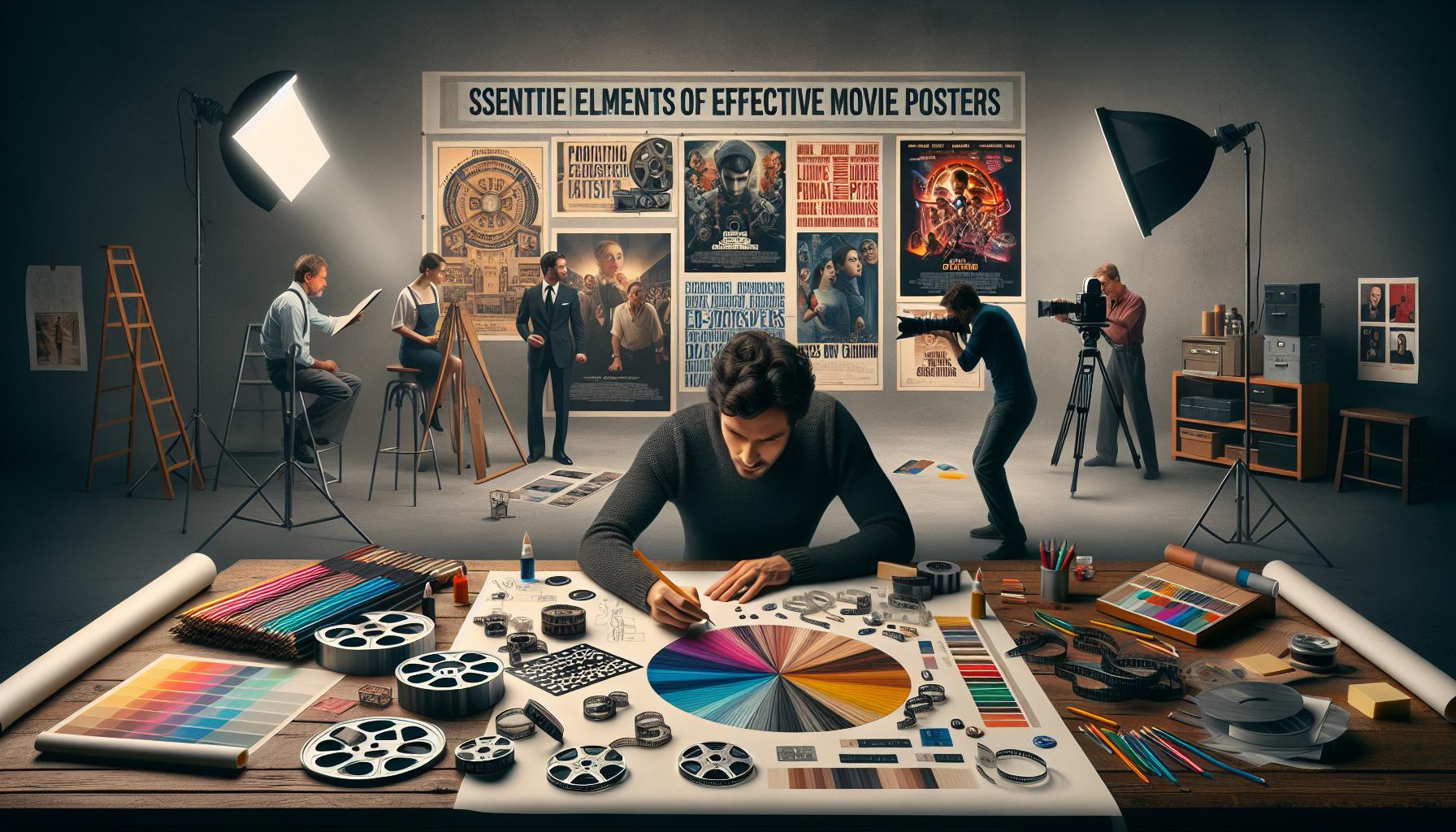
Essential Elements of Effective Movie Posters
Creating an impactful movie poster for a book report requires careful consideration of several essential elements that work together to convey the story’s essence. A well-crafted poster does more than just summarize the narrative; it captures the imagination and evokes emotions, serving as a visual representation that resonates with viewers.
Visual Hierarchy
One of the most critical aspects of an effective movie poster is visual hierarchy. This principle involves organizing elements (text, images, and colors) to guide the viewer’s attention in a deliberate manner. The title of the book should generally be the most prominent feature, drawing the viewer in immediately. Consider using a bold font or a large size for the title while balancing it with other elements like images or taglines that highlight key themes or messages. For example, in designing a poster for a suspenseful thriller, a dark background contrasted with stark white text can create tension and anticipation.
Imagery and Symbolism
Imagery plays a significant role in communicating the tone and themes of the book. Select images that are not only visually striking but also symbolic of the story’s core elements. For instance, if the book involves a journey, consider using an image of a winding path or an open road, inviting the audience to explore. Additionally, utilizing iconic symbols related to significant plot points or characters can deepen viewer engagement. For example, a poster representing a fantasy novel might incorporate mythical creatures or enchanted landscapes, instantly immersing the audience in its world.
Color Scheme
Colors have powerful psychological effects and can dramatically influence perception. Choose a color palette that reflects the book’s themes and emotions. Warm colors like reds and oranges might suggest passion or danger, while cooler tones like blues and greens can convey tranquility or mystery. When designing your poster, apply the color scheme consistently across all elements to enhance cohesiveness. For instance, using shades of grey and black in a dystopian book’s poster reinforces the themes of hopelessness and despair.
Typography
The choice of typography is equally vital as it sets the tone and atmosphere of your poster. A whimsical, handwritten font might suit a lighthearted children’s book, while a sharp, angular typeface can enhance the tension in a horror story. Be sure to choose fonts that are legible from a distance, especially for titles and taglines. Consistency in font usage throughout the poster is crucial; selecting a primary and secondary font can create a balanced, professional look.
By thoughtfully integrating these essential elements, your movie poster will not only visually narrate the story covered in your book report but also captivate and engage your audience, prompting them to delve deeper into the narrative experience.
Step-by-Step Guide to Designing Your Poster
Creating a movie poster for a book report involves thoughtful planning and design to effectively convey the essence of the narrative. This visually compelling presentation can spark interest and engagement, allowing viewers to connect with the story before they even read the book. To begin, follow these structured steps that will guide you through the design process.
Define Your Concept
Start by identifying the key themes, characters, and emotions of the book. What are the central ideas you want to convey? Jot down a few words that encapsulate the story’s essence-this will help guide your design choices. For instance, if the book is a dramatic tale of loss, consider words like “heartbreak,” “absence,” or “reflection.”
Gather Your Resources
Once you have a clear concept, gather visual resources that will inform your design. Look for images that resonate with your themes. This can include photos, illustrations, or textures. Websites like Canva and Adobe Express provide a plethora of templates and design elements that can serve as excellent starting points for your poster [[2]](https://www.adobe.com/express/create/poster/movie) [[3]](https://www.canva.com/posters/templates/movie/).
Draft a Layout
Begin sketching a layout for your poster. Consider the placement of your title, images, and any taglines. Use a grid layout to ensure balance and alignment. This helps maintain a clean design. Think about the visual hierarchy-where should the viewer’s eye be drawn first? Typically, the title should be the most prominent element, followed by images and additional text.
Utilize Design Tools
Now it’s time to bring your vision to life using design tools. Platforms such as Canva and Adobe Express allow you to create stunning visuals with ease. Upload your chosen images, adjust sizes, and explore different fonts for your text. For example, Adobe Express has user-friendly features where you can drag and drop to create dynamic compositions [[2]](https://www.adobe.com/express/create/poster/movie).
Refine Your Design
After the initial design, step back and review your poster. Ask yourself if it captures the mood and theme of the book effectively. Does the color scheme enhance the messaging? Are the fonts legible and appropriate for the genre? Seek feedback from peers or teachers to gain new perspectives. This critique can be invaluable in fine-tuning your work.
Finalize and Present
Once you’re satisfied with the design, finalize your poster by saving it in a high-resolution format suitable for printing or digital sharing. Consider creating a mockup of how it would look in a real-world setting, such as on a classroom wall or a digital platform. This adds a professional touch and aids in presentation [[3]](https://www.canva.com/posters/templates/movie/).
By following these steps, you can craft a movie poster that not only captures the essence of the book but also invites viewers to explore its story further. This creative process not only enhances your understanding of the book but also develops valuable design skills that extend beyond classroom projects.
Choosing the Right Visual Style for Your Theme
Selecting an appropriate visual style for your movie poster is crucial in capturing the essence of the book and conveying its themes effectively. A well-chosen visual style not only attracts attention but also communicates the emotional undertones and genre expectations of the narrative. This process starts with understanding the book’s character and tone-whether it’s a vibrant, adventurous story or a dark, introspective journey-each will demand a different artistic approach.
To initiate the design process, consider the following elements when choosing your visual style:
Identify the Genre
Different genres evoke distinct feelings and have specific visual conventions. For example:
- Fantasy: Bright, whimsical colors, ethereal imagery
- Thriller: Dark shades, sharp contrasts, dramatic lighting
- Romance: Soft pastels, intimate imagery, cursive fonts
- Historical: Earth tones, period-specific design elements
Identifying the genre will serve as your compass, guiding you to select images and colors that align with the expectations of the audience.
Consider Symbolism
Visual symbolism can be powerful in hinting at deeper meanings. For instance, using a cracked hourglass can effectively symbolize themes of time running out in a suspenseful narrative. Think about key symbols or motifs within the story that can visually represent its central themes, characters, or conflict. Incorporating these elements can deepen viewers’ understanding and engagement.
Explore Visual Hierarchies
The arrangement of elements on your poster plays a significant role in guiding the viewer’s eye. Establish a clear visual hierarchy by strategically placing the title, image, and tagline. Use size, contrast, and spacing to prioritize the most important details. For example, if the protagonist’s journey is pivotal to the narrative, consider featuring their image prominently while using smaller, subtler text for the tagline.
By focusing on genre identification, symbolism, and visual hierarchy, you can create a movie poster that not only attracts attention but also invites viewers to delve into the rich narrative you’ve encapsulated. This careful selection of a visual style ultimately enhances the storytelling experience, making your book report not just a presentation, but an engaging invitation to explore the world contained within the pages.
Incorporating Text and Taglines for Maximum Impact
The text and taglines on your movie poster can make a significant impact on how well your book report resonates with viewers. Even with stunning visuals, the way you incorporate text can elevate your design from ordinary to extraordinary. When executed correctly, your words not only provide essential information but also evoke emotion and intrigue, compelling the audience to engage further with the themes of the book.
Choosing the Right Words
Consider the main themes and messages of the book when crafting your text. The title should be instantly recognizable and reflect the story’s spirit. Taglines, typically short and impactful, serve to encapsulate the essence of the narrative or hint at the conflict. For instance, a tagline like “Sometimes, the greatest journeys are the ones within” could work well for a coming-of-age story. Aim for brevity; a strong tagline can often be expressed in just a few words, leaving room for intrigue without giving too much away.
Font Selection and Placement
The choice of font is crucial because it greatly affects readability and the overall aesthetic. Use contrasting fonts for the title and tagline to create a visual hierarchy. For example, bold, modern fonts can convey a sense of urgency for a thriller, while elegant script might be appropriate for a romance. Pay attention to placement as well: the title should be prominent at the top or center of your poster, while the tagline can be integrated beneath, perhaps in a subtle color that complements your design. Ensure there is enough spacing so the text doesn’t feel cramped; white space can enhance readability and focus on the words.
Color and Emphasis
The color scheme of your text should harmonize with the overall visual style of the poster but also stand out enough to draw attention. Consider using darker shades for text against a lighter background, or vice versa, depending on the mood of the book. Emphasizing key phrases in bold or a different color can further increase impact. For instance, in a poster for a fantasy novel, you might use sparkling gold lettering against a deep blue to create a sense of magic and wonder.
By thoughtfully incorporating text and taglines into your movie poster, you enhance the narrative experience and draw viewers into the story. Striking the right balance between visual appeal, compelling words, and strategic layout can transform your poster from a simple project into an engaging promotional tool that invites its audience to explore the book more deeply.
Using Color Schemes to Evoke Emotion
The impact of colors in graphic design, particularly in movie posters, extends far beyond mere aesthetics; it deeply influences viewers’ emotions and perceptions. In crafting a movie poster for a book report, the strategic use of color schemes can evoke specific feelings that resonate with the book’s themes, ultimately engaging your audience on a more profound level. Understanding how to manipulate color can set the mood and suggest the underlying narratives without the need for words.
Understanding Color Psychology
Colors carry intrinsic meanings that can elicit various emotional responses. For instance, red often symbolizes passion or danger, making it suitable for thrillers or romances that involve intense conflicts. In contrast, blue tends to evoke feelings of calm or sadness, which might serve well in narratives exploring personal turmoil or reflection. Similarly, yellow can represent happiness and optimism, fitting for lighthearted comedies or stories of adventure. When choosing your color palette, think critically about what emotions you want to invoke in the viewer.
Creating a Cohesive Color Palette
To evoke emotion effectively, consider adopting a cohesive color palette that aligns with the book’s essence. A well-thought-out palette might consist of a primary color that conveys the overarching mood, accompanied by complementary colors that enhance the theme. For a fantasy novel, a combination of deep purples and golden yellows can create a sense of magic and adventure. To achieve balance, utilize contrasting colors for the textual elements, ensuring that they stand out against the background without overwhelming the viewer.
Color in Context: Real-World Examples
Examining successful movie posters can provide valuable insights into effective color usage. The poster for The Great Gatsby, for instance, employs rich golds and blacks evocative of opulence and excess, seamlessly integrating with the themes of wealth and the American Dream. Meanwhile, the muted tones in The Road reflect the bleakness of its dystopian narrative, drawing viewers into its somber world. Analyzing how these strategic color choices enhance thematic content can inspire your own design process.
In summary, the careful selection of colors in your movie poster will not only illustrate the essence of the book but will also evoke emotional reactions that draw the viewer in. By employing color psychology and harmonious palettes, you can create a powerful visual narrative that enhances the overall impact of your project, inviting its audience to connect with the story on a deeper level.
Incorporating Imagery: Inspiration and Sources
When it comes to creating a captivating movie poster for your book report, the imagery you choose can significantly enhance the viewer’s understanding and appreciation of the narrative. Imagery is not simply decorative; it serves as a visual shorthand that communicates key themes, characters, and emotions associated with the story. By thoughtfully selecting and incorporating images, you can draw your audience in and create an immediate connection to the book’s essence.
To begin with, consider the central themes and motifs of the book. These elements can guide you in selecting images that resonate with the story. For instance, if the book is a fantasy tale, illustrations of mystical creatures, enchanted landscapes, or elements that symbolize adventure-such as a compass or a treasure map-could effectively evoke the book’s spirit. Alternatively, for a more somber narrative, you might opt for stark, desolate landscapes or intimate character portraits that reflect the internal struggles of the protagonists. Utilizing imagery that encapsulates pivotal moments or symbols from the book can also aid in creating a compelling visual narrative.
Inspiration for your imagery can come from various sources. Classic movie posters and contemporary designs can provide insights into how others have effectively utilized visuals. Examine posters that you admire, noting elements like composition, color balance, and focal points. Websites like Pinterest are treasure troves for visual ideas, offering countless examples that can spark your creativity. Don’t overlook classic art, photography, or even illustrations from the book itself, if available. These resources can guide your choices and inform the style that best represents the narrative.
While choosing images, pay attention to copyright considerations. If you’re incorporating photographs or artwork that is not your own, ensure you have the rights to use these images or select those that are in the public domain. Alternatively, many graphic design platforms such as Canva or Adobe Spark offer a library of stock images that are free or available for licensing, giving you access to professionally curated visuals. In summary, effective imagery not only complements the textual elements of your poster but also serves as a powerful storytelling device that intrigues and engages your audience, enriching their experience of both the book and your presentation.
Tech Tools and Software for Your Poster Design
Creating an eye-catching movie poster for your book report can be both an exciting and intricate task. To achieve a polished and professional look, utilizing the right tech tools and software is essential. These resources not only enhance your design experience but also provide you with the flexibility to manipulate images and text easily.
Recommended Design Software
There are several powerful software options available, each catering to different levels of expertise:
- Canva: Particularly user-friendly, Canva offers a plethora of templates specifically for movie posters. Its drag-and-drop interface allows for quick customization of elements, ensuring even beginners can create something visually appealing. It also features an extensive library of images and illustrations to enhance your design.
- Adobe Spark: This tool is great for those who prefer a bit more control over the design process. Adobe Spark combines simplicity with advanced features, allowing you to create dynamic posters. It also allows for easy integration of multimedia, should you wish to share your poster as a digital product.
- GIMP: For those more experienced in design, GIMP offers powerful editing features similar to Photoshop but is entirely free. This software can be advantageous for detailed image manipulation and advanced photo editing, enabling you to fine-tune every aspect of your poster.
- Piktochart: While primarily intended for infographics, Piktochart also provides excellent tools for designing posters. Its templates and graphics can help communicate a visual narrative effectively, making it a good choice for thematic posters.
Online Resources for Inspiration and Assets
Using online resources can further enhance your design process. Websites such as Unsplash and Pixabay offer high-quality stock images that are free to use, while sites like Creative Market provide templates specifically for movie posters. Additionally, Pinterest can serve as an excellent source of inspiration, where you can discover trending designs and styles that resonate with your vision.
Combining Tools for Maximum Effectiveness
Combining different tools can yield impressive results. For instance, you can use Canva to create the basic layout of your poster and then import images edited in GIMP for a cohesive look. This method allows you to leverage the strengths of each platform and produce a standout final product.
Utilizing the right tech tools and software not only streamlines your design process but also empowers you to express your creativity effectively. Experimenting with various resources will allow you to discover what best suits your style and project needs. By approaching your poster design with the right tools, you can craft a visually compelling representation of your chosen book that captures the attention of your audience.
Creating a Mockup: Tips for Presentation
Creating a compelling mockup of your movie poster is a crucial step in presenting your vision effectively. A well-crafted mockup not only demonstrates how your design might look in the real world but also serves as a tool to communicate your ideas to your audience or peers. Think of it as a preview, allowing viewers to envision the final product and make an immediate emotional connection.
To start, consider using mockup templates that suit movie poster presentations. Websites like Placeit and Graphic Burger offer various free and paid mockup templates where you can simply insert your design. These templates come in formats that realistically simulate how your poster would look when printed and displayed, whether in a theater or as part of a classroom display. By showing your work in a realistic context, you enhance the impact of your design and highlight its features more effectively.
For a polished presentation, pay attention to details such as lighting, setting, and scale in your mockup. If you use a background or context relevant to the book or movie theme, it can strongly influence the viewer’s perception. For instance, placing your poster in an urban setting can evoke the feel of a thriller, while a rustic backdrop might suit a fairy tale theme. Additionally, ensure that your poster stands out by contrasting it against the mockup background. Using tools like Adobe Photoshop or Canva, you can adjust the brightness and contrast of your design relative to its surroundings to ensure your poster grabs attention.
Lastly, don’t forget to prepare to present your mockup. This could entail creating a slideshow where you not only display the finished product but also discuss your design process, choices made regarding imagery, typography, and layout. Visual aids accompanying your poster can help communicate ideas that words alone may not convey, such as the emotional undertones of your design choices. Engaging your audience with a story about your inspiration and the journey of your design can elevate the presentation experience, making it memorable and informative. By treating your mockup as an integral aspect of your overall presentation, you can truly convey the essence of your project.
Getting Feedback: How to Improve Your Design
Gathering feedback is an essential part of the design process when creating a movie poster for a book report. By engaging with peers, teachers, or even ensuring a fresh set of eyes from those unfamiliar with your project, you can uncover insights that may enhance your design significantly. As you share your work, frame the conversation around specific elements you wish to improve, such as composition, color choices, or the emotional impact of the imagery. This directed approach encourages constructive criticism that can lead to meaningful adjustments in your design.
One effective method for soliciting feedback is through organized review sessions. These can take the form of informal group critiques where each participant presents their poster design and receives immediate input. Consider preparing a few guiding questions to focus the feedback, such as:
– What feelings or themes does the poster convey?
– Is the visual hierarchy clear?
– How well do the text and imagery complement each other?
When gathering feedback, be open to differing perspectives. Sometimes the ideas that initially feel uncomfortable can lead to breakthrough improvements. For example, if multiple reviewers suggest adjusting the color scheme to better match the book’s tone, it might be worth experimenting with those changes to see how they affect viewer perception.
Once you’ve collected feedback, take the time to analyze it critically. You may find recurring themes that indicate an area in your design that needs more attention. Compile the comments and prioritize changes based on their potential impact on your overall vision. This iterative process not only refines your poster but also enhances your skills as a designer, making you more attuned to viewer preferences and emotional reactions. Remember, the ultimate goal is to craft a movie poster that not only communicates the essence of the book but also engages your audience visually and emotionally.
Promoting Your Movie Poster: Sharing Ideas for Submission
In a world inundated with visual stimuli, making your movie poster stand out is essential, especially when submitting it for a book report. The first step in promoting your creation involves choosing the right platform for sharing. Consider educational forums, social media groups, or class-specific networks that focus on creativity and literacy. Each platform offers unique audiences who can provide valuable feedback and recognition for your work.
Engaging your audience is vital. To do this effectively, ensure your submission includes compelling descriptions that capture the essence of your book’s themes reflected in your poster. Share a brief narrative about your design choices, explaining the significance of colors, imagery, and text. This helps others appreciate your artistic process and can elicit more thoughtful responses. Using hashtags or keywords relevant to your book’s genre or themes can also help broaden visibility.
Furthermore, consider creating a digital portfolio or gallery online where you can exhibit not just this poster but other creative projects as well. This can attract more viewers and serve as a platform for ongoing dialogue about your work. Make use of tools like Canva or Adobe Spark to create a visually appealing presentation that outlines your design process-highlighting the steps from concept to completion. Such presentations can enhance your credibility as a poster designer and showcase your evolution over time.
Finally, don’t underestimate the power of community. Encourage peers and family to share your poster within their networks. Collaboration can amplify your reach significantly. For feedback or sharing ideas, organizing informal critique sessions can also foster a collaborative environment, allowing for diverse input and support. These initiatives not only improve your poster but also build a network of fellow creatives who share your passion for literature and design.
Examples of Successful Movie Posters for Book Reports
Creating a movie poster for a book report is not just an exercise in creativity-it’s an opportunity to showcase your understanding of the story and its themes through visual art. Successful examples often encapsulate the essence of the book, making viewers curious and inviting them to learn more. An engaging poster draws from the narrative’s key elements, using strong visuals and compelling design to resonate with the audience.
Take, for example, a movie poster designed for The Great Gatsby. This poster might feature a silhouette of Gatsby against an extravagant 1920s backdrop, with elements like a green light symbolizing hope and ambition. Bold typography can portray the title prominently at the top, while a tagline, such as “Dreams can become a nightmare,” encapsulates the book’s conflicting emotions. This design not only reflects the novel’s themes of aspiration and disillusionment but also draws in viewers with its rich visual storytelling.
Another noteworthy example could be a poster for Harry Potter and the Sorcerer’s Stone. Imagery might include Hogwarts Castle and the iconic lightning bolt scar, with vibrant colors that evoke the excitement of magic and adventure. The title could feature playful fonts, perhaps mimicking the book’s whimsical nature, while a tagline like “Journey to a world of magic awaits!” emphasizes the sense of wonder that permeates the story. Such a poster captures the book’s spirit and appeals to potential readers by promising an enchanting experience.
In essence, successful movie posters for book reports do more than just summarize the story; they engage the viewer’s imagination and hint at the book’s deeper themes. When designing your own, think about how elements like imagery, colors, and text can work together to convey the narrative’s heart. By analyzing these successful examples, you can gain insights into effective design techniques that will elevate your own project.
Q&A
Q: What are the key elements of a movie poster for a book report?
A: The key elements of a movie poster include title, visual imagery, tagline, and credits. Your poster should visually represent the book while effectively conveying its themes, just as discussed in the Essential Elements of Effective Movie Posters section.
Q: How can I choose a film style for my book report poster?
A: To choose a film style, consider the book’s genre and themes. For a thriller, use dark, suspenseful visuals; for a romance, opt for softer colors. Explore examples in the Choosing the Right Visual Style for Your Theme section for inspiration.
Q: What tools can I use to design my movie poster?
A: Useful design tools include Canva, Adobe Spark, and GIMP. These platforms offer templates and features perfect for creating visually appealing posters. Check the Tech Tools and Software for Your Poster Design section for more options.
Q: How should I incorporate text on my movie poster?
A: Text should be minimal but impactful, including the book title and a catchy tagline. Use bold fonts for visibility and ensure the text complements the visuals without overwhelming them, as emphasized in the Incorporating Text and Taglines for Maximum Impact section.
Q: What color schemes work best for movie posters in book reports?
A: Color schemes should reflect the book’s mood; for instance, warm colors evoke excitement, while cool colors suggest calm. Utilize color theory to enhance emotional impact, as discussed in the Using Color Schemes to Evoke Emotion section.
Q: How can I effectively present my movie poster?
A: Create a mockup by displaying your poster in a realistic setting, such as on a wall or in a digital format. Refer to the Creating a Mockup: Tips for Presentation section for tips on enhancing your presentation.
Q: What are some examples of successful movie posters for book reports?
A: Look for posters that creatively merge elements of film and literature. Analyzing successful examples can spark ideas for your design, so explore the Examples of Successful Movie Posters for Book Reports section for inspiration.
Q: How can I gather feedback on my movie poster design?
A: Share your design with peers or mentors for constructive criticism. Use their feedback to refine your poster, as highlighted in the Getting Feedback: How to Improve Your Design section.
In Retrospect
Congratulations on learning how to create an engaging movie poster for your book report! This visual storytelling tool not only enhances your presentation but can also captivate your classmates and teachers. Remember, your poster is like a movie’s preview-make it memorable and eye-catching! If you’re looking for more tips, check out our guide on optimizing visuals for better engagement here and explore video SEO strategies to ensure the best impact for your projects here.
Ready to dive deeper? Consider signing up for our newsletter to stay updated with the latest creative resources and techniques! If you have questions or want advice on your poster design, don’t hesitate to leave a comment below. Engaging with our community will not only enhance your learning experience but inspire even more creativity in your future projects. Remember, the more you explore and experiment, the better your designs will become!
Get our latest guides, news, and insights highlighted in your Google Search & AI Overviews.