

Understanding genre is vital for writing a compelling book report. Genres categorize literature into distinct types, each with unique characteristics that shape reader expectations and engagement. Whether you enjoy mysteries, romance, or science fiction, recognizing these categories not only enriches your reading experience but also enhances your analytical skills. By grasping the nuances of genre, you can articulate why a particular work resonates or falls flat, providing depth to your report. As you dive into this exploration, you’ll uncover how genres influence storytelling, guide authorial choices, and reflect societal trends, inviting you to consider the broader implications of your reading choices. So, ready to refine your understanding of genre and elevate your book reporting skills? Let’s delve into the essentials that will empower you to craft insightful and impactful analyses.
Understanding the Importance of Genre in Literature
Understanding genre is fundamental to literature as it acts as a guide, offering readers a framework within which to engage with a text. It isn’t merely a label; genre shapes the expectations, tone, and themes that readers bring to a work, influencing their emotional and intellectual responses. For instance, a reader diving into a romance novel anticipates emotional depth and character-driven plots, whereas someone picking up a mystery expects suspense and resolution. Recognizing these nuances empowers readers to appreciate literature on a deeper level.
Why Genre Matters
Genres function much like signposts on a complex literary journey. They categorize stories into familiar paths, making it easier for readers to navigate their choices. Understanding the importance of a genre means grasping how it affects the writer’s decisions, from tone to style to structure. A thriller might employ shorter sentences to create a sense of urgency, while literary fiction might focus on intricate character development and prose. This intention behind genre conventions not only enhances the reading experience but also allows writers to communicate more effectively with their audience.
Additionally, genres protect readers from disorientation by creating a system where expectations can be met or cleverly subverted. A novel that blends genres-such as combining elements of horror with romance-can challenge traditional boundaries and open new avenues for exploration. This hybridization reflects the evolving nature of literary expression and adds complexity to the reader’s engagement with narratives.
Ultimately, understanding genre is not simply about classification; it’s about fostering a richer dialogue between the reader and the text. By recognizing how various genres inform storytelling, readers can hone their analytical skills and develop a more nuanced appreciation for the diversity of literature. This understanding empowers readers to embrace new genres, promoting curiosity and an expanded literary palette.
Core Elements of Book Genre Explained
In literature, understanding the core elements of book genres is essential for both readers and writers alike. Genres serve as the foundational building blocks that shape a story’s identity and can greatly influence how narratives are constructed and received. At their most basic, genres categorize literature by shared characteristics, including themes, narrative structures, and stylistic choices. Recognizing these elements not only enhances readers’ comprehension but also allows them to engage more deeply with texts.
To explore the components that illustrate what makes a genre distinct, consider the following elements:
Common Core Elements of Book Genres
- Themes: Central ideas or messages that are often explored within a genre. For example, romance novels typically investigate love and relationships, while science fiction may explore advanced technology and existential questions.
- Character Types: Specific archetypes that populate various genres. Mystery genres often feature detectives, while fantasy might include wizards or mythical creatures.
- Plot Structure: Different genres adhere to varying plot conventions. A thriller may utilize a fast-paced, suspenseful storyline, whereas literary fiction might include non-linear narratives and a focus on character development.
- Setting: The backdrop against which stories unfold. Historical fiction is defined by its time period, while dystopian fiction focuses on imagined future societies.
- Style and Tone: The author’s choice of language and emotional resonance can vary widely between genres. For instance, horror novels often employ dark and foreboding language, while comedies adopt a light-hearted and whimsical tone.
Understanding these attributes helps readers identify and appreciate the nuances of different genres. For instance, a reader familiar with these elements can easily distinguish between a gripping psychological thriller and a philosophical work of literary fiction. This awareness not only enhances the reading experience but also equips readers with tools to analyze and discuss texts critically.
As both a reader and a writer, grasping these core elements expands one’s appreciation of literature’s vast landscape. It encourages the exploration of new genres, prompting readers to step outside their comfort zones and discover diverse narratives that challenge their perspectives and broaden their understanding of storytelling. Through engaged reading, individuals can develop a more enriched literary palate, promoting curiosity and an appreciation for the artistry that exists across various genres.
Different Types of Genres and Their Characteristics
Understanding the multitude of genres in literature enriches our reading experience and equips us to engage more deeply with the texts we choose. Each genre possesses unique characteristics that not only shape narratives but also guide readers in understanding the expectations typical to each category. From the fantastical realms of fantasy to the gritty realities of historical fiction, each genre evokes different emotions, settings, and themes, ultimately creating a diverse literary landscape.
Key Genres and Their Distinct Features
Here’s a breakdown of some significant literary genres and what sets them apart:
- Fiction: This broad category encompasses any narrative created from the imagination, presenting stories that can range from highly realistic to fantastical. Subgenres include:
- Literary Fiction: Focuses on character development and thematic depth, often exploring complex human emotions and societal issues.
- Mystery: Revolves around a puzzle or crime that the protagonist, often a detective, must solve, featuring clues, red herrings, and a satisfying resolution.
- Science Fiction: Explores futuristic concepts, advanced technology, and often examines existential questions, typically set in space or alternate realities.
- Fantasy: Introduces elements of magic or the supernatural, often involving quests and mythical creatures in richly invented worlds.
- Non-Fiction: Based on factual information, this genre includes biographies, memoirs, essays, and self-help books, each serving to inform or educate on real experiences and knowledge.
- Poetry: Characterized by its use of rhythm, meter, and often figurative language, poetry captures emotions and ideas succinctly, utilizing a wide array of forms, from sonnets to free verse.
- Drama: Written primarily for performance, dramatic works explore conflict through dialogue and action, emphasizing character interaction, often found in plays and screenplays.
- Horror: Designed to evoke fear and suspense, this genre frequently includes elements of the supernatural, psychological fears, or grotesque scenarios that challenge readers’ comfort levels.
- Historical Fiction: Blends fictional narratives with historical facts, often set in a specific time period that influences the plot and character motivations.
Interplay of Genre Characteristics
Recognizing the characteristics inherent in each genre helps readers set expectations for structure and content. For example, thrillers typically feature a fast-paced plot filled with unexpected twists, while romance novels often build on emotional connections and relationship development over time. Being aware of these conventions not only heightens appreciation but also fosters critical analysis, enabling readers to discern how authors employ genre-specific techniques to convey their messages.
Understanding genres is essential for anyone engaging with literature, whether for personal enjoyment or academic exploration. As you delve into different genres, consider how their unique elements speak to you and how they reflect broader societal themes. Embracing the diversity of literary genres can transform the way you approach both reading and writing, igniting a passion for storytelling that spans beyond the surface narrative.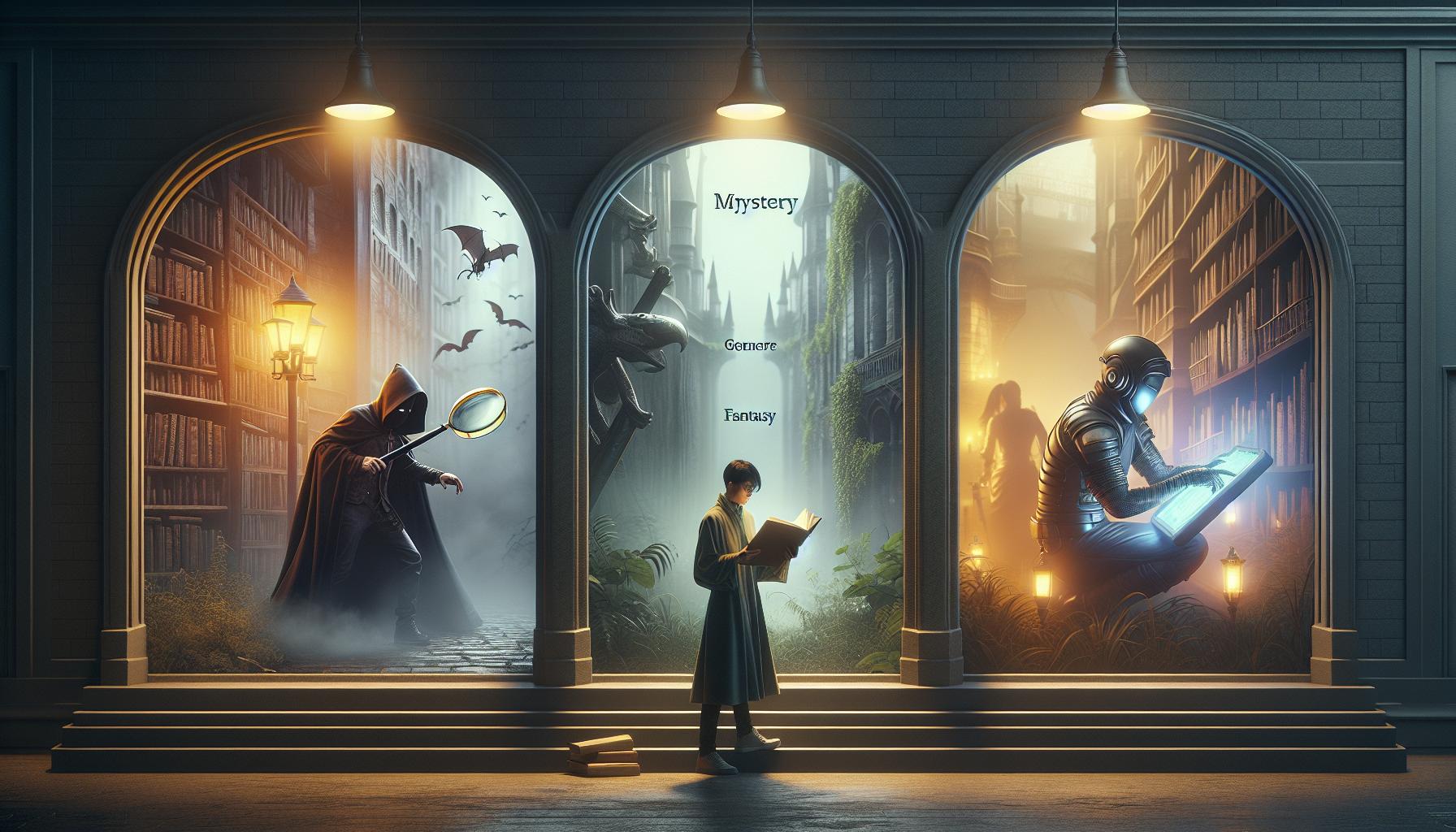
How Genre Influences Reader Expectations
The connection between genre and reader expectations is fundamental to navigating the vast landscape of literature. When a reader picks up a book, they are not just engaging with the text; they are entering into a silent contract that outlines what they can expect from the story. This expectation is shaped significantly by the genre the author has chosen to work within. Genres serve as a roadmap for readers, guiding them through the conventions and tropes that define a particular category of literature. Whether it’s the intricate plotting found in mystery novels or the emotional resonance of literary fiction, understanding these nuances helps readers approach texts more thoughtfully and enriches their overall experience.
Reader Expectations by Genre
Genres come equipped with their own sets of rules and structures, which dictate how stories are told and what elements must be present for a narrative to resonate with its audience. For instance, in romance novels, readers generally anticipate character development that revolves around a central love story, often culminating in a satisfying resolution or happy ending. In contrast, a thriller’s pacing is crucial; readers expect tension, twists, and an often frantic race toward a climax. Furthermore, the mood and tone also play pivotal roles; horror stories, for instance, aim to evoke fear through suspense and dark themes. When authors adhere to (or creatively subvert) these conventions, it can either fulfill or defy reader expectations, leading to varying levels of satisfaction.
The importance of genre extends beyond mere categorization; it influences how readers interpret themes and character motivations. In the realm of historical fiction, for example, the interplay between fictional storylines and factual context invites readers to reflect on how historical events shape individual lives. This blend of fact and fiction not only enriches the narrative but also encourages critical engagement with the text. Readers come to expect a certain level of depth and authenticity, prompting them to analyze the societal implications of the characters’ actions and dilemmas.
Adapting Expectations
Not all readers approach genres with the same level of understanding or expectation. New readers may find themselves bewildered by genre conventions, while seasoned readers often bring prior experiences that color their expectations. Therefore, recognizing one’s own background can illuminate why certain narratives resonate deeply or fall flat. For writers, being aware of genre-specific expectations can significantly impact their storytelling choices. By understanding the audience’s baseline expectations, authors can weave familiar tropes into their narratives while still finding innovative ways to surprise and engage their readers, thus creating a more profound connection with their work.
Ultimately, the interplay of genre and reader expectations shapes the way literature is consumed and appreciated. Engaging with various genres not only broadens a reader’s palate but also deepens their understanding of narrative forms and the intricate relationship between form and content in storytelling. By nurturing an awareness of these dynamics, readers can approach literature with curiosity and confidence, ready to delve into the unique worlds crafted by authors across the spectrum of genres.
Genre-Specific Techniques for Book Reports
Crafting book reports tailored to specific genres can enhance both the quality of your analysis and your reader’s understanding. Each genre comes with a unique set of conventions and expectations that influence not only how tales are told but also how they should be reported. By aligning your report with the specific characteristics of the genre, you can create a more engaging and informative experience for your audience.
Understanding Genre Conventions
Before diving into writing your report, familiarize yourself with the typical conventions of the genre. For instance, a romance novel often centers around themes of love and relationships, with character arcs rooted in emotional development. In contrast, a thriller relies on suspense, pacing, and plot twists to keep readers on the edge of their seats. When writing your report, highlight these elements explicitly:
- For Romance: Discuss character relationships, the emotional progression, and whether the resolution provides a satisfying conclusion, such as a happy ending.
- For Thriller: Analyze the pacing of the plot, the effectiveness of suspenseful moments, and the credibility of the twists.
- For Fantasy: Evaluate the world-building, the magic systems, and the development of conflict within the fantastical elements.
Including examples from the text that illustrate these conventions strengthens your report and provides concrete evidence of your claims.
Analyzing Themes and Motifs
Exploring the themes prevalent in different genres is another powerful technique for enhancing your book report. Each genre tends to grapple with specific thematic issues that resonate with readers. For example, in science fiction, themes of technology and its impact on humanity are common. Consider adopting the following approaches:
- Identify key themes that align with genre conventions.
- Discuss how these themes are developed through character interactions and plot developments.
- Provide analysis of symbols or motifs that may be particularly relevant within the genre.
Integrating these elements into your report enriches your analysis and provides deeper insight into the narrative’s importance within the genre.
Utilizing Comparative Analysis
Another effective strategy is to incorporate comparative analysis, especially when dealing with genres that have well-defined subgenres or can be juxtaposed against other forms. For example, when reporting on a horror novel, compare it to a psychological thriller to note differences in how fear is conveyed-through horror’s overt terror versus thriller’s nuanced suspense. Here’s how to approach this method:
- Establish similarities and differences: Look at elements such as pacing, character development, and themes.
- Discuss reader expectations: Note how reader experiences might differ between the two genres.
- Use specific examples: Cite scenes from the texts being compared, emphasizing how their treatment of similar themes diverges.
This technique not only demonstrates your understanding of genres but also engages readers in a broader discussion about literary categorization.
By skillfully applying these genre-specific techniques, your book reports will not only convey information but also invite readers to think critically about the literature. Embracing the unique aspects of each genre enhances both the depth of your analysis and the reader’s engagement with your work.
Examples of Genres in Popular Literature
In literature, genres serve as a framework that helps readers understand and anticipate the structures and themes within a narrative. Each genre carries its unique characteristics, which are illustrated in popular literary works. For instance, one cannot discuss fantasy without referencing J.R.R. Tolkien’s “The Lord of the Rings,” a seminal work renowned for its intricate world-building and exploration of good versus evil. This epic fantasy is marked by its richly developed languages, mythical creatures, and a quest narrative that has inspired countless adaptations and similar works.
Moving to another genre, the thriller, which aims to evoke feelings of suspense and excitement, is exemplified by Gillian Flynn’s “Gone Girl.” This novel captivates with its psychological tension and unexpected twists, drawing readers into a complex web of intrigue between a husband and wife. Flynn’s skillful manipulation of unreliable narrators highlights one of the key techniques within the thriller genre: maintaining suspense through shifting perspectives and unforeseeable plot developments.
Science fiction, on the other hand, often explores futuristic themes and societal implications, as seen in George Orwell’s dystopian classic “1984.” Orwell’s narrative serves not only as a compelling story but also as a cautionary tale about totalitarianism and surveillance, engaging readers to reflect on contemporary political issues through the lens of speculative fiction. The use of advanced technology and its impact on humanity underscores the genre’s capacity to prompt critical thinking about ethical dilemmas posed by future possibilities.
In contrast, romance novels, such as Nicholas Sparks’ “The Notebook,” focus on emotional journeys and relationships, often featuring love triangles or forbidden romances that resonate with readers’ own experiences. Sparks’ work exemplifies the heartfelt exploration of love and loss, as well as the importance of character development, a hallmark of the genre.
When writing your book reports, consider how these famous examples illuminate the conventions and reader expectations inherent in each genre. By referencing specific works and their characteristics, you can provide a more engaging analysis that helps your audience appreciate the intricacies of literary categorization. Recognizing how genres shape narratives will deepen your understanding of literature and enhance your critical reading skills.
Tips for Identifying Genre in Books
Identifying the genre of a book can be both a rewarding and enlightening experience that enriches your reading and analytical skills. To accurately classify a book, start by observing its key characteristics, themes, and narrative style. Understanding these elements can help you navigate the vast landscape of literature with greater confidence and insight.
One effective strategy is to familiarize yourself with the core components of major genres. For instance, while romance frequently emphasizes emotional connections, thrillers often focus on suspense and tension. As you read, keep a mental checklist of these distinguishing features. Ask yourself questions such as: Does the plot revolve around a romantic relationship? Is there a central mystery to solve? Is the setting futuristic or fantastical? Using such prompts can guide your thinking and help you categorize the book more effectively.
It’s also beneficial to consider genre conventions. Many genres come with specific expectations; for instance, horror books often incorporate elements of fear and the supernatural, while historical fiction tends to ground its narrative in real historical events and settings. As you approach a book, reflect on whether it adheres to these conventions or challenges them in interesting ways. This can enhance your understanding of how authors play with genre to create fresh narratives.
Exploring reader expectations is another crucial facet of genre identification. Readers often approach books with preconceived notions based on genre norms, which shape their expectations for plot progression and character development. For example, a reader picking up a mystery novel will likely anticipate a complex web of clues leading to a resolution, while a fantasy reader might expect an expansive world-building experience. By considering these audience expectations, you not only identify the genre but also deepen your appreciation for how authors meet, subvert, or reinterpret them.
The Role of Subgenres in Literary Classification
The complexity of literary classification expands significantly when we delve into the realm of subgenres. While main genres provide a broad categorization, subgenres offer a more nuanced lens through which to appreciate and analyze a text. For instance, within the overarching genre of fantasy, we can find subgenres like urban fantasy, high fantasy, and dark fantasy, each possessing distinct characteristics that shape their narratives, themes, and reader expectations.
Subgenres are essential for several reasons. First, they enable readers to find specific types of stories that resonate with their interests. A reader who enjoys the fast-paced, magical elements of urban fantasy may not have the same appreciation for the more epic and expansive aspects of high fantasy. Additionally, understanding subgenres provides insight into the author’s intent and the stylistic choices that influence a story. For example, in a work of science fiction that falls under the subgenre of dystopia, readers can expect themes of societal collapse, moral dilemmas, and warnings about the future, all of which enrich their engagement with the text.
Moreover, subgenres play a critical role in literary analysis and criticism. They help in dissecting a book’s themes and techniques in a structured way. When writing a book report, recognizing the subgenre can sharpen the focus of your analysis. If a novel is categorized as a romantic thriller, for example, one could examine how elements of suspense enhance or challenge the romantic arc, offering deeper insights into character motivations and plot development.
To further illustrate the impact of subgenres, consider creating a simple comparison table that highlights distinct features of various subgenres within a larger category:
| Subgenre | Key Characteristics | Reader Expectations |
|---|---|---|
| High Fantasy | Complex world-building, magic, mythical creatures | Epic quests, battles between good and evil |
| Urban Fantasy | Modern settings, magical elements integrated into real life | Blend of reality and fantasy, contemporary issues |
| Dystopian Fiction | Futuristic societies, oppressive governments, survival themes | Exploration of moral questions, cautionary tales |
By appreciating the nuances of subgenres, readers and writers alike can engage more profoundly with texts, leading to a richer literary experience. As you explore various books, embrace the subgenres present within them, allowing these classifications to guide your understanding and enhance your analytical skills.
Common Mistakes in Genre Identification
Identifying the correct genre for a book can be a nuanced process, but many readers often overlook key aspects that can lead to common mistakes. These missteps not only affect comprehension but can also alter how the narrative’s themes and techniques are understood. One prevalent error is associating a book solely with its cover or title, which might suggest a genre that doesn’t accurately reflect its content. For instance, a book titled “The Knight’s Quest” might lead readers to classify it as purely fantasy without considering potential themes of historical fiction or even an adventure that critiques traditional hero tropes.
Another frequent mistake is overgeneralizing genres. Readers sometimes lump books together based on superficial characteristics, ignoring the specific conventions that define each genre. For example, both romance and thriller novels often contain suspenseful elements, yet categorizing a book as “just a thriller” might disregard its romantic subplot, which could be central to the character development and plot progression. Understanding this distinction is crucial; romantic thrillers, for instance, have unique expectations regarding emotional stakes, which can significantly shape the reader’s experience.
Prattling between genres can also occur if readers fail to recognize subgenres. Neglecting to identify subgenres can cloud analysis and appreciation of a work. For example, a novel categorized as “young adult” could encompass various subgenres such as fantasy, dystopian, or contemporary. Each of these has its conventions and reader expectations. Therefore, failing to note these can lead to a misinterpretation of character actions or themes, such as the weight of societal issues in dystopian narratives compared to personal struggles in contemporary young adult fiction.
Lastly, another notable mistake is ignoring the evolution of genres over time. Genres are not static and can blend or challenge traditional boundaries. A writer incorporating elements from multiple genres-like a science fiction novel with strong romantic elements-may defy straightforward classification. Recognizing this fluidity not only enriches one’s understanding of literature but also enhances the insights shared in a book report, connecting broader cultural trends to the text at hand. Engaging with genre definitions and their nuances encourages deeper exploration and a more fulfilling reading experience.
By being mindful of these common pitfalls in genre identification, readers and writers can better articulate their analysis and foster a richer dialogue about literature.
Adapting Your Book Report to Different Genres
In crafting an insightful book report, recognizing the genre of the book is crucial. Different genres not only establish the framework for the narrative but also dictate the elements to focus on in your report. Adaptation of your presentation style to reflect the conventions and expectations of each genre enhances your analysis and engages your audience more effectively.
Understanding Genre-Specific Elements
Each genre carries distinct characteristics that influence how a story unfolds and how readers interact with it. For instance, when reporting on a mystery novel, emphasize the plot’s structure, including the setup of clues and the resolution. A successful mystery engages the reader’s curiosity and challenge their deductive reasoning, so your report should highlight these elements. Conversely, in a romantic genre, focus on character development and emotional arcs, exploring relationship dynamics and individual character growth. Tailoring your report to address these specific conventions not only demonstrates your understanding of the genre but also enables a deeper analysis of the narrative.
Utilizing Genre Conventions in Your Analysis
In addition to recognizing core elements, employing genre-specific language and frameworks can enhance the clarity of your report. For example, while writing about a science fiction book, make use of terminology related to world-building and speculative elements. Discuss the implications of the technology or alternate realities introduced in the book, and compare them with similar works within the genre. A fantasy book report might delve into mythological references and the importance of magic systems, demonstrating how these constructs shape the story’s themes. Aligning the language and structure of your report with the genre creates a coherent narrative that resonates with readers familiar with those conventions.
Examples of Adaptation in Action
Consider two hypothetical reports: one on Agatha Christie’s “Murder on the Orient Express” and the other on Jane Austen’s “Pride and Prejudice.” The mystery report might delve into plot twists and character motives, highlighting Christie’s skillful misdirection. In contrast, the report on Austen might discuss social commentary and commentary on class and gender roles, illustrating how these elements define the romantic genre.
Ultimately, adaptability in your book report hinges on your understanding of genre conventions and the nuances they bring to narratives. By considering the reader’s expectations and aligning your analysis with genre-specific elements, you not only enhance your report’s quality but also invite more profound engagement with the text. Embrace these strategies to transform your book reports from mere summaries into rich, analytical discussions that illuminate the joys of literary exploration.
Exploring Cross-Genre Works and Their Impact
When authors blend genres, they often create unique narratives that defy traditional constraints, resulting in engaging works that attract a diverse readership. Cross-genre literature has grown increasingly popular, allowing authors to experiment with established conventions while appealing to broader audiences. This fusion of styles can lead to innovative storytelling that challenges expectations, compelling readers to rethink the boundaries of what a book can be.
One prominent example of cross-genre work is Margaret Atwood’s “The Handmaid’s Tale,” which intertwines elements of dystopian fiction, science fiction, and feminist literature. The novel not only presents a chilling vision of a totalitarian future but also critiques powerful societal themes such as gender roles and exploitation. Similarly, Neil Gaiman’s “American Gods” merges elements of fantasy, mythology, and road literature, weaving together disparate narratives to explore themes of belief and cultural identity. These cross-genre works invite readers to engage with familiar tropes in unexpected ways, enriching the reading experience.
Creating an effective book report on cross-genre works requires recognizing the different elements at play. Analysts should consider how multiple genres influence character development, setting, and plot structure. For instance, in a romance that incorporates thriller aspects, report writers might focus on how suspense enhances the emotional stakes of the romance. Key techniques involve carefully dissecting genre-specific characteristics and presenting them in a manner that underscores their interplay, thus revealing the depth of the narrative.
To successfully analyze cross-genre texts, readers should identify the primary genre that frames the work while also noting how secondary genres influence its themes and style. This multifaceted approach not only enriches the report but also fosters a deeper understanding of the author’s intentions and the genre’s impact on narrative delivery. Encouraging curiosity and deeper exploration into such texts can lead to fuller appreciation of literature’s evolving landscape in modern storytelling.
Using Genre to Enhance Your Book Analysis
In the realm of literature, understanding genre is not merely an academic exercise; it serves as a powerful tool for readers and analysts to deepen their interpretation of texts. Genre categorizes narratives and expectations, and leveraging this knowledge can significantly enhance your book analysis. When you familiarize yourself with a book’s genre, you gain insights into its themes, character archetypes, narrative structures, and stylistic choices that directives may not be immediately apparent at first glance.
Identifying Core Elements of Genre
One effective way to enhance your analysis is to dissect the core elements characteristic of the genre in question. Different genres often operate under specific conventions and tropes. For instance, in a mystery novel, the presence of clues, red herrings, and a detective or sleuth figure are expected. Recognizing these elements allows you to better assess how successfully a work adheres to or subverts these expectations. Use the following points as a checklist to structure your analysis:
- Character Roles: Identify the protagonist’s role within the genre framework (e.g., hero, antihero, or mentor).
- Setting and Atmosphere: Examine how the genre influences the setting and its relevance to the narrative tone (e.g., a gothic horror might embrace dark, eerie backdrops).
- Plot Structure: Analyze if the plot follows a typical structure for its genre (e.g., the three-act structure in romance).
Enhancing Reader Expectations and Experience
Genres also establish reader expectations, which you can leverage in your analysis. Understanding what readers anticipate from a genre helps articulate how the author meets, refines, or disrupts these expectations. For instance, when analyzing a sci-fi novel, consider how technological advancements or futuristic settings shape narrative possibilities and reader assumptions. A key technique involves directly comparing the expectations of the genre with the author’s creative choices.
By examining the effect of genre-specific elements-such as pacing in thrillers or world-building in fantasy-you not only dissect the text’s mechanics but also evaluate how these choices affect the reader’s engagement and emotional response. A well-structured analysis might take the form of a contrast table that outlines typical genre expectations versus the author’s actual execution:
| Genre | Typical Expectations | Author’s Execution |
|---|---|---|
| Fantasy | Magical elements, epic quests | Incorporates prophecy and world politics with a focus on realism |
| Romance | Happy endings, development of romantic relationships | Ends ambiguously, focusing on character growth rather than romance |
Utilizing genre as a lens through which to analyze a work provides clarity and depth to your understanding. This approach not only elevates your book report but also encourages a more nuanced discussion regarding the choices that define the individual text within its genre framework. By honing in on both the foundational and innovative aspects of genre, you can inspire curiosity in your readers, encouraging them to explore literature through a critical and informed perspective.
Frequently asked questions
Q: What is the definition of genre in literature?
A: Genre in literature refers to the categorization of works based on shared stylistic, thematic, or structural characteristics. Understanding genre helps readers set expectations for tone and content, enhancing the approach to a book report.
Q: Why is identifying genre important for writing a book report?
A: Identifying the genre is crucial because it influences the framework and tone of your book report. It guides your analysis of themes, characters, and the author’s purpose, making your insights more relevant and informed.
Q: What are some common types of literary genres?
A: Common literary genres include fiction, non-fiction, poetry, drama, and biography. Each genre has distinct characteristics that affect narrative style and reader engagement, making it important to specify which one you are analyzing in your report.
Q: How can I determine the genre of a book?
A: To determine a book’s genre, examine its themes, structure, and style. Look for specific traits such as narrative perspective or emotional tone and compare them with established genre characteristics to identify the category accurately.
Q: What role do subgenres play in book categorization?
A: Subgenres refine the classification of literature by providing more specific descriptions and expectations within broader genres. Recognizing subgenres, such as historical fiction or dystopian, helps in crafting a more detailed analysis in a book report.
Q: How can understanding genre enhance my book analysis?
A: Understanding genre enhances your book analysis by allowing you to identify conventions and expectations that shape narrative techniques. This insight can lead to a more profound interpretation of the text’s themes and the author’s intent.
Q: What mistakes should I avoid when identifying a book’s genre?
A: Avoid assuming a book’s genre based solely on superficial elements. Misidentifying characteristics or ignoring subgenres can lead to an inaccurate analysis. Always base your classification on comprehensive textual evidence.
Q: How should I adapt my book report for different genres?
A: Adapt your book report for different genres by focusing on genre-specific themes and techniques. Tailor your analysis to reflect the unique elements of the genre, whether it involves character motifs in fiction or argument structure in non-fiction.
Closing Remarks
Understanding genre is a pivotal aspect of crafting effective book reports. By grasping the nuances of different genres, you can enhance your analyses and make your reports more insightful and engaging. Don’t miss the opportunity to dive deeper: explore our related articles on “How to Analyze Literary Elements” and “The Role of Theme in Literature” for expanded insights that will enrich your understanding and improve your writing.
Take action today! Sign up for our newsletter to receive tips and strategies directly to your inbox, and stay updated with the latest resources in literary analysis. By mastering the genre concept, you empower yourself to tackle complex texts with confidence. We encourage you to share your thoughts or questions in the comments below-your engagement not only helps us create better content but also fosters a community of passionate readers like you. Explore further, and let your literary journey continue!
Get our latest guides, news, and insights highlighted in your Google Search & AI Overviews.










