“A Christmas Carol” by Charles Dickens remains a vital narrative in our holiday traditions, illustrating themes of redemption and the Christmas spirit. This timeless tale of Ebenezer Scrooge’s transformative journey invites readers to reflect on their own values, emphasizing the importance of compassion and generosity in an increasingly materialistic world. Dickens vividly captures Victorian England’s social challenges, making the story not just a festive classic but a poignant commentary on humanity. As we delve into this review, consider how the lessons woven through Scrooge’s encounters with the Ghosts of Christmas resonate today, encouraging us to aspire for change in our own lives and societies. Join us as we explore the enduring relevance and rich insights of this beloved holiday tale, ensuring that its message continues to inspire generations.
Themes of Redemption and Transformation in A Christmas Carol
The theme of redemption is central to Charles Dickens’ A Christmas Carol, and it unfolds through a transformative journey that leads the protagonist, Ebenezer Scrooge, from a miserly existence to a life filled with generosity and empathy. This metamorphosis serves as a powerful reminder of the capacity for change within each individual, underscoring the belief that no one is beyond redemption. From the outset, Scrooge is portrayed as a cold-hearted, selfish man, disconnected from the joy and compassion of human relationships. However, his overnight experience with the three spirits catalyzes a profound reassessment of his life-revealing the consequences of his past actions while igniting a desire for personal change.
One pivotal moment in Scrooge’s transformation occurs when he visits his own grave, confronted by the legacy of his life’s choices. This moment acts as a stark wake-up call, compelling him to reflect on how deeply his actions have isolated him from others. Such encounters with his former self and loved ones serve not only to highlight the importance of relationships but also to emphasize the potential for growth and renewal. As noted in analysis of the text, Scrooge’s ultimate redemption aligns with the concept of virtue ethics, illustrating how moral improvement is a lifelong journey shaped by our responses to our experiences and relationships with others [1].
Through Scrooge’s transformation, Dickens conveys a compelling message about the power of compassion and the importance of community. The festive spirit of Christmas becomes a backdrop for this process, highlighting not merely a holiday but a chance for renewed hope and joy in life. The journey invites readers to consider how they, too, can embrace the spirit of giving and transformation both during the holiday season and beyond. Acknowledging the darkness within ourselves while striving for the light of moral integrity fosters a deeper understanding of human experience and resonates with audiences across generations. This timeless tale thus remains relevant, offering insights into the possibilities of change and the enduring power of redemption even in the most unlikely souls [2].
Character Analysis: Scrooge and His Journey
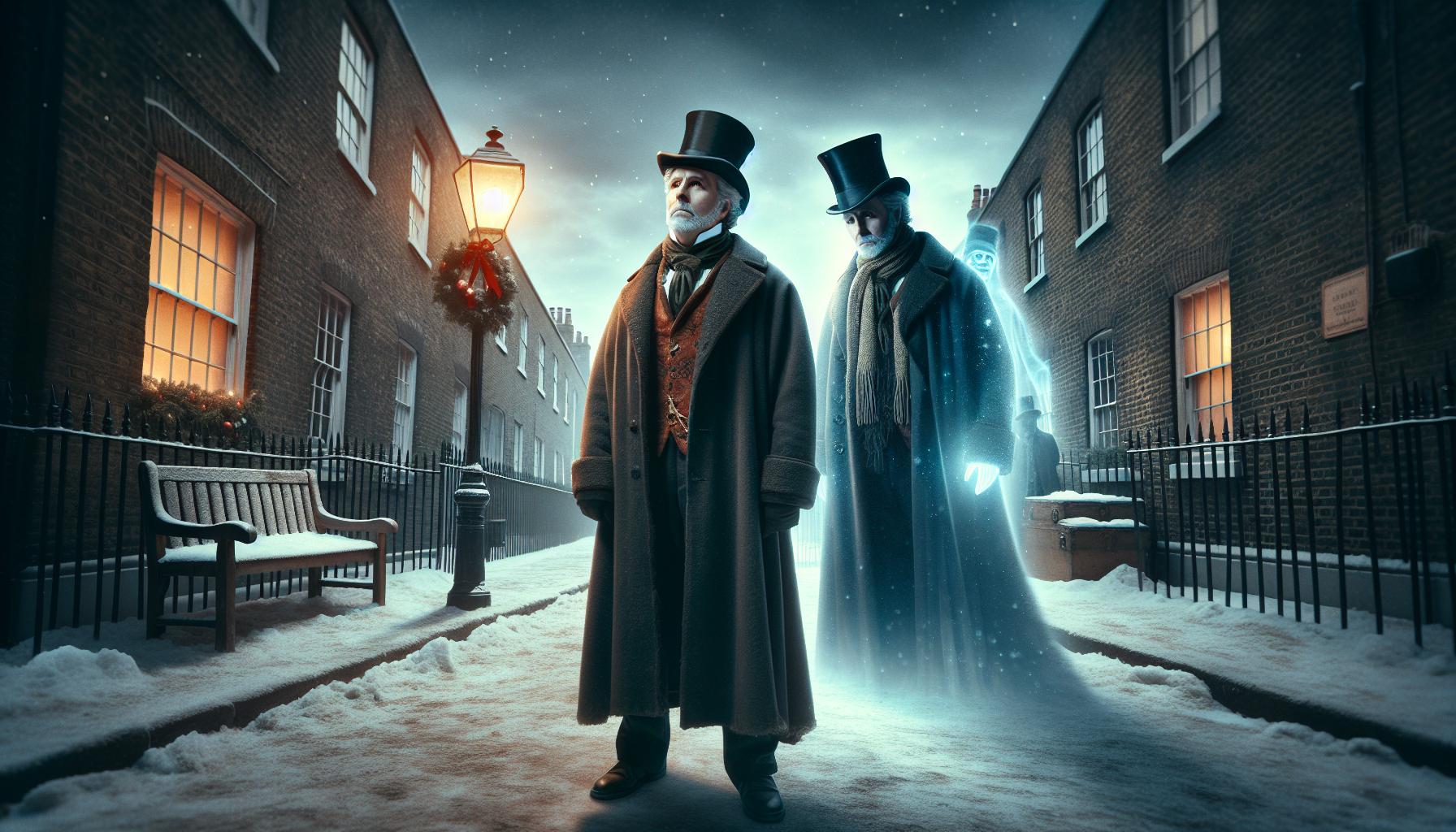
Ebenezer Scrooge, the iconic protagonist of Charles Dickens’ *A Christmas Carol*, serves as a profound study in character transformation. Initially depicted as the quintessential miser, Scrooge embodies greed and aloofness, shut off from meaningful connections and the joyous spirit of Christmas. His journey throughout the novella illustrates not just a change of heart but a complete reawakening of the human spirit, symbolizing the potential for redemption that lies within everyone.
The transformative journey begins on Christmas Eve when Scrooge encounters the ghost of his former business partner, Jacob Marley, who warns him of the dire consequences of his selfish life. Marley’s spectral figure, bound in chains, serves as a haunting reminder of the fate that awaits Scrooge should he continue down his current path. The visitation of the three spirits-each representing different aspects of his life-sparks an internal reflection that challenges Scrooge to confront his regrets and the impact of his choices. This pivotal turning point is not merely about seeing ghosts but about illuminating the shadows of his existence. Scrooge’s visit to his own grave serves as the culmination of his epiphany, highlighting the isolation and emptiness that a life devoid of compassion inevitably brings.
The Curse of Isolation
Scrooge’s initial interactions reveal his disdain for others, which is often expressed through sharp retorts and dismissive behavior. Such actions stem from a deep-seated fear of vulnerability and emotional intimacy. However, as he travels through the past, present, and future with the spirits, he revisits moments that spark forgotten feelings of joy, love, and connection. His childhood memories evoke nostalgia, where Scrooge once found joy in companionship and celebration. The profound impact of witnessing his own isolated future, however, is particularly sobering-where he realizes that his choices have led to a legacy of loneliness.
This transformation resonates powerfully with readers, instilling hope that change is possible. Scrooge’s journey is not only a reminder of the personal cost of greed but also a call to embrace community and shared humanity, particularly during the Christmas season. The redemption arc culminates as he awakens on Christmas morning, bursting with the unrestrained joy of giving and reconnecting with the world around him. By exemplifying characteristics such as generosity, kindness, and a renewed commitment to relationships, Scrooge becomes a testament to the idea that it is never too late to change.
Ultimately, Dickens uses Scrooge’s metamorphosis to convey a crucial message: the essence of humanity lies not in material wealth but in relationships and community. This character analysis serves as a guide, echoing the novella’s broader themes of compassion and social responsibility, encouraging readers to reflect on their own lives and the potential they hold for transformation. Scrooge’s journey from isolation to engagement with others serves as an enduring reminder of the redemptive power of love and connection.
The Impact of Dickens’ Writing Style

Charles Dickens’ storytelling in A Christmas Carol is not merely a vehicle for plot, but a rich tapestry of language and stylistic choices that elevate the narrative to timelessness. His distinctive style combines elements of humor, satire, and drama, engaging readers on multiple levels. By utilizing vivid imagery, character-driven dialogue, and a dynamic narrative pace, Dickens invites us into the heart of Victorian society and the human condition, making Scrooge’s transformation all the more poignant.
One of the most striking aspects of Dickens’ writing is his ability to evoke strong emotional responses through detailed imagery. Descriptive passages serve to set the scene and convey the ethos of his characters. For example, the chilling visit from Jacob Marley underscores the weight of regret that fuels Scrooge’s journey. Dickens doesn’t just tell us that Marley is a ghost; he immerses us in the experience with vivid descriptions of Marley’s chains and tormented visage, emphasizing the consequences of a selfish life. This ability to paint a picture with words keeps readers engaged, as they can visualize the haunting moments alongside Scrooge, deepening their emotional investment in his redemptive arc.
Another notable feature of Dickens’ work is his use of dialogue, which captures the essence of his characters and their social environment. The language varies from the playful banter of the Cratchit family to the biting sarcasm often used by Scrooge himself. This technique not only provides insights into character motivations but also reflects the social hierarchies and tensions of Victorian England. The spirited exchanges between characters allow readers to understand the importance of camaraderie and community, central themes of the novella. For instance, the warmth of the Cratchit household contrasts sharply with Scrooge’s cold demeanor, highlighting the transformative power of compassion.
Finally, Dickens’ narrative structure-featuring supernatural elements-encourages reflection on morality and personal growth. The ghostly encounters serve as catalysts for Scrooge’s transformation, pushing him and the reader to confront moral questions about generosity, regret, and the impact of one’s actions on others. Through these devices, Dickens not only entertains but also imparts vital lessons about social responsibility, making the story resonate across generations.
in A Christmas Carol is profound, seamlessly blending vibrant characterization, emotional depth, and a strong moral compass. His mastery of language and structure invites readers to not only witness but also feel the evolution of Ebenezer Scrooge, making this tale a lasting celebration of hope and redemption that continues to inspire today.
Historical Context: Dickens and Victorian Society
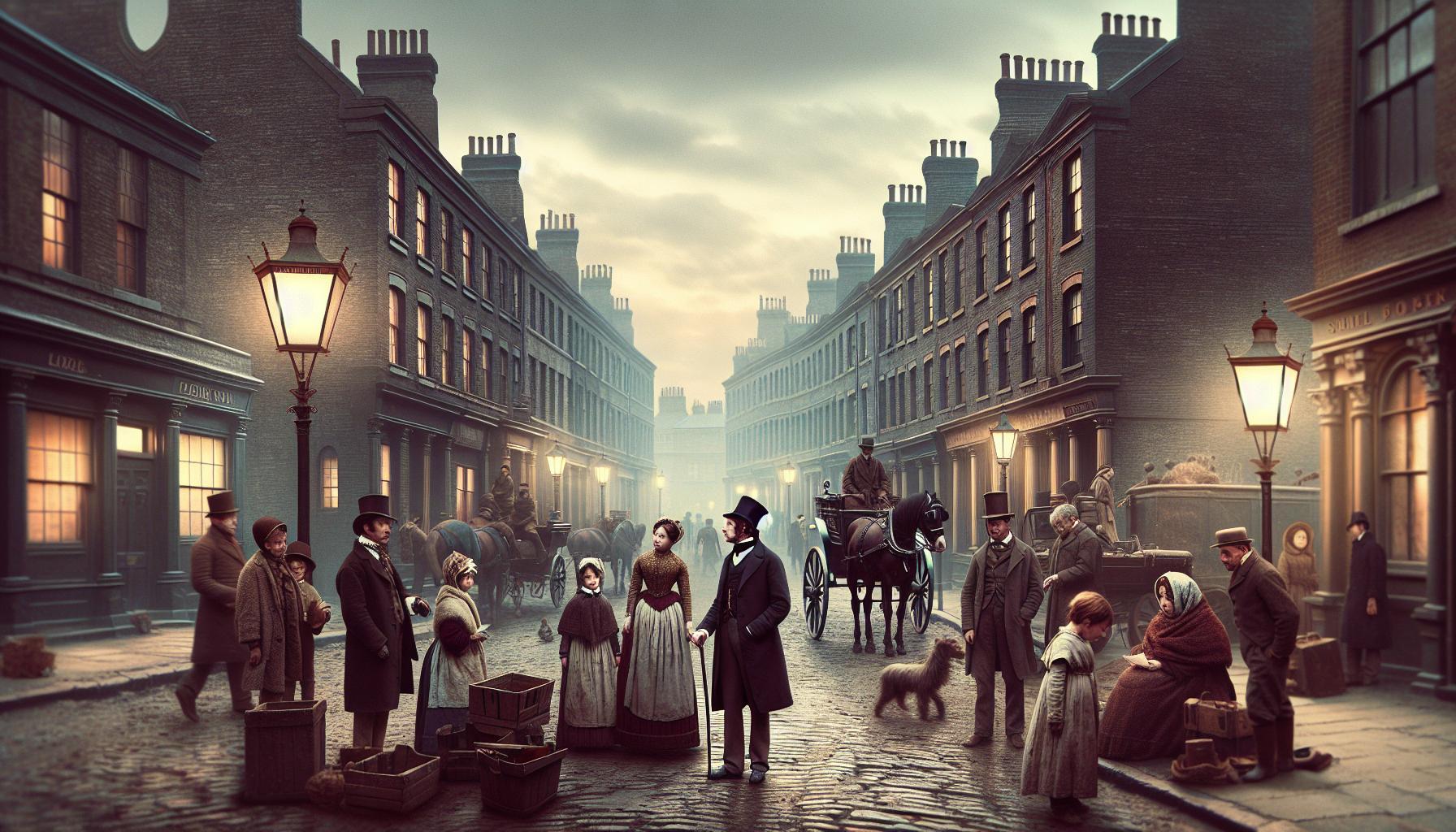
The backdrop against which Charles Dickens penned *A Christmas Carol* is marked by profound societal change and upheaval, characteristic of the Victorian era. The Industrial Revolution had catalyzed an unprecedented urbanization, drawing masses into cities with promises of employment and prosperity, yet often leaving them mired in poverty and squalor. As Dickens navigated this turbulent landscape, he brought to light the stark contrasts between wealth and destitution, aiming to amplify the voices of the marginalized through his narratives.
One cannot underestimate the significance of the social context in which Dickens wrote. London, the heart of the Victorian society, was a melting pot of diverse classes, economies, and experiences. At one end of the spectrum were the affluent, like Scrooge himself, representing economic power and detachment. At the opposite end stood the Cratchit family, whose struggles embodied the plight of the working class, grappling with low wages and the harsh realities of life. Dickens artfully juxtaposes these characters to not only explore the impact of industrialization but also to advocate for social reform. This is evident in Scrooge’s redemptive journey, which calls for empathy, community, and a recognition of shared human experience.
The Role of Christmas in Victorian Society
Christmas during the Victorian era was reshaped into a familial and communal festival, reflecting Dickens’ influence. Prior to this period, many holiday customs were more individualistic or linked to local traditions. However, Dickens helped establish Christmas as a time for charity, kindness, and family unity. In *A Christmas Carol*, the transformation of Scrooge from a miser to a benefactor serves as a microcosm for the broader societal shifts of his time, where the spirit of Christmas became associated with social conscience and goodwill toward fellow beings. Dickens encourages readers to not just celebrate Christmas, but to embody its spirit year-round, challenging them to reflect on their responsibilities to each other.
This melding of personal redemption and societal critique has ensured *A Christmas Carol* not only resonates as a holiday story but alsoserves as a timeless commentary on human compassion and societal roles. Dickens, through his craftsmanship, carved out a narrative that remains relevant, urging readers to engage with social responsibilities and prompting them to cultivate a sense of community-a message that is particularly critical even in today’s world.
By contextualizing *A Christmas Carol* within the Victorian framework, we uncover a narrative rich with moral undertones that appeals to both the festive and the critical mind, reinforcing its enduring legacy and relevance in the literary canon.
The Role of Christmas Spirit in the Story
The essence of the Christmas spirit permeates every aspect of A Christmas Carol, serving as both the catalyst for transformation and the framework through which Dickens articulates his social critique. At its core, the Christmas spirit embodies values of generosity, joy, and communal belonging-qualities that stand in stark contrast to Ebenezer Scrooge’s initial miserliness and isolation. Dickens masterfully uses this spirit to illustrate the potential for human transformation, showcasing how love and kindness can counteract the harsh realities of life, particularly in the context of the Victorian era.
One poignant aspect of the Christmas spirit in the novella is its ability to foster compassion and empathy among individuals. From the start, Scrooge’s disdain for Christmas epitomizes a larger societal tendency to prioritize self-interest. Yet, as he encounters the spirits-most notably the Ghost of Christmas Present-he witnesses the warmth of familial gatherings, the joy of the Cratchit family despite their poverty, and the overarching theme of community support during the festive season. This contrast serves to challenge Scrooge’s worldview and urges readers to reflect on their own attitudes toward generosity and interconnectedness. The scenes filled with merriment and sharing beckon readers to recognize the importance of uplifting one another, especially those less fortunate.
Moreover, the transformation that Scrooge undergoes-transitioning from a hardened miser to a compassionate benefactor-is emblematic of the overarching message that Dickens conveys through the Christmas spirit. His final metamorphosis illustrates that it is never too late for redemption and that the embrace of Christmas values can lead to profound personal growth. Dickens uses Scrooge’s journey to emphasize that the spirit of Christmas should extend beyond the holiday season; it should inform our daily actions and interactions throughout the year. This lasting moral reminds readers that embodying the spirit of Christmas involves a commitment to love, altruism, and communal responsibility, echoing the call for social reform that defines much of Dickens’s work.
In the broader context of Victorian society, A Christmas Carol effectively reinvigorated the spirit of Christmas, transforming it into a palatable mixture of familial bonds and philanthropic ideals that we now associate with modern holiday traditions. By inviting readers into the heartwarming depictions of Christmas, Dickens not only critiques the class disparities of his time but also inspires an enduring legacy of compassion and goodwill. The narrative serves as a timeless reminder that the true spirit of Christmas lies in the generosity of the human heart and the unyielding connections we forge within our communities.
A Christmas Carol’s Enduring Popularity in Modern Culture
The enduring popularity of A Christmas Carol can be attributed to its timeless themes and the universal resonance of its characters, making it a staple of holiday literature and culture. Released in 1843, Charles Dickens’s novella speaks to the human experience and encourages compassion and kindness during the festive season, which is as relevant today as it was in the Victorian era. Each holiday season, readers and audiences around the world revisit Scrooge’s transformative journey, reinforcing the narrative’s moral lessons on generosity and communal responsibility.
One significant aspect contributing to the story’s lasting appeal is its adaptability. Over the years, A Christmas Carol has inspired countless adaptations, including films, stage productions, and animated versions, allowing it to reach diverse audiences across various mediums. Notably, the 1938 film featuring Reginald Owen and the 1992 animated version starring Jim Carrey both highlight the story’s core message while drawing in new generations of viewers. Each adaptation may introduce creative interpretations of Scrooge and the spirits, yet they all maintain Dickens’s underlying themes of redemption and renewal, which continue to resonate across different cultures and contexts.
Furthermore, the novella has woven itself into the fabric of modern holiday traditions. It has shaped how Christmas is celebrated, with many people considering themes of goodwill and charity to be vital components of the holiday spirit. Organizations like charities often draw on the lessons from Scrooge’s transformation as they encourage acts of kindness and community service. The phrase “Scrooge” has even evolved into a cultural shorthand for someone who is miserly, highlighting the impact that Dickens’s character has had on our collective consciousness.
Ultimately, A Christmas Carol persists in its popularity not only due to its heartwarming narrative but also because it calls individuals to reflect on their values and actions. The cyclical nature of the season-where acts of generosity during Christmas can inspire year-round kindness-ensures that Dickens’s tale remains relevant, encouraging readers to keep the spirit of the season alive in their daily lives. By fostering an environment where the values portrayed within the story can thrive, A Christmas Carol continues to serve as a beacon of hope and inspiration for people around the globe.
Comparative Analysis: A Christmas Carol Adaptations
Adaptations of A Christmas Carol have flourished in numerous forms, demonstrating the story’s remarkable flexibility and pervasive influence on culture and media. From classic films to modern animations, each iteration reflects the era’s particular sensibilities while retaining the core themes of redemption and transformation that Dickens masterfully crafted. This ongoing evolution not only keeps the narrative fresh and engaging for new audiences but also allows viewers to explore the enduring relevance of its moral lessons in contemporary contexts.
Among the many adaptations, some stand out for their unique interpretations. The 1951 film featuring Alastair Sim is often hailed as one of the definitive versions, bringing a depth to Scrooge’s character journey that resonates with audiences today. On the other hand, The Muppet Christmas Carol (1992) offers a humorous and family-friendly take, enlisting beloved characters to present the classic tale in a way that’s accessible to children while still conveying the story’s essential messages. Both films exemplify how adaptations can offer distinct lenses on the same narrative, allowing viewers to draw from their varied styles and presentations.
More recent works, like the Netflix animated feature Scrooge: A Christmas Carol (2022), push the boundaries of the story further with vibrant animation and musical numbers, appealing to younger generations and demonstrating that the narrative can be reinvigorated without losing its heart. Meanwhile, stage adaptations often delve into the emotional depth of the characters, capturing the live experience of this timeless story in a way that no screen version can replicate.
As media continues to diversify and evolve, the adaptations of A Christmas Carol serve not just as retellings but also as reflections of cultural attitudes towards themes like generosity, compassion, and the spirit of Christmas. Each version invites new discussions surrounding Dickens’s original work, further entrenching the novella’s status as a beloved holiday classic. By engaging with these adaptations, audiences can appreciate the richness of the story and its capacity to inspire across different media and generations.
Lessons from A Christmas Carol for Today’s Readers
In the heart of Dickens’s tale lies a wealth of lessons that resonate deeply with contemporary readers. At its core, A Christmas Carol is not merely a story of redemption but a profound exploration of the human capacity for change and the importance of empathy. One of the most relevant lessons today is the reminder that it’s never too late to transform. Scrooge’s dramatic evolution from a miserly, isolated figure to a generous and loving person exemplifies the idea that our past do not dictate our future. This notion is particularly important in a world that often discourages personal growth, urging readers to believe in their own potential for positive change.
Another significant takeaway is the essential value of community and human connection. Dickens highlights the impact of kindness and support through the relationships that Scrooge ultimately cherishes. In our increasingly individualistic society, the reminders found in the story about compassion, generosity, and the joy of giving cannot be overstated. As Scrooge learns to open his heart, readers are encouraged to cultivate relationships and engage with their communities, showing that acts of kindness can create ripples of positivity in the lives of others.
Embracing the Spirit of Christmas Year-Round
Importantly, A Christmas Carol teaches that the spirit of Christmas should extend beyond the holiday season. The themes of generosity and goodwill can be embodied throughout the year, advocating for a lifestyle aligned with empathy and benevolence. Readers might consider implementing small, everyday actions-compassionate listening, volunteering, or simply smiling at a neighbor-to enrich both their lives and the communities they inhabit.
Reflecting on Our Lives
Finally, Scrooge’s journey underlines the value of self-reflection. As he confronts his past, present, and potential future, he learns crucial truths about his choices and their consequences. For today’s readers, this serves as a compelling reminder to take time for introspection and consider the impact of their actions on themselves and others, fostering personal growth and a more conscious engagement with the world.
Through its timeless message, A Christmas Carol remains a literary beacon, encouraging individuals to embrace transformation, cultivate empathy, and maintain a spirit of generosity at all times. Each lesson not only elevates the narrative but also offers practical guidance for living a fulfilled and meaningful life.
Symbolism and Meanings Behind Key Elements
Within the rich tapestry of A Christmas Carol, Charles Dickens employs a multitude of symbols that echo the novella’s themes of redemption and transformation. Understanding these symbols provides deeper insights into both Scrooge’s character arc and the broader societal critiques woven into the narrative. For readers seeking to grasp the essence of this timeless tale, examining the meanings behind key elements can reveal the profound messages that Dickens imparts.
One of the most significant symbols in the story is the Ghost of Christmas Past. This spirit symbolizes memory and nostalgia, presenting Scrooge with images of his earlier life, both joyful and painful. The scenes shown by this ghost highlight how Scrooge’s choices have led him to his current state of isolation. Through this lens, readers are encouraged to reflect on the importance of acknowledging and learning from one’s past. As the ghost shows Scrooge pivotal moments, it serves as a reminder that our experiences, both good and bad, shape who we become.
Another powerful symbol is light versus darkness. Throughout the novella, light represents knowledge, hope, and transformation, while darkness signifies ignorance, despair, and stagnation. As Scrooge undergoes his metamorphosis, he increasingly gravitates toward light, signifying his acceptance of change and willingness to embrace the Christmas spirit. The light emanating from the Ghost of Christmas Past, for instance, symbolizes the illumination of truth and the awakening of Scrooge’s empathy and compassion. This interplay of light and darkness encapsulates the theme of personal growth – a journey from the shadows of selfishness into the brightness of generosity.
Additionally, the character of Tiny Tim serves as a crucial symbol of innocence and the plight of the less fortunate. His frail condition and resilient spirit reflect the consequences of societal neglect towards the poor. Tiny Tim’s famous line, “God bless us, everyone,” acts as a poignant reminder of the collective responsibility we share toward one another. Through Tim, Dickens emphasizes that compassion and benevolence should not be reserved for a specific time of year but should resonate throughout our daily lives.
The use of Scrooge’s transformation itself acts as a symbol of redemption. His metamorphosis from a miser to a benefactor highlights the fundamental belief that it is possible for anyone to change, regardless of their past. Each visit from the spirits allows readers to witness his awakening to the joys of love, family, and community, underscoring the message that personal change is achievable at any age.
In summary, the symbolism within A Christmas Carol not only enriches the narrative but also engages readers in a dialogue about memory, light, innocence, and redemption. By interpreting these symbols, one can gain a more profound appreciation for Dickens’s timeless holiday tale, recognizing it as a powerful commentary on the human capacity for change and the enduring spirit of Christmas.
How A Christmas Carol Influenced Holiday Traditions
Charles Dickens’ A Christmas Carol has profoundly influenced modern holiday traditions, reshaping the way Christmas is celebrated, particularly in the West. Initially published in 1843, the story not only popularized various Christmas customs but also infused new meaning into the holiday itself, transforming it into a season characterized by generosity, goodwill, and social consciousness.
One of the most significant impacts of Dickens’ work is the emphasis on charitable giving and community welfare. Prior to the novella, Christmas was often seen as a time for private family celebrations with little emphasis on communal support. In the wake of A Christmas Carol, the notion that the holiday should be an opportunity for charity and compassion gained traction. The transformation of Ebenezer Scrooge from a miser to a benefactor serves as a powerful narrative urging readers to reflect on their societal responsibilities. This newfound focus on charitable acts is apparent in the modern tradition of giving during the holiday season, with many people and organizations participating in food drives and fundraising events to support those in need.
Moreover, A Christmas Carol helped to popularize the idea of holiday festivities among a diverse audience. The novella paints a vibrant picture of Christmas celebrations, complete with feasting, merriment, and family gatherings, which inspired people to embrace these activities more fully. The depiction of Christmas spirit-embodied in the jovial nature of the Cratchit family, especially through the character of Tiny Tim-encourages the belief that joy and togetherness should be central to holiday celebrations. This has contributed to the widespread customs of family reunions, festive meals, and communal festivities that characterize modern Christmas celebrations.
Another lasting influence is the revival of Christmas as a public holiday. Dickens’s portrayal of Christmas as a time for reflection, joy, and community reinvigorated public interest. As a result, many elements of the holiday that we consider traditional today-such as Christmas cards, decorations, and seasonal music-gained popularity in Victorian England and subsequently found their way into global celebrations. The focus on light and warmth during this time echoes Dickens’ themes of transformation, reinforcing the idea that the Christmas season is an opportunity for personal renewal and communal bonding.
In conclusion, Charles Dickens’ A Christmas Carol is more than just a holiday tale; it is a cornerstone of contemporary Christmas traditions that emphasizes charity, joy, and community engagement. It has transformed how society views the holiday, instilling values of compassion and togetherness that resonate even in today’s rapidly changing world.
Critical Reception: Then and Now
The initial reception of Dickens’ *A Christmas Carol* was overwhelmingly positive, landing immediately as a significant contribution to both the holiday genre and literature at large. Published in December 1843, the novella was lauded for its accessible narrative style and moral undertone, quickly gaining popularity among readers from various backgrounds. Critics at the time recognized its potential to invoke social change. This collective embrace reflected a cultural moment ripe for Dickens’ themes of redemption and communal spirit, aligning well with the period’s burgeoning interest in social reform and charity. In his classic review, noted for praising Dickens’ literary talents, one contemporary emphasized the story’s emotional resonance and its ability to confront and critique the harsh realities of Victorian society, particularly regarding the treatment of the poor [[1]].
Fast forward to the present, and *A Christmas Carol* has not only maintained its status as a festive staple but also sparked significant scholarly interest. Today’s critics explore the text’s rich layers of symbolism and its commentary on class disparity, personal transformation, and the ethos of Christmas spirit. Unlike the early critics who focused largely on the narrative’s uplifting qualities, contemporary analysis often delves deeper into Dickens’ critique of economic systems and social obligations. Some modern reviews highlight the stark contrast between Scrooge’s initial miserly existence and his eventual embrace of community and generosity, thus enhancing discussions about ethical responsibility in the modern world [[2]].
Moreover, the story’s ongoing relevance can be seen in various adaptations across film, theater, and literature, which continue to reimagine and reinterpret Scrooge’s journey. These adaptations often examine the principles of redemption and moral reflection from contemporary perspectives, tackling issues of inequality and social justice that resonate today. The novella’s inherent adaptability ensures its themes remain pertinent, reflecting society’s evolving attitudes towards generosity and compassion. This ongoing dialogue demonstrates how Dickens’ work, while rooted in the Victorian era, transcends time, prompting readers and audiences to continually reassess their values and relationships during the holiday season.
In summation, the critical reception of *A Christmas Carol* showcases a fascinating evolution from its initial acclaim to its complex interpretations in today’s literary discourse. Dickens’ profound exploration of charity, personal transformation, and social critique continues to engage readers, proving that classic literature can adapt and thrive in modern cultural contexts. For a deeper understanding, reading various adaptations and analyses can provide insights into both its historical significance and contemporary relevance.
A Guide to Further Reading and Resources
Exploring the depths of *A Christmas Carol* can expand your appreciation of its themes, characters, and societal implications. Whether you’re a long-time fan or new to Dickens’ work, there are numerous resources to enrich your understanding. Below are suggested readings and materials to further delve into the novella’s rich tapestry.
Books for Deeper Insight
- The Annotated Christmas Carol by Michael Patrick Hearn: This edition provides comprehensive annotations that explain cultural references, historical context, and character analysis, making it ideal for those looking to explore the novella’s nuances.
- Charles Dickens: A Life by Claire Tomalin: This biography sheds light on Dickens’ life, influences, and the societal backdrop against which he wrote, offering readers context for understanding his works, including *A Christmas Carol*.
- Reading Charles Dickens: A Critical Guide by David Paroissien: This book offers critical essays on Dickens’ major works, including a section dedicated to *A Christmas Carol*, discussing its themes and significance.
Scholarly Articles and Journals
For those looking to engage with more analytical content, consider these scholarly resources:
- The Dickens Quarterly: This journal publishes critical essays and reviews related to Dickens’ work and provides insights into his impact on literature and society.
- Victorian Studies Journal: Articles in this journal often touch on themes relevant to Dickens and his critique of Victorian society, enhancing understanding of *A Christmas Carol*’s social commentary.
Adaptations and Multimedia Resources
To see how Dickens’ classic has been interpreted across various formats, explore adaptations that bring new life to his story:
- A Muppet Christmas Carol: This family-friendly film adaptation retains the core message of redemption while adding humor and music, making it accessible to younger audiences.
- Scrooged: Starring Bill Murray, this modern retelling offers a comedic twist on the original tale, showcasing the timeless relevance of its themes.
Online Resources and Discussion Platforms
Utilizing online platforms can also enhance your experience:
- Project Gutenberg: Access a free eBook version of *A Christmas Carol* to revisit the text itself, along with many other works of Dickens.
- Discussion Forums: Platforms like Goodreads or Reddit’s literature communities allow readers to share interpretations and insights, enriching understanding through communal dialogue.
These resources provide varied pathways for exploring Dickens’ *A Christmas Carol*, catering to different interests and levels of engagement. Consider pairing different types of materials for a holistic understanding-read the novella, explore analyses, and watch adaptations to fully grasp the enduring message of compassion and transformation that resonates throughout Dickens’ work.
Frequently asked questions
Q: What are the main themes in A Christmas Carol?
A: The central themes in A Christmas Carol include redemption, transformation, and the importance of compassion. Dickens explores how one’s choices impact others, portraying the potential for personal change through Scrooge’s journey. For in-depth analysis, see the section on Themes of Redemption and Transformation in A Christmas Carol.
Q: How does A Christmas Carol reflect Victorian society?
A: A Christmas Carol mirrors Victorian society by addressing issues like poverty, social injustice, and the responsibilities of the wealthy. Dickens critiques the era’s economic disparities while promoting social conscience, as discussed in the Historical Context section of the review.
Q: Why is A Christmas Carol still popular today?
A: The enduring popularity of A Christmas Carol is due to its universal themes of redemption and hope, relatable characters, and annual adaptations. Its messages about Christmas spirit resonate with modern audiences, as highlighted in the section about A Christmas Carol’s Enduring Popularity in Modern Culture.
Q: What is the significance of the ghosts in A Christmas Carol?
A: The ghosts in A Christmas Carol serve as agents of change for Scrooge, each representing different aspects of his life-past, present, and future. They facilitate his transformation by confronting him with the consequences of his actions.
Q: How has A Christmas Carol influenced Christmas traditions?
A: A Christmas Carol significantly shaped holiday traditions, emphasizing themes of giving, family, and goodwill. Its portrayal of Christmas spirit has influenced celebrations, as noted in the section discussing How A Christmas Carol Influenced Holiday Traditions.
Q: What literary techniques does Dickens use in A Christmas Carol?
A: Dickens employs various literary techniques in A Christmas Carol, such as foreshadowing, symbolism, and vivid characterization. His style fosters an emotional connection, enhancing the narrative’s moral lessons, which can be explored further in the section on The Impact of Dickens’ Writing Style.
Q: What lessons can readers learn from A Christmas Carol?
A: Readers can learn valuable lessons about empathy, self-reflection, and the impact of kindness. A Christmas Carol encourages readers to evaluate their choices and acknowledges the importance of community and compassion, as discussed in the Lessons from A Christmas Carol for Today’s Readers section.
Q: How does Dickens portray Scrooge’s character development?
A: Dickens captures Scrooge’s character development through a journey from selfishness to generosity. The transformation is depicted through his interactions with the ghosts and his gradual realization of the importance of human connections, as examined in the Character Analysis: Scrooge and His Journey section.
Insights and Conclusions
As we reflect on the transformative journey of Ebenezer Scrooge in “A Christmas Carol,” we are reminded of the timeless lessons on compassion, redemption, and the true spirit of the holiday season. This beloved tale illustrates how one person’s change can impact the lives of many, making it a perfect read for anyone looking to embrace the holidays with renewed purpose. Don’t miss your chance to experience this classic again or share it with friends and family!
For a deeper dive into Dickens’ mastery, explore our analyses of character development and themes in other literary classics. If you’re inspired to spread holiday cheer, check out our guide on festive traditions and gifting ideas. Be sure to sign up for our newsletter to stay updated on more insightful reviews and literature discussions. Let’s keep the conversation going-what elements of “A Christmas Carol” resonate with you the most? Share your thoughts below and join our community of fellow book lovers!
Get our latest guides, news, and insights highlighted in your Google Search & AI Overviews.