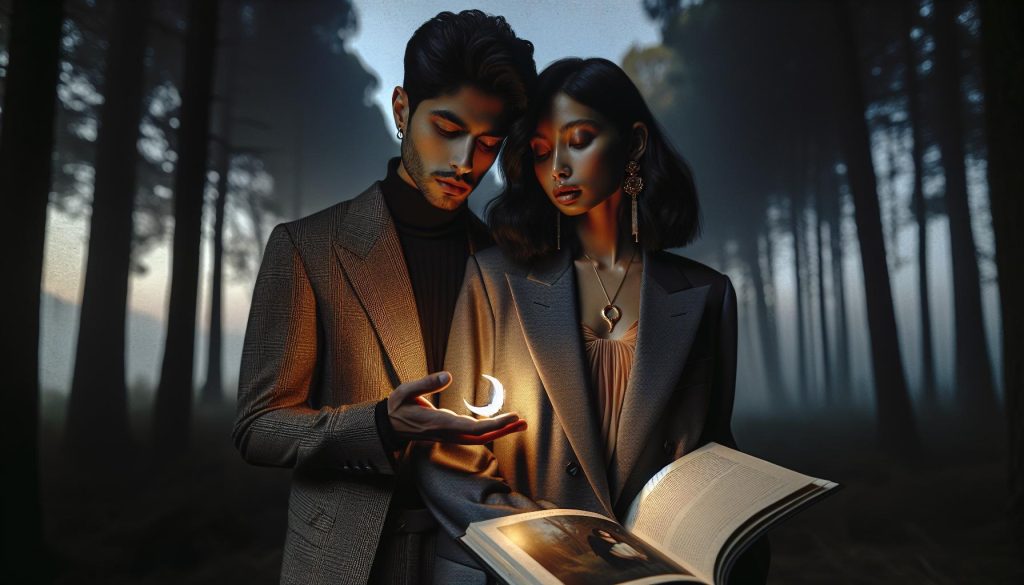
In “A Discovery of Witches,” magic intertwines beautifully with romance, creating a narrative that captivates readers from the first page. Did you know that this enchanting tale, rich with historical detail and mythical lore, has sparked a resurgence of interest in witchcraft and fantasy literature? For those who yearn for a blend of intrigue and passion, Deborah Harkness crafts a world where a reluctant witch and a charming vampire explore their unbreakable bond against a backdrop of ancient secrets. This review delves into the depths of their journey, analyzing themes of identity, love, and the supernatural, while addressing concerns of fans seeking not just entertainment, but a profound connection with the story. Join me as we uncover the magic behind this compelling romance and why it continues to resonate with readers today. Whether you’re contemplating your next read or searching for deeper insights into the narrative, this exploration promises to illuminate the enchanting dynamics at play.
Character Development: Exploring Witches and Vampires
In the world of supernatural literature, the exploration of witches and vampires often serves as a rich canvas for character development. These archetypal figures are not only tied to folklore and myth but also embody complex emotional and moral dilemmas. In A Discovery of Witches, both witches and vampires represent more than just magical beings; they are deeply flawed individuals grappling with their identities and the repercussions of their existence in a world that fears and distrusts them.
Witches like Diana Bishop are portrayed as multifaceted characters who struggle with their powers, heritage, and societal expectations. Diana’s journey of self-discovery unfolds as she learns to embrace her witchcraft while confronting the weight of her family legacy. This transformation is integral to the narrative, illustrating how character development in witches can reflect broader themes of empowerment, acceptance, and responsibility. In contrast, the vampire Matthew Clairmont embodies the intricacies of immortality-his character arc captures the tension between his predatory nature and his desire for human connection. His relationship with Diana highlights a compelling dynamic where love and danger intertwine, leading them both to evolve as they confront their pasts and shape their futures together.
In examining these character arcs, readers can appreciate how the supernatural elements enhance the emotional depth of the story. The nuanced portrayals invite readers to question preconceived notions about good and evil, lineage, and the transformative power of love. In a genre often dominated by clear-cut archetypes, A Discovery of Witches stands out for its ability to weave intricate character development into the wider tapestry of magic and romance.
Through the lens of these supernatural beings, the narrative evokes intriguing questions about identity. As readers follow Diana and Matthew, they are encouraged to reflect on their own personal journeys of growth, acceptance of one’s heritage, and the courage to forge one’s path-elements that resonate far beyond the confines of the magical realm. This interplay between character development and broader themes enriches the reading experience, ensuring that witches and vampires are not merely fantastical figures but relatable beings navigating the complexities of love and power.
The Allure of Magic: Themes and Symbols
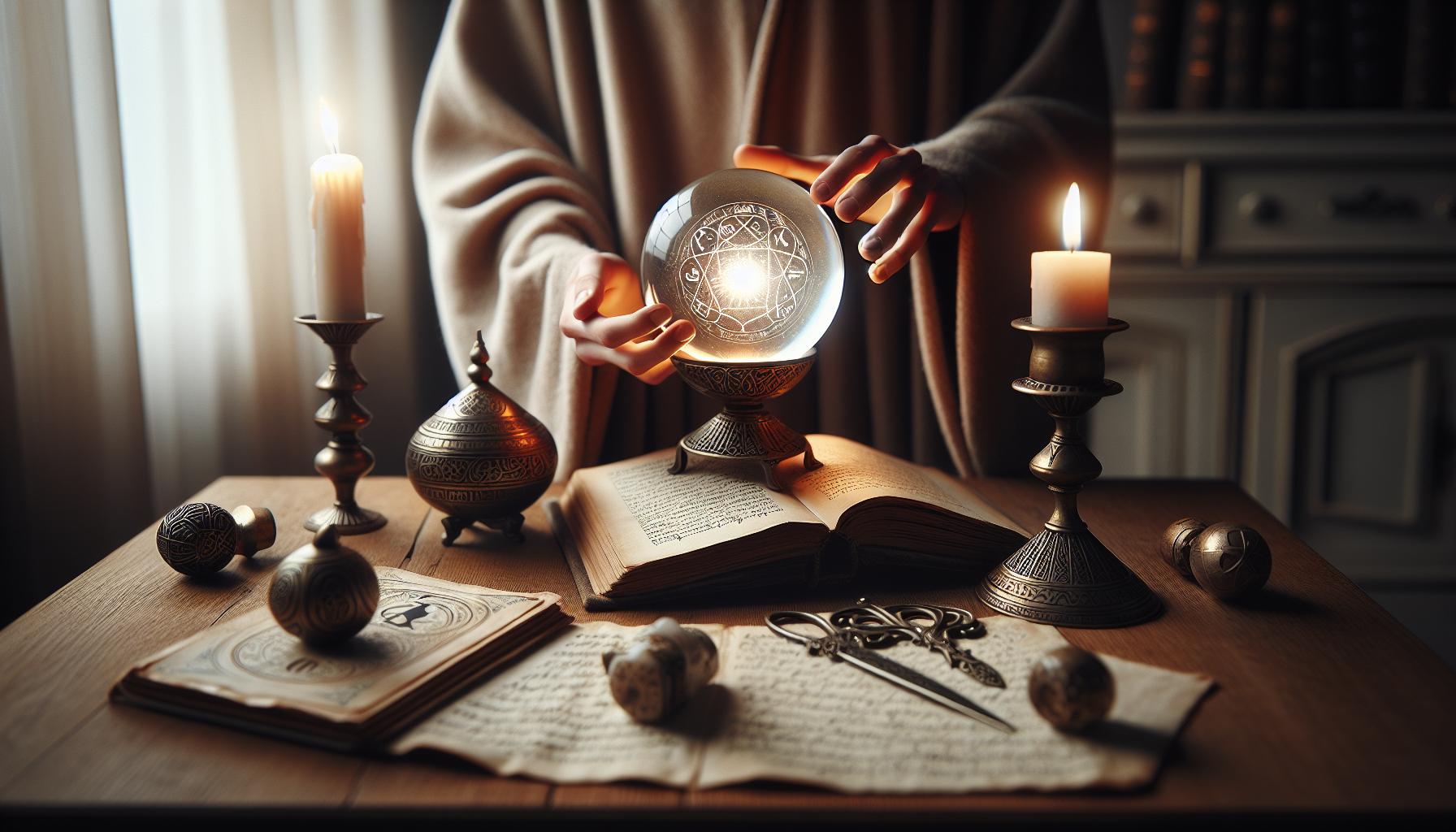
Magic serves not only as a captivating element in supernatural storytelling but also as a profound metaphor for personal and societal struggles. In A Discovery of Witches, the interplay between magic and romance unfolds through the lives of witches and vampires, enriching the narrative with themes of identity, belonging, and power dynamics. The characters’ magical abilities are not just tools for conflict; they symbolize deeper fears, desires, and the quest for self-acceptance.
Diana Bishop’s journey, marked by her reluctance to embrace her witch heritage, illustrates the tension between the allure of magic and the weight of responsibility it entails. Her initial denial of her abilities reflects a common struggle many face when dealing with their true selves: the fear of societal rejection and the burdens of family legacies. As she begins to reclaim her powers, readers encounter symbols of transformation and empowerment, emphasizing that ultimate strength comes from within and is often linked to accepting one’s authentic identity.
On the other side, Matthew Clairmont’s existence as an immortal vampire underscores themes of longing and the effects of time on relationships. His vampirism acts as both a blessing and a curse, allowing him a vast experience of life while simultaneously isolating him from the human world he yearns to reconnect with. The magical elements surrounding his character illuminate the complexities of love and trust in relationships marked by difference-where fear can coexist with deep affection. This duality showcases how magic, while alluring, often comes with profound consequences that challenge notions of intimacy and connection in a world steeped in prejudice against the supernatural.
Both characters’ narratives harness the symbols of magic to weave a broader commentary on the human condition. From the ancient texts and spells that form the backbone of Diana’s exploration to the seductive charm of vampire lore that Matthew embodies, magic acts as a powerful vessel for exploring themes of love, acceptance, and the shifting dynamics of power. By examining these themes, readers can engage in a reflective dialogue about their own lives and the transformations they experience in the face of societal expectations and personal fears. The story allows us to appreciate the complexities of magic not just as a fantastical element, but as a reflection of our own struggles and the universal search for belonging.
Unraveling the Romantic Plot: Love in a Supernatural World
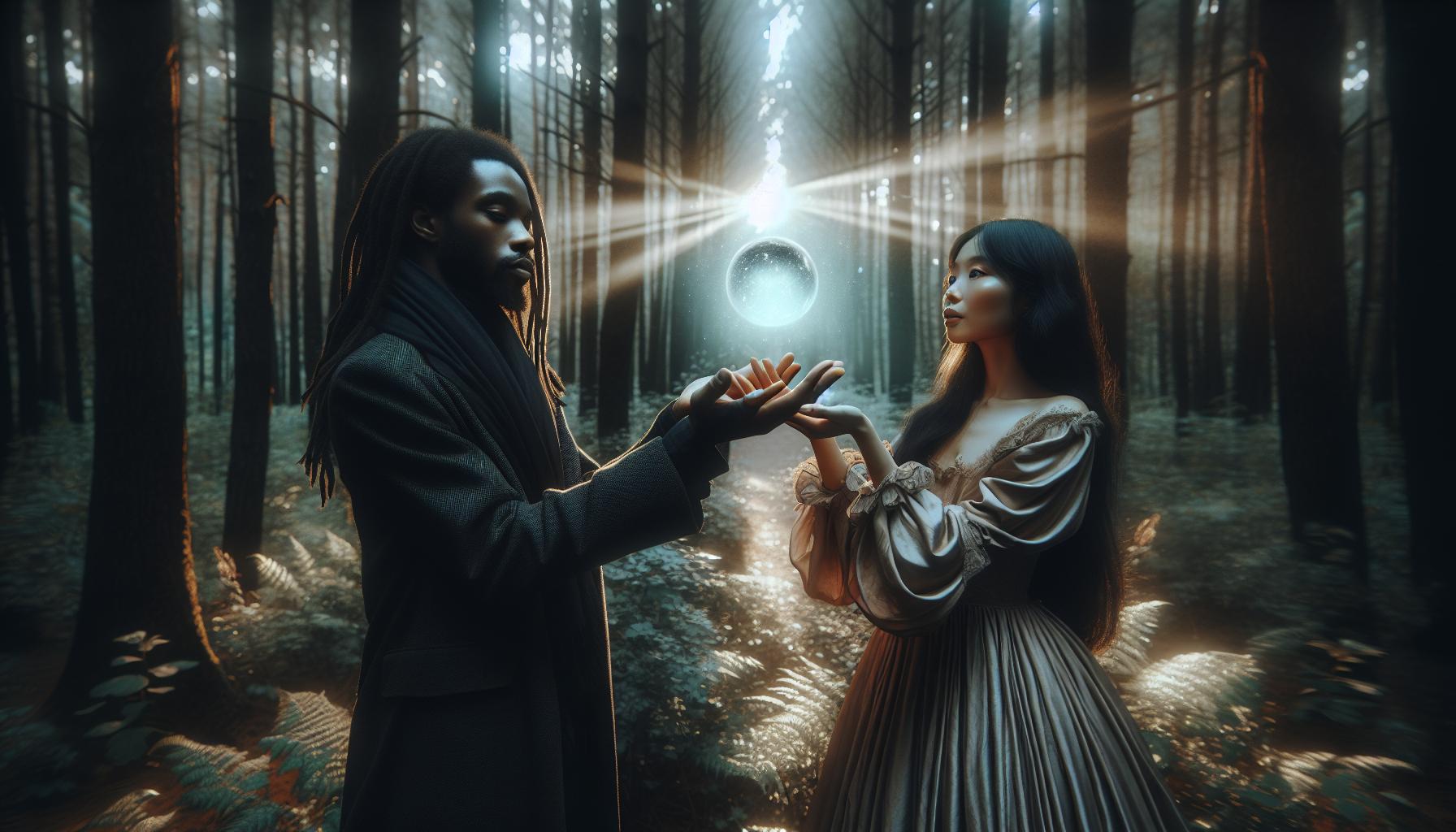
In the enchanting narrative of A Discovery of Witches, romance thrives amid the complexities of a supernatural world, where magical beings navigate love, identity, and deep-seated prejudices. At its heart lies the union of Diana Bishop, a reluctant witch, and Matthew Clairmont, an alluring vampire, culminating in a romance that transcends their differences. Their relationship is not merely a story of love; it serves as a pivotal exploration of what it means to connect in a world governed by ancient rules and societal constraints.
Diana and Matthew’s bond is steeped in tension, illustrating the struggle between desire and duty. As a witch who has long shunned her magical lineage, Diana’s reluctant acceptance of her powers echoes a broader theme of personal growth and self-acceptance in the face of fear. This evolution becomes significantly entwined with her romantic journey, where her relationship with Matthew compels her to confront her heritage and embrace her true self. The narrative illustrates how love can act as a catalyst for personal transformation, prompting characters to step outside their comfort zones, which many readers can resonate with in their life experiences.
On the flip side, Matthew embodies the complexities of eternal love trapped in the web of immortality. His existence is marked by profound loneliness and the heartbreaking reality of watching loved ones age and pass away. This theme powerfully enhances their romantic arc as Matthew grapples with the implications of loving a mortal witch; the very foundation of their relationship becomes a dance between hope and despair. Their connection sparks debates about the nature of love-can it endure across lifetimes, or are there inherent sacrifices? The supernatural elements of their narrative provide a vibrant backdrop against which these intense emotional dynamics play out, raising questions about commitment in the face of societal norms and personal fears.
Ultimately, the romantic plot within A Discovery of Witches is not only about the passionate connection between two distinct beings but also serves as a profound discourse on acceptance and the power dynamics of love. As readers journey through the trials and tribulations of Diana and Matthew, they are invited to reflect on their relationships and the barriers they might encounter while navigating love in their worlds. This layered storytelling not only captivates but also encourages readers to delve into the deeper meanings of love, belonging, and the courage it takes to forge connections that defy societal expectations.
Mystical Settings: The Role of Location in the Story
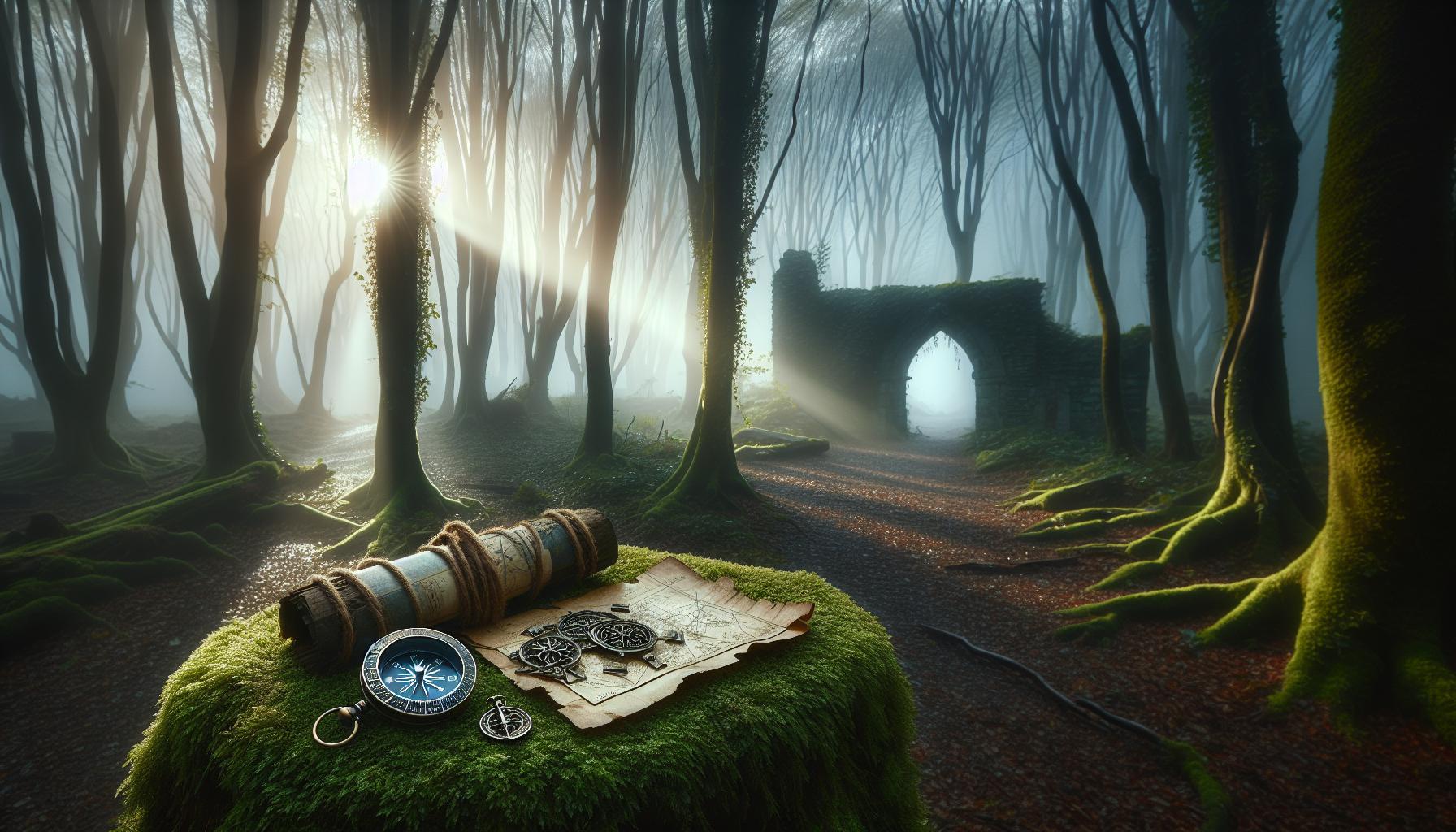
In “A Discovery of Witches,” settings play an integral role in enhancing the narrative’s magical and romantic elements. The vivid landscapes and historical backdrops create an immersive experience that invites readers to explore a world where the supernatural blends seamlessly with the everyday. From the ancient libraries of Oxford to the enchanting paths of the Ashmolean Museum, each location is not merely a backdrop; it serves as a character in its own right, influencing the events and emotional journeys of Diana and Matthew.
The inclusion of historical locations is especially significant, as they evoke a sense of timelessness and continuity in a story about love that challenges the conventions of both the magical and human worlds. For instance, the Ashmole 782 manuscript, which is central to the plot, is tied to the rich scholarly traditions of Oxford. This not only grounds the story in a specific setting but also raises the stakes; as Diana discovers the manuscript, she is thrust into a web of intrigue that traverses centuries. The architecture and atmosphere of these locations resonate with the characters’ struggles and aspirations, illustrating how their surroundings mirror their inner conflicts.
Moreover, the various mystical settings-such as the hauntingly beautiful landscapes of France and the mystique of the vampire covens-enhance the whimsical elements of the story. These locales serve as safe havens or battlegrounds for burgeoning romances and hidden agendas, effectively illustrating the dichotomy between sanctuary and danger. The rich descriptions of misty nights and ancient trees contribute to the overall ambiance, transporting readers into a world steeped in enchantment.
When examining the role of location in “A Discovery of Witches,” it becomes clear that the settings are meticulously crafted to evoke emotions, emphasize themes, and enrich character development. Locations are not static; they shift in significance as characters evolve, revealing the intricate relationship between environment, identity, and destiny. Therefore, readers are encouraged to pay close attention to the settings that Diana and Matthew inhabit, as they are as vital to the story as the characters themselves. This layered approach to world-building not only enhances the reading experience but also encourages deeper reflections on how place shapes both the characters’ journeys and their intertwined fates.
Magic Systems: How Spellcasting Shapes the Narrative
In “A Discovery of Witches,” the intricate magic system plays a pivotal role, weaving together the narrative’s thread of love, conflict, and discovery. The world is populated by three species-witches, vampires, and daemons-each with unique magical abilities that not only define their identity but also dictate their interactions and conflicts. Witches, for example, possess the ability to harness natural elements and ancient spells, creating a rich tapestry of spellcasting that enriches the plot. This layered magic system invites readers to explore deeper themes, such as the struggle for power and belonging within the magical community.
The mechanics of magic are meticulously defined in this universe, reflecting the characters’ personal growth and the stakes of their relationships. For instance, Diana’s evolving powers serve as a mirror for her journey from an insecure scholar to a powerful witch. Her initial reluctance to accept her heritage contrasts sharply with her later resolve to explore her capabilities. This transition is not merely about mastering spells; it encompasses her broader journey of self-acceptance and love. As she learns to wield her magic, she simultaneously navigates complex emotional landscapes, particularly in her relationship with Matthew, a vampire whose abilities and ancient lineage introduce further layers of tension and intimacy.
In addition, the limitations and risks associated with magic serve to heighten the narrative’s suspense. The existence of an ancient manuscript, Ashmole 782, tantalizingly holds the secrets to understanding and mastering magic, which is a driving force behind the characters’ actions and motivations. The implications of their spells extend beyond personal boundaries, affecting the broader magical community and the precarious balance of power among species. Such stakes amplify the narrative tension, forcing characters to concoct ingenious solutions and confront moral dilemmas when utilizing their powers.
Ultimately, the magic systems present not only a source of wonder but also serve as a conduit for character development and thematic expression. The spellcasting dynamics challenge the characters to consider the consequences of their powers, particularly in a world where love and danger are often intertwined. As readers follow Diana’s journey through this enchanted framework, they are not just spectators of magical feats but participants in the exploration of identity, sacrifice, and the complexities of love that spellbindingly intertwine across species boundaries.
Author’s Voice: Writing Style and Tone
The author of “A Discovery of Witches,” Deborah Harkness, masterfully crafts her narrative with a unique blend of elegance and accessibility that invites readers into a richly imagined world of magic and romance. Harkness’s writing style is characterized by its lush descriptions and intricate world-building, which create an immersive experience. From the first page, readers are enveloped in a carefully curated atmosphere that balances the enchanting elements of magic with the relatable struggles of its characters. For instance, Harkness often employs detailed sensory descriptions that transcend mere visual imagery, engaging the reader’s other senses to evoke the magic inherent in her world.
Her tone fluctuates seamlessly between the scholarly and the romantic, reflecting her protagonist Diana Bishop’s dual identity as a historian and a witch. The dialogue is sharp and intelligent, reflecting the characters’ backgrounds while maintaining a warmth that makes them relatable. Harkness’s ability to juxtapose historical references and modern dilemmas enhances the depth of the narrative, allowing readers to explore profound themes of power, love, and identity. The interplay of humor and tension within conversations also serves to illustrate the complex relationships, particularly between Diana and Matthew.
Moreover, the narrative structure itself contributes to the voice of the work; it flows between different points of view and timelines, lending an almost cinematic quality to the storytelling. This technique allows readers to engage with the characters’ internal struggles and external conflicts in a holistic manner, fostering a deeper emotional connection. Harkness’s prose is often lyrical, yet it never veers into pretentiousness, allowing for an engaging reading experience that feels both sophisticated and approachable.
As readers delve further into the story, they will note how Harkness’s voice invites reflection on the themes of legacy and personal agency. This is particularly evident in Diana’s journey of self-discovery, where readers witness her growth amidst the backdrop of a world steeped in history and magic. By evoking rich imagery and relatable complexities, the author ensures her audience is not merely observing the unfolding drama, but actively participating in the unfolding narrative of love, danger, and enchantment.
Comparative Analysis: Similar Books in the Genre
Diving into the rich world of supernatural fiction, fans of “A Discovery of Witches” often seek similar narratives that seamlessly blend magic, romance, and complex characters. While Deborah Harkness’s work stands out for its historical depth and nuanced exploration of witchcraft, several other novels and series capture the same essence, enticing readers with their own unique spins on the genre.
One such series is “The Night Circus” by Erin Morgenstern, which, like Harkness’s novel, offers a lush, sensory experience filled with magic. The circus in Morgenstern’s tale is a metaphorical playground for the two duelists, Celia and Marco, whose love story unfolds against the backdrop of an enchanting but competitive realm. The intricate details and atmospheric prose resonate well with Harkness’s writing style, making it an excellent companion read.
Another notable mention is “The Witch’s Daughter” by Paula Brackston. This novel follows the saga of Bess, a witch who has lived for hundreds of years. Brackston, similar to Harkness, weaves historical elements into her narrative, exploring the struggles of being a witch through different eras. Readers might appreciate the way Brackston delves into themes of love, loss, and power, much like Diana Bishop’s journey of self-discovery amidst her magical heritage.
For those interested in the vampire aspect, “The Vampire Diaries” series by L.J. Smith presents another captivating blend of romance and supernatural elements. While it leans more towards the young adult genre, the relationships among its characters-much like the dynamics between Diana and Matthew-are deeply complex, featuring themes of forbidden love and moral ambiguity.
Comparative Summary Table
| Book/Series | Author | Similar Themes | Recommended For |
|---|---|---|---|
| The Night Circus | Erin Morgenstern | Magic, Romance, Competition | Readers seeking atmospheric prose |
| The Witch’s Daughter | Paula Brackston | Historical Witchcraft, Love, Power | Fans of historical fiction with a magical twist |
| The Vampire Diaries | L.J. Smith | Romantic Struggles, Supernatural Creatures | Young adult audiences and vampire enthusiasts |
These comparisons illustrate the diverse landscape of supernatural literature, providing readers with various avenues to explore themes that echo those found in “A Discovery of Witches.” Each of these works invites the exploration of magic in relation to human experiences, showcasing the enduring allure of witches and vampires in literature. By engaging with these narratives, readers not only satisfy their immediate literary cravings but also delve deeper into the intricate web of love, history, and the supernatural, a hallmark of this enduring genre.
Critical Reception: How Readers Have Responded
The reception of “A Discovery of Witches” has been nothing short of enthusiastic, particularly among fans of supernatural fiction who cherish a blend of magic, romance, and historical depth. Readers frequently praise Deborah Harkness for her intricate world-building and the lush detail with which she crafts her narrative. This resonance is evident in community discussions on platforms like Goodreads and Quora, where fans express their admiration for how the author brings to life the emotional landscape of her characters, notably Diana and Matthew. They’ve noted that these characters reflect relatable struggles and intimate moments, making the supernatural elements feel all the more poignant [[1]](https://www.goodreads.com/topic/show/56981-why-do-you-read-supernatural-horror-fantastic-fiction).
Moreover, the romantic plots woven through supernatural settings have captivated many. Readers often highlight the exploration of relationships that defy conventional norms, offering a refreshing escape into a world where love can transcend species and boundaries. For those immersed in the genre, the dynamic interplay between romance and magic provides a layer of depth that feels both thrilling and fulfilling. This aspect of the narrative resonates particularly well within the paranormal romance community, which craves stories that navigate the complexities of love in extraordinary circumstances [[2]](https://www.quora.com/As-a-reader-what-do-you-love-about-paranormal-romance-fiction-and-what-drives-you-crazy).
While the book has received widespread acclaim, it has also sparked discussions about pacing and character choices, particularly in relation to its substantial length. Some readers argue that certain sections could be trimmed for a more fluid reading experience, while others appreciate the time taken to develop the setting and characters fully. This dichotomy in response reflects a broader conversation in the fantasy community about narrative style and reader expectations. Ultimately, “A Discovery of Witches” continues to engage its audience, prompting both affection and critique as it navigates the enchanting yet perilous waters of witchcraft and romance.
Impact of Historical Elements: Witches in Literature
Witches have long captured the imagination of society, and their representation in literature, particularly in works like A Discovery of Witches by Deborah Harkness, showcases how historical elements shape our understanding of magical figures. The connection to historical witch hunts serves as a profound theme, revealing societal fears and the oppression of female power throughout various eras. Harkness skillfully weaves historical contexts into her narrative, allowing readers to reflect on the real women who suffered persecution, not only for their supposed supernatural abilities but also for challenging patriarchal norms.
The historical witch trials, marked by paranoia and social upheaval, provide a backdrop for character exploration and moral dilemmas. Diana Bishop, the protagonist, embodies the tension between embracing one’s heritage and resisting societal constraints, reflecting the struggles faced by women historically branded as witches. The author intricately ties Diana’s journey to figures from the past, infusing the narrative with a sense of urgency and relevance. This literary approach invites readers to consider the implications of power dynamics, fear, and the fight for autonomy, revealing that witchcraft in literature often symbolizes the broader struggle for women’s rights and equality.
Furthermore, the impact of historical elements is amplified through the use of settings rich in cultural significance. Locations such as Oxford and its ancient libraries evoke an intellectual tradition where magic intertwines with academic rigor, emphasizing the theme of knowledge as power. These settings are more than mere backdrops; they are instrumental in shaping the narrative and reflecting the secrets often buried in history. Harkness encourages readers to think critically about how the past influences present relationships and identities, thus fostering a deeper appreciation of the witch archetype as a complex figure defined by empowerment and resilience.
In A Discovery of Witches, the portrayal of witches is not just fantastical; it is steeped in historical commentary. The author effectively prompts readers to engage with the past while navigating the characters’ supernatural lives, emphasizing that the echoes of history continue to resonate in contemporary discussions about women and power. This layered approach can ignite curiosity and inspire further exploration into the historical narratives surrounding witchcraft, encouraging readers to look beyond the surface of magical tales to uncover the rich history that informs them.
The Secrets Behind the Series: Behind-the-Scenes Insights
The creation of A Discovery of Witches is as rich and layered as the story itself, often illuminating the intricate relationship between the author’s inspiration and the narrative’s development. Deborah Harkness, a historian and scholar, draws upon her extensive knowledge of the past to craft a world where magic and romance intersect. This background not only informs the characters but enhances the narrative with historical nuances that resonate throughout the plot.
Harkness describes her writing process as a blend of rigorous research and imaginative storytelling. For instance, the character of Diana Bishop-a witch and historian-reflects Harkness’s own academic pursuits, effectively merging real historical contexts with fictional elements. Harkness spent years researching topics such as the history of witchcraft and alchemy, which are expertly woven into the text, creating a vivid tapestry that invites readers to explore the complex interplay between history and the supernatural. This careful attention to historical detail enriches the reading experience, as readers are encouraged to reflect on the true events and figures that inspire the narrative.
In developing the relationships between witches and vampires, especially the romance between Diana and Matthew Clairmont, Harkness creates a tension that is reflective of broader societal conflicts, such as the struggle for identity and belonging. This dynamic is rooted in the characters’ unique backgrounds and their attempts to navigate a world filled with prejudice and fear. Harkness’s nuanced portrayal of these relationships is further emphasized by the settings she chooses. Locations like the Ashmole 782 manuscript-central to the plot-serve as symbols of knowledge and power, influencing character motivations and relationships throughout the series.
The author’s voice combines elements of historical fiction, romance, and fantasy, creating a narrative style that suffuses the text with both urgency and an inviting warmth. Harkness herself has noted the importance of blending her academic understanding of history with her love for storytelling, which is evident in the multilayered plot and well-developed characters. The behind-the-scenes insights into her creative process highlight the dedication to detail and thematic depth that make A Discovery of Witches a standout work in the genre.
Overall, the development of A Discovery of Witches showcases how deeply intertwined research, personal experiences, and literary creativity can shape a compelling supernatural narrative, inviting readers to dive into a world where love, magic, and history coexist harmoniously.
Community and Relationships: Supporting Characters’ Roles
The intricate web of community and relationships in A Discovery of Witches underscores the emotional depth and complexity of Deborah Harkness’s narrative. Each supporting character not only enhances the primary plot but also reflects the broader themes of identity, belonging, and the exploration of interpersonal dynamics among witches, vampires, and daemons. Through these diverse characters, Harkness builds a rich tapestry that invites readers to engage with the narrative on multiple levels.
H3: Witches as Allies and Adversaries
Supporting witches in Diana’s journey are crucial to understanding her character development and the conflicts within the story. Characters like Sarah and Emily, Diana’s aunts, serve as mentors who guide her amidst the chaos that ensues after she discovers the Ashmole 782 manuscript. Their wisdom and experience provide not just support but also a connection to Diana’s heritage and the witch community at large. In contrast, antagonist figures, such as other witches who embody prejudice and fear of vampires, highlight the societal struggles that Diana faces. This balance of allies and adversaries enriches the plot and reflects real-world themes of diversity and acceptance within communities.
H3: Vampires and Their Influence
The vampire characters, particularly Matthew Clairmont, play a pivotal role in shaping Diana’s understanding of her own identity. Matthew’s historical perspective and protective nature illustrate the complexities of love across species boundaries. His relationship with Diana challenges preconceived notions about vampires, presenting them not as mere predators but as multifaceted beings capable of deep emotional connections. Supporting vampire characters, like Marcus and Miriam, provide additional layers of support, humor, and camaraderie, showcasing different aspects of vampire culture and the importance of friendship and loyalty in the supernatural world.
H3: Daemon Dynamics
The daemons in A Discovery of Witches, particularly characters like Crowley, introduce a unique dynamic that further complicates the relationship between witches and vampires. Their often misunderstood and eccentric nature highlights the theme of societal exclusion and acceptance. Through their interactions, Harkness explores ideas of individuality and the different ways beings cope with societal norms. Crowley’s witty remarks and unapologetic demeanor provide comic relief, offering a contrasting perspective that challenges the seriousness of the central conflicts.
The relationships among these supporting characters serve as a microcosm of the broader themes within A Discovery of Witches. By crafting a diverse cast that encompasses various supernatural communities, Harkness invites readers to reflect on their own experiences with belonging, acceptance, and the complexities of interpersonal relationships. Each character’s journey intertwines seamlessly with Diana’s, enhancing not only her personal growth but also the overarching narrative’s exploration of love, magic, and community.
Fan Art and Fandom: The Cultural Impact of the Series
The world of “A Discovery of Witches” has sparked a vibrant and dedicated fan community, which manifests in an array of creative expressions, particularly through fan art. This engagement reflects not just admiration for Deborah Harkness’s rich narrative and complex character development but also a deeper exploration of the themes of love, magic, and identity that permeate the series. From stunning illustrations of beloved characters like Diana and Matthew to intricate designs that capture pivotal moments or themes, fan art serves as a powerful medium of expression and connection among fans.
Artistic Interpretation and Community Engagement
Fan artists often interpret the restorative journeys of Diana and Matthew, utilizing various styles-from whimsical to hyper-realistic-to convey their interpretations of love across species boundaries. Platforms like Instagram and DeviantArt are awash with creations that invite viewers into the intimate corners of the characters’ lives, often highlighting the unlikely friendships and rivalries that drive the narrative forward. This not only showcases individual artistic talents but fosters community dialogue, as artists and fans exchange feedback and appreciation for shared themes and characters. Such interactions bolster the fandom’s sense of belonging, reinforcing how shared passions can unite diverse individuals who see pieces of themselves in Harkness’s characters.
Fan Events and Collaborations
The cultural impact of “A Discovery of Witches” extends beyond visual art into organized events such as conventions and book clubs, where fans come together to celebrate their favorite series. These gatherings often feature panels with discussions on character arcs, thematic explorations, and even workshops on artistic techniques for aspiring fan artists. Collaborations across different media-including cosplay, fan fiction, and social media challenges-create a tapestry of creativity that enhances the overall experience of being part of this fandom. Such platforms not only highlight the beloved elements of the story but also allow followers to contribute their own narratives, expanding the universe created by Harkness.
In conclusion, the cultural impact of “A Discovery of Witches” is profoundly illustrated through its fan art and active community. This engagement not only enriches the reader’s experience but demonstrates the ability of literature to cultivate diverse creative expressions and deep interpersonal connections-reminding us that magic exists both within the pages of a book and in the hearts of its readers.
Faq
Q: What is “A Discovery of Witches” about?
A: *”A Discovery of Witches”* follows historian Diana Bishop, who discovers a bewitched manuscript in Oxford’s Bodleian Library. This event ignites a dangerous relationship with the vampire Matthew Clairmont, blending themes of magic, romance, and the struggle between supernatural creatures. To explore themes and character dynamics further, check out the sections on *Character Development* and *The Allure of Magic* in the main article.
Q: Who are the main characters in “A Discovery of Witches”?
A: The primary characters include *Diana Bishop*, an Oxford scholar and witch, and *Matthew Clairmont*, a charismatic vampire. Their complex relationship drives the plot, intertwining their destinies amidst a world of magical beings. For more insights into their development, refer to the *Character Development* section of the article.
Q: Is “A Discovery of Witches” part of a series?
A: Yes, *”A Discovery of Witches”* is the first book in the *All Souls Trilogy* by Deborah Harkness. It is followed by *”Shadow of Night”* and *”The Book of Life,”* each continuing the characters’ journeys and deepening the narrative’s magical elements.
Q: What themes are explored in “A Discovery of Witches”?
A: Key themes include *the balance of power between witches, vampires, and demons*, the struggle for identity, and the significance of historical knowledge. The intersection of *magic and romance* plays a crucial role throughout the narrative. For a deeper exploration, see the section on *The Allure of Magic*.
Q: What is unique about the magic system in “A Discovery of Witches”?
A: The magic system in *”A Discovery of Witches”* is unique as it emphasizes the *inheritance of magical abilities* and the responsibility that comes with them. Witches must learn to control their powers while navigating a world filled with supernatural politics. You can learn more in the *Magic Systems* section of the article.
Q: How has “A Discovery of Witches” been received by critics?
A: Critics have praised *”A Discovery of Witches”* for its rich storytelling, well-developed characters, and the seamless blend of historical detail with fantasy. It has garnered a dedicated fanbase, making it a significant work within its genre. For detailed reactions, please refer to the *Critical Reception* section.
Q: Are there any adaptations of “A Discovery of Witches”?
A: Yes, *”A Discovery of Witches”* has been adapted into a television series by Sky Productions. The adaptation captures the book’s essence, providing a visual exploration of its characters and magical lore. For more on its impact, check out the *Fan Art and Fandom* section.
In Summary
Thank you for joining us for our review of “A Discovery of Witches: Magic Meets Romance.” We hope this exploration has ignited your interest in the enchanting world created by Deborah Harkness. If you’re eager to dive deeper into related themes, check out our articles on the best fantasy novels that blend romance and magic and the intricacies of witchcraft in literature.
Don’t miss out-subscribe to our newsletter for more captivating book reviews and exclusive recommendations tailored just for you. Have questions or thoughts about the book? Share them in the comments below, and let’s discuss! Your insights might just inspire our next review.
If you enjoyed this review, explore our resources for aspiring writers or the latest in book-to-screen adaptations. Stay connected as we continue to unearth hidden literary gems that enchant and inspire. Your adventure in the world of literature has just begun!
Get our latest guides, news, and insights highlighted in your Google Search & AI Overviews.