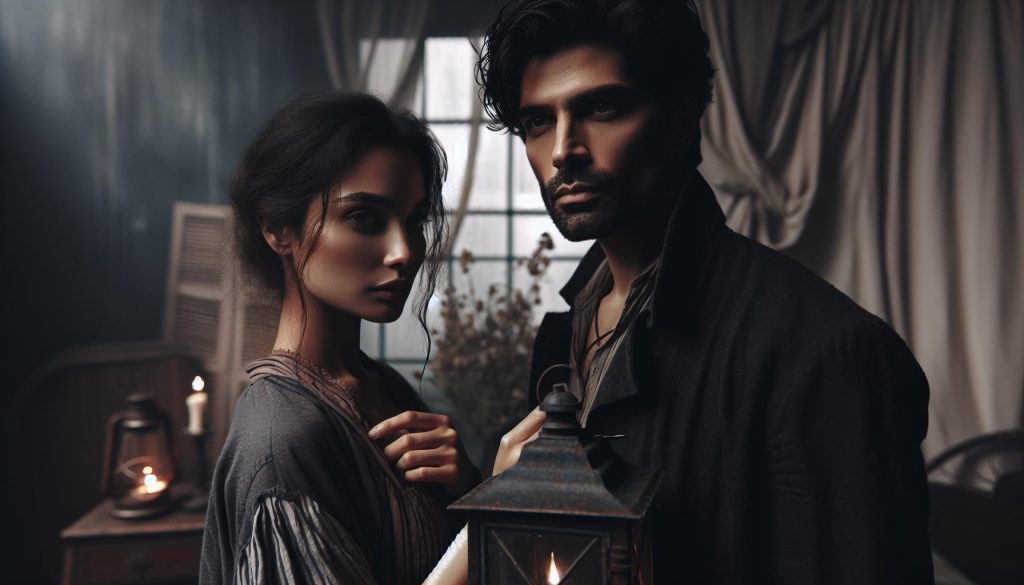
In the realm of literature, few genres captivate the heart and mind quite like dark romance. “Does It Hurt” offers a tantalizing exploration of love intertwined with pain and complexity, drawing readers into an emotional whirlwind that lingers long after the last page. This gripping tale not only challenges our perceptions of romance but also resonates with those drawn to narratives that embrace both vulnerability and desire. As we delve into this book review, prepare to uncover the layers of passion and anguish that make “Does It Hurt” a must-read for anyone seeking to understand the depths of human emotion. With its intricate characters and poignant storytelling, this novel invites reflection on the very nature of love-its challenges, its ecstasies, and, ultimately, its transformative power. Join us as we unravel the dark threads woven within the fabric of this story and discover why it has captured the attention of readers everywhere.
Themes and Tropes in Dark Romance
Dark romance transports readers into a world adorned with intense emotions, moral complexities, and shadowy desires. Central to this genre are themes and tropes that resonate with those who crave narratives filled with tension and exploration of darker aspects of love. One prevalent theme is forbidden love, where societal norms or personal boundaries are challenged. These relationships often blossom between characters from conflicting backgrounds, such as a law-abiding citizen and an outlaw, leading to tantalizing drama and inevitable consequences.
Another significant trope in dark romance is the anti-hero, who typically embodies morally ambiguous qualities. These characters are often deep, flawed individuals whose painful pasts inspire both empathy and caution within the reader. The complexity of the anti-hero enhances the narrative, prompting questions about redemption, love, and the nature of evil. This dichotomy makes it difficult for readers to reject these characters entirely, as their motivations sometimes reflect our own struggles and desires for connection, even amidst chaos.
Power dynamics are also a key theme, as many dark romances delve into relationships characterized by control-whether it’s emotional manipulation or more explicit power plays. This aspect invites nuanced discussions about consent and agency, and authors usually tread carefully, ensuring that these complexities enhance the story without glorifying harmful behaviors.
In summary, dark romance encapsulates a vast array of intertwined themes and tropes that challenge readers’ perceptions of love, morality, and human connection. By weaving these elements into their narratives, authors craft stories that not only entertain but also provoke thought and emotional responses, making the genre both captivating and profound.
Character Analysis: The Allure of Complex Protagonists
Dark romance thrives on the magnetic pull of its complex protagonists, whose layers of darkness and light invite readers into a tumultuous dance of emotions. What makes these characters so compelling is their brilliant blend of vulnerability and strength, often representing both the beauty of love and the scars of their pasts. As we delve into the allure of these characters, we find that their journeys mirror our own struggles with love, desire, and redemption.
One hallmark of dark romance protagonists is their flawed humanity. They often grapple with inner demons and moral ambiguity, prompting readers to explore themes of empathy and conflict. For instance, a character haunted by betrayal may oscillate between seeking vengeance and yearning for healing. This internal battle not only enriches their storyline but also evokes a profound emotional response from the audience, as we see reflections of our own conflicts within them.
Another captivating aspect is the dynamic interplay between strength and vulnerability. These protagonists might present a tough exterior, masking deep emotional pain. As their stories unfold, we uncover their past traumas, motivations, and fears, leading to moments of stark vulnerability that resonate with readers. This vulnerability does not diminish their strength; rather, it enhances it. Readers are drawn to characters who demonstrate resilience, making their eventual triumphs-be it through love or self-acceptance-much more impactful.
Moreover, the role of relationships in shaping these characters adds a rich layer of complexity. Dark romances often revolve around intense, often destructive love stories that challenge characters to confront their worst selves while simultaneously drawing out profound emotional truths. In navigating these chaotic relationships, protagonists must face difficult choices, illuminating the gray areas of love and morality. This exploration can be both thrilling and painful, ensuring that readers are not just passive observers but actively engaged in the characters’ journeys.
Embracing these multifaceted characters illuminates a path through the shadows of dark romance, prompting readers to question what love truly means amidst chaos and complexity. By recognizing their own emotions reflected in these protagonists, readers gain insight into their own lives, making the reading experience both deeply personal and universally resonant.
Plot Elements: What Makes It Gripping?
In the realm of dark romance, the plot elements play a critical role in crafting an immersive experience that captivates readers from the very first page. A successful dark romance novel often intertwines themes of love, suffering, and moral ambiguity, creating a narrative that is as gripping as it is poignant. These elements not only drive the story forward but also enhance the emotional depth, compelling readers to navigate complex emotional landscapes alongside the characters.
Central to the gripping nature of the plot is tension-both personal and external. For instance, a protagonist might find themselves torn between their passionate feelings for another and the societal or familial obstacles that threaten to dismantle their relationship. This creates a push-and-pull dynamic that keeps readers on the edge of their seats, eager to see how the characters will resolve (or further complicate) their conflicts. Additionally, the incorporation of twists and unforeseen events can elevate the emotional stakes and keep readers invested in the outcome, as they question what sacrifices characters are willing to make for love.
Another essential element is the exploration of dark themes such as obsession, betrayal, and redemption. These themes can manifest through intense relationships that challenge characters to confront their darkest fears and desires. For example, a storyline involving a love affair that begins with deceit may evolve into a transformative journey toward self-discovery and forgiveness. Readers are drawn in by the characters’ struggles and triumphs, finding resonance in their moments of vulnerability and strength.
Additionally, a well-crafted dark romance often employs rich, symbolic imagery that enhances the narrative experience. Imagery related to darkness and light can serve as metaphors for characters’ emotional states, amplifying the tension and highlighting key turning points in the story. This literary device not only visualizes the internal conflicts but can also evoke visceral reactions in readers, further immersing them in the complex world of the narrative.
In summary, what makes a dark romance gripping is a skillful blend of emotional tension, exploration of dark themes, and evocative imagery that resonates with readers’ own experiences and emotions. These plot elements work synergistically to create a compelling narrative that feels both authentic and immersive, inviting readers to lose themselves in the tangled web of love, pain, and transformation.
Emotional Impact: Exploring Pain and Pleasure
In the realm of dark romance, the interplay between pain and pleasure becomes a powerful catalyst that evokes visceral responses from readers. The emotional impact of these narratives often lies in their ability to challenge conventional perceptions of love, presenting it as a complex tapestry woven with threads of yearning, sorrow, and ecstasy. Characters are frequently ensnared in tumultuous relationships that plunge them into emotional depths, forcing them to confront not only their desires but also their deepest fears. This intricate dance between pain and pleasure reveals the fragility of human experience and the myriad ways in which love can shape and shatter lives.
One of the most compelling aspects of dark romance is its exploration of ambiguous morality. The protagonists often grapple with choices that blend ethical dilemmas with emotional gratification, inviting readers to question the boundaries of love. For instance, a character might find themselves torn between pursuing a thrilling but toxic relationship and the safer path of emotional detachment. This internal conflict enhances the narrative’s tension, as readers become invested in the characters’ struggles to reconcile their desires with the fallout of their choices. Such intricate character dynamics establish a potent emotional framework that resonates deeply, as the audience recognizes the universal themes of longing and loss embedded in the story.
Moreover, the sensory experiences portrayed within these narratives play a crucial role in heightening the emotional impact. Vivid descriptions that appeal to the senses can immerse readers in the character’s experiences-whether it’s the electrifying thrill of a stolen kiss or the gut-wrenching pain of betrayal. For example, the juxtaposition of intimate moments against a backdrop of betrayal can create a paradoxical feeling that draws readers into the emotional intensity of the narrative. This sensory engagement not only amplifies the emotional stakes but allows readers to feel the characters’ torment and pleasure as if it were their own.
As readers traverse the landscape of dark romance, they often find themselves grappling with their reactions to the characters’ pain and pleasure. The genre challenges us to reflect on our own experiences with love and heartache, prompting questions about our thresholds for pain and the real nature of desire. In this way, dark romance offers not only escapism but also a form of catharsis, enabling readers to explore complicated emotions in a safe space while fostering an understanding of the nuanced, often contradictory, nature of human relationships. The journey through these contradictions enriches the reading experience, making it an exploration of both the beauty and the darkness of love.
Comparative Review: Other Dark Romance Novels
Exploring the depths of dark romance reveals a treasure trove of novels that encapsulate the genre’s signature blend of love, obsession, and moral ambiguity. These narratives often push boundaries, delving into themes that compel readers to both embrace and question their understanding of romance. For those captivated by the intricate layers of “Does It Hurt,” there are several notable titles worth exploring that offer similarly gripping experiences.
Must-Read Dark Romance Novels
To bolster your reading journey in this enthralling genre, consider these standout novels:
- “The Dark Ones” by Rachel Van Dyken: This series introduces readers to a world where ancient myths collide with contemporary romance, featuring a protagonist torn between her desires and the dark consequences they evoke.
- “Twisted Love” by Ana Huang: A gripping tale of close relationships intertwined with jealousy and addiction, this novel explores how love can become both a sanctuary and a cage.
- “The Catch” by Ella James: This story intertwines themes of obsession and destiny, following a character who grapples with the shadows of her past and the dark love that threatens to consume her.
- “Scarlet Sin” by Jodie Slaughter: This novel combines elements of revenge and romance, where a complicated past shapes the characters’ choices in a narrative filled with intensity and emotional turmoil.
These titles not only evoke strong emotions but also engage with the complex morality often found in dark romance, allowing readers to explore how love can exist in unconventional and sometimes disturbing contexts.
Comparative Character Dynamics
In “Does It Hurt,” readers are drawn to the dynamic interplay between characters, reflective of the intrinsic struggles many dark romance novels share. For example, the duality of good and evil within a character’s decisions often mirrors the conflict found in “Twisted Love”, where love is a double-edged sword leading to both highs and devastating lows. Similarly, “Scarlet Sin” showcases characters caught in morally ambiguous situations that challenge their loyalties, paralleling the emotional conflicts prevalent in “Does It Hurt.”
These multi-faceted characters make dark romance not just a fleeting escape, but a poignant examination of human desires, regrets, and the lengths one will go to for love. By contrasting the intricate characterization and themes of these novels with that of “Does It Hurt,” readers can gain a broader perspective of the genre’s ability to delve deep into the complexities of relationships.
By engaging with these recommended reads, fans of “Does It Hurt” can further immerse themselves in narratives that explore the intoxicating pull of dark romance, reaffirming the genre’s ability to provoke thought, stir emotions, and challenge the very essence of romantic expectations.
Readers’ Reactions: Why This Book Resonates
The gripping nature of “Does It Hurt” resonates deeply with readers, not just as an entertaining narrative but as a profound exploration of love in its most shadowy forms. One of the most compelling reasons this book strikes a chord is its ability to evoke raw, authentic emotions. As readers navigate the turbulent waters of the protagonists’ tumultuous relationship, they often find themselves reflecting on their own experiences with love, loss, and longing. This relatability is crucial; it creates a bond between the reader and the characters, allowing for a more immersive and personal reading experience.
Another notable aspect of its resonance lies in the complex character dynamics. Readers are drawn to the protagonists, whose flaws and vulnerabilities are portrayed with both sensitivity and realism. This layered character development prompts readers to empathize with their struggles, making the stakes feel exceedingly high. The internal conflicts faced by the characters often mirror those found in real life, where love can be both a refuge and a source of pain. For instance, the push and pull of desire mixed with ethical dilemmas can leave readers questioning their own moral compasses, which broadens the psychological discussion surrounding consent and choice within relationships.
Moreover, the vivid imagery and captivating language used in “Does It Hurt” significantly enhance its appeal. Descriptions that are both evocative and hauntingly beautiful not only paint a vivid picture of the settings and emotions but also invite readers to experience the narrative on a sensory level. The prose engages readers, urging them to delve deeper into the themes of obsession and darkness. As such, the book doesn’t merely tell a story; it crafts an atmosphere that lingers long after the last page is turned, prompting discussions and reflections that resonate with fans of the genre.
In essence, the reasons behind the book’s resonance are rooted in its emotional depth, complex characters, and evocative prose. These elements combine to create a reading experience that is not only satisfying but also thought-provoking, encouraging readers to confront the intricacies of love and desire in ways that are both familiar and challenging. Thus, “Does It Hurt” remains a pivotal read in the dark romance genre, capturing the multifaceted nature of human relationships while igniting conversations long after the story ends.
Writing Style: Captivating Language and Imagery
The language and imagery in “Does It Hurt” transport readers into a world teetering on the brink of desire and despair, crafting an experience that is as visceral as it is enthralling. The author skillfully employs evocative descriptions that awaken the senses, ensuring that readers do not merely observe the story but feel it. This narrative approach captivates the reader’s imagination, weaving a tapestry of emotions that resonates long after the final page is turned. Such immersion is pivotal in dark romance, where the interplay of love and conflict demands an intricate portrayal of both surreal beauty and stark reality.
One of the most striking aspects of the writing style is the use of sensory details, which augment the emotional weight of key moments. For instance, the palpable tension in intimate scenes is enhanced through vivid imagery that captures not just sights but also sounds and textures. This technique invites readers to experience the protagonists’ longing and pain intimately, making their journey feel all the more real. Consider how moments of silence are often filled with the unspoken words of their complex relationship, allowing the reader to fill in emotional gaps with their own experiences.
Moreover, the narrative’s lyrical quality elevates even the most painful moments into something profoundly beautiful. The author’s choice of words often brings abstract feelings to life-transforming shadows of doubt into tangible presences that linger in the air. Such craftsmanship not only highlights the dark themes of obsession and heartbreak but also reflects the internal struggles of the characters, drawing readers into their psychological depths. This duality is essential in dark romance, showcasing how love can be a source of both ecstasy and agony.
The impact of the language extends beyond mere aesthetics; it serves to establish an atmosphere that perfectly encapsulates the genre’s essence. Each scene is painted with strokes of darkness and light, creating a balance that keeps readers on the edge of their seats. Whether it’s the stark contrast between a serene moment of tenderness and a sudden eruption of chaos, the writing mirrors the unpredictable nature of the human heart. By orchestrating such emotional highs and lows through captivating language, the author compels readers to reflect on their own experiences with love’s complexities, enriching the overall engagement with the narrative.
Ultimately, the enthralling prose of “Does It Hurt” doesn’t just tell a story; it immerses readers in an experience that is both beautiful and haunting. In doing so, it reinforces the emotional themes of love, pain, and obsession that are hallmarks of the dark romance genre, ensuring that the narrative lingers in the minds of readers well after the book has been closed.
The Role of Consent in Dark Romance
In the intricate world of dark romance, the concept of consent occupies a crucial yet often contentious space. Unlike conventional romances that typically foreground mutual love and respect, dark romance navigates the murky waters of desire, power dynamics, and psychological intensity, making the role of consent even more significant. Examining how consent is portrayed in works like “Does It Hurt” provides insight into the ethical considerations authors must grapple with when crafting stories that explore darker themes.
Consent in dark romance can manifest in various forms, often reflecting the characters’ complex psyches and tumultuous relationships. The genre is not solely about romantic attraction but frequently incorporates themes of obsession, manipulation, and redemption. For readers engaging with such narratives, it is vital to discern how consent is communicated-both verbally and non-verbally-between characters. In “Does It Hurt,” the protagonist’s internal conflicts and moments of vulnerability highlight the delicate balance between submission and agency, prompting readers to reflect on the implications of such dynamics.
Understanding the Spectrum of Consent
While consent is foundational in any romance, dark romance complicates this principle with its exploration of power imbalances. Here, consent is not merely an agreement but a multifaceted concept that is influenced by emotional manipulation, psychological pressure, and the characters’ individual traumas. Authors must tread carefully to avoid glorifying unhealthy relationships and instead present a more nuanced portrayal of consent that includes:
- Clear Communication: Are characters openly discussing their desires and boundaries?
- Coercion vs. Choice: Does the narrative depict moments where characters feel pressured into decisions?
- Redemption Arcs: How does the journey towards understanding consent evolve for the characters involved?
By addressing these aspects, authors can craft more ethically responsible stories while still engaging with the genre’s darker elements. Readers are encouraged to critically assess these representations, fostering a deeper understanding of how narratives shape perceptions of relationships.
Furthermore, the portrayal of consent in dark romance often invites conversation about the potential consequences of crossing ethical lines. When characters explore desires that challenge moral boundaries, readers are left questioning the nature of consent itself. “Does It Hurt” exemplifies this exploration, with characters who grapple with their choices and the implications of their actions. By weaving these themes into the narrative, the story not only captivates but educates, pushing readers to consider the complexities of consent within both fictional and real-world contexts.
Ultimately, is more than a thematic element; it serves as a lens through which readers can examine relationships, power dynamics, and the intricate human emotions that drive them. Engaging with these narratives requires a conscious reflection on what constitutes healthy consent and an awareness of the fine line that separates desire from coercion. This intentional approach can elevate the genre, encouraging a more responsible conversation around love, pain, and the shadows within.
Psychological Depth: Understanding Character Motivations
In dark romance narratives, such as in the novel “Does It Hurt,” character motivations are intricately woven into their psychological landscapes, enriching the reader’s understanding of their desires, fears, and moral dilemmas. This genre often explores the darker aspects of human nature, leading characters to make choices that defy conventional logic and ethics. As readers delve into the story, they encounter complex protagonists whose motivations stem from profound personal struggles, trauma, and deep-seated needs, making their journeys both captivating and relatable.
One of the most compelling aspects of character motivations in this genre is the duality of pain and pleasure. Characters may engage in self-destructive behaviors or develop obsessive relationships as they seek out experiences that push their emotional boundaries. For instance, a protagonist drawn to a dangerous lover might find solace in the chaos of their relationship, motivated by a past filled with abandonment or loss. This interplay between seeking comfort in pain and the allure of pleasure enriches the narrative, inviting readers to question the nature of love and the human condition.
Exploring Motivations Through Backstory
Backstory plays a pivotal role in shaping character motivations. In “Does It Hurt,” the protagonists’ histories are crucial in understanding their current actions and decisions. The narrative often uses flashbacks or internal monologues to reveal how past traumas affect their present relationships. Authors can enhance character depth by providing insights into pivotal moments in their lives, such as experiences of betrayal, familial dysfunction, or identity crises. These elements not only clarify motivations but also evoke empathy from readers, allowing them to connect with characters on a more profound level.
The Role of Internal Conflict
Another significant factor in understanding character motivations is the presence of internal conflict. In dark romance, characters frequently grapple with competing desires-such as the craving for love balanced against the fear of vulnerability. For example, a character may be torn between the need to escape an abusive relationship and the magnetic pull of their partner’s charm. This tension drives the plot forward while providing a deep psychological exploration of the characters. Authors can illustrate these conflicts through dialogue, introspective passages, and pivotal choices, enabling readers to witness the struggle in real-time.
Ultimately, the psychological depth of characters in dark romance not only enriches the narrative but also allows readers to engage with profound themes of identity, trauma, and redemption. By understanding what motivates these complex individuals, readers can better appreciate the nuances of their stories and the intricate web of emotions that bind them to one another.
Author Background: Insights on the Creative Mind
The creative minds behind dark romance novels like “Does It Hurt” often draw from rich, multifaceted experiences that shape their narratives. Many authors in this genre possess a background in psychology, literature, or personal experiences that inform their understanding of complex human emotions. This depth of knowledge is crucial as dark romance explores intricate themes such as love, trauma, and obsession, requiring a nuanced portrayal of characters living in morally ambiguous worlds.
Inspirations and Backgrounds
Authors often highlight various influences in their work-from classical literature that tackles themes of forbidden love and power dynamics to personal encounters with heartbreak and loss. For example, an author might draw on their experiences in chaotic relationships or personal challenges to create relatable characters that resonate emotionally with readers. Some writers meet in writers’ workshops that focus on romance, where they collaborate and share insights about character development and emotional authenticity. Such interactions foster creativity and mentor aspiring authors in crafting stories that probe the darker recesses of desire.
The Creative Process
A significant aspect of writing in this genre is the combination of imagination and catharsis. Many authors use their writing as a therapeutic outlet, channeling their own struggles and fears into their characters’ journeys. This process often involves meticulously crafting backstories that explain characters’ motivations, portraying their fear of intimacy or their compulsion towards unstable relationships. Authors may express how they create compelling villains who are often reflections of their protagonists’ inner demons, showcasing a psychological play between light and darkness.
Connecting with Readers
Furthermore, seasoned dark romance authors often engage with their reader communities through social media, book clubs, and live readings. This interaction offers insights into what resonates with audiences and what aspects of their storytelling captivate them. Authors might share snippets of their writing process, discuss the themes they grapple with, and offer behind-the-scenes glimpses into character evolution. Such engagement not only fosters a loyal readership but also enriches their writing by grounding it in real-world emotional responses and connections.
Through these varied backgrounds and creative processes, the authors of dark romance nurture a deep understanding of human emotional complexity, allowing them to craft stories that are not only gripping but also profoundly human. This intimate exploration of themes makes works like “Does It Hurt” resonate, inviting readers into a world where love, pain, and redemption coexist in tumultuous harmony.
Common Misconceptions about Dark Romance
The world of dark romance is often painted with a broad brush of misconceptions that can deter potential readers from exploring its depths. Many people mistakenly believe that dark romance is synonymous with sadism or that it glorifies unhealthy relationships. This perception overlooks the intricate narratives that define the genre and the emotional journeys that authors craft for their characters.
One prevalent myth is that dark romance lacks meaningful consent or responsibility in relationships. In reality, many dark romance novels, including works like “Does It Hurt,” delve into the complexities of human desires, making consent a critical theme. Authors often use intense situations to explore power dynamics and the vital importance of mutual agreement, reflecting real-world complexities rather than dismissing them. These narratives can provide readers with a deeper understanding of consent and personal boundaries, ultimately promoting healthier perspectives on relationships.
Another misconception is that dark romance only appeals to those with a penchant for negativity or emotional turmoil. In truth, the genre frequently addresses themes of love, healing, and redemption. Characters often face their inner demons, and through their struggles, they grow and evolve. This portrayal of resilience can be incredibly uplifting and relatable for readers who have experienced their own challenges.
Furthermore, many believe that dark romance is exclusively written by and for women. While the genre has a strong female readership and representation, it’s not limited to a single demographic. Authors come from diverse backgrounds and share unique perspectives, making dark romance a space where varied voices can explore themes of desire, fear, and intimacy. By dismantling these misconceptions, readers can approach dark romance with a more open mind, ready to engage with stories that are not just provocative, but also profound and enlightening.
Buying Guide: Where to Find Your Next Read
Finding your next captivating read in the realm of dark romance can feel daunting, especially with the plethora of options available today. Whether you’re new to the genre or a seasoned reader looking to deepen your collection, knowing where to look and what to consider can make the journey much more enjoyable.
Where to Shop
Consider exploring a variety of platforms when hunting for dark romance novels:
- Online Retailers: Websites like Amazon and Barnes & Noble offer extensive collections. The Kindle store often features deals on eBooks, making it an accessible way to experiment with titles without a hefty upfront cost.
- Local Bookstores: Don’t overlook independent bookstores. Many host events or reading groups focused on specific genres, including dark romance, and may provide personalized recommendations.
- Libraries: Public libraries are invaluable for discovering new authors and series without financial commitment. Many libraries also offer eBook borrowing through services like OverDrive and Libby.
Recommended Authors and Titles
If you’re unsure where to start, looking up authors known for their contributions to dark romance can provide a solid foundation. Here are a few to consider:
| Author | Recommended Title |
|---|---|
| H.D. Carlton | Haunting Adeline |
| Penelope Douglas | Corrupt |
| Tarryn Fisher | The Wives |
These authors have garnered a following for their unique storytelling and compelling character arcs, ensuring you’ll find both complexity and intrigue in their works.
Community Engagement
Another great way to discover your next read is by engaging with the community. Join book clubs or online forums dedicated to dark romance, such as Goodreads groups or Reddit communities like /r/RomanceBooks. Here, you can find recommendations from fellow readers, share your experiences, and discuss themes that resonate with you. Look for threads specifically about titles like “Does It Hurt,” which will likely lead you to similar reads that share its intense emotional landscape and gripping narrative.
By exploring these avenues and actively engaging with the dark romance community, you’ll enhance your reading list and dive deeper into the genre’s enthralling complexities. Happy reading!
Q&A
Q: What is the main theme of “Does It Hurt”?
A: The main theme of “Does It Hurt” revolves around the complexities of love intertwined with pain and pleasure. It explores dark romance as a lens to examine relationships where emotional depth often clashes with trauma, making it a gripping read for those intrigued by psychological entanglements.
Q: How does the writing style enhance the narrative in “Does It Hurt”?
A: The writing style in “Does It Hurt” is characterized by vivid imagery and intense prose, which effectively immerses readers in the characters’ emotional journeys. The author utilizes captivating language to draw parallels between beauty and darkness, enhancing the overall narrative intrigue.
Q: Are there controversial elements in “Does It Hurt”?
A: Yes, “Does It Hurt” contains controversial elements typical of dark romance, such as power dynamics and consent. These aspects can provoke strong reactions, making it essential for readers to approach the narrative with an understanding of its complexities and the author’s intent.
Q: What makes “Does It Hurt” stand out among other dark romance novels?
A: “Does It Hurt” stands out due to its psychological depth and the authenticity of its characters. Unlike many dark romances, it delves into the motives behind characters’ actions, offering a nuanced portrayal that resonates with readers seeking more than surface-level tropes.
Q: How can readers determine if “Does It Hurt” is suitable for them?
A: Readers can determine suitability by reflecting on their comfort levels with themes of emotional distress and intimacy found in dark romance. Additionally, reading reviews and summaries, particularly focusing on character development and plot intricacies, can help gauge personal fit.
Q: What is the author’s background and how does it influence the book?
A: The author of “Does It Hurt” has a background that includes a deep interest in psychological themes and dark fiction. This perspective influences the book by infusing rich character development and intricate plots that challenge readers’ perceptions of love and pain.
Q: What are common misconceptions about dark romance that “Does It Hurt” addresses?
A: Common misconceptions include viewing dark romance solely as glorifying unhealthy relationships. “Does It Hurt” addresses this by illustrating the emotional complexities involved, showcasing that these stories often confront rather than endorse problematic dynamics.
Q: Where can I purchase or find “Does It Hurt”?
A: “Does It Hurt” is available at major retailers such as Amazon, Barnes & Noble, and independent bookstores. For a broader selection, also consider digital platforms like Kindle or audiobooks to enjoy the narrative in various formats.
Future Outlook
As we wrap up this exploration of “Does It Hurt,” it’s clear that this dark romance not only grips readers but ignites emotions long after the final page. If you found yourself captivated by the intricate themes of love and pain, be sure to check out our related reviews on other compelling romances like “Twisted Love” and “The Silent Patient” that further delve into the emotional complexities of relationships.
We encourage you to leave your thoughts in the comments below-what resonated with you most? If you enjoyed this content, consider subscribing to our newsletter for more in-depth analysis and recommendations tailored to your reading preferences. Remember, every book invites a new adventure; don’t hesitate to explore more and find your next favorite read. Together, we can navigate the thrilling world of literature!
Get our latest guides, news, and insights highlighted in your Google Search & AI Overviews.