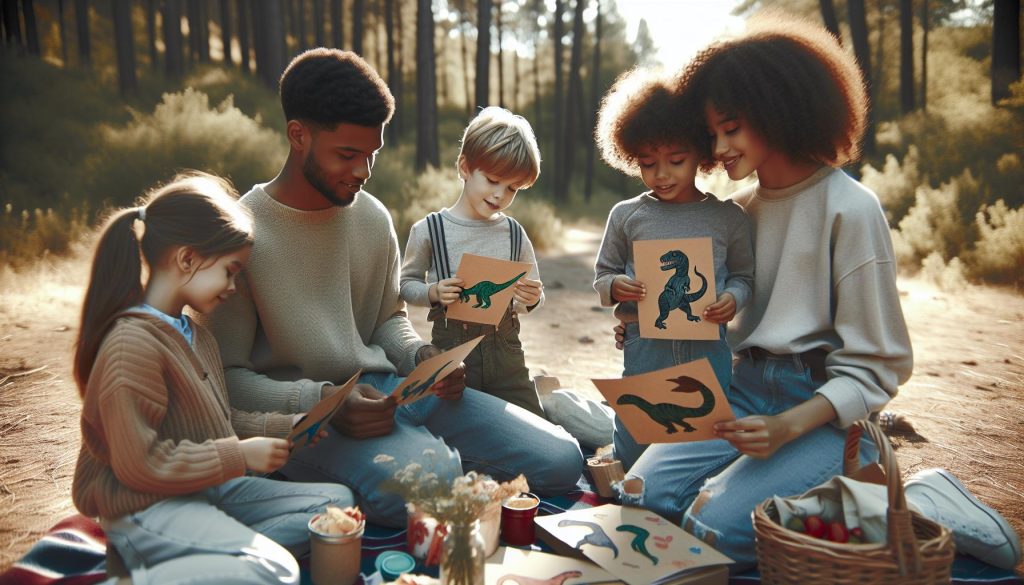
In a world where love can sometimes feel overwhelming, “How Do Dinosaurs Say I Love You?” offers a delightful exploration of affection through the whimsical lens of dinosaurs. This charming book answers a vital question for young readers: how can they express their feelings to those they care about? With each turn of the page, children will discover that love comes in all shapes and sizes, much like the dinosaurs themselves. Engaging illustrations and relatable scenarios help children navigate their emotions while showcasing the importance of kindness, connection, and family bonds. This book not only entertains but also provides valuable lessons on love and communication, making it an essential read for nurturing emotional intelligence in our little ones. Dive in and uncover the playful yet profound ways that dinosaurs-and children-say “I love you!”
Understanding the Love Language of Dinosaurs
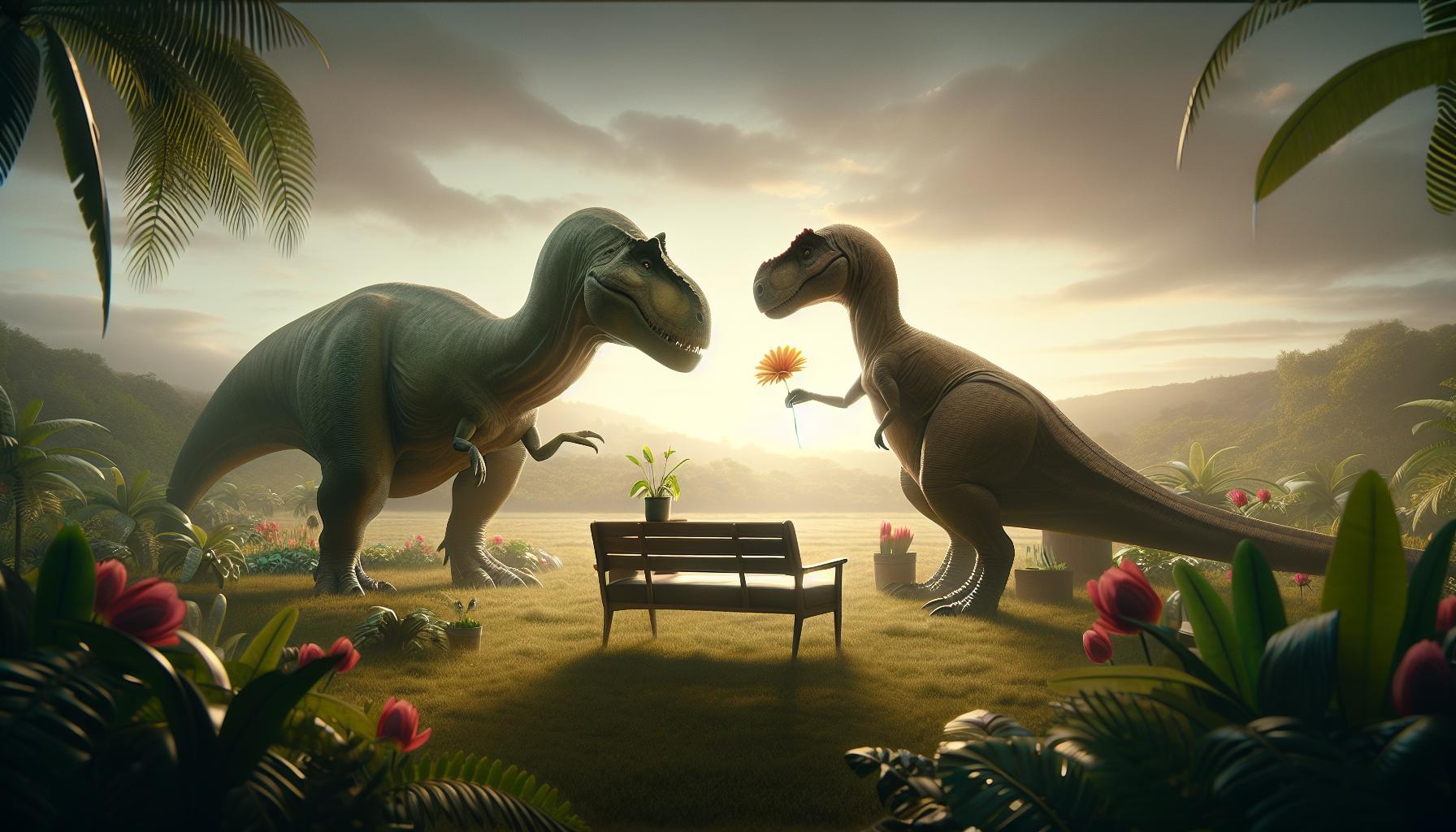
, particularly through the charming narrative of “How Do Dinosaurs Say I Love You,” provides a whimsical yet profound way to introduce young readers to the complex emotions of love and affection. This delightful book illustrates various scenarios where dinosaurs express their feelings for family and friends, offering relatable examples that resonate with children. By using playful imagery and light-hearted situations, it not only captivates young imaginations but also presents a foundational understanding of emotional expression.
In literature, love languages can manifest in various ways, and dinosaurs in this story demonstrate actions, words, and gestures that convey affection and care. For instance, the book showcases dinosaurs engaging in playful behavior-like sharing toys and giving hugs-reflecting the essence of quality time and physical touch, which are crucial elements in expressing love. This narrative encourages children to recognize that love can be demonstrated through both grand gestures and simple, everyday actions, ultimately promoting a comprehensive understanding of how feelings can be communicated effectively.
Reading “How Do Dinosaurs Say I Love You” with children isn’t just about the story; it offers an opportunity for parents and caregivers to discuss emotional intelligence. As they read, you can pause to reflect on the characters’ actions and explore how similar scenarios can happen in real life. Engaging in this discussion can help children articulate their feelings and understand the importance of expressing love in their own lives, laying the groundwork for more robust emotional and social capabilities as they grow.
To further enrich this exploration, consider activities like role-playing or drawing moments where they feel loved. Such interactive experiences not only bolster comprehension but also foster a joyful connection to the themes of the story, making the lessons about affection memorable and impactful. By understanding the love languages of dinosaurs, children can learn to appreciate and express their own emotions, paving the way for healthy relationships throughout their lives.
The Educational Benefits of Dinosaur Books
Dinosaur-themed literature, especially books like “How Do Dinosaurs Say I Love You,” plays a pivotal role in early childhood education by captivating young imaginations while simultaneously providing rich educational content. Engaging stories featuring endearing dinosaur characters help to teach children about complex emotions in a relatable and enjoyable format. The combination of humorous illustrations and relatable scenarios allows children to connect with the material, enhancing both comprehension and retention of key emotional concepts.
By exploring themes of love, friendship, and social behavior, these books serve as valuable tools in developing emotional intelligence. When children see dinosaurs navigating their feelings-whether through sharing, caring, or resolving misunderstandings-they gain insights into their own relationships. This not only fosters empathy but also encourages them to articulate their feelings and understand various social dynamics. The playful nature of the narratives makes it easier for parents and educators to initiate conversations about emotions, facilitating discussions that can often be difficult for young children.
Moreover, these stories often incorporate valuable lessons about conflict resolution and cooperation. As children observe how the dinosaur characters overcome challenges with kindness and understanding, they learn essential skills that translate to real-life situations. For instance, discussing the characters’ actions in resolving conflicts can prompt children to reflect on their own experiences, helping them to see multiple perspectives and fostering problem-solving skills-critical components of emotional and social literacy.
Through interactive read-aloud sessions or follow-up activities, parents and educators can maximize . Consider using puppets to act out scenes from the story or encouraging children to draw their favorite moments and explain why those scenes resonate with them. Such activities not only solidify understanding but also make the learning process enjoyable, turning reading time into a bonding experience that accentuates the joy of learning. In this way, “How Do Dinosaurs Say I Love You” and similar titles become more than just stories; they are gateways to nurturing well-rounded, emotionally intelligent young individuals.
How to Read “How Do Dinosaurs Say I Love You

Reading can be a magical experience, especially when it involves lovable dinosaurs and heartfelt messages about love and friendship. When approaching “How Do Dinosaurs Say I Love You,” consider creating an inviting atmosphere that sparks curiosity and imagination. Begin by setting the scene; find a cozy spot or create a reading nook filled with plush dinosaur toys or thematic decorations. This not only captivates attention but also helps to immerse young readers in the story’s whimsical world.
To enhance the reading experience, use expressive voices for different characters. For instance, give the playful dinosaur a cheerful tone and a more serious tone for moments of reflection. Engaging your child through voice modulation not only keeps their attention but also helps them grasp the emotional nuances of the story. Encourage participation by asking questions as you read. Phrases like “What do you think this dinosaur feels?” or “How would you comfort a friend?” invite children to reflect on the characters’ emotions and relate them to their own experiences.
Another effective technique is to integrate interactive elements. As you read, pause to point out the colorful illustrations, asking your child to describe what they see or predict what might happen next. This not just enhances comprehension but also builds anticipation, making them more invested in the story. Consider using props, such as dinosaur puppets or toys, to reenact scenes or express emotions together. Such activities foster engagement and make the reading session lively and interactive.
Finally, don’t hesitate to revisit the book multiple times. Each read-through can highlight new details and themes, reinforcing the messages of love, care, and friendship. After reading, engage in discussions about the story, allowing children to voice their feelings and thoughts, thus deepening their emotional understanding and connection to the narrative. Through these methods, “How Do Dinosaurs Say I Love You” becomes more than a book; it transforms into a shared journey of discovery and emotional growth for both reader and listener.
Exploring Themes of Love and Friendship in the Story

The enchanting world of “How Do Dinosaurs Say I Love You” explores profound themes of love and friendship through the charming antics of its dinosaur characters. With vibrant illustrations and playful narratives, the book captures the essence of nurturing relationships in a lighthearted yet impactful manner. Each page invites young readers to witness various scenarios where the dinosaurs express love-sometimes in clumsy, amusing ways, and other times with sincere affection. This reflection of real-life dynamics in friendships and familial bonds models how love transcends imperfections and mistakes, instilling a sense of acceptance and understanding in children.
At its core, the story emphasizes the importance of showing love through actions. For instance, the dinosaurs may sometimes exhibit behavior that tests their relationships, such as being loud or messy. However, through these misadventures, they eventually demonstrate love through reconciliation, kindness, and the commitment to care for their friends and family. This narrative arc helps children recognize that love is not just spoken but also acted upon, encouraging them to think about their expressions of affection toward others.
Moreover, the book serves as an excellent springboard for discussing the nuances of love and friendship with young readers. By employing relatable characters, it allows children to see themselves within the story, fostering empathy as they consider how their actions affect those around them. Engaging them in conversations about the characters’ feelings or prompting discussions around their experiences with friendship can help solidify their understanding of these core themes. The story becomes a tool for enhancing emotional intelligence, as children learn to recognize empathy and support in their relationships.
In summary, “How Do Dinosaurs Say I Love You” is not just a delightful read; it is a resource for imparting essential values of love and friendship. By weaving these themes into the tapestry of dinosaur tales, the book invites readers to embrace and understand their emotions, setting the stage for meaningful connections in their own lives.
Creative Activities Inspired by Dinosaur Stories
Engaging young minds through creative activities inspired by charming stories like How Do Dinosaurs Say I Love You can significantly enhance their understanding of love and friendship. These activities not only reinforce the book’s themes but also stimulate imagination and help children express their feelings through various forms of creativity.
One delightful way to bring the dinosaur characters to life is through art projects. Children can recreate their favorite dinosaurs using materials like construction paper, markers, and stickers. Encourage kids to add details that showcase how their dinosaur expresses love, whether through hugs or helping friends. Follow up with a gallery walk where kids can present their creations to peers and discuss the different forms of love depicted.
Storytelling sessions are another excellent avenue for exploration. After reading the book, children can take turns improvising their own dinosaur tales highlighting themes of compassion or friendship. This not only builds confidence in public speaking but helps them practice empathy by relating their stories to emotions they observe in their peers. You might even create a specific scenario where a dinosaur faces a challenge that requires love and cooperation to resolve, allowing for collaborative storytelling.
Incorporating sensory activities can also deepen the experience. Create a “Dinosaur Love Potion” by mixing colorful water, glitter, and safe scents, like vanilla or lavender. As kids create their potions, talk about how different aspects-like color and scent-can represent feelings and relationships, linking the potion to themes from the book. This tactile approach can help children better understand the complexities of love and how it’s expressed in different ways.
Discussion prompts can enhance emotional intelligence as well. Pose questions like, “What does love look like when you share your toys?” or “How do you show your friends you care?” These prompts can segue into drawing or writing exercises where they illustrate or describe a time they felt loved or showed love to someone else.
With these activities, How Do Dinosaurs Say I Love You evolves into a comprehensive learning tool, allowing children to see, feel, and express the importance of love and friendship through engaging creativity. These experiences nurture emotional development while making the joyous world of dinosaurs a memorable part of their growth.
Engaging Kids: Reading Aloud Techniques with Dinosaurs
Reading aloud can be a delightful and transformative experience, especially when engaging young readers with a beloved book like How Do Dinosaurs Say I Love You. This story not only entertains but also serves as a wonderful springboard for exploring themes of affection and friendship. To maximize the impact of this reading engagement, consider implementing dynamic techniques that animate the story, captivating children’s imaginations and deepening their emotional connections.
One effective method is to use character voices. Encourage kids to participate by assigning different voices for the dinosaurs, allowing them to embody each character’s unique traits and emotions. For instance, a soft, gentle voice can represent a nurturing dinosaur, while a loud, boisterous voice might capture the enthusiasm of a friend in a playful scene. This approach not only makes the story more fun but also helps children understand the nuances of emotional expression.
Incorporating dramatic pauses and varied intonation can elevate the reading experience significantly. Pausing before key moments allows anticipation to build, engaging listeners just before the climax of a sentence. Playing with tone – from excited highs to soothing lows – can enhance the emotional stakes of the narrative. For example, when discussing moments of love and care, using a warmer tone can resonate with children, prompting them to reflect on their feelings towards family and friends.
Utilizing props and visuals during the reading can also heighten interest. Consider holding up pictures of the dinosaurs as you read, or using plush toys to represent various characters in the story. This tactile element not only makes the narrative more visual but encourages children to interact with the material. They might even respond by squeaking the toys to express joy or make corresponding dinosaur sounds, further immersing them in the story.
Finally, wrapping up the reading with a discussion can extend the experience beyond the pages. Ask open-ended questions like, “How do you think the dinosaur felt when he hugged his friend?” or “Can you think of a time you showed love like the dinosaurs did?” This invites children to connect the themes of the book to their own lives, thereby fostering emotional intelligence and a deeper understanding of relational dynamics.
By incorporating these techniques into your reading sessions, How Do Dinosaurs Say I Love You becomes more than just a story; it transforms into an interactive learning experience that encourages young readers to explore love and friendship in engaging, memorable ways.
Dinosaur-Themed Gifts for Young Readers
Dinosaur-themed gifts can ignite imagination and promote a love of reading in young readers, especially when paired with favorite tales like *How Do Dinosaurs Say I Love You*. These gifts not only enhance the reading experience but also reinforce the themes of love, care, and friendship that are central to the story. A thoughtful selection of toys, books, and interactive materials can create an engaging environment where children can explore their interest in dinosaurs while fostering emotional connections with the narratives.
Gift Ideas
- Dinosaur Plush Toys: Soft and cuddly dinosaur plushies can serve as cozy companions while children read. They can even act out scenes from the book, making the storytelling experience more interactive.
- Dinosaur-Themed Books: Explore a variety of dinosaur literature to complement their favorite story. Consider titles like *How Do Dinosaurs Go to School?* or *Dinosaur Roar!* These books maintain the playful, affectionate tone that young readers love.
- Dinosaur Puzzles and Games: Engaging puzzles that feature dinosaurs can be a fun way to enhance cognitive skills while tying in the dinosaur theme. Consider matching games or board games that revolve around dinosaurs.
- Dinosaur Art Supplies: Encourage creativity with dinosaur-themed drawing kits or coloring books. These activities can help children express their understanding of the themes in the book through art.
- Dinosaur Learning Kits: STEM kits featuring dinosaur excavation sets can satisfy the curiosity of young minds and combine play with educational experiences related to paleontology.
Personalized Touches
Adding a personalized touch can make these gifts even more special. Consider customizing a dinosaur book with the child’s name or creating a personalized dinosaur water bottle that sports their favorite dinosaur character. Personalization not only creates a sense of ownership but also fosters a deeper emotional connection to the stories they adore.
Building Connections
These themed gifts can serve as conversation starters for parent-child discussions about love and friendship, much like those explored in *How Do Dinosaurs Say I Love You*. When children play with their dinosaur toys or work on dinosaur-themed crafts, parents can engage in dialogue that reinforces the emotional lessons of the book. This interaction can help to build emotional intelligence and strengthen the bond between caregivers and young readers.
By fostering a love for reading through engaging, dinosaur-themed gifts, parents can continue the exploration of core values like love, friendship, and understanding that are beautifully illustrated in beloved titles, turning reading into a truly enriching experience.
Building Emotional Intelligence through Dinosaur Literature
Engaging with literature, especially those featuring relatable characters like dinosaurs, can significantly enhance children’s emotional intelligence. Incorporating themes of love and friendship as seen in How Do Dinosaurs Say I Love You provides young readers with not only entertainment but also valuable lessons about their feelings and social interactions. Through colorful illustrations and playful narratives, children can better understand their emotions by seeing characters express affection, face challenges, and ultimately resolve conflicts, all key components of emotional development.
One effective approach to building emotional intelligence through this book is to discuss the various scenarios the dinosaur characters encounter. Parents can ask open-ended questions such as, “How do you think the dinosaur felt when it made a mess?” or “What could the dinosaur do to show it cares?” These discussions encourage empathy as children learn to recognize and articulate their feelings, while also considering the feelings of others. Such reflections help them navigate their interpersonal relationships more effectively.
Additionally, practical activities can further solidify these lessons. For instance, after reading, parents might encourage their children to create a puppet show depicting a scene from the book, allowing kids to express emotions through role-play. This not only reinforces their understanding of the characters’ feelings but also gives them a safe space to explore and express their own emotions creatively. Such engagements stimulate their imagination while anchoring the emotional lessons learned from the story.
Finally, consistently integrating discussions about love and friendship into everyday conversations will enhance children’s capacity to appreciate these emotions deeply. Children can develop a broader emotional vocabulary and learn the nuances of various feelings, which is an essential part of emotional intelligence. By utilizing stories like How Do Dinosaurs Say I Love You, parents and educators have the chance to cultivate an environment rich in emotional learning, laying the groundwork for thoughtful, sensitive individuals.
Parent and Child Discussion Prompts After Reading
Reading time with little ones can ignite not just imagination but also meaningful conversations about important emotional concepts. As you dive into the pages of How Do Dinosaurs Say I Love You, parents have a golden opportunity to engage their children in discussions that extend beyond the story itself. Open-ended questions can guide these conversations, encouraging children to articulate their feelings and thoughts about love, friendship, and understanding.
Asking questions about the characters’ actions is a great starting point. You might say, “What do you think the dinosaur was feeling when it hugged its friend?” or “How can we show our love to others like the dinosaur did?” This not only encourages children to think critically about the narrative but also allows them to draw parallels between the characters’ experiences and their own relationships. Furthermore, discussing scenarios in the book can foster empathy. For example, you can ask, “Why was it important for the dinosaur to apologize after making a mess?” Such questions help children process their emotions and understand the importance of caring for others.
Another effective method to deepen the discussion is through role-playing. After reading, parents can invite children to reenact a favorite scene from the book. By acting out how a dinosaur expresses love or deals with a conflict, children can explore their feelings and practice emotional responses in a safe environment. You can also encourage kids to share their own experiences of friendship or love, asking prompts like, “Can you tell me about a time you felt really loved?” or “What is something nice you’ve done for a friend?”
Incorporating these discussions can significantly enhance a child’s emotional vocabulary and understanding. To wrap up the reading experience, families can create a “love book” together where they jot down ways they can express love in everyday life, inspired by the dinosaurs’ adventures. This blueprint for love not only reinforces the themes of the book but also serves as a continual reminder of the bond they share. Through these thoughtful dialogues, the reading experience becomes richer and more meaningful, leaving lasting lessons about love and friendship.
Comparing Popular Dinosaur Books for Kids
In the vibrant world of children’s literature, dinosaur books have carved out a delightful niche, captivating young readers and fostering critical emotional development. Among these enchanting tales, _How Do Dinosaurs Say I Love You?_ by Jane Yolen and Mark Teague stands out for its engaging blend of humor and heartfelt messages about love and friendship. However, this beloved title is just the tip of the iceberg when exploring the rich array of dinosaur-themed books available for kids.
When comparing popular dinosaur books, several titles resonate with themes of love and friendship while also appealing to the excitement of prehistoric adventure. For instance, _If I Were a Dinosaur_ presents imaginative scenarios that stir curiosity and creativity in young minds, inviting children to contemplate what it would be like to experience the world as a colossal creature. Similarly, _Dinosaurs Love Underpants_ by Claire Freedman combines whimsy and humor to convey the joys of friendship and the importance of being true to oneself. Both books, much like _How Do Dinosaurs Say I Love You?_, utilize playful language and delightful illustrations to draw children into their narratives, making reading a fun and enriching experience.
Furthermore, the educational aspect of dinosaur books cannot be overlooked. Titles such as _National Geographic Little Kids First Big Book of Dinosaurs_ provide scientific facts interspersed with engaging illustrations, effectively marrying factual learning with entertaining storytelling. This approach not only captivates children’s attention but also instills a love for reading while enhancing their knowledge about the fascinating world of dinosaurs. For parents seeking to boost their child’s emotional intelligence and literacy skills, books that blend adventure with moral lessons, such as _How Do Dinosaurs Say I Love You?_, serve as excellent conversation starters.
In conclusion, the comparison of these popular dinosaur-themed books reveals that they are more than just stories; they are tools for emotional and intellectual development. By encouraging imaginative play and exploring themes of friendship and love, these books create lasting connections between parent and child, enriching the reading experience and fostering a love for literature that can last a lifetime.
The Importance of Early Childhood Literature
Early childhood literature plays a pivotal role in shaping the cognitive, emotional, and social development of young children. Engaging stories, particularly those that feature captivating characters like dinosaurs, not only spark curiosity but also serve as vital tools for learning essential life lessons. For instance, books like _How Do Dinosaurs Say I Love You?_ help children navigate complex emotions such as love, frustration, and friendship through relatable narratives and vivid illustrations. This foundational exposure to reading sets the stage for lifelong literacy skills and critical thinking.
One of the key benefits of early childhood literature is its ability to enhance language development. Reading aloud to children introduces them to new vocabulary, syntax, and the rhythmic patterns of spoken language. By choosing books that resonate with their interests-such as dinosaur-themed stories-parents and caregivers can captivate young minds, encouraging an early love for reading. Furthermore, these narratives often offer repetitive structures and rhymes that make it easier for children to remember and engage with the text, fostering a sense of confidence in their reading ability.
Another critical aspect of early childhood literature is its contribution to emotional intelligence. Books that explore themes of love and empathy allow children to experience different perspectives, helping them to understand their own feelings and those of others. Discussions that arise from stories-like how the dinosaur characters express affection or navigate friendships-can lead to meaningful conversations between parents and children. These dialogues not only strengthen familial bonds but also equip youngsters with the social skills necessary for healthy interactions.
Incorporating early childhood literature, especially engaging titles featuring dinosaurs, creates a rich educational environment. It allows children to explore fantasy while simultaneously grappling with real-life concepts of love, empathy, and friendship. Encouraging children to read diversely enhances their imagination and supports their overall development, making storytelling an invaluable component of their formative years.
Reviews and Ratings for “How Do Dinosaurs Say I Love You
This delightful children’s book has consistently garnered acclaim for its tender exploration of affection portrayed through the whimsical lens of dinosaurs. In _How Do Dinosaurs Say I Love You?_ by Jane Yolen, the story showcases various dinosaur antics that epitomize the lovable yet naughty behavior of young children, thereby resonating with both kids and parents alike. Reviews often highlight the engaging rhymes and delightful illustrations that breathe life into these prehistoric characters, making them relatable and endearing.
### What Readers Are Saying
Many parents appreciate how this book introduces themes of love and emotional understanding in a playful way. For example, one review notes that the humorous depictions of dinosaurs misbehaving serve as an excellent conversation starter about appropriate behavior and expressing sentiments. The charming illustrations by Mark Teague complement the text perfectly, creating a vivid reading experience that captures the attention of young children.
### Ratings Breakdown
When it comes to ratings, this book consistently scores high across various platforms:
| Platform | Average Rating | Key Features |
|---|---|---|
| Amazon | 4.8/5 | Engaging illustrations, fun rhymes |
| Goodreads | 4.5/5 | Great for discussions on emotions |
| Bookstagram Reviews | 4.9/5 | Visually stunning, family favorite |
### Additional Insights
The book not only serves as a source of enjoyment but also plays a vital role in emotional development. Parents often share how reading this book has led to deeper discussions about feelings, empathy, and the different ways one can express love. The mix of humor and heartwarming messages encourages children to celebrate their emotions while learning to navigate social interactions-skills that are indispensable in their growth.
In summary, _How Do Dinosaurs Say I Love You?_ stands out as a beloved choice in early childhood literature, earning praise for its ability to connect themes of love and friendship through the charming antics of dinosaurs. It remains a staple on many bookshelves, encouraging children to embrace their emotions and engage in meaningful conversations with their caregivers.
Q&A
Q: What age group is “How Do Dinosaurs Say I Love You?” suitable for?
A: “How Do Dinosaurs Say I Love You?” is ideal for children aged 3 to 7 years. Its charming illustrations and simple language make it accessible and engaging for young readers, fostering an early love for reading and learning about emotions.
Q: What are the main themes in “How Do Dinosaurs Say I Love You?”
A: The book primarily explores themes of love, friendship, and emotional intelligence. It illustrates how dinosaurs express affection, helping children understand feelings and the importance of expressing love in their daily lives.
Q: How can parents use this book to teach emotional intelligence?
A: Parents can use “How Do Dinosaurs Say I Love You?” as a conversation starter about feelings. Discussing the characters’ actions and emotions can help children recognize and articulate their own feelings, enhancing their emotional vocabulary and empathy.
Q: Are there any activities related to “How Do Dinosaurs Say I Love You?” for kids?
A: Yes! After reading, parents can encourage children to draw their favorite dinosaur moments or create a story about how their own dinosaurs show love. This fosters creativity and reinforces the book’s themes.
Q: Is “How Do Dinosaurs Say I Love You?” part of a series?
A: Yes, this book is part of the “How Do Dinosaurs” series by Jane Yolen and Mark Teague. Each book features different dinosaurs exploring various life lessons, making it a fantastic collection for young readers.
Q: Can this book be integrated into a classroom setting?
A: Absolutely! “How Do Dinosaurs Say I Love You?” is an excellent classroom resource for discussing emotions and relationships. Teachers can use it during storytime and follow up with group discussions or related activities.
Q: What makes “How Do Dinosaurs Say I Love You?” a favorite among kids?
A: Children love the playful illustrations, relatable characters, and engaging storylines. The humorous way dinosaurs express love captivates young readers, making it a delightful read that resonates with their experiences.
Q: How can I find more dinosaur-themed books for my child?
A: Explore your local library or bookstore’s children’s section, focusing on dinosaur themes. Websites dedicated to children’s literacy often provide lists and recommendations, including compilations of popular and educational dinosaur books.
Closing Remarks
As we journey through the delightful world of “How Do Dinosaurs Say I Love You,” it’s clear that this book captivates young hearts while teaching them about love and affection. By exploring the funny yet tender ways dinosaurs express their feelings, children can learn valuable lessons on emotional communication. If you loved this book, don’t miss out on our related guides on nurturing emotional intelligence in children and other heartwarming stories that celebrate family relationships.
Ready to dive deeper? Explore our selection of parenting resources, or subscribe to our newsletter for more insights into enriching your child’s reading experience. Remember, each page turned in this charming story is a step toward helping your little one understand the power of love-act now and bring this unforgettable tale home today! If you have thoughts to share or questions about the book, feel free to drop a comment below; we’d love to hear from you. Your feedback not only helps us grow but also fosters a community of engaged readers eager to connect.
Get our latest guides, news, and insights highlighted in your Google Search & AI Overviews.