
In a world where love and connection are vital for nurturing children’s hearts and minds, “How Much I Love You Book: Sweetest Children’s Stories” offers a collection of heartwarming tales that celebrate the bond between caregivers and little ones. These stories not only entertain but also impart essential values and lessons that children can carry into adulthood. Studies show that emotional expression plays a crucial role in childhood development, enhancing resilience and social skills. As you explore these enchanting narratives, you’ll discover how they can strengthen your relationship with your child, instill a sense of security, and spark meaningful conversations about love, kindness, and compassion. Dive in and experience the joy of storytelling that resonates with the heart-because every child deserves to feel cherished and understood.
The Heartwarming Story Behind ‘How Much I Love You

The creation of “How Much I Love You” is a heartwarming tale steeped in love, tenderness, and the beauty of parent-child relationships. This cherished book captures the profound essence of love through its simple yet evocative narrative, which has resonated with countless families over the years. Written by Sam McBratney and illustrated by Anita Jeram, the story depicts the affectionate exchanges between Little Nutbrown Hare and Big Nutbrown Hare as they try to express the magnitude of their love for one another.
At its core, the narrative unfolds in a picturesque setting where the natural world serves as a beautiful backdrop for this familial bond. The characters are not just bunnies; they symbolize universal emotions that parents and children experience. The book’s charm lies in its ability to convey complex feelings through accessible language, making it easy for young readers to grasp deep concepts like love, affection, and the limits one might go to express their feelings.
One of the most touching elements of the story is how it emphasizes that love can be vast and limitless. This theme is essential for children as it helps develop their emotional intelligence-and in a world that often complicates these feelings, simplicity in storytelling can offer clarity. The repetition and rhythm of the text invite join-in reading, fostering a shared experience that enhances the bonding between parents and children.
In addition to the emotional depth, the illustrations by Anita Jeram play a crucial role in bringing the story to life. Her delicate watercolors not only enhance the narrative but also capture the warmth and intimacy of these shared moments. The imagery complements the text beautifully, allowing children to engage with the story visually and emotionally. Overall, “How Much I Love You” stands as a timeless reminder of the beauty of expressing love, making it a beloved choice for bedtime stories across generations.
Exploring the Themes of Love in Children’s Literature
The exploration of love in children’s literature often reveals fascinating insights into how emotions shape our understanding of relationships from an early age. Books like “How Much I Love You” serve as foundational texts that help young readers grapple with complex feelings by presenting them in relatable, simplified ways. Love, in its many forms-be it parental, sibling, or friendship-is a recurring theme that teaches children about connection, empathy, and the importance of nurturing bonds.
When diving into these themes, it’s essential to consider how stories depict love as both significant and vast. In “How Much I Love You,” the affectionate banter between Little Nutbrown Hare and Big Nutbrown Hare highlights a child’s desire to quantify love. This portrayal invites young readers to reflect on their own experiences and feelings, encouraging dialogue about emotions that might feel too big to articulate. This book, through its gentle narrative style, reinforces the idea that love may be expressed in countless ways, whether through words, actions, or simple presence.
Furthermore, the use of nature as a backdrop in such stories deepens the meaning of love. The idyllic settings in “How Much I Love You” not only create a calming atmosphere but also symbolize growth, safety, and continuity-all vital components of love. Readers can immerse themselves in the vibrant world depicted by Anita Jeram, which complements Sam McBratney’s heartfelt prose. This synergy between text and illustration effectively captures the warmth of emotional exchanges, making love tangible and reassuring for a young audience.
In conclusion, children’s literature, exemplified by “How Much I Love You,” serves as an important tool for teaching emotional literacy. By presenting love as a central theme and exploring its various expressions, these stories help children understand their feelings and cultivate emotional intelligence. They also foster connections between parents and children, enabling meaningful discussions about love that can last a lifetime.
Character Analysis: Meet the Beloved Characters
In the enchanting world of “How Much I Love You,” the characters of Little Nutbrown Hare and Big Nutbrown Hare captivate readers with their heartwarming interactions, each embodying distinct qualities of love and affection that resonate deeply, especially with young audiences. Through their gentle exchanges, the story beautifully illustrates how love can be expressed in innumerable ways, from small acts of kindness to grand declarations.
Little Nutbrown Hare, a curious and imaginative young hare, approaches love with childlike wonder. His playful attempts to measure his love for Big Nutbrown Hare invite readers to think about the boundlessness of affection. Each time he proposes a new comparison-whether it’s being “as high as” the trees or “as deep as” the river-he reflects the innate desire in children to understand the vastness of feelings. This character serves as a relatable figure for young readers, encouraging them to explore and articulate their own feelings of love and connection.
On the other hand, Big Nutbrown Hare provides a comforting presence that embodies unconditional love. His patient responses to Little Nutbrown Hare’s measurements reveal wisdom and reassurance, portraying the protective and nurturing side of love that parents and caregivers offer. This dynamic creates a sense of safety, reminding children that love is not only about measurement, but also about the enduring feelings that lie beneath. The affectionate banter between the characters adds a layer of warmth, making it a delightful reading experience that parents can cherish alongside their children.
The emotional depth in these characters is further enhanced by the serene settings depicted in Anita Jeram’s illustrations. The lush landscapes that surround Little and Big Nutbrown Hare serve as a metaphor for growth and security, key elements that enrich the narrative. As children engage with these characters, they learn about the importance of nurturing relationships, thus developing essential emotional intelligence that carries into their interactions with others.
Overall, the characters in “How Much I Love You” offer a profound exploration of love, making them timeless figures within children’s literature. They invite readers to reflect on their feelings, fostering meaningful conversations about the nuances of love that can last a lifetime.
Unique Illustrative Techniques in ‘How Much I Love You
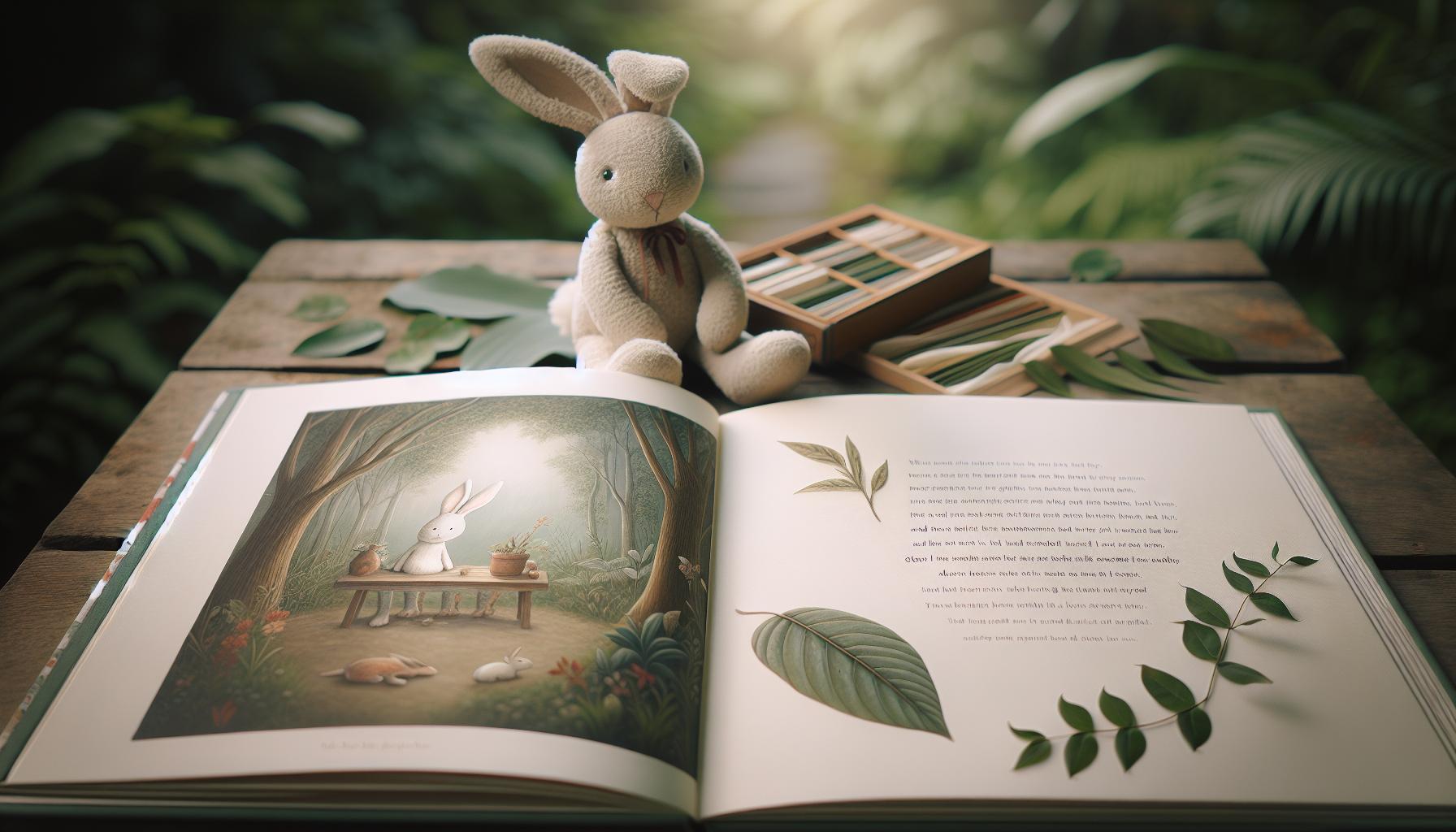
The illustrations in “How Much I Love You” are a pivotal aspect of its storytelling charm, engaging young readers and enriching the emotional nuances woven throughout the narrative. Anita Jeram’s artistic techniques bring to life the enchanting world of Little Nutbrown Hare and Big Nutbrown Hare, creating a visual experience that complements the themes of love and affection. Her use of soft, muted colors and gentle forms evokes a sense of warmth and safety-key feelings that resonate with the book’s message about the boundlessness of love.
One hallmark of Jeram’s illustrative approach is her ability to convey deep emotions through the characters’ expressions and postures. For example, the subtle shifts in the hales’ faces-from wide-eyed wonder to tender seriousness-allow readers to grasp complex feelings without the need for extensive text. This visual storytelling technique makes it easier for children to connect emotionally with the characters, fostering a greater understanding of their own feelings of love. In particular, the way Little Nutbrown Hare playfully stretches his paws or looks up in admiration at Big Nutbrown Hare effectively captures the innocence and curiosity of childhood, encouraging young readers to explore their own emotional landscapes.
Moreover, the scenic backgrounds are meticulously crafted to reflect the moods of various moments in the story. The serene, pastoral landscapes not only serve as the setting but also act as metaphors for growth and security, mirroring the nurturing relationships portrayed in the text. The use of natural elements-like the color palette reminiscent of a peaceful twilight-enhances the comforting tone of the narrative. As children turn the pages, they are transported into a world that feels both expansive and safe, reinforcing the central theme that love is indeed vast and enveloping.
Illustrative Techniques Analysis
- Color Palette: Soft, muted tones create a calming atmosphere that encourages emotional engagement.
- Character Expressions: Subtle facial changes effectively convey feelings, helping children connect with the story on a personal level.
- Background Imagery: Scenic environments mirror emotional themes, such as safety and growth, further enriching the narrative experience.
- Playful Elements: The incorporation of playful interactions between characters brings a light-heartedness to complex themes of love.
Through these unique illustrative techniques, “How Much I Love You” not only captivates visually but also deepens the reader’s experience, fostering a love for both the story and the broader themes it represents. This combination of artistry and storytelling makes Jeram’s work an essential component of the book’s enduring appeal, encouraging conversations about feelings and relationships that resonate long after the final page is turned.
The Appeal of Sweet Stories for Children

Children are naturally drawn to stories that resonate with their feelings and experiences, and sweet tales like “How Much I Love You” fulfill this need beautifully. Such narratives provide a gentle exploration of the emotional landscapes that children encounter daily, from friendship and familial bonds to the concept of love itself. In a world that can sometimes feel overwhelming, these stories offer a safe harbor where young readers can find reassurance and comfort.
One of the primary appeals of sweet children’s stories is their ability to promote emotional literacy. By presenting relatable characters and heartfelt scenarios, they encourage children to articulate their own feelings and understand those of others. For instance, in “How Much I Love You,” the relatable exchange of affection between Little Nutbrown Hare and Big Nutbrown Hare serves as a poignant example of how love can be expressed in many different ways. This can foster discussions about emotional intelligence between parents and their children, helping to cultivate a generation that values connection and empathy.
These stories often utilize simple language to convey complex themes, making them accessible to early readers. The soothing rhythm and cadence of the text can also enhance the reading experience, drawing children into the narrative while nurturing a love for reading itself. Furthermore, the vivid illustrations that accompany the text reinforce the emotional undertones, creating a holistic reading environment. Children not only follow the story but also engage visually, making connections that bolster both comprehension and enjoyment.
Incorporating stories like “How Much I Love You” into daily routines-be it sharing at bedtime or during quiet moments-can instill a sense of security and love. Additionally, the themes presented can inspire parents to share their own experiences of love and affection, thus nurturing a deeper relationship with their child. Ultimately, sweet stories play an essential role in shaping children’s understanding of love, allowing them to cherish and navigate the complex web of emotions in their lives.
Reading Aloud: Tips for Engaging Your Child
Engaging children during reading time can transform a simple story into a magical experience that fosters a lifelong love for literature. When sharing a sweet tale like “How Much I Love You,” the connection built between reader and listener is as important as the narrative itself. There are several techniques that can enhance this bonding experience, making reading time an adventure that resonates emotionally.
Use Expressions and Voices
One of the most effective ways to capture a child’s attention is through varied vocal expressions. By changing your tone and style to match the moods of the characters, you inject life into the story. For example, when Big Nutbrown Hare expresses overwhelming love, using a warm, deep tone will convey the emotion effectively. By contrast, a soft, gentle voice can aptly reflect Little Nutbrown Hare’s tender musings. This playful approach not only makes the story engaging but also helps children understand emotional nuances.
Interactive Reading
Encouraging children to participate actively in the reading process can significantly enhance their engagement. Pause at certain moments to ask questions or invite them to guess what happens next. For instance, after a particularly touching exchange between the hares, you might ask, “How do you think Little Nutbrown Hare feels right now?” This not only deepens comprehension but also strengthens emotional intelligence. You can also encourage your child to mimic sounds or gestures from the story, making it a participatory experience.
Create a Cozy Atmosphere
Setting the stage for reading can impact how children receive a story. Create a comfortable nook filled with cushions and soft lighting to make reading feel special. Incorporating elements connected to the story, such as plush toys or drawings of the characters, can also enrich the experience. This setting not only fosters a sense of security but also helps children visualize the world of the story, drawing them into the narrative more fully.
Follow Up with Discussions
After reading, take the time to discuss the themes and lessons found within “How Much I Love You.” Ask open-ended questions like, “What is your favorite part?” or “How do you show love to someone?” These discussions not only reinforce the ideas presented in the story but also give children the opportunity to articulate their feelings. Such conversations encourage emotional literacy and help children connect personal experiences with the story, ultimately enriching their understanding of love.
By implementing these techniques, you can transform reading time into a cherished ritual that not only entertains but also nurtures emotional growth. Ultimately, these moments spent together over a beloved story create lasting memories and foster a profound appreciation for literature and love.
How to Choose the Perfect Children’s Storybook
Choosing the right children’s storybook can significantly impact a child’s emotional and cognitive development, particularly with heartwarming narratives like *How Much I Love You*. This beloved story celebrates love and reassurance, making it a perfect addition to any child’s library. When selecting the perfect book, several factors should be adapted to the child’s age, interests, and the lessons you wish to impart.
Consider Age Appropriateness
Understanding the age group for which the book is intended is crucial. For younger children, look for books that have simple text and engaging illustrations. In contrast, older children might appreciate books with more complex narratives and themes. It’s essential to choose a book that matches both the child’s developmental stage and attention span. Books like *How Much I Love You*, with their short, rhythmic text and beautiful illustrations, are especially appealing to toddlers and preschoolers, making them ideal for early readers.
Identify Emotional Themes
Children’s literature often serves to introduce emotional concepts and moral lessons. When selecting a story, consider the themes you want to explore. *How Much I Love You* is centered around love, a feeling essential for emotional intelligence. Look for books that address specific emotions or situations relevant to your child’s experiences. For instance, if your child is dealing with feelings of insecurity, select a book that discusses themes of acceptance and love.
Engage with Illustrations
Illustrations greatly enhance a child’s reading experience, bringing a story to life. When choosing a book, consider the art style and how it complements the narrative. In *How Much I Love You*, the illustrations effectively convey the warmth and tenderness of the story’s message. Browse through potential books to see if the visuals resonate with you and the child.
Look for Interactive Elements
Books that encourage interaction can significantly enhance a child’s engagement. Look for stories that prompt questions, have sound elements, or incorporate flaps to lift. Although *How Much I Love You* might not be interactive in a traditional sense, it prompts emotional engagement through the exploration of love, making it a great conversation starter at the end of the reading session.
By thoughtfully considering these aspects when selecting children’s books, you not only choose a story that delights but also one that nurtures emotional growth and connection, fostering a lifelong love for reading.
Creating a Bedtime Story Routine with ‘How Much I Love You
Establishing a bedtime story routine can transform the act of sleeping into a cherished ritual, making it a time for calm and connection between parents and children. Introducing the beloved book *How Much I Love You* can enhance this routine remarkably. The gentle rhythm and emotive storytelling create a perfect atmosphere for winding down, allowing children to feel secure and loved as they transition into sleep.
Setting the Scene for Bedtime
Creating a tranquil environment is essential before diving into the story. Dim the lights, settle into a cozy reading nook, and encourage your child to bring along their favorite stuffed animal. This signals that it’s time to relax and allows them to feel a sense of safety. As you prepare to read, perhaps take a moment to chat briefly about their day, encouraging them to reflect on positive experiences, thereby setting a comforting tone.
Reading with Emotion
When you start reading *How Much I Love You*, infuse your voice with warmth and emotion. The delightful expressions in the story, where characters convey deep affection, can be mirrored in your tone. Utilize varied intonations for different characters, making the reading interactive and lively; this dynamism captivates their attention and fosters an emotional connection-both with you and the narrative.
Encouraging Reflection and Discussion
After finishing the story, take a moment for gentle discussion. Ask your child questions about their favorite parts of the book or how the story made them feel. Prompts like, “What do you think it means to love someone?” can open up conversations about their understanding of love and affection, reinforcing the emotional themes present in the story. This not only enhances comprehension but also cultivates emotional intelligence at an early age.
Utilizing *How Much I Love You* in a bedtime routine fosters not just a love for reading but also emotional bonds, paving the way for restful evenings filled with love and connection. As your child drifts off to sleep, the affectionate sentiments echoed in the story linger in their minds, nurturing their dreams with warmth and comfort.
The Importance of Emotional Intelligence in Kids’ Stories
Stories like How Much I Love You serve as vital tools for nurturing emotional intelligence in children. As children engage with characters who express a wide range of feelings-affection, sadness, joy-they learn to recognize and understand these emotions within themselves and others. Research shows that children who develop strong emotional intelligence are more equipped to navigate social interactions, build meaningful relationships, and manage their emotions effectively. This kind of learning is foundational to their overall development, impacting academic performance and personal well-being.
An emotionally rich story not only opens the door to empathy but also prompts children to reflect on their feelings. For example, as they watch the characters in How Much I Love You express their love and affection, children are invited to think about their own relationships. Questions like “How do you show someone you love them?” or “Can you think of a time you felt really loved?” encourage deeper connections between the narrative and personal experiences. Such discussions enhance conversational skills and critical thinking, fostering a reflective mindset in young readers.
Moreover, incorporating elements of emotional intelligence into storytelling can be as simple as emphasizing how characters respond to difficult situations. Highlighting moments where a character feels sad or scared-and how they cope-provides valuable lessons. Parents can enhance this experience by connecting these themes to real-life scenarios, emphasizing that it’s normal to experience a spectrum of emotions. By doing so, readers not only enjoy a sweet tale but also cultivate a healthy understanding of their feelings and those of others, creating a rich soil for empathy and emotional maturity to grow.
Ultimately, introducing children to stories with strong emotional themes is not just about reading a book; it’s about opening a dialogue, fostering connection, and equipping them with the skills to navigate their emotional landscapes and respond positively to the world around them. This transformative journey starts with simple yet profound stories like How Much I Love You, weaving love and emotional intelligence into the fabric of their growing minds.
Comparing Popular Children’s Love Stories
Children’s literature is rich with stories that celebrate love in its many forms, allowing young readers to explore emotions that resonate deeply with their own experiences. While How Much I Love You lovingly encapsulates the bond between a parent and child, it is interesting to compare it with other beloved tales that also convey powerful messages about love.
One prominent title is Guess How Much I Love You by Sam McBratney. This story echoes similar themes, showcasing the tender relationship between Little Nutbrown Hare and Big Nutbrown Hare. Their playful exchanges of measuring their love for each other not only express affection but also teach children the concept of love being boundless and immeasurable, much like in the narrative of How Much I Love You.
Key Comparisons
| Story | Theme of Love | Character Dynamics |
|————————————|———————————————————|——————————————-|
| How Much I Love You | Unconditional love between a parent and a child | Emphasis on nurturing and warmth |
| Guess How Much I Love You | Limitless love and affection despite physical distance | Playful rivalry in expression of love |
| I Love You to the Moon and Back | Love as a comforting and protective force | Parent-child relationship with adventure |
In contrast, I Love You to the Moon and Back by Amelia Hepworth reinforces love as a protective and comforting presence, using the imagery of a bear and its cub as they embark on adventures together. This story shares a narrative structure akin to How Much I Love You, where the parent figure assures the child that their love can withstand the challenges of life, creating a secure emotional backdrop.
These narratives not only entertain but also serve as valuable tools for parents to initiate conversations about feelings and relationships. By contrasting characters and themes across these stories, caregivers can engage children in discussions about love’s significance and variety. Such comparisons can lead to deeper understanding and help children articulate their own feelings, ultimately enhancing their emotional intelligence and communication skills.
Embracing the themes present in How Much I Love You alongside these other cherished stories can enrich a child’s literary experience, fostering a love for reading while nurturing their emotional growth through the exploration of love.
Activities Inspired by ‘How Much I Love You
Engaging children in activities that stem from beloved stories like *How Much I Love You* not only strengthens their love for literature but also deepens their understanding of the emotions and values conveyed within these narratives. Here, we explore various creative activities designed to enhance the themes of love and affection showcased in the story.
Creative Activities to Explore Themes of Love
- Heartfelt Art Project: Encourage children to create their own “love cards” using construction paper, crayons, and stickers. They can illustrate what love means to them by drawing the people and things they love, mimicking the sentiments expressed in the book. This activity not only fosters creativity but also helps children articulate their feelings visually.
- Storytelling Circle: Organize a storytelling session where children can take turns sharing their own stories about love. Set a cozy environment and use pillows for seating, encouraging them to express their thoughts about who they love and how they show it, just like the characters in the book.
Interactive Role Play
Another engaging way to delve into the book’s themes is through role-playing activities.
- Parent-Child Role-Playing: Pair children with their parents or guardians and have them reenact scenes from *How Much I Love You*. This role-play can help children understand the nurturing relationship depicted in the story, reinforcing their emotional bonds.
- Love Measurement Game: Create a fun game where children have to pair up and see who can “measure” their love through silly actions like jumping, dancing, or making heart shapes with their bodies, reflecting the playful essence of the story.
Discussion Questions
Incorporating discussion time can enhance comprehension and emotional intelligence. Consider the following questions after reading:
- What do you think makes love big?
- Can love change or grow? How?
- How do you show someone that you love them?
These questions help children articulate their feelings and encourage critical thinking about emotional connections.
In summary, activities inspired by *How Much I Love You* can significantly enrich a child’s understanding of love and affection while reinforcing the story’s central themes. These interactive, expressive, and reflective approaches encourage both emotional development and a lasting appreciation for storytelling.
Parent Reviews: What Families Are Saying
Families across the globe have embraced How Much I Love You as a treasured addition to their children’s literature collections, with many parents sharing transformative experiences stemming from reading this heartwarming tale. It’s not just a story; it’s a catalyst for conversations about love, emotions, and the bonds that tie families together. Many parents have noted how the gentle yet powerful messages in the book have helped their children articulate their feelings in ways they hadn’t before, fostering a deeper emotional understanding.
Reviews often highlight the book’s ability to bridge generational gaps. One parent recounted how reading the story with their child sparked discussions reminiscent of their own childhood and the love they received from their parents. This has created a tradition in their family, where they not only read the book together but also share their own stories of love, reinforcing familial ties across generations. Such reflections illustrate the book’s role not just as a bedtime story but also as a platform for meaningful discussions, making it a staple during family gatherings.
Moreover, the simplicity and beauty of the illustrations have received praise for captivating young readers’ imaginations. Parents often comment on how their children are drawn to the visuals, begging for repeated readings. An engaging aspect is how the illustrations depict diverse forms of love, inspiring kids to recognize and express affection beyond the familial sphere, such as with friends and pets. This has encouraged parents to discuss the broader concept of love, supporting their children in developing emotional intelligence from a young age.
Families also appreciate the interactive nature of the book. Some parents have developed creative activities based on its themes, such as crafting love cards or creating personalized bedtime routines that center around expressions of love. These activities not only enhance comprehension but also solidify the emotional connections established through the story. By integrating the book into everyday life, families have found a way to reinforce the lessons on affection and love, making How Much I Love You a cherished part of their family narrative.
Faq
Q: What age group is “How Much I Love You Book: Sweetest Children’s Stories” suitable for?
A: “How Much I Love You Book: Sweetest Children’s Stories” is ideal for children aged 3 to 7 years. The simple language and beautiful illustrations make it engaging for early readers and perfect for bedtime stories. Explore more in the section on the appeal of sweet stories for children.
Q: Why is “How Much I Love You” a good bedtime story?
A: This book is an excellent bedtime story because it fosters emotional connections and teaches children about love and affection. Its rhythmic text and gentle illustrations create a calming atmosphere, conducive to winding down. For tips on reading aloud, check out our dedicated section.
Q: How does “How Much I Love You” promote emotional intelligence in kids?
A: The story effectively promotes emotional intelligence by showcasing characters expressing love and affection. It encourages children to identify and articulate their own feelings, helping them develop empathy and emotional awareness. Learn more about emotional intelligence in our article.
Q: Are activities available to complement “How Much I Love You”?
A: Yes! The book can inspire various activities such as creating love notes or drawing favorite moments from the story. These activities enhance comprehension and reinforce the book’s themes. Check our section on activities inspired by the book for specific ideas.
Q: How can “How Much I Love You” be used in educational settings?
A: Educators can incorporate the book in lessons focused on emotions and relationships. Group discussions or creative projects based on the book’s themes can cultivate a supportive classroom environment. Explore our character analysis section for deeper insights.
Q: What themes are explored in “How Much I Love You”?
A: The central theme of unconditional love is explored throughout the book, conveying messages about affection and connection. This universal theme resonates deeply with children, making it relatable and impactful. Read more about the themes in our thematic exploration section.
Q: Is there a sequel to “How Much I Love You”?
A: Yes, the book has sequels that expand on the original story’s themes. These sequels continue to explore love through new narratives and characters, enriching the reading experience. For a comparison of other popular children’s love stories, visit our comparison section.
Q: How can parents encourage discussions about love after reading?
A: Parents can encourage discussions by asking open-ended questions about the story’s characters and their feelings. Questions like “How do you show love?” can promote deeper understanding. Our section on creating a bedtime story routine offers additional tips for fostering communication.
In Summary
As you close the last page of “How Much I Love You Book: Sweetest Children’s Stories,” let the heartwarming tales resonate in your mind and in the hearts of your little ones. Each story reinforces the profound bonds of love and friendship, offering invaluable lessons that will stay with them for a lifetime. Don’t miss the chance to create cherished memories-dive into more enchanting reads by exploring our collection of beloved children’s stories and parenting tips.
Feeling inspired? Join our newsletter for a regular dose of heartwarming content, parenting insights, and special offers that make storytelling even more delightful. If you found joy in these stories, share your thoughts in the comments below! Your feedback not only enriches our community but helps us craft even better experiences for you and your loved ones. Remember, the magic of storytelling awaits you in every corner of our site-start your next adventure today!
Get our latest guides, news, and insights highlighted in your Google Search & AI Overviews.