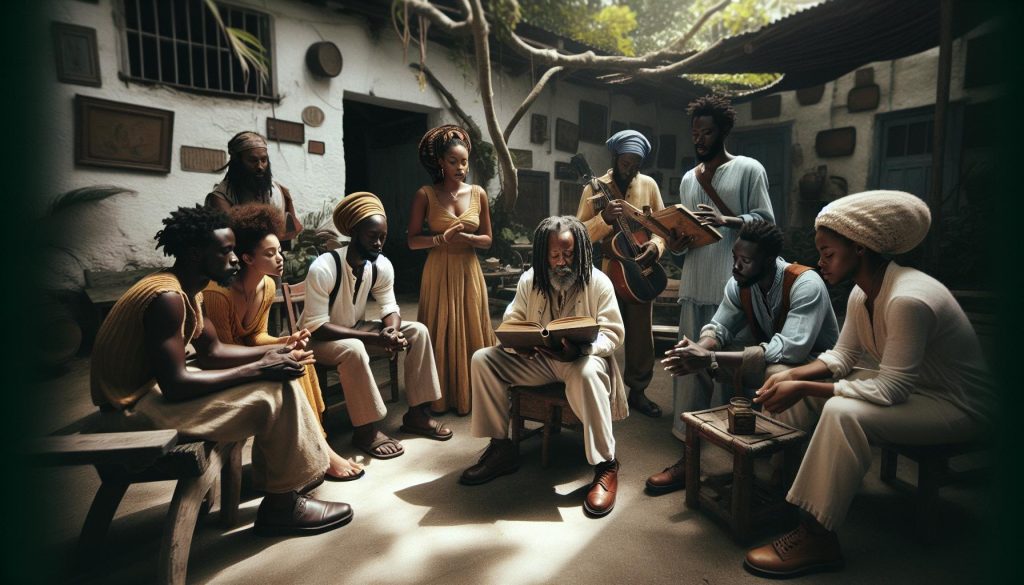
In the realm of contemporary literature, Marlon James’s “A Brief History of Seven Killings” stands as a riveting exploration of Jamaica’s turbulent history during the 1970s and 1980s. This Pulitzer Prize-winning epic dives deep into the chaos of violence, politics, and the cultural landscape surrounding the attempted assassination of Bob Marley. For readers seeking not only a captivating narrative but also a poignant examination of identity and survival, this novel offers both. It challenges us to consider the interconnections between personal and historical trauma, and how these experiences shape our understanding of society and ourselves. As we journey through its complex characters and intricate storytelling, “A Brief History of Seven Killings” invites us to reflect on broader themes of resilience and redemption, ensuring a thought-provoking reading experience that resonates long after the last page. Dive into this review to uncover the layers of meaning within James’s powerful prose and its relevance to our ongoing conversations about culture and history.
Jamaican Culture and Its Influence on Literature
Jamaica’s rich cultural tapestry plays a pivotal role in shaping its literature, offering a unique blend of history, music, language, and spirituality that resonates throughout works like Marlon James’ A Brief History of Seven Killings. This narrative not only draws upon the island’s vibrant heritage but also reflects the social and political realities that define Jamaican life. The synthesis of various influences-African, British, Indian, and Chinese-creates a distinctive voice that permeates Jamaican literature, emphasizing themes of identity, resistance, and survival.
One of the most powerful elements extracted from Jamaican culture in literature is the use of patois, the English-based Creole language spoken by many Jamaicans. This linguistic style allows authors to convey authenticity and emotional depth, immersing readers in the cultural realities of the characters. The rhythm of Jamaican music, including reggae and dancehall, also influences narrative techniques, creating a lyrical quality that enhances storytelling. James’ writing often mirrors musical structures, with repetition and refrain echoing the cadences found in songs, reinforcing the connection between his characters’ lives and the broader cultural landscape.
Furthermore, the exploration of historical context is essential. Jamaica’s turbulent past, particularly during the political violence of the 1970s, serves as a backdrop in James’ narrative. The interplay between personal stories and national history creates a multilayered text that invites readers to grapple with the complexities of identity and memory. This convergence of the personal and the political is characteristic of many Caribbean authors, as they navigate colonial legacies while asserting their cultural heritage.
Ultimately, the infusion of Jamaican culture into literature not only enriches the narrative but also invites global readers to engage with the island’s historical narratives, social struggles, and artistic expressions. Through marshalling cultural references, linguistic diversity, and historical reflection, writers like Marlon James foster a deeper understanding of Jamaica, shining a light on its profound influence within the literary canon.
Understanding Marlon James’ Narrative Style
Marlon James’ narrative style in his acclaimed novel reveals a compelling blend of fluidity, musicality, and historical depth that beckons readers into the vibrancy of Jamaican life. One striking aspect of this style is his use of multiple perspectives; each chapter often shifts narration among diverse characters, which not only deepens the reader’s understanding of the intricate social dynamics but also reflects the polyphonic nature of oral storytelling. This multiplicity allows James to weave a tapestry rich with varying voices, thoughts, and emotions, showcasing the complexities of his characters in a way that feels authentic and immersive.
James’ incorporation of Jamaican patois into the dialogue further enhances this experience. By grounding the characters’ speech in their cultural vernacular, he adds layers of authenticity that allow readers to grasp the richness of local expression and identity. This linguistic choice mirrors the rhythm and cadences of Jamaican music, particularly reggae, and manifests in a lyrical style that elevates the prose to a sung or rhythmic narrative. Such structures evoke a sense of familiarity and connection to the cultural landscape, inviting readers to not just observe but participate in the vibrant storytelling tradition that shapes Jamaican literature.
Moreover, the historical context embedded within his narrative style cannot be overstated. The backdrop of Jamaica during the politically charged 1970s serves as a critical lens through which events and character interactions unfold. By intricately intertwining personal narratives with a broader political history, James constructs a multi-layered plot that urges readers to confront the interplay between individual lives and the socio-political environment. This dynamic approach fosters a deeper engagement with the text, compelling readers to reflect on the enduring effects of history on identity and community.
In sum, Marlon James’ distinctive narrative style in A Brief History of Seven Killings not only captivates through its rich language and structure but also resonates with the fundamental themes of identity, resilience, and history. Readers are positioned not just as passive observers but as participants in a vivid exploration of Jamaican culture and its profound literary significance.
Key Themes Explored in A Brief History of Seven Killings
In Marlon James’ masterful narrative, the interplay of violence, politics, and identity emerges as prominent themes that shape both the story and the reader’s understanding of Jamaican society during the tumultuous 1970s. This period was marked by political unrest, and James encapsulates the era’s chaos through the lives of his richly developed characters, each representing various facets of culture and struggle. The exploration of these themes not only illuminates the specific historical backdrop but also invites readers to reflect on broader issues of agency and survival within a fractured society.
Violence and Power Struggles
At the heart of the novel lies a harrowing examination of violence-both as a personal and societal force. James portrays violence not merely as a physical act but as a profound means of control and assertion of power. Characters navigate a landscape where the threat of brutality influences their choices and relationships. For instance, the assassination of Bob Marley serves as a catalyst, highlighting how music, political beliefs, and community loyalties intersect to create a complex web of conflict. The persistent violence is a reflection of the struggle for power, leading to questions about morality and the sacrifices individuals make in the name of loyalty and survival.
Identity and the Struggle for Belonging
Another crucial theme is the fluidity of identity amid political turmoil. As characters grapple with their personal histories and hopes, their quests illuminate the broader search for identity within a nation fraught with division. This is particularly poignant in the context of diaspora and cultural heritage-how individuals redefine themselves against the backdrop of their country’s politics. James artfully captures the cultural richness of Jamaica, using language and interweaving narratives that echo the island’s oral traditions. By embracing Jamaican patois, he brings a sense of authenticity and depth to the characters’ voices, allowing readers to experience their intertwined identities more profoundly.
The Impact of Politics on Personal Lives
Politics serves as an omnipresent force in the narrative, significantly affecting the characters’ paths. The clash between different political ideologies-the People’s National Party (PNP) and the Jamaica Labour Party (JLP)-creates a charged atmosphere that permeates both public life and intimate relationships. Characters find their loyalties tested, leading to betrayals that ripple through their communities. This dynamic allows readers to see how personal histories are inextricably linked to national narratives, challenging the notion of individualism in favor of a collective identity shaped by shared struggles.
In summary, Marlon James’ A Brief History of Seven Killings intricately weaves together the themes of violence, identity, and politics, creating a narrative that is as much about personal stories as it is about the historical moment in which they unfold. By engaging with these themes, readers are prompted to consider the broader implications of their relevance-both in Jamaica’s past and in contemporary discussions about power and identity across the globe.
Character Analysis: Whispers of the Past
The characters within Marlon James’ work are steeped in the complexities of their environments, depicting how the past weaves into the fabric of their identities and actions. Within A Brief History of Seven Killings, the characters are not merely individuals but living embodiments of Jamaica’s tumultuous history during the 1970s. This era, marked by political strife and social upheaval, casts long shadows on the choices and destinies of these richly drawn figures. Each character’s narrative serves as a whisper from the past, revealing the nuanced relationships between their personal struggles and the larger societal conflicts that define their lives.
One prominent character is “The Ghost”, whose life showcases the psychological scars of violence and loss. Haunted by memories and the ever-looming threat of political and personal retribution, he navigates a world where survival often requires embracing the shadows. His internal conflicts mirror the chaos outside, making him a symbol of the collective trauma experienced by many during this fraught period. The Ghost’s journey invites readers to grapple with themes of memory and identity, illustrating how individual histories are often intertwined with the national narrative.
Similarly, Bob Marley’s presence in the novel is not just a tribute to the reggae icon but a representation of the cultural heartbeat of Jamaica. Through Marley, James explores the intersection of music, politics, and community. Marley’s assassination serves as a pivotal event, reflecting the ways in which artistic expression and political ideals can become battlegrounds for the heart and soul of a nation. His character raises significant questions about legacy, influence, and the power dynamics that plague cultural figures-offering a rich ground for examination of how public personas are shaped by personal experiences and societal expectations.
The wealth of characters in A Brief History of Seven Killings further underscores the notion that personal histories cannot be fully understood without acknowledging the societal contexts in which they occur. Each character’s saga unfolds against the backdrop of Jamaica’s political landscape, emphasizing that their fights for identity and belonging are as much about interpersonal relationships as they are about broader societal forces. Through this intricate interplay of narrative voices, James crafts a compelling mosaic of Jamaican life, where every whisper of the past shapes the present in profound ways.
In conclusion, the character analysis in this epic saga reveals a deep and interconnected world where the past is a constant companion. Readers are encouraged to view each perspective as a piece of a larger puzzle, enhancing their understanding of the complex dynamics at play in Jamaica. This approach not only enriches the reading experience but also invites reflection on the enduring impact of history on identity and society.
Historical Context: Jamaica in the 1970s
The 1970s marked a period of profound upheaval and transformation in Jamaica, deeply influencing the cultural landscape and the narratives present in Marlon James’ A Brief History of Seven Killings. This decade was characterized by political instability, fueled by the ideological clash between the socialist policies of Prime Minister Michael Manley’s People’s National Party (PNP) and the capitalist approaches of the opposition Jamaica Labour Party (JLP). This polarization not only transformed the political arena but also permeated the lives of ordinary Jamaicans, leading to a backdrop of violence and social discord.
Violence in Jamaica during the 1970s reached alarming levels, with political conflicts often spilling into civil unrest. Numerous deaths were attributed to gang violence, political assassinations, and state-sanctioned brutality. The environment was ripe for tension, as community members were often caught in the crossfire of disputes between rival factions supporting different political ideologies. This atmosphere of fear and paranoia is eloquently captured in James’ narrative, which reflects the psychological scars left on individuals and families.
Additionally, this period saw the rise of reggae music and its cultural significance as a form of resistance and identity. Icons like Bob Marley emerged as voices of the people, whose music became a channel for expressing the struggles and aspirations of Jamaicans. Reggae intertwined with the political narrative, acting as both a unifying force and a flashpoint for tension. The assassination of Marley, as depicted in James’ work, serves as a poignant reminder of how cultural figures are ensnared in the larger sociopolitical conflicts, illustrating the stark realities faced by artists and musicians during this tumultuous era.
Such complexity enriches the characters within A Brief History of Seven Killings, where each figure is a mosaic of personal and historical trauma. The narratives laid out through various viewpoints do not merely recount events; they invite readers to understand the nuances of a society grappling with its past while desperately trying to forge a future. This interplay of personal and political history not only enhances the storytelling but also provides readers with a deeper insight into the very fabric of Jamaican life in the 1970s, encouraging reflections on identity, survival, and the enduring impact of collective memory.
Literary Devices That Enhance the Storytelling
One of the most striking features of Marlon James’ storytelling in his epic novel is the masterful use of multiple perspectives, which allows readers to experience the chaotic landscape of 1970s Jamaica through a diverse range of voices. This narrative device not only enriches the plot but also reflects the complexity of the era’s socio-political climate. By weaving fragmented viewpoints together, James provides readers with a kaleidoscopic view of events, capturing the intricacies of individual experiences amid collective trauma. Each character’s distinct voice adds depth, presenting conflicting experiences that evoke empathy and challenge the reader to reevaluate their understanding of truth and bias.
James also employs non-linear storytelling to enhance thematic resonance and emotional engagement. The narrative oscillates between past and present, slowly revealing the historical events that shape the characters’ lives. This temporal fluidity mirrors the turbulence of the time and emphasizes the lingering impact of trauma. For example, flashbacks to key moments of violence and political unrest provide essential context, allowing readers to see how historical events shape personal narratives. This structure not only maintains suspense but also invites readers to reflect on how the past continually informs the present.
Another vital literary device in the novel is vivid imagery and rich symbolism. James paints a vibrant picture of Jamaican life, using sensory details to evoke the sights, sounds, and emotions that characterize the island’s culture. The presence of reggae music throughout the narrative serves as both a backdrop and a transformative force, symbolizing resistance and resilience amidst oppression. Such imagery enhances the emotional weight of the story, making the struggles and triumphs of the characters feel immediate and relatable.
In addition, the use of dialect and vernacular adds authenticity to the characters’ voices, immersing readers in the lived realities of Jamaican culture. The incorporation of Patwah not only enriches the dialogue but also serves as cultural validation, grounding the story in its roots. This stylistic choice communicates a sense of place and identity, ensuring that the unique characteristics of Jamaican culture permeate the narrative.
Through these literary devices, Marlon James not only constructs a complex narrative but also invites readers to engage actively with the themes of identity, violence, and memory, presenting a mosaic of Jamaican life that is both compelling and thought-provoking.
Comparative Analysis with Other Caribbean Literature
Examining Marlon James’ “A Brief History of Seven Killings” invites a broader discussion about the vibrant tapestry of Caribbean literature, which encompasses unique voices and diverse narratives that reflect the region’s complex socio-political landscapes. James’ work stands out not only for its intricate storytelling but also for how it resonates with themes explored in other Caribbean writings, making it relevant in comparative literary studies.
One way to approach this comparative analysis is by looking at key thematic parallels between James’ narrative and those found in the works of other Caribbean authors. For example, like James, Caribbean writers frequently delve into *identity and displacement*, examining how historical traumas shape personal and collective identities. The writing of Zadie Smith, particularly in her novel “White Teeth,” mirrors these explorations through its focus on multicultural identities in a postcolonial context. Both authors address how historical legacies, including colonialism and migration, continue to influence contemporary life, albeit from different geographical and cultural perspectives.
Contrasting Narrative Techniques
While James employs multiple perspectives and a non-linear narrative style, other authors utilize different techniques to convey their themes. In “The Brief Wondrous Life of Oscar Wao” by Junot Díaz, the narrative voice is characterized by a blend of folklore and historical reference that creates a unique tempo and style. The use of footnotes in Díaz’s work often serves to bridge the past and present, much like James’ integration of flashbacks, but they do so in a manner that reflects the Dominican-American experience, enriching the narrative with cultural references. This contrast showcases how different authors adapt narrative strategies to reflect their distinct cultural contexts while still engaging with overarching themes of violence, identity, and history.
Cultural Symbols and Their Resonance
James’ depiction of Jamaican culture through the lens of music and social life also finds echoes in works by writers like Edwidge Danticat. Her short stories, particularly in “Krik? Krak!”, often highlight Haitian traditions and the role of storytelling as a form of resistance. Just as reggae serves as a backdrop for James’ narrative, Danticat’s characters often express their realities through folklore and oral histories, suggesting a shared understanding of cultural practices as vital to preserving identity amidst adversity. This parallel illustrates a thematic continuity across Caribbean literature, where cultural expressions become emblematic of survival and resilience.
In conclusion, the intricate layers of “A Brief History of Seven Killings” invite readers not only to appreciate Marlon James’ distinct narrative style but also to recognize the broader dialogues within Caribbean literature. The exploration of identity, narrative techniques, and cultural symbolism across different works not only enhances our understanding of James’ contributions to literary discourse but also fosters a richer appreciation of the varied landscapes that Caribbean authors navigate. Through this comparative lens, readers can gain insights into how the unique experiences of Caribbean peoples are brought to life through literature, enriching the global literary canon.
The Impact of Politics on the Plot Development
In Marlon James’ “A Brief History of Seven Killings,” the interplay of politics and narrative is as intricate as the historical tapestry of Jamaica itself. The novel is set against a backdrop of political strife during the late 1970s, a time marked by rampant violence, political corruption, and social upheaval. This turbulent environment profoundly shapes the characters and plot, illustrating how individual lives are often swept up in larger historical forces. Understanding this political landscape is key to grasping the motivations of the characters and the conflicts that drive the story forward.
The novel’s depiction of the political climate is particularly embodied in the figure of Michael Manley, the country’s Prime Minister, whose leadership is scrutinized and critiqued through the experiences of the protagonists. The narrative explores the implications of Manley’s alignment with the People’s National Party (PNP) and the ensuing chaos from the rival Jamaican Labour Party (JLP) supporters. James adeptly illustrates the ways in which political ideologies manifest in violence, as rival factions clash in their bid for power, resulting in tragedies that echo throughout the characters’ lives. Characters are often caught between their own aspirations and the relentless pull of political allegiances, ultimately leading to a questioning of loyalty and identity.
The Personal Impact of Political Divisions
The characters in “A Brief History of Seven Killings” are not merely passive observers; they are deeply influenced by the political environment surrounding them. For instance, the local gangsters and political operatives manipulate social unrest to advance their own interests, thus blurring the lines between personal ambitions and political machinations. The violent landscapes serve as a mirror to the political tensions, with acts of violence often characterized as both personal grievances and collective retaliatory measures against perceived political betrayals.
The impact of international politics is woven into the narrative as well, particularly through the involvement of foreign entities in Jamaican affairs. This facet highlights the broader implications of Jamaica’s struggles during the Cold War, where foreign interests often intersect with local politics, complicating the characters’ realities. Through vibrant dialogues and shifting perspectives, James crafts a nuanced portrayal of how these global dynamics infiltrate local lives, transforming everyday choices into politically charged acts.
Historical References as Plot Catalysts
Historical events function not only as a backdrop but also as catalysts for character development and plot progression. The infamous attempt on Bob Marley’s life serves as a pivotal moment in the novel, connecting the personal and political in devastating ways. Marley, representing cultural identity, becomes a pawn in the political game, embodying how the struggle for power can permeate even the most sacred personal spaces. James uses this event to highlight the fragility of safety in a politically charged atmosphere, where cultural icons are rendered vulnerable by the tides of political war.
Thus, the political dimensions of “A Brief History of Seven Killings” are integral to its narrative. They serve to deepen readers’ understanding of the characters’ motivations and enhance the urgency of their circumstances. By navigating through the intertwined fates of the individuals against the backdrop of Jamaica’s fraught political history, James invites readers to reflect on how the ghosts of politics continue to haunt the narrative of identity and survival. This approach encourages a broader inquiry into the implications of political actions, making the novel a rich text for understanding the complexities of Caribbean history and literature.
Reader Reactions: Critiques and Praise
Marlon James’ “A Brief History of Seven Killings” has elicited a diverse range of reactions from readers and critics alike, making it a subject of intense discussion in the literary community. This multifaceted novel, praised for its ambitious narrative structure and rich characterizations, offers a lens into Jamaica’s tumultuous past while engaging with broader themes of identity, violence, and resilience. Readers are often captivated by James’ intricate weaving of multiple perspectives, which not only brings authenticity to the storytelling but also challenges them to confront uncomfortable truths about society, politics, and personal history.
Many critiques highlight the novel’s profound complexity, pointing out that while its depiction of the 1970s Jamaican political landscape is robust, it can sometimes overwhelm readers with its non-linear structure and extensive cast. Some readers appreciate the depth this complexity brings, likening it to a symphony where every character, like a musical note, contributes to a larger, profound composition. Others, however, express difficulty in tracking the multiple voices and timelines, leading to a desire for a more straightforward narrative. For those who thrive on rich character development and are willing to invest the time to unravel the intricacies, the reward is a deeply immersive experience that mirrors the chaotic reality of Jamaica during that era.
Praise for Literary Craftsmanship
Critics widely acclaim James’ linguistic prowess, noting how his command of Jamaican Patois brings authenticity and vibrancy to the narrative. This choice not only honors the cultural heritage but also enriches the reader’s experience, albeit with a learning curve for those unfamiliar with the dialect. Many readers find themselves drawn into the rhythm and musicality of James’ prose, equating it to the lively beat of reggae, which serves as an echo of Jamaican culture throughout the text.
- Character Depth: Readers often point out the masterful portrayal of characters whose lives intertwine with historical events, making them feel not just like passive figures but active participants in their fates.
- Emotional Impact: The novel has been praised for its raw emotional intensity, prompting readers to feel a range of emotions from anger to empathy as they traverse the complex narratives of violence and trauma.
- Political Commentary: Many have noted how effectively James comments on the influence of politics on personal lives and relationships, stimulating reflection on the implications of these themes in contemporary times.
Critiques of Accessibility
Despite the accolades, some readers voice concerns about access and engagement, suggesting that the intensity of the narrative might alienate casual readers. This highlights a significant discussion point around literary accessibility: while complexity can enrich a text, it may also deter those who prefer more conventional storytelling methods. Recommendations for prospective readers often include approaching the book with patience and a willingness to delve deeper into the context surrounding the narrative-such as Jamaica’s history and cultural nuances-before fully immersing themselves in the text.
In conclusion, reactions to “A Brief History of Seven Killings” underscore its status as a landmark novel in Caribbean literature, celebrated for both its artistic merit and the weight of its themes. The discussions surrounding its intricacies invite readers to engage with both the text and the cultural history it represents, creating a dialogue that extends well beyond the pages of the book.
The Significance of Voice and Perspective
Marlon James’ novel encapsulates Jamaica’s complex sociopolitical landscape through a rich tapestry of voices that reflects the multifaceted nature of its history and culture. The narrative technique employed by James, which integrates a multitude of perspectives, plays a crucial role in shaping the reader’s understanding of the events surrounding the assassination attempt on Bob Marley in the late 1970s. This polyphonic approach not only serves to bring authenticity to the narrative but also compels readers to confront the varied, often conflicting, experiences that define a society embroiled in turmoil.
The significance of voice in this novel cannot be understated. Each character’s perspective provides insight into their unique circumstances, cultural backgrounds, and emotional landscapes. For instance, by employing first-person narratives and distinct stylistic choices for each character, James captures the vibrancy of Jamaican Patois and the rhythm of local speech, which enables readers to engage deeply with the cultural nuances of the setting. This diversity of voices mirrors the chaos of Jamaican life during this turbulent period, allowing the reader to experience the weight of historical events through personal stories. As each character contributes to the broader narrative, James demonstrates how individual experiences are inherently tied to collective history, emphasizing that the past is not simply a backdrop but a living component of identity.
Moreover, the novel challenges the notion of a singular truth. By presenting multiple perspectives, James showcases the idea that history can be interpreted through different lenses, reflecting the complexities of memory and narrative construction. This technique compels readers to consider how their understanding of truth is shaped by individual experiences and societal contexts, ultimately provoking a deeper introspection regarding their interpretations of history and the stakes involved in claiming a particular narrative.
In short, the interplay of voice and perspective in “A Brief History of Seven Killings” enriches the storytelling, making it a profound exploration of identity, culture, and politics in Jamaica. The technique invites readers to reflect not only on the specific historical context of the novel but also on their broader perceptions of truth and narrative in shaping collective memory.
Adapting the Novel: Film and Media Considerations
Adapting a rich and intricate novel like James’ landmark work for film or other media involves grappling with complex narrative structures and thematic depth. The challenge lies in conveying the novel’s multifaceted exploration of Jamaican culture, sociopolitical issues, and its distinctive voices within a more visually driven format. To effectively translate these elements, filmmakers must preserve the authenticity of the original text while also engaging a broader audience through compelling storytelling techniques.
One critical aspect of adaptation is the selection of perspectives. The original work employs a polyphonic narrative, interweaving various characters’ voices to form a collective representation of Jamaica in the 1970s. A film adaptation could consider employing a similar approach, possibly through interlaced vignettes that highlight individual stories against the backdrop of larger historical events. Utilizing different cinematographic styles or distinct color palettes for each narrative thread could add visual interest while retaining thematic coherence.
Additionally, the use of sound and music plays a pivotal role in enhancing the viewing experience, particularly for a story steeped in cultural resonance. The integration of reggae and dancehall music-a cornerstone of Jamaican identity-can help to evoke the setting’s emotional landscape and link visual storytelling to the vibrancy of Jamaican life. Audiences would appreciate a soundtrack that not only complements the narrative but also serves as a cultural bridge, inviting them to delve deeper into the historical context depicted.
In terms of pacing and structure, screenwriters must prioritize key plot points while condensing subplots to maintain momentum. Given the novel’s extensive timeline and numerous characters, careful attention must be paid to character development and ensuring that the essence of each perspective is authentically represented. It might be beneficial to focus on a smaller cast of characters who represent larger societal issues, thereby crafting a more straightforward narrative arc that doesn’t sacrifice the novel’s rich depth.
Ultimately, adapting James’ novel for film or media demands a delicate balance between fidelity to source material and innovative storytelling. By embracing the intricacies of Jamaican culture and its turbulent history while exploring fresh narrative techniques, filmmakers can create a compelling visual experience that resonates with both fans of the novel and new audiences alike.
Where to Find Further Reading and Resources
For those seeking to delve deeper into the intricate narratives and thematic explorations present in Marlon James’ work, particularly “A Brief History of Seven Killings,” numerous resources are available that provide rich contexts, critical analyses, and supplementary reading materials. Engaging with these sources can enhance your understanding of Jamaican culture, the socio-political backdrop of the 1970s, and the literary techniques employed by James.
Books and Articles
One excellent starting point is *The Book of Jamaica* by various authors, which offers essential insights into the country’s history, culture, and social dynamics. Additionally, scholarly articles found in journals such as *Caribbean Quarterly* provide in-depth analyses of James’ narrative style and thematic preoccupations. Websites like JSTOR also feature peer-reviewed papers critical for understanding the literary impact of Jamaican authors.
For a concentrated study on Marlon James himself, consider reading *Marlon James: A Critical Companion*, by a series of scholars who dissect his major works and offer interpretations of his complex characters and rich narratives. This companion will serve as an invaluable resource as it provides context about James’ influences and the intersection of his lives in Jamaica and abroad.
Documentaries and Interviews
To further engage with the themes within James’ narrative, watching documentaries such as *Jamaica: The Land of Many Waters* can immerse you in the vibrant culture and historical struggles of the island. Additionally, interviews with James are often available on platforms like YouTube or literary podcasts, where he discusses his writing process, inspirations, and the intricacies woven into his stories.
Online Forums and Discussion Platforms
Engaging in online platforms such as Goodreads or Reddit can connect you with fellow readers and scholars who share insights and perspectives on James’ work. Participating in book clubs that focus on Caribbean literature can also foster a deeper understanding, as group discussions often illuminate various interpretations and critical viewpoints.
In summary, exploring these diverse resources will greatly enrich your appreciation of Marlon James’ “A Brief History of Seven Killings” and its place within the broader landscape of Caribbean literature. Whether through academic texts, visual media, or community discussions, each avenue allows readers to engage meaningfully with the cultural and historical narratives influencing James’ storytelling.
Frequently Asked Questions
FAQ Section for “A Brief History of Seven Killings Book Review: Jamaican Epic”
Q: What themes are prevalent in A Brief History of Seven Killings?
A: A Brief History of Seven Killings explores themes such as violence, identity, politics, and memory. These themes are deeply intertwined, reflecting Jamaica’s turbulent history, particularly during the 1970s, which influences the characters and narrative style.
Q: How does Marlon James’ narrative style enhance the story?
A: Marlon James employs a fragmented narrative style with multiple perspectives. This approach creates a multi-layered experience, allowing readers to grasp the complex social dynamics and emotional realities of the characters in a richly textured narrative.
Q: What is the significance of the title, A Brief History of Seven Killings?
A: The title emphasizes the book’s focus on historical events and their impacts on individual lives. The “seven killings” serve as a central motif, symbolizing the chaotic violence in Jamaica during the political strife of the 1970s.
Q: How are the characters in the novel representative of Jamaican society?
A: The characters in the novel embody various aspects of Jamaican culture, showcasing diverse backgrounds and experiences. Their development reflects wider societal issues, including class struggles and political affiliations prevalent in Jamaica during the era.
Q: What role does historical context play in the novel?
A: Historical context is crucial as it provides the backdrop against which the characters’ lives unfold. The book’s depiction of 1970s Jamaica offers insights into the socio-political climate, influencing both character motivations and the overarching narrative.
Q: How does the book compare to other Caribbean literature?
A: A Brief History of Seven Killings stands out for its uniqueness in blending personal narrative with historical analysis. Comparatively, other Caribbean literature may focus on themes of exile or colonialism, while James emphasizes violence and political turmoil.
Q: In what ways has A Brief History of Seven Killings been received critically?
A: The novel has garnered critical acclaim, winning the Man Booker Prize and being praised for its intricate storytelling. However, it also invites mixed reactions due to its graphic depictions of violence and complexity, resonating differently with diverse audiences.
Q: Are there any adaptations of the book in film or media?
A: As of now, a film adaptation of A Brief History of Seven Killings is in development. It aims to portray the richness of the novel while tackling the intricate themes and dynamic characters that have captivated readers globally.
Feel free to explore more about Jamaica’s cultural impact on literature in the article’s section on Jamaican Culture and Its Influence on Literature. For a closer look at the historical backdrop, check out the Historical Context: Jamaica in the 1970s section for deeper insights.
The Conclusion
As we wrap up our exploration of “A Brief History of Seven Killings,” it’s clear that Marlon James paints a vivid tapestry of Jamaican history, violence, and resilience. This book doesn’t just tell a story; it immerses readers in the rich cultural context and complex narratives that shaped Jamaica. If you found this review insightful, you won’t want to miss our in-depth analyses of other influential Caribbean literature and cultural reflections.
Ready to delve deeper? Explore our curated lists of must-read Caribbean authors and the impact of political turmoil on literature. Don’t forget to subscribe to our newsletter for updates on the latest reviews and discussions to keep your literary journey alive. Your thoughts matter-share your reflections in the comments below, and let’s keep the conversation going! Embrace this literary adventure; your next great read awaits just a click away!
Get our latest guides, news, and insights highlighted in your Google Search & AI Overviews.