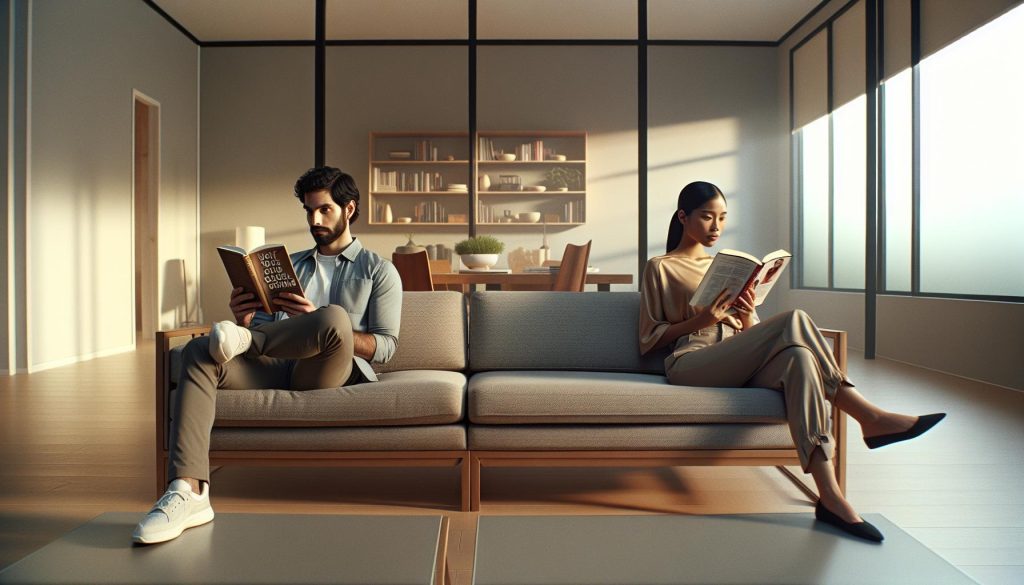
The adaptation of “The Hating Game” from page to screen has sparked debates among fans and newcomers alike, as they ponder which version truly captures the essence of this beloved romantic comedy. With the book’s witty banter and intense tension that captivated readers, the film’s portrayal has been both anticipated and scrutinized. Many readers find themselves torn between the vivid imagination fostered by the book and the visual interpretation offered by the movie. Does the film succeed in conveying the depth of the characters and the charm of their fiery relationship? Join us as we delve into a comprehensive comparison, exploring the key differences and similarities to determine which version emerges as the ultimate favorite. Your insights as a reader and viewer matter in this discussion!
Hating Game Movie Adaptation: What Changed?
The movie adaptation of The Hating Game, based on Sally Thorne’s popular novel, introduces several notable changes that both enhance and alter the original story. One of the most significant modifications involves the narrative’s pacing and structure. While the book dives deeply into the internal thoughts and development of its characters, which includes their motivations and backstories, the film streamlines these elements for a more visual storytelling approach. This shift can sometimes leave viewers longing for the rich character depth that Thorne’s prose provided.
Moreover, the film makes adjustments to the romantic dynamics between Lucy and Joshua. The tension and chemistry that unfold in the novel are gradually built through witty banter and playful rivalry, capturing the essence of their enemies-to-lovers arc. However, in the adaptation, some of these interactions are condensed, shifting more towards overt romantic gestures that may stray from the subtler, layered interactions readers cherished. This pivot may appeal to casual viewers who prefer a straightforward romance but could alienate die-hard fans of the novel who appreciated the strategic graduality of their relationship’s evolution.
In terms of character portrayal, the film introduces visual storytelling aspects that can significantly alter audience perceptions. For instance, while the novel allows for insight into Lucy’s insecurities and ambitions in a nuanced fashion, the film often expresses these through external dialogue and scenarios. Consequently, some of the internal conflict she faces might not resonate as deeply with the audience, as visual mediums inherently rely on immediate representation rather than introspective description.
Ultimately, while the adaptation captures the overall spirit of The Hating Game, it illustrates how the translation from text to screen necessitates certain modifications. These changes might bemuse avid readers who adored the book’s intimate character development and nuanced dialogue, yet they also provide opportunities for new audiences to experience the central love story in a more accessible format. Fans of the book might find the film to be a delightful reimagining that attempts to marry humor and romance, even as it navigates the challenges inherent in adapting beloved literature for the screen.
Book vs Movie: Major Plot Differences Explored
The transition from page to screen in adaptations like The Hating Game often results in noteworthy differences that can influence fans’ opinions on which version resonates more profoundly. Both the novel by Sally Thorne and its film adaptation offer unique storytelling experiences, yet the major plot shifts fundamentally alter the audience’s connection to the narrative and characters.
One of the pivotal differences lies in the pacing and structure. In the book, Thorne dedicates considerable time to developing the protagonists, Lucy and Joshua, through their internal monologues. Readers gain access to their thoughts, insecurities, and motivations, which makes their eventual romantic connection feel earned and multifaceted. On the other hand, the movie opts for a quicker storytelling style, compressing these insights into dialogues and visual moments. As a result, the audience may find the characters’ emotional journeys less nuanced, impacting the depth of their connection to the romance.
Another significant alteration is how certain plot points are handled. The book intricately weaves the work dynamics and the ensuing tension between Lucy and Joshua throughout various settings, providing a comprehensive backdrop for their rivalry to transform into romance. Conversely, the film streamlines these interactions, condensing pivotal moments and sometimes sacrificing key subtleties, such as the gradual buildup of their relationship. For instance, while the novel delights in playful banter and tension built over time, the film often prefers quicker exchanges and overt romantic gestures, seemingly pandering to mainstream tastes for straightforward love stories.
Furthermore, character arcs, particularly Lucy’s, are transformed in the adaptation. The book allows readers to see Lucy’s vulnerabilities and aspirations through her reflections, cultivating empathy and a deep understanding of her character. The film, however, tends to externalize these challenges, making it difficult for viewers to grasp the complexity of her narrative without the internal context provided by the book. This shift can lead to different interpretations of the characters and their relationships, as the subtler aspects are often overshadowed by visual storytelling techniques.
In summary, while both the book and the movie of The Hating Game bring smiles and intrigue to audiences, the adjustments in plot structure, pacing, and character depth highlight the challenges and creative choices inherent in adaptations. Whether fans prefer the richly detailed narrative of the book or the visually dynamic storytelling of the film often boils down to personal taste in how love stories are best communicated.
Character Analysis: Who Was Better Portrayed?
The intricate dynamics between Lucy and Joshua in The Hating Game are central to both the novel and its film adaptation, yet how their characters are portrayed reveals fascinating contrasts that can shape viewer and reader engagement. In Sally Thorne’s novel, readers dive deeply into the psyches of Lucy and Joshua, benefiting from the rich internal monologues that flesh out their complex personalities. We see Lucy’s vulnerabilities, ambitions, and playful wit through a lens that invites empathy and connection, allowing readers to experience not just her actions but her motivations and fears.
In the film, while the performances by the actors are commendable, the medium’s constraints lead to a more superficial exploration of character depth. The director’s choice to condense pivotal character-building moments into snappy dialogues or visual cues can strip away the subtler layers of their relationship. For instance, Lucy’s personal growth and professional aspirations are often overshadowed by the film’s focus on moments designed for cinematic effect, such as romantic gestures that resonate on a surface level but lack the narrative weight found in the prose.
Moreover, while the actors bring charm to their roles, the film adaptation often simplifies Joshua’s character traits. The book offers a nuanced portrayal of his challenges and insecurities that contribute to his behavior towards Lucy, which can be lost in a more streamlined cinematic narrative. The film emphasizes chemistry and attraction but sometimes at the expense of the intellectual and emotional connectivity that builds the foundation of their romance in the book.
Ultimately, the disparity in character portrayal between the book and the movie adds to the discussion of adaptation success. Readers may find themselves favoring the book for its detailed character insights, while moviegoers might appreciate the visual chemistry and romance. Those seeking to understand the intricate dance of Lucy and Joshua’s personalities should look to the novel for a richer experience, while the film offers a lighter, albeit less nuanced, version of their seductive rivalry.
Romantic Elements: Love Story Comparisons
The love story between Lucy and Joshua in both the novel The Hating Game by Sally Thorne and its film adaptation presents a captivating exploration of romantic tension stemming from rivalry. However, the adaptation introduces some notable variances that affect the overall perception of their relationship. This comparison can help readers and viewers determine which rendition resonates more with their expectations of a romantic narrative.
In the book, the romantic elements are layered with complexity, showcasing not only the chemistry between Lucy and Joshua but also their individual growth as characters. The narrative intricately details their banter, filled with wit and playful hostility, which serves as the foundation of their romance. For instance, the internal monologues provide insights into Lucy’s thoughts, underscoring her vulnerabilities and the stakes of her relationship with Joshua, creating an emotional depth that heightens the romantic tension. This exploration makes their eventual romantic connection feel earned and organic, engaging readers on both intellectual and emotional levels.
In contrast, the film adaptation simplifies many of these romantic dynamics. Visual storytelling naturally emphasizes the chemistry and tension through actors’ performances and romantic visuals, yet it often sacrifices the nuanced dialogues and internal conflicts that characterize the book. While the chemistry between the actors is palpable, scenes that could have deepened the emotional stakes or showcased character development are often shortened or streamlined for pacing. This makes the film’s love story feel lighter and, at times, less impactful, as it doesn’t delve into the internal struggles that Lucy and Joshua face, which can leave viewers wanting more character-driven storytelling.
Despite these differences, both mediums achieve humorous moments and significant romantic beats that appeal to their respective audiences. For many fans, the book remains the superior portrayal of Lucy and Joshua’s journey because of its profound character insights, which contribute to a more relatable and immersive experience. Meanwhile, the film offers a vibrant visual interpretation that may attract viewers looking for immediate entertainment and a more straightforward love story. Ultimately, the differences in romantic execution prompt viewers and readers to reflect on what they value in a romance-be it depth and character growth or visual chemistry and cinematic moments.
Tone and Style: How They Differ in Execution

The distinction in tone and style between Sally Thorne’s The Hating Game and its film adaptation is a critical factor that shapes audience perception and enjoyment of the story. The book employs a deeply personal, often humorous narrative voice that immerses readers in Lucy’s thoughts, vividly capturing her emotional landscape. Thorne’s writing style is characterized by sharp wit and clever banter, with an abundance of internal monologues that reveal Lucy’s insecurities, ambitions, and feelings toward Joshua. This first-person perspective allows readers to engage intimately with her struggles and triumphs, making their romantic interplay feel nuanced and authentic.
In contrast, the film adaptation adopts a more straightforward, visual storytelling approach, which can sometimes oversimplify the nuanced dynamics present in the novel. While the film capitalizes on visual chemistry and the actors’ performances to convey tension and attraction, it often lacks the internal dialogue that is so pivotal in the book. The humor in the film, although still present, tends to lean more on physical comedy and situational setups than on the biting sarcasm and layered wit that characterize Thorne’s prose. This shift in stylistic execution can lead to a different interpretation of character motivations and relationship dynamics, leaving some readers yearning for the complexity the book offers.
Additionally, the pacing between the two mediums diverges significantly. The book unfolds in a way that builds tension gradually, allowing for a slow-burn romance infused with moments of vulnerability and growth. The rhythm of the narrative gives readers time to reflect and connect with the characters. Conversely, the film’s runtime necessitates a brisker pace, which can compress significant character development arcs and emotional beats. This can result in scenes that feel rushed or underdeveloped, potentially impacting the depth of the romance presented on screen.
Ultimately, the tonal differences between the book and the film highlight the unique strengths of each medium. While the book’s literary style fosters a rich, immersive experience that invites readers to ponder their own romantic narratives, the film’s visual interpretation aims for immediate emotional resonance through engaging performances and aesthetic storytelling. This divergence raises interesting questions about how each audience values connection versus immediacy in narrative experiences, influencing their overall appreciation of the characters’ journey.
Fan Reactions: Book Readers vs Movie Viewers
Fan reactions to the adaptation of The Hating Game highlight a captivating divide between book readers and movie viewers, each group bringing their own expectations and experiences to the story. For avid readers of Sally Thorne’s novel, the transition to the screen is often met with a keen sense of apprehension. Many cherished the book’s intricate portrayal of Lucy’s internal struggles and the sharp-witted banter between the main characters, Lucy and Joshua. This emotional depth is central to the book, creating a rich tapestry of their slow-burn romance that some fans felt was somewhat diminished in the film’s brisk pacing and visual storytelling.
On the other hand, movie viewers might approach the film with no prior knowledge of the source material, allowing them to experience the storyline fresh. Many appreciate the actors’ chemistry and the film’s ability to convey romantic tension in a more immediate, visual format. This audience often finds joy in the film’s comedic elements and its engaging escapism. However, while some enjoy the light-heartedness and the cinematic flair, others possible feel that the absence of Lucy’s internal monologue renders the emotional stakes less impactful, leading to a perception that some character nuances are lost.
As fan communities engage in discussions about which medium captures the essence of The Hating Game better, enthusiastic debates emerge. Readers often take to social media and forums, sharing their thoughts on character portrayals, missed plot points, and the effectiveness of the romance presented in both formats. Meanwhile, casual viewers frequently discuss their enjoyment of the film’s aesthetic and pace. This juxtaposition fosters a dynamic conversation that illuminates how personal experiences shape reactions to adaptations.
Ultimately, whether one favors the depth of the novel or the lively execution of the film often hinges on what they personally value in storytelling-whether it be character introspection or visual chemistry, the experiences of book readers and movie viewers continue to fuel spirited debates about the merits and shortcomings of both the original work and its adaptation.
Critical Reviews: What Experts Are Saying
When evaluating the adaptation of *The Hating Game*, critics have articulated a range of perspectives that highlight the intricate dance between the source material and its cinematic counterpart. Many experts recognize that while the film captures some of the novel’s charm, it ultimately prioritizes romantic comedy conventions over the book’s deeper emotional layers. For instance, *Entertainment Weekly* noted that the film’s visual storytelling effectively communicates the sizzling chemistry between Lucy and Joshua. However, it lacks the nuance of Lucy’s internal monologue that gave readers insight into her complex emotions and motivations, leading to a somewhat shallow representation of her character’s growth.
Mixed Reviews from Critics
Critics have been divided in their assessments. Some praise the film’s pacing and humor, arguing that it adapts well to contemporary rom-com aesthetics. Variety stated that the actors, particularly the chemistry between the leads, make the film enjoyable and engaging for those unfamiliar with the novel. Conversely, reviewers such as those from *Kirkus Reviews* lament the missed opportunity to delve into the subtleties that made the book a fan favorite. The emotional stakes, they argue, feel less impactful without the context provided by the book.
Audience Reception and Critical Insights
Audience reactions have mirrored this divide. Fans of the book often express dissatisfaction regarding omitted subplots and character development. As observed in numerous social media discussions, readers highlight scenes that evoke emotional depth in the book-such as Lucy’s internal dialogues and her evolving relationship with her surroundings-that were glossed over or entirely absent in the film. In contrast, casual moviegoers tend to appreciate the film’s light-hearted approach and pacing, celebrating it as an accessible romantic comedy that offers a fun, albeit simplified, version of the story.
Ultimately, critics point to the challenge of adaptation, acknowledging that each medium has its strengths. While the book offers a rich landscape of character introspection and slow-burning tension, the film accentuates visual and comedic elements, appealing to a different audience. This ongoing conversation among fans and experts alike continues to enrich the narrative surrounding *The Hating Game*, reminding us that adaptations can evoke varied interpretations and responses.
Cultural Impact: Book vs Movie Legacy
The conversation surrounding the legacy of the Hating Game-both as a novel and as a film adaptation-reveals how each medium leaves its unique mark within popular culture. Initially released as a novel by Sally Thorne, the story quickly gained traction among readers, captivating a dedicated fan base that celebrated its witty banter and intricate character dynamics. The book’s success not only made it a bestseller but also paved the way for a broad discourse on workplace romance in contemporary literature, influencing a wave of similar romantic comedies that followed.
When the movie adaptation was released, it positioned itself to tap into this existing fan base while also aiming to attract new audiences unfamiliar with the book. The film presents a more visual and palatable version of the love story, relying heavily on the chemistry between its leads. This pivot to visual storytelling has led to varied cultural reactions-while the film reached viewers who might not delve into a 400-plus page romance, it also faced criticism from purists who felt it glossed over the deeper emotional nuances that made the book resonate so profoundly. In essence, The Hating Game as a film brought the story to a wider audience, but some fans contend that in the process, it diminished the intricate exploration of character feelings that defined Thorne’s writing.
Moreover, the adaptation sparked discussions about how romantic comedies transition from page to screen. Adaptation discussions frequently highlight the differences between character portrayal and plot pacing, questioning what elements are sacrificed in favor of cinematic formats. This has helped to foster a keen interest among both readers and viewers, prompting them to reevaluate what they seek in storytelling. Readers often yearn for a deeper connection with characters, while viewers may prioritize entertainment elements, leading to a rich dialogue that continues to shape public perceptions of romance-themed adaptations.
Ultimately, the cultural impact of The Hating Game demonstrates the evolving nature of storytelling and audience engagement. As adaptations continue to proliferate, they serve not merely as standalone entities but as bridges connecting readers with cinematic experiences. This layered interaction encourages a re-examination of both the novel and the film, highlighting that each medium plays a crucial role in contributing to the broader conversation about love, conflict, and relational dynamics in modern narratives.
Behind the Scenes: Production Insights
The journey from page to screen for The Hating Game involved numerous creative decisions that shaped both the narrative and its emotional resonance. Production details reveal how filmmakers sought to maintain the spirit of Sally Thorne’s beloved novel while adapting it for a cinematic audience. This process is crucial not only for understanding differences between the materials but also for appreciating the transformations necessary when translating a written romance into a visual medium.
In terms of casting, the chemistry between actors was paramount. Lucy Hale and Austin Stowell took on the leading roles of Lucy and Joshua, respectively, bringing their own interpretations while staying true to the characters. The filmmakers conducted extensive casting sessions to find actors who understood the banter and tension that drive their relationship in the book. The choice of location also played a significant role; filming in Toronto doubled for New York City, complete with urban backdrops that provided the perfect canvas for the story’s romantic and comedic moments.
One fascinating aspect of the production was the collaboration between the screenwriters and Thorne herself. By involving the author in the adaptation process, the filmmakers aimed to preserve the core essence of the novel. This collaborative approach reflects a growing trend in adaptations, where authors are invited to lend their voice in crafting the screenplay, ensuring that the adaptation resonates with fans while still allowing for necessary changes.
Moreover, the film’s pacing and tone highlight key production choices. With a run time significantly shorter than the book, scenes were crafted to evoke humor and tension swiftly, often relying on dialogue-heavy exchanges to drive the narrative forward. A mix of romantic montages and comedic sequences presented a lighter version of Lucy and Joshua’s dynamic, catering to audiences who might prefer a brisker, more streamlined story.
These insights into the production process illuminate not only the challenges faced but also the thoughtful decisions that shaped the adaptation. Engaging with these behind-the-scenes elements deepens the appreciation for how The Hating Game evolves from a beloved novel into a cinematic experience, inviting fans and newcomers alike to experience the story in a fresh and exciting way.
Future Adaptations: What’s Next for Fans?
As fans of “The Hating Game” look forward to future adaptations, it’s exciting to consider how this beloved story might continue to evolve across different platforms and formats. Given the success of the book and its movie adaptation, it raises the question of what creative possibilities lie ahead for readers and viewers alike. With the increasing popularity of romance novels in Hollywood, the journey of Lucy and Joshua may not be over just yet, offering room for deeper explorations of their world.
H3: Expanding the Universe
One viable avenue for future adaptations could involve expanding the universe established in Thorne’s work. The author has released other novels within a similar genre that fans have embraced, such as “99 Percent Mine” and “One Last Stop.” Producing spin-off series or adaptations that explore different facets of these characters or similar romantic themes could attract both new viewers and existing fans. Think about how adaptations in contemporary media leverage interconnected storylines-streaming services may find great value in creating a series built around character dynamics that echo the witty banter and romantic tensions of “The Hating Game.”
H3: Opportunities for Serialized Storytelling
Serialized storytelling could offer a fresh perspective on the characters’ development. A mini-series format allows for character exploration that a two-hour film may not provide. Expanding the plot to encompass more subplots and character backgrounds, while nurturing the core romance, can help keep audiences engaged over multiple episodes. This approach not only enriches character arcs but also builds anticipation among viewers, drawing them into a narrative that unfolds more gradually.
H3: Animated or Graphic Novel Adaptations
Additionally, there is potential for innovative adaptations such as animated versions of the story or graphic novels, which could cater to different demographics and preferences. Visual storytelling in these formats allows for a unique expression of humor and romance through animation styles or illustrated art, reaching a broader audience and appealing to fans of diverse media. An animated series could also explore side stories, background tales, and even comedic moments that play into the romantic plot.
H3: Interactive Platforms
Lastly, the rise of interactive content presents another exciting opportunity. With platforms offering changing narrative paths-such as video games or interactive films-fans could experience the story in a way that fosters personal engagement. Such formats challenge traditional viewing experiences, enabling audiences to choose how events unfold, which would align beautifully with the novel’s playful nature.
While the current adaptations have set a foundation, the landscape for storytelling continues to change, and the possibilities for further adaptations are limited only by creativity. Fans can embrace these potential new stories and adaptations while continuing to advocate for the rich source material that started it all. The conversation around “The Hating Game” and its counterparts continues to be vibrant, ensuring that Lucy and Joshua’s journey may inspire new narratives in ways we haven’t even imagined yet.
Frequently asked questions
Q: What are the main differences between the plot of the book and the movie of The Hating Game?
A: The main differences include changes in character backstories, the resolution of romantic tensions, and the overall tone. While the book delves deeper into the characters’ internal struggles, the movie opts for a more straightforward romantic comedy approach. For a detailed comparison, check out the “Book vs Movie: Major Plot Differences Explored” section in the article.
Q: How faithful is The Hating Game movie to the book?
A: The Hating Game movie captures the essence of the book but takes creative liberties, particularly in how characters’ arcs are developed. Key themes and moments from the book are present, but fans may notice significant adjustments in character interactions and ending scenarios.
Q: Do viewers or readers prefer the book or the movie version of The Hating Game?
A: Preferences vary, with many readers appreciating the book’s depth and humor, while movie viewers enjoy the quick pacing and visual appeal. The “Fan Reactions: Book Readers vs Movie Viewers” section provides insights into differing opinions from both audiences.
Q: What are the key themes explored in The Hating Game book?
A: Major themes include love versus hate, workplace dynamics, and personal growth. These themes are woven throughout the characters’ interactions, making the book more complex than the movie adaptation, which focuses more on humor and romantic resolution.
Q: What criticisms have been made about the movie adaptation of The Hating Game?
A: Critics often point out that the movie lacks the emotional depth and character development found in the book. The quick pacing and lighthearted tone dilute some of the story’s more poignant moments, which can disappoint die-hard fans of the book.
Q: How does the love story in The Hating Game differ between the book and movie?
A: The love story in the book includes nuanced build-up and character development, while the movie accelerates their romance for cinematic effect. Emotional exchanges may also feel less impactful due to the shorter format available in film.
Q: Were there any notable performances in The Hating Game movie?
A: Yes, the performances of the lead actors received praise for their chemistry and comedic timing. However, some viewers felt the characters were less developed than in the book, affecting their overall impact.
Q: Will there be any future adaptations of The Hating Game stories?
A: As of now, there are no confirmed future adaptations, but fans hope for expanded adaptations of other works by the same author. Keep an eye on updates in the “Future Adaptations: What’s Next for Fans?” section.
Key Takeaways
As we wrap up our exploration of “Hating Game Book vs Movie: Which Wins?”, it’s clear that the debate between the captivating narrative of the book and the visual storytelling of the film offers a treasure trove of insights. Each medium has its unique strengths, but the ultimate choice comes down to personal preference. Whether you’re a die-hard fan of the source material or a lover of cinematic experiences, both have their charms that deserve appreciation.
Don’t miss out on diving deeper! Check out our in-depth analysis of other adaptations in our article on “The Best Book-to-Movie Adaptations.” Plus, if you want to stay updated on all things literary and cinematic, consider signing up for our newsletter for exclusive insights and recommendations. Have thoughts or opinions? We’d love to hear from you in the comments below! Your voice enriches our community, and sharing your perspective could inspire others to join the conversation.
Explore more and make the most of your next read or watch-because every story has the potential to ignite a new passion.
Get our latest guides, news, and insights highlighted in your Google Search & AI Overviews.