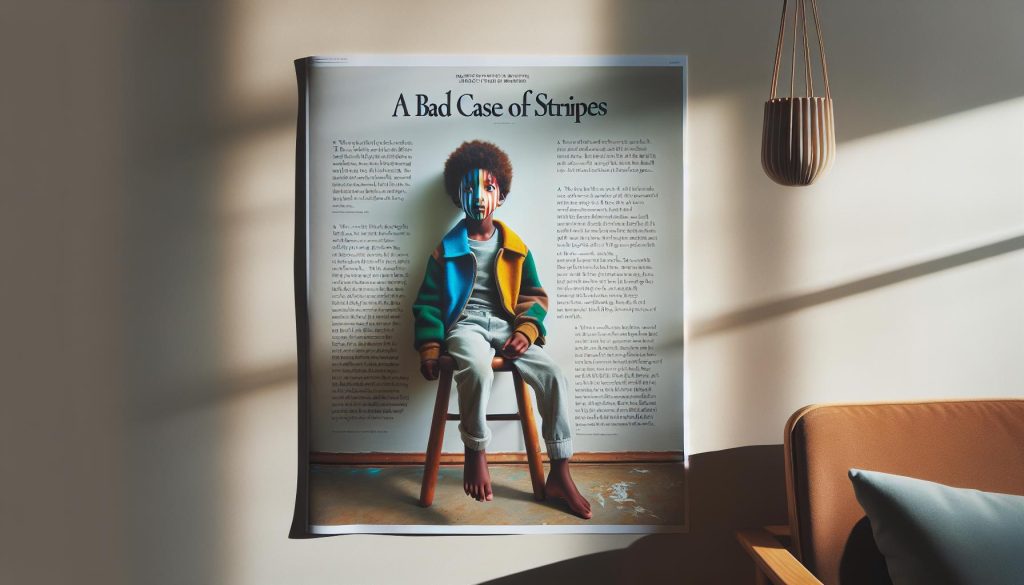
Imagine waking up one day to find yourself covered in vibrant stripes! “A Bad Case of Stripes,” a children’s classic by David Shannon, explores themes of identity, conformity, and the importance of self-acceptance through its whimsical story. This beloved tale resonates with both children and adults, tackling the relatable issue of feeling different in a world that often celebrates conformity. Readers grapple with the protagonist’s dilemma, echoing their own childhood experiences of yearning for acceptance while discovering the power of authenticity. In this review, we will delve into the enchanting narrative and captivating illustrations that make this book a valuable addition to any child’s library. Join us as we unpack the messages woven into the fabric of this delightful story, encouraging young readers to embrace their true selves and appreciate individuality.
A Deep Dive into the Storyline of A Bad Case of Stripes
In “A Bad Case of Stripes,” the storyline unfolds in a whimsical yet thought-provoking manner, capturing the trials of a young girl named Camilla Cream. Camilla, who is obsessed with fitting in, is faced with a peculiar predicament: she wakes up one morning covered in stripes of various colors. This bizarre transformation serves as a powerful catalyst for exploring themes of individuality and self-acceptance. Rather than embracing her difference, Camilla’s fear of being judged by her peers drives her to seek solutions from various adults, reflecting the pressures children often feel to conform.
The plot expertly weaves humor and lessons about identity, wherein Camilla’s stripes change according to the reactions of those around her. The more she tries to hide her stripes, the more outlandish they become, illustrating the futility of denying one’s true self. This visual metaphor resonates on multiple levels; children can recognize the importance of self-acceptance and the absurdity of following the crowd in their quest for approval. Ultimately, it highlights that true happiness comes from being authentic rather than fitting in.
As the story progresses, Camilla’s eventual acceptance of her unique appearance leads to a delightful and liberating conclusion. Free from the constraints of societal expectations, she truly embraces her individualism, transforming her stripes into a badge of honor. The narrative not only entertains but also encourages young readers to celebrate their differences, making “A Bad Case of Stripes” a cherished classic. The combination of playful storytelling with a profound message about self-identity engages young minds, prompting them to reflect on their own experiences of conformity and acceptance.
Character Analysis: Meet Camilla Cream
In the whimsical world of “A Bad Case of Stripes,” Camilla Cream is a character that embodies the struggles of childhood – the longing for acceptance, the fear of judgment, and the quest for identity. Her story begins with a relatable dilemma: while she adores lima beans, she refrains from eating them because her peers view them unfavorably. This choice reflects a common childhood experience where the desire to fit in often overshadows personal likes and dislikes. As the narrative unfolds, Camilla’s transformation into a girl covered in vibrant stripes serves as a powerful visual metaphor for the pressures of conformity and the importance of self-acceptance.
Camilla’s stripes are not just a quirky plot device; they symbolize her inner turmoil and the external influences of peer pressure. When she first wakes up covered in stripes, her reaction encapsulates a natural response to feeling different – embarrassment and fear of being ostracized. This signifies how children may often internalize societal expectations, leading them to suppress their true selves. Throughout the story, her stripes change color in reaction to the opinions of others, illustrating a profound truth: the more one attempts to conform, the more complicated the struggle with self-identity becomes.
However, as the story reaches its climax, Camilla begins to embrace her stripes, signifying a critical shift. This acceptance culminates in her revelation that being oneself is far more liberating than attempting to please others. By shedding the weight of societal expectations, she transforms her stripes into a badge of honor, teaching young readers the invaluable lesson that individuality is worthy of celebration. Camilla Cream’s journey resonates deeply with children and adults alike, serving as a reminder that authenticity leads to true happiness.
In this regard, Camilla is an empathetic figure, inviting readers to reflect on their own experiences with fitting in and embracing their unique qualities. The character’s evolution from self-doubt to self-acceptance challenges children to question the pressures they face, encouraging them to honor their individuality over the desire for approval. Camilla Cream stands as a relatable heroine, inspiring confidence in the notion that differences should be embraced, not hidden.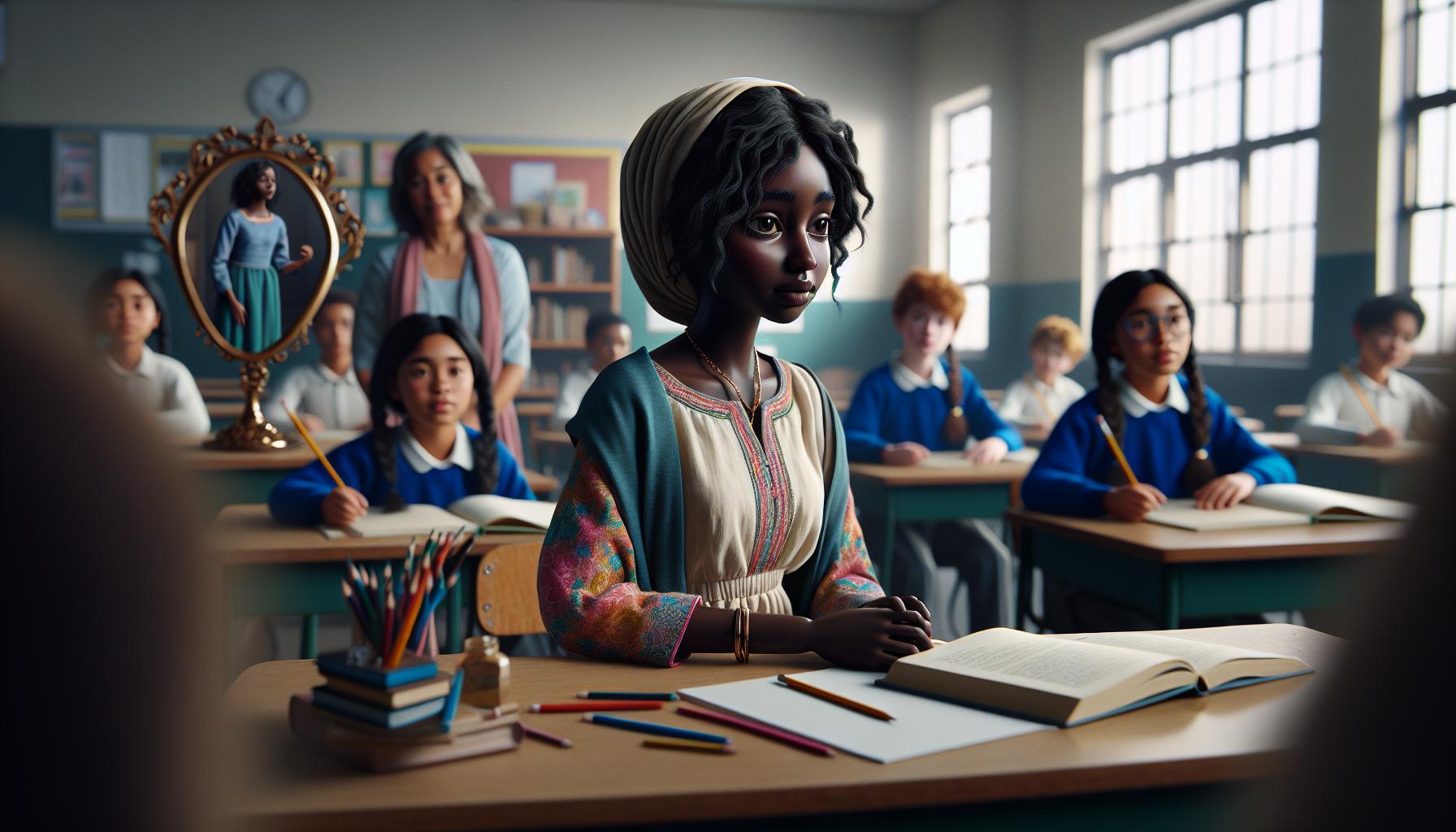
Themes and Lessons: What Children Learn
In the enchanting world of “A Bad Case of Stripes,” readers are introduced to profound themes that resonate well beyond the pages of a children’s book. At its core, the story tackles the pivotal idea of self-acceptance, inviting children to embrace their individuality even in the face of external pressures. This lesson is especially relevant in today’s society, where children are often bombarded with messages about conformity and the importance of fitting in with peers. The narrative serves as a strong reminder that being true to oneself can lead to genuine happiness and fulfillment, a lesson that many children will carry into adulthood.
As Camilla Cream’s stripes change depending on others’ perceptions, the text highlights a universal struggle many children face: the desire to please others versus the need for self-acceptance. Young readers witness firsthand how succumbing to peer pressure complicates one’s sense of identity. With Camilla’s journey, they learn that fluctuating between approval and self-expression can be exhausting and that true empowerment comes from allowing one’s authentic self to shine through. This journey encourages discussions in classrooms and homes about the importance of authenticity, self-esteem, and the courage to stand out.
Furthermore, this story reinforces the notion that differences should not only be tolerated but celebrated. As Camilla eventually comes to embrace her stripes, she symbolizes the beauty of uniqueness. This resonates with children who may feel different or struggle to find their place. By showcasing Camilla’s transformation, the book teaches that expressing one’s individuality is not only freeing but pivotal for personal growth. Such lessons can inspire children to challenge societal norms and support their peers, creating a more inclusive environment where everyone feels valued for who they truly are.
Incorporating these themes into discussions with children can deepen their understanding and encourage them to reflect on their own feelings about acceptance and identity. Engaging in activities that promote self-expression-like art projects where children create representations of their “stripes”-can further solidify these lessons in a fun and meaningful way. Ultimately, “A Bad Case of Stripes” offers not just a delightful story but a powerful toolkit for navigating the complexities of youth, fostering a sense of pride in one’s own unique journey.
Art and Illustration: The Visual Magic of Stripes
In “A Bad Case of Stripes,” the vibrant illustrations by David Shannon play an essential role in conveying the story’s themes of identity and self-acceptance. Each page bursts with color and whimsy, visually reflecting the transformations that Camilla Cream undergoes as she grapples with her desire for acceptance. From her initial innocent appearance to the wild, kaleidoscopic changes that follow, the illustrations serve as a visual metaphor for the fluidity of identity and the pressure to conform.
The unique artistic style is characterized by bold lines and bright colors, which not only capture the attention of young readers but also evoke emotional responses. The use of stripes-whether they are rainbow, polka dots, or checkerboards-symbolizes the various identities that Camilla tries on throughout the story. These playful yet exaggerated designs illustrate how societal expectations can manipulate one’s self-image, making a profound statement about the importance of embracing one’s true self.
Visual Storytelling and Engagement
Shannon’s illustrations enable readers to engage deeply with Camilla’s journey. Each frame allows children to visually experience Camilla’s struggles and triumphs, effectively making the abstract concepts of self-doubt and acceptance more tangible. The dynamic art style encourages imagination, prompting discussions about how color and design can reflect feelings and identities. For instance, as Camilla changes, the vibrancy of the colors shifts, paralleling her emotional state, serving as a powerful tool for children to understand visual cues related to mood and identity.
Creating Interactive Art Experiences
To enhance the connection between children and the book’s themes, educators and parents can create interactive art activities inspired by the visuals in “A Bad Case of Stripes.” Here are a few ideas:
- Personalized Stripes: Children can design their own “stripes” using various materials, allowing them to express their unique identities.
- Color Exploration: Use watercolors or crayons to blend colors, mirroring the transformation process of Camilla’s appearance throughout the book.
- Story Illustration: After reading, encourage children to illustrate their favorite scene, focusing on how colors and patterns reflect emotions.
This creative approach not only solidifies the story’s messages but also fosters a supportive space for children to discover and celebrate their own individuality, making the visual magic of “A Bad Case of Stripes” a tool for self-expression and understanding.
The Author’s Background: Discovering David Shannon
David Shannon, the creative mind behind “A Bad Case of Stripes,” has a fascinating background that significantly influences his storytelling and artistic approach. Born in 1960, Shannon was captivated by illustrations from a young age, often drawing inspiration from his own childhood experiences. His love for storytelling blossomed, shaped by his keen observation of the world around him. This connection to his own youthful imagination is reflected in the whimsical and vibrant illustrations that characterize his books, including “A Bad Case of Stripes,” published in 1998.
Shannon’s journey into children’s literature began with his first book, “No, David!” which, like “A Bad Case of Stripes,” showcases his distinctive style and understanding of children’s themes. His art is often marked by exaggerated expressions and bold colors, drawing children into the narrative while simultaneously conveying deeper messages about individuality and conformity. What sets Shannon apart is his ability to merge humor with heartfelt lessons, making complex ideas accessible to young readers.
Creative Philosophy and Impact
Central to Shannon’s philosophy is the belief that children should see themselves in stories. He aims to reflect their feelings and experiences through engaging narratives and relatable characters. “A Bad Case of Stripes” contributes significantly to this mission, exploring themes of self-identity and the pressures of fitting in, which resonate deeply with children facing similar challenges. Shannon’s ability to articulate these themes through playful, imaginative storytelling encourages readers to embrace their uniqueness, fostering a sense of belonging.
In addition to his work as an author and illustrator, David Shannon’s background includes a degree in fine arts from the University of California, Berkeley. This formal education equipped him with the skills to create visually striking illustrations that complement his narratives. His artistic technique combines traditional and contemporary styles, allowing him to appeal to a broad audience while maintaining a signature flair. His continued success and recognition in the world of children’s literature underscore the lasting impact of his work, inviting new generations to discover the magic of his storytelling.
Comparing A Bad Case of Stripes with Other Classics
David Shannon’s “A Bad Case of Stripes” resonates with the timeless themes of individuality and conformity, echoing the essence found in many beloved children’s classics. This story, much like Maurice Sendak’s “Where the Wild Things Are” and Dr. Seuss’s “Oh, the Places You’ll Go!”, takes children on transformative journeys that emphasize the importance of self-discovery.
One standout comparison is with “The Very Hungry Caterpillar” by Eric Carle, where both books follow characters who grapple with their identities and societal expectations. Camilla Cream, much like the caterpillar, experiences a metamorphosis that reflects her internal struggles and external pressures. While the caterpillar undergoes a physical transformation into a butterfly that symbolizes growth and understanding, Camilla’s journey reveals the absurdity of conforming to peers, fostering discussions about peer influence and personal preferences.
Visual Storytelling
In addition to thematic parallels, the art in “A Bad Case of Stripes” can similarly be explored alongside the bold, colorful illustrations found in classic children’s literature. Shannon’s distinctive style, with exaggerated expressions and vivid hues, mirrors Carle’s use of collage techniques. Both authors utilize their artwork not just as a backdrop but as an integral part of the narrative that enhances the storytelling experience.
Life Lessons
The underlying lessons in these classics often revolve around self-acceptance and the beauty of being unique. Just as “A Bad Case of Stripes” encourages children to embrace who they are despite external pressures, books like “Chrysanthemum” by Kevin Henkes explore themes of individuality in the context of social acceptance. These narratives collectively reinforce the idea that differences should be celebrated rather than hidden, teaching young readers valuable lessons about self-worth and the courage to stand out.
By comparing “A Bad Case of Stripes” with classics that tackle similar messages, we can appreciate its role not only as a source of entertainment but also as an essential educational tool that fosters resilience and self-acceptance among children. This blend of engaging storytelling and impactful lessons cements its place in the pantheon of children’s literature.
Reader Reactions: Reviews from Parents and Educators
Parents and educators consistently share enthusiastic responses to David Shannon’s “A Bad Case of Stripes,” celebrating its vibrant storytelling and profound themes that resonate with children of all ages. Many parents appreciate how the story captivates young readers through its humor and engaging illustrations, which often spark lively discussions about self-identity and the importance of embracing individuality. For example, a parent noted, “My kids loved the colorful art, and it led to a fantastic conversation about being true to oneself-it’s a must-have for any young reader’s collection.”
From an educational perspective, teachers frequently highlight the book’s potential as a teaching tool. It easily integrates into discussions about peer pressure and self-acceptance, making it suitable for a wide range of classroom activities. Many educators have found that after reading the book, students engage in projects where they create their own ‘stripe’ designs, encouraging them to express their unique traits. One educator shared, “Using this book, I’ve seen my students open up about their own experiences with feeling different, which has helped build a supportive classroom environment.”
Moreover, the book’s appeal extends beyond entertainment; parents and teachers alike note its ability to foster empathy and understanding among children. Readers often express their admiration for how Shannon navigates serious topics with a light-hearted approach, making the lessons digestible for young audiences. This blend of light humor and serious messages contributes to a memorable reading experience that aids in emotional and social development.
Ultimately, the feedback reflects a universal appreciation for “A Bad Case of Stripes” as an important resource that not only entertains but also educates, making it an essential read in both homes and classrooms. The positive reactions underline the book’s role in nurturing a culture of acceptance and the celebration of differences, solidifying its legacy in children’s literature.
Using A Bad Case of Stripes in the Classroom
Integrating “A Bad Case of Stripes” into classroom activities can transform a simple read-aloud into a dynamic learning experience. This book not only entertains children but also sparks essential conversations related to self-identity, peer pressure, and the importance of embracing individuality. By leveraging Shannon’s engaging narrative, educators can create a rich environment for both social and emotional learning.
Practical Applications in the Classroom
One effective approach to using this book is to initiate a discussion after reading. Pose open-ended questions such as, “How do you think Camilla felt when she changed colors?” or “What would you do if you felt different from everyone else?” This encourages students to reflect on their feelings and share personal experiences, fostering a supportive classroom atmosphere. Teachers can guide these discussions towards recognizing the value of diversity and the need for acceptance among peers.
Another innovative activity is to have students create their own ‘stripe designs’ using art supplies. This can be a fun, hands-on project where students illustrate what makes them unique. As they design their stripes, prompt them to think about their favorite hobbies, interests, or characteristics. By sharing their artwork and the stories behind their designs, students can deepen their understanding of personal identity and learn to celebrate differences in their classmates. As noted by educators, these projects can lead to moments of vulnerability and connection, enhancing classroom community overall [[3]].
Incorporating Cross-Disciplinary Learning
Using “A Bad Case of Stripes,” teachers can also integrate lessons in language arts and social studies. For vocabulary building, teachers can emphasize descriptive language as they explore how emotions influence Camilla’s behavior. Additionally, students could engage in a project that investigates the socio-cultural aspects of individual differences by studying how various cultures celebrate uniqueness. This multi-faceted approach not only enriches comprehension skills but also promotes empathy and understanding [[2]].
By weaving “A Bad Case of Stripes” into diverse learning activities, educators can effectively foster a resilient classroom culture that promotes a sense of belonging and self-acceptance. This not only makes the reading experience memorable but also instills essential life lessons, ensuring that the themes resonate long after the story is concluded.
How to Choose Related Books for Young Readers
Choosing the right books to pair with *A Bad Case of Stripes* can enhance children’s understanding of key themes like individuality, identity, and acceptance. When selecting related titles, consider books that feature strong characters facing societal pressures or those that celebrate differences and unique traits. This not only creates a thematic continuity for young readers but also enriches their reading experience by encouraging diverse perspectives.
Characteristics to Look For
In identifying pertinent books, focus on the following attributes:
- Thematic Resonance: Seek out stories that explore concepts of identity, self-acceptance, and overcoming challenges related to peer pressure or conformity.
- Engaging Illustrations: Since visual storytelling plays a significant role in children’s literature, look for books with vibrant illustrations that attract and hold young readers’ attention.
- Relatable Characters: Choose books featuring protagonists that children can empathize with or learn from, particularly characters that experience transformation or personal growth.
- Meaningful Lessons: Opt for narratives that culminate in valuable life lessons, further fostering discussion about diversity and individuality in your classroom or home reading environment.
Recommended Titles
Here are a few books that complement the themes presented in *A Bad Case of Stripes*:
| Title | Author | Theme |
|---|---|---|
| Chrysanthemum | Kevin Henkes | Self-acceptance and uniqueness |
| It’s Okay to be Different | Shannon Anderson | Celebrating diversity |
| All Are Welcome | Alexandra Penfold | Inclusion and community |
| The Name Jar | Identity and belonging |
By selecting these books alongside *A Bad Case of Stripes*, readers can broaden their understanding of what it means to be unique. Furthermore, engaging children with such stories opens doors to discussions about their own experiences, creating a richer, more meaningful reading environment. Encourage young readers to share their thoughts on these paired narratives, deepening their emotional and cognitive engagement with the subject matter.
Activities Inspired by A Bad Case of Stripes
Engaging children in activities inspired by *A Bad Case of Stripes* can deepen their understanding of the story’s themes while sparking creativity and discussion. Here are several enjoyable and educational activities that can be integrated into a reading session or classroom:
Visual Storytelling
Encourage children to create their own visual storyboards that illustrate a scene from the book or a new adventure featuring Camilla Cream. Provide blank storyboard templates where they can draw and add captions to describe their story. This activity fosters creativity and helps children practice sequencing and narrative skills.
Color Experimentation
Take inspiration from the colorful stripes that Camilla experiences. Provide children with various art supplies – such as watercolors, colored markers, and crayons – and challenge them to create their own striped character or design a new outfit for Camilla that reflects their personality. This activity allows for self-expression and discussions about individuality and uniqueness.
Creative Role-Play
Set up a role-playing session where children can act out different scenarios based on the book’s storyline. They can take turns being Camilla and her friends, discussing feelings about identity and societal pressures. Role-play encourages empathy, communication skills, and helps children explore complex emotions in a safe environment.
Discussion and Reflection
After reading, facilitate a discussion about the themes presented in the book. Prompt children with questions such as:
- What does being unique mean to you?
- Have you ever felt pressured to be like everyone else?
- What can we learn from Camilla’s story about accepting ourselves?
Encouraging children to share their thoughts will enhance their comprehension and foster a supportive environment for discussing differences.
Connecting with Nature
Take the activities outdoors and have children observe the various colors and patterns found in nature. Whether it’s flowers, leaves, or insects, this observation can lead to discussions on biodiversity and how nature itself showcases individuality. Children can then create nature collages inspired by the patterns they find, linking the book’s themes to the real world around them.
By implementing these activities, educators and parents can enhance children’s appreciation for *A Bad Case of Stripes* while encouraging important lessons about self-identity, acceptance, and the beauty of diversity.
The Enduring Legacy of A Bad Case of Stripes
The impact of A Bad Case of Stripes extends far beyond the pages of David Shannon’s beloved book; it resonates with readers young and old, encouraging a celebration of individuality and self-acceptance. Originally published in 1998, this story quickly became a staple in children’s literature, addressing crucial themes relevant to childhood experiences and societal pressures. Today, it remains a touchstone for discussions about identity and personal expression.
One of the book’s legacies is its ability to spark important conversations about uniqueness in a classroom setting. Educators recognize the power of Camilla Cream’s journey, not just as a narrative but as a springboard for teaching children about empathy and understanding differences. Schools often use this story to create a safe space where students can express their fears or anxieties about fitting in, promoting mental well-being and social resilience through age-appropriate discussions.
Additionally, Shannon’s engaging illustrations are a significant part of what makes this book memorable. The vibrant colors and whimsical depictions of Camilla’s transformation into an array of colors and patterns captivate audiences and stimulate imagination. This visual magic not only captures children’s attention but also inspires artistic expression. Many educators incorporate art projects based on the book, allowing students to create their striped characters that represent their unique identities.
As A Bad Case of Stripes continues to be embraced in homes and classrooms, its messages endure, reinforcing the idea that embracing one’s individuality can be both empowering and liberating. In an age where children face unprecedented pressures to conform, this classic serves as a reassuring reminder that it is okay, and indeed wonderful, to be different. Through generations, this book maintains its relevance, making it a must-read for fostering self-acceptance and celebrating diversity.
Why A Bad Case of Stripes is a Must-Read
Engaging with the pages of David Shannon’s classic not only introduces children to a whimsical narrative filled with vibrant illustrations but also initiates essential dialogues about self-acceptance and individuality. In a world where conformity often overshadows uniqueness, A Bad Case of Stripes emerges as a beacon of encouragement for young readers. The tale of Camilla Cream, who finds herself battling a peculiar and colorful condition that mirrors her anxieties about fitting in, becomes a powerful metaphor for the pressures that all children face as they navigate their social landscapes.
This story is not merely entertainment; it fosters emotional intelligence by prompting kids to reflect on their personal experiences with peer pressure and identity. The lessons embedded in the narrative resonate deeply, making it a rich resource for parents and educators alike. The book invites discussions surrounding topics such as empathy, acceptance of differences, and the importance of being true to oneself. By integrating this story into conversations about individuality, caregivers can help children understand the value of embracing their unique traits, ultimately promoting self-confidence and resilience.
In terms of educational utility, A Bad Case of Stripes proves invaluable. It serves as a springboard for numerous classroom activities, from art projects that allow students to express their identities creatively to group discussions that encourage children to share their own experiences of feeling different. This versatility in application makes the book a crucial tool in fostering an inclusive atmosphere where diversity is celebrated and fears of exclusion can be openly addressed.
Ultimately, the continued relevance of A Bad Case of Stripes underscores its importance in contemporary discussions about identity and acceptance. As children grapple with the complexities of their own uniqueness, this story not only entertains but also empowers, reinforcing the notion that it is wonderfully okay to be oneself. This makes it a must-read for every young learner, ensuring that its messages will echo through generations to come.
Frequently asked questions
Q: What is the main message of A Bad Case of Stripes?
A: The main message of A Bad Case of Stripes centers around the importance of self-acceptance and embracing one’s identity. Camilla learns that trying to fit in and conform to others can lead to losing parts of herself, emphasizing the value of individuality.
Q: How does A Bad Case of Stripes help in teaching children about identity?
A: A Bad Case of Stripes encourages discussions about identity by showcasing Camilla’s struggle with peer pressure. Educators can use this story to explore themes of self-acceptance and the significance of being true to oneself, making it an effective tool in addressing children’s insecurities.
Q: Can A Bad Case of Stripes be used in educational settings?
A: Yes, A Bad Case of Stripes is a valuable resource in educational settings. Teachers can use it to facilitate discussions about bullying, self-identity, and peer acceptance, as well as incorporate activities that promote creativity and critical thinking about personal experiences.
Q: Why is A Bad Case of Stripes considered a children’s classic?
A: A Bad Case of Stripes is regarded as a children’s classic due to its engaging narrative, relatable characters, and profound themes. David Shannon’s vibrant illustrations and storytelling resonate with children, making it a timeless favorite for both reading and reflection.
Q: What age group is A Bad Case of Stripes suitable for?
A: A Bad Case of Stripes is suitable for children aged 4 to 8 years old, making it ideal for preschool and early elementary classrooms. Its accessible language and universal themes make it engaging for young readers while also appropriate for read-aloud sessions.
Q: Who is the target audience for A Bad Case of Stripes?
A: The target audience for A Bad Case of Stripes includes young children and parents, as well as educators seeking meaningful literature to address social issues. The book’s themes of acceptance and individuality resonate across generations, making it appealing for family reading.
Q: How can parents use A Bad Case of Stripes at home?
A: Parents can use A Bad Case of Stripes at home by engaging children in discussions about the story’s themes. Questions about their own experiences with peer pressure can be incorporated into reading sessions, fostering a supportive environment and encouraging open dialogue.
Q: What other books are similar to A Bad Case of Stripes?
A: Books similar to A Bad Case of Stripes include Chrysanthemum by Kevin Henkes and Giraffes Can’t Dance by Giles Andreae. These stories also explore themes of individuality and self-acceptance, making them great additions to a child’s reading list.
Future Outlook
In conclusion, “A Bad Case of Stripes” is more than just a delightful children’s classic; it’s a captivating exploration of self-acceptance and the journey to embrace one’s identity. If you found these insights enriching, consider diving deeper into similar themes by checking out our reviews of “The Rainbow Fish” and “The Very Hungry Caterpillar.” Don’t miss your chance to bring this powerful story to life for the young readers in your life-pick up a copy today!
As you reflect on the lessons from this charming tale, we invite you to join our community by signing up for our newsletter. Stay updated with our latest book reviews, educational resources, and exclusive content designed to inspire both parents and children. Have thoughts or experiences with “A Bad Case of Stripes” to share? We’d love to hear from you in the comments below; your voice matters! Explore more on the blog for additional recommendations and insights that can enrich your reading adventures.
Get our latest guides, news, and insights highlighted in your Google Search & AI Overviews.