In a world increasingly defined by technological advancements and societal shifts, Aldous Huxley’s “A Brave New World” serves as a stark warning. Published in 1932, this dystopian novel explores a future where pleasure supersedes individuality, raising crucial questions about freedom, control, and the human condition. As we navigate our own modern challenges-ranging from consumerism to the ethical implications of biotechnology-Huxley’s insights remain eerily relevant.
This book review not only delves into the narrative and themes of “A Brave New World,” but it also encourages readers to ponder the implications of its predictions. By examining Huxley’s chilling portrayal of a society that prioritizes stability and happiness at the cost of humanity, we uncover lessons that resonate today. Join us as we unravel this thought-provoking tale, exploring how it challenges us to reflect on our values and choices in an ever-evolving world.
Themes of Dystopia in “A Brave New World
In Aldous Huxley’s “A Brave New World,” dystopian themes emerge vividly, painting a portrait of a society where technological advancement and government control undermine individuality and human dignity. This world is meticulously engineered for efficiency and stability, yet it starkly contrasts with the innate desires of humanity. Huxley’s exploration of themes such as consumerism, control through technology, and loss of individuality serves as a cautionary tale about the potential future consequences of unchecked scientific progress and social complacency.
One of the most pervasive themes in the novel is the dehumanization through consumerism. In Huxley’s dystopia, citizens are conditioned from birth to prioritize pleasure and consumption, leading to a society that equates happiness with the relentless pursuit of material goods. Social stability is achieved not through genuine contentment but by promoting instant gratification and superficial pleasures-qualities that resonate with concerns in today’s consumer-driven culture. Individuals are encouraged to partake in the use of soma, a drug that suppresses negative emotions, symbolizing the extent of societal control over personal experience and emotional well-being.
Moreover, the theme of governmental control is intricately tied to the use of technology as a means of societal manipulation. The state’s ability to dictate life choices-from procreation to career paths-highlights how authority can suppress freedom and creativity. Huxley’s portrayal of a tightly controlled society prompts readers to reflect on how current trends in surveillance, social media, and artificial intelligence could similarly limit personal freedoms and foster an environment where conformity is valued over individuality.
In juxtaposition with other dystopian works, such as George Orwell’s “1984,” Huxley offers a unique perspective on dystopia not only as a suppression of thought and truth but also as a seductive illusion of happiness. While Orwell’s regime employs overt oppression, Huxley’s society creates oppression through pleasure and escapism. This distinction posits a profound inquiry into the nature of control and the future of human autonomy.
Ultimately, the ” resonate with contemporary issues, encouraging readers to ponder the implications of technological advancements and consumer culture on society. By inviting scrutiny of our own world through the lens of Huxley’s fictional society, readers can foster a greater awareness and appreciation of the delicate balance between progress and ethical responsibility.
How Huxley Predicted Our Future
In Aldous Huxley’s “A Brave New World,” the chilling accuracy of his predictions about the future is startling for modern readers. Written in 1932, Huxley foresaw an era of advanced technology and social manipulation that eerily parallels our contemporary society. Central to his vision is the concept of a culture steeped in hedonism and consumerism, where the pursuit of pleasure is prioritized above all else. Today, this resonates as we navigate a world dominated by instant gratification through technology, social media, and consumer goods, often at the expense of deeper human connections and individual authenticity.
Huxley’s foresight in addressing issues such as genetic engineering and reproductive technology is particularly remarkable. He imagined a society where human beings are manufactured and conditioned for specific roles, reflecting our ongoing discussions about bioethics and the implications of genetic modification. For instance, as we witness advancements in CRISPR and artificial intelligence, the ethical concerns surrounding these technologies echo the moral dilemmas posed in Huxley’s narrative. The notion that humanity could be engineered for efficiency raises critical questions about autonomy and the very essence of what it means to be human.
The pervasive influence of technology in Huxley’s dystopia is equally relevant. He anticipated a future where technology serves not just as a tool for convenience but as a means of control. In the book, tools such as the drug “soma” suppress dissent and promote compliance, reminiscent of modern debates over digital surveillance and the addictive nature of social media platforms. The capacity for technology to manipulate emotions and behaviors serves as a cautionary tale, warning against unchecked technological advancement and the erosion of personal freedoms.
Furthermore, the societal structure in “A Brave New World” that prioritizes stability and happiness over individuality invites reflection on contemporary governance. Huxley’s critique of a government that utilizes distraction and superficial pleasure to maintain control resonates in an age where populism and authoritarianism are increasingly evident. This illustrates the potential dangers of prioritizing societal harmony at the cost of personal rights and freedoms, making Huxley’s insights not just relevant but essential to our understanding of the current socio-political landscape.
Ultimately, Huxley’s predictive capabilities encourage readers to engage critically with the trajectory of our own society. By examining the parallels between his fictional world and modern realities, individuals can foster a nuanced awareness of the balance that must be maintained between technological advancement and ethical responsibility. His work serves as both a mirror to our present and a guide for the future, urging us to navigate the complexities of progress with caution and intentionality.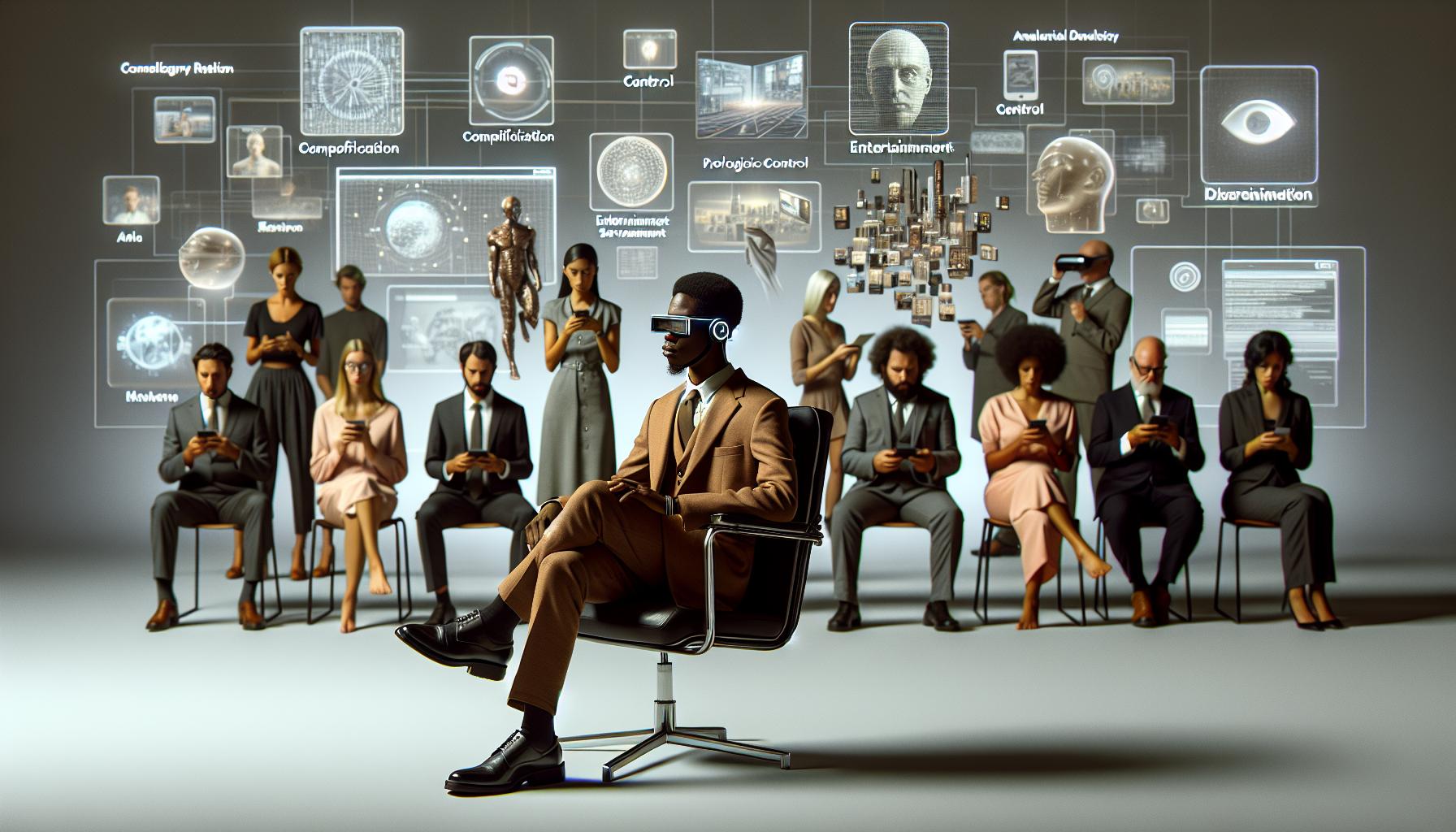
Character Analysis: Who’s Who in the Dystopia
In Aldous Huxley’s “A Brave New World,” the character dynamics are pivotal in illustrating the narrative’s grim themes and the depths of its dystopian society. Each character embodies various responses to the mechanized culture of hedonism and conformity, giving readers insight into not only the society’s structure but also the moral dilemmas faced within it. Key figures such as Bernard Marx, Lenina Crowne, John the Savage, and Mustapha Mond present a spectrum of beliefs and values that challenge or uphold the societal status quo.
Bernard Marx: The Outsider
Bernard Marx serves as a reluctant critic of his society. Physically smaller and psychologically complex compared to his peers, Bernard’s dissatisfaction with the superficiality and lack of individual freedom marks him as an outsider. Like many in the Brave New World, he grapples with feelings of inadequacy and the realization that his conditioning has not prepared him for genuine human connection. His desire for individuality and authentic emotion sets him apart, leading to a poignant struggle against the conformist pressures of his environment. Bernard’s journey reveals the tension between the longing for personal identity and the seductive ease of societal conformity.
Lenina Crowne: The Compliant Citizen
In contrast, Lenina Crowne epitomizes the compliant citizen within the dystopia. Deeply conditioned to embrace the values of consumerism and pleasure, Lenina’s character often embodies the ideal of the World State. However, her interactions with Bernard and later John the Savage expose her internal conflict between her conditioned responses and her emerging feelings. Lenina’s journey serves to illustrate the allure of hedonistic culture and the dangers of losing oneself in the pursuit of pleasure, showcasing how societal norms can suppress genuine human emotions.
John the Savage: The Voice of Dissent
John the Savage introduces an essential perspective as someone raised outside the confines of the World State. His exposure to Shakespeare and the moral complexities of traditional human existence starkly contrasts the sterile and superficially happy life that the citizens of the World State lead. John’s arrival in the World State highlights the ethical and philosophical questions about civilization and savagery. His tragic arc underscores the consequences of attempting to reconcile the values of two completely divergent worlds, ultimately leading to his profound despair and alienation.
Mustapha Mond: The Protector of Stability
Mustapha Mond, as one of the World Controllers, represents the philosophical underpinning of the dystopia. In his role, he justifies the sacrifices made for societal stability and happiness, offering a chilling rationalization for the suppression of individuality and dissent. His dialogues reveal the intellectual veneer over the brutal practicality of the system, posing critical questions about freedom, happiness, and the cost of societal stability. Mond’s character invites readers to engage with the real implications of choosing security over freedom-a fundamental dilemma that resonates deeply in discussions about governance and personal autonomy.
By examining these diverse characters, Huxley not only critiques the world of his creation but also prompts readers to reflect on their own values and the potential costs of technological and societal advancements. Each character’s fate serves as a warning about the dangers of complacency and the loss of individuality in the face of an overwhelmingly homogenized culture. The narrative pushes readers to question the boundaries between comfort and control, prompting a deeper exploration of what it means to be truly human amidst the machinery of societal expectations.
The Influence of Technology on Society
In “A Brave New World,” Aldous Huxley presents a chilling vision of a society where technology shapes not only the fabric of daily life but also the very essence of what it means to be human. Huxley imagines a world where advancements in genetics, psychological manipulation, and consumer technology eradicate individuality and emotional depth, raising critical questions about the role of technology in our lives.
The society within the novel is built around the principles of efficiency and control, showcasing how technological advancements are employed to maintain stability and conformity. From the artificial reproduction methods of the Bokanovsky process to the use of “soma,” a powerful drug that pacifies and placates the population, Huxley’s narrative underscores the perils of allowing technology to dictate human experience. As citizens are conditioned from birth to accept a predetermined role, the novel warns of a future where technology could enable state-organized happiness but at the cost of true individuality and connection.
Desensitization and Disconnection
One of the most striking aspects of Huxley’s dystopia is the desensitization of human relationships. With the pervasive use of technology to mediate interactions, authentic emotions become obsolete. The characters frequently engage in shallow, transactional relationships that lack depth and meaning, mirroring concerns in contemporary society about the impact of social media and digital communication on interpersonal connections. As people become increasingly reliant on technology to fulfill their emotional needs, the line between genuine affection and programmed responses blurs, posing the question: what constitutes true human connection?
Reflection on Contemporary Society
Huxley’s portrayal of technology raises important parallels to our current world, particularly in the context of rapid technological advancement. Today, artificial intelligence, biotechnology, and virtual realities are reshaping our social fabric, often prioritizing convenience and efficiency over genuine human interaction and ethical considerations. As we navigate this landscape, reflecting on Huxley’s cautionary tale can foster a critical mindset. It encourages readers to think about the balance between embracing technological benefits and preserving the qualities that make us inherently human-compassion, creativity, and individual thought.
Ultimately, “A Brave New World” serves as both a warning and a call to engage thoughtfully with technology, highlighting the necessity of maintaining our humanity in an increasingly mechanized world. The questions Huxley raises about autonomy, emotional depth, and societal norms continue to resonate today, urging us to reflect on the trajectory of our technological evolution and its impact on our collective future.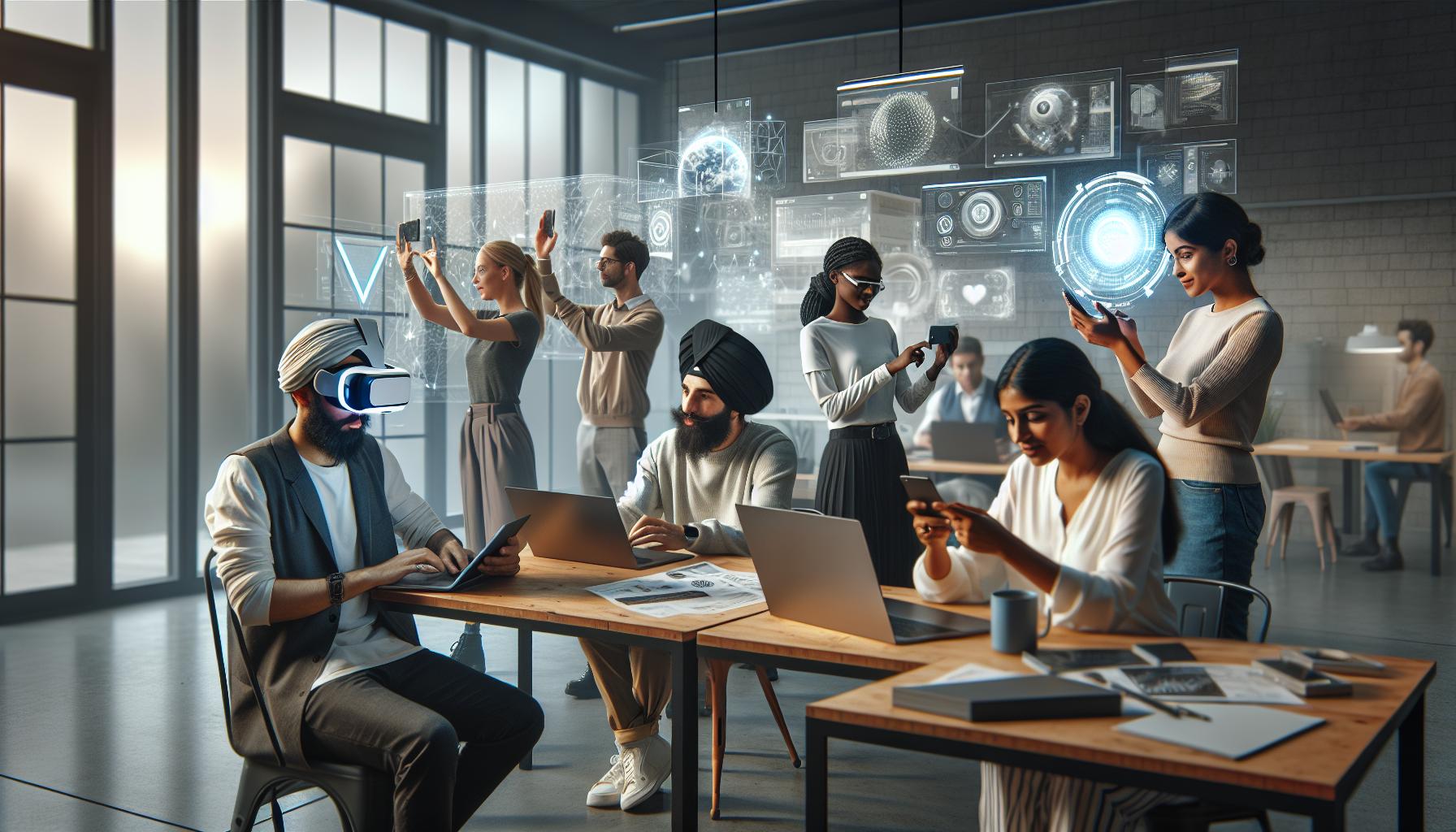
Contrasts with Other Dystopian Novels
Aldous Huxley’s “A Brave New World” stands as a unique entry in the pantheon of dystopian literature, particularly when contrasted with other seminal works like George Orwell’s “1984” and Ray Bradbury’s “Fahrenheit 451.” Each of these narratives presents a critique of contemporary societal trends through their dystopian lenses, yet they diverge significantly in the mechanisms of control and the nature of oppression.
In “A Brave New World,” Huxley envisions a society that employs hedonism, consumerism, and technological advancements to maintain order and conformity. Here, citizens are conditioned for complacency and pleasure, with “soma” as their tranquilizer of choice, representing the extreme avoidance of discomfort and emotional depth. This stands in stark contrast to Orwell’s “1984,” where control is exerted through surveillance, censorship, and the brutal enforcement of ideological orthodoxy. In Orwell’s world, the government uses fear and repression-exemplified by the omnipresent telescreens and the Thought Police-to crush dissent and individuality. Where Huxley’s characters seek pleasure to escape reality, Orwell’s citizens are shackled by fear and manipulation, sensorial experiences that are grimly devoid of joy.
Another notable differentiation emerges in the portrayal of knowledge and truth. Bradbury’s “Fahrenheit 451” critiques the suppression of literature and critical thought through censorship and entertainment. In Huxley’s narrative, however, knowledge is available but rendered ineffective by rampant distraction and superficiality. The populace is inundated with pop culture and technology that precludes meaningful engagement with ideas or literature. Both Huxley and Bradbury caution against the consumption of entertainment as a tool for societal control, yet they tackle the consequences of this in different ways, with Bradbury focusing more on outright censorship and Huxley on the depersonalization of pleasure itself.
These contrasting themes underscore a critical discussion about the tools of oppression in dystopian societies. While Orwell presents a future where authoritarianism thrives on fear and control, Huxley warns of a world where totalitarianism could be achieved through complacency and passive acceptance of pleasure. This juxtaposition offers rich ground for readers to contemplate the implications of technology and governance on personal freedom and societal values.
By exploring these differences, readers can gain insight into their own reality, reflecting on the mechanisms that might lead society to a dystopian fate, whether through coercive control or the seductive allure of comfort. Understanding these contrasts not only enriches the reading experience but also encourages a greater awareness of the delicate balance between technology and humanity in our ever-evolving society.
Critical Reception: What Reviewers Said
The critical reception of Aldous Huxley’s “A Brave New World” has evolved significantly since its publication in 1932, reflecting shifts in societal values and technological advancements. Initially met with mixed reviews, the novel’s prescient themes concerning consumerism, technology, and state control have garnered renewed interest in contemporary discourse. Critics often highlight Huxley’s foresight in recognizing the potential dangers of a society obsessed with pleasure and disengagement from meaningful experiences.
Many reviewers have noted the chilling accuracy of Huxley’s depiction of a future dominated by mass media, genetic manipulation, and a superficial existence. For instance, in the decades following its release, scholars and literary critics remarked on how Huxley’s world seemed eerily prophetic, particularly as technological innovations began to mirror the dystopian realities of his narrative. The idea of a populace pacified by a drug like “soma” resonates with concerns of modern escapism through social media and digital entertainment. Critics like Neil Postman have emphasized this parallel, arguing that “A Brave New World” warns against the seductive allure of technological distraction which distracts society from critical thinking and genuine emotional engagement.
The novel’s reception has also sparked a robust academic dialogue comparing it with other seminal works of dystopian literature, particularly George Orwell’s “1984.” Reviewers have often pointed out the contrasting methods of oppression depicted by Huxley and Orwell, framing “A Brave New World” as a cautionary tale about a future where people are coerced into compliance through comfort and pleasure rather than fear. This comparative analysis has enriched literary discussions and underscored the relevance of Huxley’s insights, urging readers to reflect on the societal path they are navigating.
Furthermore, the rich symbolism and motifs in “A Brave New World” have been a focal point for critics. The sterile, controlled environment of the World State is seen as a critical commentary on the loss of individuality, while characters like Bernard Marx and John the Savage provoke discussions about the value of human emotion and the dangers of conformity. Overall, the novel’s enduring legacy is rooted in its ability to provoke thought and discussion about the implications of technology and the human condition, making it a staple of both literary and sociological inquiry.
Through the lens of critical reception, “A Brave New World” continues to resonate as a powerful exploration of dystopian themes that remain relevant in today’s increasingly complex and technology-driven world. Readers are encouraged to approach it not only as a work of fiction but as a mirror reflecting their own societal experiences and the pressing questions of their time.
Unpacking Symbolism and Motifs
In Aldous Huxley’s “A Brave New World,” symbolism and motifs play an integral role in conveying the novel’s complex themes surrounding technology, conformity, and the human experience. Through carefully crafted symbols, Huxley unveils layers of meaning that challenge readers to reflect on their societal norms and personal values.
One of the most poignant symbols in the text is soma, a drug used by the citizens of the World State to escape discomfort and promote happiness. This substance represents the dangers of reliance on technology and artificial pleasure to cope with reality. Instead of facing challenges and cultivating resilience, individuals opt for the numbness that soma provides. Huxley’s choice to name the drug after the ancient Vedic drink highlights a perversion of the notion of enlightenment and spiritual experience into a mere instrument for state control, illustrating the novel’s critique of superficial happiness over authentic emotional engagement.
Another significant motif is the use of Fordism, which dominates the society within the novel. The repetitive, factory-like production of humans, akin to the assembly line of Henry Ford’s manufacturing processes, underscores the loss of individuality and personal freedom. People are conditioned for their roles from birth through genetic engineering and social indoctrination, reducing them to mere components of a larger societal machine. The hyper-efficiency glorified in this world stands in stark contrast to the complexities of human identity and emotional depth, raising critical questions about the implications of treating people as products.
Further enriching the narrative are the characters themselves, who often embody broader themes. For example, Bernard Marx’s feelings of alienation serve to highlight the novel’s exploration of individuality versus conformity. His physical and emotional struggles illustrate the consequences of attempting to break away from a system that prioritizes uniformity. Similarly, John the Savage, who has been raised outside of this dystopian society, represents the innate human yearning for genuine connection and the beauty of unmediated experience. His clashes with the World State serve as a potent reminder of what is sacrificed when comfort is chosen over authenticity.
In examining these symbols and motifs, readers are invited to ponder their implications in the context of contemporary society. Huxley, through “A Brave New World,” not only critiques the societal trajectories of his time but also prompts a timeless reflection on the cost of progress devoid of humanity. As technology continues to intertwine with daily life, the warnings embedded in Huxley’s symbolism encourage a mindful evaluation of our choices and their impact on the essence of our humanity.
Lessons from “A Brave New World” Today
In a world increasingly dominated by technology and consumer culture, Aldous Huxley’s “A Brave New World” serves as a cautionary tale that resonates with modern readers. The novel presents a chilling vision of a future where societal stability is achieved at the expense of individuality and emotional depth. As we navigate our contemporary landscape, with rapid advancements in technology, social media, and governmental control, the lessons from Huxley’s dystopia are more pertinent than ever.
One key takeaway from “A Brave New World” is the danger of sacrificing critical thinking for comfort. The citizens of the World State prioritize pleasure and stability over intellectual inquiry, leading to a homogenized culture devoid of genuine connections and personal fulfillment. This serves as a reminder for today’s society to embrace discomfort and uncertainty, as these experiences are often catalysts for growth and innovation. Engaging with challenging ideas, questioning established norms, and seeking diverse perspectives can foster a more nuanced understanding of our world.
Moreover, Huxley warns against the overreliance on technology as a means of escapism. The drug soma represents society’s temptation to numb discomfort with artificial happiness, mirroring today’s trends of social media addiction and reliance on digital distractions. It invites readers to assess their own habits critically. Are we using technology to enhance our lives, or are we allowing it to dictate our perceptions and emotions? By fostering mindfulness about our digital consumption and prioritizing real-world interactions, we can combat the superficiality Huxley critiqued.
Lastly, the theme of government control in “A Brave New World” echoes contemporary debates about surveillance, misinformation, and the erosion of individual rights. Huxley prompts us to scrutinize the balance of power within our societal structures. As citizens, it’s crucial to be informed and engaged, advocating for ethical governance that respects personal freedoms. By understanding the implications of our choices today, we can ensure a future that values humanity over conformity and genuine connections over superficial pleasures.
In embracing these lessons, we can foster a society that not only acknowledges the potential consequences of unchecked technological progress and authoritarianism but also cherishes the complexity of the human experience. Huxley’s insights encourage us to reflect on our present by learning from the past, empowering individuals to create a future that prioritizes authentic relationships and personal growth.
The Role of Government Control in the Narrative
In Aldous Huxley’s “A Brave New World,” government control manifests not only as a central theme but as the very foundation upon which the societal structure is built. This mechanism of control operates through a combination of technological manipulation, rigid social stratification, and the suppression of individuality, painting a vividly cautionary picture of a future where personal freedoms are sacrificed for societal stability. By examining these elements, readers can understand the broader implications of governmental authority in both the fictional world and contemporary society.
One of the most striking features of government control in the novel is its reliance on technology as a tool for oppression. The World State employs advanced scientific techniques, notably in reproductive technology, to dictate not only how humans are born but also how they will live their lives. Citizens are conditioned from birth, through processes like Bokanovsky’s Process, to fit predetermined roles within the social hierarchy. This lack of autonomy strips individuals of their identities and promotes a docile populace that prioritizes stability and conformity over personal growth and critical thought. The societal motto “Community, Identity, Stability” encapsulates this ethos, framing government control as a necessity for peace rather than a violation of freedom.
Additionally, the use of pleasure as a means of pacification cannot be overlooked. The government introduces the drug soma, which acts as a psychological escape from discomfort and dissatisfaction. The widespread consumption of soma fosters a superficial happiness among the citizens, effectively dulling their capacity for dissent or critical thinking. This manipulation invites important questions about the ways modern governments-or corporations-might use technology and consumer culture to pacify the populace. Are we, like the citizens of the World State, inadvertently choosing pleasure over authentic engagement with the complex realities of life?
The narrative further explores how authoritarian governance undermines personal freedoms. In “A Brave New World,” the suppression of emotional depth is a vital tool for maintaining control, leading to a society where genuine relationships and conflicts are eradicated. As characters like Bernard Marx and John “the Savage” challenge the status quo, they reveal the inherent dangers of such a suppressive regime. Their struggles act as a reminder of the importance of questioning authority and advocating for ethical governance that respects individual rights. It prompts readers to consider how contemporary issues of surveillance, misinformation, and bureaucratic control impact their own lives and freedoms.
In essence, Huxley’s portrayal of government control serves as a dire warning against the complacency that often accompanies comfort. It encourages readers to critically engage with their own environment, advocating for a society that fosters genuine connections and respects individual liberties. By understanding the implications of government manipulation, readers can cultivate a vigilant mindset, ensuring that progress does not come at the expense of personal freedom and critical inquiry.
Comparative Analysis: Huxley vs. Orwell
Aldous Huxley and George Orwell are two towering figures in dystopian literature whose visions of the future continue to resonate in contemporary discourse. While both authors address themes of authoritarian governance and societal manipulation, their approaches to dystopia reveal differing anxieties about the future. Huxley’s “Brave New World” (1932) presents a society where contentment stems from technological advancements and the commodification of pleasure, whereas Orwell’s “1984” (1949) depicts a world gripped by surveillance, repression, and brutal control over thought and expression.
In Huxley’s vision, the ruling elite achieve power not through overt oppression but by creating a populace that is sedated and satisfied. This is largely facilitated by advancements in technology, most notably through the use of the drug soma, which serves to pacify discontent and foster a superficial sense of happiness. The citizens of the World State are conditioned to value stability and comfort over freedom and individuality. This dependence on pleasure and distraction leads to a populace that voluntarily relinquishes its autonomy-a chilling commentary on the seductive nature of consumerism and the potential depersonalization in a technologically dominated society.
Conversely, Orwell’s narrative is grounded in a stark depiction of totalitarianism where freedom is suppressed through fear and brutal force. The omnipresent government, represented by Big Brother, employs psychological manipulation, constant surveillance, and the alteration of truth to maintain its grip on power. In Orwell’s world, the absence of personal freedoms comes in the form of outright terror and tangible control measures, such as Thought Police who monitor and punish dissent. Orwell emphasizes the importance of language as a weapon of control, illustrated by the concept of Newspeak, which limits the range of thought by constraining linguistic expression.
Both authors deliver incisive warnings that remain relevant today. Huxley’s concern emphasizes how excess comfort and distraction can lead society to ignore deeper issues, making it vulnerable to manipulation. Orwell’s work serves as a more immediate caution against authoritarianism’s brutal realities and the loss of truth. These contrasting yet complementary visions encourage readers to reflect critically on their own societal structures-pondering whether their realities tilt more towards Huxley’s notion of a sedated populace or Orwell’s vision of oppressed citizens.
In understanding the implications of both narratives, readers can cultivate a comprehensive awareness of the dynamics between technology, governance, and individual autonomy. Engaging with Huxley and Orwell’s works not only enriches one’s literary experience but also prompts necessary conversations about the current trajectory of society. By comparing these dystopian visions, one can better appreciate the delicate balance between individual freedoms and societal stability, allowing for a more nuanced discourse on the direction of our future.
Long-Term Impact on Literature and Culture
Aldous Huxley’s “Brave New World” stands as a foundational text in the realms of dystopian literature and cultural critique, illuminating the pathways of modern society where technology and pleasure might overshadow individual freedoms. Its profound themes have sparked extensive analysis and discussion, inspiring generations of authors, filmmakers, and thinkers who grapple with similar societal concerns. The legacy of Huxley’s work extends beyond literature, influencing areas such as psychology, philosophy, and even political theory, highlighting the risks of an overly controlled, consumer-driven existence.
As a genre-defining piece, “Brave New World” catalyzed the conversation around the impact of technology on human relationships and societal structures. Huxley’s examination of a future where happiness is manufactured and dissent is subdued serves as a cautionary tale against the seductive allure of comfort and conformity. This theme resonates particularly in today’s digital age, where social media and consumerism shape personal identities and societal values. The book has nurtured a culture of inquiry into the balance between technological advancement and ethical responsibility, prompting readers to question the implications of emerging technologies on their autonomy and collective well-being.
Moreover, Huxley’s nuanced approach has set a precedent for the narrative style within dystopian fiction, integrating complex character arcs and moral dilemmas that reflect real human experiences. Authors such as Margaret Atwood and Ray Bradbury have cited Huxley as a significant influence on their own works, exploring themes of surveillance, societal compliance, and environmental degradation in similar ways. The enduring relevance of “Brave New World” has carved out a vital space in educational curricula, encouraging critical discussions around ethics in science and the philosophical implications of progress.
In examining the long-term cultural impact of Huxley’s vision, it’s essential to consider the evolution of dystopian narratives. Today, new works are revisiting the foundational concepts presented in “Brave New World” and exploring them through diverse lenses, addressing contemporary issues like climate change, privacy, and globalization. This ongoing dialogue not only keeps Huxley’s insights alive but also allows for a broader examination of how societies can choose paths toward control or liberation, reflecting the enduring query: what cost are we willing to pay for comfort and stability? Through this lens, “Brave New World” remains not just a novel but a vital commentary on the present and a warning for the future.
Reading Recommendations: Similar Dystopian Works
Dystopian literature has a way of captivating readers with its portrayal of bleak futures and exploring societies that have gone awry under the weight of oppressive systems. If Aldous Huxley’s “Brave New World” piqued your interest, you may find resonance in the works of other authors who delve into similar themes of control, technology, and societal structures. Here are some recommendations that will further ignite your curiosity about dystopian narratives.
Thought-Provoking Companions
- “1984” by George Orwell: A seminal work often compared to Huxley’s vision, Orwell’s “1984” presents a world dominated by totalitarianism, extreme surveillance, and the suppression of individuality. Its exploration of language manipulation through “Newspeak” offers a critical lens on how words shape thought, making it an essential read for understanding the mechanics of control.
- “Fahrenheit 451” by Ray Bradbury: This novel imagines a future where books are banned and “firemen” burn any that are found. Bradbury’s work serves as a warning against censorship and the repercussions of a society that prioritizes mindless entertainment over critical thought, paralleling Huxley’s critiques of conformity through distraction.
- “The Handmaid’s Tale” by Margaret Atwood: Atwood’s narrative examines a theocratic regime that subjugates women through strict roles and control over reproductive rights. This chilling portrayal prompts readers to reflect on gender dynamics and personal autonomy, echoing the fears of societal manipulation found in Huxley’s world.
- “The Giver” by Lois Lowry: In a seemingly utopian society where emotions and choices are subdued for the sake of uniformity and happiness, “The Giver” requires its protagonist to confront the dark truths hidden beneath the surface. This story is an exploration of memory, individuality, and the cost of a controlled existence.
Modern Reflections
- “Ready Player One” by Ernest Cline: This contemporary novel offers a glimpse into a technologically advanced dystopian future where people escape their harsh realities via a virtual reality universe. While it celebrates technology, it also raises questions about escapism and the implications of living in a world mediated entirely by screens.
- “Annihilation” by Jeff VanderMeer: Part of the Southern Reach Trilogy, this novel blends science fiction with psychological horror as it explores an unknown area known as Area X, where the laws of nature are warped. VanderMeer’s work confronts themes of humanity’s relationship with the environment, paralleling Huxley’s concerns about scientific progress.
- “Station Eleven” by Emily St. John Mandel: This post-apocalyptic narrative traces the lives of various people before and after a devastating flu pandemic. It captures the fragility of civilization and the enduring power of art and memory amidst societal collapse, prompting reflections akin to Huxley’s philosophical inquiries.
By exploring these titles, readers can engage with the multifaceted dimensions of dystopia as portrayed through varied cultural contexts and societal critiques. Each of these works invites contemplation of the balance between technological advancement, personal freedom, and the dangers of complacency, continuing the dialogue initiated by Huxley in “Brave New World.”
Faq
Q: What are the main themes explored in “A Brave New World”?
A: The key themes in “A Brave New World” include dystopia, the role of technology, and government control. Huxley explores how technological advancement can undermine individuality and freedom, making it a powerful critique of consumerism and conformity.
Q: How does Aldous Huxley’s vision compare with George Orwell’s?
A: Huxley’s vision emphasizes overindulgence and escapism, while Orwell focuses on oppression and surveillance. Both authors present distinct dystopian futures reflecting societal fears; however, Huxley warns of losing freedom through pleasure, whereas Orwell highlights the dangers from authoritarian regimes.
Q: Why is “A Brave New World” considered a prophetic novel?
A: “A Brave New World” is considered prophetic because Huxley anticipated social issues arising from technological control and mass consumerism. His portrayal of a society obsessed with pleasure echoes modern concerns about digital addiction and loss of personal freedoms.
Q: What lessons can be learned from “A Brave New World” in today’s context?
A: Key lessons include the importance of critical thinking, the risks of overreliance on technology, and the need to preserve individual freedoms. Huxley’s work urges readers to recognize and resist pressures that may lead to societal conformity, encouraging a reevaluation of modern values.
Q: How does “A Brave New World” address the concept of happiness?
A: The novel questions whether artificial happiness can truly fulfill individuals. By depicting a society that sacrifices genuine emotional experiences for superficial joy, Huxley suggests that true happiness cannot exist without individual struggles and authentic connections.
Q: What character archetypes are significant in “A Brave New World”?
A: Significant character archetypes include the outsider (John), who challenges societal norms, and the conformist (Bernard), representing the internal conflict with societal expectations. These characters illuminate Huxley’s critiques of conformity and identity within a dystopian framework.
Q: How did “A Brave New World” influence modern dystopian literature?
A: “A Brave New World” significantly influenced modern dystopian literature by introducing themes of technology’s impact on society and the loss of individuality. Its legacy can be seen in contemporary works that explore similar fears, reinforcing the genre’s relevance in voicing societal anxieties.
Q: What are some similar works to “A Brave New World”?
A: Similar works include “1984” by George Orwell and “Fahrenheit 451” by Ray Bradbury. These novels explore comparable themes of control and conformity, each offering unique perspectives on dystopian societies that continue to resonate with readers today.
To Conclude
As we conclude our exploration of “A Brave New World,” it’s clear that Aldous Huxley’s chilling vision remains profoundly relevant. This dystopian masterpiece not only anticipates societal shifts but also serves as a cautionary tale about the perils of conformity and technological control. If you found this review enlightening, consider diving deeper by reading our articles on other classic dystopian novels like “1984” and “Fahrenheit 451” to enrich your understanding of these themes.
Don’t miss out on our latest content-subscribe to our newsletter for exclusive insights and updates delivered straight to your inbox! Have thoughts on Huxley’s predictions or your own interpretations? We’d love to hear from you in the comments below or on our social media channels. Remember, engaging with literature is a journey; take the next step by exploring our recommended tools and resources for further reading on dystopian literature. Together, let’s keep the conversation going!
Get our latest guides, news, and insights highlighted in your Google Search & AI Overviews.