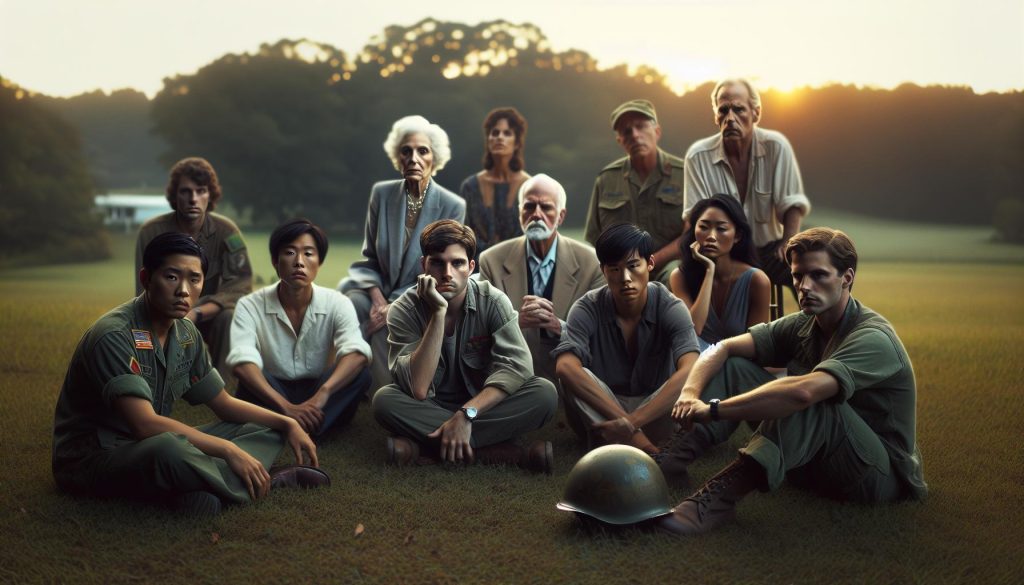
The Vietnam War remains one of the most controversial and complex conflicts in American history, and “A Bright Shining Lie” by Neil Sheehan offers a penetrating examination of its moral ambiguities and the pivotal figures involved. This thought-provoking book not only chronicles the experiences of Major John Paul Vann, a man who embodied the struggle against the folly of war, but it also challenges readers to reflect on the consequences of misguided policies and the cost of human lives. With a growing interest in understanding historical injustices and their implications for our current world, this review invites you to delve deeper into the narratives that shaped a nation. As we unpack the layers of this compelling narrative, you’ll discover insights that resonate today, prompting further inquiry into how history shapes our present and future. Join us as we explore this vital contribution to Vietnam War literature and its enduring relevance.
Understanding the Context of “A Bright Shining Lie
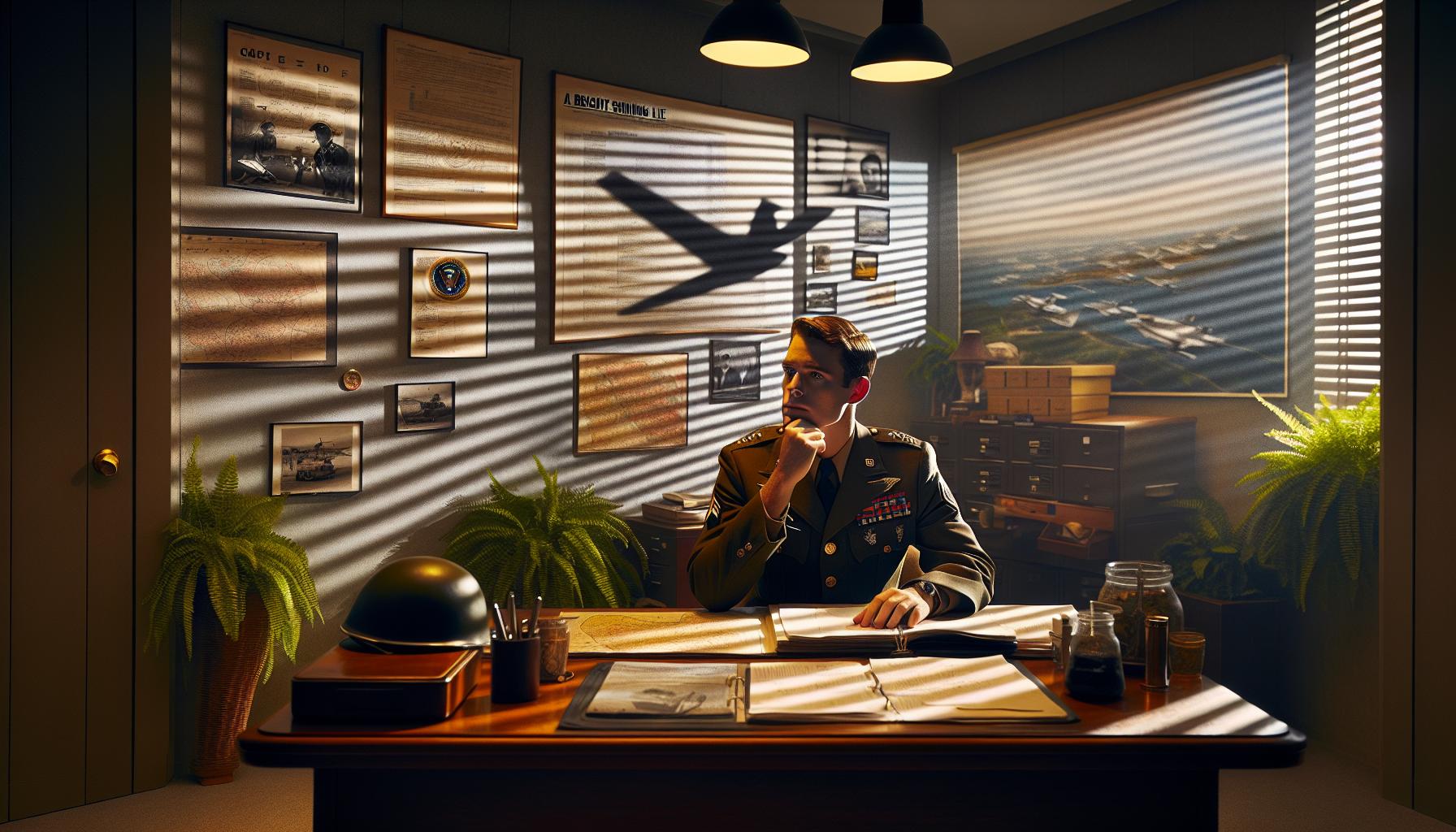
Amidst the tumultuous narrative of the Vietnam War, Neil Sheehan’s “A Bright Shining Lie” emerges as an essential exploration of both the human cost and the complex realities of a conflict that divided nations and shaped generations. This powerful work transcends mere recounting of events; it dissects the contradictions and moral ambiguities that characterized the U.S. involvement in Vietnam. The author immerses readers in the life of John Paul Vann, a man whose idealism and dedication to the mission clashed tragically with the brutal truths of war, offering a lens through which to examine the broader historical context of American military engagement.
To grasp the context surrounding Sheehan’s narrative, it is crucial to consider the socio-political landscape of the 1960s and early 1970s. The Vietnam War became emblematic of a broader struggle against communism, while simultaneously igniting fierce debates about American values and foreign policy ethics. Sheehan’s reportorial approach combines meticulous research with compelling storytelling; he employs a journalistic style that not only relays facts but also evokes the emotional weight of personal narratives. By placing Vann at the center, Sheehan highlights the dissonance between the perceived objectives of the war and the reality faced by both American soldiers and Vietnamese civilians.
Understanding the context further involves recognizing the impact of media and public sentiment during this era. The rise of television brought the brutal realities of combat into American living rooms, causing a significant shift in public opinion. Sheehan’s book reflects these transformations by intertwining personal accounts with broader historical analysis, inviting readers to confront uncomfortable truths about leadership, loyalty, and the cost of war. Through this lens, “A Bright Shining Lie” not only narrates a specific story but also serves as a critical commentary on the broader implications of the Vietnam War, challenging readers to reconsider the narratives that shaped their understanding of this pivotal moment in history.
Key Themes in “A Bright Shining Lie
Neil Sheehan’s “A Bright Shining Lie” delves into the complex tapestry of themes that define the Vietnam War era, profoundly shaping the narrative surrounding this contentious conflict. One of the book’s most significant themes is the illusion versus reality of U.S. involvement in Vietnam. Sheehan meticulously crafts a portrayal of John Paul Vann, whose aspirations and ideals starkly contrast with the brutal realities faced by soldiers and civilians alike. This tension between high-minded objectives and grim outcomes reflects a broader critique of American foreign policy, prompting readers to question the moral underpinnings of the war.
Another compelling theme explored in Sheehan’s work is leadership and accountability. Vann’s character serves as a lens through which the complexities and failures of military leadership are examined. His journey illustrates the challenges of decision-making in a chaotic environment, highlighting how personal ambition often intersects with ethical dilemmas. The depiction of leadership-both commendable and flawed-emphasizes the idea that decisions made in the heat of battle can have far-reaching ramifications that extend beyond the immediate context of war.
Moreover, the theme of human cost resonates throughout the narrative. Sheehan vividly portrays the experiences of both American soldiers and Vietnamese civilians, blending personal stories with overarching historical events. This approach underscores the profound suffering endured on both sides and serves as a poignant reminder of the human stakes involved in war. The emphasis on personal narratives invites readers to connect emotionally with the individuals behind the statistics, thereby deepening their understanding of the war’s impact.
In addition, Sheehan sustains an exploration of truth and deception within the governmental and military narrative surrounding the Vietnam War. His investigative journalism challenges official accounts and reveals a landscape rife with misrepresentation and denial. By confronting the discrepancies between what was said and what occurred, Sheehan cultivates a critical awareness among readers, encouraging them to scrutinize the sources of information that shape public perception.
Overall, “A Bright Shining Lie” transcends its immediate historical context to raise enduring questions about the nature of warfare, the ethics of leadership, and the profound costs of conflict, making it an essential read for anyone seeking to understand the Vietnam War’s multifaceted legacy.
The Author’s Insight: Analyzing Neil Sheehan’s Perspective

Neil Sheehan’s ability to weave personal and historical narratives in “A Bright Shining Lie” reflects his profound understanding of the complexities surrounding the Vietnam War. His investigative approach is not just about recounting events; rather, it strives to uncover the underlying truths that shaped American involvement in Vietnam. Sheehan’s insights resonate deeply as they challenge the sanitized versions of history often presented in the mainstream narrative. This dichotomy invites readers to reflect critically on the motives and consequences of war, emphasizing that understanding history requires an examination of both perspectives-the official accounts and the lived realities of those directly affected by conflict.
Sheehan’s portrayal of John Paul Vann serves as a powerful lens through which the themes of ambition and disillusionment are explored. Vann, a key figure in the U.S. military strategy in Vietnam, personifies the clash between personal ideals and the often grim realities of warfare. Through Vann’s experiences, Sheehan illustrates how leadership in chaotic environments can lead to ethical dilemmas and tragic consequences. This nuanced exploration urges readers to consider how the motivations of individuals in positions of power can significantly impact the trajectory of history, both positively and negatively.
Another critical element of Sheehan’s insight lies in his examination of the human cost of war. By focusing on the individual stories of soldiers and civilians alike, he strips away the heroism often associated with warfare and lays bare the suffering endured by countless lives. This narrative approach not only emphasizes the shared humanity between adversaries but also encourages empathy and reflection on the broader implications of military engagement. Sheehan’s dedication to presenting these stories authentically invites readers to reevaluate their perceptions of heroism, sacrifice, and the recurring impact of war.
Ultimately, Sheehan’s perspective fosters a deeper understanding of the Vietnam War that transcends mere historical analysis. It serves as a call for critical engagement with the past, reminding us that history is not a fixed narrative but a collection of complex, often conflicting truths. By encouraging scrutiny of accepted narratives, Sheehan’s work remains relevant, urging current and future generations to consider the ethical dimensions of leadership, the costs of conflict, and the importance of honest storytelling in shaping public consciousness.
Examining the Vietnam War’s Impact on American History
The Vietnam War was not just a conflict fought on foreign soil; it left an indelible mark on American society, politics, and culture, shaping the course of modern history. In “A Bright Shining Lie,” Neil Sheehan’s exploration of this tumultuous era highlights how the war altered the American consciousness, prompting deep societal rifts and questioning the nation’s moral compass. One of the most significant impacts was the fracturing of the relationship between the American public and its government, as the reality of war starkly contrasted with the optimistic narratives often propagated by political leaders.
Societal Impacts and Shifts
The Vietnam War catalyzed a wave of anti-war sentiment that permeated various aspects of American life. Politically active groups, including students, veterans, and civil rights activists, mobilized to protest against the war. Events such as the Kent State shootings in 1970 became powerful symbols of the growing disillusionment with government decisions. This atmosphere of dissent emphasized a broader questioning of authority, which proved to be a pivotal moment in American social movements, influencing everything from civil rights campaigns to women’s liberation movements.
The psychological toll of the war extended beyond the battlefield, affecting veterans and families left to cope with loss, trauma, and the stigma of a controversial conflict. The term “Vietnam Syndrome,” which emerged in the war’s aftermath, describes the American public’s reluctance to engage in military interventions, reflecting a profound distrust of governmental narratives and a reconsideration of military engagement as a tool of foreign policy.
Political Ramifications
On a political level, the Vietnam War prompted significant changes in U.S. foreign policy, leading to a more cautious approach in subsequent military engagements. The tumultuous experience in Vietnam outlined the limits of American power, influencing a generation of policymakers and military leaders. The establishment of the War Powers Act in 1973 sought to curb the executive branch’s ability to engage in armed conflicts without congressional approval, signaling a shift towards a more restrictive approach to military action.
Moreover, the war’s legacy can be seen in the media’s role during conflicts; Vietnam was the first ‘televised war,’ which brought the graphic realities of combat into American homes. This exposure changed the landscape of journalism and public relations, as both officials and media learned the profound influence of public perception and the demand for transparency.
In essence, the Vietnam War did not simply conclude with the withdrawal of troops; it ignited a transformative period in American history characterized by a critical examination of the nation’s values, leadership, and role in global affairs. Sheehan’s narrative in “A Bright Shining Lie” thus serves as a vital reflection on these impacts, urging readers to reconcile the past with the present and consider the enduring implications on American identity and policy.
Critical Reception: How the Book Was Received by Critics
The publication of Neil Sheehan’s “A Bright Shining Lie” in 1988 marked a pivotal moment in the literary exploration of the Vietnam War, receiving a robust reception from critics and readers alike. The book’s intricate narrative, which combines history, biography, and journalism, allows readers to confront the complexities of the Vietnam War through the life of John Paul Vann, a key figure whose experiences symbolize the contradictions of U.S. involvement in Southeast Asia. Renowned for its thorough research and compelling storytelling, Sheehan’s work was awarded the Pulitzer Prize for Biography or Autobiography in 1989, further solidifying its status as a seminal text in war literature.
Critics praised Sheehan’s ability to weave personal and historical narratives, illuminating not just Vann’s journey but also the broader implications of American strategies and policies. Many found the book’s detailed portrayal of the military’s miscalculations and the socio-political landscape during the war both enlightening and haunting. The New York Times called it a “masterpiece,” highlighting how Sheehan’s firsthand experiences as a journalist in Vietnam lent authenticity and depth to his analysis. This blend of personal narrative and historical critique invites readers to ponder the moral ambiguities and ethical responsibilities inherent in war, making it a relevant exploration for contemporary discussions on military engagement.
However, the book also faced criticism for its dense prose and complex structure, which some found challenging to navigate. Critics noted that the interweaving of various timelines and perspectives might overwhelm those unfamiliar with the history of the Vietnam War. This aspect sparked important discussions about the accessibility of serious historical narratives and the ways in which they can engage or alienate readers. Nevertheless, the book’s rich analyses and thorough documentation have ensured its place in academic settings and literary circles, continuing to influence discussions around U.S. military interventions and foreign policy.
Overall, “A Bright Shining Lie” not only succeeded in capturing the intricacies of the Vietnam War but also ignited ongoing conversations about the intersections of journalism, morality, and historical interpretation. Its critical acclaim reflects not only Sheehan’s prowess as a writer but also the pressing need for honest and nuanced discussions about America’s past and its implications for the future.
Comparative Analysis: Similar Literature on the Vietnam War
Exploring the vast literature on the Vietnam War reveals a rich tapestry of narratives that complement and contrast with Neil Sheehan’s “A Bright Shining Lie.” This Pulitzer Prize-winning work not only delves into the life of John Paul Vann but also critiques the overarching military and political strategies of the United States. To gain a deeper understanding of the complexities presented in Sheehan’s book, one can look to other significant works that similarly grapple with the themes of conflict, morality, and the human experience during this tumultuous period.
One prominent title is “The Things They Carried” by Tim O’Brien. This collection of linked short stories is notable for its emotional depth and the exploration of memory and trauma. O’Brien’s narrative style blurs the lines between fact and fiction, much like Sheehan’s. However, while Sheehan focuses on historical analysis and biographical detail, O’Brien delves into the psychological burdens borne by soldiers, making the reader acutely aware of the personal toll of war. Both authors use their respective narratives to question the nature of truth in war, yet O’Brien’s approach is more introspective and lyrical, allowing readers to connect on an emotional level.
Another significant work is “Dispatches” by Michael Herr, which offers a gritty, firsthand account of the Vietnam War from the perspective of a journalist. Herr’s account is raw and visceral, portraying the chaos and insanity of combat. In contrast to Sheehan’s structured historical narrative, “Dispatches” captures the immediacy and turbulence of war, providing a different lens through which to view the American experience in Vietnam. Herr’s narrative style-filled with vivid imagery and disjointed timelines-complements Sheehan’s more methodical exploration, emphasizing the chaotic nature of conflict.
Adding to this discourse is “Vietnam: A History” by Stanley Karnow, which provides a comprehensive overview of Vietnam’s history, including the war’s complex socio-political context. Karnow, who was also a journalist, presents an expansive timeline that situates the Vietnam War within both Vietnamese and American perspectives. This broader historical context can enrich the reader’s understanding of the circumstances surrounding Vann’s life and efforts depicted in “A Bright Shining Lie,” while also addressing the multi-faceted narratives that comprise the Vietnam War experience.
In examining these texts alongside Sheehan’s work, readers can appreciate the diverse voices and perspectives that emerge from the Vietnam War literature. Each work contributes a unique understanding of the war’s impact on individuals and society, fostering a richer dialogue about the moral complexities and historical truths that continue to resonate today. Ultimately, engaging with this comparative literature encourages critical reflection on the narratives we construct around war and the enduring consequences they have on both personal and collective levels.
The Role of Journalistic Integrity in the Narrative
Journalistic integrity is fundamental in shaping narratives about war, particularly in Neil Sheehan’s “A Bright Shining Lie,” which unveils the complexities of the Vietnam War through the lens of one man’s experiences and the larger political landscape. At the heart of this work is Sheehan’s dedication to factual accuracy and ethical storytelling, which enhance the credibility of his historical analysis. His meticulous research and ability to interweave personal anecdotes and broader socio-political contexts demonstrate how a rigorous journalistic approach can illuminate the multifaceted nature of wartime experiences.
One of the striking elements of Sheehan’s narrative is his uncompromising commitment to truth. He engages extensively with primary sources, including interviews and government documents, allowing readers to gain insights into the motivations and miscalculations that characterized U.S. involvement in Vietnam. This technique not only enhances the narrative depth but also establishes Sheehan’s role as a responsible journalist in a time when misinformation and sensationalism often overshadowed objective reporting. By foregrounding the lived experiences of individuals like John Paul Vann, Sheehan transcends mere historical record to explore the moral complexities of war, emphasizing the human cost of political decisions.
To understand the impact of journalistic integrity in “A Bright Shining Lie,” consider the following principles that Sheehan exemplifies:
- Commitment to Accuracy: Sheehan’s use of verifiable facts and sources underscores the importance of fact-checking in journalism.
- Balanced Perspective: By featuring multiple viewpoints, including those of Vietnamese civilians and American soldiers, the narrative provides a more rounded understanding of the conflict.
- Ethical Responsibility: Sheehan navigates sensitive subjects with care, striving to honor the dignity of those affected by the war.
These principles not only serve to fortify the narrative but also resonate with readers seeking to understand the broader implications of the Vietnam War on American society and policy. As Sheehan’s work illustrates, journalistic integrity is not just about presenting facts; it is about using those facts to tell a compelling and truthful story that invites critical reflection on the events that shaped history. Through this lens, “A Bright Shining Lie” emerges as an essential read for those interested in the interplay between journalism and historical understanding, showcasing how integrity in reporting can influence public discourse and collective memory of wartime narratives.
Lessons from the Vietnam War: What Can We Learn?
The Vietnam War serves as a poignant reminder of the complexities of military engagement, national identity, and the significant consequences of governmental decisions. Through Neil Sheehan’s “A Bright Shining Lie,” we glean vital lessons that carry implications not just for the understanding of war but also for the conduct of foreign policy, the role of journalists, and the responsibilities of citizens in a democratic society.
One of the most crucial lessons is the importance of skepticism and critical thinking when assessing government narratives. During the Vietnam War, many Americans were misled by official reports that downplayed the war’s brutality and overstated progress. Sheehan’s meticulous examination reveals how distorted information can impact public perception and policy decisions. This emphasizes the need for a vigilant and informed citizenry capable of questioning authority and demanding transparency.
Moreover, Sheehan’s portrayal of John Paul Vann illustrates the moral ambiguities faced by those in power. The failure to acknowledge the human costs associated with military strategies and the experiences of those directly impacted by conflict warns against a detached approach to warfare. It serves as a call to prioritize ethical considerations in decision-making processes, reminding us that wars are fought not just by soldiers, but involve the lives of civilians, friends, and families.
In examining the interplay between journalism and history, the narrative underscores the necessity of journalistic integrity. As seen through Sheehan’s work, well-researched and honest reporting can challenge prevailing narratives and foster a more nuanced understanding of international conflicts. Journalists must embrace their role as watchdogs, providing a balanced perspective and holding power to account.
Lastly, the Vietnam War teaches us about the long-term impacts of conflict-both on veterans and the nations involved. The psychological scars on returning soldiers, as well as the enduring divisiveness felt in American society-manifested through protests and societal fractures-remind us of the importance of compassion and support for those who have served. This serves as a crucial prompt to foster a culture that prioritizes mental health and reintegration, acknowledging the sacrifices and struggles of veterans.
Understanding these lessons from the Vietnam War-which are richly illustrated in “A Bright Shining Lie”-ensures that history is not merely a record of events but a guide for future generations. By reflecting on past mistakes, we equip ourselves to make better choices in both governance and civic engagement moving forward.
Impact of “A Bright Shining Lie” on War Literature
Neil Sheehan’s “A Bright Shining Lie” stands as a monumental work in war literature, reshaping how narratives about conflict, particularly the Vietnam War, are crafted and perceived. This book, renowned for its depth and meticulous research, delves into the complexities of the Vietnam War through the life of John Paul Vann, a controversial figure whose actions and beliefs epitomized the moral ambiguities faced by many military leaders. The narrative not only chronicles the experiences of the war but also critiques the political and social structures that supported it, challenging conventional portrayals of heroism and duty.
One of the most significant impacts of Sheehan’s work is its elevation of the moral and ethical dimensions of war literature. Unlike traditional accounts that often glorify military strategies and victories, “A Bright Shining Lie” compels readers to confront the grim realities of war-the loss of life, the psychological toll on soldiers, and the societal fractures that follow. It insists on the importance of viewing war through a critical lens, urging a reconsideration of what we deem courageous or honorable. This shift in focus has influenced subsequent authors and journalists, who now emphasize the human cost of conflict over mere tactical successes.
In addition, Sheehan’s blend of narrative journalism and historical analysis has established a template for future war writing. His rigorous research methodology, coupled with compelling storytelling, encourages emerging writers to adopt a similar approach. By integrating personal stories with broader historical contexts, “A Bright Shining Lie” informs readers not just about war events but also about the emotions and experiences of those involved. This technique has paved the way for a new wave of war literature that prioritizes authenticity and emotional resonance, redefining how stories of conflict are told.
Thus, the legacy of “A Bright Shining Lie” is not just in its content but also in its style and purpose. It serves as a framework for understanding the Vietnam War while urging readers to maintain skepticism towards governmental narratives. By highlighting the necessity of journalistic integrity and ethical considerations in reporting, Sheehan’s work remains a critical reference point for anyone interested in the moral implications of war and the responsibilities of those who document it. As future generations confront their own conflicts, the lessons drawn from this seminal book will continue to resonate, reminding us of the timeless need for transparency and accountability in the face of power.
Exploring the Moral and Ethical Implications
In Neil Sheehan’s “A Bright Shining Lie,” a compelling examination of the Vietnam War unfolds, revealing profound moral and ethical implications that extend far beyond the narrative of military action. Central to Sheehan’s critique is the juxtaposition of duty and integrity against the backdrop of a conflicted wartime morality. The life of John Paul Vann, the book’s focal character, serves as a case study in the ethical dilemmas faced by military leaders, prompting readers to grapple with questions of heroism, sacrifice, and the consequences of loyalty to both country and self.
One of the most striking ethical quandaries in the book lies in the notion of truthfulness. Sheehan meticulously explores how government narratives often create a sanitized version of war that glosses over its gruesome realities. This manipulation of truth raises significant questions about the responsibilities of those in power and the implications of misinformation. As Vann himself struggles with the moral contradictions of his role in the war effort, readers are left to ponder the broader consequences of marketing war through a veneer of honor and success, which may detract from the lived experiences of those who bear the true costs of conflict.
Lessons on Journalistic Integrity
The ethical implications extend to the realm of journalism and historical documentation. Sheehan’s approach exemplifies the importance of journalistic integrity in the face of persuasive narratives. He employs rigorous research and a commitment to storytelling that honors the complexities of human experiences during the war. This insistence on authenticity challenges writers to uphold ethical standards and present a truthful representation of events, reminding us that the power of literature lies in its ability to illuminate rather than obscure reality.
Ultimately, “A Bright Shining Lie” prompts reflection on not only the moral decisions made during wartime but also the critical role of ethics in how these stories are told and remembered. As society continues to confront the ramifications of war, the lessons derived from Vann’s journey and Sheehan’s exploration serve as a vital reminder of the necessity for transparency and ethical consideration in both militaristic actions and their representation within literature. This enduring inquiry into morality and ethics remains profoundly relevant, encouraging readers to engage deeply with the narratives that shape their understanding of conflict and humanity.
Enduring Legacy: The Book’s Influence on Future Generations
The profound impact of Neil Sheehan’s narrative in “A Bright Shining Lie” resonates well beyond its initial release, continuing to influence how subsequent generations perceive the Vietnam War and its implications for military ethics and journalism. This work is not merely a recounting of historical events but a commentary on the very nature of truth and accountability. Its legacy lies in shaping the discourse surrounding warfare, leadership, and the oft-misrepresented experiences of soldiers, providing readers with both a historical perspective and a moral framework that challenges them to scrutinize narratives presented by those in power.
One significant aspect of the book’s enduring legacy is its role in fostering a critical understanding of the Vietnam War’s complexities among younger audiences. As readers engage with Sheehan’s meticulous research and powerful storytelling, they encounter the ethical dilemmas faced by military leaders through John Paul Vann’s life, prompting reflections on duty, sacrifice, and the often-contradictory demands of loyalty to country versus personal integrity. This duality encourages readers to question simplistic portrayals of war and heroism, urging a deeper examination of the human cost associated with conflict.
Moreover, the text serves as a vital educational tool in media literacy, emphasizing the importance of transparency and accuracy in reporting. As misinformation can still dominate public discourse, Sheehan’s work compels future generations to hold both media and government accountable, reinforcing the critical role of journalistic integrity. Students and scholars alike can draw from Sheehan’s commitment to authentic storytelling, which allows them to grapple with the implications of propaganda and the moral responsibilities inherent in documenting history.
In addition, the themes explored in “A Bright Shining Lie” find resonance in contemporary discussions about warfare and ethics. As new conflicts arise, the lessons drawn from Vann’s story and Sheehan’s critical insights remain relevant, prompting an ongoing reflection on the nature of conflict and the narratives we construct around it. The book not only serves as a historical document but also as a catalyst for dialogue, encouraging readers to question the motivations behind military actions and to recognize the human experiences that underpin them.
By intertwining historical analysis with ethical inquiry, “A Bright Shining Lie” continues to influence how future generations approach both literature and history. Its legacy nurtures an informed population capable of critical thought-one that values honesty in storytelling and recognizes the profound impact of war on individuals and society as a whole.
Frequently asked questions
Q: What is the main thesis of “A Bright Shining Lie”?
A: The main thesis of “A Bright Shining Lie” is that the Vietnam War was a costly, misguided conflict based on misrepresentation and political deceit. Neil Sheehan explores how these elements impacted American soldiers and the nation, emphasizing the importance of truth in journalism and the consequences of its absence.
Q: How does Neil Sheehan’s perspective influence the narrative?
A: Neil Sheehan’s perspective as a journalist informs the narrative through detailed investigations and personal accounts from soldiers. He combines historical analysis with firsthand testimonies, creating a nuanced portrayal of the Vietnam War’s complexities and the moral dilemmas faced by individuals involved in it.
Q: What role does journalistic integrity play in “A Bright Shining Lie”?
A: Journalistic integrity is central to “A Bright Shining Lie.” Sheehan critiques how the failure of the media to report the truth about the Vietnam War contributed to public misconceptions and supports the narrative’s call for honesty and accountability in journalism. This theme underlines the book’s exploration of the ethical responsibilities of reporters.
Q: What are some critical responses to “A Bright Shining Lie”?
A: “A Bright Shining Lie” received both praise and criticism. Critics highlighted Sheehan’s thorough research and storytelling, while others argued that his conclusions were overly pessimistic about the U.S. involvement in Vietnam. The book sparked discussions about its depiction of truth and its impact on war literature.
Q: How does “A Bright Shining Lie” compare to other Vietnam War literature?
A: “A Bright Shining Lie” compares to other Vietnam War literature through its in-depth analysis and journalistic style. Unlike many memoirs or fictional accounts, Sheehan’s work combines rigorous investigation with narrative storytelling, setting it apart in its call for accountability and understanding of the war’s implications.
Q: What lessons can we learn from “A Bright Shining Lie”?
A: Key lessons from “A Bright Shining Lie” include the necessity of transparency in politics and the media, as well as the moral complexities of war. Sheehan’s work encourages readers to critically examine historical narratives and to seek truth in reporting to better understand and prevent future conflicts.
Q: What impact did “A Bright Shining Lie” have on war literature?
A: “A Bright Shining Lie” significantly impacted war literature by blending investigative journalism with historical narrative, paving the way for future works that explore complex realities of warfare. Its critical examination of truth in reporting influenced both literary approaches and public perceptions of the Vietnam War.
Q: When was “A Bright Shining Lie” published, and why is it significant?
A: Published in 1988, “A Bright Shining Lie” is significant for its comprehensive dissection of the Vietnam War and its lasting relevance in discussions about military ethics, journalistic integrity, and the responsibilities of government. Its critical insights continue to resonate in contemporary debates about war and media.
Future Outlook
In closing, “A Bright Shining Lie” offers a profound exploration of the Vietnam War, presenting both the complexity and consequence of the conflict through a compelling narrative. This book not only sheds light on historical events but also encourages readers to reflect on the themes of truth, loyalty, and the human experience within wartime. If you found this review insightful, consider diving deeper into related themes with our articles on Vietnam War Literature and The Impact of War on Society.
Don’t miss out on future discussions-sign up for our newsletter for updates on book reviews and literary analyses that spark curiosity and ignite conversation. Share your thoughts in the comments below: how did “A Bright Shining Lie” resonate with you? Your perspective could enrich our community’s understanding. Let’s keep exploring the multifaceted narratives of history together!
Get our latest guides, news, and insights highlighted in your Google Search & AI Overviews.