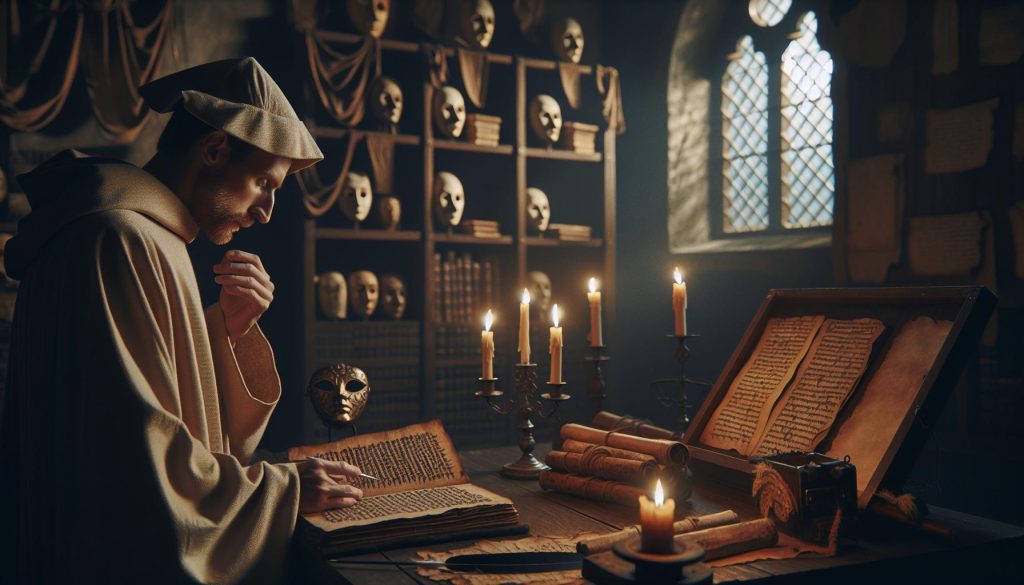
In a world where secrets can ignite a firestorm, “A Burnable Book” offers a gripping dive into medieval intrigue, blending thrilling mystery with rich historical context. Set against the backdrop of 16th-century England, this novel explores the power of written words during a time when knowledge was both a weapon and a treasure. For readers who relish tales of suspenseful detective work mixed with the weight of history, this book delivers an engaging experience that sparks curiosity about the past’s influence on contemporary issues of censorship and belief. Unravel the threads of deception alongside its protagonist and discover how the quest for truth can challenge even the mightiest of corrupt forces. Prepare to explore a narrative that is as intellectually stimulating as it is entertaining, inviting you to question the value of ideas that some would prefer to see burnt away.
Exploring the World of Medieval Mysteries
Delving into the realm of medieval mysteries invites readers to explore a fascinating tapestry of intrigue, suspense, and historical context. The genre often intertwines elaborate clues and compelling narratives against the backdrop of a richly imagined medieval society. Within this framework, A Burnable Book stands out as it seamlessly merges the intricacies of mystery with the cultural and political dynamics of medieval London.
At the heart of many medieval mysteries is the interplay between the intellectual pursuits of the time-such as literature and philosophy-and the tangible realities of social justice and moral dilemmas. A Burnable Book exemplifies this relationship as it highlights the risks associated with knowledge and information in an era when books were not just containers of stories but powerful artifacts that could incite rebellion or censorship. The protagonist’s quest is not simply to solve a crime but to navigate the treacherous waters of power, influence, and the value of truth in a world where possession of forbidden knowledge can be fatal.
To appreciate the setting of medieval London as depicted in the narrative, it’s essential to recognize how the author crafts a vivid picture of life in this bustling city. The dichotomy between its vibrant markets and the shadowy corners where secrets are whispered serves as a compelling backdrop that enhances the plot’s tension. This approach encourages readers to immerse themselves not only in the mystery but also in the societal structures and norms that shape the characters’ actions and motivations. By doing so, A Burnable Book invites us to reflect on how historical narratives continue to resonate with contemporary issues of power and morality.
In summary, , particularly through works like A Burnable Book, fosters a deeper understanding of how themes of knowledge, power, and the human experience intersect across time. This literary genre allows us to appreciate not just the thrill of the mystery itself, but also the broader implications of the period’s socio-political landscape.
Key Themes in A Burnable Book
In the intricate world of A Burnable Book, the themes woven throughout the narrative resonate deeply, exploring the complex intersections of knowledge, power, and the human experience. One of the most prominent themes is the dichotomy between enlightenment and ignorance, illustrated through the protagonist’s journey as he navigates a society fraught with danger and intrigue. Books are portrayed not merely as collections of words but as embodiments of ideas that can challenge authority and provoke thought, which speaks to a broader understanding of the role of literature in shaping societal norms and political landscapes.
Another vital theme present in the novel is the value of truth versus the often deceptive nature of appearances. Characters in medieval London grapple with conflicting motives and the consequences of their choices, echoing the timeless struggle between moral integrity and the pursuit of power. The protagonist’s relentless quest for the truth leads him to question not only the intentions of those around him but also his own beliefs and values. This theme prompts readers to reflect on how the pursuit of truth impacts their lives and relationships, making the narrative not just a historical mystery but a commentary on contemporary moral dilemmas.
The theme of censorship and the control of knowledge is intricately linked to the protagonist’s quest. In an age when possessing certain knowledge can be fatal, A Burnable Book invites readers to consider the implications of restricting access to information. This theme serves as a poignant reminder of the ongoing relevance of free expression in modern society, reinforcing the notion that the power of the written word can be both a tool for liberation and a weapon of oppression.
Lastly, the exploration of personal and societal justice is woven throughout the storyline, with characters navigating complex moral landscapes. The characters’ choices often force them to confront questions of loyalty, sacrifice, and the consequences of their actions. This theme enriches the narrative, inviting readers to engage not just with the unfolding mystery but also with the ethical considerations that accompany it, making A Burnable Book a thought-provoking read that resonates beyond its medieval setting.
By examining these themes, readers gain a deeper appreciation for the rich narrative tapestry of A Burnable Book, which masterfully merges historical context with timeless questions of humanity, encouraging a reflective engagement with its content.
Character Analysis: The Protagonist’s Journey
The journey of the protagonist in A Burnable Book not only drives the narrative forward but also serves as a profound exploration of personal growth amid historical turmoil. Our central character, John, is thrust into a perilous world where knowledge is not just power but a potential death sentence. His evolution from an unsuspecting individual to a proactive seeker of truth reflects the broader human struggle against ignorance and oppression.
As John navigates the treacherous streets of medieval London, he encounters a vibrant tapestry of characters that challenge his beliefs and moral compass. These interactions not only reveal his strengths and weaknesses but also illuminate the societal constraints that dictate their lives. For instance, his burgeoning understanding of the impact of censorship shapes his character, steering him toward a greater appreciation of the written word as both a weapon and a shield. This realization underscores the theme of knowledge’s power and its transformative potential.
Moreover, John’s struggles mirror the inner conflicts faced by many in his time. He wrestles with loyalty, as his quest for truth often pits him against friends and allies who are either unaware of the stakes or complicit in the status quo. The emotional toll of these choices fosters a deeper sense of empathy within him, allowing readers to resonate with his plight. By presenting a relatable protagonist dealing with complex moral dilemmas, the novel not only captures the essence of medieval life but also invites reflection on contemporary issues surrounding truth and justice.
Ultimately, John’s journey is not merely a quest for resolution; it is an exploration of identity, purpose, and the intrinsic value of seeking knowledge. His evolution from naivety to enlightenment mirrors the reader’s own journey through the novel, encouraging a thoughtful examination of how we perceive truth in our lives today. This compelling character arc not only enriches the narrative but also establishes A Burnable Book as a significant commentary on the enduring power of literature and the human spirit’s resilience against adversity.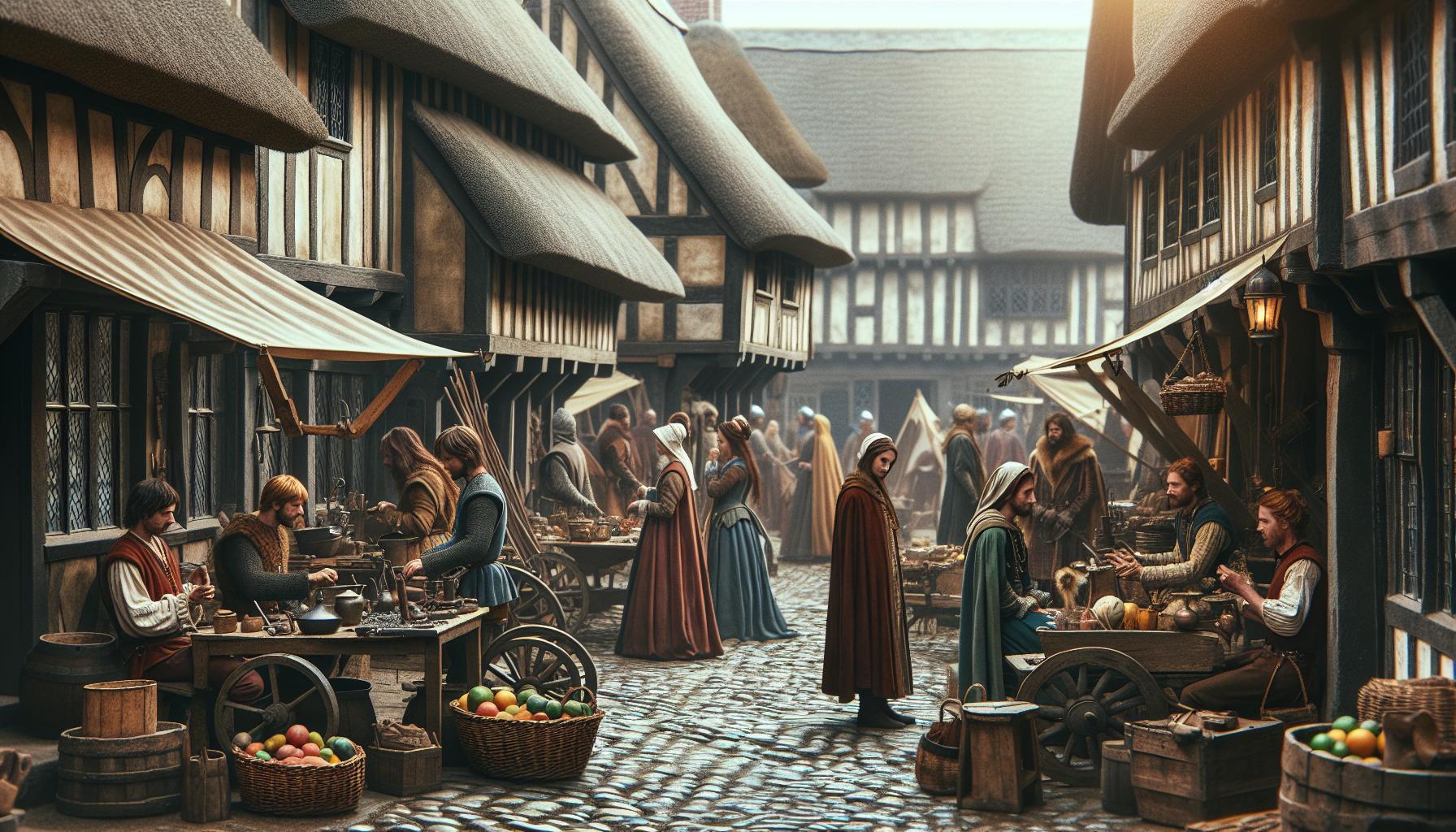
Setting the Scene: Medieval London Unveiled
Medieval London emerges as a vivid backdrop in A Burnable Book, drawing readers into its labyrinthine streets filled with intrigue and danger. The author skillfully evokes a sense of time and place, immersing the audience in the chaotic yet fascinating world of the 16th century, a period marked by political strife, the rise of literacy, and a burgeoning awareness of the power dynamics at play. Understanding this setting not only enhances the reading experience but also enriches the narrative by illustrating the tensions that shape the protagonist’s journey.
The city itself is characterized by stark contrasts-wealthy merchants and impoverished commoners coexisting in close proximity, with the towering structures of the church and government casting long shadows over the daily lives of the citizens. The filthy, cramped conditions of the streets juxtaposed against merchants peddling their wares create a charged atmosphere where every alley could hide a secret. This vibrant yet perilous environment is not just a backdrop; it is a character in its own right, impacting the choices and fates of those who call it home.
To effectively convey the societal complexities that John encounters, the narrative highlights specific locales key to the story’s unfolding. For instance, the shadowy taverns serve as meeting grounds for conspirators, while the grand halls of power embody the oppressive forces of the day. Furthermore, the author infuses descriptions with sensory details, from the smells of unwashed bodies to the sounds of street vendors, drawing readers directly into the heart of medieval life. The vibrant tapestry of sights, sounds, and smells not only heightens the stakes of John’s quest but also reflects the societal structures he must navigate in his pursuit of truth.
By grounding the plot in a meticulously researched historical context, A Burnable Book transforms the setting into a narrative device that deepens themes of knowledge, oppression, and rebellion. As readers become acquainted with this bustling medieval metropolis, they gain insight into how the environment shapes individual choices and broader societal currents, enhancing their understanding of the protagonist’s plight and the overarching narrative’s depth. Through vivid world-building, the author invites readers to explore the rich complexities of medieval London, making their journey through the text both engaging and enlightening.
Unraveling the Plot: Mystery and Suspense Elements
In the intricate tapestry of A Burnable Book, the plot unfolds like a carefully layered mystery, inviting readers to sift through clues and red herrings alongside the protagonist. Each twist and turn is meticulously crafted to evoke suspense, immersing the audience in a world fraught with danger and uncertainty. The author expertly balances moments of revelation and deception, ensuring that readers remain engaged and invested in the outcome.
At the heart of the narrative lies a central enigma that drives the action forward. The protagonist, John, is thrust into a perilous quest involving a mysterious book that holds secrets powerful enough to alter the course of history. As he navigates the treacherous streets of medieval London, the reader encounters a series of well-placed obstacles-each requiring cleverness and bravery to overcome. This structure not only amplifies the sense of urgency but also highlights John’s evolving character as he faces moral dilemmas and unexpected challenges, making for a rich character-driven storyline.
The suspense elements are further heightened through the use of atmospheric tension within the setting. Dark alleys, shadowy taverns, and opulent yet oppressive halls of power craft an environment where danger lurks at every corner. The author employs vivid descriptions and sensory details to evoke a palpable sense of fear and anticipation, ensuring that readers feel the weight of John’s plight. Whether it’s the clatter of footsteps echoing behind him or the flickering candlelight that casts eerie shadows, these elements work together to create an immersive experience, drawing readers deeper into the narrative web.
Additionally, the author employs pacing as a critical tool for maintaining suspense. Quick exchanges of dialogue, unexpected encounters, and cliffhangers are strategically placed to keep readers on the edge of their seats. This deliberate manipulation of rhythm allows the plot to build momentum, propelling the protagonist-and the audience-toward a climactic confrontation that promises both resolution and deeper questions about fate and free will. Ultimately, the unraveling of the plot in A Burnable Book serves not only as a thrilling escapade but also as a reflection on the historical struggles for knowledge and power, making this medieval mystery a compelling read.
Symbolism and Historical Context in the Narrative
In the realm of medieval mysteries, symbolism and historical context serve as powerful undercurrents that enrich the narrative of A Burnable Book. The title itself evokes the precarious nature of knowledge during a time when books were not only precious but also often dangerous. This inherent risk is interwoven with themes of power, censorship, and the pursuit of truth, reflecting the tensions of the medieval era. Through the protagonist’s quest for the titular book, readers are transported into a world where written words can ignite revolutions and incite persecution, mirroring the real historical struggles over literacy and authority in the Middle Ages.
The book symbolizes more than just an object of desire; it represents the danger of dissent and the desire for enlightenment. Throughout the story, John navigates a landscape fraught with the perils of seeking knowledge in an oppressive regime. The way the characters interact with the book is significant-some view it as a means to further their power, while others recognize its potential to empower the common people. This duality captures the zeitgeist of medieval society, where access to information was often restricted to the elite, and the written word wielded the power to shape public perception and control narratives.
Furthermore, the vibrant and tumultuous historical backdrop of medieval London enriches the narrative’s symbolic depth. The setting itself is almost a character, with its crowded streets, grand churches, and secretive guild halls reflecting the societal structure and class disparities of the time. The blending of real historical figures and events within the plot provides a layer of authenticity that enhances the symbolic weight of the themes being explored. For instance, the portrayal of the church’s influence and the monarch’s fragile grip on power speaks to the broader context of medieval governance and the constant negotiations between authority and rebellion.
In engaging with the symbolism and historical context of A Burnable Book, readers are encouraged to reflect on broader questions about the nature of knowledge and its implications. The story not only entertains but also provokes thought about the continuing relevance of these themes in contemporary society. As debates over information access and the power of literature continue in various forms today, the narrative invites us to consider what we are willing to risk in the pursuit of truth and the fight against censorship.
Comparative Analysis: A Burnable Book vs. Other Mysteries
In the expansive genre of medieval mystery literature, comparisons to A Burnable Book illuminate the distinct narrative choices and thematic expressions that define this thrilling subset. Notably, the interplay of knowledge, power, and rebellion permeates many works in this realm. For instance, novels like Umberto Eco’s The Name of the Rose also tackle similar motifs, centering around the mysterious murder of a monk in a 14th-century abbey where forbidden texts hold immense power. Both texts explore the consequences of knowledge and the lengths individuals will go to control or suppress it, often reflecting the socio-political tensions of their respective periods.
What sets A Burnable Book apart is its personal narrative arc, following John the protagonist, who is not just embroiled in external conflicts but is on a deeply personal quest to understand the implications of the book he seeks. This intimate journey contrasts with the multi-character ensemble of Eco’s work, presenting a singular perspective that makes John’s insights and dilemmas particularly resonant. John navigates a gritty London filled with corruption and intrigue, giving readers a direct emotional connection to the historical and dramatic stakes involved in his quest.
Moreover, while both texts utilize a rich historical backdrop to anchor their stories, A Burnable Book dives deeply into the dangers of censorship-an issue that is alarmingly relevant today. The precarious balance of power, the church’s influence, and the struggle for intellectual freedom within medieval society are not only plot devices but serve as reflections on contemporary debates surrounding information access. In contrast, The Name of the Rose includes a broader exploration of philosophical and theological disagreements, presenting a more expansive commentary on medieval thought that will resonate differently with its audience.
To further illustrate the distinctions, consider this comparison of key themes:
| Aspect | A Burnable Book | The Name of the Rose |
|---|---|---|
| Protagonist’s Journey | Personal quest for enlightenment | Murder investigation intertwined with philosophical discourse |
| Thematic Focus | Censorship and the power of knowledge | The interplay of faith, reason, and heresy |
| Historical Context | Medieval London and its societal complexities | 14th-century monastic life and intellectual traditions |
| Character Interaction with Knowledge | A tool for empowerment vs. control | Debate over knowledge as a path to truth or heresy |
The comparison of these narratives offers a rich tapestry of how different authors approach the complexities of medieval life and literature. Each work, while rooted in a historical milieu, brings its own unique perspective to the universal struggle surrounding knowledge and its implications in society. By examining these elements, readers gain a deeper understanding of how A Burnable Book fits into the broader genre of medieval mysteries, providing an insightful reflection on both past and present challenges regarding the pursuit of truth.
Reader Reactions: Critical Reception and Reviews
The release of A Burnable Book has sparked a wave of enthusiasm among readers who find its blend of historical depth and gripping narrative refreshing. Many reviews commend the author’s ability to transport readers to a gritty medieval London, filled with palpable tension and intrigue. One striking aspect that frequently surfaces in critiques is the novel’s exploration of censorship and the power of knowledge, a theme that resonates strongly in today’s context of information control. Reviewers note that this element not only drives the plot but also provokes thought about contemporary issues regarding free speech and intellectual freedom.
Readers have expressed appreciation for the protagonist, John, whose personal journey is framed against the backdrop of larger societal conflicts. This duality allows for a richer engagement, as audiences relate to John’s struggle not just to unveil a mystery but to seek truth in a world rife with deception and tyranny. Many reviewers highlight how this relatable quest makes John’s narrative both compelling and emotionally charged. The character’s growth and exploration prompt reflections on the nature of belief and the quest for understanding, garnering positive reactions for the depth it brings to the overall story.
Another standout element noted by readers is the meticulous detail with which the author crafts the setting. Descriptions of medieval London are praised for immersing readers fully into the atmosphere of the period, providing a vivid backdrop that enhances the storyline. Many reviews highlight the effective use of historical context to enrich the narrative, creating a sense of authenticity that resonates with fans of historical fiction.
In summary, A Burnable Book has garnered critical acclaim not only for its engaging plot and character development but also for its timely thematic concerns. Many readers find themselves reflecting on their own world while enjoying a captivating historical mystery, resulting in strong recommendations and a growing fanbase.
Author’s Style: Techniques and Narrative Voice
The narrative voice in A Burnable Book is pivotal in immersing readers in the labyrinthine complexities of medieval London, a city teeming with danger, intrigue, and literary pride. The author expertly adopts a third-person limited perspective, primarily following the protagonist, John. This technique allows for a deep exploration of John’s inner turmoil and motivations, while also enabling the author to weave in rich descriptions of the setting and context. By keeping the focus on John’s experience, readers are invited to share in his discoveries and the stark realities of the period, which are essential not only to the plot but to the thematic depth of the story.
One of the most striking elements of the author’s style is their use of vivid imagery and sensory details that breathe life into the medieval backdrop. Descriptions of bustling markets, shadowy alleyways, and candle-lit rooms contribute to an atmospheric tension throughout the narrative. For instance, the author employs metaphoric language that elevates everyday scenes into moments of suspense and revelation, capturing the essence of a society on the brink of change and upheaval. Such craft is not merely decorative; it serves to enhance the stakes of John’s quest for truth amid the societal pressures of censorship and repression.
Dialogue in the novel stands out as another crucial technique that reflects the culture and language of the time while driving character development. The exchanges between characters are laden with tension and often reveal deeper layers of motivation and conflict. Through sharply worded conversations, John’s interactions with figures from various social strata-be they allies, foes, or ambiguous characters-illuminate the broader themes of power, knowledge, and the struggle for freedom. This technique fosters a sense of immediacy, allowing readers to feel the weight of each confrontation and alliance, thus making John’s journey all the more compelling.
Moreover, the author’s pacing is particularly noteworthy. The narrative ebbs and flows, balancing moments of intense action with quieter, introspective passages that probe John’s thoughts and doubts. This rhythm not only maintains reader engagement but also reflects the chaotic tapestry of life in medieval London, where danger can lurk around any corner. By alternating between high-stakes events and contemplative interludes, the author crafts a nuanced narrative that mirrors the unpredictable nature of both the historical framework and John’s personal quest for understanding.
In summary, the author’s adept manipulation of narrative techniques-from detailed imagery and carefully crafted dialogue to effective pacing-serves to create a richly textured reading experience that both educates and entertains. This style not only enhances the visceral feel of A Burnable Book but also invites readers to engage critically with its central themes, making it a noteworthy contribution to the genre of historical mystery.
Diving Into Historical Accuracy: Truth and Fiction
The intertwining of historical fact and fiction in A Burnable Book provides a compelling lens through which readers can explore the complexities of medieval society. This genre-bending narrative not only entertains but also prompts critical reflection on the historical realities of the time. By carefully embedding factual elements from the late 14th century-such as the political climate, religious tensions, and advances in literature-the author crafts a backdrop that enhances both the authenticity and the thematic richness of the story.
Bridging History and Narrative
One of the fascinating aspects of A Burnable Book is its meticulous attention to historical detail. The setting of medieval London, for example, is not merely a backdrop but a character in its own right. The author portrays bustling marketplaces, the omnipresence of the church, and the ever-looming threat of censorship alongside the hope for knowledge and freedom. By interweaving real events from the period-such as the influence of the heretical movements and the role of manuscripts in disseminating new ideas-the narrative not only captures the spirit of the age but also engages with the tensions that shaped it.
Navigating Historical Accuracy
When examining the accuracy of the content in A Burnable Book, it’s essential to recognize the balance the author strikes between historical fidelity and creative license. Many characters are inspired by historical figures, such as John Wycliffe and the Lollards, providing a factual grounding that is enriched by fictional elements. For instance, while the interactions and personal motivations might stem from imagination, they resonate with the documented struggles for reform during the period. This approach opens up discussions on how history is interpreted and remembered, challenging readers to consider the reliability of historical narratives.
Encouraging Reader Engagement
By juxtaposing real historical events with fictional narratives, readers are encouraged to engage critically with the text. This can be a rewarding avenue for deeper exploration of medieval history, prompting questions such as: How do the characters reflect the struggles of their time? What aspects of society remain relevant today? The book invites readers not only to invest in the mystery but also to delve into the historical context, fostering a richer understanding of both the plot and the period it depicts.
Conclusion
In conclusion, A Burnable Book serves as a bridge between truth and fiction, illuminating the past while captivating the imagination. By grounding its mysteries in historical reality, the novel enhances its themes of power, knowledge, and the perennial human struggle against oppression. This fusion not only captivates but also educates, making the narrative a significant contribution to the exploration of historical mysteries in literature.
The Role of Women in Medieval Literature
The depiction of women in medieval literature is rich and varied, often reflecting the complex roles they held in society. While many narratives from this era reinforce traditional gender norms, others challenge these stereotypes, providing a fascinating exploration of female agency in contexts that were predominantly male-dominated. In the context of A Burnable Book, the roles and representations of women may resonate with these historical portrayals, illuminating both the struggles and strengths associated with feminine identity during the late 14th century.
Historically, women were often relegated to the background in the literary canon, typically portrayed as objects of desire or figures needing rescue. However, numerous medieval texts subvert these expectations. For instance, works like The Wife of Bath’s Tale from Chaucer’s The Canterbury Tales present women as articulate and assertive, capable of wielding their sexuality and intellect as means of influence. This dynamic encapsulates the duality of women’s roles: they could be passive figures within societal narratives or active agents challenging the status quo.
In A Burnable Book, examining how female characters navigate their environment can illuminate contemporary themes of resistance and empowerment against patriarchal constraints. The protagonists might embody qualities reminiscent of historical figures like Christine de Pizan, who wrote about women’s capabilities and their rightful place in society. By exploring personal ambitions, social limitations, and the quest for knowledge, these characters often become reflective of broader societal tensions, such as the battle for literacy and the push against censorship, which are critical aspects of the novel’s setting.
Furthermore, the historical context of the late medieval period saw women involved in clandestine activities related to the dissemination of knowledge-whether through the creation of manuscripts, participation in intellectual circles, or acts of rebellion against oppressive structures. This historical background can enhance readers’ understanding of female characters in A Burnable Book, offering contextual depth to their motivations and actions.
Ultimately, – and within A Burnable Book – serves as a powerful lens through which we can examine not only the past but also ongoing discussions about gender, power, and representation in literature today. Such analyses invite readers to engage critically with both the historical elements presented in the narrative and their implications for contemporary society. By recognizing and celebrating the complexities of female roles, literature becomes a vibrant reflection of the human experience, encouraging a dialogue that transcends time.
How A Burnable Book Reflects Modern Themes
In a world steeped in medieval intrigue and the clamorous echoes of a city amidst upheaval, the parallels between A Burnable Book and contemporary issues of identity, freedom, and resistance stand out starkly. The novel masterfully intertwines historical context with modern themes, offering a reflective look at the nature of knowledge and enlightenment during a time when both were perilous pursuits. As readers engage with the narrative, they find themselves contemplating not just the medieval period, but also the enduring relevance of its struggles in today’s society.
One of the most gripping aspects of A Burnable Book is its exploration of censorship and the power of literature. In the story, the protagonist’s journey through a dangerous landscape filled with hidden motives and clandestine alliances can be seen as a metaphor for the modern battle against the suppression of information. This theme echoes current debates surrounding freedom of speech and access to knowledge in a world increasingly divided by misinformation and authoritative control. The characters’ defiance against censorship invites readers to evaluate the impact of information sharing and the importance of intellectual freedom in their own lives.
Furthermore, the representation of women in A Burnable Book resonates with ongoing discussions about gender roles and women’s empowerment. As female characters navigate a patriarchal society, their struggles reflect modern-day battles for equality and representation. While some characters confront systemic limitations, others leverage their intellect and resourcefulness to assert agency and challenge the status quo. This portrayal highlights the historical continuities of women’s rights movements and inspires contemporary readers to consider how gender dynamics continue to evolve. The nuanced representation of women serves not only as a reflection of their past challenges but also as a commentary on the ongoing quest for gender equality.
In examining the tension between tradition and innovation, A Burnable Book also comments on the human propensity for adaptation in the face of adversity. The chaotic backdrop of medieval London, where knowledge is both dangerous and transformative, mirrors the technological and social upheavals faced today. Just as the characters grapple with the consequences of their quest for truth, modern societies find themselves at the crossroads of tradition and progress, questioning the implications of new technologies, social movements, and the pursuit of personal freedom.
Through its rich narrative and complex characters, A Burnable Book serves as a powerful lens to examine persistent themes of identity, freedom, and resistance. It encourages readers to engage with history not just as a reflection of the past but as a compass guiding the present and future. By drawing connections between medieval struggles for knowledge and contemporary issues, the novel champions the idea that the quest for enlightenment and justice remains a timeless endeavor.
Frequently Asked Questions
Q: What is the main plot of “A Burnable Book”?
A: “A Burnable Book” unfolds a compelling mystery in medieval London, intertwining the quest for a stolen manuscript with themes of power and betrayal. The protagonist, a determined investigator, navigates a dark world, revealing layers of historical intrigue and personal conflict as the mystery unravels.
Q: How does “A Burnable Book” compare to other medieval mysteries?
A: “A Burnable Book” stands out through its rich historical context and complex character development. Unlike many traditional medieval mysteries, it blends realistic historical events with fiction, offering a deeper exploration of the era’s societal issues, making it a unique addition to the genre.
Q: What themes are explored in “A Burnable Book”?
A: Key themes in “A Burnable Book” include the struggle for knowledge, the impact of censorship, and the exploration of gender roles in a patriarchal society. These themes resonate with contemporary issues, highlighting the timeless nature of the narrative.
Q: Who is the protagonist in “A Burnable Book”?
A: The protagonist, John Gower, is a nuanced character who embodies the challenges faced by individuals in medieval society. His journey reveals personal growth as he confronts external and internal conflicts, making him relatable to modern readers.
Q: What role does historical accuracy play in “A Burnable Book”?
A: Historical accuracy enriches “A Burnable Book”, grounding the plot in genuine medieval events and figures. The author meticulously integrates real historical elements, enhancing authenticity while weaving a fictional narrative that captivates readers.
Q: Are there significant female characters in “A Burnable Book”?
A: Yes, “A Burnable Book” features several significant female characters who challenge societal norms. Their roles highlight the complexities of women’s experiences in medieval literature and offer a fresh perspective on gender dynamics in the story.
Q: How does the author’s style contribute to the story in “A Burnable Book”?
A: The author’s narrative style in “A Burnable Book” combines vivid imagery with detailed character dialogues, creating an immersive reading experience. This approach enhances the atmospheric tension and allows readers to connect deeply with the characters and historical setting.
Q: What can readers expect from the ending of “A Burnable Book”?
A: Readers can expect a resolution that ties together the various story threads while leaving some elements open to interpretation. The ending reflects the complexities of the characters’ journeys, making it thought-provoking and resonant beyond the final pages.
To Wrap It Up
As we close our exploration of “A Burnable Book,” this medieval mystery thriller truly captivates with its rich narrative and intricate twists. If you found this review insightful, imagine diving deeper into similar historical fiction or exploring other gripping medieval mysteries-be sure to check out our curated lists on “Top Medieval Thrillers” and “Must-Read Historical Fiction.” Don’t miss the chance to sign up for our newsletter, where you’ll receive exclusive content, book recommendations, and literary insights straight to your inbox.
Feeling intrigued? Grab your copy today and immerse yourself in the suspense and intrigue that awaits in “A Burnable Book.” Share your thoughts in the comments below-what mysteries did you uncover while reading? Your insights could spark lively discussions and inspire fellow readers to embark on their own literary adventures. The world of books is vast, and your journey doesn’t have to end here-explore more and let your curiosity guide you to your next great read!
Get our latest guides, news, and insights highlighted in your Google Search & AI Overviews.