
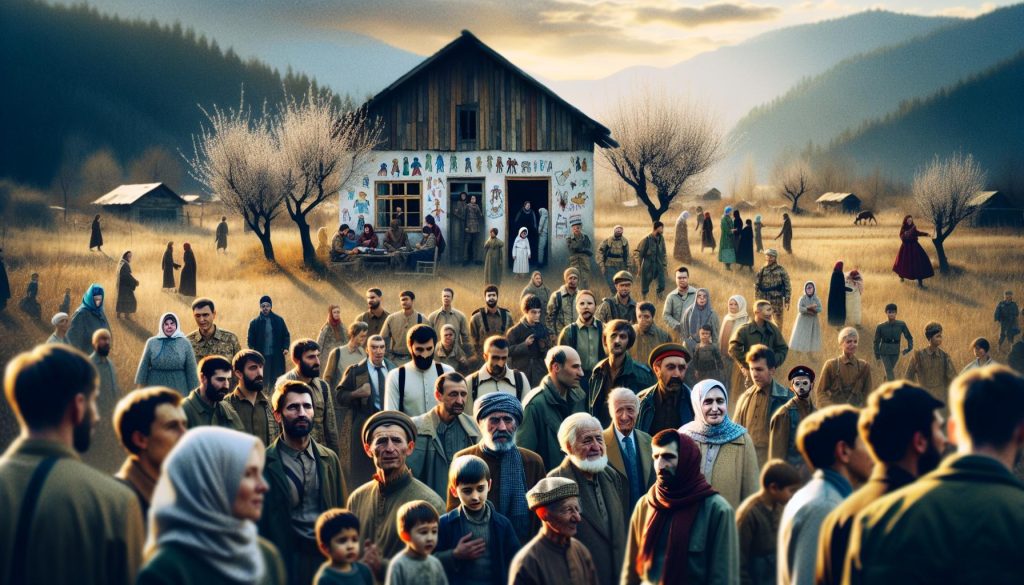
In the heart of the tumultuous Chechen conflict lies “A Constellation of Vital Phenomena,” a gripping narrative that exposes the raw humanity amid the horrors of war. This novel masterfully intertwines the lives of its characters with the backdrop of a fractured nation, offering readers not only a glimpse into the complexities of war but also the resilience of the human spirit. The Chechen wars have often been overlooked in the broader discussions of global conflict, yet their implications resonate deeply in today’s political landscape. This book invites readers into the harrowing realities faced by those caught in the crossfire, compelling us to reflect on themes of survival, morality, and the quest for justice. As we delve into the story, we uncover how individual lives are irrevocably changed and how history’s cruel hand shapes their destinies. Join us as we explore this poignant tale that serves as a vital reminder of the costs of conflict and the enduring hope that flickers amid devastation.
Character Analysis in A Constellation of Vital Phenomena
In “A Constellation of Vital Phenomena,” the characters emerge as deeply intricate portraits shaped by the brutal landscape of the Chechen War. The novel explores the human condition through the lens of survival and resilience, illustrating how individuals navigate the harrowing consequences of conflict. Each character is meticulously crafted to reflect the complexities of war, evoking a profound emotional resonance that draws readers into their disparate yet interconnected lives.
One of the most striking aspects of character analysis in this narrative is the juxtaposition of hope and despair. Protagonists like Akhmed reflect incredible strength despite their tragic circumstances. As a father seeking to protect his daughter amid chaos, his internal conflicts highlight the overarching theme of parental love and sacrifice. This emotional depth is not isolated; characters like Sonja, a doctor torn between her professional duty and personal trauma, demonstrate the various ways individuals can respond to devastation. Their journeys offer a microcosm of the larger human experience to withstand adversity, illustrating how personal stories intertwine with the collective trauma of war.
Additionally, the non-linear narrative structure amplifies character development by intertwining past and present, presenting how memories and choices reverberate through time. This technique enables readers to witness the evolution of characters’ identities, shaped by their experiences in war and their memories of a time before violence engulfed their lives. Such narrative choices highlight the psychological scars left by conflict, making the characters’ struggles palpable and real.
Ultimately, the character dynamics in “A Constellation of Vital Phenomena” serve not only to tell individual stories but also to reflect a wider socio-political landscape. The intricacies of their relationships reveal how societal pressures and a shared history of suffering can forge bonds of solidarity, while simultaneously exposing the fissures that divide them. Through these layered character analyses, readers are invited to engage empathetically with their plights, fostering a deeper understanding of the impact of war on the human psyche.
Themes of Survival and Resistance in War
The struggle for survival in the face of overwhelming adversity is a central theme in Anthony Marra’s narrative, encapsulated in the lives of his characters amidst the chaos of the Chechen War. The novel masterfully delves into how individuals find resilience and hope when confronted with the brutality of conflict. Each character becomes a vessel through which the reader explores not just their personal trials but also the overarching battles faced by an entire nation.
Akhmed, a father determined to protect his daughter, embodies the spirit of resistance as he navigates the horrors of war. His journey highlights a profound commitment to familial love and the lengths one will go to preserve it. This tension between duty and survival captures the essence of human resilience-where love can be both a source of strength and a catalyst for sacrifice. Similarly, characters like Sonja, who wrestle with their own sense of duty against the backdrop of professional obligations and personal trauma, illustrate the myriad ways people adapt to unimaginable circumstances. They showcase that survival is not merely physical; it encompasses emotional and psychological dimensions that resonate deeply with the reader.
Moreover, Marra intricately weaves the theme of communal resistance into the narrative. The shared experiences of suffering and resilience foster bonds between characters, creating a sense of solidarity among those who endure. This network of support becomes vital as they navigate the complexities of their choices-a reflection that, even in darkness, human connection can thrive. Their stories encourage the reader to consider the power of community in overcoming adversity, thriving on the hope that emerges in shared survival strategies, despite the encroaching despair of war.
Ultimately, the exploration of survival and resistance in “A Constellation of Vital Phenomena” presents a compelling affirmation of the human spirit. By embodying both the individual and collective struggles of those affected by war, Marra invites readers to reflect on the broader implications of resilience. In this chaotic landscape, the determination to endure and preserve humanity shines as a beacon of hope, compelling us to engage with the stories that echo beyond the confines of their pages.
Narrative Structure: The Power of Non-Linear Storytelling

The narrative structure of Anthony Marra’s novel employs a powerful non-linear storytelling technique that not only mirrors the chaotic nature of war but also deepens the emotional resonance of the characters’ experiences. This approach allows Marra to weave together seemingly disparate threads of time and perspective, ultimately creating a rich tapestry that illuminates the complexities of human connections in the midst of conflict. Readers are invited to piece together the past and present, much like the characters themselves, who navigate memory and trauma as they forge their paths through the devastation of the Chechen War.
One of the key strengths of non-linear storytelling in this narrative is its ability to reveal the interconnectedness of characters’ lives across different timelines. For instance, the story shifts between the childhood of certain characters and their present-day struggles, effectively illustrating how past events shape their current realities. This structure not only creates suspense but also fosters empathy; when readers understand the history behind a character’s actions or fears, they are more likely to grasp the profound impact of war on individual psyches. Each fragment of the narrative acts as a vital piece, slowly building a holistic view of the shared trauma and resilience within the community.
Moreover, this non-linear format serves to enhance the theme of memory as a healing and haunting force. Moments of recollection are interspersed throughout the characters’ journeys, highlighting the haunting persistence of past decisions and their consequences. Memories are not just flashbacks; they become crucial to the narrative’s progression, offering insights into the psyche of characters like Sonja and Akhmed. As such, the reader experiences a plunge into the emotional depths of survival, where the act of remembering is both a burden and a means of reclaiming identity amidst the chaos.
In essence, Marra’s masterful use of non-linear storytelling transforms “A Constellation of Vital Phenomena” from merely a wartime narrative into an exploration of human connection, memory, and the enduring impact of trauma across generations. This narrative style challenges readers to engage actively with the text, piecing together fragments of life and love that persist even in the darkest times, making the reading experience both intellectually and emotionally rewarding. The intertwining stories remind us that, despite the disarray of war, the fabric of human experience remains intricately connected, knitting a portrait of resilience that is as poignant as it is profound.
The Role of Memory: Trauma and Healing

In the midst of conflict, memory serves not just as a refuge but also as a source of profound pain. In Anthony Marra’s narrative, the characters grapple with their pasts, which are inextricably linked to the trauma of war. Memory emerges as a dual-edged sword: it brings both solace and suffering. For characters like Sonja and Akhmed, recalling their shared history becomes an essential act of survival that reveals how they seek to reclaim a sense of self amidst the devastation surrounding them.
As the story unfolds, Marra employs memory to highlight the healing potential that resides within the act of being remembered. Characters revisit defining moments that shaped their identities, from simple, intimate experiences to harrowing events that haunt their psyches. This interplay between trauma and healing underscores how confronting painful memories can provide clarity and understanding. Through poignant recollections, readers witness the characters’ journeys toward self-discovery, as these memories illuminate paths to healing.
Memory as a Narrative Device
Memory functions as a crucial narrative device throughout *A Constellation of Vital Phenomena*. The non-linear storytelling method allows readers to experience memory alongside the characters, creating an immersive understanding of their emotional landscapes. The fragmented structure mirrors the characters’ own fragmented lives and thoughts, compelling the audience to piece together the affective resonance of their histories. For instance, the way past interactions subtly inform present choices exemplifies how deeply rooted trauma influences behavior and relationships, reinforcing the theme of interconnectedness within the narrative.
Moreover, the novel reveals the communal aspect of memory in times of strife. Characters’ memories are not isolated; they are shared experiences that bring people together in a landscape scarred by violence. These shared memories serve to foster connections that transcend the immediate impact of war; they become a means of collective healing, reinforcing the idea that human connection is a vital element in overcoming the legacy of trauma.
As readers navigate the intricate layers of memory presented in the narrative, they gain insight into the complexities of grappling with the past. This exploration encourages a deeper reflection on one’s own experiences and the broader implications of memory in understanding trauma and healing. Thus, Marra’s work not only examines the characters’ struggles but also invites readers to consider their own relationship with memory and how it shapes their realities.
Comparative Review: Other Chechen War Literature
When exploring the expansive landscape of Chechen War literature, *A Constellation of Vital Phenomena* by Anthony Marra stands out not only for its narrative style but also for its intricate exploration of memory and trauma. To fully appreciate Marra’s work, it’s essential to consider how it interacts with and complements other notable texts detailing the Chechen Wars, particularly those that focus on the human cost of conflict and the resilience of the human spirit.
Among the prominent voices in this genre is Anna Politkovskaya, especially noted for her harrowing accounts in *A Small Corner of Hell: Dispatches from Chechnya*. Politkovskaya offers a journalistic perspective that captures the brutal reality of the wars through compelling narratives grounded in real experiences. Her focus on the atrocities committed during the conflict sheds light on the harsh realities soldiers and civilians faced, aligning with Marra’s themes of survival and suffering. Both authors utilize emotionally charged language to evoke empathy and understanding, although Marra’s fictional approach allows for a stylistic layering of narrative techniques that enrich the reader’s experience of trauma through non-linear storytelling.
Arkady Babchenko’s *One Soldier’s War* serves as another poignant companion piece. Babchenko, a veteran of the Second Chechen War, presents a deeply personal narrative that grapples with the psychological scars of war. His reflections intertwine gritty realism with a powerful inner dialogue, mirroring Marra’s focus on the personal and communal aspects of memory. While Politkovskaya’s work emphasizes the sociopolitical dimensions of the conflict, Babchenko, like Marra, delves into the internal struggles of those involved, exploring how war reshapes identities and relationships.
In the realm of memoir, Carlotta Gall’s *Chechnya: Calamity in the Caucasus* also merits attention. Gall’s analytical narrative combines personal observations with broader geopolitical consequences, offering a contextual background that informs the stories of individual suffering. Her work integrates historical events with human experiences, similar to the way Marra’s characters navigate their memories amidst the chaos of war.
To assist readers in furthering their understanding of the Chechen War’s complex narratives, the following titles offer diverse perspectives and are often recommended alongside Marra’s work:
- Anna Politkovskaya: *A Small Corner of Hell: Dispatches from Chechnya*
- Arkady Babchenko: *One Soldier’s War*
- Carlotta Gall: *Chechnya: Calamity in the Caucasus*
- Leonid A. Kolesnichenko: *Notes from the Chechen Wars*
By engaging with these texts, readers can develop a multifaceted understanding of the Chechen Wars, enriching their interpretation of Marra’s narrative and enhancing their grasp of the profound themes surrounding survival, identity, and the haunting legacy of conflict. As they delve into this literature, readers are encouraged to reflect on the shared human experience amidst the chaos of war and the ways in which stories can bridge personal and collective healing.
Cultural Context: Chechnya’s History and Identity
Chechnya’s tumultuous history is marked by centuries of conflict and a struggle for identity that deeply influences the narratives found in literature like A Constellation of Vital Phenomena. The region, nestled in the North Caucasus, has faced numerous invasions and shifts in power, from the Ottoman Empire to the Russian Empire, each leaving indelible marks on its cultural fabric. The legacy of these historical upheavals sets the stage for understanding not only the characters in Marra’s novel but also the collective psyche of the Chechen people, who have often been torn between their traditional values and the encroaching narratives imposed by powerful neighbors.
A crucial aspect of Chechen identity is their fierce sense of independence and resilience, often articulated as a response to foreign domination. The two Chechen Wars (1994-1996 and 1999-2009) were violent articulations of this identity, characterized by a brutal struggle against Russian military power and an effort to assert sovereignty. Marra’s work captures these complex sentiments, exploring the nuances of survival under duress, and reflecting the history of grief and loss that permeates Chechen society. The characters, shaped by their historical context, embody the duality of hope and despair that history has etched into the fabric of Chechnya.
In literature, particularly in the wake of the Chechen Wars, we see a rich tapestry of voices emerging that reflect this historical continuum. Writers like Anna Politkovskaya and Arkady Babchenko not only document the horrors of war but also highlight the cultural practices and traditions that persist amid such adversity. For instance, traditions of storytelling and oral history play a pivotal role in Chechen culture, serving as means of preserving identity and fostering resilience. Marra’s use of non-linear storytelling brings a similar dimension to his narrative, evoking the fragmented yet cyclical nature of memory and history that many Chechens endure.
To grasp the fullness of Chechnya’s culture is to engage with its art, folklore, and, importantly, its struggles against oppression. This background provides a resonant context for the individual stories woven throughout A Constellation of Vital Phenomena. As readers delve into Marra’s narrative, they are not just seeing a fictional tale but are engaging with a profound cultural legacy-a legacy that informs the human experience of suffering and survival in the face of relentless conflict. Understanding this historical and cultural groundwork enriches the reading experience, allowing for a deeper appreciation of the thematic explorations of identity, memory, and hope embedded within the storyline.
Symbolism: The Significance of Stars and Darkness
In “A Constellation of Vital Phenomena,” the interplay of stars and darkness serves as a profound metaphor for the human experience amidst conflict, illuminating both despair and hope. The stars, often referenced throughout the novel, symbolize resilience, memory, and the potential for survival against overwhelming odds. They represent the flickering presence of beauty and continuity in a world dominated by chaos and suffering. In contrast, darkness envelops the characters, representing not just the external horrors of war-the loss, the violence, and the trauma-but also the internal struggles of identity, memory, and grief that profoundly shape their lives.
The stark dichotomy between stars and darkness can be interpreted through the lens of Chechen history and identity. The characters find themselves in moments of both despair and enlightenment, often reflecting their cultural heritage and the resilience of the Chechen spirit. For instance, glimpses of stars might occur during moments of connection, love, or shared memory, contrasting sharply with the darkness of their everyday realities, such as the pervasive fear instilled by the Russian military presence. This contrast embodies the broader narrative of survival in the face of adversity, suggesting that even in the darkest times, moments of light can guide and provide hope.
Moreover, the stars serve a narrative function, acting as anchors of memory amidst the fragmented storytelling that characterizes the novel. Memories, like stars, are often distant yet illuminating, guiding characters through their traumatic pasts. This celestial metaphor encapsulates the struggle to reclaim individual and collective identities, offering a pathway to healing. The characters’ journeys are fraught with pain, yet the stars remind them of what has been lost and what can still arise from the ashes of despair.
In contemplating the symbolism of stars and darkness, readers are encouraged to reflect on their own perceptions of hope and resilience in oppressive circumstances. It invites an exploration of how beauty can manifest in the bleakest environments and emphasizes the human capacity to find meaning and connection despite the pervasive shadows of trauma. As such, the imagery of stars and darkness is not merely poetic; it resonates deeply within the text’s exploration of war, memory, and identity, urging readers to recognize the flickering light that persists even in the most desperate of circumstances.
The Author’s Perspective: Historical and Personal Influences
In crafting “A Constellation of Vital Phenomena,” Anthony Marra immerses readers in the historical and personal complexities surrounding the Chechen wars, drawing upon profound emotional and cultural insights. His experiences as a young man in the United States, where he became increasingly aware of global issues, serve as a foundational influence on his writing. Marra’s exploration of Chechnya is not merely academic; it is imbued with a sense of responsibility to depict the multifaceted realities of a region often misrepresented in Western narratives. The historical backdrop of Chechnya’s struggle for identity greatly informs the characters and events depicted in the novel, offering a poignant commentary on the lasting impacts of war.
Marra’s research into the Chechen wars and his interactions with individuals associated with the conflict provide a rich tapestry for his storytelling. He spent time in Chechnya and the surrounding regions, engaging with the local population and absorbing their stories of survival, trauma, and resilience. This direct engagement informs the authenticity of his characters, enabling readers to experience the profound psychological scars left by decades of violence. The rich cultural heritage of the Chechen people, intertwined with their narratives of resistance and loss, is a recurring theme throughout the novel and reflects Marra’s dedication to portraying their humanity amidst the chaos.
Additionally, Marra’s narrative style, particularly his use of non-linear storytelling, reflects his understanding of memory’s fragmented nature, especially when intertwined with trauma. The disjointed timeline mirrors the characters’ psychological states, providing a visceral experience for readers. By structuring the story in this way, Marra emphasizes that the impact of war is not just a sequence of events but a lasting residue that shapes individual and collective identities over time. This approach invites readers to grasp the complexities of how historical trauma reverberates across generations, thus aligning with Marra’s intention to connect the personal with the political.
Through “A Constellation of Vital Phenomena,” Marra not only tells a story of suffering and survival but also sheds light on the broader implications of conflict, urging readers to confront their perceptions of war and its aftermath. His ability to weave personal stories within a historical narrative allows for a deeper understanding of the Chechen experience, challenging readers to engage with and reflect on our shared humanity in the face of adversity.
Impact of the Chechen War on Modern Russian Literature
The Chechen Wars have profoundly affected modern Russian literature, providing a lens through which authors explore themes of trauma, identity, and resilience in the face of conflict. Anthony Marra’s “A Constellation of Vital Phenomena” exemplifies how contemporary writers grapple with the complexities of war and its aftermath, capturing not only the brutality of the conflict but also the enduring human spirit of those who lived through it. This engagement with the Chechen experience has fostered a rich literary discourse that reflects the broader implications of violence on personal and collective narratives.
As the wars revealed stark realities about the human cost of political ambitions, Russian literature began to mirror these truths. Works stemming from this period often delve into the psychological impacts of war, employing non-linear storytelling to reflect the fragmented nature of memory-an approach Marra masterfully employs. The disjointed narrative mirrors the chaotic aftermath of conflict, offering readers a visceral experience that challenges traditional storytelling methods. This shift is not limited to Marra; authors like Lyudmila Ulitskaya and Dmitry Bykov have also navigated these themes, articulating the profound effects of war on morality, society, and personal identity.
The portrayal of Chechnya within Russian literature serves to confront national narratives about conflict and culture. Rather than framing the Chechen people solely as victims or insurgents, contemporary writers emphasize their complexity, thereby humanizing a region often overshadowed by geopolitical discourse. This literary trend encourages readers to reconsider their preconceptions about war and the affected populations. The diverse voices that emerge from this literature reflect Russia’s grappling with its historical narratives, offering a powerful commentary on the legacies of violence and the quest for understanding and reconciliation.
In summary, the impact of the Chechen Wars on modern Russian literature is characterized by an exploration of the intricate relationship between war, memory, and identity. Authors like Marra are at the forefront of this movement, using their narratives to reflect on the broader implications of conflict, urging readers to engage with the stories of survival and loss that define the Chechen experience. Through this literary lens, the resilience of the human spirit is illuminated, challenging audiences to foster empathy and recognition for those affected by war.
Reader Reactions: Critical Reception and Audience Insights
Readers and critics have found Anthony Marra’s *A Constellation of Vital Phenomena* to be a powerful exploration of the human experience amid the chaos of war. The narrative’s deep emotional resonance has struck a chord with audiences, prompting reflections on resilience, memory, and identity. Many readers have expressed a profound appreciation for Marra’s lyrical writing style, which combines stark realism with poignant beauty. This unique storytelling approach not only paints a vivid picture of life in war-torn Chechnya but also invites readers to engage in a deeper understanding of the characters’ struggles and triumphs.
Critical Acclaim and Reader Insights
The novel has garnered high praise from literary critics who note its ability to transcend the specifics of the Chechen conflict to address universal themes of survival and compassion. The *New York Times* highlighted the intricate narrative structure, which interweaves the lives of multiple characters over a decade. This non-linear storytelling effectively mirrors the fragmented nature of memory and trauma experienced by survivors of conflict, prompting readers to reflect on how these experiences shape personal and collective identities at an emotional level[[3](https://www.nytimes.com/2013/05/08/books/a-constellation-of-vital-phenomena-by-anthony-marra.html)].
Moreover, audience reactions often emphasize how Marra’s characters-each facing their mortality and moral dilemmas-resonate with readers from various backgrounds. Many have drawn parallels between the characters’ struggles and their own life experiences, even if they haven’t lived through war. This relatability highlights Marra’s skill in crafting characters that embody the resilience of the human spirit, making their harrowing journeys profoundly impactful. Readers frequently report that the emotional weight of the narrative lingers long after finishing the book, prompting discussions about ethics, humanity, and the ongoing effects of conflict on societal narratives.
Engaging with the Text
For those intrigued by *A Constellation of Vital Phenomena*, engaging with reader reviews and discussions online can be immensely rewarding. Platforms like Goodreads and dedicated book clubs often provide audiences with different perspectives, enriching the reading experience. Additionally, considering Marra’s historical context and personal influences can deepen one’s appreciation of the novel. Understanding the Chechen Wars and their implications on contemporary literature allows readers to see how individual stories within the book reflect broader historical realities.
As you delve into the book, take time to reflect on the characters’ journeys and the moral complexities they embody. Engaging with these themes enhances comprehension and evokes empathy, making it a powerful catalyst for further reflection on war, memory, and what it means to be human in times of strife.
Lessons from the Text: Moral and Philosophical Reflections
Exploring the complex moral landscape of human conflict, A Constellation of Vital Phenomena challenges readers to confront uncomfortable truths about war, ethics, and the essence of humanity. Through a tapestry of interconnected stories, Anthony Marra illustrates the profound impact of violence on individual lives and collective identity. The book prompts a reflection on the moral responsibilities of individuals within the chaos of war, raising critical questions about the nature of good and evil in extreme circumstances.
The characters in Marra’s narrative often face harrowing choices that highlight the ambiguity of morality in times of crisis. For instance, the decisions made by the protagonist, Havaa, and others reflect the delicate balance between survival instincts and ethical considerations. This embodies the philosophy that the clarity of moral judgment often blurs when individuals are pushed to their limits. Readers are led to ponder: What would they do in similar situations? This thought experiment is vital for fostering empathy and understanding the multifaceted nature of human behavior under pressure.
Moreover, Marra’s vivid portrayal of suffering and resilience serves as a reminder of the interconnectedness of human experiences, regardless of geographical or cultural boundaries. By depicting both the brutality of war and the beauty of hope and compassion, the narrative offers a nuanced perspective on the human condition. It emphasizes that in the face of despair, acts of kindness, however small, can become powerful acts of resistance. This philosophical reflection encourages readers to recognize the importance of maintaining one’s humanity amid chaos and to acknowledge the moral complexities inherent in situations of conflict.
In engaging with A Constellation of Vital Phenomena, readers are invited to grapple with these profound themes. Reflecting on the intertwined destinies of the characters can enrich personal philosophies about ethics, responsibility, and the enduring power of empathy. As the story unfolds, one is reminded that, although war may strip away many facets of civilization, it also reveals the indomitable spirit and capacity for goodness within individuals-lessons relevant not just in times of conflict, but throughout all of human existence.
Suggestions for Further Reading: Expanding on Themes
Engaging with the themes presented in Anthony Marra’s work opens up a rich tapestry of literature that delves into the complexities of war, human resilience, and the moral quandaries faced in times of conflict. For those captivated by *A Constellation of Vital Phenomena*, exploring additional texts can enhance understanding and provoke deeper reflections on similar themes.
Related Works to Explore
- One Soldier’s War by Arkady Babchenko – This memoir offers an unfiltered glimpse into the emotional and psychological toll of the Chechen Wars from a soldier’s perspective. Babchenko’s raw narrative mirrors Marra’s exploration of personal moral dilemmas amidst adversity.
- A Small Corner of Hell by Anna Politkovskaya – Through powerful journalism, Politkovskaya documents the brutal realities faced by Chechens during the war. Her work complements Marra’s narrative by providing a factual basis for the traumas depicted in fiction.
- War and Pity by S. Shamilov – This novel presents an intricate portrait of civilian life caught in the crossfire, echoing Marra’s thematic focus on the struggle for humanity within chaos.
- Chechnya: Calamity in the Caucasus by Carlotta Gall – Gall’s comprehensive account not only addresses the historical context of the conflict but also highlights individual stories that resonate with the characters and events described in Marra’s novel.
Diving Deeper into Themes
Expanding further, readers interested in the impact of war on human psyche may find the following significant:
- The Things They Carried by Tim O’Brien – This iconic work examines the burden of memory and trauma in the lives of soldiers, aligning closely with Marra’s themes of survival and the weight of choice.
- All Quiet on the Western Front by Erich Maria Remarque – A timeless classic, this novel explores the destructive nature of war and its profound effects on those who endure it, providing a historical context to emotional experiences depicted in modern war literature.
- God is Not Great: How Religion Poisons Everything by Christopher Hitchens – While broader in scope, Hitchens’ critique of dogma ties into Marra’s questioning of moral decisions in dire circumstances, stimulating a philosophical dialogue about ethics in conflict.
Each of these works not only complements the themes found in *A Constellation of Vital Phenomena* but also encourages readers to confront tough questions about humanity, resilience, and the ethics of survival in extreme situations. They inspire further investigations into the moral layers that underpin human conflict, ultimately deepening one’s engagement with the complexities of the human condition in the face of war.
Q&A
Q: What is the central theme of “A Constellation of Vital Phenomena”?
A: The central theme is the struggle for survival amid the chaos of war. It highlights human resilience and the impact of trauma, exploring how individuals cope with loss and the hope that persists even in dire circumstances.
Q: How does the narrative structure affect the story in “A Constellation of Vital Phenomena”?
A: The non-linear narrative structure enriches the storytelling by blending past and present. This method allows readers to grasp the complexities of memory and trauma, enhancing our understanding of characters and events as they intertwine over time.
Q: What role does memory play in the book?
A: Memory serves as a crucial element, demonstrating how trauma shapes identities and influences actions. Characters grapple with their past, showing that healing is often tied to remembering, reflecting on both painful and joyful moments in their lives.
Q: How does the book compare to other Chechen War literature?
A: “A Constellation of Vital Phenomena” stands out due to its intimate character studies and lyrical prose. Unlike some other works that focus solely on conflict, this book emphasizes human connections and the emotional landscape of war, providing a more nuanced perspective.
Q: What should readers take away from the author’s perspective?
A: The author, Anthony Marra, draws from historical and personal influences to create a rich tapestry of Chechnya’s plight. Readers are encouraged to reflect on the importance of storytelling as a means of understanding and preserving personal and collective histories.
Q: How does the symbolism of stars and darkness appear in the novel?
A: Stars symbolize hope and guidance, contrasting with the pervasive darkness of war and despair. This duality illustrates the ongoing struggle between desolation and redemption, reinforcing the theme that light can emerge from even the darkest times.
Q: What critical reception has “A Constellation of Vital Phenomena” received?
A: The novel has been praised for its lyrical prose and profound exploration of humanity in wartime. Critics highlight its emotional depth and narrative style, establishing it as an essential read within both literature and of Chechen War themes.
Q: What additional readings are suggested for those interested in similar themes?
A: Readers might explore works such as “The Silent Steppe” by Mukharbek Chochiev or “One Soldier’s War in Chechnya” by Arkady Babchenko. These texts further examine the personal implications of war, complementing the themes found in Marra’s novel.
To Conclude
As “A Constellation of Vital Phenomena” beautifully illustrates the resilience of the human spirit amidst trauma, it invites readers to not only delve deeper into the complexities of the Chechen War but also connect with its profound themes of hope and humanity. If you found this review insightful, consider exploring more about its author, Anthony Marra, and his other works that continue to highlight the power of storytelling in challenging contexts. Don’t miss out on related articles about effective narrative techniques and reviews of impactful historical fiction that can further enrich your reading journey.
Ready to dive into your next read? Join our newsletter for exclusive content and recommendations tailored just for you. And if you have thoughts about the book or this review, we encourage you to share your insights in the comments below. Your engagement not only enhances our community but also helps fellow readers discover poignant stories like Marra’s that deserve to be told. Let’s keep the conversation going; explore similarly compelling narratives that reflect the weight of history and resonate with our shared human experience.
Get our latest guides, news, and insights highlighted in your Google Search & AI Overviews.










