

In today’s world, understanding and supporting families affected by autism is more crucial than ever. “A Corner of the Universe” draws readers into the emotional and complex life of a family navigating the challenges of raising a child on the autism spectrum. The book presents not just a narrative but a genuine exploration of how autism influences family dynamics, relationships, and personal growth. For parents, caregivers, and advocates, this poignant story serves as a reminder of the resilience found within these families as they confront societal perceptions and strive for acceptance. As you dive into this review, prepare to reflect on your own connections to family, love, and the diverse experiences that shape our lives, sparking a deeper understanding of what it truly means to support individuals with autism.
The Emotional Landscape of Autism in Literature
The portrayal of autism in literature often traverses a complex emotional landscape, reflecting the nuanced experiences of individuals on the spectrum and their families. Within “A Corner of the Universe,” readers encounter a rich tapestry of emotions-ranging from confusion and frustration to deep love and acceptance-highlighting the often-overlooked subtleties of living with autism. The narrative serves not simply as a story of challenges but as a profound exploration of how these challenges intersect with human relationships, identity, and personal growth.
The protagonist, Hattie, experiences a whirlwind of feelings as she navigates her relationship with her uncle Adam, who has autism. This relationship is characterized by moments of joy and connection, overshadowed by societal misunderstandings and the stigma often associated with autism. The emotional depth is particularly evident in scenes where Hattie grapples with her desire for normalcy in her family life while simultaneously striving to understand and embrace her uncle’s unique perspective. Such duality is common in autism narratives, often mirroring the conflicting emotions felt by families: love for their autistic family member and the societal pressures that complicate these relationships.
Literature addressing autism encourages readers to cultivate empathy and understanding. “A Corner of the Universe” fosters this by humanizing its characters, illustrating their vulnerabilities and strengths. It illuminates the theme of acceptance-not just of the individual with autism, but also of the dynamics that comprise family life. The emotional landscape traversed in this narrative not only resonates with those in similar circumstances but also invites broader audiences to confront misconceptions and to celebrate the diversity within human experiences.
Ultimately, the emotional journeys depicted in literature such as “A Corner of the Universe” significantly contribute to a more inclusive narrative surrounding autism. Through rich character development and poignant storytelling, works of this nature pave the way for a deeper connection between readers and the autistic community, promoting a culture of empathy that extends beyond the written page. By revealing the multifaceted experiences of individuals and families affected by autism, these tales enrich our collective understanding and appreciation for the myriad of ways we connect with one another.
Character Analysis in “A Corner of the Universe
In “A Corner of the Universe,” the character dynamics present a nuanced exploration of autism and its impact on family relationships. Hattie, the protagonist, is a twelve-year-old girl navigating her emotional landscape against the backdrop of her uncle Adam’s autism. This dual perspective-Hattie’s desire for normalcy intertwined with her growing understanding of her uncle’s unique way of experiencing the world-creates a rich tapestry of conflict and connection that resonates deeply with readers. Hattie’s journey from confusion to empathy highlights key emotional developments that reflect the often complex interactions between neurotypical and autistic individuals.
Adam, Hattie’s uncle, is depicted with remarkable depth. His intelligence, paired with social challenges often associated with autism, makes him a relatable and human character, rather than a mere representation of his diagnosis. Readers witness his struggles and triumphs, particularly in moments of creativity and emotional expression, which challenge the typical stereotypes surrounding autistic individuals. For instance, Adam’s ability to create intricate models gives readers insight into his vivid inner world, fostering a sense of admiration rather than pity.
Within Hattie’s narrative, the role of family emerges as both a source of strength and tension. Hattie’s interactions with her parents, particularly her mother, reveal the strain that Adam’s autism places on family dynamics. The fear of societal judgment often complicates these relationships, leading Hattie to grapple with feelings of embarrassment and love. As her understanding deepens, Hattie learns to bridge the gap between her family’s needs and her uncle’s reality, illustrating the power of empathy in altering perceptions and fostering closer connections.
Ultimately, the intricate character interplay in “A Corner of the Universe” not only frames a story about autism but also serves as a broader commentary on acceptance, identity, and familial bonds. By portraying characters who are relatable and complex, the author invites readers into a world that challenges them to rethink their views on autism and encourages a deeper understanding of the emotional realities faced by families. This reflective approach shines a light on the diverse experiences of those with autism, enriching the narrative landscape and fostering a culture of compassion and awareness.
Exploring Family Dynamics in Autism Narratives
In narratives like “A Corner of the Universe,” the exploration of family dynamics in the context of autism unveils a complex interplay of emotions, struggles, and triumphs. The impact of autism on family relationships is profound, shaping not only individual identities but also collective experiences. This novel provides insightful commentary on how families navigate the challenges and joys of living with a loved one on the autism spectrum, particularly through the eyes of Hattie, a young girl who learns to understand her uncle Adam’s unique perspective.
Throughout the story, Hattie’s relationships with her family members are richly developed, demonstrating how autism can create both unity and tension within a household. Hattie experiences a blend of conflicting emotions-from embarrassment and frustration to love and loyalty-especially as she observes her parents’ varied responses to Adam’s condition. For instance, her mother often feels overwhelmed, struggling to balance societal expectations and the needs of her son, which generates an emotional distance at times. Meanwhile, Hattie faces her own challenges in feeling accepted among her peers, exacerbated by her uncle’s differences. This interplay of personal and familial struggles highlights the ripple effect that autism can have on family dynamics, allowing readers to empathize with each character’s situation.
Additionally, the novel emphasizes the vital role of communication and understanding in fostering family harmony. As Hattie matures, her emotional journey represents a bridge between her family’s needs and Adam’s reality. She evolves from feeling ashamed of her uncle’s differences to developing a profound empathy that helps her navigate complex social situations. This transformation not only reveals personal growth but also illustrates how families can bond through mutual understanding and acceptance. The narrative effectively showcases how awareness and education about autism can strengthen familial relationships, turning potential sources of tension into opportunities for compassion and connection.
In sum, “A Corner of the Universe” serves as a poignant exploration of family dynamics shaped by autism, inviting readers to reflect on their own experiences and assumptions. By portraying relatable characters and their emotional landscapes, the book encourages a deeper understanding of the complexities involved in caring for a loved one with autism, ultimately fostering a message of acceptance, empathy, and resilience within families.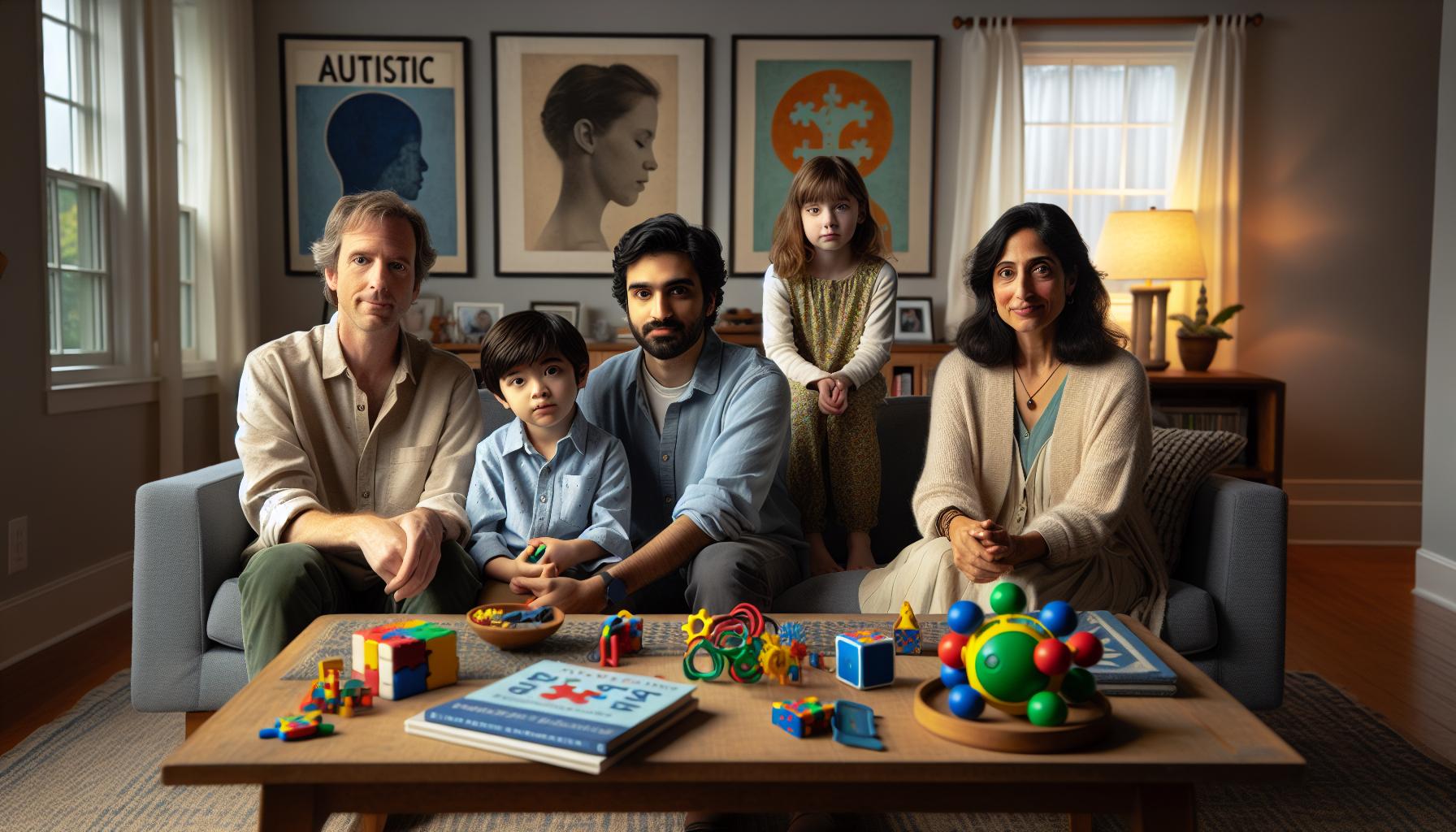
Themes of Acceptance and Understanding in the Book
In “A Corner of the Universe,” themes of acceptance and understanding are intricately woven throughout the narrative, highlighting the challenges faced by families navigating the complexities of autism. The protagonist, Hattie, embarks on a profound journey that reveals the importance of embracing differences, particularly as she grapples with her own feelings towards her Uncle Adam, who is on the autism spectrum. This exploration is not just about Hattie’s evolving perception of Adam; it also emphasizes how acceptance can transform familial relationships and foster deeper connections.
By presenting Hattie’s internal conflicts-ranging from embarrassment to burgeoning empathy-the novel effectively illustrates the process of understanding that unfolds within families. As readers witness Hattie’s growth from being troubled by her uncle’s behavior to actively seeking to understand his experiences, they are encouraged to consider the broader implications of accepting those who are different. The shifts in Hattie’s perspective serve as a mirror for the audience, inviting them to reflect on their own attitudes toward individuals with autism and the importance of understanding their unique challenges.
Moreover, the novel’s portrayal of Hattie’s parents provides additional layers to these themes. The mixed responses from her family members create a rich tapestry of emotions, demonstrating that acceptance is often a process filled with missteps and learning. For example, Hattie’s mother grapples with her own feelings of frustration and helplessness, which at times polarize her from Adam and create distance within the family. The narrative suggests that fostering understanding requires ongoing dialogue and education, emphasizing the necessity of communication in bridging the gap between neurotypical and neurodivergent experiences.
Ultimately, through Hattie’s journey and the interactions within her family, “A Corner of the Universe” articulates a powerful message: acceptance is not a destination, but a continual process. The novel encourages readers to embrace this journey within their own lives, reminding them that understanding is built on compassion, education, and the willingness to see the world through another’s eyes. This core message resonates strongly with families, offering a beacon of hope and inspiration for those navigating similar challenges.
The Author’s Perspective: Insights on Autism
In exploring the author’s perspective on autism in “A Corner of the Universe,” readers gain valuable insights into the lived experiences of individuals on the spectrum, as well as the external perceptions that shape their realities. The author, Ann M. Martin, weaves her narrative through the eyes of Hattie, a young girl whose journey of understanding and acceptance serves as a poignant lens through which autism is viewed. This narrative approach not only highlights the complexities of autism spectrum disorder but also emphasizes the emotional landscapes navigated by families affected by it.
Martin’s portrayal of Hattie’s uncle, Adam, is particularly notable. Adam is depicted not merely as a character with autism but as a fully realized person with his own struggles, strengths, and aspirations. This humanization is essential; it challenges the often one-dimensional portrayals found in literature and media. Through Hattie’s evolving relationship with Adam, the author invites readers to confront their biases and misconceptions about autism. By showcasing Hattie’s emotional journey-from initial embarrassment to active empathy-Martin mirrors the broader societal challenge of embracing neurodiversity.
The author’s perspective also offers a critical commentary on the importance of familial dynamics in fostering acceptance. Hattie’s parents, especially her mother, grapple with their own feelings about Adam’s behavior, illustrating that acceptance is not always straightforward. This nuanced depiction acknowledges the difficulties families face, such as frustration and misunderstanding, thereby creating a more realistic representation of the journey toward acceptance. Parents often need to confront their preconceived notions about autism, and Martin’s narrative supports this internal struggle, emphasizing that change is a process requiring ongoing communication and education.
Ultimately, Martin’s insights foster a deeper understanding of the emotional and social nuances of autism. She encourages readers to approach individuals on the spectrum with compassion and an open heart, reinforcing that understanding requires not just awareness of autism but engagement with the person’s unique story. Through vivid storytelling and relatable characters, “A Corner of the Universe” becomes a vital resource for families and communities, promoting discussions around autism that are both informative and reflective.
Comparative Analysis: Other Autism-Themed Literature
In examining the literary depictions of autism, A Corner of the Universe serves as a significant touchstone, yet it stands amid a diverse array of novels that explore similar themes of family dynamics, acceptance, and the unique experiences of individuals on the autism spectrum. Each narrative approaches the subject matter with its own style and focus, contributing to a richer understanding of autism through varied lenses.
One notable comparison can be drawn with The Curious Incident of the Dog in the Night-Time by Mark Haddon. This novel features Christopher, a young boy who exhibits characteristics of autism spectrum disorder, navigating the complexities of relationships and personal challenges. Haddon’s portrayal, much like Martin’s, humanizes the protagonist and offers insights into the inner workings of an autistic mind. Both authors effectively highlight the emotional landscape of their central characters, illuminating the personal experiences of their protagonists while also addressing the imperfect perceptions of those around them.
Furthermore, Fish in a Tree by Lynda Mullaly Hunt presents a compelling narrative centered on Ally, a girl with dyslexia who feels alienated at school. Although not explicitly labeled as having autism, the themes of outsider status and the struggle for understanding resonate deeply with the autistic experience. Like Hattie’s journey with her uncle Adam, Ally’s story emphasizes the importance of supportive relationships, particularly with educators and peers, in fostering acceptance and self-discovery.
Also, The Reason I Jump by Naoki Higashida, written by a non-verbal autistic teenager, provides a poignant first-person perspective that enhances readers’ empathy and understanding. The book offers insights into the thoughts and feelings of someone living with autism, a perspective that complements Martin’s representation in A Corner of the Universe through Hattie’s explorations of Adam’s world. The narrative structure of personal reflections is a powerful reminder that autism can manifest in a multitude of ways and that each individual’s experience is unique.
In contrast to these works, Mockingbird by Kathryn Erskine uniquely features a protagonist on the autism spectrum, providing a heartfelt look at how grief can affect familial dynamics. This narrative centers on Caitlin, who navigates her own emotional challenges following her brother’s death. The interplay of autism and family grief offers another dimension to the portrayal of autism in literature, framing acceptance not just as a social issue but as a deeply personal and familial journey.
These comparative analyses underscore how literature encompassing autism continues to evolve, each story adding depth to the conversation. They encourage readers to engage with the complexities of autism through varied characters and scenarios, promoting not just awareness, but also empathy and understanding towards those on the spectrum. Ultimately, works like A Corner of the Universe resonate within a broader literary context, igniting discussions that can lead to greater acceptance and appreciation of neurodiversity.
Impact of Autism Representation in Young Adult Fiction
The portrayal of autism in young adult fiction has a profound impact on both societal perceptions and the lived experiences of individuals on the spectrum. Books like A Corner of the Universe not only provide a narrative space for exploring the intricacies of autism within family dynamics but also foster empathy and understanding among readers. By featuring relatable characters and experiences, these stories serve as crucial touchstones for young audiences, encouraging acceptance and reducing stigma surrounding neurodiversity.
One significant effect of autism representation is that it gives voice to experiences often marginalized in mainstream society. For instance, through the eyes of Hattie in A Corner of the Universe, readers gain insight into the challenges faced by her uncle Adam, who is on the autism spectrum. This perspective enables readers-especially young adults-to better understand the emotional landscape of individuals on the spectrum, prompting them to consider how their actions and words affect others. When characters like Adam are presented with depth and nuance, they challenge stereotypes and generate a more compassionate discourse around autism.
Furthermore, autism narratives in young adult fiction facilitate important discussions about familial relationships and the responsibilities that come with them. For example, Hattie’s journey showcases the mixed emotions of love, frustration, and acceptance in her relationship with Adam. Such narratives encourage families to engage in conversations about autism, fostering a culture of openness and support. These stories act as bridges for readers, connecting them to real-life issues they may encounter in their own families or communities.
Benefits of Autism Representation in Young Adult Fiction:
- Increased Empathy: Readers develop a deeper understanding of the challenges and joys associated with being on the autism spectrum.
- Normalization of Conversations: These stories encourage discussions about autism at home and in schools, breaking down barriers of misunderstanding.
- Validation of Experiences: For autistic readers, seeing their experiences reflected in literature can be affirming and empowering.
- Promotion of Diverse Narratives: Such books highlight the individuality of autistic experiences, moving beyond one-dimensional portrayals.
As more authors embrace diversity in their storytelling, the influx of authentic narratives about autism in young adult literature holds the potential to reshape perceptions and inspire greater social change. By engaging with these narratives, readers not only gain insights into the autistic experience but also learn about the importance of empathy, acceptance, and understanding in all relationships. This ongoing conversation in young adult fiction is essential, as it prepares a new generation to approach neurodiversity with openness and respect.
Reader Reactions: How the Book Resonates with Families
Reader reactions to A Corner of the Universe reveal a profound connection that families often feel when navigating the complexities of autism. Many readers describe the book as a mirror reflecting their own experiences and emotions, enabling conversations about autism that might otherwise go unspoken. The character of Hattie serves as a relatable guide for siblings, evoking empathy for both family members and those on the spectrum.
Families frequently express gratitude for how the book delicately balances the challenges of autism with moments of joy and love. This nuanced portrayal supports validation of a wide range of feelings, from frustration to pride, which can be particularly relatable for those living with or closely connected to individuals with autism. By depicting both Hattie’s admiration for her uncle Adam and the difficulties she faces, the narrative resonates powerfully with siblings, parents, and extended family members who may experience similar dynamics.
In discussions around family dynamics, readers highlight how A Corner of the Universe encourages openness in dialogues about autism, enabling families to discuss their experiences more freely. This includes exploring how societal perceptions can affect their loved ones and how they can better support them. The story may serve as a catalyst for families to reassess their perspectives, fostering deeper understanding and acceptance of neurodiversity within their own lives.
Overall, reader feedback indicates that the novel not only enhances awareness and understanding of autism but also promotes emotional connections among family members. It empowers discussions that are crucial for fostering empathy and support, inviting families to share their stories and reflect on their relationships through the lens of autism.
Discussion of Educational Themes in the Story
In ‘A Corner of the Universe,’ the intersection of autism and education emerges as a profound theme, highlighting the varied ways in which knowledge and understanding shape relationships and self-identity. As Hattie navigates her world alongside her uncle Adam, who has autism, the narrative deftly addresses how educational settings-not just formally structured environments but also familial and social interactions-play a significant role in both character development and the unfolding of their story.
One key educational theme revolves around the concept of acceptance and belonging. Hattie’s journey reflects the experiences of many young people who feel out of place in traditional educational systems. Her observations of Adam’s unique ways challenge her understanding of what it means to be “normal” and pave the way for her to advocate for acceptance within her social circles. This dynamic emphasizes the importance of inclusive educational practices, suggesting that when individuals with autism are embraced and understood rather than marginalized, they can thrive and enrich the learning environment for everyone.
Furthermore, the narrative explores the notion of emotional intelligence as a critical educational tool. Hattie learns to read social cues and navigate her feelings toward her uncle’s behavior, which enhances her understanding of empathy-a skill that is essential for personal and social education. This development not only shapes Hattie’s relationship with Adam but also lays a foundation for her interactions with peers and authority figures, demonstrating that education extends beyond textbooks to include emotional awareness and interpersonal skills.
Practical Takeaways
- Fostering Acceptance: Utilize literature like ‘A Corner of the Universe’ in educational settings to prompt discussions on acceptance, neurodiversity, and emotional intelligence. Encourage students to reflect on their learned biases, facilitating an environment where differences are valued.
- Promoting Emotional Literacy: Incorporate activities that enhance emotional literacy, encouraging students to articulate and understand their feelings and those of others-an essential competency for effective communication and relationship building.
These educational themes resonate with both families and educators, presenting ‘A Corner of the Universe’ as a valuable resource for cultivating a more inclusive and empathetic understanding of autism. By embracing these narratives, readers can deepen their insight into the educational needs of individuals on the spectrum while fostering dialogue that transforms perceptions and practices in both school and home environments.
Literary Techniques Used to Convey Autism Experiences
Capturing the rich and often complex experiences of autism through literature requires a variety of literary techniques that not only engage readers but also foster a deeper understanding of the emotional and social landscapes faced by individuals on the spectrum. In “A Corner of the Universe,” the author employs several effective strategies to illustrate these experiences vividly.
One significant technique is the use of first-person narrative, which allows readers to step directly into the protagonist Hattie’s shoes. This perspective creates an intimate connection, enabling readers to experience Hattie’s thoughts and emotions as she navigates her relationship with her uncle Adam, who has autism. The immediacy of this viewpoint fosters empathy and understanding of how autism affects not just the individual but also their family dynamics. Through Hattie’s eyes, readers witness her conflicts and realizations, making the experience relatable and poignant.
Additionally, the author utilizes vivid imagery and sensory descriptions to depict Hattie’s world and her perceptions of Adam’s behavior. By employing detailed descriptions of their environment, the text illustrates how Hattie interprets social situations and emotional cues. For example, moments where Adam struggles with changes in routine are not just told; they are shown through the chaos of the surroundings and Hattie’s feelings of confusion and frustration. Such imagery serves to encapsulate the challenges faced by individuals with autism in processing their environments, enhancing readers’ comprehension of these experiences.
Dialogues and interactions within the narrative also play a vital role in showcasing the varying degrees of understanding and acceptance among different characters. These exchanges highlight how societal perceptions of autism can impact family relationships. Hattie’s conversations with friends and family members reveal both support and misunderstanding, creating a multifaceted view of the stigma that can accompany autism.
Finally, the theme of time is employed creatively to reflect the ongoing journey of acceptance and realization. The author uses flashbacks and foreshadowing to give context to Hattie’s current struggles, framing them within her past experiences. This narrative technique not only enriches character development but also underscores the importance of history in understanding present behavior, emphasizing that the journey toward understanding autism is ongoing for both individuals on the spectrum and their families.
By weaving these literary techniques throughout the narrative, “A Corner of the Universe” invites readers into the complex world of autism, encouraging a nuanced understanding of the emotional experiences of those affected. This approach not only educates but also fosters a sense of compassion and connection, making the book an invaluable resource for discussions around autism and family dynamics.
Significance of Setting in “A Corner of the Universe
In “A Corner of the Universe,” the setting plays a crucial role in shaping the narrative and enhancing the emotional depth of the story. The author, Ann M. Martin, has meticulously crafted a world that mirrors the challenges and complexities faced by Hattie, a young girl navigating her relationship with her uncle Adam, who has autism. The setting is not merely a backdrop; it is an active element that influences the characters’ experiences and interactions, revealing how the environment can impact perceptions of autism and family dynamics.
The small-town milieu reflects the intimacy and sometimes the insularity of Hattie’s life. Places like the family’s home and the local school become significant arenas where societal attitudes toward autism are illustrated. Hattie’s experiences in these familiar yet often confining spaces allow readers to understand not only her personal struggles but also the broader context of how communities perceive difference. For instance, the contrasting reactions from peers and adults in these settings amplify the narrative’s emotional resonance, highlighting misunderstandings while also showcasing moments of support and acceptance. This duality is essential in educating readers about the intricacies of autism and the varying degrees of awareness and empathy within a community.
Moreover, seasonal changes in the setting create a rich tapestry that symbolizes Hattie’s growth and the evolving understanding of autism throughout the story. The passage of time is mirrored in the descriptions of nature surrounding her-spring brings new beginnings and possibilities, while summer offers both joy and a sense of freedom, yet also highlights chaos for Adam when routines are disrupted. Such details invite the reader to feel the weight of the emotional landscape Hattie and Adam navigate, prompting deeper reflections on their journey toward mutual understanding and acceptance.
In essence, the setting in “A Corner of the Universe” is intricately tied to its themes of family, acceptance, and the quest for understanding. By illustrating how Hattie’s environment shapes her perceptions and experiences, the narrative encourages readers to reflect on the broader implications of setting in stories about autism and family dynamics, fostering an appreciation for the nuanced realities faced by those on the spectrum. Through this vivid contextualization, Martin enriches the narrative, making it a powerful resource for discussions on autism and the significance of community perception.
Recommendations for Further Reading on Autism and Family Stories
Exploring diverse narratives surrounding autism can provide profound insights and support not only for families affected by autism but also for broader communities looking to foster understanding and empathy. The rich landscape of literature on autism showcases a variety of experiences, highlighting the unique challenges and triumphs families encounter. Here’s a selection of noteworthy titles that delve into the complexities of autism and family dynamics, each offering valuable perspectives.
Captivating Reads on Autism and Family
- “Atypical: Life with Asperger’s in 20 1/3 Chapters” by Jesse Saperstein – This memoir offers a candid look at living with Asperger’s Syndrome, employing humor and honesty to navigate social challenges and personal growth.
- “The Reason I Jump” by Naoki Higashida – Written by a thirteen-year-old boy with autism, this book provides an intimate perspective on the mind of an autistic individual, exploring thoughts, feelings, and his responses to the world.
- “Uniquely Human: A Different Way of Seeing Autism” by Barry M. Prizant – This book emphasizes understanding and acceptance over fitting into societal norms, offering strategies for caregivers to connect with those on the spectrum effectively.
- “Real Friends” by Shannon Hale – A graphic memoir recounting the author’s experiences with friendship and social dynamics as a child, touching upon the challenges that often accompany autism spectrum disorder.
These recommendations not only broaden the understanding of autism but also promote reflection on relational dynamics within families. They serve as incredible resources for parents, educators, and advocates who seek deeper comprehension of autism and aspire to cultivate compassionate environments.
Further Exploration of Family Narratives
In addition to personal stories, various novels and guidebooks approach autism from narrative storytelling and educational viewpoints. Consider exploring:
- “Life, Animated: A Story of Sidekicks, Heroes, and Autism” by Ron Suskind – This poignant account follows the author’s son who, after being diagnosed with autism, finds a way to communicate and connect through Disney movies.
- “The Curious Incident of the Dog in the Night-Time” by Mark Haddon – While fictional, this novel provides a glimpse into the mind of a teenager with autism, revealing the challenges and triumphs he faces in understanding the world around him.
These works not only elaborate on the emotional landscape and family dynamics involved in autism but also underscore the importance of acceptance, understanding, and empathy in addressing the needs of individuals on the spectrum. Engaging with these narratives can help foster a more inclusive perspective among readers, empowering families and communities to embrace the complexities of autism with compassion and intelligence.
Frequently asked questions
Q: What is the main theme of “A Corner of the Universe” in relation to autism?
A: The main theme of “A Corner of the Universe” revolves around acceptance and understanding within the context of autism. The narrative explores how familial relationships are affected by autism, emphasizing the importance of empathy and connection. For a deeper insight into these themes, refer to our section on Themes of Acceptance and Understanding in the article.
Q: How does “A Corner of the Universe” depict the life of an autistic character?
A: The book offers a nuanced portrayal of an autistic character, highlighting their unique perspectives and challenges. It emphasizes their individuality beyond the diagnosis, shedding light on personal experiences and family dynamics that shape their reality.
Q: Why is representation of autism in literature important?
A: Representation of autism in literature is crucial because it fosters understanding, reduces stigma, and encourages empathy among readers. It allows individuals to recognize diverse experiences, which can lead to greater acceptance in society.
Q: What can readers learn about family dynamics through the story?
A: Readers can gain insights into how autism impacts family interactions and relationships. The book illustrates the complexities of familial love, conflict, and support, making it a valuable resource for understanding family dynamics in the context of disabilities.
Q: When was “A Corner of the Universe” published, and who is the author?
A: “A Corner of the Universe” was published in 2002 by Ann M. Martin. The author draws on her experiences to present a heartfelt narrative that engages with Autism Spectrum Disorder in an accessible way.
Q: What resources are available for further reading on autism in literature?
A: For further reading on autism and family narratives, consider exploring titles recommended in our Recommendations for Further Reading section. Books that discuss similar themes can provide additional perspectives and insights.
Q: How can teachers use “A Corner of the Universe” in educational settings?
A: Teachers can use “A Corner of the Universe” as a tool to discuss themes of empathy, diversity, and understanding disabilities in the classroom. Engaging students in discussions and activities related to the book can promote awareness and compassion.
Q: What critical literary techniques are used in “A Corner of the Universe”?
A: The author employs several literary techniques, including first-person narration and symbolism, to convey the complexities of living with autism. These techniques enhance readers’ emotional connection and understanding of the autistic experience. Explore our section on Literary Techniques Used to Convey Autism Experiences for more details.
Final Thoughts
As we wrap up our exploration of “A Corner of the Universe,” remember that this poignant autism family drama not only sheds light on the intricacies of neurodiversity but also invites empathy and understanding. If you found the themes of family dynamics and personal growth compelling, we encourage you to dive deeper into related reads like our reviews on “The Reason I Jump” and “The Curious Incident of the Dog in the Night-Time.”
Don’t miss the chance to share your thoughts in the comments below-your insights enrich our community! For continuous updates and thoughtful literary discussions, consider subscribing to our newsletter. Let’s keep the conversation going as you explore narratives that challenge perceptions and celebrate diversity. Your next favorite book could be just a click away!
Get our latest guides, news, and insights highlighted in your Google Search & AI Overviews.










