

In a world where countless belief systems shape our lives, understanding the evolution of these faiths is crucial. “A History of God” delves into the origins and transformations of religious thought, offering insights into how humanity’s perception of the divine has changed over millennia. This exploration not only sheds light on historical events but also resonates with contemporary concerns about spirituality and identity. As we navigate an increasingly complex social landscape, realizing how past beliefs inform present actions can empower us to make more informed choices about our own spiritual journeys. Join us as we embark on this enlightening review, uncovering the layers of faith that bind us together while sparking curiosity about what lies ahead in our understanding of the divine.
The Evolution of God: From Ancient Beliefs to Modern Concepts
The conception of God has undergone significant transformation from ancient civilizations with their pantheons of gods to contemporary monotheistic beliefs. This evolution reflects humanity’s changing understanding of the divine, influenced by cultural, social, and philosophical shifts over time. In early societies, gods were often seen as anthropomorphic figures directly involved in the daily lives of their worshippers, managing natural phenomena and human affairs. These deities represented various elements and forces, from the sun and moon to agricultural fertility, mirroring the struggles and realities of human existence.
As societies became more complex, so too did their religious beliefs. The transition towards monotheism, particularly prominent in Judeo-Christian traditions, marked a pivotal shift where the concept of a singular, omnipotent God emerged. This transformation introduced a more abstract understanding of the divine, one that represents moral ideals and universal truths rather than direct intervention in worldly affairs. The development of scriptures provided a framework for followers, offering narratives and law that further shaped the perception of God and the relationship between the divine and humanity.
Influence of Philosophy and Culture
The philosophical underpinnings of the time also played a crucial role in redefining concepts of God. Thinkers like Aristotle and later, Augustine, laid foundations that influenced Christian doctrine, emphasizing reason and the idea of God as a necessary being-a source of existence rather than simply a deity managing the cosmos. Moreover, the impact of the Enlightenment brought forth questions about reason, faith, and the nature of belief, leading to a more individualized approach to spirituality.
The evolution from polytheism to monotheism, and even to contemporary spiritual movements, showcases a dynamic dialogue between belief systems, communities, and the individual. Each transition not only reflects religious adaptation but also reveals broader societal changes, underpinning how humanity seeks to understand its place in the universe and the nature of the divine. The ongoing exploration of spirituality beyond traditional organized religion points to a future where beliefs may continue to evolve, emphasizing personal experiences and philosophical inquiry as central to understanding God in modern times.
Key Themes Explored in “A History of God
The exploration of divine concepts across cultures and time periods reveals a rich tapestry of beliefs that shape both individual spirituality and societal norms. In “A History of God,” the author intricately delves into how humanity’s understanding of God has fluctuated from the polytheistic pantheons of ancient civilizations to the monotheistic frameworks prevalent today. Through this journey, readers encounter key themes that not only illustrate the evolution of religious thought but also highlight the dynamic interplay between religion and culture.
One of the central themes in the book is the transformation of the concept of God. In early beliefs, deities were often understood as anthropomorphic figures, deeply embedded in the natural world and human experiences. These gods personified elements like the sun, moon, and harvest, acting as direct influences on daily life. As societies developed and became more complex, so too did their beliefs. The transition to monotheism brought forth an abstract understanding of God, framing the divine as a singular, omnipotent force concerned with moral ideals and universal truths rather than mundane affairs. This shift not only changed the nature of worship but also influenced ethical frameworks within societies.
Another critical theme is the influence of philosophical thought and cultural dynamics on religious evolution. The text discusses how key philosophers-such as Aristotle and Augustine-contributed to shaping theological discourse, stressing reason and existence over ritualistic practices. The impact of the Enlightenment further propelled the dialogue about faith and reason, fostering an environment where personal spirituality began to take precedence over organized religious structures. This evolution underscores the notion that beliefs are not static; rather, they adapt to accommodate human curiosity and the quest for understanding.
Moreover, the comparative analysis of monotheism versus polytheism throughout history unveils patterns of interdependence and divergence among religious traditions. By examining various belief systems, the book illustrates how different cultures approached the divine and the underlying similarities that often exist despite surface differences. This comparative perspective encourages readers to appreciate the shared human experience that transcends specific faiths and emphasizes the universal search for meaning.
Finally, the text invites reflection on the relevance of religious texts and their role in shaping cultural development. Sacred writings not only provided narratives and laws for followers but also served as a means of cultural transmission, influencing art, literature, and collective identity. The ongoing dialogue about spirituality beyond organized religion hints at a future where diverse beliefs continue to evolve, pointing to an era of increased personal exploration and understanding of the divine.
In summary, “A History of God” offers a thoughtful examination of how evolving conceptions of the divine shape human experience. Through its exploration of key themes, the book invites readers to consider the profound significance of their beliefs within the grand tapestry of religious evolution, encouraging a deeper inquiry into their own understanding of spirituality.
Understanding the Author’s Perspective on Deity
The author’s exploration of deity in “A History of God” unveils a nuanced understanding of how conceptions of the divine have shifted over millennia. By considering a diverse array of religious traditions, the author encourages readers to see God not merely as a singular entity but as a complex tapestry woven from humanity’s varied experiences and cultural contexts. This multifaceted approach invites readers to question not only the nature of the divine but also their own beliefs, presenting a dynamic rather than static view of spirituality.
One of the most compelling aspects of the author’s perspective is the emphasis on the relationship between humanity and the divine. In antiquity, gods were often linked to specific natural phenomena and societal needs, which made them relatable and accessible. This anthropomorphic interpretation fostered an intimacy between worshipers and their deities, as rituals were intimately tied to daily life and agricultural cycles. As civilizations evolved, so did their understanding of God. Transitioning towards monotheism represented a significant shift, framing the divine in abstract, ethical terms-highlighting qualities like omnipotence and omniscience that were less about personal connection and more about moral ideals and cosmic justice.
The author further argues that philosophical and sociopolitical changes have played critical roles in shaping theological beliefs. Drawing on the influence of figures such as Plato, Aristotle, and later, Enlightenment thinkers, the text illustrates how reason and personal inquiry began to challenge traditional dogmas. This evolution reflects broader societal shifts, wherein the personal quest for meaning outgrew ritualistic frameworks, paving the way for modern spirituality-a departure that melds inquiry with personal experience.
In examining the author’s perspective, readers are encouraged to consider the implications of these changes. What does it mean to seek a connection with a deity who is, or may be, reconceived through the lens of philosophical thought and cultural dynamics? This question resonates particularly in today’s increasingly pluralistic society, where individuals often navigate a landscape of beliefs that transcends organized religion. By challenging readers to engage with their understandings of deity actively, the author not only broadens perspectives on spirituality but also underscores the continuous interplay between human experience and the divine.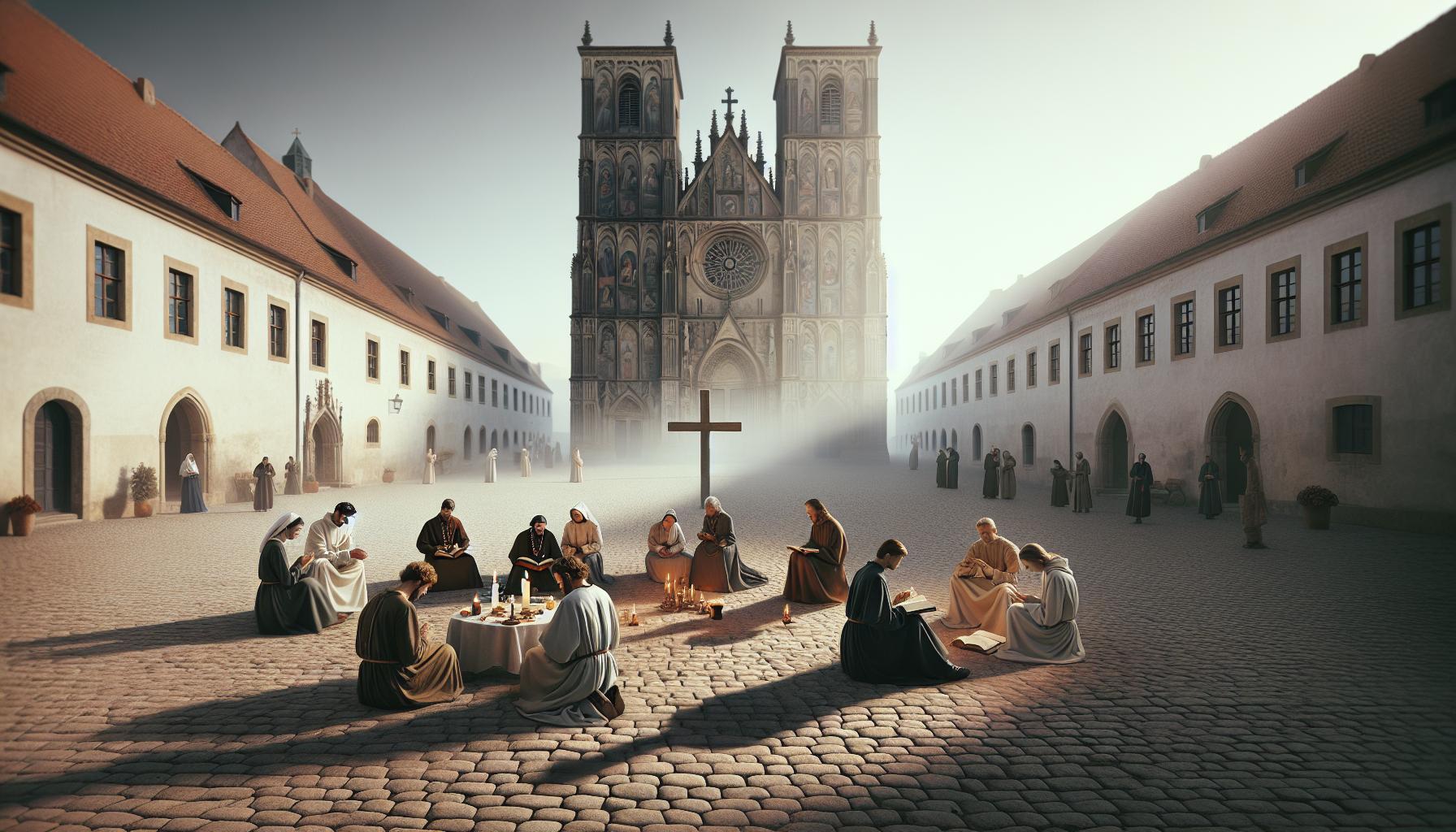
Historical Context: Religion’s Influence on Society
Understanding the intricate relationship between religion and society reveals much about the human experience throughout history. From the earliest tribal systems to modern nation-states, religion has shaped cultural values, social norms, and ethical frameworks, influencing everything from laws to personal identity. As explored in *A History of God*, the evolution of divine concepts reflects the changing landscape of human civilization and offers insights into the shared questions of existence that drive societies forward.
One pivotal aspect of this influence is how religious narratives serve as cultural touchstones. For example, ancient myths often encapsulated communal values, setting standards for behavior and reinforcing social cohesion. The pantheon of gods in polytheistic societies provided explanations for natural phenomena and human experiences, thus acting as a means for people to make sense of the world around them. The transition to monotheism, seen in major religions such as Judaism, Christianity, and Islam, shifted this dynamic considerably. Rather than a collection of powers representing various aspects of life, a singular deity introduced a universal moral code, fostering a sense of unity but also leading to significant social and political ramifications, including conflicts often rooted in religious fidelity.
Impact on Governance and Law
As societies became more structured, the influence of religion on governance and law became increasingly evident. Many legal systems are steeped in religious teachings; for instance, the Ten Commandments in Christianity and the Sharia in Islamic tradition have significantly shaped legal principles and ethical norms across cultures. This intersection between religion and law illustrates how spiritual beliefs can manifest in societal regulations, impacting everything from marriage customs to crime punishments. Moreover, the concept of divine right among monarchs in medieval Europe is a historical example of how religion legitimized authority and maintained social order.
The Role of Religion in Social Change
Religion also has the capacity to inspire social change. Movements for civil rights and justice have often drawn on spiritual teachings to advocate for equality and moral righteousness. The work of leaders like Martin Luther King Jr. illustrates how religious beliefs can mobilize communities and challenge systemic injustices, encouraging individuals to pursue a collective vision for a fairer society. This adaptability of faith to contemporary issues highlights not only the power of religious conviction but also its potential for fostering dialogue and understanding amidst diversity.
In summary, the historical context of religion’s influence on society reveals a complex tapestry woven from shared beliefs, cultural values, and social structures. Understanding this relationship equips readers with valuable perspectives on how religious thought persists in modern times, prompting reflection on contemporary beliefs and practices in an increasingly pluralistic world.
Major Religious Traditions: Bridging Differences and Similarities
Throughout history, major religious traditions have served as both bridges and barriers among diverse cultures, offering shared narratives while also highlighting fundamental differences. The exploration of these traditions reveals a rich tapestry of beliefs, practices, and the underlying quest for understanding the divine. From the sacred teachings of Buddhism and Hinduism to the monotheistic doctrines of Judaism, Christianity, and Islam, each tradition contributes uniquely to humanity’s collective spiritual experience.
Common Threads in Major Religions
Despite the apparent differences in practices and beliefs, there exist several commonalities across major religions that underscore a shared human pursuit of meaning:
- Ethical Guidelines: Almost all religious traditions present a framework for ethical living. For instance, the Golden Rule, which advocates treating others as one wishes to be treated, appears in various forms across numerous faiths, including Christianity, Buddhism, and Confucianism.
- Rituals and Practices: Rituals such as prayer, meditation, and communal gatherings manifest across religions, serving to reinforce community bonds and provide a structured way to connect with the divine.
- Concepts of the Afterlife: Many religions propose beliefs about life after death, whether through reincarnation in Hinduism and Buddhism or eternal life in Christianity and Islam, reflecting a common human concern with the fate of the soul.
Bridging Divides through Dialogue
The dialogue among religious traditions is critical for fostering mutual respect and understanding. Interfaith conversations can help dispel myths and encourage appreciation for different perspectives. For example, collaborative efforts such as interfaith services and community dialogues can highlight shared values, emphasizing common goals such as peace, social justice, and humanitarianism.
As globalization brings diverse populations into closer contact, these dialogues become essential in navigating complex social dynamics. Examples such as the Parliament of the World’s Religions illustrate how bringing together leaders from various faith backgrounds can promote peace and understanding, despite deep-seated theological differences.
In conclusion, while major religious traditions may initially appear distinct, a closer examination reveals both bridging similarities and the potential for meaningful dialogue. Engaging with these traditions not only enriches individual understanding but also cultivates a more harmonious coexistence among diverse cultures, suggesting that the exploration of faith continues to shape our collective human experience in profound ways.
The Role of Theology in Human Evolution
The intersection of theology and human evolution crafts a compelling narrative that transcends mere academic discourse. From ancient civilizations crafting myths to explain the cosmos to contemporary discussions on existential questions, theology offers insight into humanity’s developmental trajectory. It propels us beyond survival instincts, urging individuals to seek purpose, meaning, and connection with the transcendent. Such exploration shapes cultural norms, influences moral frameworks, and bolsters societal cohesion.
Understanding requires recognizing its dual function: as a mirror reflecting humanity’s inner life and as a catalyst driving social change. Early theological beliefs provided a structured understanding of the world, allowing early humans to navigate their environment. For instance, agrarian societies developed deities associated with fertility and harvest, highlighting the intrinsic link between belief and survival. Such associations illustrate how theology evolved not just hand-in-hand with culture, but as a pivotal player in humanity’s quest for self-definition and community building.
Theological Evolution as a Reflective Process
Theological concepts often adapt in response to societal shifts. The transition from polytheism to monotheism marks a significant shift not only in belief systems but also in the social organization of societies. Monotheistic frameworks often emphasize absolute moral standards and a singular community identity, which can unify diverse populations under shared ethical principles. This unifying force can be seen in the histories of religions such as Judaism, Christianity, and Islam, where the overarching narrative of a single, all-powerful deity serves as a glue binding communities, driving collective ethical practices, and defining existential purpose.
Modern Implications of Theological Thought
As we advance into an increasingly secular world, the role of theology continues to evolve. It intersects with contemporary issues such as environmental ethics, social justice, and global peace, urging a reevaluation of human responsibilities toward one another and the planet. Debates on these subjects necessitate a theological lens that can integrate ancient wisdom with modern ethical considerations, reaffirming the relevance of religious thought in guiding human conduct in a complex world.
In this light, the study of theology is not merely academic but also profoundly practical. It equips individuals with frameworks to address pressing societal issues, encouraging a collective pursuit of meaning that resonates across diverse cultures and belief systems. Thus, understanding not only enriches our comprehension of historical contexts but also invites a deeper engagement with the future of belief and its impact on global humanity.
Comparative Analysis: Monotheism vs. Polytheism
The debate between monotheism and polytheism has shaped human civilization for thousands of years, influencing culture, philosophy, and personal beliefs. At its core, monotheism, which centers on the belief in a single, all-powerful deity, contrasts sharply with polytheism’s embrace of multiple gods, each governing different aspects of life and the universe. This fundamental difference does not merely affect beliefs about the divine but also alters societal structures, moral codes, and practices of worship.
One of the most striking differences lies in how each system of belief relates to ethics and community. Monotheistic faiths like Christianity, Islam, and Judaism often assert absolute moral standards derived from the nature and will of a single God. This can create a strong sense of unity and shared responsibility within communities, as all followers adhere to the same moral guidelines, leading to cohesive social and ethical structures. In contrast, polytheism, represented by ancient religions like those of Greece and Rome, offered a more fragmented view of morality, where different deities could embody various virtues and vices. This plurality allowed for a more individualized approach to ethics; individuals could choose to align with particular gods based on their unique needs or circumstances, which might lead to a rich tapestry of beliefs but less communal cohesion.
Moreover, the historical impact of these belief systems reveals another layer of complexity. Monotheistic religions have often been tied to the establishment of centralized governance and legal systems, as seen in theocratic states where religious laws govern civic life. In contrast, many polytheistic societies thrived on local customs and the worship of regional deities, which could foster diversity but also fragmentation. The move from polytheism to monotheism in various cultures often coincided with significant social transformations, such as the consolidation of power and the establishment of large empires, as seen with the rise of early Christianity in the Roman Empire.
In practical terms, how individuals navigate the space between these two paradigms can greatly affect their spiritual practices and community engagement. Monotheists may find comfort in the idea of a single divine purpose and definitive truths that guide their lives, while polytheists may enjoy the flexibility of a diverse pantheon that allows for personal expression in their spirituality. This dynamic interplay requires a nuanced understanding of each belief system, encouraging people to appreciate the profound ways in which their spiritual beliefs inform their lived experiences and shape societal norms.
Ultimately, exploring this comparative landscape of monotheism and polytheism not only enriches our understanding of religious evolution but also highlights how these frameworks continue to influence contemporary thought and culture. Each belief system provides distinct pathways for grappling with existential questions and ethical dilemmas, inviting deeper reflection on our collective journey of faith and humanity.
Impact of Religious Texts on Cultural Development
Religious texts have played a transformative role in shaping cultures, guiding societies, and influencing the lives of individuals throughout history. These texts serve not only as spiritual manuals but also as foundational documents that outline moral guidelines, legal principles, and communal values, thus weaving the fabric of civilizations. One striking example is how the Bible, as the foundational text of Christianity, has influenced Western legal systems and ethical frameworks. Its teachings on justice, mercy, and community have provided a moral compass that resonates in contemporary discussions about human rights and social justice.
Preserving Cultural Identity
Religious texts often function as vessels of cultural identity, preserving language, stories, and traditions across generations. For instance, the Torah encompasses centuries of Jewish history, law, and ethics, creating a cohesive identity that has endured persecution and diaspora. This preservation of culture through sacred literature ensures that communities maintain a sense of belonging and continuity, guiding behavior and societal norms. Similarly, the Qur’an not only articulates the tenets of Islam but also shapes Arabic literature and linguistic expression, influencing everything from poetry to political rhetoric.
Fostering Dialogue and Understanding
The impact of religious texts extends into the realm of interfaith dialogue, fostering understanding among diverse cultural groups. Texts such as the Bhagavad Gita encourage reflections on duty, righteousness, and spirituality, inviting readers from different faith backgrounds to explore shared human experiences. By studying these texts, individuals can find common ground, acknowledging differences while celebrating the universal quest for meaning and connection. This engagement with religious literature promotes tolerance and empathy, which are essential for building harmonious societies in an increasingly interconnected world.
Guiding Ethical Frameworks and Laws
Moreover, the ethical frameworks derived from religious texts continue to influence modern laws and societal norms. The Code of Hammurabi, one of the earliest written legal codes, reflects principles found in earlier religious texts, demonstrating how sacred teachings inform governance. In contemporary society, debates on issues like family, marriage, and social justice often reference foundational texts to argue for laws that reflect moral convictions held by various religious communities.
Religious texts, therefore, embody rich narratives and ethical teachings that shape not only individual lives but also entire societies. By understanding their historical significance and ongoing influence, readers can appreciate the profound impact these texts have on cultural development. Each religious tradition offers distinct pathways for ethical living and community engagement, encouraging individuals to explore the intersection of their spiritual beliefs with the diverse tapestry of human experience.
Critical Reception: Readers’ Perspectives on the Book
Widely acclaimed for both its depth and accessibility, the book has sparked a variety of responses from readers spanning a multitude of backgrounds and beliefs. Some readers express deep appreciation for the author’s ability to distill complex theological concepts into clear, engaging narratives, allowing them to grasp the evolution of religious thought without prior extensive knowledge of the subject. Their praise often highlights how the author connects ancient beliefs with contemporary issues, making the text relevant even for those who may not identify strictly with any religious tradition.
Many readers are particularly drawn to the comparative analysis presented in the book, which invites reflection on the nuances between monotheism and polytheism, along with the societal roles both have played throughout history. This exploration encourages valuable discussions around the fundamental nature of belief systems. For instance, a regular reader mentioned that the book not only enriched their understanding of their own faith but also cultivated a respect for the beliefs of others. This cross-cultural dialogue is essential in a world where interfaith engagement is increasingly necessary.
However, not all feedback is entirely positive. Some critiques have emerged regarding the author’s treatment of certain religious doctrines, with readers from specific faith backgrounds feeling that their beliefs were either oversimplified or not adequately represented. This discourse underscores the challenges of addressing religious evolution in a way that honors the multiplicity of perspectives while remaining informative and engaging. For these readers, exploration of the author’s interpretations invites further inquiry into their own belief systems and may encourage them to seek deeper understanding outside the parameters set by the text.
In connecting readers with these diverse interpretations, the book serves as a powerful tool for education and self-reflection. Individuals seeking to broaden their perspective on spirituality and belief systems will find value not only in the content itself but also in the conversations it provokes within their communities. By fostering an environment of inquiry, it encourages readers to embrace the complexity of God’s evolution and the myriad ways it continues to manifest in our modern world, thus reinforcing the book’s relevance for audiences today.
Exploring Spirituality Beyond Organized Religion
While organized religions have shaped societal values and community bonds for centuries, a growing number of individuals are seeking spirituality outside institutional frameworks. This shift invites deeper exploration into what it means to be spiritual in a modern context, allowing people to forge personal connections with the divine or the universe without adhering strictly to dogma. This section delves into the nuances of spirituality beyond organized religion, highlighting its significance in today’s world.
At its core, spirituality can be understood as a personal journey toward understanding oneself and one’s place in the universe. Unlike organized religion, which often emphasizes rituals, congregational worship, and prescribed doctrines, spirituality allows for a more individualized approach. Individuals may find their spiritual practices in nature, art, meditation, or personal reflection. This flexibility enables diverse expressions of spirituality, accommodating a wide range of beliefs and practices.
Personal Practices and Exploration
Exploring spirituality outside organized religion can involve various methods and practices. Here are some common approaches that individuals might find beneficial:
- Meditation and Mindfulness: Many find solace in meditation, which fosters a deep sense of peace and connection with the present moment. Techniques can vary from guided imagery to silent mindfulness practices.
- Nature Connection: Spending time in nature can evoke a profound sense of awe and interconnectedness with the world. Activities like hiking, gardening, or simply observing the changing seasons can serve as spiritual practices.
- Creative Expression: Engaging in art, writing, or music allows for personal exploration and expression of spiritual beliefs and experiences. This creativity can become a meditative practice, facilitating deeper understanding.
- Community and Dialogue: Joining groups that focus on discussions about spirituality, ethics, or universal values provides opportunities to connect with others who share similar interests, fostering a sense of belonging.
This personalized approach resonates with the modern individual’s desire for authenticity and relevance in their spiritual pursuits. It empowers people to question, reflect, and grow based on their unique experiences and insights.
Benefits of Non-Institutional Spirituality
The movement toward a spirituality that exists outside traditional structures offers numerous advantages. These include:
- Flexibility: Individuals can tailor their practices and beliefs to fit their evolving understanding and life experiences, creating a more personal and meaningful connection to spirituality.
- Inclusivity: Non-institutional spirituality often embraces a wider array of beliefs, allowing for a more inclusive dialogue about spirituality that acknowledges diverse experiences.
- Focus on Personal Growth: Without the confines of rigid doctrines, individuals are encouraged to explore their beliefs more freely, fostering personal transformation and growth.
- Enhanced Mental Health: Engaging in spiritual practices has been shown to reduce stress, increase mindfulness, and promote overall well-being, contributing positively to mental health.
Ultimately, reflects a broader trend in which individuals seek deeper, more personal connections with their beliefs. By encouraging self-discovery and fostering open discussions, this approach not only helps individuals craft a unique spiritual narrative but also enriches the collective understanding of spirituality in a diverse, interconnected world. As highlighted in “A History of God,” the evolution of belief systems continues to shape our understanding of the divine-reminding us that spirituality can be as varied and encompassing as the individuals who seek it.
The Future of Belief: Trends in Global Religiosity
As societies evolve and technological advancements reshape daily life, the landscape of belief is undergoing significant transformation. The future of religiosity increasingly reflects a move towards individualized spiritual experiences, where traditional structures give way to personal interpretations of meaning and existence. This ongoing shift not only challenges the dominance of established religions but also promotes the exploration of spirituality as a personal journey-one that intertwines with contemporary values such as mindfulness, mental health, and community engagement.
Emerging Trends in Global Religiosity
The following trends illustrate how spirituality and belief are evolving in the modern world:
- Spiritual Individualism: Many people are shifting away from organized religious practices in favor of tailored spiritual experiences. This trend emphasizes personal exploration and connection to both the divine and the universe, allowing individuals to choose practices that resonate uniquely with them, such as meditation, yoga, or nature therapy.
- Interfaith Dialogue: As globalization fosters greater interconnectivity, discussions among various religious and spiritual traditions are becoming more common. This openness encourages mutual respect and understanding, enriching individual belief systems and allowing for the combination of diverse practices and philosophies.
- Mindfulness and Well-being: In a world increasingly focused on mental health, practices rooted in spirituality that promote mindfulness are finding widespread acceptance. Activities such as meditation and compassionate living not only enhance personal well-being but also cultivate a sense of belonging and community.
- Environmental Spirituality: A growing awareness of ecological issues has spurred the rise of spiritual practices centered around nature and sustainability. Many individuals now view their connection to the earth as a spiritual responsibility, leading to practices that honor and protect the natural world.
Challenges and Opportunities
While these emerging trends present exciting opportunities for deep personal growth and community development, they also come with challenges. The decline of traditional religious institutions might lead to a loss of communal bonds and cultural heritage. However, this transition invites innovation in how spirituality is expressed and shared, encouraging new communities that might blend elements of various traditions or focus on universal human values.
Conclusion: Crafting a Personal Future of Belief
As we look towards the future, the path of belief will likely continue to diversify, reflecting our complex, interconnected world. Individuals are encouraged to draw from various traditions while remaining open to personal experiences that resonate deeply within them. This shift not only embodies a resilience to adapt in a changing world but also highlights a collective yearning to find authentic meaning and connection in the vast tapestry of human spirituality.
Lessons Learned: What We Can Apply Today
Understanding the evolution of belief systems provides profound insights into how spirituality can be approached in the modern world. Religious narratives have continually adapted to the social, cultural, and technological contexts of their times, illustrating how faith can be both personal and communal. As we reflect on these developments, several lessons emerge that are pertinent to how we engage with spirituality today.
One key lesson is the importance of spiritual individualism. As people seek tailored spiritual experiences over organized doctrines, embracing a personal spiritual journey fosters a deeper connection to both self and the universe. Individuals can explore practices that resonate with them, whether through meditation, nature walks, or creative expressions. This openness encourages people to gather spiritual insights that align with their unique perspectives, leading to a more vibrant spiritual life.
Furthermore, the rise of interfaith dialogue emphasizes mutual respect among diverse belief systems. In an increasingly interconnected world, understanding and appreciating different religious traditions can enrich one’s own faith. Engaging with others can lead to a broader understanding of spirituality, promoting inclusivity and compassion. This approach not only helps in personal growth but also cultivates community bonds that transcend individual belief systems.
Adopting practices rooted in mindfulness is another actionable lesson. With contemporary society’s growing focus on mental health, incorporating mindfulness through spiritual practices enhances well-being. Simple daily rituals, such as gratitude journaling or mindful breathing, contribute to personal tranquility and help individuals cultivate a sense of belonging and connectedness within their communities.
Lastly, recognizing our environmental responsibilities as part of our spiritual duty can transform how we relate to the world around us. Increasing awareness of ecological issues encourages individuals to act sustainably, viewing environmental stewardship as an essential aspect of their spiritual practice. By aligning spiritual beliefs with actions that honor and protect the earth, we create a meaningful connection between our values and our impact on the planet.
In summary, leveraging insights from the evolution of spirituality aids in crafting a fulfilling personal path. By embracing individual spiritual experiences, engaging in interfaith dialogue, prioritizing mindfulness, and committing to ecological responsibility, we can cultivate a richer, more authentic spiritual existence that resonates with the complexities of modern life.
Faq
Q: What is the main argument in “A History of God”?
A: The main argument of “A History of God” is that the concept of God has evolved significantly over time, influenced by historical and cultural contexts. The book explores how different societies have understood divinity, illustrating both monotheistic and polytheistic views while emphasizing the ongoing relevance of these beliefs in contemporary spirituality.
Q: How does “A History of God” approach the topic of religious evolution?
A: “A History of God” approaches religious evolution by examining key themes such as the development of deities across different cultures, the impact of religious texts, and how beliefs adapt in response to changing societal values. This analytical perspective helps readers appreciate the diverse expressions of faith throughout history.
Q: What themes are explored in the book?
A: The book explores themes such as the comparison of monotheism and polytheism, the influence of religion on culture, and the role of theology in shaping human understanding of the divine. It also touches on how these themes inform current trends in global religiosity and personal belief systems.
Q: Why is understanding the author’s perspective important in this book?
A: Understanding the author’s perspective is crucial because it reveals insights into how personal biases and cultural influences shape interpretations of divinity. The author’s narrative combines historical analysis with personal reflections, making the book a rich resource for readers interested in the complexities of faith and belief.
Q: What is the critical reception of “A History of God”?
A: “A History of God” has received mixed reviews, with some praising its depth of research and engaging narrative, while others critique its interpretative bias. Readers generally find that its exploration of religious concepts broadens understanding and inspires further curiosity about spiritual evolution.
Q: How does “A History of God” compare monotheism and polytheism?
A: The book compares monotheism and polytheism by discussing their foundational beliefs, historical contexts, and societal impacts. It highlights how monotheism often presents a unified divine concept, whereas polytheism showcases a diverse pantheon, reflecting varied cultural experiences and philosophical ideas surrounding spirituality.
Q: What lessons can be learned from “A History of God”?
A: Readers can learn about the continuity and change in religious belief systems, understanding that spirituality is not static. The book encourages reflecting on one’s own beliefs and inspires a more tolerant view of diverse religious practices, emphasizing shared human experiences in the quest for meaning.
Q: How does the book suggest spirituality can exist outside organized religion?
A: The book suggests that spirituality can exist outside organized religion by advocating for personal interpretations of faith, meditation, and a connection to the world. It encourages readers to explore spiritual practices that resonate personally, fostering a unique understanding of the divine beyond conventional structures.
Key Takeaways
As we conclude our journey through “A History of God: Religious Evolution Explained,” it’s clear that this exploration offers profound insights into the development of religious thought across cultures. Understanding the evolution of these beliefs not only enriches our knowledge but also invites us to reflect on our individual and collective spiritual paths. Don’t let this moment pass without diving deeper-consider checking out our related articles on the intersection of religion and history or exploring our discussions on contemporary spiritual movements.
If you found this review enlightening, we encourage you to engage further! Sign up for our newsletter to stay updated on upcoming reviews, or leave a comment below to share your thoughts on how religious evolution shapes our modern world. Remember, your journey in understanding faith and spirituality is ongoing, and we’re here to accompany you. Explore, engage, and enrich your perspective today!
Get our latest guides, news, and insights highlighted in your Google Search & AI Overviews.










