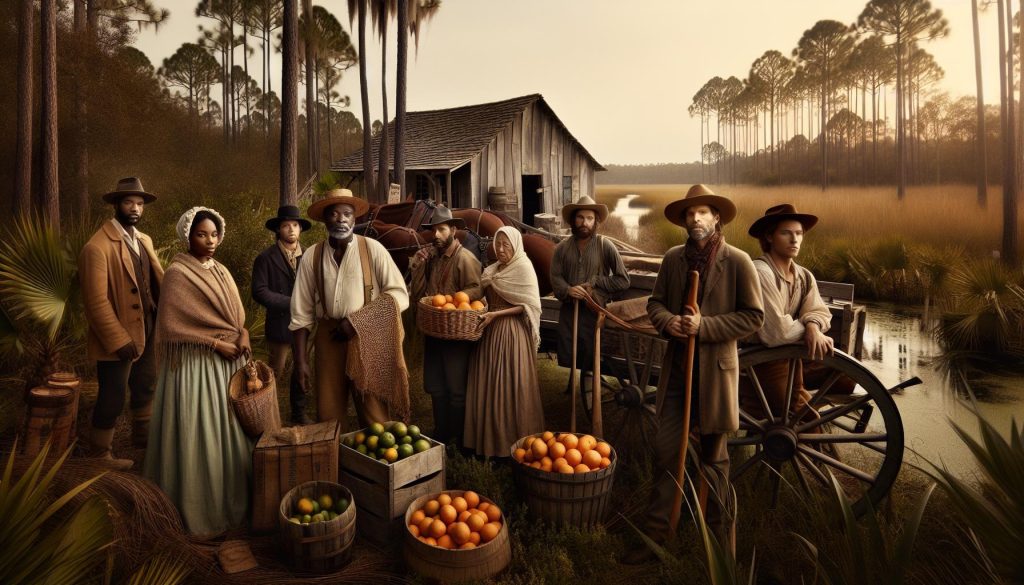
In the heart of Florida’s rich history lies A Land Remembered, a captivating historical novel by Patrick D. Smith that unfolds the saga of the MacIvey family over a century, from 1858 to 1968. This compelling narrative explores the complexities of pioneer life in Florida, revealing how the land shaped the characters and their stories. As readers delve into this epic, they not only experience a gripping tale of survival and resilience but also gain insight into the broader cultural and historical tapestry of Florida, including the invaluable contributions of the Seminole people.
The novel serves as a bridge connecting present-day readers with the struggles and triumphs of the past. Whether you are a lifelong Floridian or new to the state, understanding this history enriches your connection to the landscape and its diverse heritage. Join us as we uncover the themes and lessons that make A Land Remembered a timeless piece of literature, inviting you to reflect on the evolution of Florida and its people through the eyes of those who lived it.
Understanding the Historical Context of “A Land Remembered
In tracing the historical context of A Land Remembered, it’s crucial to recognize how Patrick D. Smith intricately weaves the narrative of the MacIvey family with the broader tapestry of Florida’s history. The novel unfolds during a transformative period in Florida, particularly in the mid-19th century when the state was marked by migration, economic development, and cultural interactions. The life of Tobias MacIvey and his descendants mirrors the pioneer spirit that characterized many families who ventured into the wilds of Florida, seeking fortune in farming and cattle ranching.
Florida’s complex history, including the interactions with Native American tribes, particularly the Seminole people, is subtly highlighted through the characters’ relationships and experiences. The MacIvey family’s reliance on the knowledge and resources provided by the Seminole-such as marshtackie horses and cattle dogs-highlights a significant yet often overlooked aspect of Florida’s historical narrative: the contributions of indigenous cultures to the state’s development. As the MacIveys adapt to the land, their story underscores themes of resilience and survival that resonate with the broader movement of settlers during this period, reflecting both collaboration and conflict inherent to frontier life.
The historical backdrop of the novel serves not only to enrich the characters’ journeys but also deepens readers’ understanding of Florida’s cultural identity. It invites exploration into how the narrative encapsulates the complex dynamics of race, class, and social structure in 19th-century America, revealing the challenges and triumphs faced by those who shaped the state’s history. This context lays the groundwork for a richer appreciation of the themes and character development throughout the novel, encouraging readers to engage with the legacy of Florida’s past. By commanding attention to both the environmental and cultural landscapes of the era, Smith crafts a multi-dimensional view of a state that continues to evolve.
Exploring the Main Characters and Themes

In “A Land Remembered,” the vivid portrayal of the MacIvey family and their experiences provides a compelling lens through which readers can explore key themes and character dynamics reflecting Florida’s historical fabric. The protagonist, Tobias MacIvey, embodies the tenacity and ingenuity characteristic of 19th-century pioneers. His journey from Georgia to the untamed wilderness of Florida highlights the challenges of survival and the quest for prosperity in an unfamiliar land. As a cattle rancher, Tobias faces not only the physical adversities of a demanding environment but also the moral dilemmas surrounding his interactions with both the land and the people he encounters.
The narrative unfolds across generations, with Tobias’s son, Zech MacIvey, taking center stage as the family saga continues. Zech’s character development emphasizes themes of legacy and the burden of heritage, as he struggles to define his role amid evolving historical contexts. His marriage to Pearlie Mae, a former slave, presents a poignant exploration of race relations and the complexities of love during a time of societal upheaval. This relationship serves as a vehicle for discussing broader themes of acceptance, compassion, and the merging of different cultural identities, reflecting the intricate social dynamics at play in Florida during the 19th century.
Themes of nature and the environment also play a critical role in the narrative. The lush landscapes and harsh conditions impact the characters’ lives and decisions, serving as both a backdrop and a formidable character in its own right. Florida’s ecosystem-the swamps, forests, and grasslands-mirrors the internal struggles of the MacIveys and symbolizes the unresolved tensions between man and nature. Through their interactions with the land, readers gain insight into the necessity of adaptation and respect for the natural world, crucial elements that echo throughout the novel’s progression.
Ultimately, the characters of “A Land Remembered” not only navigate their personal journeys but also reflect broader themes relevant to Florida’s historical narrative, including resilience, community, and the continuous interplay between individuals and their environment. These character arcs invite readers to ponder their connections to history and the enduring legacies shaped by those who came before them. Understanding this intricate tapestry of character and theme enriches the reading experience and imparts valuable lessons about the human spirit and its capacity for growth amidst adversity.
Key Events in Florida History Highlighted
In “A Land Remembered,” the tapestry of Florida’s history unfurls through crucial events that not only shape the narrative but also reflect the state’s evolution from wilderness to a burgeoning society. The novel spans over a century (from 1858 to 1968), encapsulating significant moments that showcase both the triumphs and tragedies of the region. One of the most notable events is the impact of the Civil War, which profoundly influenced the lives and values of the characters, highlighting themes of division, loss, and the longing for unity amid chaos.
H3: Exploration of Pioneering Days
The narrative begins with the early days of settlement, emphasizing the struggles and determination of the MacIvey family as they carve out a life in the harsh, undeveloped landscapes of Florida. The period of land grants and the influx of settlers represent a broader movement of American expansion. These pioneering efforts illustrate the resilience required to adapt to the natural world, which is often portrayed as both beautiful and unforgiving.
H3: Cattle Ranching and Economic Development
As the MacIveys establish their cattle ranch, the novel explores the rise of the cattle industry in Florida, an era marked by ranching practices introduced by Seminole cattlemen. This significant economic development links to the state’s agricultural roots and serves as a backdrop for the characters’ personal growth. The interactions with Seminole culture, including the use of marshtackie horses and cattle dogs, underscore the integration of various influences that shaped Florida’s identity.
H3: The Effects of World War II
Moving through history, the effects of World War II are subtly woven into the lives of the characters, reflecting the broader societal changes happening across America. This period is poignant, as it signifies a shift not only in individual lives but also in the economic and social fabric of Florida. As the war ignites a greater sense of nationalism and community, the MacIvey family grapples with their identity against the backdrop of a nation at war.
H3: Environmental Changes and Conservation Efforts
Toward the end of the timeline, the novel addresses the environmental challenges facing Florida, a foreshadowing of the ecological battles that would come in later decades. The evolution of Florida into a tourist destination and the corresponding impact on its natural beauty illuminate the tension between progress and preservation. This focus encourages readers to reflect on the importance of environmental stewardship, a theme that resonates strongly with contemporary concerns about natural conservation.
By highlighting these key events, “A Land Remembered” not only narrates a familial saga but also serves as a lens through which to examine the multifaceted history of Florida, its people, and the events that shaped their lives. The interweaving of personal and historical narratives invites readers to contemplate their own connections to history, fostering a deeper understanding of the legacy that persists in the Sunshine State.
The Role of Nature in the Narrative

In “A Land Remembered,” nature is not merely a backdrop; it is an integral character that actively influences the lives and destinies of the MacIvey family. The vivid descriptions of Florida’s landscape-from its swamps and rivers to its forests-serve as more than just environmental details; they reflect the harsh realities and bountiful beauty of a land that the characters must navigate for survival. The narrative encapsulates the struggle between mankind and the wild, showcasing Florida’s untamed wilderness during the 19th and early 20th centuries.
The MacIveys’ journey demonstrates a profound relationship with the land. Tobias MacIvey’s struggles to clear land for cattle ranching symbolize not only physical labor but also a deeper quest for identity and belonging in a new, uncharted territory. His ventures into the wilderness echo the broader theme of human resilience against nature’s challenges. As they confront the elements-hurricanes, swampy terrain, and the ever-present threat of wildlife-the MacIveys exemplify how their survival and success hinge on understanding and respecting the natural world around them.
Nature also shapes the characters’ experiences and growth. For example, the interactions with Seminole culture-especially through the introduction of marshtackie horses and cattle dogs-highlight nature’s integral role in the community’s agricultural practices. The use of these animals illustrates not only the adaptation required to thrive in Florida’s diverse ecosystems but also emphasizes the interdependence between humans and the natural environment. This dynamic fosters a sense of gratitude and respect for nature, which is essential to the characters’ lifestyles and values.
Moreover, as the novel progresses through the decades, the ramifications of environmental changes are poignantly highlighted. The shift from a wild landscape to one increasingly affected by human activity illustrates a growing tension between progress and preservation. The characters’ reflections on the land’s transformation encourage readers to contemplate the importance of environmental conservation-a theme that resonates even more today. Thus, nature’s role in “A Land Remembered” serves as a powerful reminder of the historical and ongoing relationship between Floridians and their environment, prompting a deeper appreciation for the balance between development and ecological stewardship.
Symbolism and Literary Devices in the Novel

In A Land Remembered, Patrick D. Smith masterfully employs symbolism and literary devices to deepen the narrative and enhance readers’ understanding of Florida’s rich history. One of the most significant symbols is the land itself, which serves not only as a setting but also as a character that influences the lives and journeys of the MacIvey family. The land represents both challenge and opportunity-Tobias’s struggles to cultivate the rugged terrain echo the broader themes of resilience and adaptation that define the pioneer spirit.
Smith’s use of imagery is vivid; he paints Florida’s diverse landscapes with descriptive language that evokes the stark beauty and harsh realities faced by the characters. For example, the swamps, forests, and rivers are not mere scenery but critical elements that shape the characters’ lives. The environment’s wildness symbolizes the unpredictability of nature and the struggle for survival, illustrating the delicate balance between man and the natural world.
Another notable device is the integration of historical figures and events, which not only grounds the narrative in factual history but also bridges the gap between fiction and reality. The portrayal of Seminole culture-highlighted through exchanges with the MacIvey family-serves as a poignant reminder of the interconnectedness of various cultural histories in Florida. This inclusion enriches the narrative and emphasizes the importance of understanding and respecting the contributions of Indigenous peoples to Florida’s development.
Furthermore, dialogue serves as a powerful literary tool in the novel, revealing character traits and cultural values. The conversations between characters often reflect the broader societal attitudes and challenges of the time, from the hardships of rural life to the bonds forged within their communities. This technique not only develops the characters but also enhances the reader’s connection to their struggles and triumphs, fostering empathy and engagement with the story.
Overall, Smith’s adept use of symbolism and literary devices in A Land Remembered elevates the narrative, inviting readers to reflect on the complex interplay between Florida’s historical legacy, its natural environment, and the human experiences that continue to shape its identity today.
How “A Land Remembered” Reflects Florida’s Heritage
The rich tapestry of Florida’s history is woven with the stories of its diverse peoples, natural landscapes, and pivotal events. In A Land Remembered, Patrick D. Smith encapsulates this multifaceted heritage through the trials and triumphs of the MacIvey family. The novel not only showcases the personal journey of its characters but also serves as a broader commentary on the evolution of Florida’s identity from its pioneer days to a more modern society.
The narrative reflects Florida’s heritage by depicting the struggle between the land and its inhabitants, emphasizing the resilience and adaptability that have characterized Floridians, particularly the “Crackers,” or early settlers. This way of life was heavily influenced by the natural environment-swamps, rivers, and forests providing both sustenance and challenges. Through Tobias MacIvey’s drive to cultivate the rough terrain, readers gain insight into the tenacity of those who sought to carve out a life in a region known for its harsh, untamed beauty. The integration of Seminole culture into the story also highlights the contributions of Indigenous peoples, showcasing their vital role in shaping Florida’s agricultural practices and cultural landscape.
Moreover, Smith’s portrayal of historical events frames the family’s narrative within the larger context of Florida’s evolution, addressing significant changes from the mid-1800s through the mid-20th century. These events include land disputes, economic shifts, and the changing dynamics of social and racial relations-all pivotal elements that have defined Florida’s past. By intertwining these historical threads with the MacIvey family’s experiences, the novel not only reflects the complexities of Florida’s history but also invites readers to engage with the cultural legacy that continues to influence the state today.
In essence, A Land Remembered serves as both a tribute to Florida’s unique heritage and a reminder of the interconnectedness of its people and their environment. Through rich storytelling and vivid imagery, Patrick D. Smith effectively conveys how the past shapes the present, encouraging readers to appreciate the nuances of Florida’s legacy and the various narratives that contribute to its cultural identity.
Impact of the Book on Florida’s Cultural Identity
The profound effect of A Land Remembered on Florida’s cultural identity cannot be overstated. Patrick D. Smith’s novel serves as a cornerstone in the literary reflection of the state’s history, bringing to life the struggles, triumphs, and everyday realities of early Floridians. This portrayal transcends mere storytelling; it has become a vital part of how Floridians understand their past and identity.
Through the narrative of the MacIvey family, the book encapsulates the pioneering spirit that has come to define much of Florida’s heritage. Readers are drawn to the resilience and adaptability of the characters, which mirror the qualities prevalent among Florida’s early settlers, known as “Crackers.” This group not only shaped the agricultural practices in Florida but also cultivated a culture deeply intertwined with the land. By emphasizing these traits, A Land Remembered fosters a sense of pride and recognition of the hardships faced by the state’s ancestors, connecting contemporary Floridians with their historical roots.
Moreover, the book’s integration of Seminole culture and acknowledgment of its historical significance highlight the rich tapestry of influences that have shaped Florida. This representation invites a broader discussion about Indigenous peoples and their enduring contributions to Florida’s societal landscape. By giving voice to diverse narratives, the novel promotes a more inclusive understanding of the state’s past, which is essential for shaping its cultural identity today.
The impact of A Land Remembered extends beyond individual readers; it has become a touchstone in educational curricula throughout Florida. The novel is often included in school programs aimed at teaching students about local history, reinforcing the significance of understanding Florida’s story within the larger tapestry of American history. As students engage with the text, they develop a greater appreciation for their state’s unique heritage, instilling a sense of responsibility to preserve and honor those narratives.
In summary, A Land Remembered not only serves as an engaging historical narrative but also plays a crucial role in shaping Florida’s cultural identity. By highlighting the resilience of its early settlers and the contributions of Indigenous peoples, the book fosters a deeper connection among readers to their state’s rich heritage, encouraging ongoing dialogue about the complexities of Florida’s past and its implications for the future.
Comparative Analysis with Other Historical Fiction
The impact of Patrick D. Smith’s A Land Remembered within the realm of historical fiction is substantial, particularly when compared to other notable works that weave together personal narratives and broader historical themes. One striking element of Smith’s novel is its deep-rooted connection to a specific locale-Florida-over an expansive timeline, from 1858 to 1968. This focus allows readers not only to witness the evolution of a single family but also to gain insight into the broader socio-economic and environmental changes in the state.
When compared to other historical fiction, A Land Remembered stands out for its authentic portrayal of regional culture and identity, similar to novels like The Grapes of Wrath by John Steinbeck, which explores the Dust Bowl in the American Midwest. Both novels feature families confronted with harsh realities and resilience amid adversity. However, while Steinbeck’s work emphasizes collective struggle during a national crisis, Smith’s narrative zeroes in on the intimate, personal journeys of the MacIvey family against the backdrop of Florida’s unique setting, including its wildlife and indigenous cultures. This geographical specificity enhances the themes of survival and adaptability in a different way.
Moreover, the integration of Seminal history provides a rich texture to Smith’s narrative, inviting comparisons with works like Bury My Heart at Wounded Knee by Dee Brown, which highlights the experiences of Native Americans during westward expansion. Smith captures the significance of Seminole culture in shaping Florida’s history, interweaving it with the MacIvey family’s story, while Brown focuses more on the collective experiences of various tribes. Both authors aim to give voice to those often marginalized in historical narratives, yet their methods differ, with Smith opting for an interhistorical narrative that emphasizes coexistence rather than conflict.
The themes of family legacy and economic hardship in A Land Remembered echo those found in A Farewell to Arms by Ernest Hemingway, where the individual struggle intertwined with wartime experiences resonates deeply. Both novels reflect on personal sacrifice and the cost of survival amid larger historical forces, yet Smith’s work is distinct in its celebration of the land itself as a character, fostering a relationship between the people and their environment. This element of nature as an integral part of the narrative is something that sets A Land Remembered apart in the genre of historical fiction.
Ultimately, A Land Remembered invites readers to reflect on the intertwining of personal history with cultural identity, serving as a profound reminder of how stories from specific places can resonate universally. It positions itself not only as a narrative focused on a single family’s experience but as a testimony to the enduring spirit of a region and its people, offering layers of connection that enrich the reader’s understanding of history in a way that few other novels accomplish.
Lessons Learned from the Characters’ Journeys
In A Land Remembered, the journeys of the MacIvey family are not just physical; they are deeply emotional and philosophical, offering readers valuable lessons that transcend time and place. Each character’s experiences reflect the resilience required to thrive amid adversity. For instance, Tobias MacIvey, the patriarch, embodies the spirit of determination. His struggles to establish a homestead amidst the harsh Florida wilderness illustrate the importance of perseverance and hard work. He teaches us that success often requires enduring hardships and maintaining faith in one’s vision, despite setbacks.
As the narrative unfolds, Zech MacIvey represents a new generation grappling with the complexities of the past while striving for his own identity and purpose. His relationship with Pearlie Mae, a former slave, showcases themes of love, acceptance, and understanding across cultural divides. The challenges they face remind readers of the importance of empathy and the strength found in unity. By working together to build their farm, they reflect the idea that collaboration and mutual respect can lead to sustainable growth-be it in a community, a family, or a society at large.
Moreover, the character of Skillit MacIvey introduces another lesson: the significance of legacy and the impact of one’s choices on future generations. As he navigates his own path, Skillit often reflects on the values his father instilled in him, highlighting how the concepts of hard work, family, and integrity can echo through time. This exploration of intergenerational influence urges readers to consider the legacies they themselves wish to pass down.
In sum, the journeys of the MacIvey family reveal essential truths about human experience: perseverance in the face of adversity, the power of love to bridge divides, and the importance of reflecting on one’s legacy. These lessons are intricately woven into the landscape of Florida, reminding us that our connection to land and heritage shapes who we are and what we aspire to become.
How to Approach Writing Your Own Book Report
When tasked with writing a book report on *A Land Remembered*, it’s essential to encapsulate not only the story’s plot but also its rich historical backdrop and profound themes. Engaging with this book prompts an exploration of Florida’s past and the human spirit’s resilience, so your report should reflect this complexity. Begin by familiarizing yourself with the book’s structure – the journey of the MacIvey family unfolds over generations against the backdrop of significant historical events. This understanding provides a solid foundation for your analysis.
Outline Your Report
Creating a clear outline is a beneficial first step. Decide what key aspects you will cover, such as the main characters, pivotal events in Florida history, and the overarching themes of perseverance and legacy. Here’s a simple structure you might follow:
- Introduction: Briefly introduce *A Land Remembered*, its author, and a thesis statement about its significance in understanding Florida’s heritage.
- Summary of the Plot: Provide a concise summary without major spoilers, focusing on the key events that shape the characters’ journeys.
- Character Analysis: Discuss the development of central characters like Tobias, Zech, and Skillit, and how their journeys illustrate broader themes.
- Historical Context: Explain how the historical events surrounding the narrative context enrich the story.
- Themes and Symbols: Identify and explore significant themes such as resilience and legacy, as well as any important symbols that reflect these ideas.
- Personal Reflection: Share your thoughts on what you learned from the book and how it relates to contemporary issues.
- Conclusion: Summarize your insights and restate the importance of the book in understanding Florida’s cultural identity.
Gather Evidence
Support your analysis and observations with specific examples from the text. This might include direct quotes that illustrate a character’s determination or passages that describe Florida’s landscape, adding emotional depth to the narrative. As you prepare your report, take notes and highlight passages that resonate with you, as these will be invaluable when crafting your argument.
Write Thoughtfully
When you begin writing your report, aim for clarity and coherence. Each section of your outline should flow seamlessly into the next. Transition phrases can help maintain this flow, guiding the reader through your thoughts and insights. Remember to maintain an engaging tone that invites curiosity about the book’s deeper meanings while remaining respectful of the author’s work.
By following these steps and structuring your report thoughtfully, you will not only summarize *A Land Remembered* but also provide an insightful analysis that reflects on Florida’s rich history and cultural identity. Ultimately, your report can serve as a meaningful contribution to discussions about historical fiction and its role in shaping our understanding of the past.
Discussion Questions for Deeper Analysis
Engaging deeply with A Land Remembered invites readers to explore a variety of thought-provoking questions that can enhance their understanding of the book’s themes and historical context. These discussion questions serve as a guide for readers to reflect on the narrative’s complexities and their implications for Florida’s cultural heritage.
Considering the significant events and characters within the novel, one might ask: How do the experiences of Tobias MacIvey reflect the challenges faced by early settlers in Florida? This question helps to unravel the individual journey of a character while placing it against the broader backdrop of Florida’s settlement history. It encourages discussions on resilience and adaptability, touching on themes of perseverance in the face of adversity.
Another pertinent inquiry could be: What role do the natural landscapes of Florida play in shaping the characters’ lives and decisions? Nature is not just a backdrop in the novel; it acts as a catalyst for both conflict and growth. Exploring this question allows for an analysis of the interrelationship between humans and their environment, a common theme in literature that presents Florida as a character in its own right.
Moreover, prompting conversations around the representation of Seminole culture and contributions in the story can uncover vital historical insights. Readers can discuss how the MacIvey family’s interactions with Seminole characters enrich the narrative and highlight the importance of recognizing diverse histories within Florida’s past.
A final question that encourages personal reflection is: What lessons can contemporary readers glean from the characters’ struggles and successes? This not only fosters a connection between the text and current events but also challenges readers to think about how historical narratives influence present-day identities and societal values.
By integrating these questions into discussions or personal reflections, readers can cultivate a richer understanding of A Land Remembered, considering both its literary significance and its portrayal of Florida’s historical landscape. This thoughtful reflection on the book facilitates a deeper appreciation of Florida’s heritage and encourages an ongoing dialogue about the impact of history on cultural identity.
Resources for Further Exploration of Florida History
For those eager to delve deeper into the rich tapestry of Florida’s history that Patrick D. Smith weaves in *A Land Remembered*, numerous resources provide valuable insights, context, and expanded knowledge. This exploration not only enhances the experience of reading the novel but also fosters a broader understanding of the diverse histories that shape the state.
Books
Consider exploring additional historical fiction that captures Florida’s past. Notable works include:
- The Yearling by Marjorie Kinnan Rawlings: This classic novel portrays the struggles of a young boy growing up in rural Florida and reflects the relationship between humans and nature.
- River of Grass by Marjory Stoneman Douglas: This non-fiction book discusses the Florida Everglades, its ecosystems, and its historical significance.
- Fever Tree by Gena Showalter: Set against the backdrop of Florida’s early days, this novel blends history with the drama of personal and cultural contours.
Documentaries and Films
Visual storytelling offers compelling insights into Florida’s heritage. Recommended titles include:
- Florida: The Sunshine State: Dive into Florida’s history from its first inhabitants to modern-day cultural dynamics.
- Everglades: The River of Grass: This documentary explores the unique ecosystem and vital importance of the Everglades.
Online Resources
The internet is a treasure trove of information on Florida’s history:
- Florida Memory: An expansive online archive of Florida’s historical photographs, documents, and artifacts, managed by the State Library and Archives of Florida.
- The Historic Florida Keys: The Story of America’s First National Marine Sanctuary: A digital guide exploring the history and cultural significance of the Florida Keys.
- The Florida Historical Society: This organization promotes the history of Florida through publications, programs, and a comprehensive library.
By engaging with these resources, readers not only gain a richer understanding of the themes and historical context of *A Land Remembered* but also foster a greater appreciation for Florida’s intricate and diverse cultural identity. The history of Florida is not merely a backdrop for Smith’s narrative but a vibrant character in its own right, waiting to be explored further.
Frequently Asked Questions
Q: What are the main themes explored in “A Land Remembered”?
A: The main themes of “A Land Remembered” include resilience, family legacy, and the impact of nature on humanity. The narrative portrays the struggles faced by early Florida settlers while emphasizing the importance of environmental preservation and cultural heritage.
Q: How does “A Land Remembered” reflect the history of Florida?
A: “A Land Remembered” encapsulates Florida’s rich history through its depiction of key events like the development of the state’s cattle industry and the transformation of the landscape. The book serves as a narrative bridge connecting readers to Florida’s past and its evolving identity.
Q: What literary devices are used in “A Land Remembered”?
A: The author employs various literary devices, including symbolism, imagery, and foreshadowing. For instance, nature often symbolizes the characters’ internal struggles, enhancing the narrative’s emotional depth and connection to Florida’s historical landscape.
Q: How can I effectively analyze the characters in “A Land Remembered”?
A: To analyze the characters, focus on their development throughout the story, their motivations, and their relationships with the environment and each other. Consider how their journeys reflect broader themes of survival and adaptation in a changing Florida.
Q: What are some discussion questions for “A Land Remembered”?
A: Suggested discussion questions include: How do the characters’ backgrounds influence their choices? In what ways does the novel illustrate the impact of environmental changes on human life? How does the author portray the concept of legacy through the characters?
Q: When was “A Land Remembered” published, and who is the author?
A: “A Land Remembered” was published in 1984 by author Patrick D. Smith. The novel has since become a cornerstone of Florida literature, celebrated for its engaging storytelling and historical reflection.
Q: Why is “A Land Remembered” significant to Florida’s cultural identity?
A: The novel is significant as it captures the essence of Florida’s pioneer spirit and agricultural transformation. It contributes to Florida’s cultural identity by preserving stories of its early settlers and fostering a relationship with the land that many Floridians cherish today.
Q: How does “A Land Remembered” compare to other historical fiction?
A: Compared to other historical fiction, “A Land Remembered” stands out for its vivid portrayal of the Florida landscape and its unique focus on local history. The novel immerses readers in a specific cultural context, presenting a distinctive perspective on the American historical narrative.
Closing Remarks
In “A Land Remembered: Florida History Epic,” we uncover a rich tapestry of Florida’s past, seen through the eyes of the evocative characters created by Patrick D. Smith. This journey not only brings history to life but also highlights the resilience and spirit of Floridians. If you found the exploration of this unique narrative intriguing, we invite you to deepen your understanding of Florida’s heritage by checking out our detailed analysis of the book’s themes and its enduring impact on modern society.
Don’t miss out-subscribe to our newsletter for future insights, updates, and exclusive content on Florida’s captivating history. Your exploration doesn’t end here; explore our related articles on other historical epics and literary reviews to expand your knowledge. We appreciate your visit and would love to hear your thoughts-share your comments below or join the conversation on social media to connect with fellow history enthusiasts. Together, let’s keep the legacy of Florida alive!
Get our latest guides, news, and insights highlighted in your Google Search & AI Overviews.