
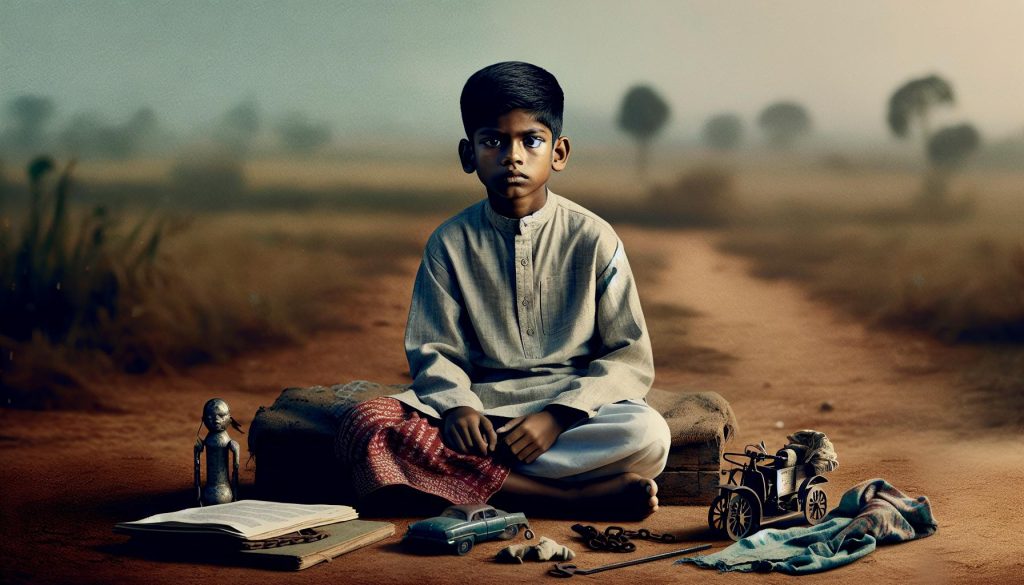
In the gripping memoir A Long Way Gone, Ishmael Beah recounts his harrowing journey from a joyful childhood in Sierra Leone to a child soldier amidst brutal civil war. This profound narrative not only sheds light on the devastating impact of war on youth but also prompts us to confront uncomfortable truths about innocence lost. As conflicts continue to rage globally, Beah’s story serves as a crucial reminder of the resilience of the human spirit and the urgent need for awareness and action. By exploring the psychological scars and complex realities faced by child soldiers, Beah invites readers to reflect on their own roles in advocating for peace and rehabilitation. This book is not just a personal testimony; it’s a call to understand and address the plight of millions who, like Beah, are caught in the crossfire of violence. Join us as we delve deeper into this eye-opening memoir that challenges us to consider the highest costs of war on the youngest among us.
The Life of Ishmael Beah: A Survivor’s Story
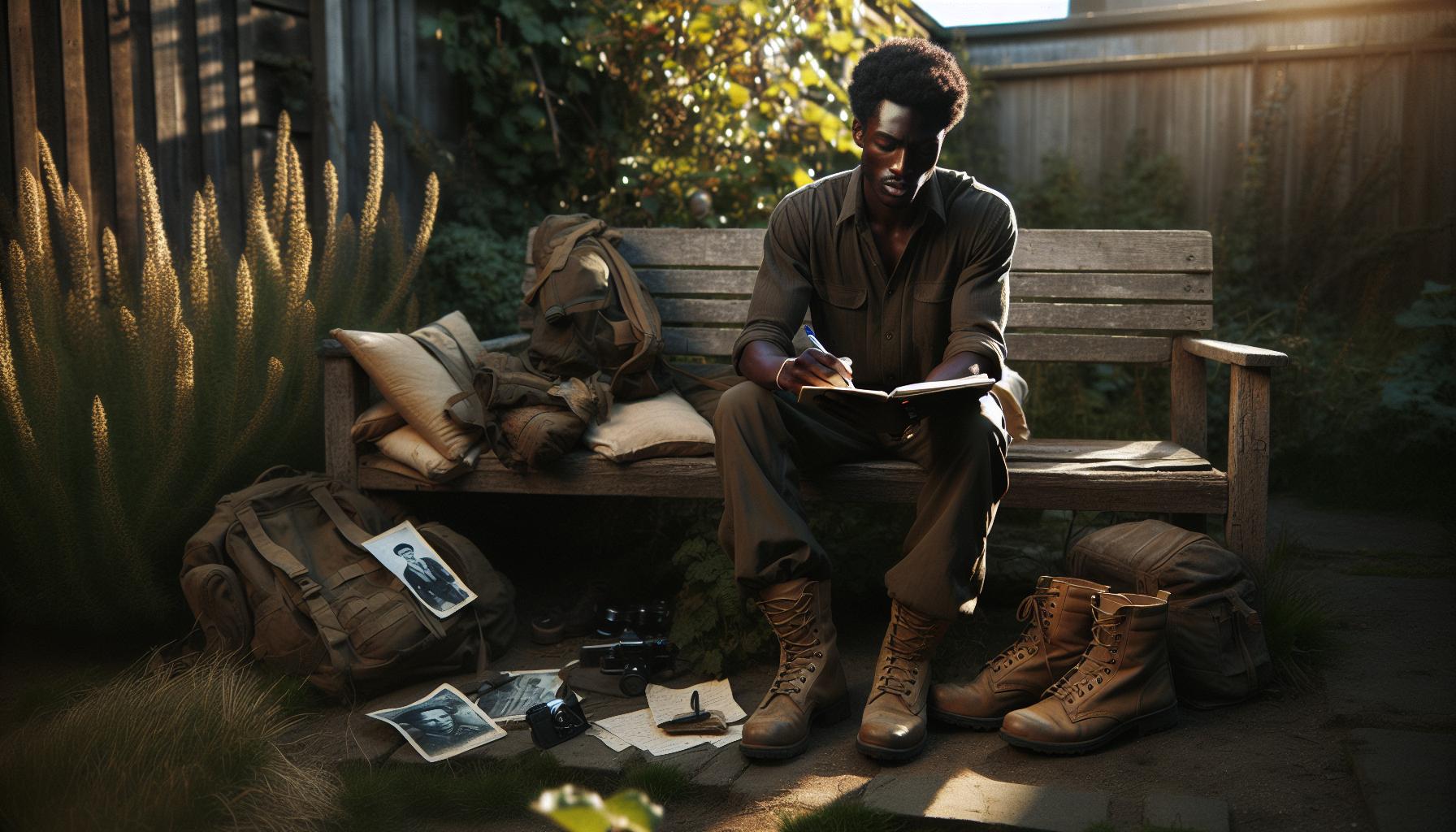
Ishmael Beah’s journey from a child caught in the turmoil of Sierra Leone’s civil war to an acclaimed author and activist is nothing short of remarkable. Born in 1980 in Mogbwemo, Sierra Leone, his childhood was irrevocably changed when war erupted in the late 1990s, a conflict that claimed countless lives and shattered numerous families. At just 12 years old, Beah was separated from his family and forced to navigate a horrific landscape where survival depended on conformity to the violent demands of the war. Over the next few years, he witnessed unspeakable atrocities, becoming a soldier himself, and losing his childhood to an environment steeped in conflict, fear, and chaos.
In his poignant memoir, A Long Way Gone: Memoirs of a Boy Soldier, Beah employs a compelling narrative style that draws readers into his traumatic experiences. He faithfully recounts the brutal realities of being a child soldier, illustrating not only the physical struggles he faced but also the psychological toll of warfare. The memoir serves as a window into the dehumanizing effects of violence on both individuals and society, showcasing the erosion of innocence and the struggle for identity amidst crisis. His story is not one of mere survival; it is a profound exploration of the loss of youth and the long journey toward healing and redemption.
Beah’s profound resilience emerges as a central theme throughout his narrative. Despite the relentless hardships, including addiction to drugs that were forced upon him as a soldier, Beah’s eventual escape from this life reveals a remarkable capacity for recovery. His ability to articulate the complexities of his experiences highlights the strength of the human spirit-in overcoming tremendous adversity and reclaiming a life once lost to war. The memoir not only details his harrowing journey but also embodies a call to action for understanding and advocating for the rights of child soldiers worldwide.
Ultimately, Ishmael Beah’s story extends beyond his personal narrative; it encapsulates a wider historical context that encourages awareness and dialogue about the plight of children in conflict zones. His transformation-from a war-affected boy to a voice of advocacy for UNICEF-stands as a testament to the potential for growth and change, challenging readers to confront the uncomfortable truths surrounding war and its impact on the youngest and most vulnerable members of society. Through his writing, Beah fosters empathy and understanding, crucial elements needed to address the systemic issues that perpetuate cycles of violence.
Understanding the Impact of Childhood Trauma
The psychological scars left by childhood trauma can be as profound and lasting as any physical wound. In Ishmael Beah’s memoir, the devastating effects of trauma are laid bare through his harrowing experiences as a child soldier in Sierra Leone’s brutal civil war. Children, being particularly vulnerable, often endure psychological harm that shapes their identities and life trajectories, leading to long-term emotional and cognitive struggles. Beah’s narrative illustrates not only the immediate impacts of violence on a child’s psyche but also the ongoing battles many survivors face in reconciling their past.
Research indicates that childhood trauma can disrupt normal development, affecting everything from brain structure to emotional regulation. Children exposed to violence may develop anxiety, depression, and post-traumatic stress disorder (PTSD). In “A Long Way Gone,” Beah provides a firsthand account of how war strips away the innocence of youth, replacing it with fear and confusion. He recounts moments of horror that not only challenge his survival instincts but also force him into the role of a combatant. This transformation exemplifies a tragic shift where children are robbed of their childhood and thrust into an adult world of violence and moral ambiguity.
Understanding Beah’s Trauma
Beah’s journey highlights the multifaceted nature of trauma. As a child soldier, he faced the immediate physical dangers of warfare, but the psychological toll is equally significant. His subsequent struggles with substance abuse and feelings of worthlessness reflect a common aftermath for those who have experienced extreme trauma. Rehabilitation and recovery require comprehensive support, including therapy and community integration, recognizing that healing from such deep-seated wounds is a gradual process.
The narrative encourages readers to reflect on the broader implications of childhood trauma, particularly in conflict zones around the globe. It serves as a call to action for societies to acknowledge and address the experiences of child soldiers, fostering discussions about prevention, psychological care, and advocacy for vulnerable youth. By engaging with these issues, we begin to understand the ripple effects of war not only on individuals but on entire communities, emphasizing the urgent need for compassionate responses to the aftermath of conflict.
Ultimately, Beah’s story is not just about survival-it is a testimony to resilience and the human will to reclaim a lost childhood. It compels us to confront the uncomfortable realities of war and their long-lasting effects on children, urging a collective responsibility to create a future where youth are protected from such horrors.
The Role of War in “A Long Way Gone
The devastating influence of war transforms the very fabric of society, and in Ishmael Beah’s memoir, “A Long Way Gone,” this reality is starkly illuminated through his personal narrative. War not only shatters the lives of individuals but also engulfs their childhoods, turning young boys into soldiers and forcing them to navigate an unrecognizable world filled with violence and moral ambiguity. Beah’s experiences unveil how conflict can strip away innocence, instilling fear and shaping a new reality where survival often comes at the cost of one’s humanity.
In the backdrop of Sierra Leone’s brutal civil war, Beah’s journey highlights the tragic recruitment of child soldiers, a phenomenon that underscores war’s profound impact on youth. The political and social unrest enveloping the country becomes a catalyst for the loss of childhood, as boys like Beah are coerced or manipulated into joining armed factions. Once vibrant and filled with dreams, these children are thrust into a nightmarish existence. They are taught to wield weapons and obey commands, effectively erasing their identities and replacing them with the roles of warriors. Such experiences reflect not just individual traumas, but a collective suffering that ripples through communities, diminishing hopes for a peaceful future.
Additionally, Beah poignantly captures the psychological scars that result from his forced participation in the war. The memoir eloquently details how the horrors of battle lead to a kind of moral disorientation, where the lines between right and wrong blur. Substance abuse emerges as a coping mechanism, illustrating the depth of despair faced by child soldiers who struggle to reconcile their actions with their pre-war selves. Beah’s narrative serves as a powerful reminder of the necessity of comprehensive rehabilitation efforts for survivors, emphasizing the importance of mental health support and community integration in healing processes.
Ultimately, Beah’s story transcends personal survival; it beckons the reader to confront the brutal realities of conflict and its long-lasting consequences on children. ” is not just a backdrop; it is an active participant that shapes destinies and calls forth a collective resolve to address the root causes of such crises. His memoir urges us to acknowledge the plight of child soldiers globally and to foster discussions that inspire action, advocacy, and, ultimately, an enduring commitment to safeguard the futures of vulnerable youth caught in the crosshairs of violence.
Themes of Resilience and Redemption
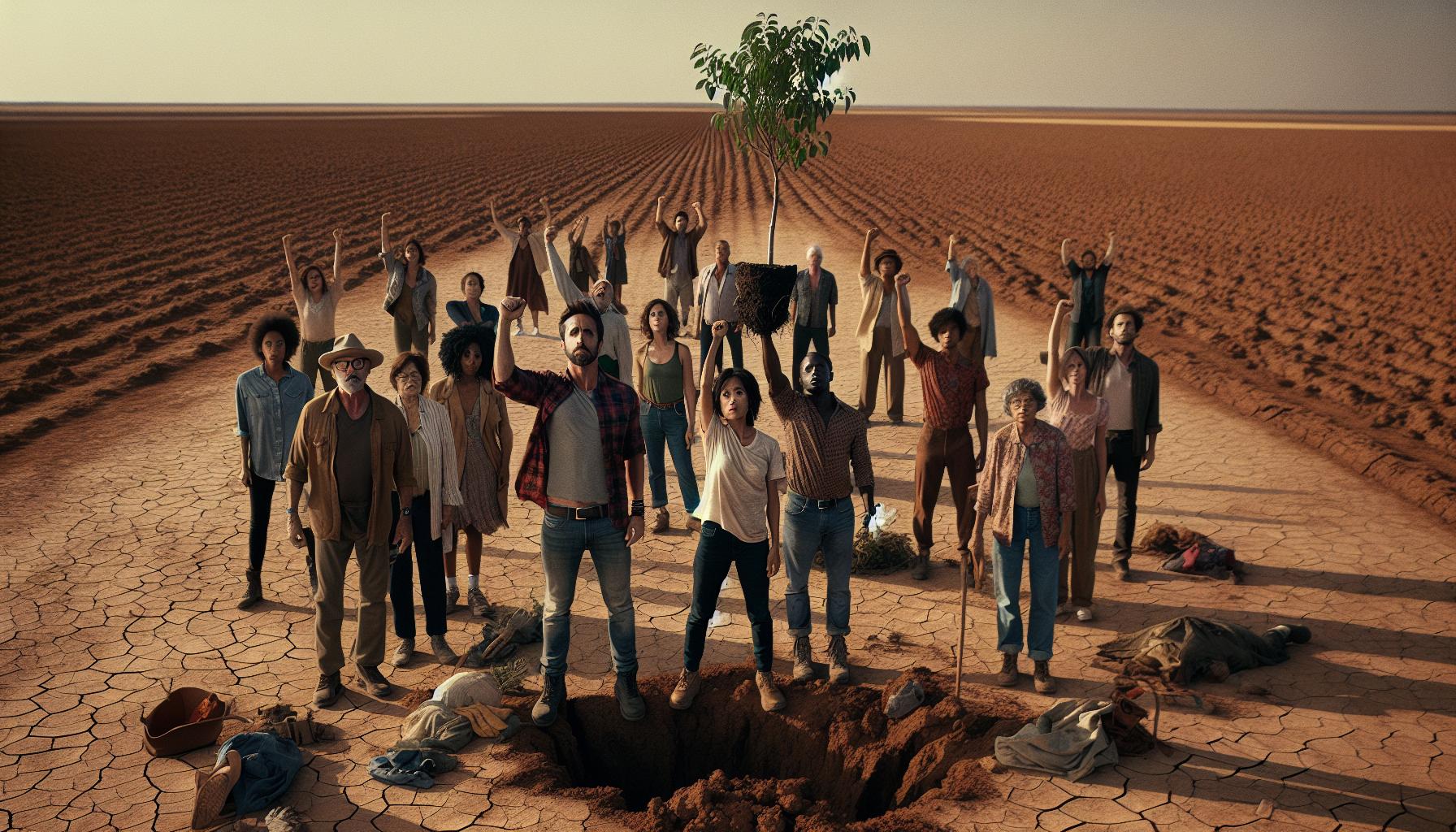
In the harrowing journey recounted in Ishmael Beah’s memoir, the emerge as central pillars that highlight the dual capacity for human suffering and recovery in the aftermath of war. Beah’s account demonstrates not only the depths of despair faced by child soldiers but also their remarkable ability to rebuild their lives. The narrative invites readers to explore how inner strength and the support of others can kindle hope in the bleakest of circumstances.
Resilience, as depicted in Beah’s experiences, manifests in various dimensions. Although subjected to the horrors of violence and manipulation, he showcases a profound spirit to survive and reclaim his identity beyond the trauma. Moments of clarity amidst chaos-such as memories of family, music, and the yearning for peace-serve as anchors for Beah. These reflections highlight a vital aspect of resilience: the ability to draw strength from one’s past and personal values. His eventual journey towards rehabilitation underscores that resilience is not merely about enduring hardship but also about finding ways to heal and grow.
The theme of redemption is intricately woven into Beah’s narrative, showcasing the critical process of reclaiming one’s humanity after dehumanization. This journey is exemplified through his experiences during rehabilitation, wherein he learns to confront his past actions and gradually find forgiveness-both for himself and others. The narrative illustrates that redemption is often a collective endeavor; healing occurs not only through individual effort but also through the nurturing of supportive communities and professional help. Beah’s eventual advocacy work for children affected by war signifies his commitment to transforming personal tragedy into a force for global awareness and change.
Key Aspects of Resilience and Redemption
- Personal Strength: Beah’s internal struggle and determination to reconnect with his humanity reveal the essence of resilience.
- Community Support: His recovery journey highlights the importance of rehabilitation programs and communal support systems in fostering healing.
- Forgiveness: Beah’s process of seeking forgiveness is crucial for his path to redemption, illustrating its importance in the recovery narrative.
- Advocacy: By sharing his story and advocating for others, Beah transforms his personal pain into a means of promoting awareness and change.
Ultimately, Beah’s memoir serves as a powerful testament to the capacity for resilience and the possibility of redemption, offering readers a nuanced understanding of the psychological journey that follows devastating experiences. Through his story, we are encouraged to confront difficult realities while also recognizing the indomitable spirit of those who strive to rise above their circumstances.
Analyzing Literary Techniques Used in the Memoir

The storytelling in Ishmael Beah’s memoir is as poignant as it is complex, employing a variety of literary techniques that enhance the power of his narrative. One striking aspect is his use of vivid imagery, which immerses readers in the brutal realities of life as a child soldier. Beah masterfully paints scenes that evoke sensory experiences, allowing readers to feel the weight of gunfire, the heat of fatigue, and the chilling fear that permeated his childhood. This descriptive style not only provides a visceral understanding of his experiences but also builds an emotional connection with the audience, making the horrors he endured deeply palpable.
Beyond imagery, Beah employs a non-linear narrative structure that mirrors the disjointedness of trauma. The shifts in time and perspective reflect the chaos of his life during the war and its aftermath. This approach invites readers to engage more actively with the text, piecing together his journey from innocence to survival. For instance, the interspersing of memories from his childhood with his present encounters in rehabilitation allows for a powerful contrast between who he was and who he is becoming. This technique underscores the enduring impact of trauma while also highlighting moments of hope and healing.
Another important literary device Beah uses is symbolism. Throughout the memoir, recurring symbols-such as music-serve as poignant reminders of his lost childhood and a longing for peace. Music becomes a motif of survival; it represents the cultural richness of Sierra Leone and embodies Beah’s yearning for normalcy amidst chaos. When he recalls the songs that carried him through his darkest days, readers can sense the flicker of humanity that remains alive within him, despite the overwhelming darkness.
The juxtaposition of personal and collective experiences in Beah’s narrative adds depth to his story. He does not frame his memoir merely as an individual tale of suffering but as part of broader human experiences faced by countless child soldiers around the world. By situating his personal trauma within a global context, Beah emphasizes the urgency for awareness and action regarding the plight of children affected by war. This strategy effectively raises consciousness and compels readers to reflect on their roles in advocating for change.
Through these techniques-vivid imagery, non-linear structure, symbolism, and contextual juxtaposition-Beah crafts a narrative that is not only compelling and heartbreaking but also transformative. His memoir serves as a vital reminder of the resilience of the human spirit and the importance of collective responsibility in addressing the consequences of war.
The Importance of Memoirs in Raising Awareness

The personal narratives found in memoirs like A Long Way Gone serve not only as reflections of individual experiences but as critical lenses through which readers can engage with broader societal issues. Memoirs have the unique power to humanize statistics and abstract concepts, allowing us to grasp the complexity of situations such as child soldierhood. They provide a direct connection to the feelings, struggles, and triumphs of individuals who have navigated extraordinary circumstances, which is essential in fostering empathy and understanding among readers.
By recounting his harrowing journey as a child soldier, Ishmael Beah not only shares his story of survival but also sheds light on the realities faced by countless children in conflict zones. This personal account helps to illuminate the systemic issues surrounding child warfare, including the sociopolitical conditions that lead to the recruitment of children as soldiers. The visceral details and emotional truths conveyed in Beah’s memoir raise awareness about these pressing global issues, compelling readers to confront uncomfortable truths about the human cost of war.
Moreover, memoirs can be powerful educational tools that provoke thoughtful discussions and critical thinking. For educators, A Long Way Gone offers a gateway to conversations about childhood trauma, resilience, and the psychological impact of war. It allows students and readers to explore questions such as: What drives children to become soldiers? How do societies rehabilitate individuals after such traumatic experiences? By fostering a deeper understanding of these questions, memoirs empower readers to become advocates for change.
In today’s interconnected world, the importance of memoirs extends beyond individual stories to a collective narrative that stresses our shared humanity. By engaging with Beah’s story, readers are urged to recognize their roles as global citizens and advocates for human rights. Memoirs like A Long Way Gone not only highlight personal testimonies of suffering and survival but also call for a systemic response to the injustices faced by the most vulnerable members of society. Through this lens, we find an urgent need for advocacy, education, and action that stems from understanding and empathy.
Comparative Analysis: Child Soldiers in Literature
The harrowing experiences of child soldiers have been a poignant subject in literature, revealing the profound impact of war on the most innocent. Ishmael Beah’s memoir, *A Long Way Gone: Memoirs of a Boy Soldier*, stands out as a visceral and personal account that not only documents his own suffering but also serves as a powerful representation of a broader, tragic reality faced by countless children. To appreciate the depth of Beah’s narrative, it is essential to compare it with other literary works that explore similar themes.
Child Soldier Narratives in Literature
A comparative analysis of child soldier narratives illuminates the varying ways these stories are told, each bringing unique cultural and historical insights. For instance, Khaled Hosseini’s *The Kite Runner* explores the theme of childhood innocence lost amid the backdrop of war-torn Afghanistan. While Hosseini’s novel includes elements of redemption and personal journey, Beah’s account is an unflinching reflection of his lost childhood, highlighting the brutal realities faced by children during armed conflict.
Another noteworthy comparison can be made with the novel *A Child of War* by Teresa S. A. Vallejo, which addresses the recruitment of children in armed conflicts in Latin America. Vallejo’s protagonist encounters various battlegrounds that strip away youth and innocence, much like Beah’s narrative. However, Vallejo interweaves her character’s journey with a more hopeful outlook for the future, signaling that recovery is possible. In contrast, Beah’s memoir underscores the immediate harrowing experiences without shying away from the psychological scars that linger long after the physical battles have ceased.
The Role of Cultural Context
Cultural context profoundly influences how child soldiers are portrayed in literature. Beah, hailing from Sierra Leone, narrates a civil war involving complex tribal and political dynamics, which sets the stage for the recruitment of child soldiers. In contrast, *What Is the What* by Dave Eggers, based on the life of Valentino Achak Deng, conveys the experience of child soldiers in the Second Sudanese Civil War, emphasizing themes of displacement and the struggle for identity in exile. Each narrative sheds light on unique sociopolitical factors that lead to the normalization of child soldiering, reflecting specific historical narratives while contributing to the universal dialogue on this grave issue.
Lessons from Literature
Examining Beah’s work alongside other narratives presents valuable lessons about the resilience of the human spirit amidst trauma. They collectively highlight not only the bleak realities faced by these children but also their potential for recovery and advocacy. As educators and readers delve into these texts, they can foster discussions around the systemic changes needed to combat child soldiering globally. Moreover, these narratives raise critical questions about responsibility-both individual and societal-in addressing the conditions that perpetuate such atrocities.
In exploring the landscape of child soldier literature, the experiences captured in *A Long Way Gone* resonate as a raw and poignant reminder of the human cost of war. By situating Beah’s story within a wider context, readers gain a multifaceted understanding of the challenges faced by child soldiers, encouraging empathy and advocacy toward ensuring a brighter future for all children living in conflict zones.
Lessons Learned: The Human Cost of War
The narrative of a child soldier is often heartbreaking, revealing the profound human cost of armed conflict. Ishmael Beah’s A Long Way Gone serves as a powerful testament to the stark realities faced by children engulfed in war. By delving into his experiences, readers gain not only an understanding of the physical and psychological toll of such conflicts but also insight into the broader implications for society as a whole. This memoir forces us to confront the uncomfortable truth that war affects the most vulnerable among us-our children-and highlights the pressing need for global awareness and action.
The lessons drawn from Beah’s harrowing journey emphasize the crucial role of empathy in addressing the plight of former child soldiers. It compels us to recognize their humanity and inherent potential for recovery. Educators and advocates can utilize Beah’s story to foster discussions about trauma and resilience, enabling a deeper understanding of the psychological scars left by war. Creating supportive environments that encourage healing and reintegration is essential; therefore, programs focused on mental health resources, community support, and educational opportunities become critical in transforming his narrative from one of despair to one of hope.
Beah’s story is not an isolated incident but part of a larger global pattern that includes countless children across various conflicts. Recognizing this shared plight can mobilize collective action to challenge systemic issues contributing to child soldiering. Individuals and organizations can engage in advocacy efforts that promote policies aimed at preventing the recruitment of children into armed groups, supporting rehabilitation programs, and fostering international cooperation to address the root causes of conflict.
In essence, A Long Way Gone is more than just a memoir; it is a call to action. It urges readers to reflect on their role in advocating for peace and the protection of children. By understanding and sharing these stories, we not only honor the experiences of those like Ishmael Beah but also ignite potential change, ensuring that no child has to endure the horrors of war again.
The Author’s Perspective: Ishmael Beah’s Journey
Ishmael Beah’s journey from a boy in Sierra Leone to a renowned author and advocate for children affected by war is both compelling and deeply emotional. Growing up amidst the civil war that engulfed his country, Beah’s transformation into a child soldier starkly illustrates the loss of innocence that children experience in conflict zones. His memoir, A Long Way Gone: Memoirs of a Boy Soldier, encapsulates the harrowing reality many children face, including the traumatic experiences that forced him to wrestle with survival instincts, identity loss, and moral dilemmas at a young age.
Through Beah’s eyes, we witness a dual journey: one of survival in the midst of chaos and another toward reclaiming his humanity. His narrative is not merely a recount of violent acts but a profound exploration of the psychological turmoil that accompanies war. Beah’s experiences serve as a poignant reminder of how quickly childhood can be stripped away, leaving in its place a complex interplay of resilience and despair. This perspective not only highlights the stark realities of child soldiers but also challenges readers to consider the broader implications of their suffering, advocating for empathy and action.
Beah’s journey didn’t end with the war; he has since dedicated his life to raising awareness about the plight of children affected by armed conflict. As a UNICEF Goodwill Ambassador, he actively engages in dialogue about the need for prevention and rehabilitation efforts for child soldiers worldwide. His story is not just one of survival; it is an urgent call to action for society to recognize its responsibility towards vulnerable populations and the importance of international efforts in protecting children from the impacts of war.
In sharing his story, Beah creates a bridge between his painful memories and purposeful advocacy, inspiring readers to engage with difficult truths about war and childhood. His narrative serves to educate and mobilize communities, encouraging them to address the consequences of conflict beyond sympathy-promoting active involvement in global efforts to protect children from similar fates. Through this lens, A Long Way Gone emerges not only as a memoir but as an essential resource for understanding the broader societal issues surrounding child soldiers, thereby underscoring the need for collective action and societal change.
Educational Resources for Understanding Child Soldiers
The heartbreaking reality of child soldiers, as vividly depicted in Ishmael Beah’s memoir A Long Way Gone, illuminates the urgent need for educational resources that facilitate understanding of this complex issue. Being informed is the first step toward enacting change, which is why a variety of educational materials and platforms can help readers grasp the profound impacts of war on children and the broader implications for society.
Books and Memoirs
In addition to Beah’s memoir, other impactful books can broaden perspectives on child soldiers. Notable titles include The Bazar of Bad Dreams by Stephen King, which, while fictional, incorporates elements that echo the experiences of youth in dire situations. A Long Way Gone serves as a primary text, providing an authentic recounting of Beah’s transformation from a boy to a soldier.
Documentaries and Films
Visual storytelling can powerfully convey the emotional weight of child soldiering. Documentaries such as The War in the Children’s Hearts offer real-life accounts and insights into the lives of children in conflict-affected areas. Films like Beasts of No Nation provide a dramatized yet evocative portrayal of similar themes, fostering discussions about the realities faced by child soldiers.
Interactive Online Platforms
Websites like War Child and UNICEF provide extensive resources, including articles, videos, and infographics that educate users about the effects of war on children around the globe. These platforms often include advocacy tools that empower visitors to take action-whether through petitions, donations, or educational campaigns in their communities.
Educational Workshops and Speakers
Building on the foundation of literature and media, schools and organizations can arrange workshops or invite speakers like Ishmael Beah (or representatives from NGOs) to provide firsthand accounts and interactive discussions that engage participants emotionally and intellectually. These events can spark critical thinking on the role of global citizenship and responsibility in addressing child soldiering.
Engagement Through Classroom Activities
Educators are encouraged to incorporate activities that encourage empathy and awareness among students. Discussion prompts or creative assignments revolving around A Long Way Gone can stimulate deeper understanding and dialogue about childhood in conflict zones. Research projects comparing child soldiers in various contexts also promote analytical skills and foster awareness of global issues.
These resources can help demystify the plight of child soldiers and cultivate a generation equipped to advocate for change. By combining literature, visual media, and interactive educational experiences, we can deepen our understanding and create meaningful conversation about preventing the trafficking of childhood into the realms of violence and war.
How “A Long Way Gone” Reflects Global Issues
In Ishmael Beah’s poignant memoir, the harrowing journey of a child soldier unfolds against the backdrop of Sierra Leone’s brutal civil war, serving as a profound lens through which global issues regarding war and its impact on youth can be examined. Beah’s narrative is not merely a story of personal survival; it encapsulates broader themes of violence, trauma, and the loss of childhood innocence, inviting readers to reflect on the systemic conditions that lead to the exploitation of children in conflict zones worldwide.
Beah’s experiences highlight the stark realities faced by many children in war-torn regions, where societal structures disintegrate and traditional notions of childhood are obliterated. The conflict in Sierra Leone, characterized by gruesome violence and ideological divides, mirrors countless global instances where children are forcibly recruited into armed groups. According to UNICEF, as of recent years, an estimated 250,000 children are involved in armed conflicts around the world, illustrating that Beah’s story is part of a staggering global crisis rather than an isolated incident. This alarming statistic underscores the necessity of understanding the environments that foster such tragedies, including poverty, political instability, and inadequate educational opportunities.
The Global Impact of Child Soldiers
The implications of Beah’s memoir extend beyond individual suffering; they prompt an examination of international responses to these humanitarian crises. The existence of child soldiers poses complex questions about accountability and the enforceability of international laws designed to protect children in conflict. Beah’s account evokes urgent discussions about the efficacy of global frameworks such as the UN’s Convention on the Rights of the Child and the international legal obligations that seek to prevent the recruitment of children into armed forces.
In the broader context of literature that tackles similar themes, Beah’s work resonates within a movement of narratives that shed light on the struggle for rights and recognition in dangerous circumstances. This genre not only raises awareness but also fosters empathy, inspiring collective action aimed at prevention and rehabilitation. Readers are urged to consider how narratives like Beah’s can spur advocacy, urging governments and organizations to prioritize support for educational initiatives, healing programs, and community rebuilding efforts in post-conflict regions.
Ultimately, Beah’s memoir serves as both a cry for help and a call to action, challenging us to confront the consequences of war on the youngest and most vulnerable. By engaging with his story, we can acknowledge the interconnectedness of our global community and the imperative that lies within all of us to work towards a world where the innocence of childhood is preserved, even amidst the chaos of conflict. His journey not only reflects a singular experience but also illuminates a collective struggle against the forces that seek to erase the innocence of youth across the globe.
Discussion Questions for Readers and Educators
Engaging with Ishmael Beah’s “A Long Way Gone” opens a poignant dialogue about the complexities of childhood, trauma, and resilience in the face of unimaginable adversity. Discussion questions can serve as vital tools for educators and readers to reflect deeply on the content and themes of the memoir, encouraging thoughtful conversations that extend beyond the text.
One critical question might be: How does Beah’s portrayal of childhood in Sierra Leone contrast with traditionally accepted notions of childhood in other cultures? This question invites readers to explore the notion of childhood as a spectrum influenced by cultural, social, and environmental factors. Beah’s narrative challenges the idyllic image of childhood held in many societies by presenting a stark reality that some children face during conflict. Discussing examples from the text where Beah’s innocence is stripped away can foster a deeper understanding of the psychological impact of war on youth.
Another topic for discussion could focus on the concept of resilience as illustrated throughout the memoir. Readers can consider: What factors contributed to Beah’s ability to survive and eventually find a path to recovery? By analyzing specific instances from the memoir, participants can identify key elements such as community support, personal determination, and the power of storytelling itself. This can lead to an enriching conversation about how these factors are applicable in trauma recovery settings around the world.
To further explore the intersection of personal narrative and global issues, educators might ask: In what ways does “A Long Way Gone” serve as a commentary on the international community’s response to child soldiers? This question can lead to an examination of the effectiveness of global policies and initiatives aimed at protecting children in conflict zones. Educators can encourage students to investigate recent international efforts, laws, or advocacy campaigns that address these issues and consider how Beah’s experiences resonate in today’s global landscape.
Ultimately, these questions not only facilitate a deeper understanding of Beah’s memoir but also challenge readers to apply critical thinking to real-world problems surrounding children in conflict. Such discussions foster an environment of empathy and awareness, essential for cultivating informed advocates for change.
Q&A
Q: What is the main theme of “A Long Way Gone”?
A: The main theme of “A Long Way Gone” is the impact of war on childhood and the profound effects of trauma. Ishmael Beah illustrates how conflict transforms innocent lives into harrowing tales of survival and resilience, while emphasizing the importance of healing and redemption throughout his journey.
Q: How does Ishmael Beah portray childhood innocence in his memoir?
A: Ishmael Beah portrays childhood innocence through vivid memories of his early life before the war. He contrasts these joyful moments with the stark realities of violence and loss, highlighting the brutal transition from a carefree youth to a traumatized child soldier, which underscores the tragic loss of innocence.
Q: What literary techniques does Beah use in “A Long Way Gone”?
A: In “A Long Way Gone,” Ishmael Beah employs vivid imagery, flashbacks, and first-person narrative to immerse readers in his experiences. His use of these techniques evokes empathy and a deeper understanding of the psychological impacts of war, enhancing the memoir’s emotional resonance.
Q: What can readers learn from Ishmael Beah’s story?
A: Readers can learn about the human cost of war and the resilience of the human spirit. Beah’s journey serves as a reminder of the responsibility to advocate for peace and supports the importance of educating others about the plight of child soldiers and the effects of conflict.
Q: Why is “A Long Way Gone” important in discussions about child soldiers?
A: “A Long Way Gone” is crucial in discussions about child soldiers as it presents a personal narrative that humanizes the statistics. Beah’s firsthand account helps raise awareness about the issue, informing readers of the psychological and social implications of involving children in armed conflict.
Q: How does Beah’s memoir contribute to understanding childhood trauma?
A: Beah’s memoir contributes to understanding childhood trauma by providing a raw and honest portrayal of his experiences. His reflections on memory, trauma, and recovery offer insights into the long-term effects of violence on children, making it a vital resource for those studying psychological recovery and healing.
Q: Where can I find educational resources related to child soldiers?
A: Educational resources related to child soldiers can often be found in nonprofit organizations’ websites, academic journal databases, and educational institutions’ libraries. Additionally, discussion guides available in the “Educational Resources for Understanding Child Soldiers” section may provide structured insights for further exploration.
Q: When was “A Long Way Gone” published, and how has it influenced literature on war?
A: “A Long Way Gone” was published in 2007 and has significantly influenced literature on war by spotlighting the issue of child soldiers. Its candid narratives have inspired other authors to address similar themes, enriching the conversation around war and its impact on the youth, thus enhancing literary discourse.
Key Takeaways
In conclusion, “A Long Way Gone” offers a profound glimpse into the harrowing realities faced by child soldiers, compelling readers to reflect on resilience and the impact of war on innocence. This eye-opening journey not only enriches our understanding of conflict but also emphasizes the importance of advocacy for victims of violence. If you’re inspired by Ishmael Beah’s story, consider exploring related themes with our reviews of “The Boy Who Came Back from Heaven” and “The Kite Runner” for deeper insights into personal narratives shaped by trauma.
Don’t miss out-join our community by subscribing to our newsletter for more powerful stories and discussions. Your voice matters here, so feel free to share your thoughts in the comments below. Together, we can foster a conversation that honors the experiences of those impacted by conflict. Dive deeper into our resources on understanding trauma and recovery; your journey to knowledge begins now!
Get our latest guides, news, and insights highlighted in your Google Search & AI Overviews.










