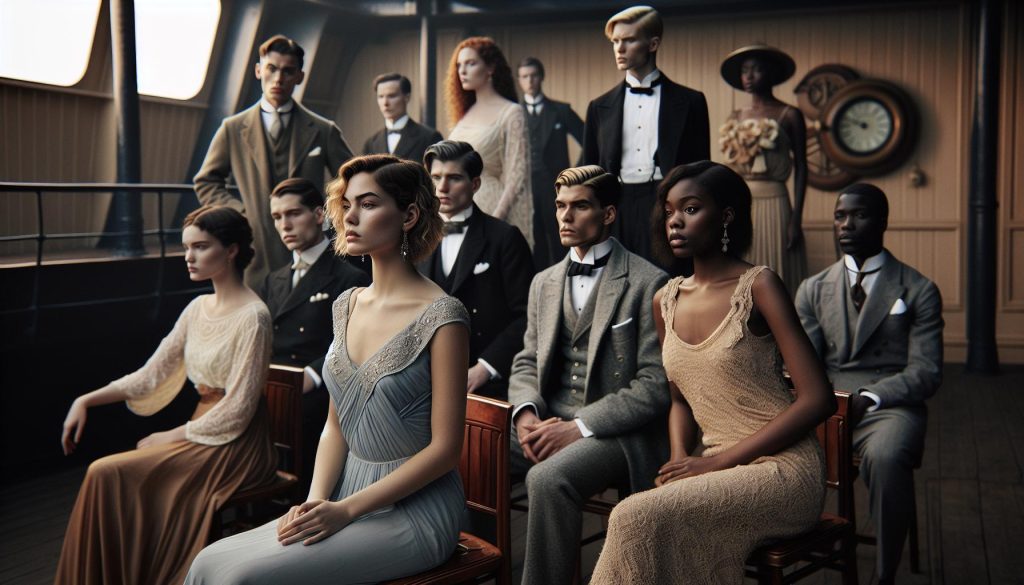
On April 15, 1912, the world witnessed one of the most tragic maritime disasters in history: the sinking of the RMS Titanic. “A Night to Remember,” written by Walter Lord, provides an in-depth account of that fateful night, capturing the chaos and human emotions experienced by passengers and crew as the ship collided with an iceberg and met its tragic fate. This book is not just a story of loss; it serves as a reminder of the hubris of humanity and the relentless power of nature. Understanding this disaster is vital, as it prompts us to reflect on safety, preparedness, and compassion in times of crisis. Whether you’re intrigued by history, captivated by storytelling, or simply wish to uncover the truths behind one of the most infamous shipwrecks, this report will guide you through the key themes and unforgettable moments that define this poignant narrative. Join me in exploring the legacy of the Titanic and the lessons it offers, ensuring that such a tragedy is never forgotten.
The Historical Context of the Titanic Disaster
The sinking of the Titanic is not just an isolated maritime disaster; it is a complex event steeped in the historical, social, and technological fabric of its time. Launched in 1912, the RMS Titanic represented the pinnacle of early 20th-century engineering and luxury travel. It was crafted to be the largest and most opulent ship ever built, intended to symbolize human innovation and the Industrial Revolution’s promise. The Titanic was touted as “unsinkable” due to its advanced safety features, including watertight compartments designed to prevent catastrophic flooding. This claim, however, created a false sense of invulnerability among passengers and crew, contributing to the tragedy that would unfold during its maiden voyage.
In the context of its era, the Titanic’s journey was intertwined with the prevailing social attitudes, particularly around class structures. The ship’s design mirrored the rigid social hierarchy of the time, with lavish accommodations for the wealthy elite juxtaposed against cramped quarters for third-class passengers. Just hours before disaster struck, the ship buzzed with life as affluent travelers enjoyed fine dining, while many less fortunate ones were confined to the lower decks, often unaware of the imminent danger. This dichotomy illustrates broader societal trends, including class division and the often unsafe underpinnings of technological progress.
Furthermore, the Titanic disaster unfolded against a backdrop of growing maritime travel and competition among shipping companies, including the White Star Line, which owned the Titanic. At that time, advancements in shipbuilding technology were both celebrated and criticized. While many hailed the sheer size and luxury of vessels like the Titanic, others warned of overconfidence in technology’s limits. The ship’s sinking on April 15, 1912, not only changed maritime regulations (leading to improved safety measures, such as more lifeboats on future ships) but also served as a stark reminder of humanity’s vulnerabilities in the face of nature and technology’s hubris.
In summary, understanding the Titanic disaster requires exploring the interplay of ambition, class struggle, and technological advancements in the early 20th century. It stands as a cautionary tale about the consequences of pride and the critical need for responsibility in innovation, themes that resonate well beyond its historical moment.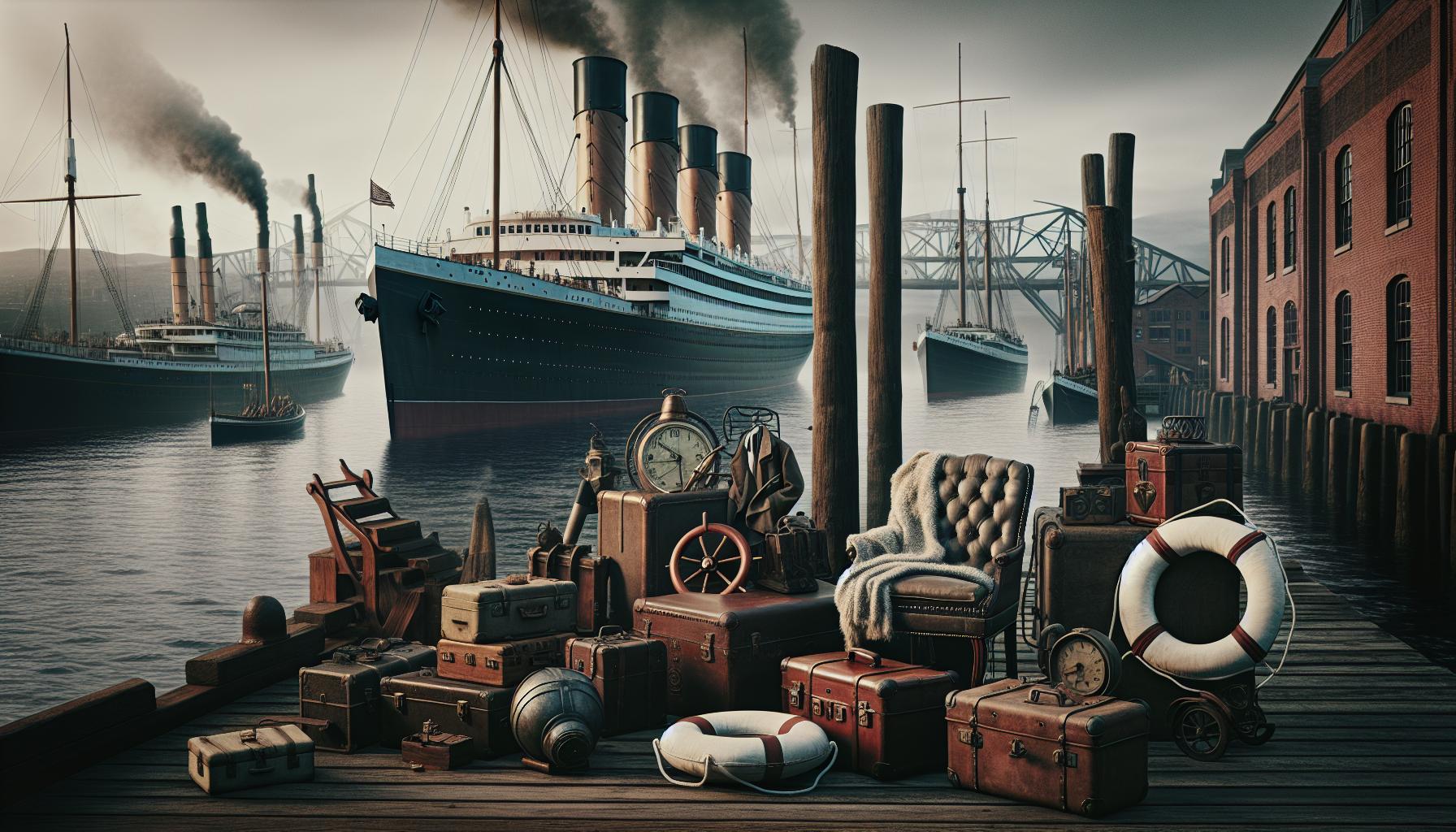
Key Characters in “A Night to Remember
A vivid portrayal of human experience amidst disaster, “A Night to Remember” relies on a diverse cast of characters to help guide readers through the harrowing events of the Titanic’s last hours. Author Walter Lord expertly intertwines these individuals’ stories, showcasing not just the tragedy of the sinking ship, but also the resilience and courage displayed in the face of overwhelming odds. Understanding these characters provides a lens through which readers can appreciate the real-life narratives that informed this historical disaster.
Key figures include Captain Edward Smith, who reflects the authority and confidence of a seasoned leader. As the Titanic’s captain, Smith was respected yet ultimately played a tragic role as he faced the colossal iceberg that would seal the ship’s fate. Another notable character is Isidor Straus, the co-owner of Macy’s, who exemplifies the complex dynamics of love and sacrifice. His decision to remain aboard with his wife, Ida, as the ship sank, resonates with themes of loyalty and devotion.
Equally compelling are the stories of third-class passengers, such as young families seeking a new life in America, highlighting the social disparities that marked the era. The tragic reality of their plight on the lower decks becomes a poignant reminder of the broader human experience-where joy and sorrow coexist.
By weaving these narratives together, the reader gains an intimate understanding not only of the ship’s final moments but also of the individual lives intertwined within this maritime tragedy. Lord’s selections of characters underscore the intertwined fates of those on board the Titanic, illustrating a microscopic view of humanity amid an enormous catastrophe. This rich character exploration encourages readers to consider the complex emotions and motivations that define human responses to crises, enhancing the impact of the narrative overall.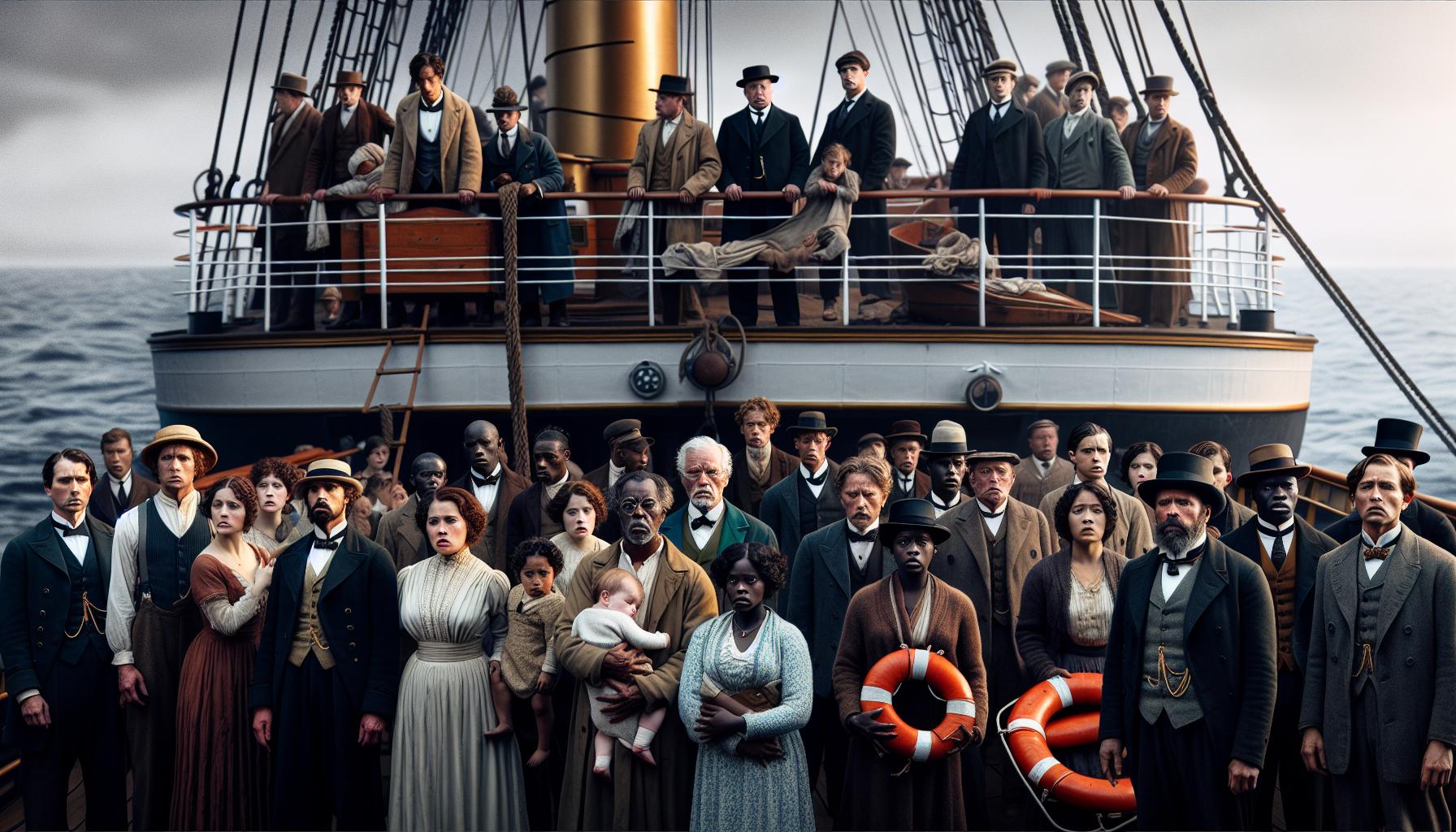
An In-Depth Analysis of the Book’s Themes
The tragedy of the Titanic transcends mere historical fact; it serves as a profound narrative that reflects the complexities of human nature during moments of crisis. In “A Night to Remember,” Walter Lord delves into themes of heroism, class disparity, and the fragility of human life, offering readers a structured yet harrowing exploration of the events leading to the ship’s sinking. Each theme stands not only as a reflection of the individuals aboard but also as a commentary on societal norms of the early 20th century.
One recurring theme is the contrast between bravery and cowardice. The narrative highlights acts of profound heroism, such as those exhibited by crew members and passengers who chose to assist others rather than save themselves. Conversely, Lord does not shy away from depicting moments of panic and self-preservation that ensue in life-and-death situations. This juxtaposition invites readers to ponder the moral dilemmas faced by individuals when confronted with the unthinkable.
Another significant theme is the division of social classes, poignantly illustrated through the experiences of first, second, and third-class passengers. The stark disparities in access to lifeboats and survival resources serve as a powerful reminder of the inequalities present in society at the time. Lord’s portrayal of third-class families seeking new opportunities in America contrasts sharply with the lavish lives of the upper classes, highlighting not only their shared tragedy but also the underlying societal structures that influenced their fates.
Lastly, the theme of inevitability and human fallibility resonates throughout the text. The narrative suggests that despite the advancements in technology and human knowledge, nature remains unpredictable and unforgiving. Lord uses the Titanic’s tragic fate as a metaphor for the overconfidence of humanity, mirroring the hubris of the early 1900s regarding technology and progress. This theme compels readers to reflect on the limitations of human agency when faced with catastrophic events, a lesson that continues to hold relevance today.
In summary, “A Night to Remember” masterfully intertwines these themes, creating a rich tapestry that encourages introspection about resilience, societal constructs, and the human condition. Lord’s detailed storytelling not only bears witness to the disaster itself but also fosters a deeper understanding of the contributing social dynamics and individual experiences that defined this monumental tragedy.
How “A Night to Remember” Portrays the Titanic Tragedy
The gripping narrative of Walter Lord’s “A Night to Remember” offers readers an extraordinary lens through which to view the tragic sinking of the Titanic. Lord’s meticulous attention to detail and his skillful storytelling transport us into the final hours of the ill-fated voyage, allowing us to experience the chaos and desperation alongside the individuals aboard. By focusing on real-life accounts and personal stories, he crafts a vivid tableau that not only recounts the disaster but also humanizes its victims, making the tragedy all the more poignant.
Lord’s portrayal of the Titanic disaster is distinguished by its emphasis on individual experiences, highlighting both heroic deeds and moments of great cowardice. The book captures harrowing episodes of passengers from all classes-each faced with their own set of choices as the ship met its fate. For example, the actions of crew members, such as Thomas Andrews, who worked tirelessly to save lives, contrast starkly with those of others who succumbed to panic. This duality illustrates the very best and worst of human nature when faced with disaster. Lord’s narrative allows readers to grasp the moral complexities within such critical situations, enabling them to reflect on their own responses to crisis.
Furthermore, the stark class inequalities that played a significant role in survival outcomes echo throughout the book. Lord meticulously details how first-class passengers had greater access to lifeboats and safety than their third-class counterparts, who faced physical barriers and systemic neglect. This division not only impacts individual stories but also serves as a broader commentary on early 20th-century society. By juxtaposing rich and poor, Lord emphasizes that despite the shared fate of the Titanic, societal structures greatly influenced survival opportunities.
In this way, “A Night to Remember” captures the human dimension of the disaster. It compels readers to engage with the legacy of the Titanic tragedy-not just as a historical event, but as a reflection of societal values and human behavior. Through Lord’s powerful narrative, the tragedy of the Titanic continues to resonate as a cautionary tale about hubris, social disparity, and the ephemeral nature of life, reinforcing its powerful impact on both historical and contemporary discussions.
Comparing “A Night to Remember” to Other Titanic Narratives
In exploring the myriad of narratives surrounding the Titanic disaster, Walter Lord’s “A Night to Remember” stands out not only for its gripping storytelling but also for its nuanced portrayal of human experiences during the tragedy. Unlike other works that often dramatize or fictionalize elements of the sinking, Lord meticulously reconstructs events through eyewitness accounts, providing a grounded yet emotionally charged glimpse into that fateful night. This approach allows readers to connect intimately with the passengers, making the narrative feel both personal and historical.
Comparatively, one of the most famous adaptations is James Cameron’s film “Titanic,” which, while visually stunning and commercially successful, leans heavily into fictional romance and spectacle at the expense of nuanced historical accuracy. Cameron’s interpretation emphasizes the grandiose and tragic romance of Jack and Rose, diverting focus from the structured chaos and social commentaries that Lord effectively highlights. This difference serves as a reminder of how cinematic narratives can sometimes overshadow the critical lessons and themes inherent in historical events.
Another notable literary work is “Titanic: An Illustrated History” by Don Lynch and Ken Marschall. This book combines a wealth of visual artifacts with a narrative that provides context and depth to the Titanic’s story. While it offers rich illustrations and a broader perspective on the ship’s history and legacy, it differs from Lord’s text in that it lacks the immediate tension and emotional resonance derived from firsthand accounts. Lord’s narrative captures the raw emotions of survival and despair, whereas Lynch and Marschall’s approach feels more like an overview, lacking the personal stakes that Lord imbues in his work.
Furthermore, comparisons can also be made with “The Night Lives On” by Walter Lord, where he revisits the Titanic tragedy, reflecting on the aftermath and ongoing legacy. Here, Lord expands upon the survival stories and eventual findings from the wreck, blending his earlier detailed accounts with later reflections that offer insights into society’s evolving memory of the Titanic disaster. This retrospective nature contrasts with “A Night to Remember,” which primarily focuses on the drama and decisions made in the moments leading up to the sinking.
Ultimately, while many authors and filmmakers capture the Titanic disaster through various lenses-be it romantic, factual, or illustrative-Lord’s “A Night to Remember” remains a seminal work that humanizes the tragedy painfully yet poignantly, ensuring that the stories of those on board are not lost to time. Each iteration, while valuable in its own right, further enriches the collective memory of this pivotal event, and encourages readers to reflect on its enduring legacy and the lessons to be learned.
Significant Events: Timeline of the Titanic’s Final Hours
The tragic sinking of the Titanic on April 15, 1912, is marked by a series of critical events that unfolded within a few short hours. Walter Lord’s “A Night to Remember” poignantly details these moments, capturing the urgency and despair experienced by passengers and crew alike as they faced the catastrophic consequences of striking an iceberg on that fateful night.
Key Events Timeline
- 11:40 PM (April 14, 1912): Titanic strikes an iceberg.
- 11:50 PM: First officer William Murdoch takes action to assess the damage. Passengers are largely unaware of the severity of the situation.
- 12:00 AM: The iceberg is confirmed to have caused significant damage, and lifeboats are prepared. Captain Smith gives the order to load passengers into lifeboats.
- 12:05 AM: The distress signal “CQD” is sent out, alerting nearby ships of their dire situation.
- 12:20 AM: Lifeboats are launched with many still insufficiently filled, highlighting a tragic misunderstanding of the impending danger.
- 12:45 AM: Titanic’s lights flicker as the ship begins to make its final descent.
- 1:00 AM: The last lifeboat is launched. Many passengers, believing the ship will not sink, remain on board.
- 1:10 AM: The ship breaks apart as it sinks into the icy waters.
- 1:30 AM: Titanic completely submerges. Rescue ships, responding to the distress call, start arriving at the scene.
These hours are meticulously crafted in “A Night to Remember,” where Lord uses eyewitness accounts to detail the chaos and confusion aboard the ship. Each moment is filled with tension as decisions made-or not made-by the crew and passengers alike became life-altering. For instance, the initial disbelief among passengers, illustrated through powerful narratives, reflects the human tendency to hope against the odds even in the face of grave danger.
The book emphasizes how societal classes played a role in the evacuation process, poignantly displaying the disparity between the treatment of first-class and third-class passengers. Such details enrich Lord’s narrative, making the disaster not just a tale of heroism and tragedy, but also an exploration of human nature, society, and the lessons that can be learned from the past. The condensation of these events into a timeline not only aids the reader’s understanding but also allows for a thoughtful reflection on the chaos that unfolded as Titanic met its fate.
Understanding the timeline of significant events during Titanic’s final hours enhances our appreciation for Lord’s historical narrative approach, establishing a foundation for the exploration of human emotion and decision-making amidst disaster, central themes in “A Night to Remember.”
The Author’s Perspective: Walter Lord’s Approach
Walter Lord’s narrative technique in “A Night to Remember” transforms the historical account of the Titanic tragedy into a vivid exploration of human experience and emotion. He meticulously crafts a story that feels both immediate and universal, drawing readers into the harrowing moments just before and during the ship’s sinking. One of the most captivating elements of Lord’s approach is his reliance on eyewitness accounts. By integrating the voices of passengers and crew, he creates a multi-faceted view of the disaster that pulls readers into the chaos and confusion of that fateful night.
Lord’s ability to depict the Titanic’s final hours serves not only to recount the events but also to delve into deeper themes of human behavior under extreme stress. He highlights the stark contrasts between class experiences during the evacuation process, illustrating how societal stratification influenced survival chances. The first-class passengers often received preferential treatment, while many third-class passengers faced significant barriers, compounding the tragedy’s horror. This nuanced portrayal invites readers to consider not just the personal stories of survival and loss, but also the broader social implications of the disaster, encouraging a reflection on human nature and societal values.
To enhance the dramatic tension, Lord employs a non-linear narrative structure, juxtaposing personal testimonies and key moments with broader historical context. This technique allows readers to grasp the cumulative impact of each decision made aboard the ship. For instance, the delay in recognizing the severity of the situation and the hesitance to abandon ship escalate the tragedy, making the eventual sinking all the more poignant. Lord’s evocative language and descriptive imagery depict not just the physical descent of the ship into the icy waters but also the emotional turmoil faced by those aboard.
In crafting “A Night to Remember,” Walter Lord not only recounts one of history’s most infamous maritime disasters but also explores enduring themes of hope, despair, and the complexity of human relationships in crisis. His thoughtful, character-driven approach ensures that the narrative resonates on a personal level, providing readers with insights into the past while inviting them to reflect on the implications for humanity today. By blending factual accuracy with an engaging storytelling style, Lord captures the essence of the Titanic tragedy, making it a timeless account that continues to engage and educate readers.
Literary Techniques Used in the Book
Walter Lord employs a variety of literary techniques in “A Night to Remember” that enhance the storytelling and deepen the reader’s engagement with the Titanic tragedy. Through his intricate narrative style, he brings the historical events surrounding the ship’s fateful voyage to life, making the past feel immediate and relatable to modern audiences.
One of the most striking techniques used by Lord is his non-linear narrative structure. By interweaving personal accounts from survivors with historical context, he creates a tapestry of events that allows readers to see the Titanic disaster from multiple perspectives. This method not only builds suspense but also highlights the chaos that unfolded during the hours leading to the sinking. By juxtaposing individual testimonies with the broader timeline of events, readers gain a holistic understanding of the calamity, feeling both the weight of each personal story and the enormity of the tragedy as a whole.
Another significant aspect of Lord’s technique is his vivid descriptive imagery. He meticulously paints scenes that evoke the grandeur of the Titanic as well as the horror of its sinking. For example, through rich visual descriptions, readers can imagine the ship’s elegant interiors and contrast them with the icy waters that ultimately claimed it. This use of imagery not only establishes a vivid setting but allows readers to connect emotionally with the figures on board, making their experiences more poignant and impactful.
Additionally, Lord’s reliance on eyewitness accounts plays a crucial role in his narrative. By incorporating direct quotes and anecdotes from both passengers and crew, he infuses authenticity into the text. This technique gives voice to the individuals who experienced the tragedy firsthand, making their stories resonate on a personal level. As a result, readers are not merely observers of history; they become emotionally invested in the lives and fates of those who were aboard.
Finally, the book’s varied pacing and tension are essential in creating dramatic effect. Lord skillfully builds tension through his pacing, slowing down narrative moments to reflect the gravity of decisions being made or speeding up to convey the urgency of the ship’s sinking. This manipulation of time serves to immerse readers in the unfolding disaster, amplifying their emotional reactions and engagement with the story.
In sum, the combination of non-linear storytelling, vivid imagery, authentic voices, and dynamic pacing transforms “A Night to Remember” into a compelling account that not only reconstructs the Titanic’s tragedy but also invites readers to reflect on broader themes of humanity, class, and survival amidst disaster. Through these techniques, Walter Lord ensures that the legacy of the Titanic continues to resonate with readers across generations.
Impact of the Titanic Disaster on Society
The sinking of the Titanic on April 15, 1912, profoundly impacted society, influencing maritime law, safety regulations, and cultural narratives for generations. Walter Lord’s “A Night to Remember” encapsulates not only the tragedy itself but also the far-reaching societal consequences that followed. The disaster highlighted the stark disparities in class, as the lifeboat protocol prioritized first-class passengers over others, provoking discussions about privilege and human rights that still resonate today.
Changes in Maritime Safety Regulations
One of the most significant repercussions of the Titanic disaster was the overhaul of maritime safety regulations. Before the sinking, ships were not required to carry enough lifeboats for all passengers. The Titanic, for instance, had lifeboats for only about half of its total capacity, a decision that was both a cost-saving measure and a reflection of the era’s hubris regarding shipbuilding. The tragedy prompted international legislative responses, most notably the establishment of the International Convention for the Safety of Life at Sea (SOLAS) in 1914. This agreement mandated lifeboats for all passengers, regular lifeboat drills, and improvements in ship design to enhance safety standards, thereby fundamentally changing how maritime safety was approached.
Cultural Reflections and Legacy
The Titanic disaster has ingrained itself in cultural memory, serving as a poignant symbol of humanity’s vulnerabilities amidst technological advancements. The narrative depicted in “A Night to Remember” allows readers to engage with key themes of heroism, sacrifice, and disaster, prompting reflection on human behavior in crises. The emotional weight of the accounts Lord compiles urges society to remember not just the statistics of loss, but the individual lives affected. This tragic event has led to a plethora of artistic expressions, from films to literature, illustrating how deeply the Titanic disaster has embedded itself in cultural consciousness.
Social and Psychological Impact
The societal aftermath also encompassed significant social and psychological dynamics. Public outrage over the perceived negligence and class disparity during the evacuation led to a loss of trust in institutions responsible for public safety. Moreover, the loss of over 1,500 lives instigated national mourning in many countries, impacting families and communities. The psychological scars left by such a catastrophic event fostered a heightened awareness of safety and ethical responsibilities, shaping future generations’ attitudes toward both maritime travel and disaster preparedness.
Ultimately, the Titanic disaster, as captured in Lord’s compelling narrative, remains a multifaceted subject of study that continues to offer invaluable lessons on ethics, safety, and the human condition. As society reflects on the tragedy and its implications, it is essential to remember the individuals behind the statistics – to honor those lives lost by ensuring that history does not repeat itself.
Readers’ Reception: How the Book Was Critically Acclaimed
The publication of Walter Lord’s “A Night to Remember” in 1955 marked a significant moment in the remembrance of the Titanic disaster, resonating with both scholars and general readers alike. Critics lauded Lord’s meticulous research and vivid storytelling, which together revived interest in the infamous tragedy and highlighted its complexities in a way that was accessible to a wide audience. The book’s narrative-driven approach effectively humanized the passengers and crew, transcending the mundane recounting of facts to explore the emotional and psychological dimensions of that fateful night.
In particular, Lord’s use of firsthand accounts and testimonies from survivors brought a new authenticity to the narrative. This blend of historical detail and compelling storytelling garnered praise for its ability to immerse readers in the events of April 15, 1912. Reviewers noted how this technique not only preserved the legacy of those lost but also fostered a connection between the past and present, making the experience of the Titanic feel immediate and visceral. For many, this was the first time they had encountered such a nuanced depiction of the tragedy, prompting deeper reflection on the human experience in times of crisis.
Another noteworthy aspect of the critical reception involved the book’s longevity and impact on popular culture. “A Night to Remember” has been credited with shaping much of the public understanding of the Titanic, influencing various adaptations, including films and documentaries. The book’s straightforward style, combined with its thorough exploration of themes such as heroism and sacrifice, has made it an enduring educational resource. As a result, it often appears on reading lists for those studying maritime disasters and their aftermath, serving not only as a historical account but also as a poignant reminder of the lessons learned from the tragedy.
Ultimately, the acclaim received by “A Night to Remember” lies in its seamless blend of rigor and narrative flair, ensuring that the story of the Titanic remains relevant. By emphasizing personal stories over mere statistics, Lord invites readers to engage with the emotional complexities of the sinking, contributing significantly to its legacy and continuing relevance in discussions of disaster, ethics, and human behavior.
Lessons Learned from the Titanic Disaster
The tragic sinking of the Titanic is a harrowing reminder of the perils associated with human hubris and technological advancement. One of the most important lessons from the disaster is the need for rigorous safety protocols, particularly in the face of unforeseen circumstances. Before Titanic’s maiden voyage, it was widely regarded as “unsinkable,” a perception that contributed to lax safety measures, including insufficient lifeboats. This arrogance not only led to the loss of thousands of lives but also created a call for more stringent regulations across the maritime industry.
Understanding the role of communication also emerges as a vital lesson. On the night of the disaster, critical warnings about icebergs were either disregarded or not conveyed effectively to Captain Edward Smith and his crew. This failure underscores the necessity of clear communication channels in crisis management, highlighting that in high-stakes environments, every piece of information could be the difference between safety and catastrophe. Incorporating robust communication strategies can help avert disasters in various fields, from aviation to corporate management.
Human Behavior in Crisis
Walter Lord’s narrative in “A Night to Remember” illustrates how people behave under extreme stress. Some passengers exhibited tremendous bravery, while others resorted to selfishness. The contrasting reactions serve as a crucial reflection on human nature: in crises, character can shine through or falter, impacting survival outcomes. Learning from this aspect encourages not only personal introspection but also emphasizes the importance of maintaining collective morale and ethical standards during emergencies. Training and simulations can prepare individuals for such high-pressure situations, enabling them to act selflessly and effectively.
Ultimately, the Titanic disaster continues to serve as a potent cautionary tale, urging society to remain vigilant about safety, communication, and ethical behavior in the face of adversity. The lessons that emerge from this tragedy offer valuable insights that can enhance our responses to future challenges, ensuring that history does not repeat itself.
Exploring the Legacy of “A Night to Remember
The enduring impact of Walter Lord’s “A Night to Remember” extends far beyond its publication, shaping both cultural perceptions of the Titanic disaster and the broader discourse on maritime safety and human behavior in crisis. Released in 1955, Lord’s meticulous recounting of the harrowing events of April 15, 1912, not only revived public interest in the tragic sinking but also solidified the narrative of Titanic as a symbol of human folly, technological overconfidence, and the pressing need for stringent safety measures.
One of the most significant legacies of “A Night to Remember” lies in its commitment to historical accuracy and detail. Lord conducted extensive research, drawing from survivor accounts and contemporary sources to craft an engaging, vivid portrayal of events, which has since informed countless adaptations in other media, including films and documentaries. His approach exemplifies how historical narratives can be framed to enhance understanding and draw emotional connections, reminding us of the human stories behind statistics. This technique encourages readers to reflect on the complexities of the human experience during crises, facilitating discussions on ethics, leadership, and moral courage.
Moreover, the book has inspired a renewed focus on the lessons learned from the Titanic disaster, spotlighting critical issues such as safety regulations and communication protocols. Many maritime organizations reference Lord’s work in their training programs, emphasizing the need for vigilance and preparedness. The sinking ultimately led to reforms like the International Convention for the Safety of Life at Sea (SOLAS), which introduced regulations mandating lifeboat capacity for all passengers aboard ships, a direct response to the inadequacies highlighted in Lord’s narrative.
In addition to its educational impact, “A Night to Remember” carries an emotional weight that resonates with readers and audiences alike. The diverse responses of individuals in the face of catastrophe-acts of heroism alongside displays of selfishness-serve as a microcosm of society itself, prompting reflection on how one might react in similar situations. This exploration of human behavior under extreme duress has framed discussions in literature, psychology, and sociology, ensuring that the Titanic remains not just a historical event, but a portal through which we examine our values, fears, and hopes.
Ultimately, the legacy of Walter Lord’s work is a multifaceted tapestry of historical inquiry, emotional resonance, and ethical exploration, challenging each generation to learn from the past and to cultivate a future marked by compassion, preparedness, and accountability in the face of uncertainty.
Frequently Asked Questions
Q: What are the main themes explored in “A Night to Remember”?
A: The primary themes in “A Night to Remember” include human courage, the impact of social class, and the fragility of life. Walter Lord emphasizes how these themes manifest during the Titanic disaster, revealing both personal heroism and systemic failures that led to the tragedy. For a deeper analysis, refer to the section on In-Depth Analysis of the Book’s Themes.
Q: How does Walter Lord’s perspective influence the narrative of the Titanic disaster?
A: Walter Lord’s perspective is critical as he combines meticulous research with a narrative style that brings the Titanic story to life. His empathetic portrayal of individuals involved humanizes the disaster, illustrating a blend of factual accuracy and emotional depth. Explore more in the section on The Author’s Perspective.
Q: Why is “A Night to Remember” considered a significant work on the Titanic?
A: “A Night to Remember” is significant because it provides a comprehensive and engaging account of the Titanic disaster through survivor testimonies, making history accessible. Its influence led to a revival of interest in the Titanic, impacting both literature and popular culture. Check the Impact of the Titanic Disaster on Society section for further details.
Q: What literary techniques does Walter Lord use in “A Night to Remember”?
A: Walter Lord employs techniques such as vivid imagery and chronological storytelling, which enhance the reader’s emotional engagement. His use of direct quotes from survivors adds authenticity, making the historical account more relatable. For an in-depth discussion, see the section on Literary Techniques Used in the Book.
Q: How does “A Night to Remember” compare to other Titanic narratives?
A: Compared to other narratives, “A Night to Remember” stands out due to its focus on personal stories rather than solely on the ship’s technical aspects. This approach provides a unique perspective, revealing the human dimensions of the tragedy. For more on this comparative analysis, refer to Comparing “A Night to Remember” to Other Titanic Narratives.
Q: What were some critical receptions of “A Night to Remember”?
A: The book received widespread acclaim for its detailed storytelling and historical accuracy, being praised by critics and readers alike. It remains a pivotal work that shaped public understanding of the Titanic disaster. For insights into specific accolades, check out the section on Readers’ Reception.
Q: What lessons does “A Night to Remember” convey about disaster preparedness?
A: “A Night to Remember” illustrates crucial lessons about human error and the importance of safety protocols. It underscores the need for better preparedness and responses in emergencies, which remains relevant today. For further thoughts, see the Lessons Learned from the Titanic Disaster section.
Q: How does the book’s structure contribute to its effectiveness?
A: The effective structure of “A Night to Remember” interweaves personal narratives with historical events, creating a compelling flow. This chronological approach helps readers grasp the timeline of events as the disaster unfolds, enhancing engagement. Explore this in greater depth within the article.
Future Outlook
Thank you for exploring “A Night to Remember Book Report: Titanic Disaster.” This tale not only recounts the tragedy of the RMS Titanic but also highlights resilience and the human spirit in the face of adversity. We encourage you to dive deeper into related topics such as the cultural impact of maritime disasters or the historical accounts from survivors. Don’t miss our enlightening articles on Titanic myths and the evolution of maritime safety practices.
If you found this report insightful, please consider signing up for our newsletter for more engaging content. Share your thoughts and experiences in the comments below – we love hearing from our readers! Whether you’re looking for further reading or trying to understand the broader implications of such tragedies, your journey into history starts here. Continue exploring with us for more compelling stories and analyses that enrich your understanding of the past.
Get our latest guides, news, and insights highlighted in your Google Search & AI Overviews.