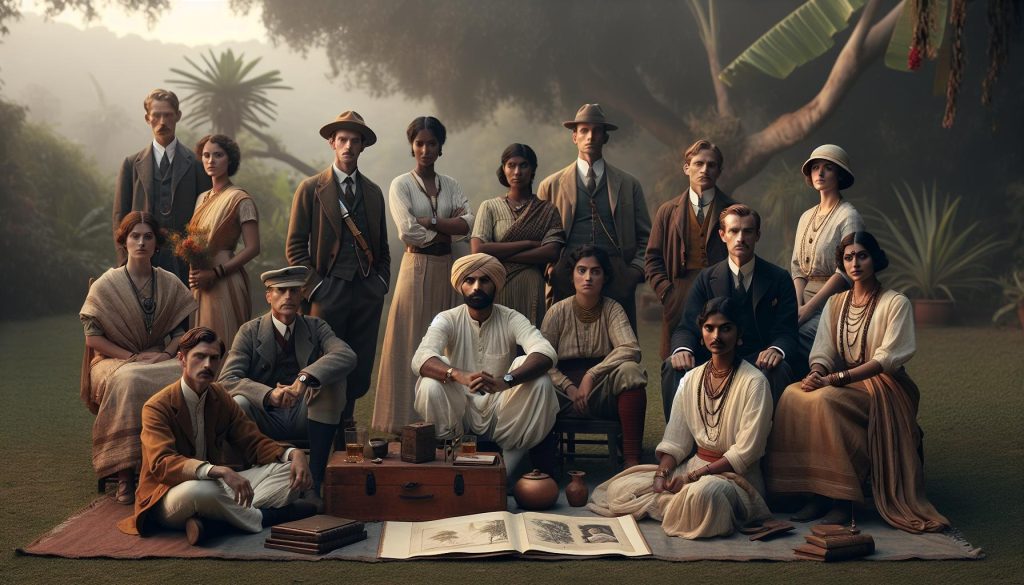
E.M. Forster’s “A Passage to India” remains a cornerstone of colonial literature, intricately exploring the complexities of British rule in India and the misunderstandings between cultures. This novel doesn’t just tell a story; it invites readers to confront the lingering legacies of colonialism and the human experiences entwined within them. For anyone seeking to understand the socio-political fabric of early 20th-century India, this narrative is invaluable. It raises crucial questions about identity, belonging, and communication that resonate even in today’s global landscape. As we reexamine this classic, we’ll uncover how Forster’s keen observations and rich characterizations still challenge and inspire us. Join us on this journey to explore why “A Passage to India” remains profoundly relevant and essential reading for those passionate about literature, history, and cultural discourse.
Understanding E. M. Forster’s “A Passage to India
E. M. Forster’s A Passage to India serves as a profound exploration of the intricacies and tensions of colonial relations in early 20th-century India. At the heart of this novel lies a multifaceted examination of friendship, misunderstanding, and the chasm between British colonizers and Indian natives. The story centers around Dr. Aziz, a young Indian Muslim, and his interactions with British characters like Miss Adela Quested and Mrs. Moore, encapsulating the challenges of cultural exchange during a turbulent time in history. Through Aziz’s experiences, Forster deftly illustrates the fragility of relationships shaped by colonial power dynamics, leading readers to ponder the potential for genuine connection amidst profound differences.
Set against the backdrop of the Indian independence movement, the novel delves into the historical and cultural context of British-occupied India, presenting vivid portrayals of colonial life. The fictional city of Chandrapore, where much of the narrative unfolds, symbolizes the tensions of the colonial experience. Forster not only critiques imperial attitudes but also highlights the struggles of individuals caught in the conflicts of identity and belonging. This exploration is not merely confined to personal relationships; it echoes the broader societal struggles, making the novel both a personal tale and a commentary on a pivotal historical moment.
Forster’s use of richly drawn characters and a sensitive narrative style enhances the complexity of the themes he addresses. His profound reflections on identity, colonialism, and the nature of truth resonate deeply with readers. The striking contrasts between the characters-their desires for friendship and the societal structures that inhibit genuine connection-serve to illuminate the pervasive misunderstandings that characterize their interactions. This relational dynamic invites readers to reflect on the themes of isolation and communion, compelling audiences to reconsider how culture and colonialism shape personal narratives and identities.
In its enduring legacy, A Passage to India has significantly impacted literature, offering insights into the colonial experience that continue to inspire discussions in contemporary discourse. Readers are encouraged to engage with the text not just as a historical document, but as a work that invites personal introspection and broader considerations of human relationships across cultural divides. By melding personal storytelling with profound philosophical inquiry, Forster’s novel remains a touchstone for understanding the complexities of cultural identity in a colonial context.
Cultural and Historical Context of the Novel

In the landscape of early 20th-century literature, E. M. Forster’s “A Passage to India” stands out as a critical examination of the complex and often fraught relationships between British colonizers and their Indian subjects. This novel, set against the backdrop of British India during the twilight of colonial rule, is not merely a story about individuals caught in cultural misunderstandings; it is a vivid reflection of a society undergoing tremendous change and conflict as the independence movement began to gain momentum.
Forster deftly captures the intricacies of colonial life in the fictional city of Chandrapore, which serves as a microcosm of the larger tensions between the colonizers and the colonized. The landscape is not just a setting but a character in its own right, embodying the struggles that both communities face. The contrasting experiences of Adela Quested, a British schoolmistress seeking to understand India, and Dr. Aziz, an Indian Muslim struggling with his identity and aspirations, highlight the cultural chasms that define their interactions. These personal narratives are deeply intertwined with historical events, including the rise of nationalist movements and the questions of identity and belonging that reverberated through Indian society at the time.
The cultural and historical context of “A Passage to India” is essential for understanding its themes and character dynamics. In the years leading up to the novel’s publication in 1924, India was a site of profound political unrest, marked by the growing discontent against British rule. Events such as the Montagu-Chelmsford Reforms of 1919, which introduced limited self-governance and were met with mixed responses from Indians, are critical to the backdrop of the narrative. Moreover, the novel was penned in an era when the British Empire was starting to crumble, and voices advocating for Indian autonomy were becoming louder and more assertive. Forster’s work engages with these themes by illustrating the contentious intersection of personal and political worlds, where the characters’ lives reflect the broader societal shifts taking place.
In examining the colonial backdrop, readers can better appreciate the profound social commentary embedded within the novel. The misunderstandings that arise between characters are not merely personal failings but echo the greater geopolitical dynamics at play. By situating “A Passage to India” within this rich cultural and historical framework, one gains deeper insight into its critique of colonialism and the pursuit of genuine human connection across cultural divides, a theme that remains resonant in contemporary discussions around identity and belonging.
Character Analysis: Key Figures in “A Passage to India
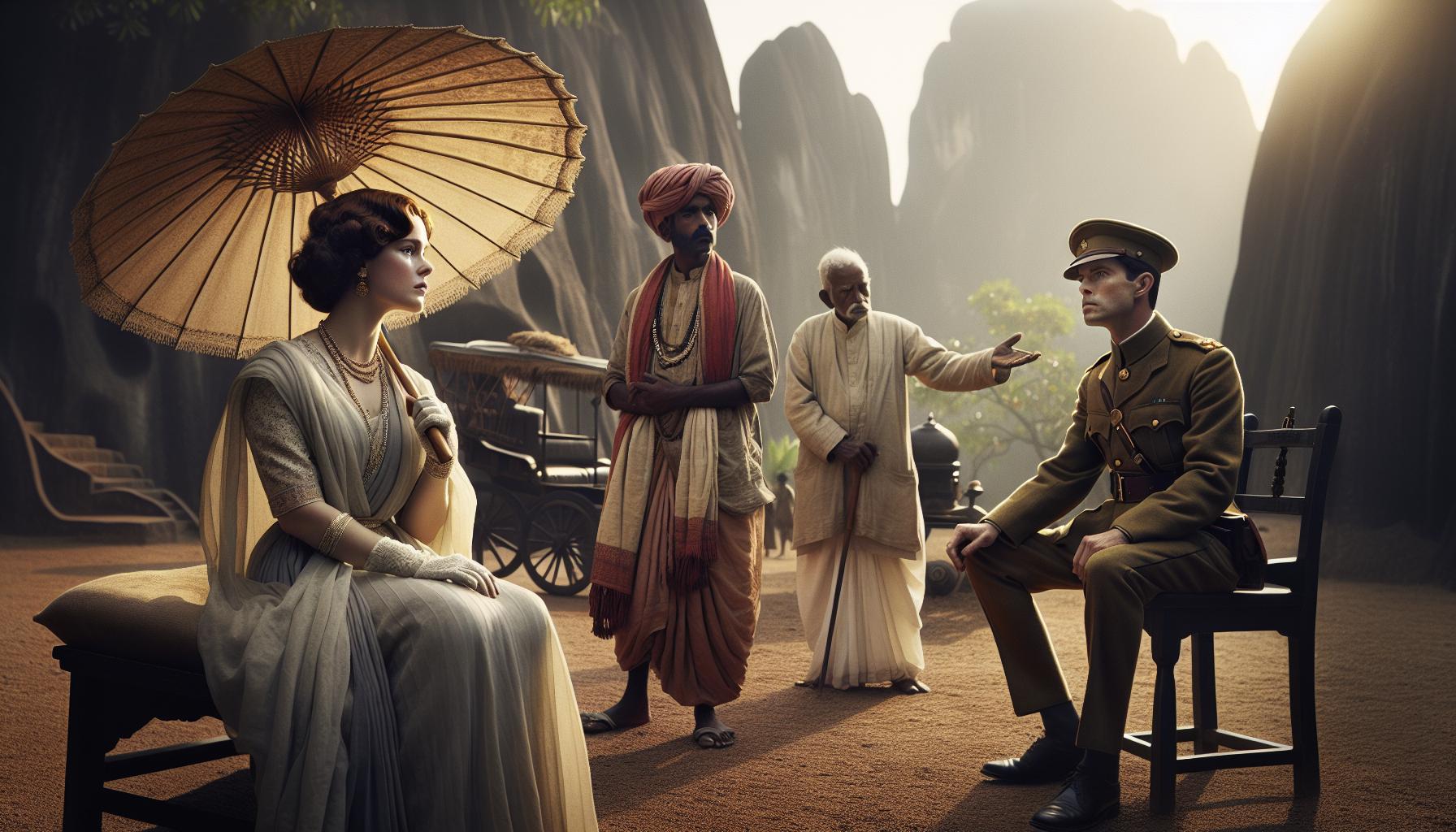
In “A Passage to India,” E. M. Forster intricately weaves a tapestry of characters that reflect and challenge the complexities of colonial interactions. Each figure in this novel not only serves to advance the plot but also embodies deeper social commentaries on identity, race, and the straining relationships that occur under the weight of imperial structures. Understanding these key figures-Dr. Aziz, Adela Quested, and Cyril Fielding-is essential to grasping the novel’s exploration of cross-cultural engagements.
Dr. Aziz, an Indian Muslim physician, is the heart of Forster’s narrative. He is portrayed as a passionate and idealistic man who seeks to connect with the English newcomers to India, indicative of the hopes many Indians had for a harmonious relationship with their colonial rulers. However, his experiences reveal the painful disillusionment that often follows close interactions. Forster illustrates Aziz’s internal conflict and the colonial stereotypes that shape both his identity and the perceptions of those around him. His character encapsulates the struggle for self-definition against a backdrop of cultural misunderstanding and societal prejudice.
Adela Quested, the young Englishwoman, embodies a complex blend of curiosity and naivety. Her initial desire to forge a genuine friendship with Aziz represents the idealism of some colonial figures who genuinely wish to bridge the cultural divide. However, as the story unfolds, her actions lead to catastrophic misunderstandings, highlighting not just the fragility of such relationships but also the power dynamics inherent in colonial encounters. Adela’s character arc serves as a critique of Western assumptions about Eastern cultures, showcasing how her colonial perspective warps her understanding and ultimately her actions.
Cyril Fielding, the English schoolmaster, stands as a bridge between the two cultures. His somewhat progressive views and efforts to engage with the Indian community contrast sharply with the attitudes of his peers. Fielding’s genuine respect for Aziz starkly highlights the varying degrees of personal connection and empathy that can exist within colonial structures. Yet, he too grapples with the limitations of his position, demonstrating that personal beliefs cannot entirely shield one from the overarching influence of colonial ideology. His ultimate decision during the trial episode is pivotal, as it underscores the complications of loyalty, race, and morality in a colonial context.
Through these characters, Forster transcends mere narrative to engage readers with profound themes of alienation, misunderstanding, and yearning for connection amid stark social divides. Each character invites readers to question their own assumptions about race and identity, making “A Passage to India” a timeless examination of human relationships within a politically charged environment.
Themes of Colonialism and Identity Explored
In E.M. Forster’s “A Passage to India,” the intertwining themes of colonialism and identity create a rich narrative that transcends mere storytelling, inviting readers to engage with the complexities of cultural interactions during the British Raj. The novel presents a vivid exploration of how colonial forces shape personal identities and societal relations, often leading to profound misunderstandings and alienation. Forster’s depiction of Indian life under British rule not only critiques colonial ideologies but also reflects the intricate and often painful navigation of identity in a time of conflict.
The character of Dr. Aziz epitomizes the struggle for identity within the colonial framework. His initial optimism and desire for friendship with the British are gradually overshadowed by the harsh realities of cultural prejudice and misunderstanding. Forster uses Aziz’s experiences to illustrate how colonial dynamics distort personal identities, forcing individuals to confront the expectations and stereotypes imposed upon them. As Aziz grapples with his sense of self amid a colonial backdrop that regards him as “the other,” the novel invites readers to reflect on how cultural identities can be constructed, contested, and ultimately transformed in response to external pressures.
Adela Quested’s journey further highlights the conflicts of identity shaped by colonialism. Her naive aspiration to form authentic connections reveals her inability to comprehend the complexities of Indian society and culture, leading to disastrous consequences. Adela’s perceptions and biases reflect a broader critique of Western views on Eastern societies, showcasing the limitations of colonialist perspectives. This dynamic illustrates how identities are not merely personal but are deeply interconnected with cultural narratives-each misunderstanding and misrepresentation reinforcing the colonial divide and impacting the characters’ interactions.
Forster’s narrative suggests that authentic understanding between cultures requires more than mere curiosity; it necessitates an acknowledgment of the power imbalances inherent in colonial relationships. Personal connections are complicated by societal structures that dictate behavior and expectations, underscoring the difficulties of navigating identity in a colonial context. The novel challenges readers to reflect on the implications of cultural division, urging an understanding that transcends superficial contact and systematic bias.
Through “A Passage to India,” Forster not only critiques colonialism but also invites a deeper inquiry into the construction of identity-emphasizing that to truly understand one another, we must confront the legacies of power, prejudice, and historical context. This thematic exploration remains relevant today, offering valuable insights into the ongoing discussions surrounding identity, race, and cultural relations in a post-colonial world.
Literary Techniques and Narrative Style

E.M. Forster’s “A Passage to India” employs a rich tapestry of s that enhance its exploration of cultural complexities during the British Raj. One of the standout features is Forster’s use of symbolism, which permeates the narrative and underscores the novel’s main themes. The Marabar Caves serve as a prominent symbol, representing the ambiguity and alienation present in colonial relationships. The caves’ hollow echo becomes a metaphor for misunderstanding, reflecting the characters’ struggles to communicate and connect across cultural divides.
Forster’s narrative structure also plays a crucial role in shaping the reader’s experience. He often utilizes a third-person omniscient narrator, which allows for deep insights into the thoughts and emotions of varying characters, from Dr. Aziz to Adela Quested. This perspective fosters nuanced character development, painting a multifaceted picture of colonial life by allowing the reader to see the events from diverse viewpoints. Such a technique is particularly effective in illustrating the profound misunderstandings that arise from differing cultural lenses, as seen in Aziz’s interactions with British characters, which are heavily filtered through their biases.
The author also employs irony as a literary device, particularly in the interactions between British and Indian characters. For example, Adela Quested’s naive eagerness to bridge the cultural gap ironically leads to tragic misunderstandings. The narrative’s unexpected twists, such as the climactic incident in the caves, disrupt the characters’ intentions and expose the deep-seated prejudices that govern their perceptions of each other. Forster masterfully crafts these moments to highlight the folly inherent in colonial attitudes, inviting readers to reflect on the broader implications of power dynamics.
Additionally, Forster’s use of dialogue is significant in revealing the characters’ complex relationships. Conversations often reveal social hierarchies and cultural assumptions, with language acting as both a barrier and a bridge. For example, the dialogue between characters like Mr. Cyril Fielding and Dr. Aziz illustrates evolving friendships that challenge colonial stereotypes, while also demonstrating how ingrained biases can undermine genuine connections.
In summary, the literary techniques in “A Passage to India” are integral to its critique of colonialism, employing symbolism, irony, and a versatile narrative style to enhance the reader’s understanding of identity and misunderstanding within the colonial context. Through these devices, Forster not only conveys the intricacies of cultural relations but also challenges readers to critically engage with the themes of power and identity that resonate well beyond the text.
Impact of “A Passage to India” on Literature

The resonance of E.M. Forster’s “A Passage to India” extends far beyond its initial publication in 1924, standing as a monumental text that has profoundly impacted literature and critical discourse surrounding colonialism. As a nuanced exploration of British colonial attitudes and the complexities of intercultural relationships, Forster’s work offers a platform for examining the intersecting narratives of East and West, making it a critical point of reference for scholars and readers alike.
One of the novel’s most significant impacts is its challenge to the Eurocentric narrative prevalent in much of early 20th-century literature. By centering Indian characters and their experiences alongside British protagonists, Forster shifts the focus from a singular colonial perspective to a more inclusive portrayal of cultural dynamics. This approach not only enriches the narrative but also prompts later writers to consider the voices and perspectives of colonized peoples. Authors such as Salman Rushdie and Arundhati Roy often cite Forster’s work as an influence in their own explorations of cultural identity and post-colonial themes.
Furthermore, “A Passage to India” has inspired a wealth of critical analysis, shaping academic inquiry into colonialism, identity, and the politics of representation. It acts as a foundational text within post-colonial literature, where its themes of misunderstanding and the limitations of cultural bridges invite ongoing discussions about power imbalances and the legacy of colonialism. The ambiguity present in the narrative, particularly through the infamous Marabar Caves’ echo, underscores the persistent challenges of communication and understanding across cultural divides, which remain relevant in contemporary global dialogues.
The novel’s impact also extends to its adaptations in film and theatre, which have revived interest in Forster’s commentary on colonial relationships. The 1984 David Lean film adaptation, for example, brings visual richness to the text while highlighting key themes through its cinematic techniques. Such adaptations contribute to the ongoing relevancy of Forster’s work, prompting new generations to engage with its themes and implications, thus ensuring that its legacy continues to evolve.
In summary, “A Passage to India” serves as a critical touchstone within the literary canon, fostering rich discussions about colonialism, cultural complexity, and the interconnectedness of human experiences. Its continual reexamination opens avenues for fresh interpretations, making it an enduring classic that remains vital in understanding the layered narratives of identity and power in a post-colonial world.
Comparative Analysis with Other Colonial Literature
E.M. Forster’s “A Passage to India” serves as a pivotal work when comparing British colonial literature, offering profound insights into the complexities of colonial relationships. The nuanced portrayal of intercultural dynamics invites comparisons to other significant texts that tackle colonial themes, such as Joseph Conrad’s “Heart of Darkness” and Jean Rhys’s “Wide Sargasso Sea.” These works collectively illustrate the multifaceted nature of colonial narratives but diverge in perspective and style, shaping a broader understanding of the imperial experience.
In “Heart of Darkness,” Conrad explores the darkness inherent in colonialism through the journey of Marlow into the African continent, reflecting the exploitative nature of European imperialism. Similar to Forster, Conrad highlights the profound disconnect between colonizers and the colonized; however, his work leans more toward existential despair and the dehumanization present in colonial endeavors. Where Forster injects cultural dialogue and the possibility of understanding-albeit fraught with ambiguity-Conrad often presents the colonized as a backdrop for the psychological unraveling of the European protagonist. This contrast underscores different thematic focuses-Forster’s emphasis on intercultural communication versus Conrad’s exploration of moral ambiguity and human darkness.
Jean Rhys’s “Wide Sargasso Sea” acts as a prequel to Charlotte Brontë’s “Jane Eyre,” presenting the story of Antoinette Cosway, a Creole woman caught between colonial and racial tensions in Jamaica. Like Forster, Rhys emphasizes the complexities of identity shaped by colonialism. However, while Forster’s narrative centers on the interactions between British and Indian characters, Rhys presents a distinctly female perspective, addressing the intersecting issues of race, gender, and colonial oppression. The resulting narrative reveals the psychological scars of colonialism, while Forster’s work primarily attends to the cultural dissonance and misunderstandings that arise between colonizers and the colonized.
Thus, a comparative analysis of these texts not only highlights Forster’s innovative narrative style and thematic concerns-especially regarding misunderstandings and cultural bridges-but also reveals the diverse ways in which colonial literature has sought to depict the tensions and complexities inherent in imperial rule. As we engage with these works, it becomes evident that “A Passage to India” occupies a unique space in the canon of colonial literature, simultaneously critiquing and humanizing colonial interactions, while inviting readers to reflect on the enduring legacies of such narratives.
Reception and Legacy: How the Novel Endured
E.M. Forster’s “A Passage to India,” published in 1924, has not only survived the test of time but has also generated a vibrant dialogue around its themes of colonialism, identity, and cultural misunderstanding. The novel has consistently been regarded as one of the most substantial critiques of British colonial rule, and its enduring legacy reflects the complexities of cross-cultural interactions that remain relevant today. Recognized as a classic, Forster’s work has inspired a myriad of interpretations, adaptations, and scholarly discussions that explore its intricacies.
The initial reception of “A Passage to India” was mixed; some praised its deep exploration of cultural tensions, while others viewed it as a simplistic portrayal of colonial dynamics. Over the decades, however, it has been reexamined through various lenses, particularly in postcolonial studies, which highlight its nuanced depiction of the struggles for friendship and understanding between the English and Indians. The character of Dr. Aziz and the misunderstandings he faces symbolize the broader societal conflicts and failures of communication that characterized the colonial experience. This layered character development has prompted discussions about the nature of friendship amid systemic prejudice and prejudice itself, inviting readers to reflect on their own cultural biases.
Today, adaptations of “A Passage to India,” including David Lean’s acclaimed film in 1984, have allowed the narrative to reach even larger audiences, bringing Forster’s insights to the forefront of contemporary discussions about colonialism and its legacies. Furthermore, the novel serves as a touchstone for modern interpretations of colonial literature, with scholars examining its implications in light of recent global events and movements. By fostering dialogue on friendship, race, and identity, Forster’s work challenges readers to confront uncomfortable truths about their own societies and the historical narratives that shape them.
In summary, Forster’s exploration of complex relationships and cultural misunderstandings in “A Passage to India” continues to resonate, urging us to navigate the delicate balance of intercultural communication. This legacy not only enriches our understanding of literature but also encourages a deeper, more critical examination of the social dynamics that persist in our globalized world. The novel remains a requisite read for those seeking insight into the colonial experience and its aftermath, proving that literature can indeed wield the power to evoke change and foster empathy across cultural divides.
Modern Interpretations and Adaptations
E. M. Forster’s “A Passage to India” has sparked myriad interpretations and adaptations since its publication, solidifying its status not only as a literary classic but also as a relevant commentary on colonialism and cultural misunderstandings. One of the most significant adaptations is David Lean’s 1984 film, which brought the intricate narrative and rich characters to the cinematic forefront. Lean’s adaptation is lauded for its visual representation of the Indian landscape and its capacity to communicate the emotional depth of Forster’s themes-particularly the complex relationships between the British and Indians during the colonial era.
In the realm of modern interpretations, the novel continues to resonate in contemporary discussions about race and identity. Scholars and critics have examined how Forster’s work can be viewed through various theoretical lenses, especially postcolonial theory. This framework allows readers to dissect the nuances of colonial power dynamics portrayed in the novel, particularly the misunderstandings faced by Dr. Aziz, which symbolize broader societal issues regarding communication and empathy. As dialogues about race and intercultural relations evolve, Forster’s insights feel fresh and pressing, making “A Passage to India” a valuable resource for understanding historical and current societal tensions.
Moreover, “A Passage to India” has inspired theatrical adaptations, radio plays, and even operatic interpretations, further demonstrating its flexibility as a text. Each adaptation tends to emphasize different aspects of the story, allowing for exploration of themes like friendship, betrayal, and the quest for understanding in a multicultural context. The diverse responses to Forster’s narrative underscore its timeless nature, inviting new generations to engage with its content.
As we navigate today’s complexities surrounding identity and globalization, Forster’s work not only challenges readers to reflect on historical injustices but also encourages active engagement with contemporary issues. These modern interpretations serve as a gateway for discussions about the past’s influence on the present and highlight the importance of intercultural dialogue in fostering genuine connections across ethnic and cultural divides. The enduring nature of “A Passage to India” attests to the power of literature in shaping our understanding of the world and each other.
Key Quotes and Their Significance
E. M. Forster’s “A Passage to India” is rich with profound quotes that encapsulate the complexities of colonial identity, cultural misunderstandings, and the nature of human relationships. Each meticulously crafted line serves not only as a part of the narrative but also as a window into the philosophical and sociopolitical themes woven throughout the text.
One of the most striking quotes, “The English and the Indians never really met,” underscores the central theme of alienation between the British colonizers and the Indian populace. This observation, made by the protagonist Dr. Aziz, captures the essence of Forster’s critique of colonialism. It suggests that despite physical proximity, cultural and emotional barriers prevent genuine connection. This barrier becomes particularly poignant in the context of the Marabar Caves, where a pivotal moment of miscommunication occurs, leading to devastating consequences for Aziz and Adela Quested. The quote invites readers to reflect on the broader implications of misunderstanding in human relations, especially in an era marked by colonial dominance.
Another significant line is, “India is a place of many realities.” This statement emphasizes the multiplicity of perspectives inherent in the colonial experience. It addresses the idea that both the British and Indians carry their own unique realities shaped by cultural backgrounds, expectations, and societal roles. By asserting this pluralism, Forster challenges the monolithic narrative often attached to colonial literature, prompting readers to acknowledge the diverse experiences of individuals caught in the web of imperialism.
Forster’s quote, “There is no hope for the world,” reflects a deep sense of disillusionment and serves as a commentary on the devastating impact of colonialism. It speaks to the futility felt by individuals who navigate the tensions of their disparate cultures, where empathy is often eclipsed by misunderstanding and prejudice. This despair resonates with contemporary readers, encouraging a dialogue about the legacies of colonialism and their relevance today, as societies continue to grapple with racial and cultural divides.
These key quotes enrich our understanding of “A Passage to India” and illuminate Forster’s ongoing relevance in discussions about identity, culture, and colonial legacy. Engaging with these words not only enhances appreciation of the text but also provokes critical thought about the historical and modern implications of intercultural relations. By examining these significant lines, readers can grasp the intricate layers of meaning that elevate “A Passage to India” from a mere narrative to a powerful commentary on the human condition across borders and time.
Critical Perspectives: Scholarly Discourse on the Novel
Exploring the scholarly discourse surrounding E. M. Forster’s “A Passage to India” reveals a rich tapestry of interpretations that engage with the novel’s intricate themes of colonialism, identity, and cultural misunderstanding. One prevalent perspective emphasizes the novel’s critique of British imperialism, showcasing how Forster portrays the moral and emotional distance between the colonizers and the colonized. Scholars such as Edward Said have argued that Forster’s narrative foreshadows the complexities of Orientalism, presenting a nuanced view of both British and Indian characters caught in the web of colonial power dynamics. This multilayered analysis invites readers to reconsider the binary of oppressor and oppressed, urging them to examine the deeper psychological implications of colonial rule and its aftermath.
The Interplay of Characters and Cultural Conflict
The interactions among key characters-Dr. Aziz, Adela Quested, and Mrs. Moore-are often central to scholarly discussions, as they embody the varying responses to colonial pressures. Critics have noted that Aziz’s character represents the profound sense of alienation felt by Indians, while Adela’s journey illustrates the misguided perceptions of the British. These relationships are not just plot devices but are integral to understanding the cultural clash central to the novel’s message. As highlighted in various academic papers, such as those published in the “Journal of Postcolonial Studies,” the misunderstandings between these characters serve as microcosms of larger social tensions, thereby creating a poignant commentary on human connection-or the lack thereof-in a colonial context.
Literary Techniques and Their Impact
Forster’s use of narrative technique, particularly his symbolic use of the Marabar Caves, has also garnered considerable scholarly attention. The caves, as a pivotal setting, represent both the vastness of cultural misunderstanding and the existential crises faced by the characters. Scholars point out that the caves’ echoing sounds symbolize the futility and disillusionment that permeates the lives of both British and Indian individuals. This interplay of setting and meaning enhances the novel’s emotional impact, inspiring diverse interpretations regarding the nature of identity and the permanence of colonial legacies.
Engaging with these critical perspectives not only enriches one’s understanding of “A Passage to India” but also encourages readers to reflect on the broader implications of colonialism and its enduring relevance in contemporary discussions. By coupling literary analysis with historical context, scholars invite a deeper exploration of cultural narratives that persist today, making Forster’s work a vital component of the canon of colonial literature.
Reading Guide: Discussion Questions and Insights
Engaging with E. M. Forster’s *A Passage to India* can spark profound discussions about the nuanced intersections of culture, identity, and colonialism. To enhance your reading experience and deepen your understanding of the novel, consider the following discussion questions and insights designed to stimulate critical thinking and dialogue.
Discussion Questions
- How does Forster portray the theme of friendship across cultural divides? Reflect on the relationships between Dr. Aziz, Adela Quested, and Mrs. Moore. What do these interactions reveal about the complexities of friendship in a colonial context?
- In what ways do the Marabar Caves symbolize the broader themes of misunderstanding and ambiguity in the novel? Discuss how this setting impacts character relationships and the overall narrative.
- What role does gender play in the interactions among British and Indian characters? Analyze how female characters like Adela and Mrs. Moore experience and influence the cultural tensions depicted in the story.
- How has your understanding of colonialism changed after reading this novel? Considering Forster’s critical lens, what insights can you apply to contemporary discussions about colonial legacies?
- How does Forster’s writing style contribute to the emotional weight of the story? Consider his use of descriptions, symbolism, and dialogue. What effect do these techniques have on your interpretation of the events?
Insights for Further Exploration
Delving into *A Passage to India* encourages readers to explore both historical and literary contexts. Consider the following resources to enrich your understanding:
Historical Context: Investigate the socio-political landscape of India during the British Raj, particularly the Indian independence movement that was gaining momentum in the 1920s, when Forster wrote the novel. Understanding this backdrop can enhance your appreciation of character motivations and thematic depth.
Comparative Literature: Examine other works of colonial literature for contrasting perspectives. For instance, looking at *Heart of Darkness* by Joseph Conrad can illuminate differing representations of colonial encounters and their psychological effects.
Adaptations and Interpretations: Explore adaptations of the novel, including the acclaimed film directed by David Lean. Discuss how these interpretations reflect varying cultural perspectives and the timelessness of Forster’s themes.
By using these questions and insights as a guide, readers can embark on a richer journey through Forster’s world, opening pathways to vital discussions about cultural identity, historical injustices, and the complexities of understanding across divides. This approach not only strengthens comprehension of the text but also fosters a deeper connection to its enduring relevance in today’s discourse.
Frequently asked questions
Q: What are the main themes explored in “A Passage to India”?
A: The main themes in A Passage to India include colonialism, identity, and cultural misunderstanding. The novel critically examines the complexities of British-Indian relationships and the inhumanity of colonial rule, highlighting both the personal and societal conflicts that arise from cultural differences. For deeper insights, refer to the section on Themes of Colonialism and Identity Explored in our article.
Q: How does the setting influence the narrative in “A Passage to India”?
A: The setting in A Passage to India, particularly the fictional town of Chandrapore, plays a crucial role in shaping the events and characters. The contrasting images of the British club and the Indian landscape symbolize the division between cultures and the inherent tensions within the colonial context. For more on this, see our section about Cultural and Historical Context of the Novel.
Q: Who are the key characters in “A Passage to India” and their roles?
A: Key characters include Dr. Aziz, an Indian Muslim doctor, and Adela Quested, a British woman whose experiences illuminate the racial divides of colonial India. Their interactions drive the plot forward and underscore the themes of miscommunication and prejudice. To explore character motivations, check our Character Analysis section.
Q: What literary techniques does Forster use in “A Passage to India”?
A: Forster employs various literary techniques such as symbolism, imagery, and foreshadowing to deepen the narrative. The use of unreliable narration and multi-perspective storytelling enriches the readers’ understanding of complex character dynamics and cultural conflicts. Insights into these techniques can be found in our section on Literary Techniques and Narrative Style.
Q: How did “A Passage to India” impact the literary world?
A: A Passage to India has significantly influenced both colonial and postcolonial literature, changing the narrative on representation and identity. It paved the way for authors to explore the colonial experience from both British and Indian perspectives. For details on its impact, see our section on Impact of “A Passage to India” on Literature.
Q: In what way does the novel address the issue of gender?
A: The novel addresses gender roles through characters like Adela Quested and Mrs. Moore, highlighting the constraints and societal expectations placed on women during the colonial period. Their experiences provide insight into the intersecting issues of gender and colonialism. Explore this further in our Critical Perspectives section.
Q: Are there significant quotes in “A Passage to India” that convey its themes?
A: Yes, several quotes encapsulate the novel’s core themes, such as “Only connect!”, which expresses the longing for understanding across cultural divides. Key quotes reflect the frustrations and aspirations of the characters caught in the colonial struggle. For a detailed analysis, refer to our Key Quotes and Their Significance section.
Q: How has “A Passage to India” been adapted into modern media?
A: A Passage to India has been adapted into various formats, including films and stage productions, with notable adaptations like the 1984 film directed by David Lean. These adaptations reinterpret the themes and characters, making them accessible to contemporary audiences. More on this can be found in the Modern Interpretations and Adaptations section of the article.
Feel free to dive deeper into our article for a comprehensive understanding and discussion of A Passage to India and its awareness of colonial dynamics.
Closing Remarks
As we conclude our exploration of A Passage to India, it’s clear that Forster’s intricate portrayal of colonial tensions offers profound insights into the human condition and societal norms that remain relevant today. This reexamination challenges us to reflect on our perceptions of culture and connection. If you found value in this review, don’t miss our analysis of other literary classics such as Things Fall Apart and Heart of Darkness, which further delve into themes of colonialism and identity.
If you’re eager to deepen your understanding, consider subscribing to our newsletter for insightful reviews and literary discussions straight to your inbox. Don’t forget to share your thoughts in the comments-how do you interpret Forster’s message in your own life? Engage with our community, and let’s keep this important dialogue going. Exploring literature can be a journey of discovery, so check out our collection of related resources and join us for our upcoming features on contemporary authors reshaping these themes. Your next great read awaits!
Get our latest guides, news, and insights highlighted in your Google Search & AI Overviews.