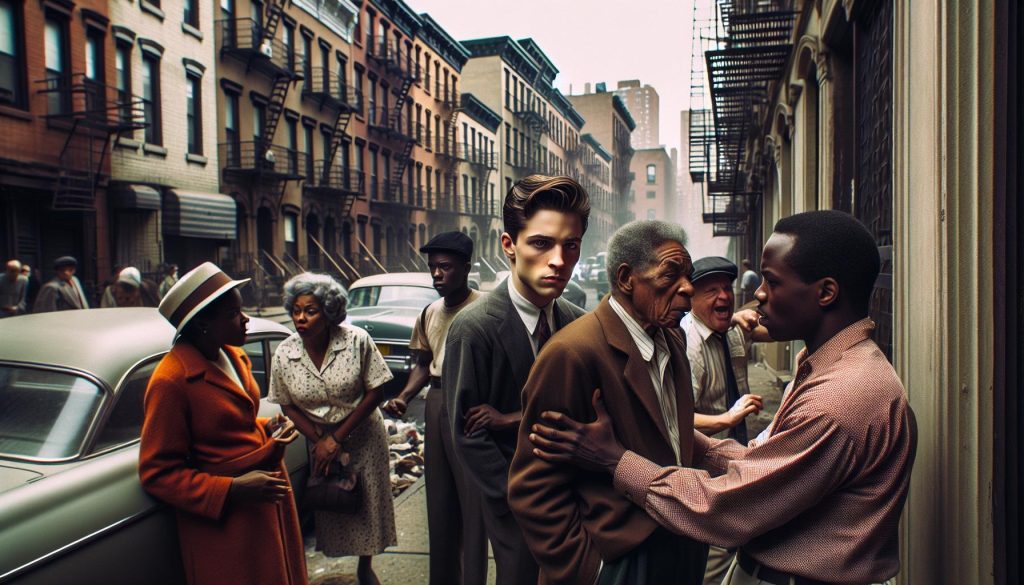
In the pantheon of crime fiction, “A Rage in Harlem” stands as a powerful testament to the genre’s ability to reflect societal struggles through compelling narratives. This gripping novel intertwines themes of crime, identity, and survival, inviting readers into the vibrant, complex world of Harlem during the 1950s. As the protagonist grapples with the pressures of his environment, readers are prompted to consider broader issues of justice, community, and resilience. Engaging with this classic not only offers a thrilling reading experience but also a lens through which to explore the historical context of urban America. Whether you’re a lifelong fan of crime fiction or a newcomer to the genre, this book promises not just entertainment but an opportunity to reflect on deeper societal narratives. Prepare to uncover the layers of intrigue and insight that make “A Rage in Harlem” a pivotal read in understanding the evolution of crime literature.
Understanding the Impact of “A Rage in Harlem
Understanding the impact of Chester Himes’ “A Rage in Harlem” transcends its narrative as a simple crime fiction novel; it offers profound insights into the racial dynamics and societal issues of the time. Set against the backdrop of Harlem in the 1950s, the novel reveals the complexities of life for African Americans navigating a world fraught with systemic racism, economic instability, and cultural dislocation. Himes taps into the harsh realities of the urban experience, crafting a story that is not only compelling but also a biting commentary on society.
One of the novel’s most significant contributions to literature is its raw portrayal of race relations. Himes presents characters who are vividly drawn, existing within a framework of brutal social stratification. The stark depiction of crime and survival in Harlem offers readers both an engaging plot and a critical understanding of how race shapes individual experiences. This duality enriches the narrative, as it serves not only to entertain but to provoke thought and discussion about the injustices faced by marginalized communities.
The Legacy of “A Rage in Harlem”
Himes’ influence extends beyond the pages of his work; he paved the way for future authors who would explore similar themes. The responsiveness of the book to the historical context of the time enhances its relevance today, as discussions surrounding race, identity, and justice remain at the forefront of societal discourse. By engaging with Himes’ literature, contemporary readers are invited to reflect on the legacies of the past and consider their implications for modern society, making “A Rage in Harlem” an enduring classic that resonates across generations.
In summary, the impact of “A Rage in Harlem” lies not only in its gripping narrative but also in its ability to serve as a mirror reflecting the struggles faced by African Americans. Himes’ work challenges readers to confront uncomfortable truths about race and identity, solidifying its place as a vital piece of American literary history.
The Author: Chester Himes’ Unique Voice
Chester Himes’ literary voice is a powerful blend of grit and grace, encapsulating the complexities of African American life with a keen observational prowess. His unique style, characterized by vivid imagery and raw emotional depth, is prominently showcased in “A Rage in Harlem.” Himes masterfully weaves the cultural fabric of Harlem into his narratives, creating a setting that pulses with life and urgency. The characters he constructs are not merely participants in a plot; they are embodiments of the struggles, aspirations, and contradictions faced by their community.
One of the hallmarks of Himes’ voice is his unflinching portrayal of the harsh realities of urban existence. He does not shy away from depicting violence and despair; instead, he uses these elements to critique societal injustices and systemic racism. Himes’ characters often grapple with their identities in a world that marginalizes them, revealing the internal conflicts that arise from their circumstances. This complexity makes his narratives resonate on multiple levels, prompting readers to reflect on broader issues of race, class, and humanity.
Himes also employs a distinctive dialogue style that captures the rhythms and cadences of African American speech. This not only serves to authenticate his characters but also enriches the storytelling experience. Through sharp, engaging conversations, he reveals character motivations and societal critiques, often laced with dark humor. This ability to blend serious themes with an engaging narrative style contributes to the enduring appeal of his work and cements Himes’ status as a seminal figure in American literature.
Ultimately, Chester Himes’ voice is not just unique; it is essential for understanding the landscape of African American literature. His work invites readers into a rich, oftentimes uncomfortable examination of race relations while providing a compelling narrative that remains relevant even today. Engaging with Himes’ literature encourages a deeper appreciation of the struggles faced by his characters, thereby fostering empathy and awareness in contemporary readers.
Exploring Themes of Race and Identity
In “A Rage in Harlem,” Chester Himes confronts the deeply-rooted themes of race and identity through a gritty narrative that reflects the realities of African American life in mid-20th century America. The story unfolds against the backdrop of Harlem, a cultural nexus, yet one that is riddled with systemic oppression and violence. Himes’ characters navigate a complex landscape where race significantly influences their identities and the choices they make.
Himes skillfully captures the struggle of his characters as they grapple with their self-perception amidst the external societal pressures that seek to define them. For instance, certain characters attempt to assert their individuality and reclaim power, but they are often met with harsh realities that remind them of their societal limitations. This perpetual conflict invites readers to consider how identity is shaped by both personal experiences and broader socioeconomic forces. The sensibilities of the characters expose the fragility of their identities in a world marked by racism and economic disparity.
Moreover, the emotional depth of Himes’ writing resonates through the use of dialogue that reflects the nuances of African American speech. This stylistic choice not only breathes authenticity into the characters but also highlights the cultural richness of their community. As characters engage in sharp, often humorous exchanges, readers witness how humor serves as both a coping mechanism and a form of resistance against the oppressive forces of society. This interplay between race and identity illustrates the complexities of belonging and the struggle against marginalization.
Ultimately, the novel’s exploration of race and identity encourages readers to reflect on the multifaceted nature of these themes. By portraying the raw, visceral experiences of his characters, Himes not only provides a powerful critique of societal injustices but also invites a broader conversation about identity that remains relevant today. Engaging with these themes allows readers to approach their own understanding of race and identity within the context of contemporary society, fostering empathy and a deeper awareness of the struggles that persist.
A Deep Dive into the Main Characters
The characters in Chester Himes’ “A Rage in Harlem” are intricately crafted, embodying the struggles and resilience of African Americans in a setting fraught with violence and systemic oppression. Himes introduces readers to a host of compelling figures, each revealing different facets of Harlem life and the complexities of racial identity.
At the center of this narrative is Gravedigger Jones, an unorthodox detective whose gritty demeanor and sharp wit serve as a lens through which the absurdities of life in Harlem are filtered. Jones is emblematic of the hard-boiled detective archetype, yet Himes infuses him with a unique sensibility that reflects African American culture and social realities. His interactions with characters like Coffin Ed Johnson, his partner, showcase a deep camaraderie marked by a shared understanding of their environment. Together, they navigate the chaos of their surroundings, representing a blend of law and disorder that is both engaging and poignant.
The novel also introduces Freda, a complex woman whose life encapsulates the intersection of desire and survival. Throughout the story, her choices illustrate the limitations imposed on women, particularly within a patriarchal society that often leaves them vulnerable. Freda’s interactions with the male characters reveal her struggles for agency in a world that frequently objectifies and marginalizes her. Through her eyes, readers gain insight into the aspirations and disappointments that characterize the lives of many women in Harlem, adding depth to the novel’s exploration of identity and social dynamics.
Moreover, the supporting cast-ranging from petty criminals to community figures-amplifies the texture of Harlem, each playing pivotal roles in advancing the narrative. Their stories intersect with Jones and Johnson’s, creating a tapestry of interconnectedness that highlights the neighborhood’s vibrant yet tumultuous life. These characters are not mere tropes but fully realized individuals, allowing Himes to address themes of loyalty, betrayal, and the quest for dignity against an oppressive backdrop.
In summary, Himes’ characters are the heartbeat of “A Rage in Harlem,” and their struggles and triumphs provide a powerful commentary on the socio-political landscape of the time. This nuanced portrayal encourages readers to reflect on the intricacies of race, gender, and identity, fostering a deeper understanding of the human experience within the context of systemic challenges.
Plot Summary: What to Expect
Set against the backdrop of a vibrant yet perilous 1950s Harlem, Chester Himes’ “A Rage in Harlem” unfolds a gripping narrative teeming with intrigue, societal commentary, and the darker undercurrents of urban life. The story takes off with the murder of a local man, a catalyst that propels the unorthodox detective duo, Gravedigger Jones and Coffin Ed Johnson, into the chaotic world of crime and desperation that defines their neighborhood. Himes masterfully combines elements of crime fiction with a sharp critique of racial and social injustices, imbuing each scene with palpable tension and urgency.
The plot intricately woven throughout the novel alternates between the pursuit of justice and the inevitability of violence, showcasing the detectives’ relentless quest to uncover the truth amidst deceit and betrayal. As the story progresses, the characters find themselves ensnared in a web of corruption, reflecting the complexities of Harlem itself: bustling, vibrant, yet riddled with crime and systemic challenges. Himes doesn’t shy away from portraying the gritty realities of life for African Americans during this period, as he amplifies the stakes through the personal lives of his protagonists, especially highlighting their camaraderie amidst the chaos.
Amid their investigation, readers meet a cast of diverse characters, from desperate criminals to hopeful residents, each contributing to the unfolding drama. This rich interplay underscores the novel’s thematic depth-race, identity, and survival are not merely backdrop but pivotal elements driving character motivations and the narrative arc. Himes’ work prompts readers to consider the intersection of law and morality, questioning what justice truly means in a world where survival often trumps legality.
As the climax approaches, the layers of narrative complexity deepen, compelling readers to navigate through twists and turns reflective of the tumultuous social landscape. With each revelation, Himes crafts not just a detective story but a profound exploration of human resilience, identity, and the complexities of urban living in mid-20th-century America. This compelling orchestration of crime and social commentary ensures that “A Rage in Harlem” remains a seminal work, resonating with themes that continue to echo in contemporary discussions about race and justice.
Cultural Context: Harlem in the 1950s
The Harlem of the 1950s was a vibrant yet tumultuous backdrop, encapsulating the cultural, social, and economic struggles of African Americans in a post-war America. This neighborhood, often referred to as the cultural center of Black America, was simultaneously a hub of artistic expression and a battleground for racial justice. The rich tapestry of Harlem’s life during this period is essential to understanding Chester Himes’ “A Rage in Harlem,” which draws heavily from the realities that defined this remarkable time and place.
As the Great Migration brought a large influx of African American families to northern cities, Harlem became a melting pot of culture and aspiration, seen in the flourishing arts, jazz music, and literary movements. The Harlem Renaissance of the 1920s laid the groundwork for a rich cultural legacy that continued into the 1950s, with figures like Langston Hughes and Billie Holiday shaping the African American identity. However, beneath this cultural vibrancy lay stark challenges: poverty, crime, and systemic neglect from broader societal structures. The sense of disillusionment in the wake of broken promises and unfulfilled dreams was palpable, and Himes does not shy away from depicting these complex realities in his work.
In this period, Harlem grappled with significant social issues, including police brutality and housing inequality. Economic challenges perpetuated cycles of crime, exacerbating tensions between the community and law enforcement. The detectives in “A Rage in Harlem,” Gravedigger Jones and Coffin Ed Johnson, navigate a landscape marked by these frictions, reflecting the diverse lived experiences of Harlem residents. The narrative captures not only the urgency to solve crimes but also the human desire for justice and dignity amidst oppression. Himes paints a layered picture of Harlem, showcasing how the environment shapes the characters’ motivations and struggles.
The cultural context of Harlem in the 1950s informs not just the plot of “A Rage in Harlem” but also its thematic explorations of race, identity, and resilience. Himes’ portrayal of a community battling against external and internal adversity resonates with contemporary issues, making the novel a timeless reflection on the human condition in the face of systemic injustice. Through this lens, readers gain insight into the complexities of life in Harlem, where art and survival intertwined, forming a backdrop that enriches the narrative and deepens the exploration of what it means to seek justice in a flawed society.
Analyzing the Writing Style and Structure
Chester Himes’ “A Rage in Harlem” showcases a distinctive writing style that deftly weaves together elements of crime fiction with deep socio-political commentary. From the very first page, Himes draws readers into a gritty, dynamic world through sharp narration and vibrant imagery that vividly captures the pulse of Harlem. His use of a no-frills, direct prose reflects both the urgency of the plot and the harsh realities of life in the neighborhood, allowing readers to feel the weight of each moment. This straightforward approach is particularly effective in hardboiled detective fiction, as it exudes authenticity and immediacy, engaging readers on a visceral level.
Narrative Structure
Himes employs a non-linear narrative structure that interlaces multiple points of view, allowing readers to experience the story through the eyes of various characters. This technique not only enriches the narrative but also provides a more holistic understanding of the community’s complexities. The frequent shifts in perspective keep the pacing brisk while simultaneously deepening the reader’s connection to the diverse cast that populates Harlem. Through this multifaceted storytelling, Himes captures the chaos and interconnectedness of urban life, where every individual story contributes to a larger societal narrative.
Characterization
The main characters, Gravedigger Jones and Coffin Ed Johnson, epitomize Himes’ skillful character development. They are not mere archetypes; rather, they embody the struggles and aspirations of their community. Himes crafts their dialogues with distinctive voices, imbued with humor and resilience, making them relatable despite the extraordinary circumstances they face. Moments of levity punctuate the tension, providing insights into their personalities and their bond as partners navigating a world rife with corruption and injustice. This depth adds layers to the storyline, revealing how their personal experiences shape their approach to crime-solving and justice.
Stylistic Techniques
Himes also employs vivid descriptive language to evoke the sights, sounds, and smells of Harlem, transporting readers into the heart of the setting. His incorporation of colloquialisms and vernacular speech enriches the authenticity of the characters and their interactions. Additionally, Himes’ use of symbolism-notably the recurring motifs of graves and coffins-serves to comment on mortality, violence, and the struggle for dignity within a society that often overlooks the lives of its marginalized citizens. Through these techniques, Himes embeds profound themes within the fabric of a crime narrative, elevating it beyond typical genre fare.
In summary, Chester Himes’ unique style in “A Rage in Harlem” blends a compelling narrative with a keen examination of societal issues. His rigorous attention to character depth, narrative structure, and stylistic nuances creates a story that resonates with readers long after the last page is turned. The book not only engages as a thrilling crime tale but also serves as a powerful reflection on race, identity, and the quest for justice in a complex world.
Comparative Analysis: Himes vs. Other Crime Authors
When analyzing the works of Chester Himes, particularly “A Rage in Harlem,” one quickly notices how his approach to crime fiction contrasts sharply with his contemporaries in the genre. Unlike many crime authors who often focus on plot over social commentary, Himes melds thrilling narratives with incisive critiques of society, race, and identity, creating a legacy that resonates deeply even today.
Himes stands out against the backdrop of traditional hardboiled fiction, often defined by authors like Raymond Chandler and Dashiell Hammett. While Chandler’s Philip Marlowe epitomizes the lone detective archetype battling crime in a corrupt city, Himes’ detectives, Gravedigger Jones and Coffin Ed Johnson, navigate a communal struggle against systemic racism and socio-economic disparities. This shared community experience enriches Himes’ narrative, moving beyond individual heroism to showcase the collective challenges facing marginalized groups in Harlem.
In comparison with contemporary crime writers such as Walter Mosley, who also explores race within his work, Himes can be seen as a precursor. Mosley’s Easy Rawlins often operates within a post-war Los Angeles that reflects the complexities of Black identity in America; however, Himes tackled similar themes during a time when such discussions were even less prevalent. Himes’ unflinching portrayal of violence and injustice in “A Rage in Harlem” does not shy away from the brutality of life, establishing a raw, unfiltered look into the lives of his characters that many modern authors aspire to replicate.
Culturally, while authors like Patricia Highsmith emphasize psychological motives and moral ambiguity in their characters, Himes employs humor and resilience as he depicts the daily battles of his protagonists. This unique blend of comedy and hardship creates an engaging contrast that not only entertains but also provokes thought about societal issues. Thus, Chester Himes emerges as a critical figure in the evolution of crime fiction, using his narratives to challenge readers and enhance the genre’s capacity for examining deeper societal truths.
In summary, through his innovative characterizations, thematic depth, and a narrative style that intertwines personal and collective struggles, Himes positions himself distinctively in the crime fiction landscape. His ability to transcend genre conventions allows “A Rage in Harlem” to serve not only as a compelling crime story but as a poignant commentary on race and identity, influencing many writers who followed in his footsteps.
Critical Reception Over the Years
Chester Himes’ “A Rage in Harlem” has garnered significant critical acclaim since its publication, establishing itself as a transformative work in the landscape of American crime fiction. On its release in 1957, the novel was notable not only for its gritty portrayal of life in Harlem but also for its bold confrontation of racial themes, setting it apart from conventional detective narratives of the time. Critics celebrated Himes for weaving elements of Afro-American culture with the familiar tropes of the hardboiled genre, creating a unique blend that resonated with audiences and challenged societal norms.
As the years progressed, the critical reception of “A Rage in Harlem” evolved alongside the social movements in America. In the 1960s and 70s, as the civil rights movement gained momentum, Himes’ works were revisited and appreciated not just as crime novels but as sharp social commentaries. Scholars began to recognize the novel’s profound impact on the genre, noting its pioneering exploration of systemic racism and its visceral representation of life in a marginalized community. Critics like Richard Wright praised Himes for his authenticity and insight into the Black experience, further solidifying the book’s status as a classic [2].
Today, “A Rage in Harlem” is often compared to the works of contemporary authors such as Walter Mosley and Colin Harrison, who also grapple with race and identity in their narratives. This comparative analysis underscores Himes’ lasting influence and the way he paved the way for future generations of authors to tackle complex social issues within the framework of genre fiction. Moreover, several literary critics have noted that Himes’ integration of humor within dark themes provided a fresh perspective, making his characters relatable and their struggles palpable [1].
In summary, the critical reception of “A Rage in Harlem” reflects a journey from a groundbreaking debut to a recognized classic in American literature. Its innovative approach continues to inspire new readers and writers, highlighting the importance of storytelling that challenges societal constructs while remaining engaging and entertaining. As the conversation around race and identity evolves, Himes’ work serves as a vital touchstone, reminding us of the power of literature to effect change and deepen our understanding of the human experience.
Key Takeaways: Why It’s a Classic
The lasting impact of Chester Himes’ “A Rage in Harlem” is rooted not just in its narrative but in its ability to serve as a mirror that reflects the complexities of systemic racism and the intricacies of Black identity in America. When the novel was published in 1957, it was groundbreaking in its unflinching portrayal of life in Harlem, an urban landscape often devoid of multidimensional representation in literature. Himes embraces the hardboiled genre while infusing it with elements of Afro-American culture and the stark realities of the time, creating a narrative that resonates on multiple levels.
One of the key reasons “A Rage in Harlem” holds its place as a classic is its pioneering exploration of race and identity. Unlike many of its contemporaries that focused solely on plot, Himes integrates social commentary with storytelling, providing readers with both a gripping mystery and a profound reflection on the challenges faced by Black communities. This duality enriches the reading experience, as it invites audiences to engage critically with the text, rather than passively consume it. The authenticity of Himes’ characters-flawed yet relatable-mirrors the complexities of real life, making them memorable beyond the confines of the crime narrative.
Himes’ unique blend of dark humor and tragedy also contributes to the novel’s classic status. This stylistic choice gives depth to the characters and lightens the weight of heavy themes, allowing readers to find moments of levity amidst the chaos. By incorporating humor, Himes not only humanizes his characters but also presents a form of resistance against the grim realities they face, enhancing the relatability of their struggles. His ability to balance these elements not only engages readers but also expands the boundaries of the crime fiction genre, paving the way for future authors to infuse social issues into their narratives.
Ultimately, the integration of a rich cultural context, compelling character development, and intricate social critiques makes “A Rage in Harlem” a work that transcends its genre. It is celebrated not just as a hardboiled detective novel but as a vital commentary on American society-a testament to the power of literature to challenge conventions and provoke critical thought. Himes’ contributions continue to resonate today, making it essential reading for anyone interested in understanding the intersections of race, identity, and narrative in both historical and contemporary contexts.
Relevance Today: Lessons from Himes’ Work
The enduring relevance of Chester Himes’ “A Rage in Harlem” extends far beyond its gripping crime narrative; it offers profound lessons on resilience, identity, and the importance of acknowledging systemic injustices. In today’s societal landscape, where conversations about race, equity, and social justice are more pivotal than ever, Himes’ work serves as a critical reminder of the complexities surrounding these themes. His ability to weave an engaging story that simultaneously critiques social structures encourages readers to confront uncomfortable truths about their own communities.
One of the key takeaways from Himes’ novel is the necessity of authentic representation in literature. Himes presents multifaceted Black characters whose struggles resonate with the realities many face today. Readers can draw parallels between the systemic racism depicted in the book and ongoing issues of inequality, reinforcing the importance of empathy and understanding in dialogue about race. For contemporary writers and creators, Himes’ work exemplifies the power of narrative as a vehicle for social change, urging them to craft stories that reflect diverse experiences and challenge dominant cultural narratives.
Furthermore, the dark humor interlaced with Himes’ commentary on tragedy showcases a vital coping mechanism for marginalized communities. In the face of adversity, laughter can serve as both a shield and a bridge, fostering resilience while also inviting broader audiences to engage with difficult subject matter. This perspective is particularly useful for today’s readers and writers, emphasizing the value of humor as a means to navigate and discuss complex themes without losing sight of humanity.
Incorporating these lessons into current discussions on race, identity, and justice aligns closely with the values of active engagement and awareness. Himes encourages us not only to reflect on our past but to act in the present. By examining the intersections of crime fiction and social critique through Himes’ lens, readers can cultivate a deeper understanding of the complexities within their own societal constructs, paving the way for meaningful conversations about change.
Where to Find “A Rage in Harlem” Online
Finding Chester Himes’ “A Rage in Harlem” is both straightforward and advantageous, as numerous platforms provide access to this classic work of crime fiction. Whether you prefer physical copies, eBooks, or audiobooks, there are several reliable sources to explore.
Online Retailers
One of the simplest ways to acquire a copy is through online book retailers. Major platforms such as Amazon, Barnes & Noble, and Bookshop offer “A Rage in Harlem” in various formats including paperback, hardcover, and Kindle editions. Visiting these sites not only allows you to read customer reviews but also gives you the option to compare prices and formats, enabling you to choose what best fits your reading preferences.
Library Access
Library systems like OverDrive or Libby provide access to digital versions of Himes’ work, letting you borrow eBooks for free with a valid library card. Additionally, check your local library’s physical collection; many libraries stock seminal works by influential authors like Chester Himes. This option is especially beneficial for readers seeking to explore Himes’ storytelling without investment.
Academic and Literary Websites
For those interested in in-depth study, platforms such as JSTOR or Project MUSE may offer access to critical essays and analyses surrounding “A Rage in Harlem.” Although these services sometimes require institutional access, they provide valuable context and scholarly insights that can deepen your understanding of Himes’ impact and the novel’s themes.
Specialty Bookstores
Don’t overlook independent bookstores, which often feature classic literature and may have special sections for African American literature or crime fiction. Many of these stores also offer online purchasing options, supporting local businesses while obtaining your copy.
By considering these various options, readers can effectively secure their own copy of “A Rage in Harlem,” facilitating an exploration of Himes’ unique voice and the powerful themes embedded in his work. So whether you want to dive into a new paperback or listen to it during your commute, the choice is yours, and the journey into this essential read is just a few clicks away.
Frequently asked questions
Q: What are the key themes in “A Rage in Harlem”?
A: Key themes in “A Rage in Harlem” include race, identity, and social injustice. Chester Himes explores the struggles of African Americans in 1950s Harlem, highlighting systemic oppression and personal resilience. The novel also examines the complexities of community and morality amidst crime and chaos.
Q: How does Chester Himes’ writing style influence the narrative?
A: Chester Himes’ writing style is characterized by vivid descriptions and dynamic dialogue, which enhance the story’s realism and urgency. His use of street vernacular gives authenticity to characters’ voices, enriching the reader’s immersion in Harlem’s gritty atmosphere.
Q: Why is “A Rage in Harlem” considered a classic in crime fiction?
A: “A Rage in Harlem” is considered a classic because it blends social commentary with gripping crime storytelling. Himes’ unique portrayal of African American life during a turbulent era resonates with readers, offering insights into both personal struggles and societal issues, making it a timeless work.
Q: What makes the characters in “A Rage in Harlem” memorable?
A: The characters in “A Rage in Harlem” are memorable due to their nuanced development and relatability. Each character faces inner and outer conflicts, reflecting the harsh realities of their environment. Himes crafts complex personalities that resonate with readers, drawing them into the narrative’s emotional depth.
Q: How does the setting of Harlem impact the story?
A: The setting of Harlem is crucial to the story, providing a rich backdrop that influences character choices and plot developments. The historical and social context of 1950s Harlem-marked by poverty, crime, and cultural vibrancy-shapes the characters’ lives and the overall narrative, enhancing its dramatic tension.
Q: What are the major criticisms of “A Rage in Harlem”?
A: Major criticisms of “A Rage in Harlem” often focus on its portrayal of violence and the grim realities of life for African Americans. Some critics argue that the depiction may oversimplify complex issues, while supporters contend that Himes provides an unfiltered look at societal challenges faced by marginalized communities.
Q: How does “A Rage in Harlem” compare to other crime novels of its time?
A: Compared to other crime novels, “A Rage in Harlem” stands out for its focused examination of race and social issues. While many contemporaries catered to broader audiences, Himes’ work delves deeply into the African American experience, making it a pioneering piece within the genre.
Q: Where can I purchase “A Rage in Harlem”?
A: You can purchase “A Rage in Harlem” at major online retailers like Amazon and Barnes & Noble. Additionally, it may be available at your local bookstore or public library, allowing you to explore this impactful crime fiction classic. For a detailed summary, refer to the Plot Summary: What to Expect section of the main article.
To Wrap It Up
As we conclude our exploration of “A Rage in Harlem,” it’s clear that this crime fiction classic not only captivates with its thrilling narrative but also offers a profound commentary on the complexities of life in 1960s Harlem. You won’t want to miss out on further insights-check out our article on the significance of crime fiction in literature or discover similar books that tackle societal issues.
Don’t forget to subscribe to our newsletter for more reviews and literary discussions that will keep you engaged and informed. If you have thoughts or questions about the book, please share them in the comments below-your voice matters! Dive deeper into the world of fiction and uncover how stories mirror reality, urging you to reflect and respond. Join the conversation today!
Get our latest guides, news, and insights highlighted in your Google Search & AI Overviews.