
In John Knowles’ poignant novel A Separate Peace, the themes of friendship and conflict unfold against the backdrop of World War II, resonating deeply with readers navigating their own emotional landscapes. The story captures the complexities of adolescence, where the innocence of youth collides with the harsh realities of a world at war. This narrative not only explores personal relationships but also raises vital questions about loyalty, identity, and the impact of societal pressures. As we delve into this book report, we’ll investigate how these themes reflect broader human experiences and what they can teach us about the fragility of peace-both in our hearts and in our relationships. Join us as we unpack this rich text, revealing the lessons it holds about the interplay of friendship and the turmoil of war.
The Themes of Friendship in A Separate Peace
The exploration of friendship in A Separate Peace serves as a poignant reflection on the human condition, especially during tumultuous times like World War II. At the heart of the narrative, the bond between Gene and Finny illustrates how friendship can both uplift and complicate our lives. Their relationship, characterized by deep loyalty and painful rivalry, reveals the myriad ways that friendships both define and challenge individual identity.
From the outset, the novel establishes that the backdrop of war creates a unique environment for friendships to flourish and be tested. The pressures of impending conflict catalyze significant changes in the characters, forcing them to confront insecurities and fears that might otherwise remain buried. For instance, Gene’s jealousy of Finny’s natural athletic ability and charisma ultimately drives a wedge between them, demonstrating how competitive rivalry can corrupt even the strongest bonds of friendship.
As we delve deeper into the symbolism, the tree that Finny and Gene leap from becomes a powerful representation of their friendship’s dual nature. Initially, it symbolizes freedom and innocence-a distinct departure from the looming war-yet it also becomes a site of tragedy that irrevocably alters their relationship. This act of betrayal and the resulting injury to Finny act as a catalyst for Gene’s internal conflict, reflecting how personal strife can mirror larger societal wars.
The setting of Devon School, removed from the realities of the world beyond its gates, highlights the characters’ internal struggles. It represents a fragile peace, one that is disrupted by the ever-present threat of war. This juxtaposition emphasizes how innocence can be shattered by both external and internal conflicts, reinforcing the theme that friendship, while a source of strength, is also fraught with complexities that can lead to loss and suffering. Through Gene’s journey, the narrative compels readers to consider the delicate balance of friendship, rivalry, and the inevitable loss of innocence that accompanies the transition into adulthood amidst a backdrop of war.
War as a Catalyst for Change
The backdrop of World War II serves not only as a historical setting in A Separate Peace but also as a significant catalyst that drives the characters towards profound personal transformations. The encroaching conflict amplifies the existential struggles faced by the boys at Devon School, forcing them to confront issues of identity, ambition, and the nature of friendship itself. In a world on the brink of turmoil, the innocence of youth clashes with the harsh realities of adulthood, morphing their relationships and self-awareness in dramatic ways.
The pressure exerted by the looming war acts as a magnifying glass on the boys’ internal conflicts. Gene’s journey illustrates how the fear of losing his security and sense of self prompts intense feelings of jealousy toward Finny, whose natural charisma and talents shine brightly against the backdrop of impending chaos. This jealousy not only strains their friendship but leads to a tragic series of events that shatter their youthful innocence and compel Gene to wrestle with his guilt. In this way, the threat of war heightens the stakes of their relationship, revealing how competition and rivalry can erupt in times of instability, leading to devastating consequences.
Moreover, the setting of the Devon School, insulated yet fraught with anxiety, mirrors the boys’ psychological and emotional landscapes. Here, the school becomes both a sanctuary and a prison, creating a delicate balance between the safety of childhood and the inevitable encroachment of adult responsibilities. As the characters oscillate between carefree play and the looming specter of military duty, their experiences illustrate the transformative power of war-not just as an event that shifts external circumstances, but as a force that reshapes internal landscapes. Thus, war catalyzes a profound personal evolution, compelling Gene and Finny to confront their deepest fears, insecurities, and ultimately the shadowy side of their friendship.
In sum, the thematic exploration of war in A Separate Peace offers valuable insights into how external conflict can spark internal change, prompting individuals to grapple with their identities and relationships in profound ways. Through the lens of Gene and Finny’s evolving friendship, readers are invited to reflect on the intersections of peace and conflict, and how the experience of war can irrevocably alter one’s understanding of self and others.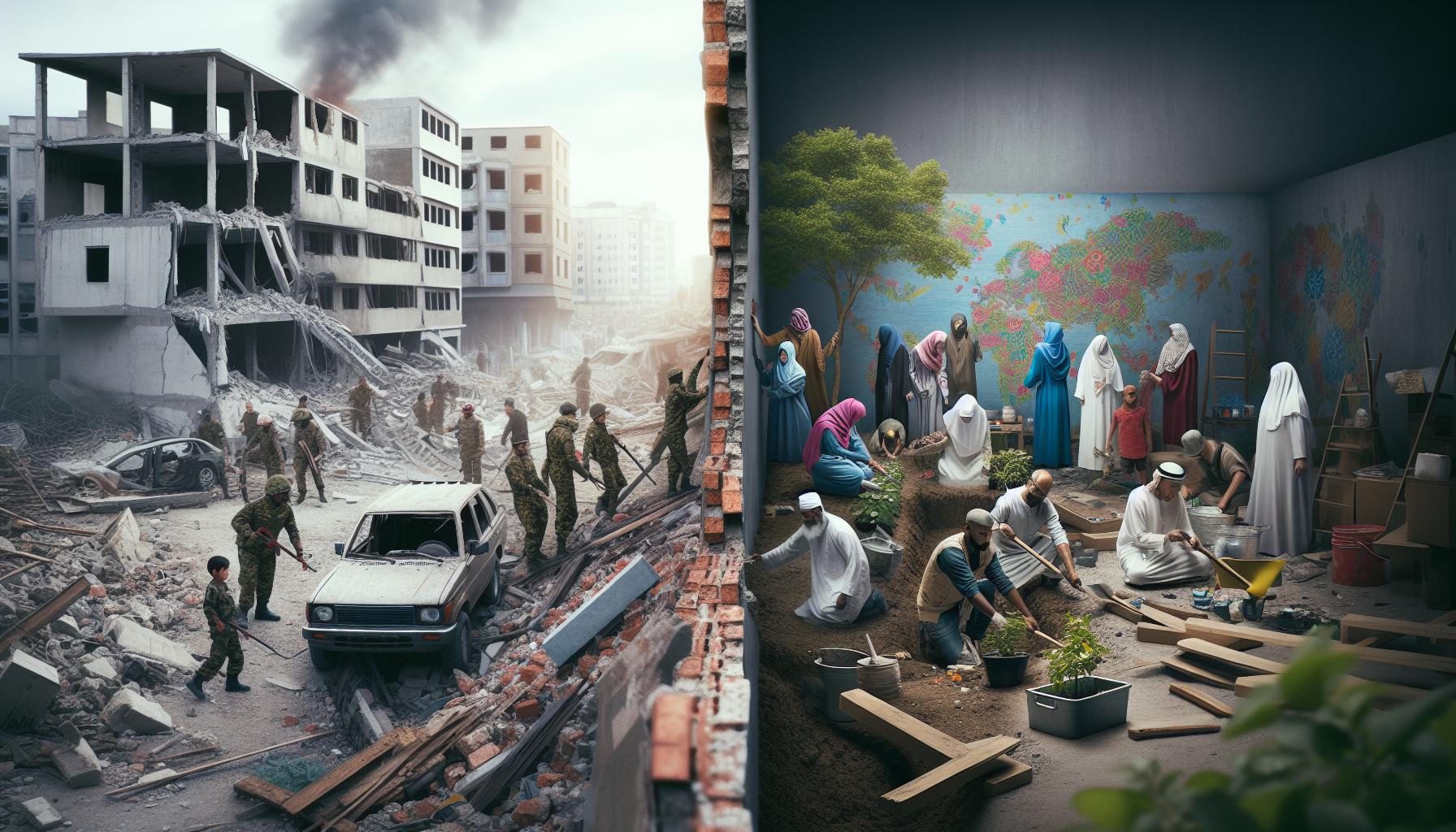
Character Analysis: Gene and Finny’s Complex Relationship
Gene and Finny’s relationship in A Separate Peace is a rich tapestry woven with admiration, jealousy, competition, and love, making it one of the most compelling friendships in literature. Their bond serves as a microcosm of the struggles faced during adolescence-where innocence is constantly challenged by complex emotions and external pressures, particularly in the context of impending war. Gene Forrester, the introspective and somewhat insecure protagonist, grapples with his identity in relation to Phineas, affectionately known as Finny, whose charisma and athletic prowess set him apart from his peers.
Gene’s deep admiration for Finny is intertwined with a palpable jealousy that ultimately complicates their friendship. This duality manifests itself throughout their time at Devon School. For example, while Gene aspires to be as carefree and athletic as Finny, he simultaneously harbors resentment for what he perceives as Finny’s effortless charm and success. This internal conflict drives Gene to question his self-worth, leading to moments of betrayal that irrevocably alter their relationship. The pivotal scene in which Gene jostles Finny from the tree-an act fueled by his own insecurities-serves as a tragic turning point. This moment shatters the peace of their friendship and symbolizes the loss of innocence, as it is not only an act of rivalry but also a representation of Gene’s struggle to reconcile his feelings of inadequacy.
In stark contrast, Finny epitomizes the ideal of friendship-loyal, charismatic, and unfailingly optimistic. His ability to connect with others and pursue life with a sense of joy and adventure highlights the innocence of childhood. Even after the tragic accident that cripples him, Finny remains a symbol of resilience and unwavering spirit. His eventual confrontation with Gene reveals the profound nature of their bond; Finny’s capacity for forgiveness underscores the theme of redemption that permeates the narrative. The friendship between Gene and Finny ultimately serves as a lens through which the novel explores broader themes of war, identity, and the complexity of human emotions.
This complex interplay of admiration, jealousy, and forgiveness in Gene and Finny’s relationship offers crucial insights into the nature of friendship during tumultuous times. Their interactions remind readers that friendships can be both nurturing and toxic, and that the journey toward understanding oneself often reveals the darker shadows of our connections with others. Ultimately, A Separate Peace challenges us to consider how our relationships shape our identity and how the trials of youth may serve as profound reflections on the broader human experience.
The Impact of Rivalry on Friendship
The tension of rivalry can subtly weave its way into the fabric of friendship, often altering its dynamics in profound ways. In A Separate Peace, the relationship between Gene and Finny illustrates how rivalry not only fosters personal growth but also serves as a catalyst for conflict and tragedy. While both characters are drawn together by a bond of friendship, they are equally propelled apart by Gene’s jealousy and insecurities, creating an environment ripe for rivalry.
This rivalry emerges from the contrasting personalities and abilities of Gene and Finny. Gene, who is introspective and academically inclined, struggles with feelings of inadequacy when compared to the charismatic and athletic Finny. Their friendship, initially characterized by admiration, becomes clouded by Gene’s internal conflict as he grapples with his desire to emulate Finny while also feeling threatened by his friend’s effortless charm and talent. This duality manifests in a critical moment when Gene’s jealousy culminates in the tragic act of jostling Finny from the tree. This moment marks a significant turning point in the narrative, illustrating how rivalry can lead not only to personal betrayal but also to irrevocable changes in the foundation of friendship.
The impact of this rivalry extends beyond mere conflict; it forces both characters to confront their identities and their feelings toward one another. Finny, despite the trauma he endures, represents an ideal of friendship that encompasses loyalty and acceptance. His ability to forgive Gene demonstrates a resilience that elevates their friendship even in the shadow of rivalry. In stark contrast, Gene’s journey is marked by self-loathing and guilt, spurred by his actions born from rivalry. This complex interplay of emotions showcases how rivalry can deepen the narrative of friendship, adding layers of conflict, introspection, and ultimately, a search for redemption.
Ultimately, the exploration of rivalry in A Separate Peace highlights that while competition can lead to betrayal and heartbreak, it also catalyzes personal growth and self-discovery. The friction caused by rivalry challenges both Gene and Finny to reassess their identities and their relationship, revealing that the dual nature of rivalry-capable of fostering both tension and growth-lies at the heart of their profound yet tragic friendship. Such dynamics serve as a reflection of broader themes within the adolescent experience, where the challenges of growing up are frequently intertwined with the complexities of human connection.
Exploring the Symbolism of the Tree
The tree in A Separate Peace serves as one of the most powerful symbols in John Knowles’ narrative, representing the complex interplay of friendship, innocence, and the harsh realities of life. For Gene and Finny, this tree is more than just a physical structure; it embodies key moments of their relationship and the pivotal events that irrevocably alter their lives. Its significance is deepened by the actions that take place around it-a site of both joy and betrayal, the tree encapsulates the dualities that define their friendship.
Initially, the tree represents adventure and the thrill of youth, a place where Gene and Finny bond through shared experiences. Their leap from the tree into the water serves as a rite of passage, symbolizing the innocence of adolescence and the courage that often accompanies it. The act is both liberating and exhilarating, highlighting the boys’ bond as they embrace the carefree spirit of youth. However, as the story unfolds, the tree transforms from a monument of innocent fun to a haunting reminder of betrayal and guilt. Gene’s act of jostling Finny from the branch becomes the tragic turning point in their relationship, marking the loss of innocence and the onset of serious consequences.
The juxtaposition of the tree as a symbol of freedom and as a harbinger of tragedy reflects the broader themes of conflict within the novel. As Gene grapples with his feelings of rivalry and jealousy, the tree stands as a silent witness to his internal struggle. It captures the essence of the boys’ transition from childhood into the complexities of adulthood, where mistakes can lead to irreversible changes. The tree’s solid, unyielding presence serves as a metaphor for the burdens of guilt and the weight of their decisions-the foundational aspects of all friendships that can shift dramatically under pressure.
In , one can see how it encapsulates the themes central to A Separate Peace. The contrast between its initial representation of camaraderie and subsequent embodiment of conflict underscores the fragile nature of friendships, especially during formative years. The tree not only marks the coming-of-age moments for the boys but also reflects the inevitable loss that accompanies the transition into adulthood. Ultimately, it serves as a poignant reminder that the journey through friendship is often fraught with challenges, transforming innocence into a painful awareness of the complexities of human relationships.
How the Setting Reflects the Internal Conflicts
In John Knowles’ A Separate Peace, the setting of Devon School is more than a mere backdrop; it serves as a metaphor for the internal conflicts faced by the characters, particularly Gene and Finny. The idyllic environment of the New England boarding school embodies a transitional space where the innocence of youth meets the harsh realities of impending adulthood and war. This juxtaposition creates a rich context for the boys’ emotional struggles and the deterioration of their friendship.
Devon is presented as a place of safety and comfort, where friendships form against the backdrop of lush green fields and beautiful architecture. Yet, this tranquility is overshadowed by the specter of World War II, looming outside the campus walls. The contrast between the boys’ sheltered lives and the brutal realities of the war leads to significant internal conflicts. Gene’s jealousy of Finny’s natural charisma and athletic success represents a personal battle that is magnified against the school’s serene setting. As Gene grapples with his feelings, the security of Devon becomes a prison, where the pressures of rivalry and self-doubt turn innocence into emotional turmoil.
Furthermore, specific locations within Devon, such as the tree by the river and the gym, reflect the changing dynamics of Gene and Finny’s friendship. The tree, initially a symbol of adventure and freedom, becomes a site of betrayal, capturing the moment where Gene’s envy manifests in a tragic action. The once-safe environment transforms into a place where innocence is irrevocably lost. In contrast, the gym symbolizes the competitive spirit of their friendship, where camaraderie can exist alongside rivalry. The internal conflicts experienced by the characters are mirrored in these spaces, emphasizing how their environment plays a crucial role in shaping their experiences and emotions.
Ultimately, the setting of Devon School is pivotal in illustrating the internal conflicts that drive the narrative of A Separate Peace. The juxtaposition of beauty and conflict highlights the fragility of peace in both friendship and the broader world, challenging the characters-and readers-to reflect on the complexities of innocence, guilt, and the impacts of external pressures on personal relationships. As the boys navigate their tumultuous emotional landscapes, the environment remains a haunting reminder of their transitions and the inevitable shifts brought about by war and rivalry.
The Role of Innocence and Loss in the Narrative
In John Knowles’ narrative, innocence is a precious yet fleeting state, intricately tied to the characters’ development and the larger thematic concerns of the novel. The portrayal of adolescence at Devon School serves as a vivid backdrop that illustrates the transition from childhood naivety to the harsh realities of adulthood and conflict. This transition is poignantly encapsulated in the relationship between Gene and Finny, whose bond is both strengthened and irrevocably altered by the events unfolding around them, particularly the specter of World War II.
As the boys navigate their friendship, their innocence is continually challenged by jealousy, betrayal, and guilt. Gene’s internal struggles reflect a broader loss that transcends personal relationships; they symbolize a coming-of-age process fraught with the pains of self-awareness. This loss is not just personal. It echoes the inevitable end of childhood and the imposition of societal expectations that war catalyzes. The moment Gene jostles Finny from the tree marks a critical turning point, one where playfulness transforms into irrevocable tragedy, symbolizing the shattering of innocence and the initiation of a tumultuous journey into guilt-laden maturity.
The narrative expertly weaves loss into its fabric, presenting it as an essential element of growth. Throughout the story, the boys grapple with the loss of not just their innocence but also their idealizations of friendship and loyalty. As the realities of the world outside Devon intrude upon their sheltered lives, the peaceful sanctuary of their school becomes a site of conflict, emphasizing how external forces can disrupt the fragile nature of camaraderie. Knowles invites readers to reflect on the depth of loss-not only of youth but also of the uncomplicated nature of human relationships when faced with jealousy, rivalry, and the looming presence of war.
Ultimately, the themes of innocence and loss serve as a powerful lens through which the complexities of friendship, morality, and the impact of external conflicts can be examined. Knowles’ exploration asks readers to grapple with the bittersweet understanding that such innocence cannot be preserved, especially in times of upheaval. The narrative challenges us to reflect on our own experiences of loss and the ways in which they shape our identities and relationships, ultimately suggesting that from this loss can emerge a deeper understanding of peace and conflict in both personal lives and the broader world.
Literary Techniques: Foreshadowing and Irony
In John Knowles’ A Separate Peace, literary techniques such as foreshadowing and irony deepen the narrative’s exploration of friendship against the backdrop of war. Foreshadowing subtly hints at future events, allowing readers to engage with the text on a more analytical level. For instance, the recurring motif of the tree where Gene and Finny spend their summer days sets the stage for the pivotal incident that irrevocably alters their relationship. Early on, the tree is presented as a symbol of innocence and freedom, yet its looming presence foreshadows the tragic events that unfold when Gene’s actions lead to Finny’s fall. This moment is not only a physical fall but also signifies the fall from innocence, suggesting that the peace of their childhood is ultimately unsustainable in the face of conflict and jealousy.
Irony plays a crucial role in accentuating the themes of conflict and betrayal within the friendships portrayed in the novel. The most striking irony lies in the boys’ attempts to create a separate peace from the external chaos of World War II. While Devon School represents a refuge, the reality is that the boys cannot fully detach themselves from the war’s implications. For example, Gene’s envy of Finny, rooted in friendship, leads him to commit an act of betrayal that destroys their bond. The irony is stark: the very emotions that should strengthen friendship instead catalyze its demise. As war looms over their lives, it intensifies the rivalry and insecurity between them, suggesting that even within their isolated world, the turmoil of the external environment seeps into their relationships.
This interplay of foreshadowing and irony invites readers to reflect on the fragility of youth and the inherent challenges of friendship. As events unfold, the narrative compels readers to consider how innocence is often shattered by internal and external conflicts. Through these literary techniques, Knowles effectively underscores the tension between the desire for peace and the inevitability of conflict, drawing a poignant parallel to the realities of war, ultimately challenging the characters – and readers alike – to confront the complexities of their own relationships in the face of rivalry and loss.
The Historical Context of World War II
The tumultuous backdrop of World War II profoundly influences the narrative canvas of Knowles’ A Separate Peace, shaping the characters and their relationships as they navigate both the innocence of youth and the encroaching reality of war. The period leading up to and during World War II was marked by a significant cultural shift, especially in America, where the looming threat of conscription and the moral complexities of warfare affected young men profoundly. This context creates a striking contrast between the idyllic setting of Devon School and the harsh realities of the world outside its walls.
In the novel, the war serves not only as a backdrop but as a catalyst for character development and thematic exploration. As Gene and Finny attempt to insulate themselves from the world, their experiences reflect the uncertainty and anxiety prevalent during this era. Internally, they grapple with their aspirations and fears regarding their futures, heightened by the impending conscription into military service, which becomes a symbolic representation of lost youth and innocence. The boys’ efforts to create a “separate peace” lead to tensions that mirror the external conflicts of the world, underscoring the inescapability of their circumstances.
Furthermore, the realities of World War II manifest in the intense rivalry and competition between the boys, particularly between Gene and Finny. Their relationship is emblematic of a larger struggle-a microcosmic reflection of the global conflict. The atmosphere of competition and jealousy suggests that even in their isolated environment, the pressures and fears of the war can seep into personal relationships, highlighting the fragile nature of peace amid chaos.
By weaving historical context into the fabric of the narrative, Knowles effectively illustrates how external circumstances can impact internal relationships. The novel encourages readers to consider the broader implications of their actions and the choices they make, especially in times of conflict. Just as the characters grapple with their identities and relationships against the backdrop of World War II, so too must we confront the historical and social influences that shape human connections today. Through this poignant exploration, A Separate Peace gives voice to the universal themes of friendship and betrayal, reflective of a time when youth was lost to the darkness of global strife.
Comparative Analysis: Friendship in Literature
In literature, friendship often serves as a powerful lens through which authors explore broader themes of loyalty, betrayal, and the impact of external forces, such as war. Knowles’ A Separate Peace masterfully illustrates how friendship can be both a sanctuary and a battlefield, reflecting the complex dynamics that arise when personal relationships are tested by the pressures of the outside world. This theme resonates with many literary works that examine friendship under duress, providing a rich terrain for comparative analysis.
When exploring friendships in literature, examining characters’ motivations and conflicts is essential. In A Separate Peace, the friendship between Gene and Finny is marked by admiration, rivalry, and ultimately tragedy, showcasing how ambition and insecurity can warp relationships in the face of competition. This contrasts sharply with friendships depicted in works like Of Mice and Men by John Steinbeck, where the bond between George and Lennie is founded on mutual dependence and shared dreams of a better future, yet also marred by the harsh realities that threaten to tear them apart. Both novels highlight the fragility of friendship in contexts where external challenges-whether war or societal expectations-loom large.
Another illustrative comparison can be made with J.D. Salinger’s The Catcher in the Rye, where Holden Caulfield’s alienation reflects a deep distrust in interpersonal relationships, stemming from his experiences of loss and disillusionment. In contrast, while Gene hides his feelings of inferiority behind layers of rivalry, A Separate Peace ultimately portrays how these insecurities emerge as tragic consequences rather than simple adolescent angst. Readers can analyze how the evolution of these characters’ relationships mirrors the impact of their environments on the depth and sustainability of friendships.
Beyond thematic similarities, structural approaches to the depiction of friendship also vary. In A Separate Peace, Knowles employs symbolism-such as the tree and its tragic fall-to encapsulate the innocence and subsequent loss within friendship. This symbolic approach aligns well with the narrative techniques in other literary works where physical objects or settings reflect the emotional landscape of the characters. For instance, in The Great Gatsby, F. Scott Fitzgerald uses the green light as a symbol of unattainable dreams, paralleling how both authors weave setting into the fabric of relationships.
These literary explorations encourage readers to ponder the dimensions of friendship in the face of conflict. They reflect on how the historical and social contexts can infiltrate personal bonds, whether through the looming specter of war in A Separate Peace or the stark realities of the American Dream in Gatsby’s world. Such comparative analyses not only deepen the understanding of friendship in literature but also illustrate the timeless struggle to articulate human connections amidst chaos.
Lessons Learned: Reflections on Peace and Conflict
In the midst of adolescent turmoil, A Separate Peace captures profound truths about the nature of conflict and the search for peace within oneself and within relationships. The novel serves as a cautionary tale about the consequences of envy and the destructive power of rivalry. As readers navigate through the complex relationship between Gene and Finny, they are prompted to reflect on how personal conflicts can escalate in the shadow of external pressures, such as the looming threat of war.
One of the critical lessons learned from this narrative is the importance of self-awareness in relationships. Gene’s internal struggle with his feelings of inadequacy leads to tragic moments that could have been avoided through honest communication and introspection. Recognizing one’s insecurities can foster healthier connections and mitigate the risk of betrayal. To apply this lesson in real life, individuals can practice open dialogue with friends and loved ones, addressing feelings of jealousy or inadequacy before they manifest into deeper conflicts.
Moreover, the story underscores the transient nature of peace and the inevitability of conflict in relationships. Just as World War II serves as a backdrop for the boys’ coming-of-age journey, personal wars-fueled by ambition, fear, and misunderstanding-shape their friendships. To cultivate lasting peace, it is essential to acknowledge that conflicts are a natural part of relationships. Engaging in active listening and empathy can pave the way for resolution, enabling friends to navigate differences constructively.
Ultimately, the novel encourages a reflection on the dialectic between innocence and experience. The dramatic events that unfold serve as a harsh awakening to the realities of adult life and the complexity of human relationships. Readers are left with the profound understanding that while war may force individuals into a crucible of growth, the most significant battles often occur within the confines of the heart and mind. Embracing this complexity allows individuals to learn from their experiences, fostering a path toward reconciliation and understanding, both within themselves and with those they care about.
Reading Guide: Key Questions and Themes to Ponder
In exploring the complex relationships and tumultuous events in *A Separate Peace*, readers are invited to ponder various questions and themes that resonate deeply within the narrative. The friendship between Gene and Finny serves as both a mirror and a lens through which themes of rivalry, innocence, and the impact of war can be examined. By delving into key questions, you can enrich your understanding of how these elements interact and shape the characters’ experiences.
Key Questions to Consider
- What impact does World War II have on the boys’ lives and their relationships?
The looming presence of the war catalyzes significant changes among characters. Consider how the war alters their perspective on life, friendship, and the fragility of peace. - How do jealousy and betrayal manifest in Gene’s relationship with Finny?
Analyze the ways Gene’s insecurities lead to pivotal moments of betrayal. Reflect on how these feelings complicate their friendship and ultimately drive the narrative forward. - What role does the tree symbolize in Gene and Finny’s journey?
The tree stands as a powerful symbol of both challenge and transformation. Explore how this motif reflects their internal struggles and the transition from innocence to experience. - In what ways does the setting of Devon School contribute to the characters’ internal conflicts?
Consider how the idyllic setting contrasts with the boys’ internal turmoil. How does the environment shape their experiences and relationships? - What lessons about friendship can be drawn from Gene and Finny’s experiences?
Reflect on the dynamics of their friendship throughout the narrative. What can readers learn about trust, vulnerability, and forgiveness? - How does the theme of innocence versus experience play out through the characters’ arcs?
Examine how the events of the story force the characters to confront harsh realities, challenging their perceptions of childhood innocence.
Themes to Reflect On
While engaging with these questions, consider the broader themes that *A Separate Peace* encapsulates, such as:
- Friendship and Rivalry: How do these seemingly opposing forces coexist within the novel? Explore how rivalry complicates brotherly bonds and impacts personal growth.
- The Impact of War: Beyond the physical conflict of WWII, how does war affect psychological landscapes? Ponder how external conflicts influence inner turmoil.
- Loss of Innocence: Reflect on moments where characters transition from naivety to an understanding of the harsh realities of life. How does this loss inform their actions and relationships?
- Self-Discovery and Identity: Consider how the characters’ experiences lead to a deeper understanding of themselves. What role do relationships play in shaping their identities?
Engaging with these questions and themes invites readers to think critically about the intricate layers of *A Separate Peace*. This reflective approach not only enhances comprehension but also encourages a personal connection to the story’s profound insights on friendship and the inevitability of conflict.
Q&A
Q: What is the main theme of friendship in “A Separate Peace”?
A: The main theme of friendship in A Separate Peace revolves around the complexities and fragilities that define relationships during adolescence. It explores how jealousy and rivalry can undermine friendships, particularly through the relationship between Gene and Finny. For in-depth insights, refer to The Themes of Friendship in A Separate Peace section of the article.
Q: How does World War II influence the characters in “A Separate Peace”?
A: World War II serves as a significant backdrop that shapes the characters’ experiences and perspectives. It amplifies the internal conflicts faced by the boys, particularly with their desires for peace against the harsh realities of war. You can explore this further in the article’s The Historical Context of World War II section.
Q: What role do innocence and loss play in the narrative of “A Separate Peace”?
A: Innocence and loss are pivotal in A Separate Peace, symbolizing the transition from childhood to adulthood. The characters experience profound losses that challenge their perceptions of friendship and self-identity. Details are elaborated in the article’s The Role of Innocence and Loss in the Narrative section.
Q: How does the setting of Devon School reflect the characters’ internal conflicts?
A: The Devon School setting is a microcosm of the external world and the internal struggles faced by the characters. Its idyllic environment clashes with the looming presence of war, mirroring their internal chaos and conflicts. Further analysis can be found in How the Setting Reflects the Internal Conflicts in the article.
Q: What literary techniques are used in “A Separate Peace” to convey its themes?
A: Literary techniques such as foreshadowing and irony are employed to deepen the narrative. For instance, the tree symbolizes both friendship and betrayal, enhancing the thematic complexity. Explore these techniques in greater detail in the Literary Techniques: Foreshadowing and Irony section of the article.
Q: What lessons about peace and conflict can be learned from “A Separate Peace”?
A: A Separate Peace offers profound lessons about the impact of war on personal relationships and the necessity of understanding and forgiveness. The story encourages reflection on how conflicts can shape one’s character. For a thorough discussion, see the article’s Lessons Learned: Reflections on Peace and Conflict section.
Q: How does rivalry affect the friendships in “A Separate Peace”?
A: Rivalry, particularly between Gene and Finny, serves as a destructive force that complicates their friendship. It highlights the tensions between aspiration and betrayal, ultimately affecting their bond and personal growth. More insights can be found in the section on The Impact of Rivalry on Friendship in the article.
Q: In what ways does symbolism enhance the understanding of themes in “A Separate Peace”?
A: Symbolism profoundly enhances the themes in A Separate Peace, particularly the tree as a symbol of both growth and trauma. This duality allows readers to grasp the intertwined nature of friendship and conflict. To delve deeper into symbolism, consult the Exploring the Symbolism of the Tree section of the article.
In Conclusion
As we reflect on the intricate themes of friendship and war in “A Separate Peace,” it’s clear that this narrative challenges us to consider the complexities of our relationships and the impact of conflict. The journey through Gene and Phineas’s friendship serves as a poignant reminder of the values we must uphold in times of turmoil. If you found this analysis beneficial, don’t miss our detailed examination of character development in “A Separate Peace” and how it mirrors personal growth during challenging times.
Explore deeper insights by checking out our other articles on literary themes in classic novels and character analysis techniques. Ready to elevate your understanding even further? Sign up for our newsletter for exclusive content and resources that can enhance your literary analysis skills.
Take a moment to leave a comment below; what resonated most with you about the friendship dynamics depicted in the novel? Your thoughts not only foster community engagement but also help us tailor future content to your interests. Stay curious, and let the exploration of literature continue!
Get our latest guides, news, and insights highlighted in your Google Search & AI Overviews.