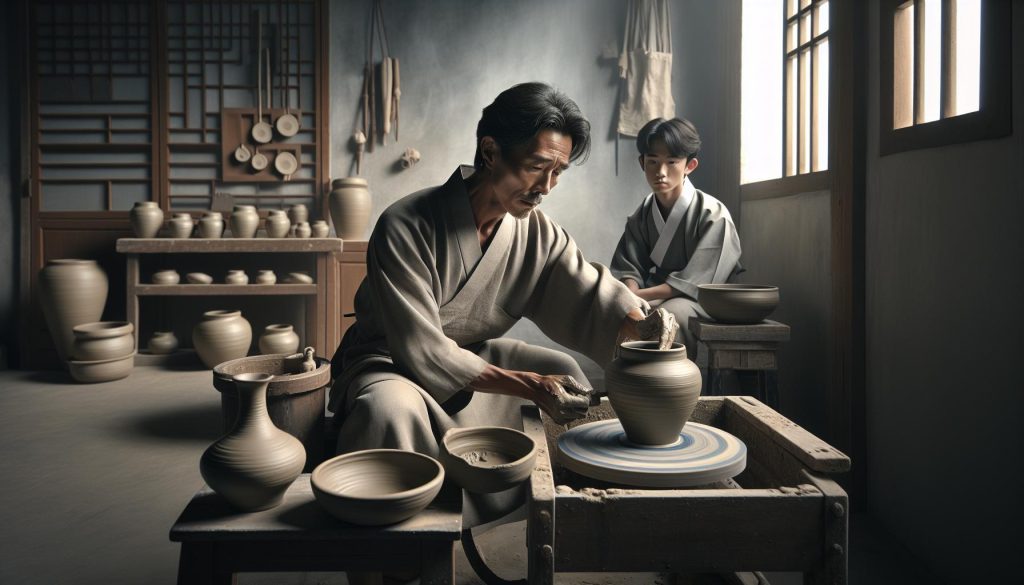
Did you know that Korean pottery has an ancient history that reflects both artistry and cultural identity? In “A Single Shard,” readers are invited to explore this rich tradition through the eyes of a young boy named Tree-ear, who aspires to become a master potter. This novel is not just a coming-of-age story; it intricately weaves themes of perseverance, the importance of craftsmanship, and the pursuit of one’s dreams. As we delve into Tree-ear’s journey, we discover how pottery serves as a metaphor for resilience and personal growth, resonating with anyone striving to overcome challenges in their own life. Join us as we uncover how this touching story enriches our understanding of Korean culture and the profound lessons about artistry and determination that are still relevant today. Your journey through “A Single Shard” promises to be as enlightening as it is inspiring, inviting you to reflect on your own aspirations and the beauty of creating something meaningful.
Understanding the Historical Context of Korean Pottery
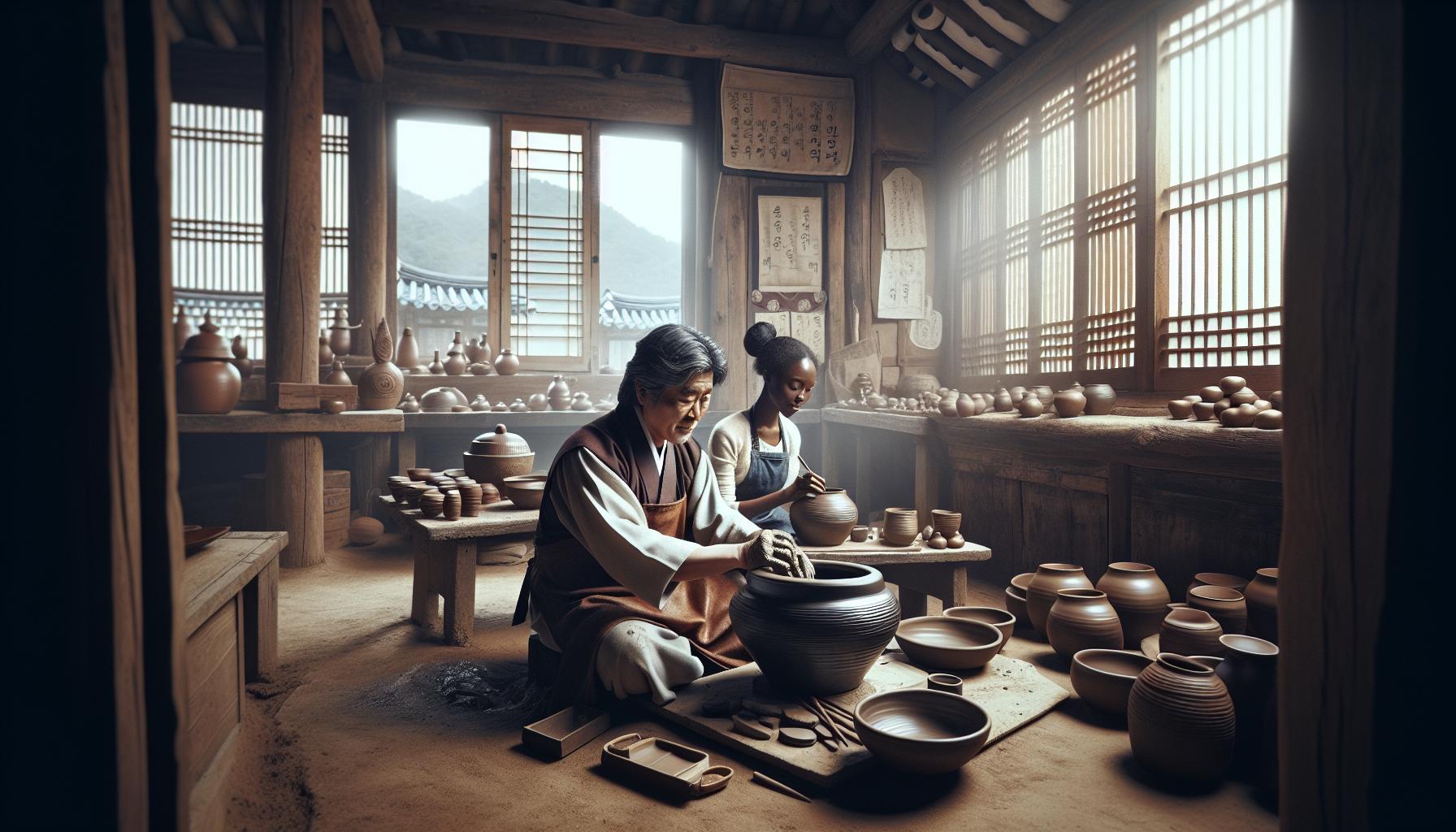
The practice of pottery in Korea is not just an art form; it embodies the profound historical narrative of the nation, reflecting its cultural evolution across centuries. Originating around 8000 BC, Korean pottery developed initially from earthenware characterized by simple forms and utilitarian designs. The sophistication of this craft flourished during the Three Kingdoms period (57 BC – 668 AD), when techniques such as heavy-bodied celadon were introduced, marking a significant advancement in both aesthetics and function. This historical richness sets a compelling backdrop for understanding the intricate interplay between pottery and identity, particularly as portrayed in Linda Sue Park’s A Single Shard.
As one immerses in the chapters of A Single Shard, we see the protagonist, Tree-ear, navigating a world where pottery isn’t merely a craft but a vessel of hope and identity. The importance of ceramic art in Korean society is deeply interwoven with concepts of mastery, tradition, and family lineage. The delicate relationship between potters and their creations highlights how pottery acts as a bridge between past and present, mirroring the ongoing struggle for self-expression in a rapidly changing society. This theme of continuity resonates with the historical evolution of Korean ceramics, which have adapted to various influences while remaining rooted in cultural significance.
The legacy of notable potters, such as those from the Goryeo dynasty renowned for their exquisite celadon ware, illustrates how individual artisans can shape the landscape of an entire craft. Throughout A Single Shard, these historical figures inspire Tree-ear and his aspirations, encapsulating the broader narrative of perseverance and the pursuit of excellence. Being a potter in Korea meant belonging to a long-standing tradition where each piece created was imbued with the maker’s story and the rich heritage of their people. This connection emphasizes that understanding Korean pottery is not merely about the objects themselves but also about the lives, dreams, and histories they represent.
The historical context of Korean pottery thus becomes a powerful thematic element in A Single Shard, enriching the reader’s appreciation of the art form and its significance within Korean culture. As we explore the pages of this novel, we are invited to contemplate not only the beauty of the pottery but also the enduring spirit of the potters-individuals who are custodians of a timeless craft that continues to resonate across generations.
Thematic Analysis of “A Single Shard
In Linda Sue Park’s captivating work, the protagonist Tree-ear navigates a world where pottery transcends mere craftsmanship; it becomes a symbol of hope, identity, and cultural heritage. The thematic landscape of “A Single Shard” intricately weaves the elements of Korean pottery with the personal journey of its characters, highlighting not only the physicality of the art form but also the profound emotional and spiritual connections it fosters. Through Tree-ear’s endeavors, readers are invited to explore how the art of pottery encapsulates the essence of traditional Korean values, such as perseverance, community, and respect for craftsmanship.
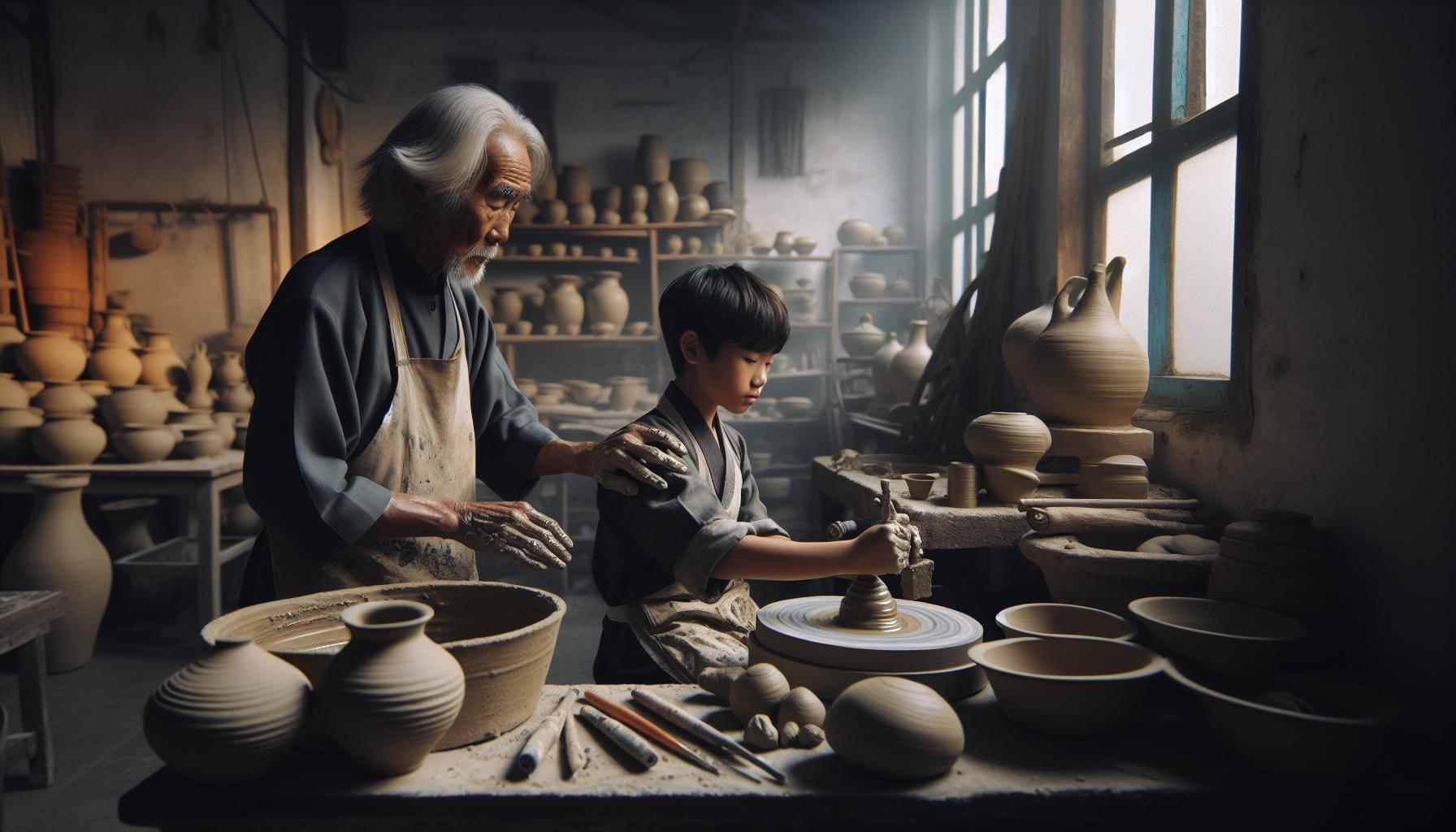
The author brilliantly juxtaposes Tree-ear’s humble beginnings and aspirations with the rich historical context of Korean ceramics, reflecting a lineage of artistic mastery. As he learns under the tutelage of the skilled potter Min, Tree-ear’s journey mirrors the broader narrative of Korean artisans who have faced adversity while pursuing excellence in their craft. This mentor-student relationship embodies the essential theme of mastery that pervades the narrative, emphasizing how knowledge and technique are passed down through generations, thus cementing the potter’s role as both an artist and a custodian of cultural legacy.
Moreover, “A Single Shard” integrates the significance of pottery beyond its utilitarian purpose, presenting it as an embodiment of Korean identity. The novel illustrates how the creation of pottery is tied to community values and individual narratives, as each piece serves not only as a functional item but also as a tangible connection to the past and an expression of dreams for the future. The motifs and symbols expressed through the works, especially the revered celadon, represent not only aesthetic beauty but also the enduring spirit of resilience and hope within the Korean culture.
In this thoughtful exploration of themes, readers are challenged to reflect on the broader implications of Tree-ear’s story, recognizing that the struggles and triumphs of a single potter mirror the collective history of a nation. “A Single Shard” encourages an appreciation for the rich traditions of Korean pottery, urging the audience to understand that each shard carries a story, a lifetime of dedication, and a testament to the ongoing journey of artists both past and present.
Character Development and Their Connection to Pottery
Tree-ear’s journey in “A Single Shard” is rich with the transformation that unfolds when personal aspiration intersects with the art of pottery. Through his development from a destitute orphan to an aspiring potter, the protagonist embodies the resilience and dedication that are hallmarks of Korean artisanship. The evolution of his character is intricately linked to the craft of pottery, demonstrating how creative expression serves as both a medium for personal growth and a vessel for cultural identity.
As Tree-ear apprenticed under the master potter Min, he learns not only the techniques of pottery-making but also the deeper values associated with the craft. This relationship fosters significant character development, emphasizing the importance of mentorship. Min becomes a pivotal figure in Tree-ear’s life, instilling in him the virtues of patience and perseverance necessary to achieve artistic mastery. The challenges Tree-ear faces-be it mastering the wheel or gathering materials-mirror the rigorous demands placed upon traditional potters throughout history. His struggles reflect a universal narrative of growth through adversity, inviting readers to appreciate the inherent beauty of the crafting process.
Moreover, Tree-ear’s connection to pottery serves as a means of belonging and self-discovery. Each piece he creates is a testament to his evolving identity, echoing the sentiments of hope and purpose. The craft provides him not only with a livelihood but also with a sense of community, as he forges relationships with peers and mentors in the kiln town. His passion for pottery fosters a deep respect for cultural heritage, illustrating how individual narratives can intertwine with broader historical contexts.
Through this character development, Linda Sue Park effectively illustrates that pottery is more than a skill; it is intertwined with themes of cultural legacy and personal identity. As Tree-ear’s abilities flourish, so does his understanding of the art form’s significance, reinforcing the notion that every shard and piece encapsulates a story of resilience, heritage, and dreams for the future. In this way, the transformation in Tree-ear’s character echoes the enduring spirit of Korean pottery, inviting readers to reflect on their own journeys of growth and identity through their aspirations and artistic endeavors.
The Significance of Pottery in Korean Culture
Pottery in Korea is not merely an art form but a significant cultural practice that has evolved through centuries, reflecting the nation’s historical narratives, societal values, and artistic aspirations. From utilitarian objects to exquisite works of art, Korean pottery encapsulates the essence of everyday life and spiritual expression. The rich traditions surrounding pottery making are deeply interwoven with the Korean identity, often serving as a bridge connecting past generations with contemporary practices.
One of the most critical aspects of pottery in Korean culture is its role as a medium of expression that reflects the aesthetic values and philosophies of different eras. Historical periods, such as the Goryeo Dynasty, are renowned for their celadon pottery, which not only showcases technical mastery but also incorporates intricate designs and symbolic meanings. The use of glazes and meticulous decoration in Goryeo celadon signifies the cultural importance of harmony and beauty within nature, themes that continue to resonate in modern Korean artistic practices. Pottery thus becomes a canvas for narrating stories, capturing emotions, and conveying the subtleties of Korean life.
The Cultural Legacy of Pottery
Korean pottery also plays a pivotal role in social customs and rituals, being integral to ceremonies, feasts, and daily practices. For instance, traditional tea ceremonies emphasize the aesthetic appeal of the pottery used, highlighting the importance of craftsmanship in fostering appreciation for beauty in daily life. Moreover, pottery is often featured in religious and cultural festivals, where handcrafted vessels become offerings that embody respect and devotion. This connection between functionality and artistry demonstrates how pottery transcends its physical form to become a vehicle of cultural values and communal identity.
Mastery and Mentorship
The significance of pottery extends into the relationships forged between master potters and their apprentices. In “A Single Shard,” the relationship between Tree-ear and Master Min embodies the age-old tradition of mentorship that is essential in the pottery craft. This dynamic not only ensures the transmission of skills and knowledge but also fosters a respect for tradition and hard work. As artisans overcome challenges together, they cultivate a shared respect for the craft that further strengthens their communal ties and cultural heritage.
Ultimately, pottery in Korean culture is a multifaceted art form that represents more than artistic expression; it is a living testament to the country’s collective history, philosophy, and resilience. By understanding the intricate relationships woven into the practices of pottery making, one gains insight into the values that shape Korean identity, as well as the emotional and spiritual connections that individuals foster through their craft. Each piece of pottery tells a story, inviting both artisans and admirers to engage with the cultural legacy that continues to inspire future generations.
The Role of the Mentor: A Look at Master Potters
In the world of Korean pottery, mentorship plays a vital role in preserving and transmitting the intricate skills and cultural knowledge that define this ancient craft. The relationship between master potters and their apprentices is one steeped in tradition, respect, and mutual growth. This dynamic is poignantly illustrated in the novel “A Single Shard,” where Tree-ear’s journey under the guidance of Master Min highlights how mentorship shapes not only the technical prowess of an artisan but also their personal and cultural identity. Master potters serve as custodians of a rich heritage, imparting not just skills but also philosophies that resonate deeply within the fabric of Korean culture.
The mentor-mentee relationship within pottery transcends mere instruction; it nurtures an environment where apprentices can explore their creativity while grounding themselves in tradition. Master Min embodies the ideal mentor, pushing Tree-ear to overcome challenges while teaching him the values of patience, perseverance, and artistry. This apprenticeship is a rite of passage, where the exchange of knowledge is often as nuanced as the glazes on the pottery itself. Through hands-on experiences, apprentices learn about the delicate balance of clay, the precision required for shaping, and the significance of each crafted piece within Korean cultural narratives.
In practical terms, aspiring potters should seek mentors who not only possess technical skills but also embody the cultural ethos of the craft. A great mentor encourages exploration and experimentation while grounding their apprentice in the history and tradition of pottery. Look for opportunities such as workshops, community classes, or even online courses that can connect you with experienced artisans willing to share their knowledge.
Moreover, it’s essential for mentors to foster a safe and encouraging space for their apprentices to express themselves creatively. Through shared experiences, stories about techniques, failures, and successes are woven into the mentoring relationship, enriching both the mentor’s and mentee’s understanding of their craft. This relational aspect ensures that the legacy of Korean pottery is not just preserved but continually transformed through new interpretations, inspiring a new generation of potters to make their mark.
Ultimately, the mentorship found in the world of Korean pottery, as depicted in “A Single Shard,” is a profound testament to the enduring nature of craftsmanship. Each lesson learned under the watchful eye of a master lends itself to a more intricate understanding of not only the art of pottery but also the values and stories it represents-an invaluable connection that shapes identities across generations.
Symbols and Motifs in Korean Pottery
Korean pottery is a tapestry woven with symbols and motifs that reflect the cultural heritage and artistry of its creators. Each piece tells a story, encapsulating societal values, natural elements, and philosophical concepts that have been passed down through generations. The intricate designs and forms not only serve aesthetic purposes but also embody the historical context and aspirations of the communities they originate from. In the journey of Tree-ear in “A Single Shard,” these artistic expressions resonate profoundly, illustrating the relationship between the potter and the culture intertwined with their craft.
One prominent symbol in Korean pottery is the use of nature-inspired motifs. The depiction of flowers, birds, and waves reflects a deep admiration for the natural world, which is a common theme throughout Korean art. Artists often incorporate natural elements to symbolize harmony and balance in life. For instance, the chrysanthemum represents fidelity and optimism in Korean culture, while the crane is associated with longevity and good fortune. Such symbols elevate the narrative of the pottery beyond mere functional objects, making them conduits of cultural values and aspirations.
Furthermore, the techniques used in creating these motifs are steeped in traditional practices. Craftsmen often utilize hand-painting techniques and exquisite inlay work to breathe life into their creations, resulting in a visual dialogue that engages viewers. For example, the application of celadon glazes, characterized by their jade-like quality, is not just a testament to technical mastery but also enhances the visual storytelling of the piece. As Tree-ear learns under Master Min’s guidance, understanding these elements is crucial for any aspiring potter. The symbols and motifs are not only decorative but encapsulate philosophical messages that resonate with the potter’s identity and experiences.
It is essential for contemporary potters to study these historical motifs even as they innovate new designs. By understanding the symbolism and craftsmanship of traditional pieces, modern artisans can create works that honor the past while expressing their unique perspectives. This blend of tradition and innovation not only revives ancient techniques but also ensures that the art form remains relevant in today’s evolving artistic landscape. As seen through Tree-ear’s journey, the quest for mastery in pottery is also a quest for understanding oneself and one’s culture, making the exploration of symbols and motifs an integral part of their artistic evolution.
Comparative Study: Traditional vs. Contemporary Pottery
Korean pottery has a rich history that spans centuries, characterized by its intricate designs and diverse techniques. However, the evolution from traditional to contemporary pottery reflects significant changes in both aesthetic preferences and cultural values. Traditional pottery, rooted in historical practices, emphasizes functionality and craftsmanship, while contemporary pottery often explores innovation and personal expression. This shift is particularly evident in the contrasting approaches to form, function, and artistry.
In traditional Korean pottery, such as Goryeo celadon, artisans honed their skills to produce pieces that served both practical and ceremonial purposes. These works were often adorned with nature-inspired motifs that conveyed deep meanings, reflecting the harmony between the maker and nature. Techniques like inlay and the application of celadon glazes showcased a mastery of materials and an adherence to culturally significant themes. For example, the use of the moon jar and Buncheong sagi illustrates a dedication to creating pieces that honor the past while still being relevant in daily life.
Contemporary pottery, on the other hand, often transcends functional boundaries. Modern artisans take inspiration from traditional forms but infuse their work with innovative techniques and personal narratives. The influence of global art movements encourages experimentation, leading to unique interpretations of form and design. Artists such as Yoon Kwang-cho and Lee Kang-hyo blend traditional elements with modern aesthetics, creating works that resonate with a global audience while still paying homage to their cultural origins. This shift not only reflects a broader range of expressions but also fosters a conversation between the past and the present.
This interplay between tradition and contemporaneity enriches the practice of pottery in Korea today. Contemporary potters frequently engage with the meanings and techniques of their predecessors, translating age-old practices into modern contexts. For aspiring potters, understanding this historical lineage is crucial; it provides a foundation that encourages creative exploration while instilling respect for the craft’s legacy. As demonstrated in “A Single Shard,” the journey of learning and mastery becomes intertwined with the exploration of identity and cultural heritage, underscoring the importance of both tradition and innovation in the world of pottery.
Crafting Techniques Highlighted in the Novel
In “A Single Shard,” Linda Sue Park intricately weaves the art of Korean pottery into the narrative, showcasing various traditional crafting techniques that are both culturally significant and visually stunning. The protagonist, Tree-ear, finds himself not just as a mere observer but as an active participant in the centuries-old practices of his mentor, the master potter Min. Through Tree-ear’s journey, we discover the meticulous methods employed by skilled artisans to create exquisite celadon pottery, which is celebrated for its beauty and symbolic depth.
Traditional Techniques in Pottery Making
Korean pottery, particularly during the Goryeo Dynasty, is renowned for its distinctive celadon glaze. In the novel, techniques such as throwing on the potter’s wheel, which involves shaping clay through a rotational motion, are highlighted. This method demands precision and control, allowing artisans to achieve the symmetrical forms typical of celadon ware. Tree-ear learns to appreciate the intricacies of this technique as he witnesses the transformation of raw clay into art. Moreover, the novel emphasizes the importance of *inlay* techniques, where contrasting clay is pressed into the surface of the piece before glazing, creating intricate designs that often reflect themes from nature.
To further illustrate the wide-ranging skills involved, Tree-ear also observes the process of glazing. The application of celadon glazes is an art form in itself, requiring an understanding of chemistry and temperature control, as the final color and surface finish can change drastically depending on these variables. The cooking process, or firing, is crucial; Tree-ear learns that achieving a perfect glaze requires not only the right materials but also a kiln that can reach high temperatures without damaging the delicate pieces.
The Role of Creativity and Innovation
As Tree-ear becomes more proficient, the narrative sheds light on the balance between tradition and personal expression in pottery making. Min’s innovative spirit inspires Tree-ear to experiment within the confines of established techniques. This reflects a vital teaching: while the mastery of traditional methods is essential, creativity can breathe new life into long-standing practices. This theme encourages readers to appreciate the evolution of craftsmanship, showing that even revered techniques can adapt to incorporate new ideas and personal flair.
In summary, the crafting techniques highlighted in “A Single Shard” not only serve as a backdrop for Tree-ear’s coming-of-age story but also offer readers insight into the profound skills and cultural significance embedded in Korean pottery. By immersing ourselves in these artistic processes, we gain a deeper appreciation for the legacy of artisans and their ability to connect with the world through their crafts.
Impact of Korean Pottery on Modern Artisanship
The legacy of Korean pottery profoundly influences modern artisanship, providing a rich foundation for contemporary ceramic artists around the world. As the narrative of “A Single Shard” unfolds, it emphasizes not only the history and techniques of traditional Korean pottery but also sets the stage for ongoing creative exploration. The meticulous practices established during eras such as the Goryeo Dynasty harness both craftsmanship and cultural identity, enabling today’s artisans to draw inspiration from the past while innovating for the future.
In modern ceramics, many artisans pay homage to traditional methods such as *throwing* and *inlay*, which are illustrated in Tree-ear’s journey. These techniques-vital for producing celadon pottery-are now often combined with new materials and technologies, allowing artists to push boundaries. For example, the resurgence of interest in celadon glazes has led to a renewed focus on the importance of firing techniques that control color and texture, making it essential for contemporary potters to master both the historical methods and modern advancements in kiln design.
Key Influence of Historical Techniques
- Technique Preservation: Modern potters often study traditional techniques, embedding them within their artworks, thus preserving cultural heritage.
- Material Exploration: Many artists experiment with new glazes and clays while using age-old methods, resulting in unique blends of old and new styles.
- Cross-Cultural Dialogue: Contemporary Korean ceramicists frequently participate in global exhibitions, sharing techniques and ideas that fuse different cultural influences.
The connection between past and present is especially evident in how modern artisans are embracing storytelling through their work. Much like Tree-ear’s experience of growth and discovery, today’s ceramicists convey personal narratives through motifs and symbols inspired by traditional themes. These artists are increasingly aware of the socio-political implications tied to the materials and practices they adopt, fostering a deeper connection between their work and their cultural identities.
Given its substantial influence, the world of Korean pottery remains a vital source of inspiration for artisans worldwide. Artists seeking to deepen their understanding of ceramic practices can benefit from exploring this rich history-whether through hands-on workshops, scholarly research, or engaging with living masters within the field. This blending of inspiration, technique, and narrative underscores the continuing relevance of traditional pottery in shaping the future landscape of modern artisanship.
Lessons on Perseverance and Mastery in Craft
In the narrative of “A Single Shard,” the journey of Tree-ear serves as a potent reminder of the vital lessons of perseverance and mastery in the craft of pottery. As he navigates the trials of becoming a potter in 12th-century Korea, readers witness firsthand the dedication required to master the intricate techniques of this ancient art. Tree-ear’s relentless pursuit of knowledge, despite numerous setbacks and challenges, embodies the essence of artistic growth-a theme that resonates deeply with anyone seeking to excel in any field.
The process of mastering pottery is not merely about technical skills; it also involves a philosophical approach to work, encompassing patience, resilience, and a willingness to learn from mistakes. Traditional pottery requires significant time and effort, from the initial crafting of clay to the precise firing process. For instance, the meticulous art of crafting celadon-a style of Korean pottery known for its striking glaze-demands not only skill but also repeated experimentation to achieve the perfect finish. Each failure serves as a teacher, guiding the potter toward improvement. This cycle of trial and error, pivotal in Tree-ear’s story, highlights how the pursuit of mastery is often fraught with disappointment, yet reinforced through relentless effort and an open mind.
Moreover, the relationship between the apprentice and mentor plays a crucial role in recognizing the value of perseverance. Tree-ear’s mentorship under Master Potter Min demonstrates how guidance from experienced artisans can elevate one’s skills and inspire unwavering commitment to the craft. Observing Master Min’s dedication, Tree-ear learns that mastery involves both personal fortitude and the wisdom gained from master potters. This duality is essential for fostering an environment where young artisans can thrive and develop their unique voices within the tradition while respecting its foundations.
One key takeaway from Tree-ear’s experiences is the importance of setting realistic expectations while maintaining a passion for the craft. Aspiring potters might find it beneficial to focus on gradual improvement rather than instant perfection. Setting specific, achievable goals-like refining a throwing technique or perfecting a glaze-encourages progress and sustains motivation. This mindset allows for growth and skill enhancement while minimizing the discouragement that often accompanies the learning process.
Ultimately, the lessons of perseverance and mastery in “A Single Shard” extend beyond the realm of pottery. They speak to the heart of any creative endeavor, emphasizing that success is not merely a destination but a journey filled with learning, growth, and an indomitable spirit. By embracing these principles, both aspiring potters and creators in various disciplines can cultivate a more profound engagement with their craft, leading to a richer, more fulfilling creative life.
How “A Single Shard” Connects to Korean Identity
The resonance of Korean identity throughout “A Single Shard” highlights how deeply intertwined cultural heritage is with both personal stories and artistic expression. Set in 12th-century Korea, the novel showcases the importance of pottery not only as a craft but as a reflection of societal values, traditions, and communal identity. Through the journey of Tree-ear, readers explore how the process of creating celadon pottery becomes a metaphor for understanding and embracing one’s cultural roots.
The narrative intricately weaves together themes of belonging and identity, showcasing how Tree-ear, an orphan, seeks his place within a society that often marginalizes individuals like him. His determination to learn from Master Min and to contribute to the craft of pottery embodies the struggle and aspiration common in many cultures, especially for individuals who are searching for a sense of connection. This journey underscores the notion that mastery of an art form is not just about technical skill-it’s also about forging relationships, understanding one’s heritage, and finding personal significance within the broader context of culture.
In “A Single Shard,” the process of creating pottery becomes symbolic of the resilience and creativity found within Korean culture. The portrayal of celadon pottery-renowned for its beauty and significance-illustrates a cultural pride that is both historical and personal. As Tree-ear learns the intricacies of mastering this craft, he is also engaging with a legacy that is much larger than himself; he is contributing to the continuity of Korean traditions. This connection to the past while striving for a place in the present exemplifies how individual stories are interwoven with collective identity.
Moreover, the relationships Tree-ear builds with older potters, particularly Master Min and Crane-man, emphasize the role of mentorship and the passing down of knowledge. Their guidance reflects the value placed on communal support and learning within Korean culture, affirming that identity is both personal and communal. Through his experiences, Tree-ear not only becomes a potter but also embodies the spirit of his people, representing hope, tradition, and the ongoing quest for belonging-a central theme that resonates through generations.
Exploring the Legacy of Lee Jin-man and His Influence
The legacy of Lee Jin-man stands not only as a reflection of individual artistic mastery but also as a vital pillar in the rich tapestry of Korean pottery history. As described in Linda Sue Park’s “A Single Shard,” Lee Jin-man is emblematic of the skilled artisans whose lives and works were deeply intertwined with the cultural identity and craft traditions of 12th-century Korea. His influence extends beyond mere craftsmanship; it embodies a philosophy of life, dedication, and the continued pursuit of excellence that resonates with contemporary artisans.
Lee Jin-man’s character provides an insightful look at the complexities of being a master potter amid societal challenges. His imperfections, coupled with his unparalleled dedication to crafting celadon pottery, expose the duality of tradition and innovation. This balance is crucial in understanding the role of mentors within the story. Through Tree-ear’s eyes, we appreciate how Jin-man is not only a teacher of the technical aspects of pottery but also a guide in mastering the deep cultural significance behind every piece they create. This mentorship ties closely to the communal aspect of pottery in Korean culture, where knowledge transfer is as valuable as the craft itself.
Furthermore, the educational principles derived from Jin-man’s influence are relevant parts of the narrative. He instills in Tree-ear the importance of perseverance, patience, and the virtues of following through on one’s artistic endeavors. This process mirrors the real-world experiences of contemporary potters who draw inspiration from historical figures and traditional techniques. Aspiring artisans today can learn from Jin-man’s commitment to quality and his belief in the intrinsic value of art as a form of cultural representation.
In examining the ongoing relevance of Lee Jin-man’s legacy, it becomes evident that his influence shapes not just the characters in “A Single Shard” but also the future of pottery in Korea. The past craftsman resonates in modern artisanship, as contemporary potters incorporate traditional methods while exploring personal styles. By connecting the dots between Lee Jin-man’s life, his teachings, and the current pottery landscape, readers can appreciate the enduring power of mentorship and craft as vital components of cultural survival and identity.
Faq
Q: What is the main theme of “A Single Shard”?
A: The main theme of “A Single Shard” revolves around perseverance and the pursuit of one’s dreams. The protagonist, Tree-ear, represents determination and growth as he overcomes obstacles to become a skilled potter in a world filled with challenges.
Q: How does pottery symbolize cultural identity in “A Single Shard”?
A: Pottery in “A Single Shard” symbolizes Korean cultural identity by reflecting traditions, craftsmanship, and the values of community. As Tree-ear learns pottery, he connects with his heritage, emphasizing how art serves as a bridge between the past and present.
Q: What role do mentors play in “A Single Shard”?
A: Mentorship is crucial in “A Single Shard”; the character of min serves as a mentor, teaching Tree-ear not only craft techniques but also life lessons about respect, artistry, and the importance of patience and dedication in mastery.
Q: Why is the historical context of Korean pottery important in the story?
A: The historical context of Korean pottery is vital as it adds depth to the narrative, illustrating how pottery reflects social status and historical significance, showing Tree-ear’s growth against a backdrop of rich cultural history.
Q: How does “A Single Shard” portray the challenges of being an artisan?
A: “A Single Shard” effectively portrays the challenges of being an artisan through Tree-ear’s struggles with societal expectations, the rigors of pottery making, and the commitment required to uphold the craft, providing insight into the life of a traditional artisan.
Q: What lessons does Tree-ear learn throughout the novel?
A: Throughout the novel, Tree-ear learns important lessons about perseverance, humility, and the value of craftsmanship. These lessons shape his character as he navigates the complexities of artistry and personal growth.
Q: How does the book connect to the theme of identity?
A: The book connects to the theme of identity by exploring Tree-ear’s journey in understanding his place within Korean culture, using pottery as a means to express and assert his identity in a rapidly changing environment.
Q: What impact does “A Single Shard” have on the understanding of modern pottery?
A: “A Single Shard” impacts the understanding of modern pottery by illustrating how traditional techniques influence contemporary artisanship, highlighting the continuity of craft through generations while inspiring modern interpretations of age-old practices.
The Way Forward
In “A Single Shard Book Report: Korean Pottery Story,” we’ve explored the intricate journey of Tree-ear, revealing not only the art of pottery but the broader themes of perseverance and cultural heritage. If you found the significance of Korean pottery captivating, we invite you to delve deeper. Check out our analysis on the symbolism in Korean art or our guide on traditional crafting techniques.
Don’t let your curiosity end here! Join our newsletter for more insights and resources that bring literature and culture to life. Your thoughts are valuable-share your comments or questions below, and let’s keep the conversation going. Remember, understanding a culture is just a book away, so take the next step and explore our related content for a richer perspective.
Get our latest guides, news, and insights highlighted in your Google Search & AI Overviews.