
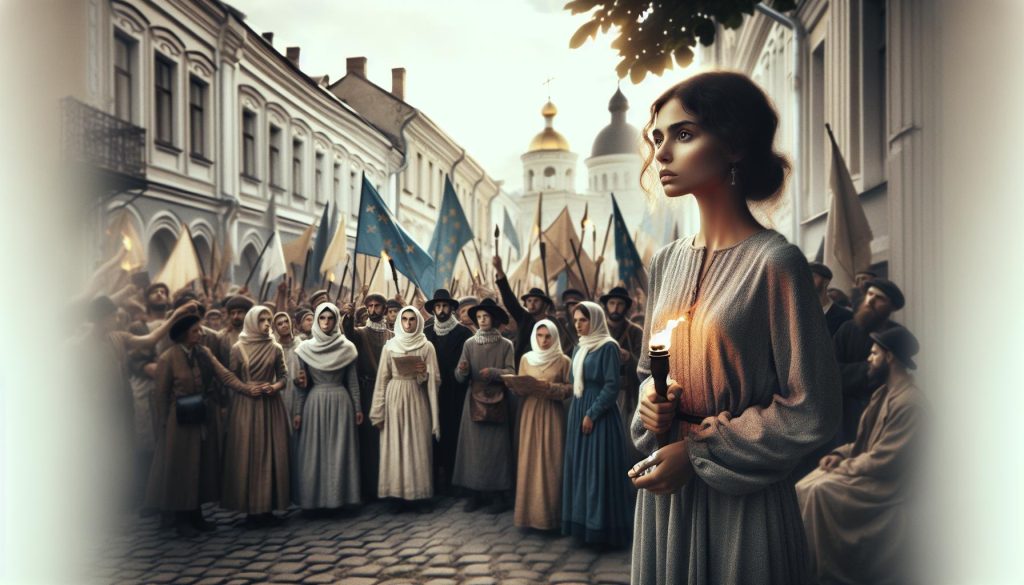
In Charles Dickens’ “A Tale of Two Cities,” the themes of revolution and sacrifice resonate powerfully with readers, prompting us to reflect on our own values and the cost of change. Set against the tumultuous backdrop of the French Revolution, the novel explores the profound impact of societal upheaval on human lives. With characters like Sydney Carton, who embodies the ultimate sacrifice, Dickens invites us to consider the complexities of heroism and the moral dilemmas faced during times of crisis. As we navigate through the gripping narrative, we uncover not only the historical implications but also timeless lessons about resilience and compassion. This book report will delve into these themes, providing insights that may challenge our understanding of sacrifice and inspire a deeper appreciation for the courage it takes to stand up for one’s beliefs in the face of adversity. Join us as we explore how revolution shapes destinies and the price of liberty in a world that often demands everything.
Exploring the Historical Context of Revolution in A Tale of Two Cities
The turbulent backdrop of the French Revolution serves as a character in its own right in A Tale of Two Cities, reflecting the chaos and social upheaval that defined an era. Dickens masterfully weaves the historical context into the narrative, showcasing how the Revolution reshaped society, politics, and individual lives. The novel opens with the dramatic line, “It was the best of times, it was the worst of times,” encapsulating the stark contrasts and contradictions prevalent during this time. As such, readers are invited to explore the duality of human nature: the capacity for both good and evil, love and hatred, sacrifice and selfishness.
The setting of London and Paris in the late 18th century illustrates the effects of economic strife and oppression felt by the common people, particularly in France, where the aristocracy’s indifference to the suffering of the lower classes ignited the revolutionary fervor. Dickens uses the plight of characters such as Dr. Manette, who suffers immense personal loss, and Charles Darnay, who embodies the struggle between the old and new social orders, to highlight the real human consequences of political upheaval. The Revolution serves as a catalyst for their personal transformations and moral choices, showcasing how societal pressures can lead individuals to make profound sacrifices.
Moreover, the Revolution’s impact is vividly portrayed through the dynamics of class struggles as depicted by characters like Madame Defarge, who embodies the revolutionary spirit yet also represents its darker impulses. Her relentless quest for vengeance illustrates how the desire for justice can devolve into personal and collective violence, a warning of the potential for revolution to betray its initial ideals. Dickens prompts readers to reflect on the nature of sacrifice-not just in the sense of losing one’s life for a cause, but also in terms of moral compromise and the personal costs of social justice and political change.
In this complex historical landscape, Dickens encourages us to consider the cyclical nature of revolution and its consequences, making the historical context not merely a backdrop but an integral part of the character’s journeys. By grounding the narrative in the grim realities of the day, he enriches the novel’s exploration of themes such as resurrection and redemption, challenging readers to think critically about the legacy of revolution-both in history and in their own lives.
Thematic Analysis: Sacrifice in Dickens’ Narrative

In “A Tale of Two Cities,” the theme of sacrifice is intricately woven into the fabric of the narrative, reflecting both personal and societal costs of the revolutionary fervor that grips France. Dickens not only explores the noble aspect of sacrifice but also delves into its darker implications, showcasing how the pursuit of justice can sometimes lead to tragic outcomes. For example, Sydney Carton’s ultimate act of sacrifice-his willingness to die for another’s happiness-serves as a poignant commentary on love and redemption. Carton, a man burdened by regret and wasted potential, finds purpose through his selfless decision to take Charles Darnay’s place at the guillotine. This pivotal moment exemplifies the overarching idea that personal sacrifice, while deeply painful, can also result in profound transformation and legacy.
Moreover, the sacrifices made by various characters highlight the intersection between individual choices and collective societal changes. Dr. Manette endures years of imprisonment, sacrificing his freedom and personal well-being for the sake of his principles and loved ones. His trauma serves as a backdrop against which the revolution’s brutality is juxtaposed with the hope for rebirth and healing. Dickens effectively uses these character arcs to paint a broader picture of the societal sacrifices made for the revolutionary cause, such as the loss of innocence and morality amidst thirst for revenge. The need for the revolutionaries to reckon with the bloodshed they unleash becomes a crucial commentary on the costs of rebellion-a recurrent theme that Dickens revisits throughout the novel.
In examining sacrifice within this narrative, readers are encouraged to ponder not only the nobility behind such actions but also the accompanying consequences. The duality of sacrifice-where it is both a source of personal growth and a gateway to moral ambiguity-invites reflection on what it truly means to sacrifice for a cause. This nuanced portrayal ensures that the readers appreciate the complexity of the characters’ motivations and the real implications of their choices, fostering a deeper understanding of the human condition against the backdrop of historical upheaval. In this way, Dickens masterfully invites the audience to confront the challenges and responsibilities that accompany both individual and collective sacrifice.
Character Profiles: Key Figures in the Revolution
In the tapestry of characters that populate Charles Dickens’ A Tale of Two Cities, each figure embodies varying aspects of revolutionary fervor and the sacrifices inherent in the struggle for justice and freedom. The complexities of their motivations and choices illuminate the broader societal upheaval during the French Revolution, allowing readers to engage with themes of noble intent versus tragic consequences.
Sydney Carton
One of the most poignant characters is Sydney Carton, a disillusioned lawyer portrayed as a man whose life has drifted into regret and wasted potential. Initially a friend to Charles Darnay, Carton becomes a symbol of redemption through sacrifice. His ultimate decision to take Darnay’s place at the guillotine is the culmination of his internal transformation. Carton’s act is not merely about saving Darnay; it reflects his profound love for Lucie Manette and a desperate bid for personal redemption, showcasing the duality of sacrifice-the ultimate expression of love intertwined with the tragedy of lost opportunities. His dying words, “It is a far, far better thing that I do, than I have ever done,” encapsulate this transformation and his acceptance of the nobility found in self-sacrifice.
Doctor Alexandre Manette
Another key figure is Dr. Alexandre Manette, whose experience as a political prisoner profoundly shapes his character and perspectives on freedom and sacrifice. The trauma of his eighteen years in the Bastille is a constant reminder of the human costs of oppression. Dr. Manette sacrifices his own mental stability in an effort to protect his daughter, Lucie, and to maintain his integrity amidst the chaos of revolution. His narrative illustrates the deep-seated impacts of injustice and the ripple effects of personal suffering on the larger societal stage. Manette’s character encapsulates the struggle for dignity and healing in the wake of loss.
Lucie Manette
Lucie Manette, although often viewed as a figure of idealized virtue, stands as a critical beacon of hope and compassion throughout the tumultuous events of the revolution. Her nurturing spirit and ability to inspire love and loyalty in others function as a stabilizing force, countering the brutality surrounding her. Lucie’s sacrifices are often emotional-she continuously supports her father’s recovery while navigating her love for Darnay and her kindness toward Carton. Lucie’s character reflects how personal sacrifice can manifest in caregiving and emotional labor, suggesting that the quiet forms of resistance against tyranny can be just as impactful as acts of violence.
Madame Defarge
In stark contrast, Madame Defarge symbolizes the darker side of revolutionary fervor. As a leader of the women’s revolutionary faction, her thirst for vengeance represents the moral ambiguity of the revolution. Defarge’s character embodies how the quest for justice can devolve into a desire for retribution, leading to her willingness to sacrifice innocent lives to achieve her goals. Her relentless pursuit of vengeance illustrates the transformative nature of the revolution, where noble intentions are often corrupted by bloodlust and the fervor for societal change.
Through these characters, Dickens meticulously explores the intricate dynamics of sacrifice in the context of revolution. Each figure’s unique sacrifices contribute to a deeper understanding of the human condition amidst monumental upheaval, encouraging readers to reflect on the motivations behind actions taken in the name of justice and liberation. In presenting these rich character profiles, Dickens emphasizes that the path to change is fraught with personal loss, ethical dilemmas, and the enduring hope for a better future.
The Role of Social Class in A Tale of Two Cities
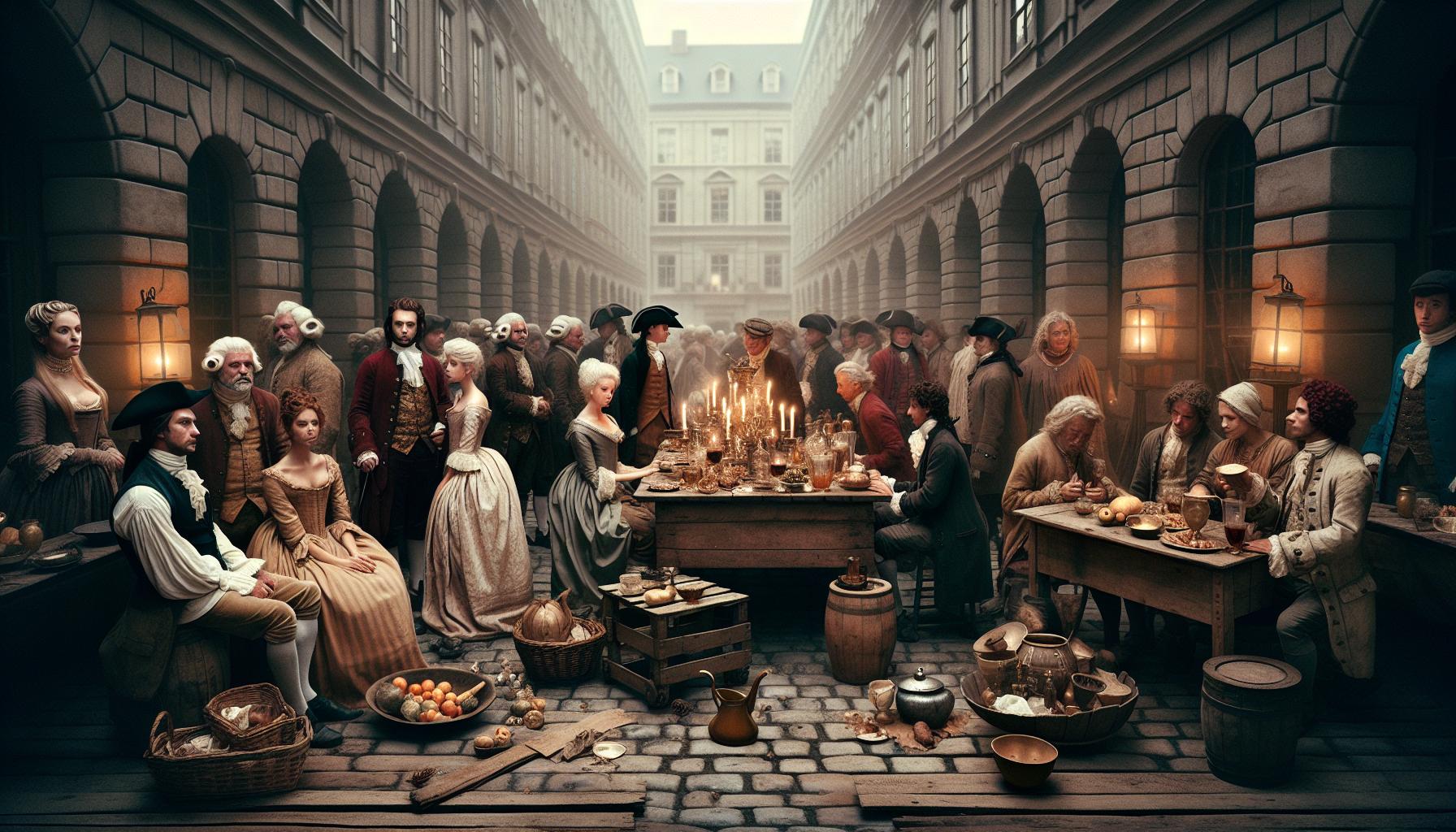
In Charles Dickens’ A Tale of Two Cities, the interplay of social class emerges as a defining force, shaping the characters’ experiences and the narrative’s progression through the tumult of the French Revolution. Dickens vividly illustrates the stark contrasts between the opulence of the aristocracy and the abject poverty of the common populace. This depiction not only creates a backdrop for the characters’ actions but also serves as a commentary on the injustice and inequality that fuel revolutionary fervor.
The nobility, represented by characters such as Charles Darnay and the Marquis de St. Evrémonde, occupy a privileged position in society, often blind to the suffering of the lower classes. The Marquis symbolizes the extreme excess and moral decay of the aristocracy, epitomized in his indifference towards the peasants. His chilling remark that the peasants “can be relieved by being allowed to be eaten” underscores the detachment of the elite from the harsh realities faced by the lower classes. Darnay, though of noble descent, seeks to escape this legacy and aspires to live an ethical life, highlighting a tension between social class identity and personal morality.
Conversely, the common folk are portrayed as deeply oppressed and driven by desperation. Characters such as Madame Defarge represent the revolutionaries’ rage, fueled by years of suffering under aristocratic rule. The working class, initially depicted in their hardships, gradually becomes more radicalized, culminating in a violent uprising against their oppressors. Dickens uses these characters to raise questions about justice and equity, showing how social class can dictate destiny and influence moral choices amid a revolution.
As the story unfolds, Dickens navigates the complexities of class relations, underscoring that while individuals like Darnay strive for bourgeois respectability, the revolution ultimately transcends personal narratives. The collective struggle for equality transforms into a crucible that reshapes notions of identity, loyalty, and sacrifice. By weaving social class into the narrative, Dickens compels readers to confront the ethical implications of inequality and consider the broader social movements that arise in response to oppression.
Ultimately, the role of social class in A Tale of Two Cities emerges as a critical lens through which to understand the characters and the revolutionary context. Dickens offers a poignant exploration of how class divisions lead to conflict, shaping not only the fate of individuals but also the course of history itself.
Symbolism of the Bastille: A Layered Interpretation
The Bastille, a fortress turned prison, stands as one of the most potent symbols in Charles Dickens’ A Tale of Two Cities, representing both tyranny and the revolutionary spirit of the age. At its core, the Bastille embodies the oppressive power of the aristocracy, a bastion of unjust imprisonment that fuels the anger and desperation of the common people. The storming of the Bastille is not only a pivotal historical moment but also a deeply symbolic act of liberation, illustrating the desire of the oppressed to reclaim their agency and challenge the established order.
From the outset, the Bastille reflects the stark divide between the ruling elite and the suffering populace. In the narrative, the prison is described as a place where the innocent are confined without due process, an atrocity that contributes to the revolutionary fervor among the citizens. Dickens uses the Bastille to highlight the consequences of absolute power and the resulting societal decay. Its fall marks a significant turning point, signaling the beginning of a new social order driven by the principles of liberty and equality.
Importantly, the Bastille’s symbolism extends beyond mere physical representation; it encapsulates the internal struggles of characters throughout the novel. For instance, Dr. Manette’s imprisonment connects him personally to the horror of the Bastille, and his eventual release signifies not just physical liberation but also a broader hope for societal reform. Furthermore, characters like Madame Defarge draw motivation from the Bastille’s legacy, illustrating how the oppression of the past fuels a relentless pursuit of justice and revenge in the present.
Ultimately, the multifaceted symbolism of the Bastille in A Tale of Two Cities serves as a powerful critique of social injustice while underscoring themes of sacrifice and redemption. It invites readers to contemplate the consequences of tyranny and the fervent spirit of revolution that arises from the ashes of oppression. By weaving this symbol into the narrative, Dickens crafts a layered interpretation of the revolution that resonates with timeless questions about freedom, authority, and the human capacity for change.
Comparative Analysis: Love, Loss, and Loyalty

The intertwining themes of love, loss, and loyalty in Charles Dickens’ A Tale of Two Cities create a rich tapestry that reflects the tumultuous historical backdrop of the French Revolution. These themes not only drive the plot but also shape the characters’ destinies as they navigate the trials of a society on the brink of upheaval. At the center of this emotional landscape is Sydney Carton, a character whose profound love for Lucie Manette inspires one of the most significant acts of sacrifice in literature, transforming his loss into an eternal legacy of loyalty.
Throughout the novel, love manifests in various forms-romantic, familial, and platonic. Lucie Manette, often portrayed as the beacon of compassion and hope, fosters deep emotional connections with those around her. Her love for her father, Dr. Manette, is palpable and poignant, highlighting their bond that transcends the darkness of his past imprisonment. Similarly, her relationship with Charles Darnay illustrates a love that brings warmth and stability amidst chaos. Yet, it is Carton’s unrequited love for Lucie that underscores the theme of sacrifice, as he ultimately chooses to embrace his fate for her happiness. This act is not a mere romantic gesture; it is a profound declaration of loyalty that speaks volumes about the power of love to inspire selflessness, even in the face of tragedy.
The theme of loss resonates heavily in the narrative, particularly through the character arcs shaped by the revolution’s brutality. For instance, Madame Defarge’s relentless pursuit of vengeance is marked by her personal losses, reflecting how love can morph into bitterness when rooted in grief. In contrast, Carton’s realization of his wasted potential and lost opportunities acts as the catalyst for his self-redemption, showcasing that loss can lead to transformative decisions. Through these contrasting experiences, Dickens emphasizes that while loss is a universal condition, responses to it can shape one’s character and legacy.
As the characters navigate the tumultuous landscape of revolutionary fervor, their loyalty to one another becomes a powerful counterpoint to the chaos surrounding them. The resilience of human connections is illustrated in moments of sacrifice, where characters prioritize the well-being of others over their own desires. Carton’s ultimate sacrifice-delivering a selfless act during Darnay’s trial-epitomizes this loyalty, presenting a stark contrast to the revolutionary violence that seeks to divide rather than unite. Dickens artfully uses these themes to critique a society rife with discord while simultaneously celebrating the enduring strength of love and loyalty as sources of hope and redemption.
In essence, Dickens crafts a narrative that invites readers to reflect on how love, even when overshadowed by loss, can lead to profound acts of loyalty and sacrifice. This exploration encourages us to consider our own connections-challenging us to contemplate how we might embody the same courage and selflessness in the face of adversity.
Literary Devices: How Dickens Conveys Emotion
Charles Dickens expertly employs a variety of literary devices in A Tale of Two Cities to evoke deep emotional responses and capture the tumultuous spirit of the French Revolution. Through vivid imagery, symbolism, and character development, he conveys complex ideas about sacrifice, love, and loyalty, imbuing the narrative with layers of meaning that resonate with readers on multiple levels.
Imagery serves as a powerful tool in Dickens’ arsenal. He utilizes descriptive language to paint a stark picture of the settings and emotions experienced by his characters. For instance, the opening lines famously juxtapose the best and worst of times, setting the stage for the conflicts that define the story. The “cold” and “dark” descriptions not only evoke the mood of despair felt during the revolution but also allow readers to visualize the dire circumstances in which the characters find themselves. This use of imagery immerses readers in the emotional landscape of the novel, making the themes of suffering and hope more relatable and impactful.
Symbolism plays a critical role in reinforcing the novel’s themes. The Bastille, for instance, serves as a potent symbol of oppression, illustrating the struggles against tyranny and injustice. Its fall represents the fight for freedom and the collective longing for a better future. Meanwhile, the character of Sydney Carton embodies the theme of personal sacrifice. His journey from a life of disillusionment to one of redemption culminates in an act of selflessness that defines his legacy. Through Carton’s character arc, Dickens masterfully conveys the profound emotional weight of sacrifice, showing how love can inspire individuals to transcend their limitations for the sake of others.
Additionally, Dickens employs dialogue and character interaction to convey emotion effectively. The contrasts between characters such as Lucie Manette and Madame Defarge highlight differing responses to trauma and loss. Lucie, who embodies compassion and healing, contrasts sharply with Madame Defarge’s relentless pursuit of vengeance driven by personal grief. This juxtaposition not only enhances the emotional stakes but also reflects broader societal issues stemming from the revolution. Dickens invites readers to ponder the varied human responses to turmoil, reinforcing the notion that love and loyalty can exist even amidst chaos and destruction.
In sum, Dickens’ strategic use of literary devices allows him to explore intricate emotional themes in A Tale of Two Cities. By intertwining imagery, symbolism, and character development, he crafts a narrative that resonates with the struggles and sacrifices of his characters, prompting readers to reflect on the enduring power of love, loyalty, and redemption in the face of overwhelming adversity. The depth and richness of these devices elevate the emotional experience of the novel, ensuring its relevance and resonance through generations.
Impact of the French Revolution on Plot Development
The backdrop of the French Revolution is not merely a historical setting in A Tale of Two Cities; it serves as a driving force that shapes the narrative’s structure, character development, and thematic exploration. Dickens intricately weaves the turmoil of the revolution into the lives of his characters, illuminating how societal upheaval influences personal destinies. The revolution embodies chaotic change, serving as an agent for transformation not only in France but also within the hearts of the individuals trapped in its maelstrom.
As the plot unfolds, the stark contrasts between the lives of the aristocracy and the plight of the common people become increasingly evident. Characters like Charles Darnay, who is born into privilege yet seeks to distance himself from his family’s oppressive legacy, embody the tensions between class and morality. His return to France during the revolution is pivotal, placing him in direct conflict with the revolutionary fervor that seeks retribution against the aristocracy. This personal stake in the broader narrative illustrates how the revolution reshapes identities and creates moral dilemmas, forcing characters to confront their pasts and the consequences of their choices.
Moreover, the revolution serves as a catalyst for acts of sacrifice, most notably epitomized by Sydney Carton. His final act of selflessness, influenced by the revolutionary context, not only resolves the plot but also reinforces the novel’s thematic exploration of redemption and sacrifice. Carton’s decision to take Darnay’s place at the guillotine exemplifies how the tumult of revolution can lead to profound personal transformation and inspire acts of courage born from love and loyalty. This intertwining of individual fate with historical events enriches the narrative, inviting readers to reflect on the broader implications of personal sacrifice in times of collective turmoil.
Ultimately, the impact of the French Revolution on the plot of A Tale of Two Cities is multifaceted. It serves as a backdrop that intensifies personal conflicts, deepens character arcs, and amplifies overarching themes of sacrifice and redemption. The revolution’s chaos and fervor invite readers to engage with the characters’ struggles on a deeper level, leading to a narrative that resonates with the complexities of human emotion and societal change. Dickens’s portrayal of this historical event reminds us that while the wheels of history turn, the stories of individual lives often carry the most profound weight.
Insights into Dickens’ Writing Style and Techniques
Charles Dickens’s writing style in A Tale of Two Cities is notably rich and layered, creating a powerful narrative that resonates with themes of revolution and sacrifice. His unique approach combines vivid characterizations, detailed settings, and emotive language, allowing readers to deeply engage with both the historical context of the French Revolution and the individual struggles of his characters. Dickens’s adeptness at establishing atmosphere can be seen in his use of contrasting imagery, which reflects the stark differences between life before and after the revolution.
One of the hallmark features of Dickens’s technique is his masterful employment of suspense and dramatic irony. By revealing character motivations and conflicts progressively, he heightens tension, particularly in scenes where characters face life-altering choices. For instance, Sydney Carton’s internal struggle leads to tense moments that culminate in profound sacrifice, exemplifying how Dickens builds emotional stakes through careful pacing and character development. The famous opening line, “It was the best of times, it was the worst of times,” encapsulates the duality of the era, setting the stage for a narrative filled with contradictions and moral complexity.
Moreover, Dickens frequently uses symbolism and metaphor to enhance thematic depth. The guillotine, for example, serves not only as a tool of execution but also symbolizes the irreversible nature of sacrifice and the destructive power of vengeance. This layering of meaning compels readers to ponder larger societal questions alongside personal narratives of love and redemption. Dickens’s recurring motifs, such as resurrection and transformation, further enrich the text, particularly in the arcs of characters like Darnay and Carton, who embody the struggle for personal and societal renewal.
In terms of dialogue, Dickens captures the vernacular of various social classes, using speech to convey character traits and social commentary. His characters’ conversations provide insight into their inner lives and the societal values of the time. This technique not only grounds the narrative in reality but also reinforces the novel’s critique of social disparities, making the plight of the common people increasingly urgent against the backdrop of revolutionary fervor. In engaging with Dickens’s writing style, readers come to appreciate how his narrative choices elevate the themes of sacrifice and revolution, creating a resonant and transformative experience.
Reader Reactions: How the Novel Resonates Today
The enduring relevance of *A Tale of Two Cities* is a testament to its exploration of themes that resonate deeply with contemporary readers, particularly those of revolution and sacrifice. Set against the backdrop of the French Revolution, Dickens’s narrative not only captures the turbulence of a significant historical moment but also reflects the universal struggles of individuals against oppressive societal structures. Many readers today find parallels between the conflicts depicted in the novel and modern movements for social justice and change, as the quest for equality and the sacrifices made in its pursuit remain poignant issues in our world.
Readers often relate to the intense emotional journeys experienced by characters like Sydney Carton and Charles Darnay. Carton’s ultimate sacrifice, driven by love and redemption, speaks to our collective yearning for purpose and the willingness to put others before ourselves. This element of selflessness resonates with modern audiences confronting various forms of social unrest and injustice, where acts of courage and sacrifice are needed to spur change. Similarly, the novel’s commentary on the brutal consequences of revolution prompts reflection on the costs associated with societal upheaval, inviting readers to ponder whether the end justifies the means in their own contexts.
Emotional Engagement and Connection
The rich character development and emotional depth of *A Tale of Two Cities* allow readers to engage on multiple levels. For example, the stark contrasts Dickens draws between the lives of the rich and poor highlight the disparities that continue to exist in society today. Many readers connect with the plight of the oppressed, seeing in the characters’ struggles a mirror of their own experiences. The visceral acknowledgment of suffering and injustice fosters a sense of empathy that readers often carry into their own social interactions, inspiring them to advocate for change within their communities.
Moreover, the iconic opening line, “It was the best of times, it was the worst of times,” encapsulates the duality of human experience, a theme that continues to resonate as people navigate the complexities of modern life. This dichotomy elicits a deep emotional response and prompts readers to reflect on their circumstances, fostering a sense of solidarity with those who face adversity. As a result, many modern discussions surrounding the novel include considerations of how historical injustices inform present-day challenges, encouraging readers to engage critically with both literature and the world around them.
In conclusion, *A Tale of Two Cities* continues to capture the imagination of readers by offering profound insights into the human condition. The themes of revolution, sacrifice, and the quest for justice transcend time, inviting readers to reflect on their moral choices and the impact of their actions within a broader societal context. By analyzing the intense emotional landscapes Dickens created, readers today can find guidance and inspiration for their own journeys towards understanding and change.
Adaptations of A Tale of Two Cities: From Page to Screen
Adaptations of A Tale of Two Cities have long sought to capture the rich emotional resonance and complex themes of Charles Dickens’ masterpiece, particularly its exploration of revolution and sacrifice. While there are several notable film and television adaptations, each iteration brings a unique perspective on the trials of the French Revolution and the personal struggles of its characters. Among these adaptations, the 1935 film featuring Ronald Colman is frequently celebrated for its fidelity to the source material, delivering a compelling portrayal of Sydney Carton’s sacrifices.
Modern adaptations are also emerging, with recent announcements such as the four-part drama series set to star Kit Harington. This new adaptation aims to delve deeper into the narrative’s societal critiques and character arcs, potentially resonating with contemporary audiences facing issues of inequality and injustice [2]. As adaptations continue to evolve, they reflect not only the essence of Dickens’s writing but also how we interpret its themes against the backdrop of current societal challenges.
When examining these adaptations, one can observe critical differences in tone and focus, which shape their reception by audiences. For instance, while the earlier cinematic versions often emphasize the dramatic elements of the narrative, newer renditions may incorporate a more nuanced exploration of character motivations and societal contexts. These variations offer viewers multiple lenses through which they can engage with themes of love, sacrifice, and the tumult of revolution, enriching their understanding of the novel’s enduring relevance.
Ultimately, the process of adapting A Tale of Two Cities continues to invite dialogue about its themes and their applicability to our modern context, encouraging filmmakers to interpret Dickens’s work in ways that resonate with today’s viewers. Each interpretation not only serves as an homage to the original text but also as a catalyst for discussion about the revolutionary ideas that permeate it, reminding us of the sacrifices involved in the quest for justice and equality.
Lessons from A Tale of Two Cities: Revolutionary Ideas Today
The enduring legacy of A Tale of Two Cities extends beyond its captivating narrative; it presents profound lessons about revolution that remain relevant today. Dickens illustrates how societal upheaval can emerge from extreme inequality and moral corruption, a theme that resonates with contemporary movements advocating for justice and equality. As global socio-political climates become increasingly polarized, understanding the intricacies of revolution can empower individuals to critically engage with their circumstances and inspire collective efforts for change.
One of the key lessons from Dickens’s work is the importance of sacrifice for the greater good. Characters such as Sydney Carton demonstrate that true heroism often involves personal loss for the benefit of others. This principle is echoed in modern movements where individuals risk their comfort, safety, or even their lives in pursuit of justice. Take, for example, activists who dedicate themselves to social causes, often sacrificing their time and resources to advocate for marginalized communities. This spirit of sacrifice, born out of love and loyalty to a cause, is a powerful reminder that meaningful change frequently requires selflessness and commitment.
Moreover, A Tale of Two Cities highlights the consequences of revenge and hatred, illustrating that these emotions can lead to cycles of violence that ultimately threaten the ideals of a revolution. In today’s world, where tribalism and division often threaten societal cohesion, the story encourages a more reflective approach to conflict resolution. Advocating for dialogue, understanding, and empathy in our communities can help break these cycles and foster a more just and peaceful society.
In this context, Dickens’s exploration of the dynamics between social classes serves as a cautionary tale about the risks of neglecting the voices of the oppressed. As contemporary societies grapple with issues of class disparity, wealth inequality, and systemic injustice, the lessons drawn from Dickens’s characters underscore the necessity of inclusive systems that consider the needs of all citizens. Engaging with the underlying causes of discontent-the same issues that drove the French Revolution-can inform our approach to building a more equitable future.
Ultimately, A Tale of Two Cities remains not just a historical narrative, but a relevant commentary on the spirit of revolution and the sacrifices it entails. By reflecting on these themes, readers can gain valuable insights into the motivations for social change and the importance of acting with compassion and understanding-qualities that resonate deeply in our current world.
Q&A
Q: What is the central theme of revolution in A Tale of Two Cities?
A: The central theme of revolution in A Tale of Two Cities is the tumultuous struggle between social classes, highlighting how oppression can lead to violent upheaval. The French Revolution serves as a backdrop, showcasing the desperation that fuels revolutionary passion and the consequences of seeking justice through chaos, as explored in the section on “Exploring the Historical Context of Revolution” in the main article.
Q: How does sacrifice play a role in character development in A Tale of Two Cities?
A: Sacrifice is pivotal in character development, notably through Sydney Carton, whose ultimate act of redemption through sacrifice for another underscores the novel’s moral dimensions. This theme is deeply analyzed in the article section titled “Thematic Analysis: Sacrifice in Dickens’ Narrative.”
Q: What lessons can modern readers learn from the sacrifices made in A Tale of Two Cities?
A: Modern readers can learn about the power of selflessness and the impact of individual choices on society. The acts of sacrifice reflect the enduring human struggle for justice and love, encouraging readers to reflect on their own responsibilities, as discussed in “Lessons from A Tale of Two Cities” within the article.
Q: How does A Tale of Two Cities depict social class conflicts?
A: Dickens vividly portrays social class conflicts through stark contrasts between the wealthy and the oppressed, particularly in the experiences of characters like Charles Darnay and Madame Defarge. This dynamic is examined in detail under “The Role of Social Class in A Tale of Two Cities” in the main article.
Q: Why is the symbolism of the Bastille significant in A Tale of Two Cities?
A: The Bastille symbolizes oppression and the need for freedom, making its storming a powerful representation of the revolution. This layered interpretation is essential to understanding the mobilization of the populace, as outlined in the article’s section on “Symbolism of the Bastille.”
Q: In what ways does Dickens use literary devices to enhance emotional impact in A Tale of Two Cities?
A: Dickens employs various literary devices, including foreshadowing and imagery, to evoke deep emotional responses. His masterful use of contrast and parallelism deepens the reader’s connection to the characters’ struggles, discussed in detail in “Literary Devices: How Dickens Conveys Emotion.”
Q: How do love and loyalty manifest in the context of revolution in A Tale of Two Cities?
A: Love and loyalty often conflict with revolutionary ideals, revealing personal sacrifices and moral dilemmas faced by the characters. These themes illustrate the complexity of human relationships amid chaos, explored in the “Comparative Analysis: Love, Loss, and Loyalty” section of the article.
Q: What is the significance of character transformations in A Tale of Two Cities?
A: Character transformations reflect the profound effects of revolution and personal sacrifice. Notable changes, like Sydney Carton’s redemption arc, are critical in illustrating themes of resurrection and change, a topic covered under “Character Profiles: Key Figures in the Revolution.”
In Conclusion
As we conclude our exploration of “A Tale of Two Cities: Revolution & Sacrifice,” it’s essential to reflect on the profound themes of sacrifice, redemption, and the cyclical nature of history. By understanding Charles Dickens’ masterful narrative, we’ve uncovered lessons that resonate with our own societal struggles. Now, it’s your turn to engage further! Dive deeper into our analysis of literary symbols in Dickens’ works or explore the impact of the French Revolution on modern society through our related articles.
Don’t miss out-subscribe to our newsletter for exclusive content and insights that keep your literary journey alive! Your thoughts matter to us; share your reflections in the comments below and join the conversation about this timeless classic. Ready for your next read? Check out our guide on essential Victorian literature and immerse yourself in the rich world of Dickens and beyond. Both your intellect and spirit will thank you!
Get our latest guides, news, and insights highlighted in your Google Search & AI Overviews.










