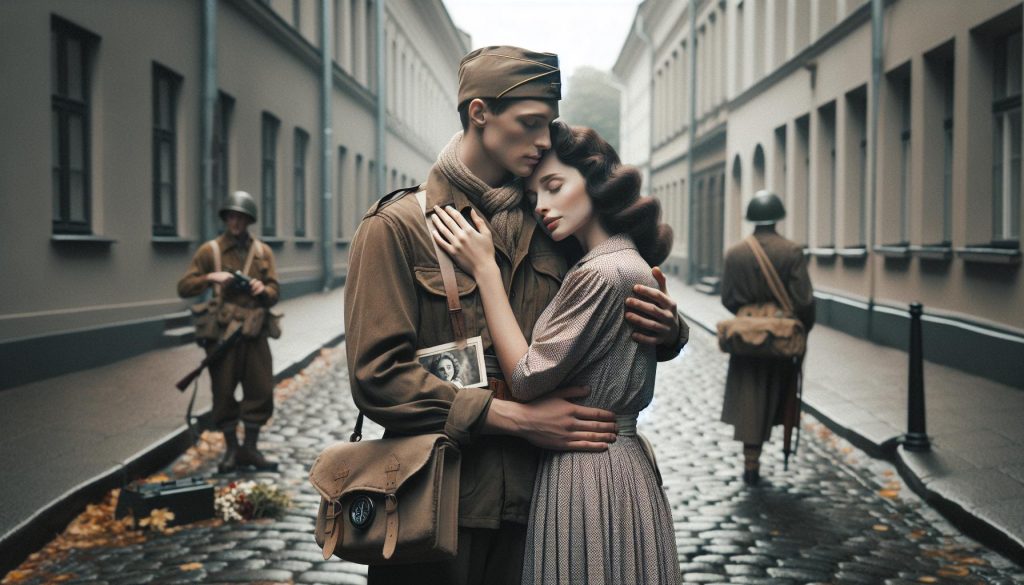
In the tapestry of human experience, love often intertwines with the harsh realities of war, creating poignant narratives that resonate deeply. “A Time to Love and a Time to Die” explores the profound complexities of romance against the backdrop of conflict, capturing the resilience of the human spirit. As readers navigate themes of sacrifice, longing, and hope, they engage with characters whose hearts are as vulnerable as their lives are threatened. This poignant tale reflects a universal truth: even in chaos, love remains a compelling force that shapes our choices and defines our humanity. Through this journey, you’ll discover not only the stark contrasts between war and love but also the enduring strength found in connections forged amidst adversity. Join us as we delve into this exploration of war romance, inviting you to reflect on how these themes resonate in your own life and the world around you.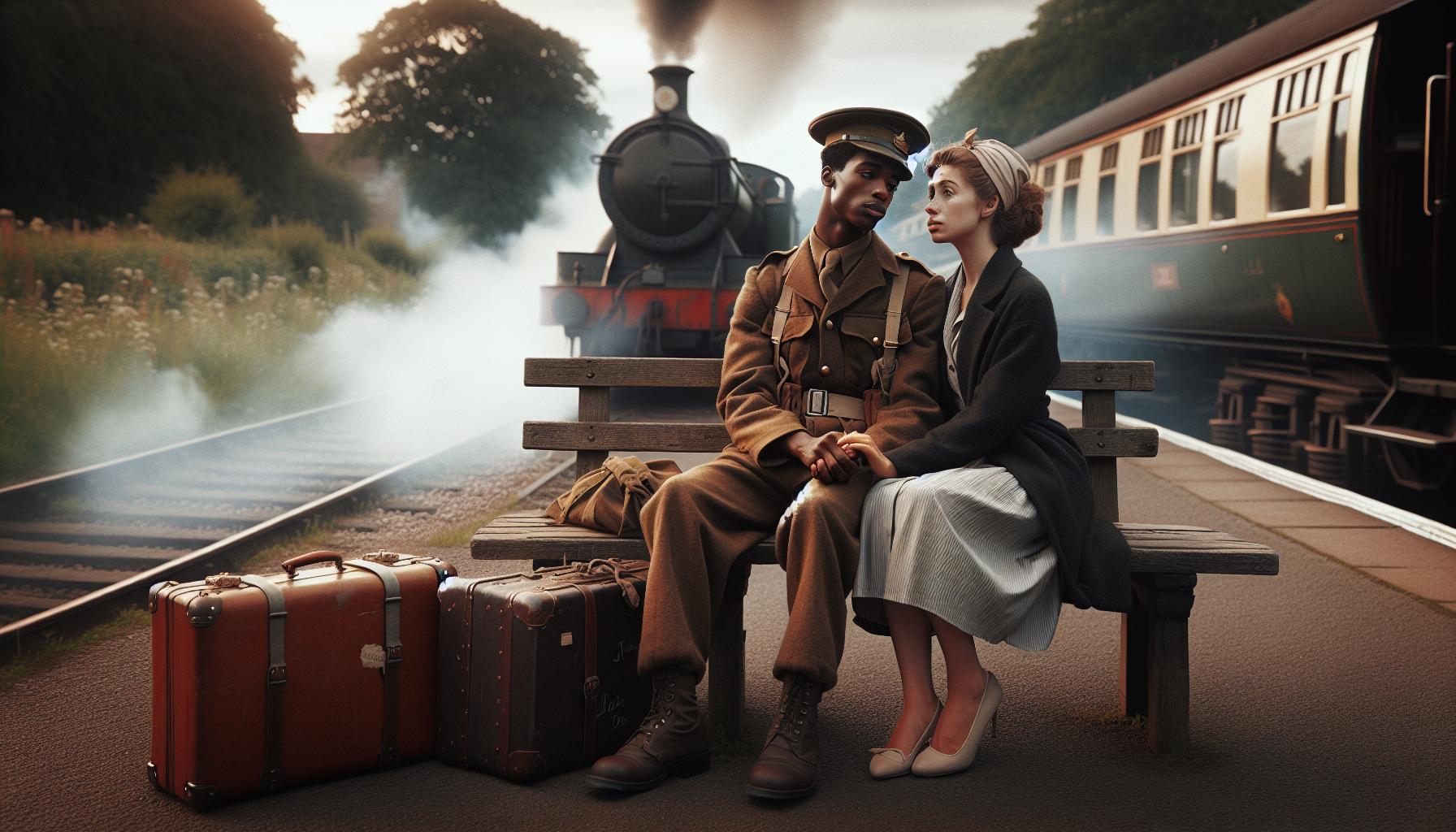
A Deep Dive into War Romance: Themes and Motifs
In the realm of literature, few themes resonate as deeply as the intersection of love and war, capturing both the fragility of human connection and the fierce resilience of the human spirit. In “A Time to Love and a Time to Die,” Erich Maria Remarque meticulously crafts a narrative that delves into the complex emotions associated with love forged amidst the chaos of conflict. This exploration brings forth several key themes and motifs that enrich our understanding of war romance as a genre.
One of the foremost themes present in this narrative is transience. Love in a wartime setting is often depicted as fleeting, as characters grapple with the ever-looming specter of loss and separation. The intensity of their feelings is amplified by the knowledge that tomorrow may never come, resulting in relationships that are cherished yet burdened with anxiety. This theme is illustrated poignantly through the protagonist, who finds moments of solace and affection despite the chaos around him, making each shared embrace a precious testament to their fleeting happiness.
Moreover, sacrifice emerges as a recurring motif, emblematic of both love and war. The characters are frequently faced with choices that pit personal happiness against moral duty or survival. This duality is illustrated through harrowing decisions that reflect the sacrifices they make for their loved ones, often leading to devastating consequences. Remarque’s careful juxtaposition of romantic ideals with the harsh reality of war underscores the complexity of such sacrifices, prompting readers to reflect on the true cost of love in dire circumstances.
In addition, the narrative skillfully employs symbolism to deepen its thematic exploration. Objects such as letters or photographs serve as significant reminders of love and connection, representing hope in the face of despair. The use of natural elements also plays a central role; for instance, the imagery of seasons changes often parallels the emotional states of characters-spring representing love and renewal, while winter embodies desolation and loss. Through such symbols, Remarque articulates the intimate interplay between love and the cyclical nature of life and death.
Ultimately, “A Time to Love and a Time to Die” acts as a poignant reflection on how war distorts, enhances, and sometimes obliterates the bonds of love. Readers are left with an indelible impression of how amidst violence and destruction, the quest for connection remains a fundamental human desire, one that persists even in the darkest of times. Engaging with these themes not only enriches our interpretation of Remarque’s work but also encourages a broader contemplation of love’s resilience across different contexts within literature.
The Historical Context of “A Time to Love and a Time to Die
In the wake of World War II, a period marked by profound upheaval and existential questioning, Erich Maria Remarque’s “A Time to Love and a Time to Die” emerges as a vital reflection of its historical context. The aftermath of the war left a generation grappling with not only the physical destruction of their societies but also the emotional toll it took on individuals and interpersonal relationships. This backdrop of despair and resilience informs the novel’s exploration of war romance, a theme that resonates deeply with a post-war audience seeking solace in love amidst chaos and uncertainty.
The setting of the narrative is anchored in the Eastern Front during World War II, allowing Remarque to draw directly from his own experiences as a soldier. This personal connection lends authenticity to the characters’ struggles and the poignant moments of love and loss that define their existence. The brutality of war juxtaposed with the fragility of human connection becomes a recurring motif, illustrating the stark reality that love can blossom even as destruction reigns. World War II, often referred to as a war of totality, further emphasizes the novel’s themes; soldiers and civilians alike faced unprecedented levels of violence and existential threat, making the moments of tenderness depicted in the narrative all the more precious.
Understanding the socio-political landscape of post-war Germany enhances the reader’s appreciation of the characters’ inner lives. The upheaval created a society in which traditional values were questioned and redefined, leading to a sense of dislocation among individuals. As the characters navigate their relationships, they embody the struggles of a generation attempting to reconcile the harsh realities of war with their desires for love and belonging. This tension speaks to the broader questions of identity and morality that many faced during this transitional period, engaging readers who may find their own reflections in the characters’ experiences.
Moreover, the publication and reception of Remarque’s work must be viewed through the lens of the growing disillusionment with nationalism and militarism, as sentiments shifted towards pacifism in the wake of widespread horror and destruction. “A Time to Love and a Time to Die” not only served as a critique of war but also as a testament to the enduring power of love, challenging readers to reconsider what it means to forge connections in a time of crisis.
In conclusion, the historical context surrounding Remarque’s novel is crucial for understanding the interplay of love and war within its pages. The post-World War II landscape shaped the characters and themes in ways that resonate with the longing for hope and healing after a period of profound suffering. Engaging with this context invites readers to empathize with the characters’ journeys while contemplating the universal truths of love that persist, even when tested by the ravages of war.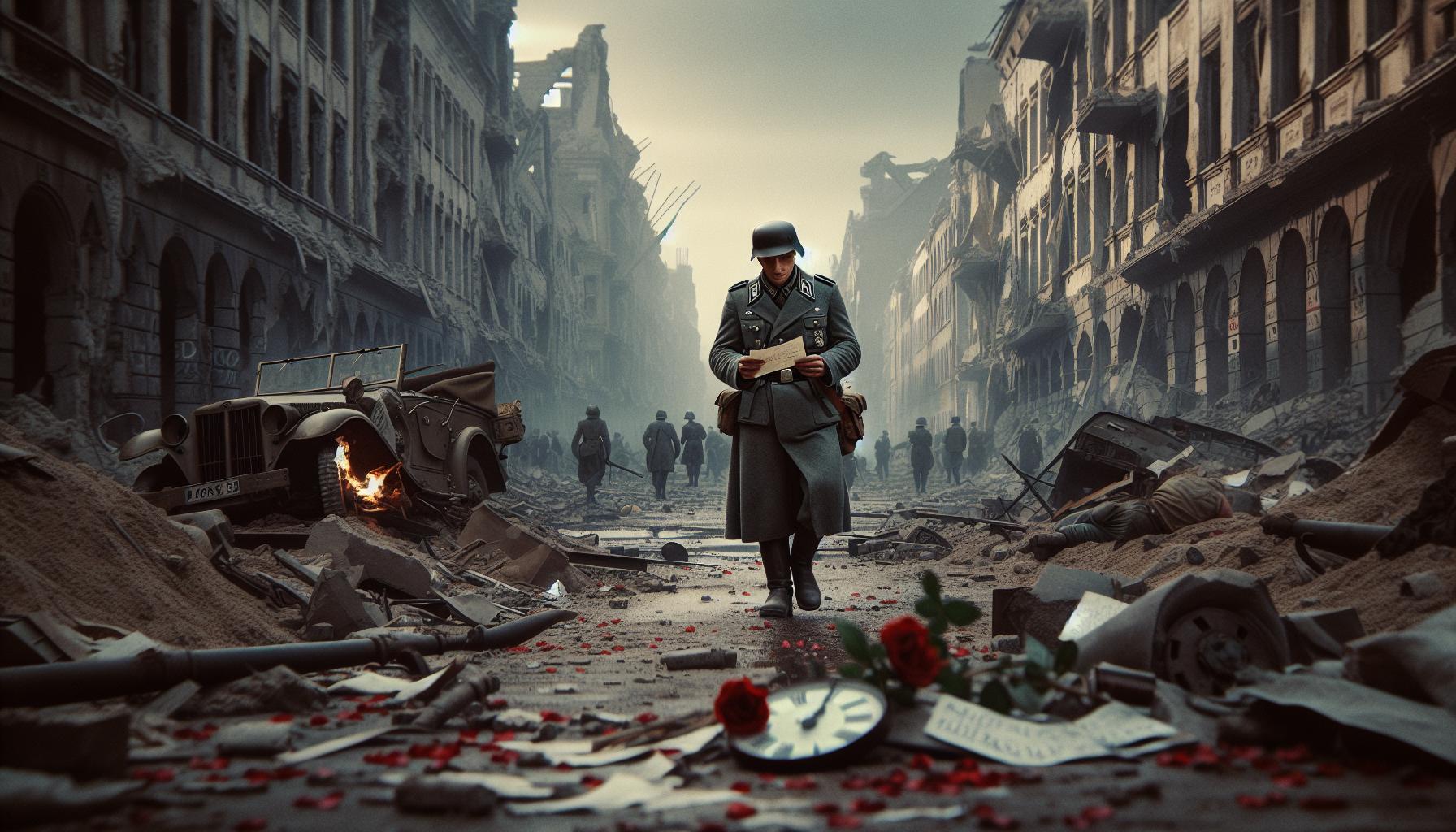
Character Analysis: Love Amidst the Chaos of War
In Erich Maria Remarque’s poignant narrative, the characters embody the search for love amid the chaos of World War II, transforming their harrowing experiences into moments of profound emotional connection. As they navigate the turbulent realities of the Eastern Front, their relationships mirror the intricacies of human resilience, emphasizing the interplay between love, hope, and suffering.
The protagonist, Lieutenant Ernst Graeber, represents a deeply conflicted soul caught between his duty as a soldier and his yearning for love. His relationship with the young nurse, Elisabeth, serves as a lifeline amidst the devastation surrounding them. Graeber’s complex feelings towards Elisabeth highlight how love can exist as a sanctuary against the brutality of war. Each tender interaction between them becomes not only an act of romantic desire but also a repudiation of the horrors unfolding outside their intimate bubble. The moments shared between them are imbued with a sense of urgency and fragility, symbolizing the fleeting nature of joy within a context of despair.
Similarly, the character of Elisabeth illustrates the resilience of the human spirit. Her dedication to tending to soldiers and her unyielding hope for a future beyond the war showcase the nurturing aspect of love. She embodies an unwavering commitment to healing not only physical wounds but also the emotional scars left by conflict. This duality of her character emphasizes that love can manifest in various forms, offering comfort, solace, and even motivation to survive in desperate times.
Additionally, the minor characters serve as vital reflections of the overarching theme of love amidst chaos. Their interactions often serve as poignant reminders that amidst the backdrop of warfare, connections can deepen and lose themselves in the pursuit of fleeting happiness. These characters introduce a variety of perspectives on love – from tragic to uplifting – showcasing its multifaceted nature against the stark reality of war. Through their stories, Remarque crafts a tapestry of human connection that encourages readers to contemplate the universal struggle for love and belonging, even in the direst circumstances.
Ultimately, the characters in Remarque’s novel invite us to explore the complexities of love that persist in the chaos of war. By placing love at the forefront of their narratives, they engage the reader in a heartfelt examination of what it means to maintain humanity in the face of overwhelming adversity. This exploration of emotional endurance encourages readers to reflect on their own relationships, fostering a deeper understanding of the power of love as both a refuge and a rebellious act against the turmoil of war.
The Artistic Techniques in War Romance Literature
An examination of war romance literature reveals a rich tapestry of artistic techniques that authors employ to convey the depth of human emotion amid the chaos of conflict. In Erich Maria Remarque’s “A Time to Love and a Time to Die,” these techniques become essential tools for exploring the interplay between love and the tumultuous backdrop of war, creating a narrative that resonates with readers on multiple levels.
One prominent technique is the use of symbolism. In the novel, objects, settings, and even fleeting moments often serve as symbols that enhance the emotional landscape. For instance, the intimacy of the protagonist’s shelter against the backdrop of the Eastern Front symbolizes a fragile sanctuary that love provides, contrasting starkly with the harsh reality of battle. These symbolic elements invite readers to delve deeper into the text, encouraging them to unravel layers of meaning that underscore the duality of hope and despair.
Imagery plays a crucial role as well, painting vivid pictures that ground the reader in the emotional realities faced by the characters. Remarque masterfully evokes the sights, sounds, and even scents of war-infused environments, imbuing moments of love with heightened urgency. Descriptive passages transform mundane interactions into poignant experiences-an embrace laden with unsaid farewells or a shared laughter echoing against the silence of artillery fire. This powerful imagery not only enriches the reader’s experience but also highlights the stark contrasts that define war romance: fleeting beauty against inevitable suffering.
Additionally, narrative structure helps in accentuating the emotional stakes within love stories set against the backdrop of war. The interplay between flashbacks and present moments allows readers to witness characters’ pasts-their dreams, relationships, and losses-alongside their current struggles. This technique not only deepens character development but also reinforces the theme of love as a powerful force that transcends time and turmoil. For example, Graeber’s memories of Elisabeth, interspersed with the harsh realities of battle, evoke a sense of longing and nostalgia, shaping readers’ understanding of his emotional journey.
Lastly, the use of dialogue can serve as an expressive mechanism that reveals character dynamics and emotional depth. In “A Time to Love and a Time to Die,” conversations between Graeber and Elisabeth encapsulate their desires, fears, and aspirations. Through their exchanges, readers gain insight into their complex inner worlds, illustrating how vulnerability in communication fosters connection amidst chaos. The nuances in their dialogues reflect the precarious nature of love during wartime, making each word feel weighty against the backdrop of uncertainty.
Incorporating these artistic techniques, war romance literature like Remarque’s not only conveys the horrors of conflict but also highlights the persistent power of love. By weaving together symbolism, imagery, narrative structure, and dialogue, authors invite readers to explore the multifaceted experience of human connection against the overwhelming odds of survival, fostering a deeper appreciation for the resilience of love in even the darkest times.
Comparative Study: War Romance Across Different Eras
The portrayal of love amid the backdrop of war is a theme that transcends time, reflecting the societal values and emotional landscapes of different eras. From Erich Maria Remarque’s poignant “A Time to Love and a Time to Die,” written in the wake of World War II, to contemporary interpretations of war romance, each period’s literature reveals how love is both a refuge and a struggle against the chaos of conflict. Understanding these variations not only enriches our appreciation of the genre but also illuminates the evolving nature of personal relationships impacted by historical circumstances.
### Evolution of War Romance Themes
Romance during wartime has shifted dramatically across eras. In earlier works, such as Shakespeare’s “Romeo and Juliet,” the challenges of love were often external, rooted in family feuds rather than the overwhelming environment of war itself. As literature progressed through the ages, the introduction of global conflicts and modern warfare changed the focus of romantic narratives.
For instance, in the World War I era, novels like “A Farewell to Arms” by Ernest Hemingway introduced a more raw and disillusioned view of love, reflecting the trauma and fragmentation experienced by soldiers and civilians alike. Similarly, Remarque’s work brings forth a palpable desperation in love as characters grapple with the harsh realities of the Eastern Front. In contrast, contemporary works, such as “The Book Thief” by Markus Zusak, incorporate the theme of love not only as a romantic bond but as an act of rebellion against oppressive regimes and societal norms.
### Comparative Aspects of War Romance Literature
To better understand the thematic evolution in war romance, consider the following aspects:
| Aspect | Classic Era | Modern Era | Contemporary Works |
|---|---|---|---|
| Focus of Narrative | External societal conflicts | Personal disillusionment | Resistance and transformation |
| Character Development | Clear-cut heroes and villains | Complexity in human emotions | Multifaceted personalities shaped by trauma |
| Emotional Landscape | Idealized love | Loss and longing | Hope amid despair |
### Symbolism and Cultural Reflections
Moreover, the symbolism employed within these narratives often reflects the broader cultural context of their times. In Remarque’s novel, the juxtaposition of rural life and the brutality of war serves as a powerful metaphor for lost innocence, while contemporary authors may utilize symbols of technology and connectivity to illustrate how love persists despite the physical and emotional distance created by war.
By examining these facets, readers gain insight into how war romance adapts and transforms, mirroring the societal reactions to conflict across different historical contexts. A nuanced understanding of these narratives invites a deeper exploration of how love might endure, redefine itself, or even emerge as a form of resistance in the face of adversity, ultimately reflecting the resilience of human emotions through the trials of war.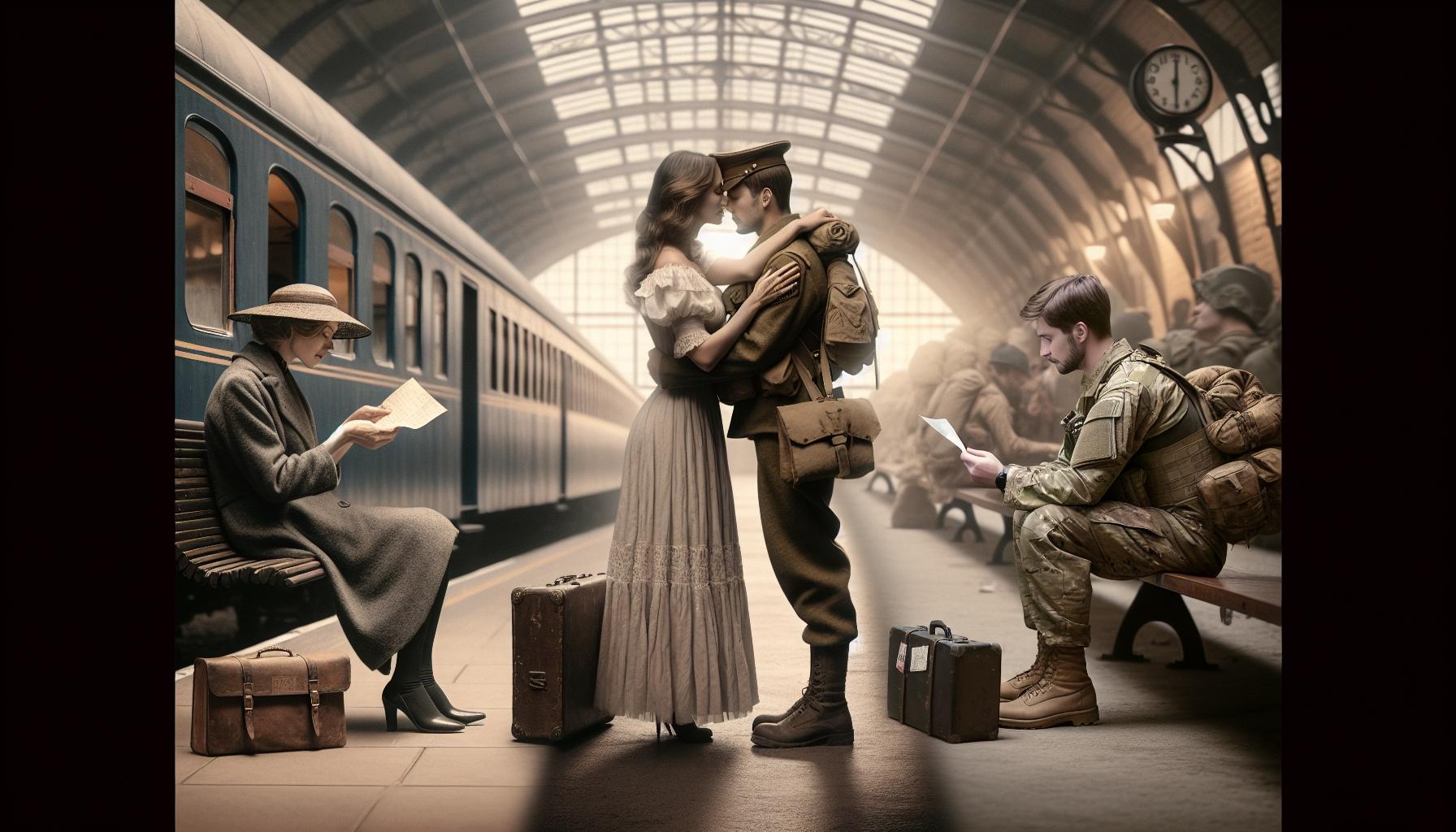
The Emotional Impact of War on Relationships
The ravages of war extend far beyond the battlefield, infiltrating the very essence of personal connections and relationships. In “A Time to Love and a Time to Die,” the emotional turmoil of the characters exemplifies how conflict strains love and companionship, resulting in a complex interplay of devotion and despair. The novel illustrates that the impact of war on relationships is not merely a backdrop; it’s a driving force that shapes identity, alters priorities, and often challenges the very foundations of love.
Love in Crisis: The Weighing of Emotion
War imposes intense psychological pressures that can either bolster bonds between lovers or unravel them entirely. The characters in Remarque’s narrative navigate their relationship amidst the chaos of the Eastern Front, experiencing a poignant longing for connection while confronting the ever-looming threat of loss. This struggle often breeds a unique intimacy rooted in shared trauma and vulnerability. Understanding these dynamics can offer readers insight into not only the characters’ struggles but also their moments of tenderness, which often serve as a fleeting escape from the brutal realities surrounding them.
Key Emotional Impact Factors:
- Fear of Loss: Anxiety over the potential loss of a partner can intensify feelings, leading to both deeper connections and greater emotional turbulence.
- Isolation: The physical and emotional separation caused by war creates an environment where communication becomes strained, leading to feelings of loneliness and despair.
- Resilience in Love: Amidst adversity, love can act as a source of strength, inspiring characters to endure hardships in pursuit of a shared future.
The Duality of Emotion: Love and Sacrifice
Themes of sacrifice resonate deeply within the narrative, exemplifying how love can compel individuals to make difficult choices. In wartime, the stakes become significantly higher, as characters must confront the reality of mortality not only for themselves but for their loved ones. This tension can lead to transformative insights about love-sometimes, it becomes a means of resistance against despair.
For example, in Remarque’s story, as characters portray their commitment to each other, their love reflects a duality: it is both a sanctuary from the world’s chaos and a constant reminder of the heartache that war can impose. Those intricate layers of sacrifice and devotion reveal how love can evolve during times of crisis, growing deeper even as the shadows of conflict loom over it.
Navigating Relationships Through War
For readers and writers interested in depicting or understanding relationships in war, there are several thoughtful approaches to consider:
- Integrate Realistic Conflict: Explore how the stressors of war can create tension, but also opportunity for growth in relationships.
- Highlight Communication Struggles: Demonstrate the challenges faced in maintaining connections during separation, including letters that encapsulate both hope and fear.
- Portray Diverse Reactions to Trauma: Recognize that individuals react differently to stress. Some may become withdrawn, while others may cling even more tightly to their partners.
Implementing these perspectives can lead to richer, more nuanced representations of love under duress, reflecting the intricate dance between intimacy and survival amidst war’s chaos.
In sum, is profound and multifaceted, as illustrated vividly in Remarque’s poignant exploration. Understanding these elements not only enriches our engagement with the characters but also compels us to reflect on the resilience of love in the face of even the darkest human experiences.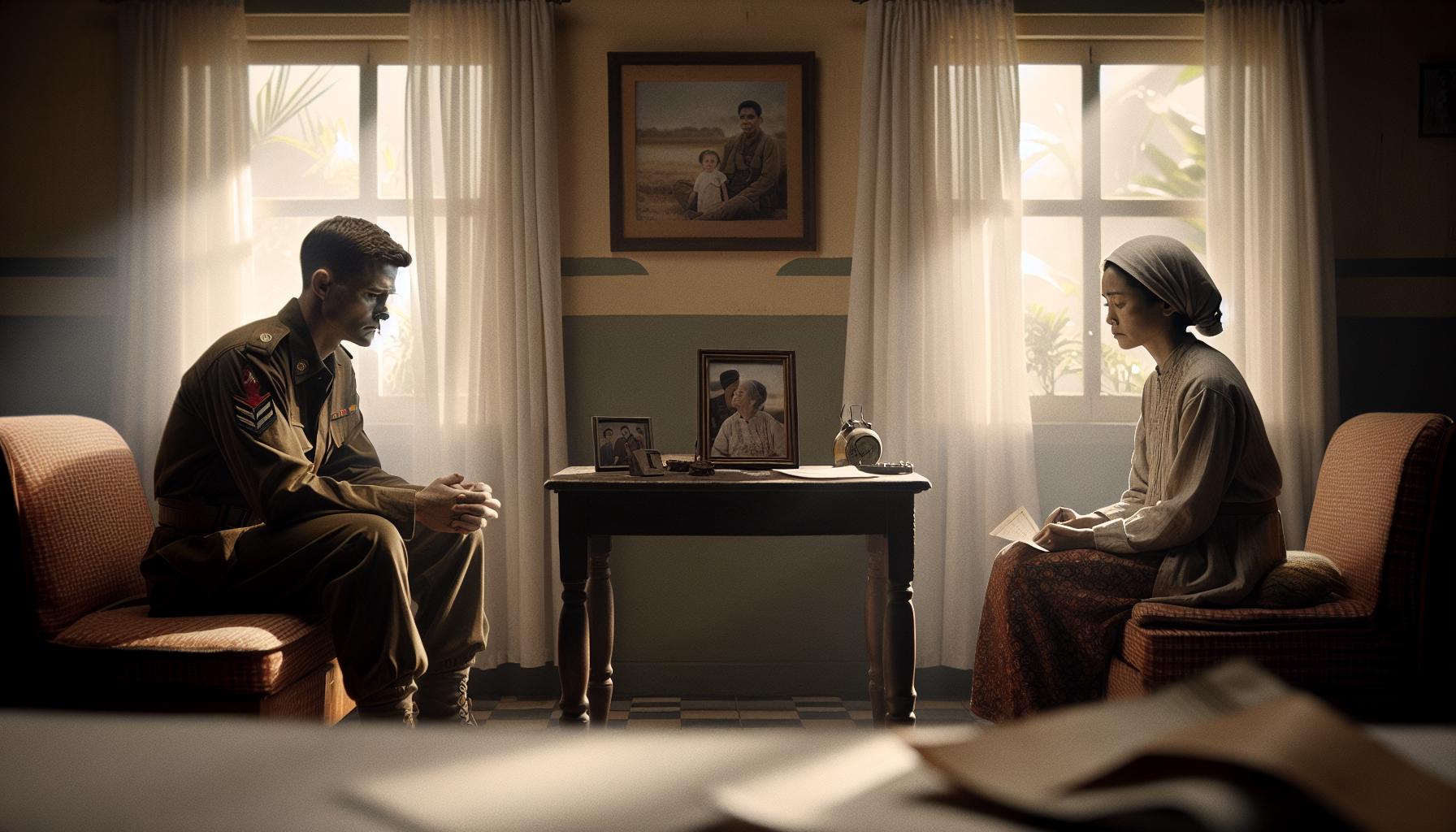
Symbolism and Imagery in “A Time to Love and a Time to Die
In “A Time to Love and a Time to Die,” Erich Maria Remarque masterfully employs symbolism and imagery to illuminate the complexities of love and loss amidst the chaos of war. Each carefully crafted image resonates with emotional depth, creating a vivid tapestry that captures the essence of human experience in dire circumstances. One of the most compelling symbols throughout the novel is the juxtaposition of life and death. This duality not only highlights the fragility of relationships against a backdrop of conflict but also emphasizes the strength and resilience found in love.
The imagery of nature serves as a poignant contrast to the harsh realities of war. For instance, Remarque often describes the beauty of the countryside, with its blooming flowers and serene landscapes, as a refuge from the brutality of the Eastern Front. This imagery reflects the characters’ yearning for peace and normalcy, evoking a sense of nostalgia that intensifies their emotional struggles. The fleeting moments of beauty, such as a sunset or a gentle breeze, symbolize hope and the possibility of love enduring despite the omnipresent threat of destruction.
Moreover, the recurring motif of letters plays a critical role in the narrative. These written words serve not only as a lifeline between separated lovers but also as artifacts of their inner thoughts and emotions. The letters often encapsulate a range of sentiments, from hopeful yearning to profound despair, effectively illustrating the complexity of maintaining intimacy under the strains of war. By examining these letters, readers gain insight into the characters’ emotional landscapes, affording a deeper understanding of their love’s resilience.
The Role of Specific Symbols
Within this symbolic framework, several key elements emerge that enrich the narrative:
- The Battlefield: Represents both the physical and emotional terrain of conflict, illustrating how war alters identities and connections.
- The Clock: Symbolizes the relentless passage of time, emphasizing both the urgency and transience of life and love.
- Flowers: Often depicted during reflective moments, they signify both beauty and the inevitability of decay, aligning with the overarching themes of love and loss.
By exploring the intricacies of symbolism and imagery in Remarque’s work, readers can appreciate the profound emotional undercurrents that define love in times of war. Understanding these elements not only enhances the reading experience but also encourages deeper contemplation of the ways in which human connections persist in the face of adversity, prompting a broader reflection on the enduring power of love.
The Role of Sacrifice in War-Themed Love Stories
In war-themed love stories, sacrifice emerges as a pivotal element that shapes characters’ decisions and emotional trajectories. Particularly in Erich Maria Remarque’s “A Time to Love and a Time to Die,” the theme of sacrifice goes beyond the physical battlefield; it interweaves with personal relationships, illuminating the profound dilemmas faced by individuals caught between love and duty. Throughout the narrative, characters grapple with choices that force them to weigh their devotion to their partners against their obligations to their country and comrades, creating a tapestry rich with emotional complexity.
Sacrifice manifests in various forms, highlighting the lengths individuals are willing to go for love. For instance, the protagonist, Ernst Graeber, is not only confronted by the immediate dangers of war but also by emotional sacrifices, such as the risk of alienating the love he holds for his partner, Elisabeth. Their relationship embodies a longing for connection, yet both characters find themselves ensnared in the cruel expectations of war, which demand they prioritize their survival and the needs of their comrades over their budding romance. This tension encapsulates a universal question faced by lovers in times of turmoil: How much are we willing to risk for those we love?
The Emotional Costs of Sacrifice
Understanding the emotional ramifications of sacrifice requires acknowledging its dual nature. While acts of sacrifice can strengthen bonds, they can also lead to heart-wrenching consequences. For example, the strained interactions between Ernst and Elisabeth demonstrate how war alters their perceptions and actions. Each time Ernst departs for the front lines, he leaves behind a piece of himself-a poignant reminder that love in wartime is fraught with uncertainty and loss. Remarque poignantly illustrates this notion through various encounters where moments of tenderness are overshadowed by the looming specter of sacrifice.
- Identity Transformation: Characters often lose parts of their former selves due to the warfare’s oppressive nature, complicating their ability to engage fully in their relationships.
- Isolation: Sacrificing one’s safety for love can lead to emotional isolation, as partners may struggle to understand each other’s experiences and fears.
- Lasting Impact: The scars of sacrifice extend beyond the individual; the ramifications can reverberate through families and communities, altering dynamics long after the war ends.
In literature, the portrayal of sacrifice often serves as a critique of the broader implications of war on human connections. Remarque’s work challenges the romanticization of martyrdom, instead highlighting the pain and sorrow that accompany such decisions. The emotional depth found in these narratives invites readers to explore not only the valor associated with sacrifice but also the heart-wrenching choices that families and lovers must navigate in their attempts to sustain their bonds amidst chaos.
To appreciate the intensity of sacrifice in war-themed love stories, readers should consider the multifaceted nature of love itself. It can inspire bravery and nobility but also lead to turmoil and grief, propelling the narrative forward. As we engage with stories like “A Time to Love and a Time to Die,” we are reminded of the profound sacrifices made in the name of love-a testament to its enduring power in even the most dire circumstances.
Tips for Writing Your Own War Romance
Crafting a compelling war romance requires a careful balance of emotional depth, authentic character development, and an understanding of the profound effects of warfare on personal relationships. Writers looking to delve into this genre can benefit from the experiences and themes explored in Erich Maria Remarque’s “A Time to Love and a Time to Die,” which offers a poignant exploration of love amid the chaos of war. Here are some practical tips to help you write your own war romance that resonates with readers.
Anchor Your Narrative in Historical Context
Understanding the historical backdrop of your story will not only enrich your narrative but also add layers of authenticity. Research the specific war or conflict during which your story is set, focusing on the sociopolitical climate, key events, and the lived experiences of those in the trenches. This insight can provide context for your characters’ motivations and dilemmas. For instance, if you’re writing about World War II, consider the emotional and psychological strains faced by soldiers and civilians alike, as depicted in Remarque’s work.
- Incorporate real events: Weave historical incidents into your plot to ground the romance in a tangible reality.
- Reflect on societal norms: Consider how the societal attitudes of the time shape your characters’ relationships and choices.
Develop Multi-Dimensional Characters
Your characters should embody the complexities of love and war. Avoid one-dimensional portrayals; each character should have their own fears, aspirations, and moral dilemmas. For example, Ernst Graeber’s journey in “A Time to Love and a Time to Die” showcases his internal struggle between love and duty. Consider showcasing how external pressures, such as societal expectations and wartime realities, influence their personal transformations. Create backstories that explain their motivations, fears, and vulnerabilities, allowing readers to empathize deeply with them.
Emphasize Emotional Stakes
In war romance, emotions run high, and the stakes are often life-altering. Use this intensity to your advantage by demonstrating how love can both flourish and falter in times of crisis. Explore themes of longing, loss, sacrifice, and redemption. Dialogue can be particularly powerful-practice writing conversations that capture the tension between duty and desire. Reflect on how your characters communicate their love and fears in an environment rife with uncertainty.
Cultivate a Symbolic Relationship with Setting
The settings in war romance stories carry immense weight, often serving as a crucial backdrop that reflects characters’ inner turmoil. Consider how your environments-be it a war-torn city, a battlefield, or a peaceful refuge-affect the emotional landscape of your characters’ love story. Use vivid imagery to evoke the atmosphere, allowing readers to feel the weight of conflict and desire simultaneously. Employ sensory details to immerse readers in the moment, as Remarque masterfully does, capturing both the beauty and horror of the human experience during war.
By integrating these elements, your war romance will not only narrate an engaging love story but also evoke the deep emotional currents that accompany relationships during tumultuous times. As you navigate this complex genre, remember that the heart of war romance lies in the exploration of love’s resilience amidst chaos and sacrifice.
Exploring the Reception and Legacy of the Novel
Erich Maria Remarque’s “A Time to Love and a Time to Die” continues to resonate deeply with readers, reflecting both the horrors of war and the intricacies of human relationships. Upon its release, the novel garnered mixed reviews; while some praised its poignant portrayal of love amid conflict, others critiqued its somber tone. However, over time, the novel has solidified its place as a classic, inviting readers and scholars alike to examine its significant societal and literary impact.
The reception of the novel can be attributed to its unflinching realism that captures the psychological and emotional burdens of war. Remarque’s unique approach, blending war with romance, offers a narrative that challenges traditional notions of heroism and valor. Reviews noted that by presenting characters like Ernst Graeber, who experience deep emotional conflicts between love and duty, the author creates a relatable human experience rather than a glorified depiction of war. As a result, “A Time to Love and a Time to Die” has been embraced for its critical stance on conflict and its exploration of universal themes such as loss, sacrifice, and love.
The legacy of the novel transcends its time, influencing not just literature but also film, theatre, and other art forms. Its themes have inspired a range of adaptations, the most prominent being the 1958 film directed by Douglas Sirk, which brought renewed attention to the source material. The film’s visual portrayal of love against the backdrop of war retained the novel’s emotional depth, introducing a new audience to Remarque’s work while also sparking debates about fidelity to the original text. Such adaptations have contributed to a broader understanding of the human cost of war, demonstrating how love can both flourish and suffer in dire conditions.
Moreover, the novel’s exploration of existential questions about life, love, and sacrifice remains relevant in contemporary discussions. Modern adaptations and analyses often draw parallels with current global conflicts, underscoring the timeless nature of Remarque’s themes. Scholarly critiques frequently examine how “A Time to Love and a Time to Die” challenges readers to confront the moral complexities of human relationships against the backdrop of societal turmoil, urging a deeper understanding of empathy and compassion in the face of adversity.
In summary, the multifaceted reception and enduring legacy of Remarque’s work highlight its significant impact on literature and culture. Readers are encouraged to explore not only the narrative itself but also its broader implications, fostering a conversation that continues to evolve as society grapples with the themes of love and loss amid conflict.
Discussion of Major Adaptations: Film and Theatre
Adaptations of Erich Maria Remarque’s impactful novel have played a crucial role in extending its themes of love and sacrifice beyond the printed page. Notably, Douglas Sirk’s 1958 film adaptation of “A Time to Love and a Time to Die” succeeded in bringing the emotional weight of the novel to life through a cinematic lens. This film adaptation brilliantly captured the delicate balance of romance intertwined with the harsh realities of war, illustrating how cinematic techniques can deepen a narrative’s emotional resonance.
Film Adaptation: A Visual Interpretation
The film portrays the character of Ernst Graeber, portrayed by John Gavin, as he navigates the chaotic landscape of World War II Germany. The cinematography utilizes striking visuals to emphasize the stark contrasts between moments of intimacy and the brutality of war. Soft lighting is applied during romantic scenes with his beloved, providing a stark juxtaposition to the grim environments depicted during battle sequences. Critics have noted that these visual choices echo Remarque’s original emotional intentions, translating the internal struggles of the characters into a compelling visual narrative. The score, laden with haunting melodies, further enhances the emotional depth, making the viewers acutely aware of what is at stake in each scene.
Theatrical Adaptations: Bringing the Novel to the Stage
Beyond film, “A Time to Love and a Time to Die” has also found life on stage. The adaptation efforts in theatre, although less widespread than film, invite innovative interpretations of Remarque’s complex themes. For instance, certain productions have opted for minimalist settings that focus on the characters’ emotional and psychological developments rather than grandiose war representations. This stripped-down approach allows the audience to engage directly with the characters’ feelings of longing and despair, mirroring the novel’s exploration of human connection in times of crisis.
Impact on Contemporary Storytelling
Both the film and theatrical adaptations have sparked conversations about morality and humanity in times of war, prompting audiences to reflect on the complexities of love in the face of external chaos. Modern audiences increasingly relate to the emotional volatility depicted in these adaptations, recognizing that the dilemmas faced by Remarque’s characters resonate with contemporary global conflicts.
For those interested in deeper engagement with adaptations, consider:
- Watching the 1958 film to appreciate how Sirk interprets Remarque’s themes.
- Attending local theatre productions that delve into similar narratives, observing how different mediums express core emotional truths.
- Reading critical reviews of both the novel and its adaptations to better understand the shifts in interpretation and audience reception over time.
In summary, adaptations of “A Time to Love and a Time to Die” serve as vital cultural touchstones that resurrect key themes of love, loss, and humanity amid war. They not only honor Remarque’s poignant storytelling but also invite new generations to experience the profound emotional landscapes he crafted.
Lessons Learned: Insights from War Romance Literature
War romance literature, particularly Erich Maria Remarque’s poignant novel “A Time to Love and a Time to Die,” provides profound insights into the complexities of love amidst the turmoil of conflict. At the intersection of romance and warfare, readers discover timeless lessons about the fragility of human relationships, the effects of external circumstances on personal sentiments, and the resilience of love in facing unimaginable challenges. By exploring these elements, we not only delve into the emotional depths of characters but also glean invaluable perspectives applicable in our own lives.
One of the core lessons illuminated in Remarque’s narrative is the idea that love can both flourish and falter during crisis. The intensity of war serves as a backdrop against which relationships are tested, revealing how external pressures can influence personal connections. This theme resonates in a broader context; in contemporary life, stressors like societal unrest or personal hardship can either strengthen our bonds with loved ones or drive us apart. Recognizing this duality can encourage readers to appreciate the importance of communication and understanding during difficult times. By examining characters like Ernst Graeber, who grapples with the pain of separation from his beloved, we learn that vulnerability and openness are crucial in nurturing relationships, especially in challenging circumstances.
Another significant takeaway is the notion of sacrifice, which permeates the fabric of war romance literature. The characters often have to make difficult choices, weighing their desires against the greater good or survival. This conflict underscores the importance of prioritizing not just personal needs but also the well-being of loved ones. For instance, Remarque’s depiction of love often intertwines with the sorrow of loss, prompting readers to reflect on their values and commitments. In our own lives, this lesson encourages us to consider the sacrifices we are willing to make for those we care about, fostering a deeper understanding of love as an active, dynamic force rather than a passive emotion.
Moreover, Remarque’s narrative invites readers to consider the impact of war on collective memory and identity. The shared trauma of conflict shapes not only individual relationships but also social dynamics, influencing how communities bond through shared experiences. This perspective compels us to acknowledge the power of empathy and connection in overcoming adversity. By embracing this understanding, we can cultivate deeper relationships and foster community support, particularly in times of societal strife.
In summary, war romance literature serves as a mirror reflecting the complexities of human emotions amidst chaos. By studying works like “A Time to Love and a Time to Die,” readers gain critical insights into love’s resilience, the essence of sacrifice, and the communal bonds forged through shared struggles. Engaging with these narratives, we can arm ourselves with lessons that enhance our relationships and navigate the challenges life presents with greater wisdom and compassion.
Faq
Q: What are the main themes in “A Time to Love and a Time to Die”?
A: The main themes include the conflict between love and duty, the harsh realities of war, and the fleeting nature of life. The novel emphasizes how love can both flourish and suffer amidst chaos, making it a poignant exploration of human relationships during wartime.
Q: How does “A Time to Love and a Time to Die” portray the emotional impact of war on relationships?
A: The novel portrays the emotional impact of war as deeply transformative, often leading to despair and longing. Characters experience profound changes in their connections, showcasing both the strength and fragility of love when faced with the unpredictability of war.
Q: What is the significance of sacrifice in “A Time to Love and a Time to Die”?
A: Sacrifice is central to the narrative, illustrating the personal toll of war. Characters are often faced with life-altering decisions, highlighting how true love may require egregious sacrifices for the sake of others, which raises moral questions about loyalty and commitment.
Q: How does the setting influence the love story in “A Time to Love and a Time to Die”?
A: The war-torn backdrop significantly affects the characters’ experiences and choices. The constant threat of danger intensifies romantic connections and conflicts, making the love story both urgent and tragic, as the environment shapes their interactions.
Q: What literary techniques are used to convey the story’s themes in “A Time to Love and a Time to Die”?
A: Techniques such as imagery, symbolism, and narrative structure enrich the novel. The author employs vivid descriptions to evoke emotions and contrasts, using symbols of war to reflect the inner turmoil of characters, enhancing the overall depth of the story.
Q: How does “A Time to Love and a Time to Die” compare to other war romance novels?
A: Compared to other war romance novels, this book offers a more realistic portrayal of both love and loss. It diverges from idealistic portrayals by emphasizing the raw emotions and harsh realities faced by characters, making it a poignant addition to the genre.
Q: What insights can readers gain from “A Time to Love and a Time to Die”?
A: Readers can gain insights into the complexities of love in extreme circumstances. The narrative encourages reflection on how relationships endure and transform under pressure, offering a deeper understanding of human resilience in the face of adversity.
Q: Are there any major adaptations of “A Time to Love and a Time to Die”?
A: Yes, “A Time to Love and a Time to Die” has been adapted into a film, which attempts to capture the novel’s intensity but often deviates from the source material. Exploring adaptations can provide additional layers to understanding the narrative’s themes and impact.
In Retrospect
As we conclude our journey through A Time to Love and a Time to Die, we’re reminded that this war romance beautifully intertwines love and sacrifice, shedding light on the human spirit during tumultuous times. If you’re captivated by tales of resilience and passion amidst war, be sure to explore our other articles on Love in Literature and War Stories that Transcend Time.
Don’t miss out on the transformative power of this compelling narrative-dive into the book today! Feel the urgency of the love that flourishes even in the darkest hours. Are you ready to have your heart touched and your perspective shifted? Join our newsletter for exclusive insights and updates on more literature that inspires and moves readers like you.
Share your thoughts with us! What were your favorite themes or moments? Your engagement not only enriches our community but also helps fellow readers discover literature that resonates deeply. Start your next literary adventure now-visit our website for more content, resources, and a growing community that shares your passion for powerful storytelling.
Get our latest guides, news, and insights highlighted in your Google Search & AI Overviews.