
In “A Walk in the Woods,” Bill Bryson embarks on a captivating journey along the Appalachian Trail, a 2,200-mile path rich with natural beauty and historical significance. This adventure not only illuminates the challenges of hiking but also addresses broader themes of nature, personal growth, and the quest for adventure in our fast-paced lives. As urban dwellers often find themselves disconnected from the great outdoors, Bryson’s narrative reminds us of the rekindling of our relationship with nature. His humorous observations and relatable struggles resonate with anyone considering a hike or simply yearning for a change of scenery. Diving into this book report, you’ll explore how Bryson’s experiences can inspire readers to step outside their comfort zones and appreciate the world around them. Join us to discover how this engaging tale intertwines humor and insight, motivating both novice hikers and seasoned adventurers to reflect on their own journeys in the wild.
Themes and Lessons in A Walk in the Woods
In A Walk in the Woods, Bill Bryson embarks on a comedic yet contemplative journey along the Appalachian Trail, weaving engaging narratives that explore broader themes of nature, adventure, and self-discovery. Through his eloquent prose, Bryson underscores the tension between humanity and the wilderness, illustrating not only the beauty but also the perils of the natural world. The lessons he learns reflect a deeper understanding of life’s complexities, urging readers to appreciate both the enchantment of their surroundings and the need for personal growth amidst adversity.
One of the dominant themes is the importance of perseverance. Bryson confronts physical challenges and moments of self-doubt, yet he persists, embodying the spirit of resilience that many hikers experience. This struggle resonates with readers, reminding them that challenges can lead to profound personal transformations. Moreover, Bryson often reflects on environmental issues, subtly advocating for conservation and respect for the natural world. His humorous observations about the flora and fauna he encounters serve to educate and inspire a sense of stewardship among his audience.
In addition, the theme of friendship emerges prominently as Bryson reconnects with an old friend, Stephen Katz, who joins him on his hike. Their dynamic reveals how shared experiences in nature can strengthen relationships and create lasting bonds. This camaraderie juxtaposes Bryson’s introspective moments, highlighting how adventure fosters connection, not just with nature but also with others. Ultimately, Bryson’s journey is not solely about the physical aspects of hiking; it invites readers to consider what they seek in life and how nature can serve as a catalyst for reflection and growth.
The Most Memorable Hiking Adventures in the Book
When exploring the pages of “A Walk in the Woods,” readers are treated to a vivid array of hiking adventures that blend humor, challenge, and introspection. Bryson’s trek along the Appalachian Trail is not just a physical journey; it serves as a backdrop for profound personal development and engaging anecdotes that capture the spirit of wilderness exploration.
One of the most memorable moments occurs when Bryson and his hiking partner, Stephen Katz, grapple with the harsh realities of the trail. Their experience with a moose is particularly unforgettable, illustrating the rugged beauty of the wilderness and the unpredictable encounters that nature can offer. Bryson’s vivid description captures both the awe and trepidation of such proximity to wildlife, reminding readers of nature’s raw power and unpredictability.
In another striking adventure, the duo’s struggle with their inadequate gear becomes a source of comedic relief. Bryson’s humorous take on their overpacking-particularly when Katz insists on bringing along a massive amount of snacks-highlights not just the absurdity of their preparations but also the learning curve that every hiker faces. This not only entertains but also serves as a valuable lesson for aspiring hikers regarding the importance of planning and gear selection for long-distance hikes.
The escapades of Bryson and Katz also touch on the theme of friendship, as they rely on each other for company and encouragement. Whether they are laughing over their misfortunes or supporting each other through grueling stretches, these interactions deepen their bond and illuminate the social aspects of hiking. This camaraderie resonates deeply, illustrating how shared experiences in the beauty of nature can forge lasting memories and relationships.
Overall, the book is filled with lively stories that serve to inspire and educate potential hikers. Bryson encourages readers to embrace the unpredictability of the trails while reminding them that every hike, whether filled with struggle or triumph, is an adventure worth taking.
Character Development: Bill Bryson’s Journey and Growth
As Bryson embarks on his ambitious journey along the Appalachian Trail, readers witness not only the physical challenges of hiking but also significant emotional and psychological development. The author begins with a blend of naivety and humor, providing an honest reflection on his lack of experience and the daunting nature of the trail. This initial vulnerability resonates, as many readers share the common fear of stepping into the unknown.
Throughout the trek, Bryson’s character matures in response to the rigors of hiking. Initially apprehensive and often overwhelmed by the obstacles he faces-be it exhausting hikes or the threat posed by wildlife-he gradually learns resilience and adaptability. Each misstep offers a lesson; for instance, his humorous struggles with gear selection serve as a reminder of the necessity for preparedness. This experience not only fosters a deeper appreciation for the landscape and its history but reinforces a newfound confidence as he realizes his capabilities to overcome both mental and physical barriers.
The dynamic between Bryson and his hiking partner, Stephen Katz, enhances this journey of self-discovery. Their camaraderie is marked by moments of levity countered by shared struggles, demonstrating how interpersonal relationships can significantly impact personal growth. Bryson learns to lean on Katz for support, which highlights the importance of companionship in adversity. This bond evolves, showcasing not only friendship but also mutual respect and understanding, which ultimately enhances Bryson’s overall experience on the trail.
As he navigates the Appalachian Trail, Bryson emerges as a more contemplative individual, reflecting on life’s transience and the beauty of nature. His narrative becomes one of exploration-not just of the terrain but of self. Readers are left with the sense that, through hiking, Bryson not only traverses miles but also journeys towards a deeper understanding of himself and his place within the broader tapestry of life. This transformative expedition invites others to engage with the outdoors, echoing the sentiment that each hike is an opportunity for personal growth and reflection.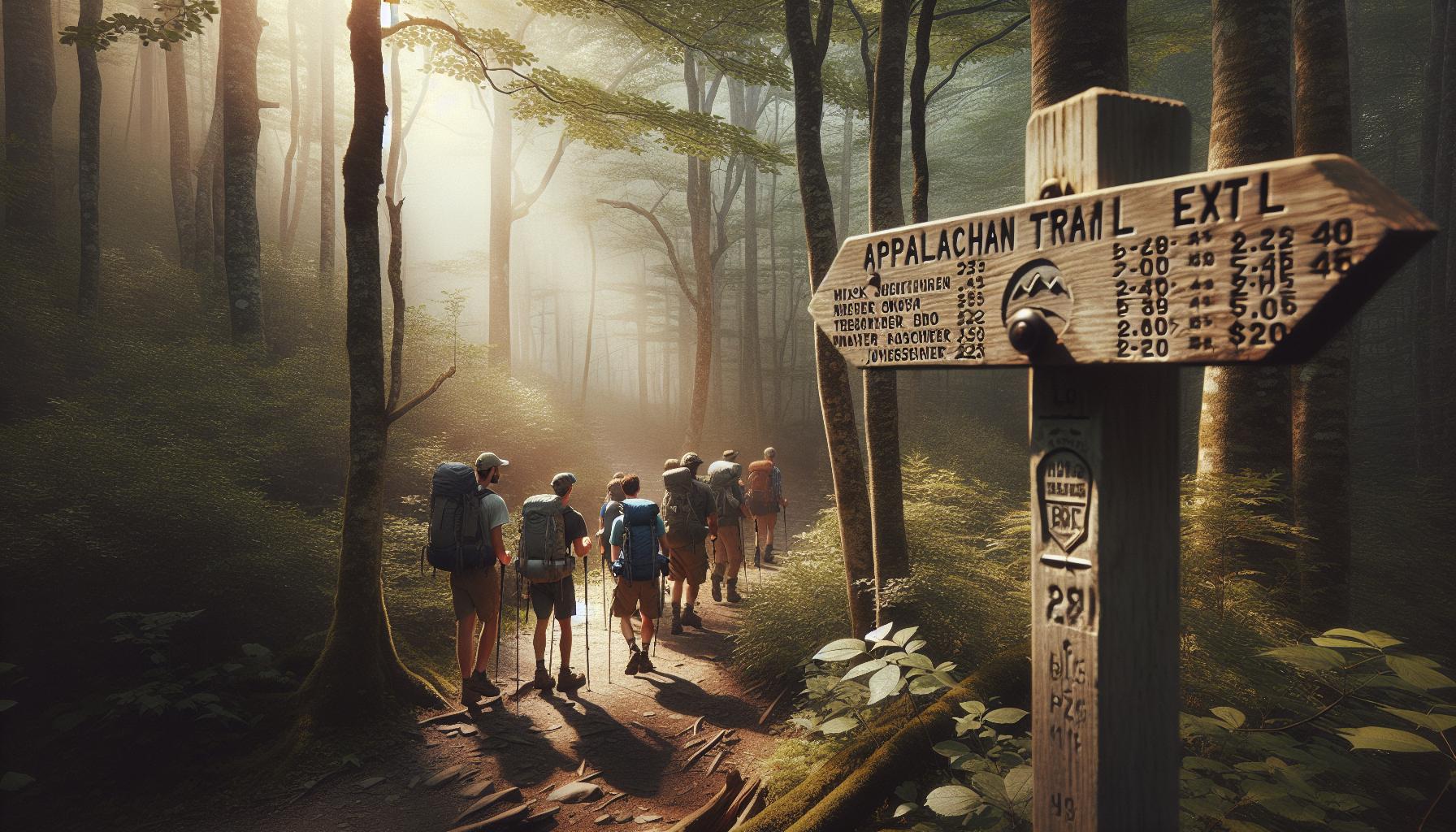
Exploring the Appalachian Trail: History and Significance
The Appalachian Trail (AT) is one of the most iconic hiking trails in the United States, stretching over 2,200 miles from Georgia to Maine. Its rich history and cultural significance make it more than just a long-distance hike; it’s a journey through America’s natural heritage. Established as a national scenic trail in 1968, the AT draws hikers not only for its stunning landscapes but also for its profound connection to outdoor advocacy and preservation.
The origins of the Appalachian Trail date back to the early 1920s when Benton MacKaye, a forester and conservationist, envisioned a footpath that would connect communities and provide outdoor enthusiasts with a sanctuary in nature. His vision was to create a corridor that would promote a deep appreciation for the natural environment while offering a space for reflection and recreation. This idea resonated with many, leading to the trail’s official establishment and expansion over the years, facilitated by a network of volunteers, hikers, and environmentalists dedicated to its preservation.
The Trail’s Natural Diversity
Hiking the Appalachian Trail means traversing a diverse array of ecosystems, from dense forests and towering mountains to serene river valleys and sparkling springs. Each section of the trail showcases distinctive flora and fauna, making it a living laboratory for biodiversity. Hikers will encounter everything from vibrant wildflowers in the spring to vivid autumn leaves, with numerous species of wildlife, including deer, bears, and an array of bird species, often peeking through the trees.
This ecological richness not only highlights the beauty of the area but emphasizes the importance of conservation efforts. Bryson, in “A Walk in the Woods,” brings attention to the fragile nature of these ecosystems, illustrating how hiking is both a privilege and a responsibility. He learns that every step taken on the trail has implications for the environment, reflecting the interconnectedness of humans and nature.
Cultural Significance of the AT
Beyond its physical attributes, the Appalachian Trail holds deep cultural significance. It represents a unique pilgrimage that attracts thousands of hikers each year, all seeking their own personal adventure. From thru-hikers aiming to complete the trail in one continuous journey to section hikers exploring different parts over years, the AT fosters a strong community where stories and experiences are shared. Bryson’s narrative highlights this sense of community, as he encounters a variety of colorful characters who reveal the trail’s rich tapestry of personalities and histories.
Moreover, as Bryson reflects on the hiking experience, readers gain insights into the challenges and triumphs that accompany such an undertaking. The trail is not just a path through rugged terrains; it is also an avenue for personal growth, resilience, and self-discovery, embodying themes of adventure, camaraderie, and the human spirit’s quest for connection with nature.
In conclusion, the Appalachian Trail stands as a testament to human ingenuity and the timeless allure of the great outdoors. Bryson’s comical yet insightful exploration serves as an invitation for individuals to embark on their own journeys, urging them to not only appreciate the beautiful landscapes but to acknowledge their role in preserving such natural wonders for future generations.
Essential Gear for Hiking Inspired by the Book
For those considering a trek inspired by Bill Bryson’s adventures in “A Walk in the Woods,” assembling the right gear is crucial to ensure comfort and safety on the Appalachian Trail. Bryson’s narrative emphasizes the importance of preparation for both the physical challenges and the unpredictable nature of the wilderness environment. Below are essential items to equip yourself properly for a hiking adventure reminiscent of Bryson’s journey.
Backpacks
Choosing the right backpack is foundational for any hiking trip. Look for a lightweight, adjustable pack with sufficient capacity to hold your gear-typically between 50 to 70 liters for multi-day hikes. A good internal frame pack can distribute weight effectively and include features such as hydration reservoirs and pockets for easy access to trail snacks.
Footwear
Your choice of footwear can significantly impact your hiking experience. Bryson emphasizes the rough terrain of the Appalachian Trail, making sturdy, waterproof hiking boots vital. Ensure they provide good ankle support and are broken in to prevent blisters. For those who prefer a lighter option, trail running shoes can work if you prioritize speed and agility over ruggedness.
Clothing
Dress in layers, with moisture-wicking base layers and an insulating mid-layer to keep warm. A waterproof and breathable outer layer is essential for unexpected rain or chills, as Bryson encountered various weather conditions. Don’t forget versatile hiking socks made of merino wool or synthetic materials to help regulate temperature and wick away moisture.
Navigation Tools
Even though Bryson occasionally humorously laments about getting lost, avoiding that fate requires the proper navigation tools. Equip yourself with a reliable map of the trail, a compass, and consider a GPS device or smartphone app specifically designed for hiking. The Garmin inReach Mini or Fenix series offers offline maps and emergency communication features, adding layers of safety to your adventure [[3]].
Food and Hydration
Staying energized is key during long hikes. Pack high-calorie, lightweight snacks such as trail mix, energy bars, and dried fruit. A portable water filter or purification tablets can be invaluable, allowing you to refill your water supply from natural sources along the trail. Hydration bladders are easy to carry and can help manage your water intake effectively.
First Aid and Safety Gear
Prepare for minor injuries and emergencies by including a first aid kit that accommodates your group size and hiking duration. Essential items include band-aids, antiseptic wipes, pain relievers, and blister treatment. Furthermore, consider packing a multi-tool, a whistle, and a headlamp or flashlight for safe navigation after dark.
By investing in the essential gear outlined above, you can enhance your hiking experience, echoing Bryson’s explorations with confidence and safety. Not only does the right equipment make the journey more enjoyable, but it also emphasizes the responsibility that comes with immersing yourself in nature.
Challenging Trails: Navigating Obstacles in the Woods
The wilderness of the Appalachian Trail offers breathtaking beauty, but it also presents a range of challenges that can test even the most seasoned hiker’s resolve. Bill Bryson’s “A Walk in the Woods” captures not just the joy of the journey, but the numerous obstacles that can arise while navigating these rugged paths. Whether it’s steep climbs, rocky terrain, or sudden weather changes, understanding how to navigate these challenges is essential for a successful hiking experience.
To prepare for tough conditions, it’s crucial to develop a keen awareness of the trail’s terrain. Bryson humorously describes his own struggles with the physical demands of the hike, illustrating that not every moment is serene. Understand the Terrain: Research the specific sections of the trail you plan to hike. Websites with trail reviews and condition reports can provide insights into what to expect, including steep ascents, descents, and any potential hazards like erosion or fallen trees. Carrying a detailed map is also vital, as it can help you identify alternative routes should you encounter sections that are more challenging than anticipated.
Manage Your Pacing: One of the most significant challenges on the Appalachian Trail is maintaining stamina over long distances. Many hikers, including Bryson, find that when confronted with steep inclines and uneven surfaces, pacing becomes a determining factor in how well they can cope. Establish a steady rhythm to conserve energy, and take regular breaks to hydrate and refuel. This approach not only aids physical endurance but also gives you the opportunity to enjoy the scenery, allowing for an overall more enriching experience.
Prepare for Weather Changes: The weather in the Appalachian region can be unpredictable. Bryson recounts encountering torrential rains and cold snaps that caught him off guard. As such, it’s crucial to check weather forecasts leading up to your hike, and always be prepared for sudden changes. Carry compact, weatherproof gear, and be sure to dress in layers. This flexibility allows for adjustments based on physical exertion and temperature variations, ensuring you remain comfortable regardless of conditions.
Practice Good Footwork: Navigating obstacles on the trail often requires excellent footwork and balance. Bryson notes the importance of being aware of where you step, particularly on rocky or slippery surfaces. Training before your hike can help enhance your agility and strength. Implement exercises like step-ups, lunges, and balance drills to prepare your body for the demands of uneven trails, reducing the likelihood of falls and injuries.
By approaching the diverse challenges presented by the Appalachian Trail with preparation and mindfulness, you can echo Bryson’s journey-transforming obstacles into rewarding experiences that deepen your connection to nature and fortify your resolve as a hiker. Understanding and tackling these challenges not only enriches your adventure but can become profound lessons in resilience and personal growth.
The Role of Nature in A Walk in the Woods
The pristine wilderness of the Appalachian Trail serves as a rich backdrop in Bill Bryson’s journey, revealing not just the physical beauty of nature but also its profound impact on the human spirit. Nature, in all its glory and unpredictability, plays a central role in shaping Bryson’s experiences and reflections throughout *A Walk in the Woods*. This exploration of nature does more than fill the pages; it invites readers to appreciate the delicate balance between humanity and the natural world, encouraging a deeper understanding of environmental conservation.
As Bryson traverses the trail, he observes the striking contrasts within the ecosystem-the towering trees, the vibrant wildlife, and the serene yet challenging landscapes. These observations are not merely presented as scenic backdrops; they prompt introspection about human existence and our often tenuous relationship with nature. Bryson humorously notes instances where modern conveniences clash with the wild’s raw essence, highlighting his own occasional discomfort, but also illuminating the beauty that exists when one steps away from life’s urban chaos. Through these experiences, he advocates for an appreciation of the natural world as a source of solace and inspiration.
Nature’s Lessons
The teachings of nature extend beyond the immediate experiences of hiking. Bryson emphasizes lessons of resilience and adaptability, mirroring the environment itself. Each challenge presented by the trail-be it a steep incline or unpredictable weather-mirrors the unforeseen obstacles of life, suggesting that perseverance in the face of adversity can lead to personal growth. The wilderness serves as a metaphor for life’s unpredictability, allowing readers to draw parallels to their own journeys. Furthermore, Bryson’s encounters with the flora and fauna invoke a respect for biodiversity, igniting a desire for readers to advocate for ecological preservation.
- Reflection and Mindfulness: Nature encourages introspection, prompting moments of peace amidst the chaos of daily life.
- Connection to the Environment: Personal encounters with wildlife and plant life foster an emotional bond that encourages stewardship of the Earth.
- Understanding Resilience: Witnessing nature’s ability to thrive in harsh conditions inspires similar resilience in personal struggles.
In essence, Bryson’s narrative demonstrates that nature is not just a physical entity to be traversed; it is a pivotal character that challenges and enriches the human experience. Embracing the natural world thus becomes an integral part of one’s adventure, underlining the significance of protecting these invaluable resources for future generations. Whether through practical preparedness or the emotional journey of hiking, readers are left contemplating not only the trails of the Appalachian wilderness but their own paths in life and the vital role that nature plays in that journey.
Hiking Safety Tips from Bryson’s Experiences
When embarking on a hiking adventure, especially one as demanding as traversing the Appalachian Trail, safety becomes paramount. Bill Bryson’s narrative offers valuable insights into the challenges faced on the trail and the practical strategies for navigating them. His humorous yet cautionary tales serve as a reminder that preparation can make all the difference in ensuring a successful hiking experience.
Bryson emphasizes the importance of being well-prepared for the environment you will encounter. This includes not only physical readiness but also understanding the hazards of the trail. For example, he discusses the unpredictable weather and the diverse wildlife that can pose risks, such as bears. This awareness can significantly reduce the likelihood of dangerous encounters and enhance your overall experience. Equip yourself with reliable maps and navigation tools, and always inform someone of your hiking itinerary for added safety.
Essential Preparations: Key Safety Tips
- Know Your Limits: Bryson acknowledges that hiking the Appalachian Trail requires a level of physical fitness. Assessing your endurance and choosing trails that match your fitness level can prevent exhaustion and injuries.
- Stay Within Your Group: Emphasizing the buddy system, Bryson illustrates the importance of sticking together. If hiking with friends, never wander off alone, and establish regular check-in points during the hike.
- Pack Wisely: Bring sufficient food, water, and emergency supplies. Bryson’s experiences highlight how unexpected situations can arise, so having backup plans like extra water filtration systems can be crucial.
- Wildlife Awareness: Learning about the local wildlife and how to react in encounters can make a significant difference. Bryson’s fear of bears prompts a discussion on bear safety, including proper food storage and knowing bear behavior.
In addition to physical preparations, Bryson’s journey encourages adopting a mindset of mindfulness and adaptability. Hiking can be unpredictable, with elements like sudden weather changes or difficult terrains testing your resolve. Approaching these challenges with a calm and open attitude can foster resilience, allowing you to appreciate the journey rather than just the destination. Keeping a positive perspective can transform a daunting hike into a rewarding adventure, echoing Bryson’s own experiences on the trail.
Ultimately, Bryson’s humorous yet earnest reflections on hiking serve as a reminder that while nature is a source of adventure and beauty, understanding and respecting its challenges can pave the way for a truly rewarding experience. By integrating these safety tips and embracing your surroundings, you can embark on your own incredible hiking adventure with confidence and enthusiasm.
Comparative Analysis: A Walk in the Woods and Other Adventure Books
Some adventure books not only inspire readers to take to the trails but also offer profound insights into the human experience, mirroring personal journeys of self-discovery along the way. “A Walk in the Woods” by Bill Bryson stands out in this genre for its unique blend of humor, poignant observations, and a candid look at the challenges of hiking the Appalachian Trail. To appreciate Bryson’s narrative fully, it’s valuable to compare it with other notable works in the adventure literature realm, revealing differing styles and thematic focuses.
One notable comparison is with Jon Krakauer’s “Into the Wild.” While both books delve into themes of nature and personal exploration, Krakauer’s narrative is darker and more introspective, chronicling Chris McCandless’s tragic journey into the Alaskan wilderness. Krakauer’s prose captures a sense of urgency and recklessness, contrasting sharply with Bryson’s lighthearted yet informative tone. Bryson’s humor often serves as a coping mechanism against the daunting reality of the Appalachian Trail, making his narrative accessible and engaging for a broader audience.
In contrast, Cheryl Strayed’s “Wild” presents a more personal account of grief and redemption through hiking the Pacific Crest Trail. Strayed’s journey is intensely emotional, capturing her internal struggles alongside the physical challenges of the trail. This emotional depth is less prominent in Bryson’s work, which is more focused on the absurdities and lighter moments of hiking adventures. Nonetheless, both authors illustrate that nature can be a powerful catalyst for personal growth, with former pain transformed into resilience on the trail.
The element of camaraderie also distinguishes Bryson’s “A Walk in the Woods” from other adventure narratives. While Krakauer focuses primarily on McCandless’s solo journey, Bryson embarks on his hike with a friend, Stephen Katz, injecting humor and highlighting the importance of companionship in confronting the wilderness. Their contrasting backgrounds and personalities create a comedic dynamic that enriches the narrative, making the challenges they face feel more relatable. This interplay between humor and the stark realities of nature creates a compelling narrative journey that resonates with readers looking for both entertainment and insight.
Ultimately, by examining these different adventure narratives, readers can appreciate the diverse ways authors capture their experiences with nature, whether through humor, introspective reflection, or emotional vulnerability. Each perspective not only enriches the adventure literature genre but also offers lessons that resonate with hikers and adventure seekers alike. Such comparisons encourage readers to reflect on their motivations for hiking and the personal growth that can emerge from a connection with the natural world.
Personal Reflections: How Hiking Transforms Lives
Hiking possesses a remarkable ability to transcend the physical act of walking, becoming a transformative journey that impacts both body and mind. In A Walk in the Woods, Bill Bryson captures this essence through his adventures on the Appalachian Trail, where he not only confronts the challenges of nature but also embarks on a deeper quest for self-discovery and personal growth. The trail serves as a mirror reflecting Bryson’s insecurities, aspirations, and humor, illustrating how the simplicity of hiking can lead to profound insights that resonate far beyond the boundaries of the woods.
One of the most compelling transformations highlighted in Bryson’s narrative is how nature fosters a sense of perspective in our busy lives. Walking through the serene landscapes of the Appalachian Trail allows one to step back from daily stressors and reflect on what truly matters. Many hikers report feelings of clarity and calmness as they traverse the great outdoors, experiencing a sense of freedom that daily routines often inhibit. This therapeutic aspect of hiking encourages mindfulness, allowing individuals to appreciate the present moment while reconnecting with their surroundings.
Moreover, the physical challenges presented by hiking often parallel personal obstacles, providing valuable lessons in perseverance and resilience. Bryson vividly recounts moments of frustration and exhaustion, echoing the sentiments of many who have attempted long hikes. These experiences may seem daunting but ultimately teach hikers about their own capabilities and strength. The act of overcoming such challenges, whether it’s a steep incline or inclement weather, cultivates a profound sense of accomplishment and self-confidence, essential traits that many carry into their everyday lives.
Lastly, the social dimensions of hiking cannot be overlooked. Bryson’s humorous excursions with his friend Stephen Katz demonstrate how camaraderie enriches the hiking experience. Sharing the adventure fosters deeper connections, encourages teamwork, and offers laughter amid the trials of the trail. This communal aspect not only elevates the hiking experience but also highlights the importance of relationships in personal growth. Whether hiking alone or with companions, the journey often leads to lasting bonds and a shared appreciation for nature’s beauty and the lessons it imparts.
In essence, hiking is more than just a recreational activity; it serves as a powerful catalyst for personal transformation. Through the lens of Bryson’s A Walk in the Woods, we recognize that the trails we walk can lead us to profound self-discovery, resilience in the face of adversity, and deeper connections with those around us. So, lacing up those hiking boots is not merely about the miles covered; it’s about the meaningful journey within.
Reader Reactions: What Audiences Loved About the Book
Readers of Bill Bryson’s A Walk in the Woods often express a rich tapestry of reactions, revealing both the book’s humorous charm and its deeper, resonant themes. Many appreciate Bryson’s engaging storytelling style, which seamlessly blends personal anecdotes with insightful observations about nature, history, and the idiosyncrasies of hiking culture. His ability to make readers laugh-often at his own expense-creates a relatable and entertaining experience, allowing them to feel as though they are accompanying him on the trail.
One of the standout aspects that resonates with audiences is Bryson’s candid exploration of his fears and insecurities about hiking, particularly his alarming research on bear attacks and the harsh realities of the Appalachian Trail. This vulnerability endears him to readers, who find comfort in knowing they are not alone in their apprehensions about outdoor adventures. As Bryson navigates these fears, audiences often reflect on their own challenges, drawing parallels to their personal journeys and the courage required to face them. This connection to Bryson’s internal monologue fosters a sense of camaraderie among readers who view hiking not just as a physical activity, but as a metaphor for life’s trials.
In addition to Bryson’s humor and honesty, the book’s portrayal of nature’s beauty and ecological significance strikes a chord with eco-conscious readers. Many find themselves inspired to reconnect with the outdoors, cultivating a deeper appreciation for conservation efforts after experiencing the vivid descriptions of the Appalachian landscape. This thematic element often leads to discussions and reflections on the importance of preserving such natural environments for future generations.
Furthermore, readers often highlight how Bryson’s dynamic relationship with his hiking companion, Stephen Katz, serves as a testament to the bonds formed through shared experiences. Their interactions infuse the narrative with warmth and laughter, illustrating how friendships can be strengthened in the face of adversity. Whether sharing triumphs over tough climbs or navigating misadventures, their companionship resonates with those who understand the value of friendship in both hiking and in life.
Ultimately, A Walk in the Woods offers more than just a recounting of Bryson’s journey on the Appalachian Trail; it invites readers to reflect on their own lives, eliciting reactions that range from laughter to nostalgia and even inspiration. Through Bryson’s relatable missteps and profound insights, audiences are encouraged to lace up their own hiking boots, ready to embark on adventures that promise not just scenic views, but significant personal growth.
How to Plan Your Own Hiking Adventure Inspired by Bryson
Planning a hiking adventure inspired by Bill Bryson’s *A Walk in the Woods* can be an enriching experience that connects you with nature while also challenging your limits. Bryson’s adventures on the Appalachian Trail underscore not just the physical demands of hiking, but also the joy of discovering the beauty of the wilderness, making it the perfect inspiration for your journey. Here’s how to embark on your own hiking escapade, incorporating useful tips and reflections drawn from Bryson’s narrative.
Start with Research
Before setting foot on the trail, it’s essential to research the hiking routes available to you. Bryson tackled the Appalachian Trail, which stretches over 2,000 miles from Georgia to Maine, featuring a variety of terrains and climates. Consider local or regional trails that offer similar experiences. Websites like AllTrails or the American Hiking Society provide detailed information about popular hikes including trail maps, elevation charts, and user reviews.
Additionally, familiarize yourself with the history and ecology of the area. Bryson often interspersed facts about plant life, local wildlife, and environmental concerns into his adventures, which deepened his appreciation for the trail. Understanding the setting enhances your connection to nature and can guide your preparation for what you might encounter.
Essential Gear and Preparation
Just as Bryson and his friend Katz learned the hard way about the importance of gear, ensuring you have the right equipment is vital for a successful hike. Prioritize these essentials:
- Footwear: Invest in durable, comfortable hiking boots appropriate for the trail conditions.
- Backpack: Choose a pack that distributes weight evenly and has compartments for easy organization.
- Clothing: Dress in layers to adapt to changing weather. Materials like moisture-wicking fabric can keep you comfortable.
- Navigation Tools: Always have a map, compass, or GPS device. Bryson’s adventures reminded us of the importance of staying oriented.
- Safety Gear: A first aid kit, bear spray (where applicable), and a multi-tool can prove invaluable in emergencies.
Testing your gear on shorter hikes before committing to longer trails can help you adjust your packing list and techniques.
Creating an Itinerary
Plan your hiking itinerary just as Bryson crafted his journey. Consider the length and difficulty of the hike and allocate enough time for breaks, meals, and enjoying the scenery. Incorporate camping or lodge stays if your trek spans multiple days. Make provisions for weather changes, and be flexible-sometimes unexpected delays can lead to the most memorable experiences.
Ensure you have reliable ways to communicate your plans to someone who isn’t hiking with you. Share your itinerary and expected return times. This precaution not only keeps you accountable but also enhances safety, echoing Bryson’s pre-hike anxieties about bears and isolation.
Engage with Nature
Lastly, use the hike as an opportunity to reflect and engage deeply with your natural surroundings. Consider keeping a journal or taking photos that capture your thoughts and experiences, reminiscent of Bryson’s humorous and insightful observations throughout his journey.
By immersing yourself in the beauty of the wilderness and sharing the experience with friends or fellow hikers, you can foster bonds akin to those depicted in *A Walk in the Woods*. These shared experiences can turn a simple hike into a life-changing adventure, offering not just physical exercise but also emotional and social rewards.
Whether you’re venturing a few miles or tackling a longer trail, planning your hiking adventure inspired by Bryson’s insights can lead to a transformative experience, filled with laughter, reflection, and a newfound appreciation for the great outdoors.
FAQ
Q: What is the main message of “A Walk in the Woods”?
A: The main message of “A Walk in the Woods” is the importance of nature and personal transformation through adventure. Bill Bryson portrays how hiking the Appalachian Trail can challenge both physical and mental boundaries, urging readers to reconnect with the environment and reflect on their own lives.
Q: How does Bill Bryson prepare for his hike in the book?
A: Bill Bryson prepares for his hike by researching gear, studying the Appalachian Trail’s history, and learning about the challenges he might face. He humorously details his struggles with selecting the right equipment and understanding the physical demands of hiking.
Q: What challenges does Bryson face while hiking the Appalachian Trail?
A: Bryson faces numerous challenges, including harsh weather, physical exhaustion, and encounters with wildlife. He humorously recounts his struggles with hiking partners and the difficulty of navigating the trail, highlighting that preparation and mental resilience are crucial for hikers.
Q: How does Bryson’s character evolve throughout the book?
A: Throughout the book, Bryson evolves from a cautious urbanite into a more adventurous and self-aware individual. His experiences on the trail lead to greater appreciation for the outdoors and a deeper understanding of his own limits and capabilities.
Q: What role does humor play in “A Walk in the Woods”?
A: Humor is a significant element in “A Walk in the Woods,” serving to engage readers while also making Bryson’s experiences relatable. His witty observations about hiking mishaps and foibles provide comic relief amidst the book’s serious themes of nature and personal growth.
Q: How can readers apply the lessons from Bryson’s hiking experience to their own lives?
A: Readers can apply lessons from Bryson’s experience by embracing outdoor activities as a form of personal growth and relaxation. The book encourages stepping out of one’s comfort zone, fostering resilience, and finding joy in nature, which can enhance overall well-being.
Q: What insights about nature does Bryson share in the book?
A: Bryson shares insights on the beauty and fragility of nature, emphasizing the need for conservation. He discusses the ecological significance of the Appalachian Trail, prompting readers to appreciate and protect natural environments.
Q: How is the Appalachian Trail described in “A Walk in the Woods”?
A: The Appalachian Trail is described as both breathtakingly beautiful and incredibly daunting. Bryson captures its varied landscapes and rich history, illustrating the trail’s significance and the complex relationship between hikers and nature throughout their journeys.
In Conclusion
Thank you for exploring “A Walk in the Woods Book Report: Hiking Adventure.” We’ve delved into the inspiring journey of self-discovery and connection with nature that this book offers. If you’re eager to embark on your own hiking adventures or uncover more about the transformative power of nature writing, check out our related articles on outdoor exploration and book recommendations that resonate with adventure seekers.
Don’t miss out on keeping up with our latest insights; subscribe to our newsletter for regular updates and exclusive content designed to enrich your reading experience. You can also explore our detailed guides on hiking gear essentials and tips for planning your next outdoor excursion to fuel your wanderlust.
Your thoughts matter to us! Share your reflections or questions in the comments below, and let’s connect on this journey of discovery together. Dive deeper into the world of literary exploration and let your curiosity lead the way!
Get our latest guides, news, and insights highlighted in your Google Search & AI Overviews.