
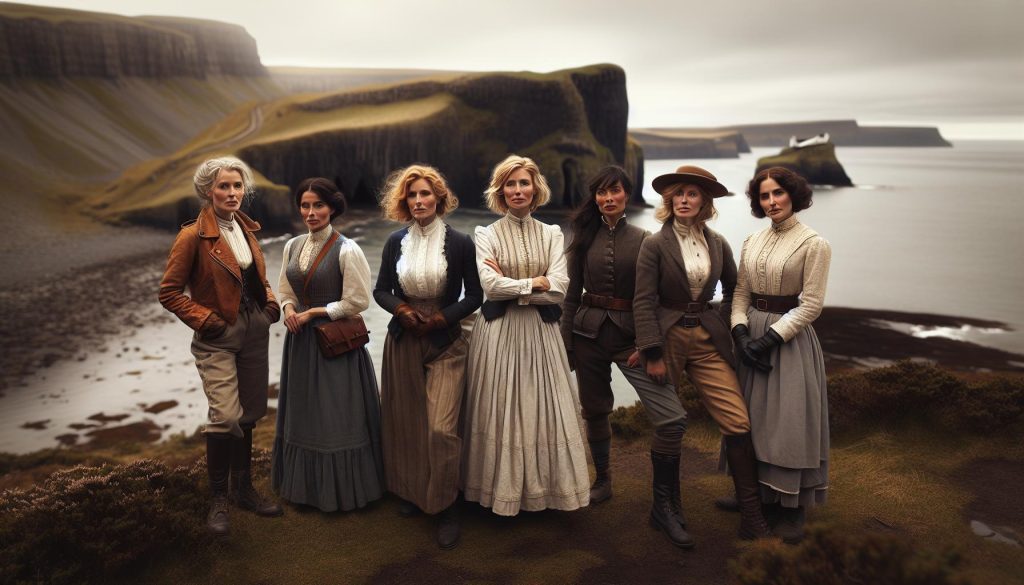
In an era when women’s voices often went unheard, Victorian women adventurers boldly charted their own paths. “A Wilder Shore” explores how these remarkable figures defied societal expectations, inspired change, and expanded the boundaries of their world through exploration and courage. Their stories not only illuminate the struggles they faced but also reflect contemporary issues of gender and empowerment. As we delve into their journeys, we discover lessons that resonate today, reminding us of the timeless fight for agency and recognition. Join us in uncovering the lives of these incredible women whose daring spirits paved the way for future generations, and prepare to be inspired by their resilience and determination against all odds.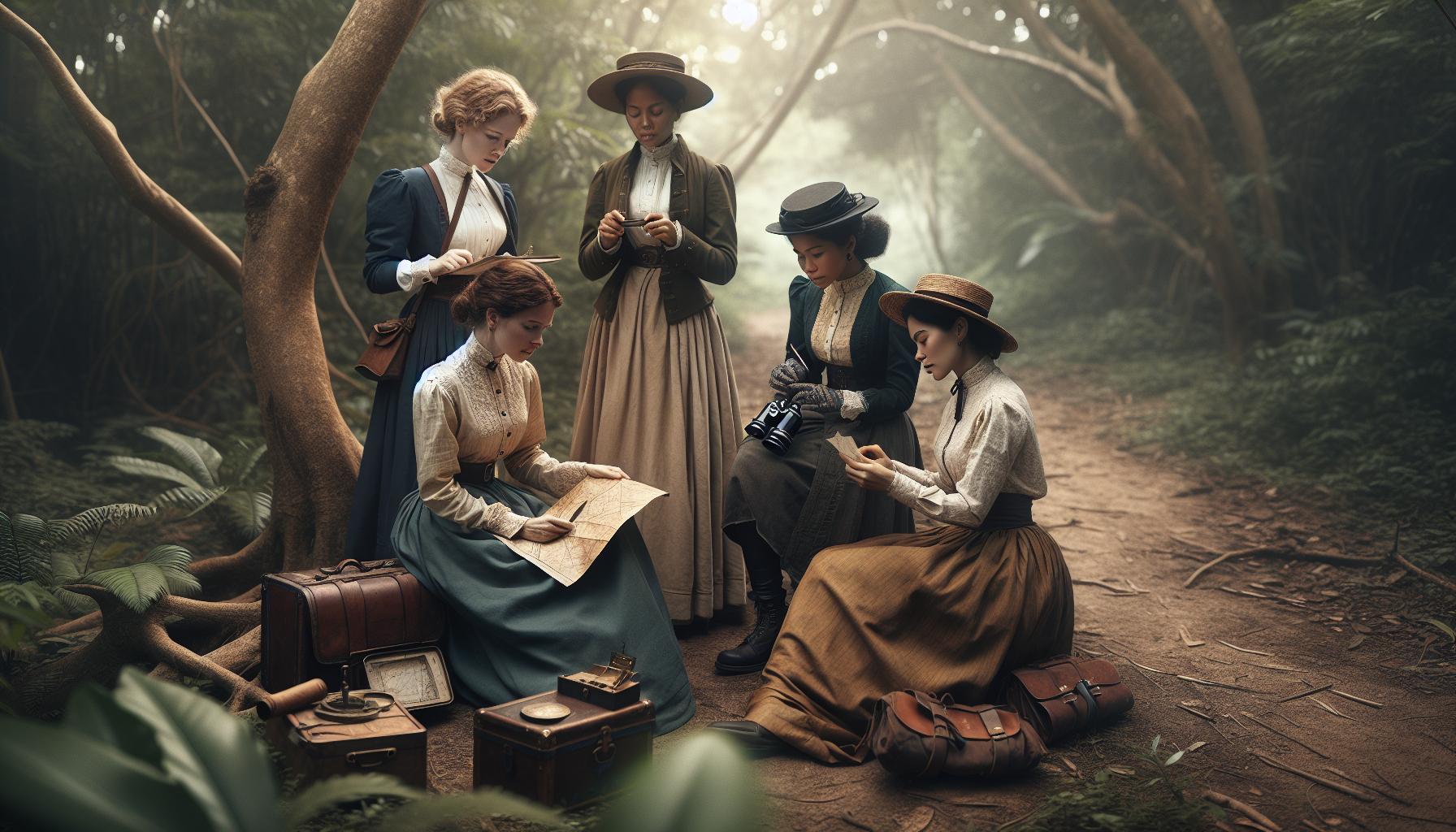
The Influence of Victorian Women Adventurers
The Victorian era was marked by transformative changes that shaped societal views on gender roles, and women adventurers played a pivotal role in challenging the status quo. These trailblazing figures not only explored uncharted territories but also navigated the complex landscapes of societal expectations and norms. Their adventures broke the confines of domesticity and redefined femininity; in a period when women were largely expected to remain in the private sphere, these women ventured into the public realm, showcasing their resilience and capabilities.
Among the notable adventurers was Isabella Bird, who traveled extensively across continents, documenting her experiences in vivid detail. Her travel writings opened windows into cultures previously unknown to many in Victorian society and presented a bold image of women capable of undertaking significant journeys. These narratives served not just as travelogue but also as a gentle nudge towards redefining women’s roles in society. Similarly, Mary Kingsley’s explorations in Africa laid the groundwork for further inquiry into the continent and highlighted the importance of cultural understanding and respect during a time when the prevailing attitudes leaned heavily towards colonial dominance.
resonates in modern literature and feminist discourse, where their stories serve as vital case studies. They illuminate themes of independence, exploration, and self-discovery that remain relevant today. By examining their legacy, contemporary readers can uncover a rich tapestry of narratives that inspire courage and challenge the conventional limits placed upon women. These stories not only allowed women to carve out their own identities but also sparked conversations about feminism, autonomy, and the transformative power of adventure.
In conclusion, the contributions of Victorian women adventurers laid the groundwork for subsequent generations to explore the world and assert their roles within it. Their lives were not mere footnotes in the annals of history; rather, they were powerful narratives of agency that encouraged women to dream beyond the boundaries of their prescribed roles. Embracing their adventurous spirits today can provide crucial insights into the ongoing journey toward gender equality in exploration and beyond.
Exploring Feminism in Adventurous Literature
Delving into the narratives crafted by Victorian women adventurers brings to light how these pioneers not only charted terrain but also challenged societal norms through their literature. These women, such as Isabella Bird and Mary Kingsley, played a crucial role in articulating a new vision of femininity-one that embraced independence and courage. Their writings served a dual purpose: they offered accounts of their travels while concurrently pushing back against the era’s rigid gender roles. It’s in these works that we find the seeds of feminist thought, intertwined with themes of self-discovery and empowerment.
Feminism in the adventurous literature of the Victorian era often manifests in the portrayal of landscapes and encounters with unfamiliar cultures. For instance, Bird’s travelogue “The Englishwoman in America” not only documented her travels but also provided a critique of the limitations imposed on women, urging for a broader view of women’s capabilities. This kind of literature frequently juxtaposed the domestic sphere, often depicted as stifling, with the freedom of exploration, creating a powerful commentary on the potential of women to embrace adventure and autonomy.
Moreover, the insertion of personal voice and experience in these narratives transformed conventional travel writing. Women like Kingsley challenged the traditional male-centric perspectives of exploration, presenting a nuanced view of their subjects that considered empathy and cultural respect. This shift is emblematic of a growing recognition that adventure is not just about conquering land but also about understanding and connecting with those who inhabit it.
Through the lens of femininity, adventurous literature of the Victorian era mirrors the complexities of gender in society. These stories resonate with modern readers, offering not only thrilling accounts of exploration but also critical reflections on the autonomy and agency of women. As such, engaging with these texts today opens pathways for discussions on inclusivity and the continued evolution of feminist thought in literature. Understanding these narratives not only enriches our appreciation of historical figures but also inspires current and future writers to incorporate complexity and depth into their portrayals of adventure and identity.
Legendary Figures: Profiles of Adventurous Women
Among the most captivating narratives of the Victorian era are those that chronicle the journeys of adventurous women who pushed against the conventional boundaries of their time. Figures such as Isabella Bird and Mary Kingsley not only traversed uncharted territories but also crafted compelling narratives that articulated a distinct vision of femininity-one steeped in independence and resilience.
Isabella Bird, an intrepid traveler and prolific writer, is perhaps best known for her travelogue A Lady’s Life in the Rocky Mountains. Written after her journey to the American West in 1873, Bird’s account vividly describes the breathtaking landscapes and the people she encountered. However, her narrative transcends mere travel writing; it serves as a critique of Victorian society’s limitations on women. Bird expertly blends her personal reflections with sociopolitical commentary, urging readers to recognize the potential for women to engage fully with life outside traditional domestic roles. Her writings emphasize not just survival but a passionate assertion of presence within a male-dominated world.
Mary Kingsley, on the other hand, is celebrated for her explorations of West Africa, where she documented her encounters with indigenous cultures and landscapes in texts like Travels in West Africa. Kingsley’s perspective was notable for its empathy; she approached her travels not with the imperial gaze typical of her contemporaries but rather with a desire to understand and relate to the cultures she encountered. Kingsley’s writings often challenge colonial narratives, presenting a more nuanced and respectful engagement with the lives of the people she met. Her work is vital as it articulates a pioneering feminist perspective in the field of exploration, highlighting women’s rights as integral to discussions of imperialism and cultural interaction.
The legacy of these women is profound. They not only paved the way for future female explorers and writers but also reshaped the understanding of adventure itself. Their stories encourage modern readers to explore themes of agency, identity, and cultural exchange, making the daring journeys of these women resonate with contemporary discussions on gender and exploration. By showcasing their adventures, they inspire a sense of curiosity and empowerment, reminding us that the spirit of adventure is not confined to geography but extends into the realms of personal and social discovery. Readers interested in the intersections of travel, feminism, and literary expression will find that the lives and works of these women provide rich material for reflection and inspiration.
The Impact of Colonialism on Victorian Adventures
The exploration narratives of the Victorian era are deeply intertwined with the threads of colonialism, a reality that shaped both the context and content of women’s adventurous literature. During this period, women like Isabella Bird and Mary Kingsley ventured into lands framed by imperial conquest, engaging with societies that were often marginalized or misrepresented by Western narratives. Their accounts not only reflect personal triumphs over the constraints of Victorian gender norms but also reveal the paradox of participating in colonial explorations while challenging imperialist perspectives.
Colonialism significantly influenced the discourse surrounding adventure, as Victorian women navigated between the allure of exploration and the ethical complexities of their travels. Many of these women articulated a sense of duty to convey authentic representations of the cultures they encountered, as was the case with Kingsley. In her writings, she confronted the dominant colonial discourse by emphasizing empathy and understanding over exploitation, asserting that Western narratives around race and culture needed disruption. This approach not only highlighted her feminist perspective but also positioned her as a critical voice against dominant imperialisms, allowing for a more nuanced engagement with the local communities and environments she documented.
As women adventurers penned their experiences, they also confronted the inherent tensions between the thrill of discovery and the implications of colonialism. Their narratives often served to critique the imperialist ethos that accompanied many exploratory missions. For instance, Bird’s experiences in the American West included reflections on the impact of colonization on indigenous peoples, subtly questioning the morality of empire-building while indulging in the freedoms her travels afforded her as a woman. This duality is key to understanding the impact of colonialism in Victorian adventure literature, allowing modern readers to recognize the contradictions within these explorations-narratives that simultaneously celebrate personal agency while grappling with the broader ramifications of imperial expansion.
By examining the impact of colonialism on Victorian women’s adventures, we uncover not only the richness of their storytelling but also the critical engagement with geopolitical realities that influenced their journeys. These women’s writings encourage contemporary audiences to reflect on the intersections of gender, imperialism, and cultural narratives, fostering deeper discussions around representation and responsibility in both historical and current contexts. Such explorations continue to resonate today, urging readers to appreciate the complexity of adventure as it intertwines with social consciousness and the implications of one’s journeys not just across lands, but through diverse human experiences.
Adventure and Gender: A Historical Perspective
In the Victorian era, the concept of adventure was often intertwined with societal expectations surrounding gender, creating a complex landscape for women who ventured beyond the norms of their time. During a period when women were generally expected to confine themselves to domestic roles, female adventurers emerged as pioneers, pushing the boundaries of both geography and societal constraints. These women not only embarked on extraordinary journeys across uncharted territories but also challenged the deeply ingrained notions of femininity, showcasing that courage and exploration were qualities not limited to men.
Victorian women adventurers, such as Isabella Bird and Mary Kingsley, utilized their travel narratives to comment on their experiences amid patriarchal society. Their stories often highlight a struggle for agency, illustrating how adventure became a vehicle for self-discovery and empowerment. For instance, Bird, often regarded as one of the first female explorers to write extensively about her travels, defied social conventions by traveling alone. Her writings conveyed a sense of independence and an urgent desire for adventure that resonated with women facing societal restrictions. Similarly, Kingsley’s journeys, particularly in West Africa, underscored her defiance of prevailing gender norms, as she ventured into danger and explored cultures deemed exotic by Victorian standards. Her work not only demonstrated her adventurous spirit but also served to elevate the voices of those she encountered, often challenging the Western perspective on race and culture.
In examining the intersections of adventure and gender, it is essential to recognize how these women’s narratives were often steeped in the context of colonialism. While their adventures allowed them personal freedom, they also participated in and critiqued the imperialist ideologies that dominated their time. The dual lens of adventure and gender revealed a complex tapestry of self-assertion and ethical considerations, prompting readers to reflect on the implications of colonial adventures. This blend of empowerment and moral reflection is a defining characteristic of their contributions, offering rich insights into the historical perspective of gender in the realm of exploration.
Overall, the triumphs and tribulations of Victorian women adventurers illuminate the broader historical narrative surrounding gender roles and exploration. As these women navigated both physical landscapes and societal expectations, they carved out new spaces for women in literary and adventure histories, inspiring future generations to embrace their own voyages-both literal and metaphorical. Understanding their stories encourages modern readers to appreciate the multifaceted nature of adventure and gender, recognizing that exploration can be as much about discovering new worlds as it is about unearthing one’s own identity in the face of societal constraints.
Literary Themes in Women’s Adventure Stories
Literary works featuring Victorian women adventurers are rich in thematic complexity and social commentary, offering readers a lens through which to examine both the genre of adventure literature and the societal constraints of the time. Adventure narratives often serve as vehicles for self-exploration and feminist expression, where women challenge not only geographical boundaries but also the confines of gender roles. By representing the internal and external struggles of women who dared to explore unfamiliar territory, these stories illuminate significant themes that resonate even in contemporary discussions about gender and exploration.
Key Themes in Women’s Adventure Narratives
One prevalent theme is the quest for autonomy. Female adventurers like Isabella Bird and Mary Kingsley often depict their journeys as paths towards personal liberation. Their writings highlight a conscious departure from the domesticated lives expected of women, illustrating how travel offers a form of self-assertion. For example, in Bird’s travels through the American West, she not only recounts landscapes but also describes her emergence as an independent figure, making choices that defy societal norms.
Another important theme is the reflection on cultural encounters. These narratives often engage with the idea of the Other, offering critiques of colonial attitudes and raising questions about imperialism. Women like Kingsley, who ventured into Africa, brought back narratives that challenged simplistic views of both the cultures they encountered and of themselves as Western women. This intersection of adventure and cultural critique allows for a nuanced exploration of identity, race, and power dynamics.
Additionally, nature and the sublime play significant roles in these stories. Both as a source of danger and beauty, nature is often portrayed as a formidable character in adventure tales. Women confront the harsh realities of the natural world, which not only tests their physical prowess but also serves as a backdrop for their psychological growth. The wilderness challenges them, yet it is within these challenging environments that they often discover their true selves. Such portrayals reflect a broader Romantic tradition that emphasizes the individual’s relationship with nature, intertwined with themes of empowerment and self-discovery.
Implications for Contemporary Readers
For modern readers, engaging with these literary themes offers more than just an insight into historical contexts; it invites reflection on current considerations of gender and adventure. The lessons from these Victorian narratives encourage a deeper understanding of how narratives have shaped-and continue to shape-perceptions of women’s roles in exploration. The journey for autonomy, cultural critique, and the relationship with nature remain relevant to contemporary discussions about equality and representation in adventure literature.
By examining the thematic richness of women’s adventure stories from the Victorian era, we can draw parallels to the ongoing quest for feminist voices in literary spaces today. These narratives not only celebrate the adventurous spirit of women like Bird and Kingsley but also inspire a broader dialogue regarding female agency and exploration in both literature and society.
Comparing Male and Female Adventurers in Literature
In the vast terrain of adventure literature, comparing male and female adventurers reveals stark differences shaped by societal expectations, narrative styles, and themes of exploration. Male adventurers, often depicted as conquerors of the wild, embody traits such as bravado and dominance that align with the Victorian ideal of masculinity. In contrast, female adventurers frequently navigate a dual landscape: while they conquer physical terrains, they are also engaged in a quest against the restrictive norms of their time. This layered exploration enriches the narratives they produce, showcasing not just their adventurous spirits but also their intimate struggles with societal limitations.
Narrative Techniques and Themes
Female adventurers like Isabella Bird and Mary Kingsley often employ introspective and reflective narrative styles. Their journeys are marked by emotional depth, showcasing personal growth and self-discovery. For instance, Bird’s account of her travels in the American West illustrates her transformation into a self-reliant figure, where she not only encounters the wilderness but comes to terms with her identity as a woman in a male-dominated society. This contrasts sharply with male counterparts like H. M. Stanley or John Muir, where exploration is primarily framed as an external conquest, emphasizing physical endurance and geographical achievement.
Representation of Nature
The portrayal of nature also diverges significantly between genders. Male adventurers typically view nature as a formidable adversary to be subdued and conquered. In contrast, women’s literature often reflects a relationship with nature that is more collaborative and symbiotic. For instance, Mary Kingsley’s narratives about Africa reveal a nuanced understanding of the cultures she encounters and an appreciation for the natural world, which she portrays as both beautiful and complex. This dynamic invites readers to reconsider their preconceptions about adventure and the inherent connections between humanity and nature.
Impact on Feminist Discourse
The narratives crafted by female adventurers contribute meaningfully to feminist discourse, encouraging readers to explore themes of autonomy, identity, and the redefinition of gender roles. While male adventurers often symbolize expansion and control, female adventurers depict journeys of personal liberation and critique of imperial attitudes. As such, their stories resonate deeply with contemporary conversations around feminism and the roles women play in both literature and society.
Ultimately, while both male and female adventurers share the common theme of exploration, their motivations, narrative styles, and relationships with the environments they traverse reveal essential truths about the period’s gender dynamics. Understanding these differences not only enhances our appreciation for adventure literature but also encourages a more inclusive view of the rich tapestry of exploration stories.
The Role of Nature in Women’s Adventures
Nature often emerges as a dynamic character in the narratives of Victorian women adventurers, serving not merely as a backdrop but as a pivotal element influencing their journeys. For figures like Isabella Bird and Mary Kingsley, encounters with the natural world reflect profound insights into both personal identity and broader societal constructs. These women’s writings challenge conventional portrayals of nature as a battleground for conquering male adventurers, instead presenting it as a space for nurturing understanding and transformative experiences.
In works such as Bird’s “A Lady’s Life in the Rocky Mountains,” nature is portrayed as a source of both awe and companionship. Bird’s reflections on the landscapes she traverses reveal an intimate connection, suggesting that her adventures are as much about self-discovery as they are about exploring the physical world. Her descriptions of the Rockies convey emotional truths that resonate with the complexities of her existence as a woman in the Victorian era. This nuanced relationship highlights a desire to embrace the wilderness rather than dominate it, emphasizing collaboration with nature rather than mere conquest.
Similarly, Mary Kingsley’s explorations in Africa illustrate a profound respect for the environments and cultures she encounters. Instead of treating nature as an adversary, Kingsley reveals its intricacies, advocating for an appreciation that encompasses both the beauty of the landscape and the wisdom of its people. Her writings invite readers to see nature as a teacher-an entity that provides insights into humanity’s place within the larger world. By immersing herself in these diverse settings, Kingsley not only documents her adventures but also challenges the prevailing narratives of imperialism and ethnocentrism that characterized much of her contemporaneous society.
Ultimately, these women’s perspectives on nature present a rich tapestry of experience that redefines adventure literature. Their stories urge modern readers to reconsider the traditional bounds of exploration and challenge the notion that adventure is solely about physical triumph. Through their lens, nature becomes a collaborator in their narratives, a source of inspiration and personal growth that elevates their adventures beyond mere escapades to profound journeys of identity and understanding. This reimagining serves as a vital commentary on the role of women in exploring both the world around them and the societal norms that delimit their existence.
Cultural Context: The Victorian Era and Exploration
The Victorian era, stretching from the ascension of Queen Victoria in 1837 to her death in 1901, was characterized by a paradoxical mixture of progress and constraint. As Britain emerged as a global power, its culture was deeply influenced by the age’s expansionist attitudes and evolving social norms. During this time, women began to push boundaries, particularly in the realm of exploration and adventure-a domain traditionally dominated by men. This burgeoning spirit of adventure among women was not merely a personal yearning for discovery; it intertwined with broader social movements advocating for women’s rights and freedom.
Women explorers like Isabella Bird and Mary Kingsley defied societal expectations by venturing into the unknown, their narratives crucial touchstones in understanding women’s role in exploration. Bird, known for her travels in the Americas, adopted a writing style characterized by emotional depth and vivid imagery, often reflecting on her sense of isolation and exhilaration in the wilds of nature. Similarly, Kingsley challenged imperialist norms through her travels in Africa, portraying local cultures with respect rather than condescension. Their journeys highlight the tension between the era’s imperialist adventurism and emerging feminist consciousness, as they sought not only to map uncharted territories but also to understand and articulate the complexities of the human experience.
- Social Context: The Victorian period fostered a climate of change, with movements advocating for women’s education and labor rights gaining traction. Female adventurers became symbols of this broader struggle, using their experiences to critique societal limitations.
- Literary Reflections: Their writings didn’t just document their adventures; they also served as cultural critiques. By portraying their interactions with nature and different societies, they subtly challenged prevailing notions of female fragility and prescribed gender roles.
- Exploration and Identity: The act of exploration became a means for self-discovery. As these women navigated through diverse terrains and cultures, their experiences redefined their identities-not as passive observers but as active participants in shaping their destinies.
The cultural context of the Victorian era thus establishes a fascinating backdrop for the narratives of women adventurers. Their legacies call for a reevaluation of adventure literature, inviting readers to appreciate the intricate dynamics at play in these tales of exploration. By intertwining personal growth with broader societal changes, the stories of Victorian women adventurers offer a richer understanding of their contributions not just to literature but to the fabric of social change itself.
Legacy of Victorian Women Adventurers Today
The legacy of Victorian women adventurers continues to resonate powerfully in today’s society, embodying resilience, curiosity, and the spirit of exploration that transcends time. These remarkable figures, such as Isabella Bird and Mary Kingsley, not only broke societal norms of their era but also laid the groundwork for contemporary discussions surrounding gender, identity, and adventure. Their narratives inspire modern adventurers and writers alike, showcasing how personal journeys can challenge and redefine boundaries.
Victorian women adventurers challenged the constraints of their time and opened doors for future generations. Today, we see their influence through various channels, including literature, travel blogs, and even media representations. Many contemporary female explorers cite these pioneers as inspirations, emphasizing how their daring escapades paved the way for women to claim their rightful place in the sphere of adventure. Events like adventure races and outdoor expeditions are increasingly populated by women who embody this spirit of adventure, promoting messages of empowerment and equality.
Moreover, current feminist literature often revisits the stories of these adventurers, not merely to celebrate their achievements but to critically analyze the social contexts in which they operated. The writings of Bird and Kingsley provide rich resources for understanding not just the adventures themselves, but also the societal implications of their journeys. As readers engage with these texts, they uncover themes of liberty, identity, and the struggle against patriarchal expectations. This analysis informs today’s feminist discourse, grounding it in historical experiences that parallel modern challenges.
In classrooms and book clubs, the exploration of these narratives encourages discussions about women’s roles in literature and society. Educational programs increasingly incorporate the works of these Victorian adventurers into their curriculums, framing them as not only explorers of new lands but also pioneers of social change. By introducing young readers to these influential figures, we cultivate an appreciation for their contributions and encourage a new generation of adventurers to explore with both courage and empathy.
As we reflect on the legacy of these trailblazing women, it becomes clear that their journeys still hold vital lessons for us today. They remind us that adventure is not just about physical exploration but also about the pursuit of knowledge, compassion, and understanding across cultures and experiences. This enduring legacy can serve as a beacon for aspiring adventurers, urging them to step beyond societal confines and embrace the world with open hearts and adventurous spirits.
Essential Reads: Must-See Books on the Topic
Exploring the journeys of Victorian women adventurers offers a thrilling glimpse into lives that defied societal norms and paved the way for future generations. For those keen to delve into this dynamic intersection of exploration, gender, and literary legacy, several essential reads not only illuminate these remarkable stories but also provide context for understanding their impact on contemporary adventure narratives.
Inspiring Titles to Consider
- A Wilder Shore by Jennifer S. Smith – This collection of essays and narratives beautifully captures the lives of various women who ventured into the unknown, from Africa to the American West. Smith’s engaging prose interweaves personal anecdotes with historical accounts, offering a compelling reading experience that highlights both the triumphs and challenges faced by these trailblazers.
- Isabella Bird: The Woman Explorer by Julia Parker – A biography that showcases Isabella Bird’s eclectic travels across the globe, including her adventurous journeys in the Himalayas. Parker captures Bird’s spirit and determination, providing readers with insights into what drove this extraordinary woman to explore territories often thought to be the domain of men.
- Mary Kingsley: A Woman’s Memoir of Africa by Mariannne D. Althea – This engaging memoir invites readers into Mary Kingsley’s world as she traverses West Africa. Althea’s examination of Kingsley’s observations on culture and the natural world reveals how her work contributed significantly to both anthropology and feminism during the Victorian era.
- The Women’s Press: Victorian Women Writers 1850-1900 edited by Anna B. DuBois – This anthology compiles various writings from women adventurers and explorers whose works provide a critical lens on gender and colonialism in the 19th century. DuBois’ commentary enriches the reader’s understanding of the literary landscape these women navigated.
- Climbing the Stairs by Tasha Fury – A powerful exploration of how Victorian women broke through societal barriers, this book highlights both familiar and lesser-known figures. Fury’s nuanced portrayal encourages empathy and understanding about the struggles faced by these adventurers amid societal constraints.
Understanding Their Legacy
Reading these works not only introduces you to the gripping accounts of women who ventured into uncharted territories but also prompts reflections on their lasting impact on modern exploration and adventure literature. These titles serve as vital resources for understanding the complexities of the women’s experience during the Victorian era, as well as their contributions to feminist discourse today.
Whether you are a seasoned adventurer, a student of literature, or simply curious about history, these essential reads will engage your mind and inspire your spirit of exploration. They remind us that adventure transcends physical boundaries and reaches into the realms of personal growth, cultural understanding, and breaking barriers.
How to Write About Adventure: Tips for Aspiring Writers
Writing about adventures, especially those undertaken by Victorian women adventurers, requires a blend of narrative skill and historical insight. These women defied societal expectations by exploring uncharted territories, and capturing their experiences authentically can resonate with contemporary readers. To effectively convey these thrilling tales, writers should consider the unique contexts from which these women emerged and the obstacles they faced in their pursuits.
A strong starting point is to immerse yourself in the historical period of the Victorian era. Understanding the social and cultural framework can provide depth to your narrative. Consider how the restrictive norms of gender and class influenced the choices of trailblazers like Isabella Bird and Mary Kingsley. weave in details about their environments, the landscapes they traversed, and the cultural interactions they encountered. This will enrich your writing and help readers visualize the adventures against the backdrop of a defining era.
When crafting your adventure stories, focus on a compelling character arc. Highlight not only the adventurous endeavors but the internal transformations these women experienced. For instance, in the writings of Mary Kingsley, observe how her perceptions of African cultures evolved through her interactions. Showcase moments that reflect their resilience and courage, illustrating how each journey pushed against the epoch’s boundaries. Using direct quotes from historical texts or firsthand accounts can provide authenticity and engage readers with the characters’ voices.
Moreover, consider incorporating thematic elements relevant to both the adventure and the social issues of the time. Themes such as exploration, self-discovery, and the challenge against colonialism can create layered narratives. By juxtaposing the excitement of adventure with the complexities of gender dynamics, readers can appreciate the true significance of these women’s contributions not only to exploration but to feminist discourse.
Lastly, don’t shy away from weaving in your reflections and interpretations. Readers often appreciate writers who share their perspectives and analyses. Whether it’s pondering on the role of nature in shaping these adventures or considering how these historical feats have paved the way for modern adventurers, your insights can connect the past with present narratives. By following these strategies, aspiring writers can craft engaging and meaningful stories that honor the legacies of Victorian women adventurers while encouraging a broader understanding of adventure literature.
Q&A
Q: What is “A Wilder Shore” about?
A: “A Wilder Shore” explores the lives of Victorian women adventurers, highlighting their struggles and triumphs in a male-dominated society. It delves into their motivations for exploration and the profound impact they had on literature and society, effectively challenging traditional gender norms of the time.
Q: Who are some notable women featured in “A Wilder Shore”?
A: The book profiles legendary figures such as Isabella Bird and Mary Kingsley, among others. These women defied contemporary expectations by embarking on significant explorations, shaping the narrative of female adventure and establishing a legacy in the literary world.
Q: How did Victorian women adventurers influence literature?
A: Victorian women adventurers contributed to literature by introducing new perspectives on exploration and freedom. Their narratives often intertwined personal journeys with broader social critiques, influencing future generations of writers to explore themes of feminism and resilience in their works.
Q: In what ways does the book address feminism?
A: “A Wilder Shore” examines feminism in adventurous literature by showcasing how female adventurers navigated societal constraints. It highlights their achievements as acts of defiance, ultimately contributing to the feminist discourse and inspiring later movements.
Q: What themes are prominent in women’s adventure stories?
A: Key themes in women’s adventure stories, as discussed in the book, include identity, freedom, and cultural commentary. These narratives often reflect the internal and external conflicts faced by women, capturing the complex interplay between their personal and societal challenges.
Q: How did colonialism impact Victorian women’s explorations?
A: Colonialism significantly influenced the journeys of Victorian women adventurers by dictating the geographical scope and motivations of their explorations. The book discusses how these women often intersected with colonial narratives, providing a critical lens on the implications of their travels within colonial contexts.
Q: Why is it important to study the legacy of these adventurers?
A: Studying the legacy of Victorian women adventurers is crucial for understanding the evolution of gender roles and literary representation. Their stories demonstrate how women have historically fought for space in narratives traditionally dominated by men, paving the way for contemporary female voices.
Q: What can aspiring writers learn from “A Wilder Shore”?
A: Aspiring writers can glean insights into crafting compelling adventure narratives by observing how these women merge personal experiences with broader themes. The book encourages writers to explore their authentic voices and challenge conventional storytelling methods, particularly in the realm of adventure literature.
Final Thoughts
As we conclude our exploration of “A Wilder Shore Book Review: Victorian Women Adventurers,” it’s clear that the often-overlooked stories of these remarkable women resonate profoundly with today’s quest for daring narratives. Their courage and resilience shine a light on the broader themes of adventure and self-discovery so relevant to us now. Don’t just leave this insight here-dive deeper into the extraordinary lives of these adventurers by exploring related works in our collection, such as our reviews on “Declared Adventurous: Women in History” or the historical impact of female explorers.
For those eager to uncover more captivating tales, we invite you to subscribe to our newsletter for exclusive insights and updates. Engage with our community-share your thoughts in the comments or connect with fellow readers on social media. Your next great adventure in reading is just a click away! As you explore further, you’ll not only enrich your knowledge but also ignite your imagination with stories that challenge norms and celebrate the spirit of exploration. Join us on this journey today!
Get our latest guides, news, and insights highlighted in your Google Search & AI Overviews.










