Connecting your MacBook to your Apple TV can transform your viewing experience, allowing for seamless streaming of content right from your laptop. However, many users encounter challenges in the authorization process, which can be frustrating when you’re eager to enjoy movies, shows, or presentations on a larger screen. Fortunately, this guide will walk you through simple steps to authorize your MacBook in just minutes, enhancing your entertainment setup. Whether you’re looking to binge-watch your favorite series or share a presentation, mastering this quick process will elevate how you use your Apple devices. Dive in to learn how you can effortlessly link your MacBook to your Apple TV and unlock a world of streaming possibilities!
Understanding Apple’s Authorization Process for MacBook and Apple TV
To fully enjoy the wealth of content available through Apple TV and iTunes, understanding the device authorization process is crucial. Authorizing your MacBook enables you to play, download, and manage purchases made with your Apple ID seamlessly. This process helps Apple ensure that only authorized devices can access the content tied to your account, promoting security and preventing piracy. When you authorize your MacBook, it effectively becomes linked to your Apple ID, facilitating access to your library of purchased movies, music, and apps.
The authorization process is relatively straightforward but varies slightly depending on whether you’re using iTunes or Apple TV. To authorize your MacBook, you’ll need your Apple ID and password. Once you input these credentials, your device is granted access to your content. You can authorize up to five computers under one Apple ID, which is useful for households or shared spaces where multiple users may wish to access the same content. If you’re a frequent user of media rental and purchase services, this authorization is a quick yet vital step in ensuring your MacBook can handle all your entertainment needs without hassle.
It’s essential to be aware of some common issues that may arise during the authorization process. Sometimes, users may encounter error messages indicating that their computer is already authorized or the authorization limit has been reached. In such cases, Apple provides tools for managing your authorized devices. Regularly reviewing and managing your list of authorized devices can prevent confusion and help maintain the security of your account. Overall, understanding the authorization process helps streamline your media consumption and adds a layer of security to your Apple ecosystem.
Why You Need to Authorize Your MacBook for Apple TV
To unlock the full potential of your Apple ecosystem, authorizing your MacBook for Apple TV isn’t just a technical step-it’s a gateway to a seamless entertainment experience. By completing this authorization process, you ensure that your MacBook can access a trove of digital content tied to your Apple ID, including movies, music, and apps, without the restrictions that come with unregistered devices. This integration allows you to effortlessly transition between devices, enhancing your ability to enjoy your purchased content regardless of whether you are using your laptop or your Apple TV.
One key reason for authorization is the restriction on content access. Apple mandates that devices must be authorized to prevent unauthorized usage and piracy, maintaining the integrity of your purchased media. When you authorize your MacBook, you’re not only legitimizing your access but also creating an organized library where all your media purchases are readily available. This means that whether you want to stream a movie from iTunes directly to your Apple TV or want to share your music playlist seamlessly, your authorized devices work in harmony, providing a fluid user experience.
Moreover, the authorization process is beneficial for managing shared environments. In a household where multiple family members use the same Apple ID, authorizing your MacBook allows each user to personalize their media experience. This can include creating individual playlists or choosing favorite shows, all while keeping the content linked to a single account. As families often have different preferences, this feature promotes a tailored experience without the hassle of managing separate accounts.
Ultimately, authorizing your MacBook to access Apple TV isn’t merely about compliance-it’s about enriching your media interactions across devices. With a quick process requiring just your Apple ID and password, you can set up your devices to ensure that your entertainment options are limitless and accessible at a moment’s notice. This step is essential for maximizing the value of your investments in Apple’s digital ecosystem, making every viewing or listening experience satisfying and immediate.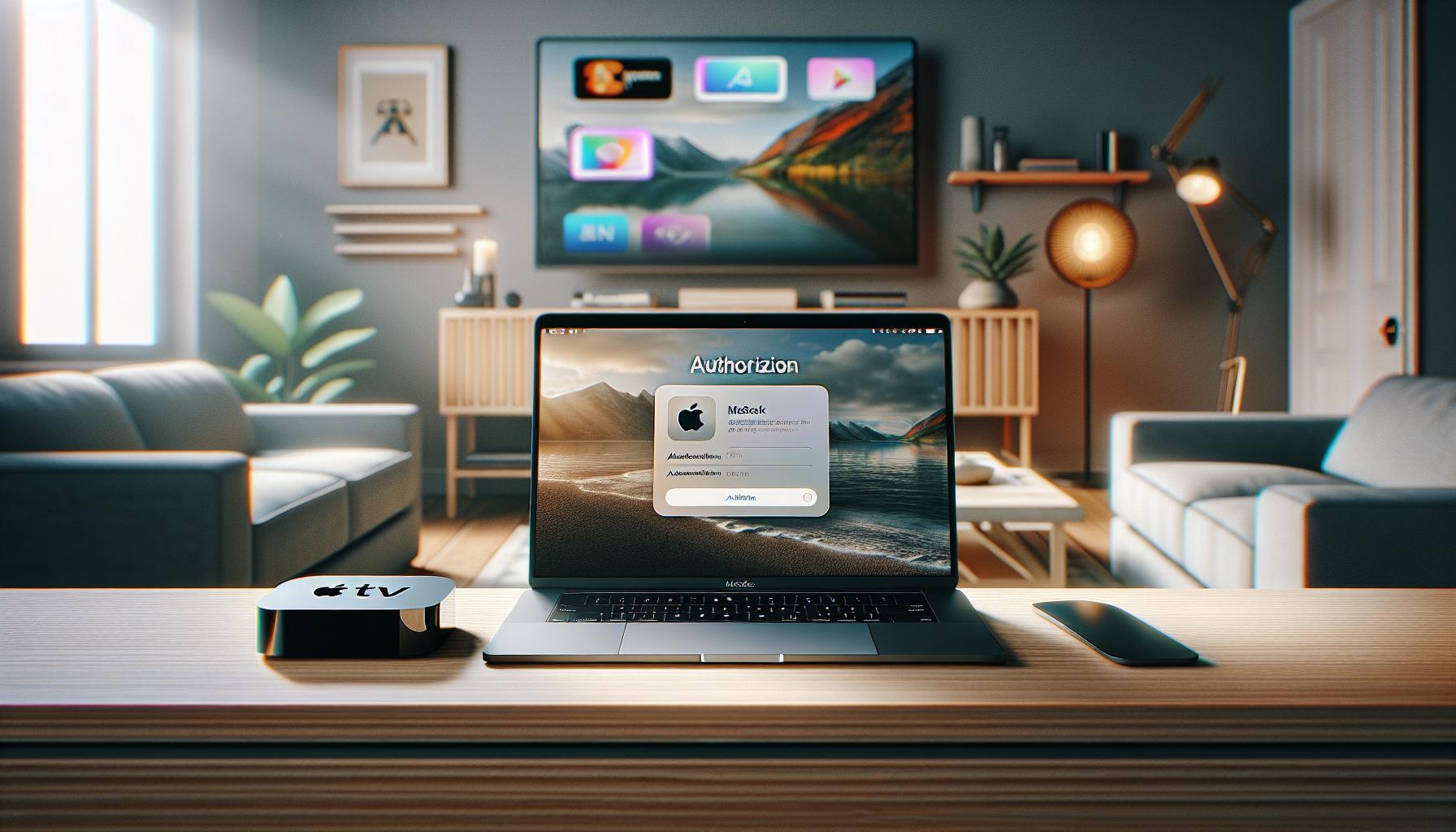
Step-by-Step Guide to Authorizing Your MacBook
To get your MacBook authorized for Apple TV and fully enjoy the benefits of your Apple ecosystem, follow these straightforward steps. It may seem complicated at first glance, but the process is designed to be user-friendly. Connecting your devices allows for seamless access to your digital library, letting you stream and share content easily.
Step-by-Step Authorization Process
- Open iTunes or Finder: Depending on your macOS version, launch iTunes (for older versions) or Finder for macOS Catalina and later. Both platforms handle your media library and device authorizations.
- Sign in with Your Apple ID: Make sure you are logged into your Apple ID. If you’re not signed in, click on Account in the menu bar and select Sign In. Enter your Apple ID and password.
- Authorize Your Device:
– In iTunes, navigate to the Account menu, hover over Authorizations, and select Authorize This Computer.
– In Finder, click on your device on the sidebar, then look for the option to authorize.
- Confirm Authorization: You may receive a confirmation message indicating that your MacBook has been successfully authorized. Although you can authorize up to five devices, keep in mind that any time you authorize a new device, one of your previously authorized devices may need to be deauthorized to stay within this limit.
- Testing Your Authorization: To ensure that everything is set up correctly, try accessing your purchased content or streaming a video from Apple TV. If it plays smoothly, you’re all set!
Tips for a Smooth Experience
To avoid potential hiccups, here are a few suggestions:
- Check Device Limits: Remember that you’re limited to five authorized devices per Apple ID. If you encounter issues, consider deauthorizing a device you no longer use.
- Stay Updated: Ensure your MacBook is running the latest version of macOS for the best compatibility and security.
- Connectivity Check: A stable internet connection is vital for the authorization process, so ensure your MacBook is online.
By following these steps, you’ll empower your MacBook to seamlessly integrate with your Apple TV, opening up numerous entertainment opportunities. Enjoy your media without restrictions and take full advantage of the Apple ecosystem!
Troubleshooting Authorization Issues on Your MacBook
Authorization issues can be frustrating, especially when you’re eager to enjoy your Apple TV content on your MacBook. The process of authorizing your device should be seamless, but various factors can interrupt this experience. One common issue arises when users try to authorize a device and see a message indicating that they have reached their limit of five authorized devices. If this happens, consider deauthorizing an older or unused device. To do this, navigate to the same Authorizations menu in iTunes or Finder and select Deauthorize This Computer.
Another frequent stumbling block is ensuring that you are signed in with the correct Apple ID. If you have multiple Apple IDs, double-check that you are logged in with the one associated with your purchases. If forgotten credentials are holding you back, try resetting your Apple ID password through the Apple ID account page. This will alleviate access issues.
In some cases, users find themselves encountering network-related challenges. A stable internet connection is essential for device authentication; thus, ensuring that your Wi-Fi is functioning properly is crucial. If you’re experiencing connectivity problems, try restarting your router or connecting to a different network temporarily.
Additionally, keeping your macOS updated is crucial for smooth operation. Outdated software can lead to unexpected behavior during the authorization process. Navigate to System Preferences > Software Update to check for and install any necessary updates. Staying updated not only enhances the device’s performance but also ensures compatibility with Apple’s current authorization protocols.
For users who have gone through these steps and are still facing issues, consider reaching out to Apple Support for further assistance. They can provide guidance tailored to your specific situation, ensuring you can enjoy the content you love without further hindrance. With these troubleshooting tips in mind, you can enhance your Apple ecosystem experience and overcome any authorization hurdles efficiently.
How to Deauthorize Your MacBook from Apple TV
When it comes time to deauthorize your MacBook from Apple TV, it’s often a straightforward process that can save you from hitting your authorization limit across devices. Understanding this process not only allows you to manage your device ecosystem efficiently but also helps ensure you can freely add or replace devices when necessary. Here’s how you can smoothly navigate the deauthorization process.
To begin, you’ll need to open the Apple Music app (or iTunes, depending on your setup). Once open, sign in with your Apple ID if you aren’t already. After signing in, look to the menu bar at the top of your screen and click on Account. From the dropdown, select Authorizations, and you’ll see the option Deauthorize This Computer. Click on this option, and a prompt will ask you to confirm your choice. Once confirmed, your MacBook will successfully be deauthorized from your Apple ID, freeing up a slot to authorize a new device, such as a different Mac or Apple TV.
It’s important to note that deauthorizing your MacBook won’t delete any purchased content from the device; you can still access your music or videos without issue. However, any purchases made on this computer can no longer be played unless it’s reauthorized with your Apple ID. If you ever find yourself needing to deauthorize multiple devices, you can manage this through your Apple ID account settings online, which lists all authorized devices and allows you to manage them effectively.
Should you encounter any difficulties during this process, confirm that you are using the correct Apple ID linked to your purchased content. If you’re still experiencing issues, a good first step is to restart the application or your Mac to ensure a smooth operation. This step clears temporary glitches that can occur and often resolves minor issues without further intervention.
The Benefits of Authorizing Your Devices
Authorizing your devices, such as a MacBook for Apple TV, is more than just a technical requirement-it opens up a world of seamless interactions and enhanced experiences across your digital ecosystem. When you authorize your MacBook, you empower it to access and play your content purchased through iTunes or the Apple TV app, leading to a cohesive media experience. This functionality ensures that whether you’re watching movies, streaming music, or syncing photos, your Apple devices work in harmony, providing you with effortless access to your favorite content whenever you desire.
One significant benefit of this authorization process is the ability to make full use of Apple’s ecosystem features. Upon authorization, your devices can share content such as music, movies, and photos easily, allowing you to enjoy your library across your devices without unnecessary barriers. For instance, you can start watching a movie on your MacBook and seamlessly continue on your Apple TV, making it incredibly convenient to switch contexts without losing your place. Moreover, this interconnectedness is essential for features like Family Sharing, where authorized devices can share purchases and subscriptions with family members, enhancing collaborative viewing and listening experiences.
Additionally, by authorizing your MacBook, you can quickly and easily access exclusive content and features that are tied to your Apple ID. Content such as family movies, Apple Arcade games, or even your iCloud photos become readily available, tailored specifically for you, ensuring that you get the most out of your Apple investment. This is particularly useful when considering multi-device households where different family members might have varying interests; authorization allows everyone to enjoy the tailored service without a hassle.
Moreover, keeping track of authorized devices helps prevent potential login issues or access limits, which is particularly informative as your library and usage habits evolve. Knowing how many devices you have authorized means you can manage your digital footprint intelligently, making it easier to add new devices when needed while ensuring older ones are deauthorized, thus maximizing your utility without exceeding your authorization limits. The overall experience becomes not just about consuming content but enjoying a tailored, personalized digital ecosystem that adapts to your lifestyle.
Common Myths About MacBook and Apple TV Authorization
Authorizing your MacBook to interact seamlessly with your Apple TV can sometimes be surrounded by misconceptions that may deter or confuse users. One prevalent myth is that the authorization process is overly complicated or requires extensive technical know-how. In reality, authorizing your devices typically involves entering your Apple ID and ensuring your MacBook is running compatible software-an easy task for most users. You don’t need to be a tech expert to enjoy the benefits of connecting your devices.
Another common fallacy is the belief that you can’t ever change or update your authorized devices after they’ve been set up. Many users worry that they will forever be locked into their initial choices. In truth, Apple allows users to authorize up to five computers at a time, and if necessary, you can deauthorize devices using the same Apple ID. This flexibility means you can manage your authorized devices according to your digital habits and ensure you don’t exceed the limit, making it an adaptable system that responds to your needs.
Some might also think that authorization limits their content access permanently. This notion is misleading. Once you authorize your MacBook, it can play any content purchased through the iTunes Store or Apple TV app, eliminating barriers for your entire media library. You can even share content through Family Sharing if you’re using the same Apple ID, enhancing the experience for other users within your family.
Finally, many believe that authorization restricts their ability to access any new content or updates. However, authorizing your MacBook opens the door to the latest content and features that Apple offers, from new releases to app updates. Ultimately, dispelling these myths helps users enjoy a richer and more vibrant digital ecosystem across their Apple devices.
Enhancing Your Streaming Experience After Authorization
After you complete the authorization process for your MacBook, the streaming potential can significantly enhance your entertainment experience. With your MacBook now linked to your Apple TV, you can access a broader array of content, play purchased media, and enjoy a seamless transition between devices. This integration not only streamlines your viewing habits but also improves usability and access to features that enrich your streaming sessions.
One major advantage is the ability to stream high-definition content directly from the Apple TV app. This makes it easier to watch your favorite movies and shows anywhere on your MacBook, whether you’re blocking off time for a binge-watch session or catching up on a specific series during a break. With the dual capabilities of the Apple TV app on both devices, you can start viewing on one and effortlessly continue on the other, picking up right where you left off.
To truly enhance your viewing experience, consider utilizing Apple’s features such as Family Sharing. This allows you to share your purchases with up to six family members, letting everyone enjoy a vast library of movies, shows, and more-eliminating the need for separate accounts. Additionally, take advantage of features like AirPlay to stream content from your MacBook directly to your Apple TV. This can be particularly useful for sharing photos or home videos with family and friends, providing a communal viewing experience that makes your gatherings even more special.
Lastly, embrace the customization options available through the Settings on your Apple TV and MacBook. Tailor your content preferences, explore curated recommendations, and take full advantage of features like offline viewing. By curating your playlists and favorites, you can have immediate access to the content that excites you, making your streaming experience both personalized and efficient. With these strategies in place, your MacBook and Apple TV can become a powerful duo, elevating your digital entertainment landscape.
Alternative Methods for Linking MacBook and Apple TV
Exploring alternative methods for linking your MacBook and Apple TV can open up a range of possibilities for enhancing your entertainment experience. While authorizing your devices through traditional means is effective, Apple offers various other ways to establish a seamless connection between them, allowing you to utilize the strengths of both devices to their fullest.
One innovative option is the use of AirPlay. This feature allows you to stream content directly from your MacBook to your Apple TV without needing formal authorization. Simply select the AirPlay icon in your MacBook’s media applications, choose your Apple TV, and enjoy your content on the bigger screen. Not only can you mirror your MacBook display, but you can also play music, videos, and even presentations, making it a versatile tool for both entertainment and productivity. The ease of setup means you can start using this feature almost instantly, fostering spontaneous viewing sessions that fit your schedule.
Another method to link these devices is through the Apple TV app, which is designed to unify your media libraries. If both your MacBook and Apple TV are signed in to the same Apple ID, you can access your purchased content directly on your Apple TV without needing to go through the authorization process again. This integration ensures that you have immediate access to movies and shows across your devices, enhancing your ability to watch wherever you like.
For those looking to manage multiple devices more efficiently, Home Sharing is an excellent alternative. By enabling Home Sharing on both your MacBook and Apple TV, you can share your iTunes library across your devices. This means your MacBook can serve as a hub for your media collection, allowing your Apple TV to access all your favorite content without additional authorization steps for every new device.
Ultimately, these alternative linking methods not only simplify the process of connecting your MacBook and Apple TV but also enrich your media experience. By leveraging tools like AirPlay, the Apple TV app, and Home Sharing, you can create a dynamic and user-friendly environment for enjoying your favorite content, wherever you choose to view it.
Understanding Apple ID’s Role in Device Authorization
Using your Apple ID is essential for seamless device authorization, particularly when you want to connect your MacBook to your Apple TV. Each Apple ID serves as a universal key, allowing you to access and manage all your content across multiple devices. This means that with the same Apple ID linked to both your MacBook and Apple TV, you can unlock a host of functionalities, from streaming your music library to enjoying movies and shows without repeated authorizations.
When you authorize your MacBook for Apple TV, you’re essentially granting access tied to your Apple ID. This relationship enables features like syncing your purchased content and maintaining a secure method of accessing your media. For instance, when you purchase a movie or a song on your MacBook, it becomes available on your Apple TV without needing to re-enter your credentials or go through complex setup processes. It’s a straightforward yet powerful feature that enhances your viewing experience.
Some Key Points on Apple ID and Device Authorization
- Unified Access: An authorized MacBook can access content directly on an Apple TV as long as both devices are signed into the same Apple ID. This minimizes the hassle of constantly managing multiple accounts and passwords.
- Enhanced Security: Your Apple ID acts as a security layer, ensuring that only devices you’ve authorized can access your content. This is particularly important for protecting purchased media from unauthorized access.
- Streamlined Experience: The need to authorize devices is not just a formality; it significantly streamlines how you enjoy digital content. Once your devices are linked through the same Apple ID, the potential for spontaneous entertainment becomes much more accessible.
In conclusion, your Apple ID plays a pivotal role in the authorization process between your MacBook and Apple TV. It simplifies your media consumption, enhances security, and ensures that all your content is synchronized seamlessly. Understanding this relationship is key to making the most out of your Apple ecosystem.
Updates and Changes in macOS and tvOS Authorization Policies
As Apple continuously evolves its ecosystem, updates and changes in the authorization policies for macOS and tvOS play a critical role in how users manage their devices and access content. With each software update, Apple not only aims to enhance the user experience but also to strengthen security measures, thus ensuring a safe environment for media consumption. These updates can affect how devices like the MacBook and Apple TV communicate, authenticate, and share content.
One of the significant changes in recent years has been the push towards a more integrated experience across Apple devices. The introduction of policies that emphasize seamless access means that as long as your MacBook and Apple TV are linked under the same Apple ID, authentication issues should minimize. This integration allows users to easily access their libraries-whether it’s music, movies, or apps-without the hassle of re-authorizing devices or managing multiple accounts.
Key Updates to Be Aware Of
- Increased Device Limits: Historically, users were limited in the number of devices they could authorize. Recent updates have allowed for more flexibility, particularly for families sharing an account.
- Enhanced Security Features: With the introduction of two-factor authentication, accessing your Apple ID from new devices or browsers now requires an additional verification step, adding a layer of protection against unauthorized access.
- User-Centric Approach: Feedback from users has led to more intuitive prompts and guides throughout the authorization process, making it easier for individuals unfamiliar with Apple’s ecosystem.
These changes are beneficial not just for tech-savvy users but also for those who may find technology challenging. The focus on user-friendly experiences ensures that even those new to Apple devices can confidently navigate content access and management. By remaining informed about these updates, users can not only better leverage their devices but also ensure they are maximizing the potential of their Apple ecosystem. Understanding the ramifications of these policies empowers users to enjoy a smoother, more connected entertainment experience across their devices.
User Experiences: Tips and Tricks for Smooth Authorization
Authorization between your MacBook and Apple TV can seem daunting at first, but there are practical tips to ensure a smooth setup process. Many users have reported issues when trying to connect their devices, often due to simple oversights during the authorization procedure. Understanding common challenges and applying a few best practices can improve your experience significantly.
One of the first steps to streamline the process is to ensure both your MacBook and Apple TV are updated to the latest operating system. Running outdated versions may lead to compatibility issues. It’s also crucial that both devices are logged in with the same Apple ID, as this is the key to a seamless connection. Always double-check this detail when you encounter problems accessing your content.
If you’re authorizing your MacBook, open the Apple TV app, navigate to “Account,” and select “Authorizations,” then “Authorize This Computer.” A prompt will appear; enter your Apple ID credentials and click “Authorize.” This process is straightforward, but ensuring that no other devices are experiencing issues-such as being unable to connect to the internet or not being updated-can save you a lot of frustration.
Should you face authorization issues, such as receiving an error message, troubleshooting can be done by deauthorizing your device and trying the process again. You can do this by going to “Account,” selecting “Authorizations,” and choosing “Deauthorize This Computer.” Once done, reattempt the authorization with the steps mentioned above.
Finally, leveraging support communities and official Apple resources can help answer specific questions. Utilizing forums can provide unique user insights and tips that might not be covered in standard guides. Remember, staying patient and thorough can help you overcome authorization hurdles, allowing you to enjoy a more connected and enriched streaming experience across your devices.
Frequently asked questions
Q: How do I know if my MacBook is authorized for Apple TV?
A: To verify if your MacBook is authorized, open the Apple TV app on your Mac, click “Account” in the menu, and select “View My Account.” If necessary, log in with your Apple ID. Look for authorized devices listed under your account settings.
Q: What to do if my MacBook fails to authorize for Apple TV?
A: If your MacBook fails to authorize, ensure both your Mac and Apple TV are updated to the latest software. Restart both devices and check your internet connection. If problems persist, sign out of your Apple ID and sign back in to refresh the authorization process.
Q: Can I authorize multiple MacBooks for Apple TV?
A: Yes, you can authorize up to five MacBooks or other devices with your Apple ID for Apple TV. Keep in mind that if you reach the limit, you may need to deauthorize one device before authorizing another. Refer to the deauthorization section of your article for guidance.
Q: How long does it take to authorize a MacBook for Apple TV?
A: Authorizing your MacBook for Apple TV typically takes just a couple of minutes. Follow the simple steps in the authorization guide to complete the process quickly and efficiently.
Q: Why is my MacBook not showing up on Apple TV?
A: Your MacBook may not show up on Apple TV due to network connectivity issues or settings. Ensure both devices are on the same Wi-Fi network and that AirPlay is enabled on your Mac. Check your firewall settings as well to allow streaming connections.
Q: Do I need to authorize my MacBook for Apple TV every time I use it?
A: No, once your MacBook is authorized, you do not need to authorize it again unless you deauthorize it or change your Apple ID. This makes accessing your content seamless and simple each time you want to use Apple TV.
Q: What is the impact of deauthorizing my MacBook from Apple TV?
A: Deauthorizing your MacBook from Apple TV means you will lose access to purchased content and streaming services linked to that authorization. To re-access those services, you will need to re-authorize the MacBook again.
Q: How can I link my MacBook and Apple TV without authorization?
A: You can link your MacBook and Apple TV using AirPlay. Simply ensure both devices are on the same Wi-Fi network, then select the AirPlay icon on your MacBook to connect to your Apple TV without needing to go through the authorization process.
In Summary
Now that you know how to authorize your MacBook for Apple TV in just minutes, it’s time to immerse yourself in your favorite shows and movies without delay. Remember, smooth streaming is just an authorization away! If you run into any challenges, check out our troubleshooting guide for common issues that may arise during the setup process or delve into our extensive reviews on the best shows available on Apple TV to make your experience even richer.
Don’t forget to subscribe to our newsletter for the latest tips and tricks that can enhance your Apple ecosystem. Also, feel free to leave a comment below sharing your experience or questions; we love hearing from you! Explore our related articles on streaming technology and device integration for deeper insights and to ensure that your setup remains seamless and stress-free. Your journey into the world of streaming has just begun-let’s make it unforgettable!
Get our latest guides, news, and insights highlighted in your Google Search & AI Overviews.