Creating a diorama for a book report is not just an artistic endeavor; it’s a powerful way to deepen your understanding of the story and its themes. This hands-on project bridges creativity and analysis, allowing you to visualize the characters and settings in a dynamic 3D format. Incorporating elements from the book into your diorama can captivate your audience, making the report not only informative but also engaging. Have you ever felt overwhelmed by the need to present your ideas effectively? Building a diorama can alleviate this pressure, providing a visual context that enhances your narrative. In the following sections, we will explore the steps to craft a compelling diorama, ensuring that your project stands out and resonates with both your classmates and your teacher. Get ready to unleash your creativity while gaining a deeper appreciation for the literature you’ve read!
Choosing the Right Book for Your Diorama
project can significantly enhance not only the visual impact of your presentation but also your understanding of the content you are depicting. A well-selected book allows you to create a scene that vividly represents key elements of the story, providing a deeper appreciation for its themes and characters. When considering a book, think about genres and the physical spaces you can create. For instance, a fantasy novel may inspire a vibrant, magical world, while a historical narrative might lead you to construct a realistic setting from a specific time period.
Start by assessing the core themes of the book you plan to work with. Look for passages that describe environments or pivotal moments in the story, which can serve as inspiration for your diorama. Ask yourself questions such as, “What scene stands out the most?” or “Which characters or settings are crucial for understanding the story?” This can guide you in selecting a book with rich, descriptive content that translates well into a three-dimensional representation.
Once you have a few candidates, consider accessibility and interest. Opt for a book that not only provides a strong visual element but also engages you personally. This enthusiasm will not only make the process more enjoyable but can also reflect in the quality of your project. For example, if you are fascinated by marine environments, a novel set in the ocean, like “The Old Man and the Sea,” could provide a compelling backdrop for your diorama, helping to articulate both the challenges and the beauty of that setting.
In summary, selecting the right book involves finding a balance between engaging content and the opportunity for creative visualization. With a thoughtful approach to your choice, you can create a diorama that is not only visually stunning but also rich in narrative significance.
Essential Materials for Your Diorama Project
To create a captivating diorama that effectively represents the themes and scenes of your chosen book, understanding the essential materials you’ll need is critical. The materials you select will not only influence the aesthetics of your project but also determine its overall durability and the ease of construction.
A solid foundation starts with the base of your diorama. Foam board or cardboard are excellent choices for constructing the base, providing a sturdy platform to build upon. For three-dimensional elements, materials like blue styrofoam are ideal for sculpting and shaping landscapes, as they are lightweight and easy to carve. The use of wooden dowels or craft sticks can help form structures like trees or small buildings, adding height and dimension to your scene.
Next, consider the embellishments that will bring your diorama to life. Modeling supplies such as polymer clay and putties allow for detailed sculptures of characters or objects pivotal to your narrative. Items like miniature figures, automotive model kits, or model railroad accessories can add a sense of realism to your display. Don’t overlook natural materials, such as twigs, pebbles, and moss, which can be incorporated for ground cover or as decorative elements, particularly in outdoor scenes.
For surface finishes, a good collection of acrylic paints should be on hand. Acrylics offer vibrant colors and are easy to work with for adding details to both scenery and figures. Partner the paints with brushes of various sizes, sponges, and spray paints for achieving different textures and effects on your diorama components.
Lastly, consider the finishing touches that will enhance the overall presentation. A clear sealing spray can protect your paintwork, while LED lights can dramatically illuminate your diorama, drawing attention to key elements and enhancing the storytelling aspect.
By carefully selecting and combining these materials, you’ll be well on your way to creating a stunning visual representation of your book report that captures both the essence of the story and the attention of your audience.
Step-by-Step Guide to Building Your Diorama
Building a diorama is not just a creative endeavor; it’s an opportunity to immerse yourself in the world of the book you’ve chosen and express its themes visually. The process might seem daunting at first, but by breaking it down into manageable steps, you can craft a stunning 3D representation that captivates and informs. Here’s a clear, step-by-step guide to help you bring your literary scenes to life.
Plan Your Scene
Start by selecting a pivotal scene from the book that embodies its essence. Make notes on the characters, setting, and important objects. Illustrating specific moments-not only visually but also conceptually-can enhance the narrative impact of your diorama. Sketching a simple layout will help you visualize the placement of each component.
Prepare the Base
Choose a sturdy base for your diorama, such as foam board or cardboard. Cut it to a size that accommodates your scene while allowing a bit of room for embellishments. Consider painted or textured surfaces for added depth. This will serve as the foundation upon which all elements are built.
Build the Landscape
Utilizing materials like blue styrofoam, carve out hills, valleys, or other geographical features that reflect the book’s setting. Adhere these elements to your base using crafting glue. For smoother surfaces or flat areas, consider using spackle or modeling paste to create a more realistic terrain.
Add Structural Elements
Incorporate three-dimensional objects to lend your scene authenticity. Use craft sticks or dowels for trees, walls, or any infrastructure relevant to the setting. If characters or significant items are part of the scene, consider sculpting them using polymer clay or sourcing premade figures that fit your theme.
Paint and Detail
A diorama’s life comes alive with color and detail. Use acrylic paints to apply layers on the landscape, figures, and structures. Start with a base coat and build up colors for depth. Detailing with dry brushing techniques can create textures like wood grain or rocky surfaces. Don’t forget to leave drying times between layers for optimal results.
Finishing Touches
Once everything is painted, consider adding embellishments. Natural materials like moss, pebbles, and twigs enhance realism and textural variety. Employ clear sealing spray to protect your artwork and, if desired, integrate LED lights to highlight key elements, such as certain characters or focal points, adding a magical touch.
By following these steps, you will create a diorama that not only reflects the essential aspects of the book but also engages viewers with its intricate details and compelling representation of the narrative. Embrace your creativity, and allow your passion for the story to guide you through the construction process!
Creative Diorama Ideas for Different Genres
Crafting a diorama can be an exciting way to explore different genres in literature while showcasing your creativity. Each genre provides a unique backdrop that invites various themes, scenes, and imaginative possibilities. By considering the specific elements of the genre of the book you’ve chosen, your diorama can become a delightful visual narrative that captivates viewers’ attention. Here are some creative concepts to help you get started.
Fantasy Worlds
For a fantasy book, think about creating a magical landscape that includes iconic features such as castles, forests filled with mythical creatures, or enchanted gardens. Utilize materials like glitter and colored fabrics to create a dreamlike effect. For instance, if you’re illustrating a scene from J.K. Rowling’s “Harry Potter,” you might depict Hogwarts Castle amidst a snowy backdrop. Don’t forget to add magical elements like floating candles or a Quidditch match in progress, enhancing the sense of wonder.
Historical Settings
When working on a historical genre, capturing the essence of the time period is vital. Use materials and color palettes that reflect the era, such as sepia tones for events set in the past. For example, if you’re representing a scene from “The Diary of a Young Girl” by Anne Frank, your diorama could feature the secret annex with carefully arranged furniture and authentic accessories that reflect the 1940s. Including landmarks or significant symbols can add depth and context to your representation.
Sci-Fi Dimensions
Science fiction invites the exploration of futuristic or alien worlds. Think about how to incorporate technology or otherworldly elements into your scene. If your book is “The Martian” by Andy Weir, consider building a Martian landscape with red rocks and a tiny replica of a Mars rover. LED lights can simulate stars or spacecraft, creating a sense of depth and capturing an adventurous spirit.
Contemporary Realities
For contemporary genres, focus on situations and settings relatable to everyday life. If you’re creating a diorama for “The Hate U Give” by Angie Thomas, depicting a neighborhood or school setting can provide a powerful visual statement. Utilize details that express the story’s themes, like graffiti or community signs. Including character figures representing various emotions can help convey the narrative’s emotional weight, sparking engagement and discussion.
By embracing the specific characteristics of each genre, you can design dioramas that are not only visually appealing but also serve as profound interpretations of the literature. This creative expression not only deepens your understanding of the material but also invites your audience to connect with the story on a visual and emotional level.
Incorporating 3D Elements to Enhance Your Diorama
To truly bring your diorama to life, incorporating 3D elements is essential. These components not only add depth but also enhance the storytelling aspect of your project, allowing viewers to engage more fully with the narrative you’re presenting. Utilizing a variety of materials and dimensional techniques can transform a simple backdrop into an immersive experience, effectively highlighting key scenes or themes from the book you are presenting.
Choosing the Right 3D Elements
When selecting 3D elements, consider the specific scenes that resonate most with your chosen book. For instance, if you are creating a diorama based on a nature scene, think about using natural materials like twigs or pebbles to represent the environment authentically. Cardboard cutouts can serve as buildings or characters, while items like cotton balls can be used for clouds or snow, granting a tactile, layered effect that captures attention.
Some examples of engaging 3D enhancements include:
- Miniature Figures: These can represent characters from your story, adding a personal touch that makes your diorama relatable.
- Layered Backgrounds: Create depth by layering different colored sheets of paper or fabric to simulate elements like rolling hills or city skylines.
- Moving Parts: If possible, incorporate elements that can move. A rotating Ferris wheel or a swing set can breathe life into your diorama.
Integrating Technology and Light
Consider incorporating lighting elements to enhance the visual impact. Battery-powered LED lights can simulate stars in a night sky or illuminate features like windows in a building, creating a captivating focal point. This approach not only beautifies your project but also adds an element of surprise, inviting deeper exploration of the diorama’s themes.
Balance and Composition
When arranging your 3D elements, balance is key. Ensure that focal points are evenly distributed and that each element contributes to the overall narrative without overwhelming other aspects. Use the rule of thirds to guide your arrangement; this classic design principle helps to create interest and directs the viewer’s gaze effectively throughout the diorama.
By thoughtfully incorporating 3D elements and considering their relationship to your storytelling, your diorama will not only stand out visually but also resonate emotionally with viewers, making your book report a memorable experience.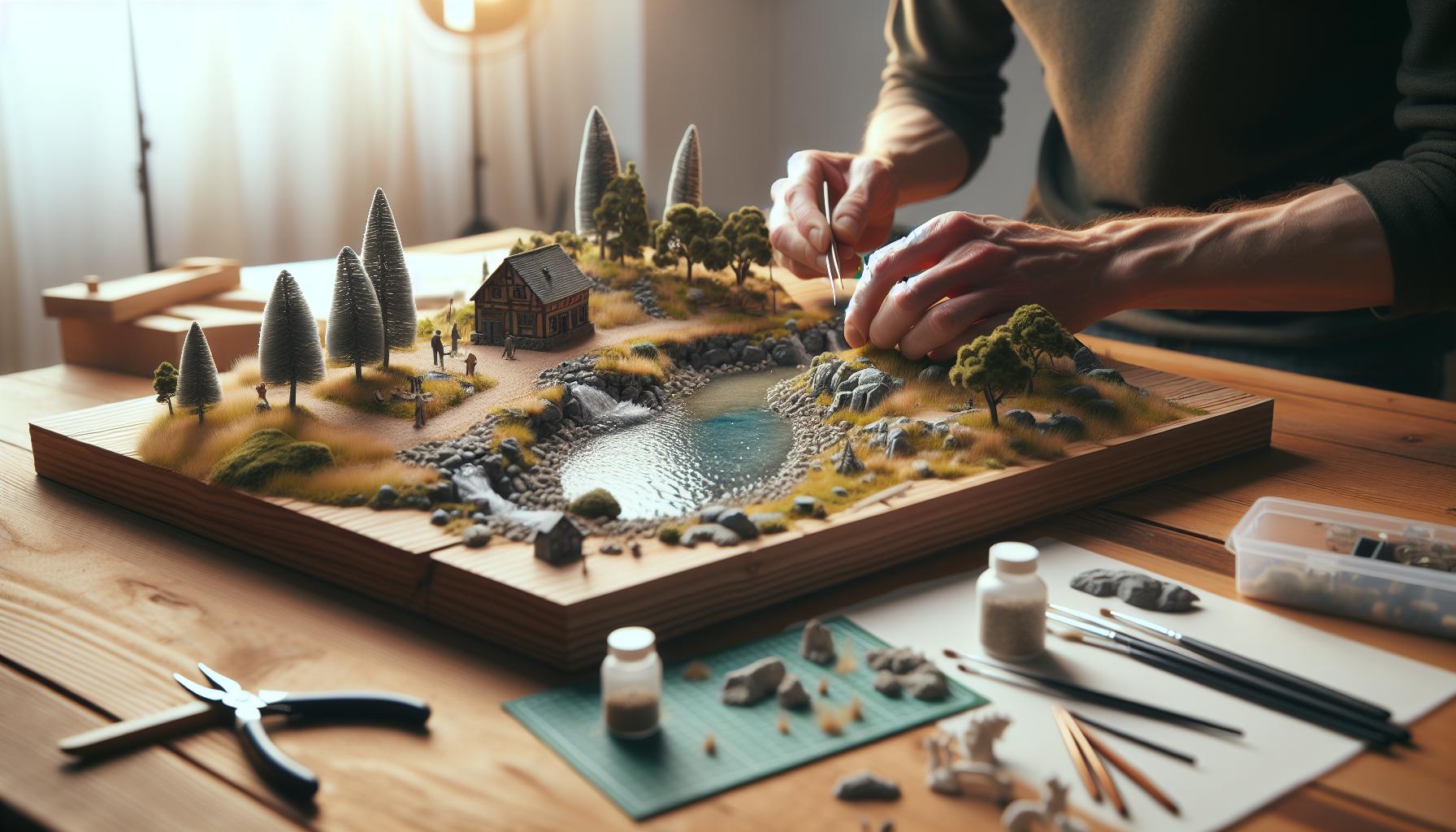
Tips for Painting and Detailing Your Diorama
To elevate your diorama from a simple project to a captivating representation of your chosen book, mastering the art of painting and detailing is crucial. The right colors and textures can transform ordinary materials into extraordinary scenes that vividly reflect the themes and emotions of the narrative. This step not only enhances visual appeal but also provides depth and storytelling elements that engage viewers.
Choosing the Right Paint
Start by selecting the appropriate type of paint for your materials. Acrylic paints are versatile and ideal for most diorama components, such as foam, cardboard, and wood. They dry quickly and offer a wide range of colors. For finer details, consider using watercolors or even paint pens, which allow for precision without overwhelming the setting. Always test your chosen paint on a small piece of the material to ensure compatibility and to see how the color appears when dry.
Technique and Application
When applying paint, remember that layering is key. Use a base coat to establish the primary color of your elements, and allow it to dry fully before adding additional layers for shading or highlighting. This technique creates depth and dimension. For instance, using a darker shade along the edges of objects can simulate shadows, while lighter colors can be used to highlight areas hit by “light.”
Aim for consistency in texture and color throughout the diorama. Glossy finishes can suggest wet surfaces, while matte finishes may evoke a more natural, earthy feel. Techniques such as dry brushing-where a small amount of paint is applied to a brush and then brushed off before applying to the model-can effectively create subtle highlights, enhancing intricate details like branches or fabric.
Detailing Your Diorama
Incorporating intricate details can make your diorama truly pop. Small items like miniature books or carefully painted flowers add charm and can also serve to reinforce themes in your book. Consider using appropriate colors that match those specified in your literary source for authenticity. Adding texture is also vital; techniques like sponging or stenciling can create patterns that mimic natural elements, such as stone or bark, further adding to the realism.
To finalize your project, don’t forget about protective coatings. A clear acrylic sealer can provide a durable finish and protect your paints from scratches or fading. It also gives a unified look to your diorama by smoothing out any inconsistencies in the paint finish.
With careful attention to these painting and detailing techniques, your diorama will not only reflect the key elements of your book but also engage and inspire those who view it. Every brushstroke can become a story in itself, enriching the overall narrative and making your project an impressive representation of your creative interpretation.
Presenting Your Diorama: Tips for Success
Presenting your diorama effectively can make a significant difference in how it is perceived by your audience. An engaging presentation not only showcases your hard work but also highlights the creativity and thoughtfulness behind your project. To make the most of your display, consider the following strategies that emphasize clarity, engagement, and thematic connection to your book.
Setting the Scene
First impressions matter, so think carefully about how you arrange your diorama. Ensure it’s placed in a well-lit area to highlight its details, as lighting can dramatically affect how colors and textures are perceived. If possible, surround your diorama with elements that complement its theme, such as related books or visual aids, to provide additional context.
Interactive Presentation Techniques
Engaging your audience doesn’t have to stop with the visual presentation. Consider incorporating interactive elements into your presentation. For instance, if your diorama depicts a specific scene, you could create a short narrative that explains the significance of the setting and characters. This storytelling approach draws viewers in, encouraging them to think critically about the elements you chose to include.
You might also prepare a few questions for your audience to spark discussion. Questions like, “What emotion do you think this scene conveys?” or “How does this diorama compare to other representations of similar themes?” can promote deeper thinking and engagement. Alternatively, using props or visual aids can enhance understanding and illustrate key points, making your presentation more dynamic.
Clear Communication
When you’re ready to present, clarity is key. Speak confidently about your project, and be prepared to explain your choices. Discuss the materials used and how they relate to the themes of the book. Avoid using jargon, and instead, explain your artistic choices in an accessible way. If you created any special effects-like textures or unique paint techniques-make sure to highlight these innovations, as they reflect your creative process.
Incorporating feedback from classmates or teachers can also enhance your presentation. Plan to invite questions and be open to discussing them, as this not only demonstrates your knowledge but also fosters a sense of connection with your audience.
By carefully setting up your diorama, engaging your audience with interactive elements, and communicating your vision clearly, you can elevate your presentation from merely showing a project to creating an educational and inspiring experience. This approach not only helps ensure your hard work shines but also encourages others to appreciate the beauty of storytelling through visual art.
Common Mistakes to Avoid When Making a Diorama
Creating a diorama for a book report can be an exciting endeavor, but it’s easy to stumble into common pitfalls that could hinder your project. Awareness of these potential mistakes can enhance both the creative process and the final presentation, ensuring that your hard work is effectively communicated.
One frequent error is neglecting the connection between the diorama and the themes of the book. It’s essential to ensure that every element you include serves a purpose in illustrating a key aspect of the story. For instance, if you’re depicting a scene from The Great Gatsby, using colors and materials that reflect the era and the story’s essence can significantly enhance your project’s impact. A clear thematic link helps viewers understand the significance of your choices and can make your project stand out.
Another common oversight is rushing the assembly process. Diagrams and sketches are vital to planning your layout effectively, but without careful execution, the final product can appear disorganized or incomplete. Allow ample time for assembly, ensuring that each piece is securely placed and that the overall aesthetic is visually appealing. Utilize materials that are easy to work with but still deliver the desired effect, such as lightweight foam for building structures or textured paper for terrain.
Moreover, be aware of scale and proportion. Misjudging the size of figures or objects in relation to the rest of the diorama can create an unintended comedic effect or detract from the seriousness of your topic. For instance, small character figures in a sprawling landscape may get lost, while oversized elements can disrupt the viewer’s sense of scale. Aim for a cohesive look by ensuring all elements are proportionate.
Finally, don’t overlook the finishing touches that can make your diorama truly pop. Unpainted or poorly finished surfaces can diminish the professional quality of your work. Spend time on painting, detailing, and adding textures to enrich the visual experience. Simple techniques, such as dry brushing or layering colors, can enhance depth and realism.
By steering clear of these common mistakes, you can transform a simple project into a captivating display that reflects both your creative talents and a deep understanding of your chosen book. Remember, the journey of creating a diorama is as important as the final product, so take the time to plan, execute, and refine your work for the best results.
How to Connect Your Diorama to Key Themes
One of the most rewarding aspects of creating a diorama for a book report lies in the opportunity to connect visual elements to the core themes of the narrative. This not only deepens your understanding of the text but also enriches the viewer’s experience by clearly communicating the story’s essence. When considering how to integrate these themes into your diorama, think about the major ideas and emotions that define the story.
Start by identifying key themes within your selected book. For example, if you’re working on *The Grapes of Wrath*, you may want to portray themes of struggle and resilience. Choosing colors and materials that evoke the dust bowl setting, such as browns and yellows for the landscape, can help convey these feelings of hardship. Additionally, incorporating figures in distress or symbols of hope, like a small piece of a “victory garden,” can visually encapsulate the thematic journey of the characters.
Elements to Consider
When designing your diorama, consider the following elements that might represent key themes:
- Color Schemes: Use colors to evoke emotions related to the themes. Dark colors can symbolize despair, while bright colors can convey hope.
- Symbols: Include objects that symbolize important themes, such as a broken chain for freedom or a clock for the passage of time.
- Layout and Composition: Structure your diorama to reflect the storyline’s progression, such as moving from dark to light to signify a transformation.
- Characters: Position characters in ways that illustrate their struggles or triumphs related to the main themes.
In essence, your diorama should serve as a narrative tool that encapsulates the essence of the book. By thoughtfully connecting each element back to the themes, you not only enhance the aesthetic appeal of your project but also provide a deeper understanding of the text that can engage viewers on an intellectual level. This connection turns a simple visual representation into a powerful storytelling experience that vividly communicates the story’s core messages.
Showcase: Inspiring Examples of Dioramas
Creating an engaging diorama can be a gateway to deepening understanding of literature and its themes. To inspire your creative process, consider these examples that beautifully illustrate how others have brought stories to life through three-dimensional art. Each example showcases not only artistic skill but also thoughtful integration of thematic elements from the corresponding books.
One standout project is a diorama based on The Great Gatsby, which vividly captures the essence of the Roaring Twenties. This creation features the iconic green light across the bay, symbolizing Gatsby’s unattainable dreams. The use of shimmering materials for the water and carefully arranged miniature figures dressed in period clothing evokes the atmosphere of the era, allowing viewers to feel the yearning and excess that characterize the novel.
Another inspiring example is a diorama reflecting the world of The Jungle Book. Here, the scene of Mowgli’s interactions with Baloo and Bagheera is set against a lush, colorful jungle backdrop. By using various textures and layers, such as leaf cutouts and faux fur for the animals, the creator invites viewers into a tactile experience that mirrors Mowgli’s adventure and learning from nature.
For a more historical approach, consider the diorama based on The Book Thief. This project effectively uses subdued color palettes to reflect the somber themes of loss and resilience during WWII. Key elements include a model of a bombed-out building and figures that illustrate the struggle of daily life, emphasizing the power of words and storytelling amidst chaos.
When showcasing your own work, remember that each element should serve a purpose in narrating the story. Think about how materials and colors can enhance the intended message and provoke emotions within your audience. With these examples as inspiration, you can create a diorama that not only fulfills project requirements but also captivates and engages viewers, making the literary themes come alive in your presentation.
Scoring High: How to Meet Project Criteria
To achieve top marks on your diorama project, it’s crucial to align your work with specific criteria typically outlined by educators. Understanding these expectations can not only guide your creative choices but also streamline your efforts to create a compelling, informative piece that resonates with both your audience and evaluators.
First, start by thoroughly reviewing the project rubric. Criteria often include elements such as creativity, accuracy in representing the chosen book, attention to detail, and the effectiveness of the narrative conveyed through the diorama. For example, if you are creating a diorama based on The Great Gatsby, ensure that the iconic elements-such as the green light or the opulent parties-are not just present but vividly represented. The more your diorama reflects the essential themes and settings of the book, the better you will score.
Incorporating diverse materials and techniques can elevate your project further. Use textures, colors, and layering to create depth-these not only make your diorama visually appealing but also contribute to storytelling. For instance, if depicting a jungle scene from The Jungle Book, consider using real leaves or textured fabrics to enhance the tactile experience. Utilize three-dimensional aspects creatively, whether it’s adding miniatures or incorporating lighting to highlight key elements. The objective is to breathe life into the diorama, transforming it from a static display into a dynamic narrative space.
Now, let’s talk about the presentation of your diorama. It’s not just about how well the physical piece is crafted but also how you communicate its significance. Prepare a brief explanation of the elements included in your diorama and how they relate to the themes of the book. This could be delivered orally or shared on an accompanying card. If you can demonstrate clear connections between your work and the underlying literary themes, highlighting aspects such as character dynamics or setting influences, you will better convey your understanding, which is a critical component for scoring high.
Remember, attention to detail can make a significant difference. Check for cohesion between all components-each element should serve a purpose in enhancing the narrative you wish to communicate. As you finalize your project, take a step back and evaluate if everything aligns with your initial intention. By being mindful of these factors, you are not only positioning yourself to achieve a high score but also deepening your engagement with the literary work itself.
Sharing Your Work: Documenting and Displaying Your Diorama
Sharing your diorama effectively can elevate the impact of your project, transforming it from a mere assignment into an engaging narrative experience. When it comes to documenting and displaying your work, thoughtful presentation plays a crucial role in communicating the themes and details of your chosen book.
To begin, consider using a few different methods to capture the essence of your diorama. High-quality photographs are essential; they allow you to showcase your work from various angles and highlight intricate details that might otherwise be overlooked. Use natural light for clearer images, and if possible, take photos from a variety of perspectives to give viewers a comprehensive understanding of the scene. You can even create a simple slideshow to accompany your presentation, allowing your audience to see the evolution of your project from conception to completion.
Crafting a Compelling Narrative
When presenting your diorama, a succinct narrative will help convey its significance. Write a brief description that outlines not only what the diorama depicts but also how it connects to the themes and characters of the book. This could be on a display card positioned alongside the diorama or included in a digitally shared format. Aim for clarity and conciseness, highlighting key elements that are representative of the narrative you’ve portrayed. For instance, if your diorama is based on *Charlotte’s Web*, you might want to emphasize the relationship between Wilbur and Charlotte and how this is symbolized through the choices of characters and setting depicted in your work.
Utilizing Visual Aids
In addition to photography and narrative, consider integrating visual aids to deepen your viewers’ understanding. This might include a table comparing elements within your diorama to specific passages from the book, showcasing how visual storytelling translates to literary themes. Or, you could include sketches or diagrams that explain your design choices, such as the layout, color schemes, and materials used.
Lastly, sharing your work extends beyond the classroom; consider showcasing it online, whether on a personal blog or social media platforms. This not only allows you to reach a wider audience but also invites feedback and engagement with fellow literature lovers. By documenting and presenting your diorama thoughtfully, you create an enriching experience that honors both your creative efforts and the literary work that inspired it.
Frequently asked questions
Q: What materials do I need to make a diorama for my book report?
A: To create a diorama for your book report, you will need a sturdy base (like a cardboard or wooden board), construction paper or paint for the background, miniature figures or objects representing characters and scenes, scissors, glue, and optional decorative items like moss or small props that fit the theme of your book.
Q: How do I choose a theme for my diorama based on my book?
A: Choosing a theme involves identifying key moments in your book. Focus on pivotal scenes, settings, or character interactions. Consider how to visually represent the main idea or essence of your story. This will guide your selection of colors, materials, and elements for the diorama.
Q: What are some creative ideas for dioramas based on different genres?
A: For fantasy novels, consider building mythical landscapes with castle backdrops. For historical fiction, recreate an iconic location from the time period. Explore unique elements of sci-fi by including futuristic props or settings. Tailor your diorama to reflect the genre’s specific characteristics to captivate your audience.
Q: How can I make my diorama more visually appealing?
A: Enhance your diorama by adding 3D elements and textures. Incorporate different materials like fabric for clothing, sand or dirt for ground texture, and paint for vibrant details. Experiment with lighting by using small LED lights to highlight specific features or scenes, making it more engaging.
Q: What are some common mistakes to avoid when building a diorama?
A: Common mistakes include overcrowding your diorama with too many elements, neglecting to plan your layout, or using inappropriate materials that don’t fit your theme. Ensure that each component serves a purpose and contributes to the overall story being told.
Q: How can I effectively present my diorama during the report?
A: When presenting your diorama, start with a brief overview of your book and its main themes. Use your diorama as a visual aid to explain key scenes, and encourage your audience to ask questions. Practice speaking clearly and confidently to convey your ideas effectively.
Q: What is the best way to secure items in my diorama so they don’t fall over?
A: Secure items using hot glue or sturdy craft glue for heavier components. For stability, consider using a heavier base for your diorama or placing larger elements at the back and smaller ones in front. Ensure that all items are firmly positioned before finalizing your layout.
Q: How can I document my diorama process for my report?
A: Document your diorama process by taking photos at each stage-from planning and building to the final product. Consider keeping a journal or log of your thoughts, challenges, and solutions encountered during the project. This will add depth to your report and showcase your effort.
To Wrap It Up
In conclusion, creating a diorama for your book report is not just a fun project; it’s a fantastic way to bring your understanding of the story to life. By choosing an important scene and using creative materials, you can craft a captivating visual representation that enhances your narrative skills and impresses your audience. If you’re ready to dive deeper, check out our detailed guides on constructing effective book reports and engaging storytelling techniques to further enrich your learning experience.
Don’t forget to share your diorama creations with us-your ideas might inspire others! To stay updated on more tips and creative projects, consider signing up for our newsletter. Remember, this is just the beginning; explore more about dioramas and other creative report ideas to keep your projects fresh and exciting. Start your next great project today and let your imagination soar!