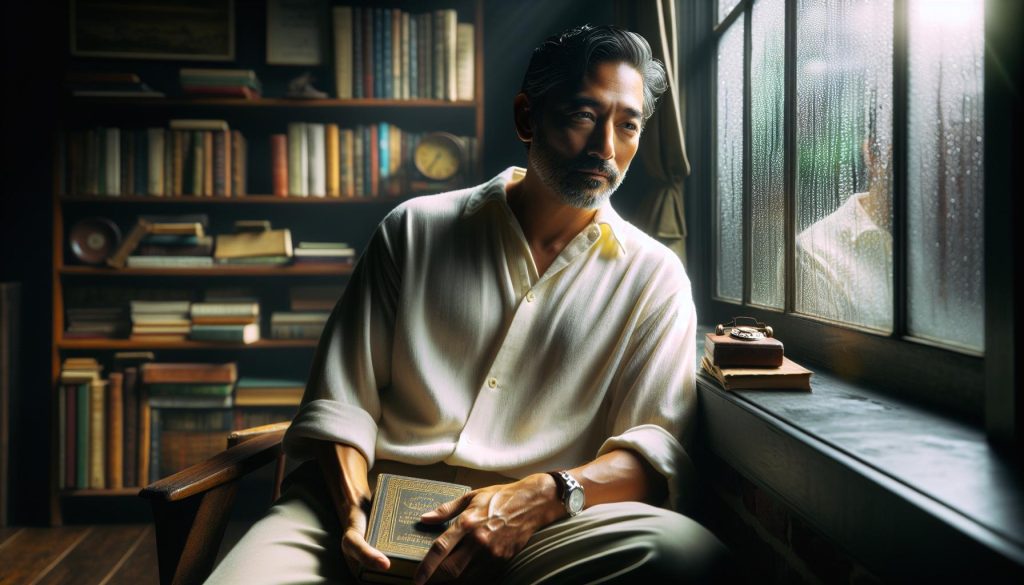
With every new installment of Louise Penny’s acclaimed Gamache series, readers are drawn deeper into the intricacies of human nature and the power of community amidst mystery. In “A Better Man,” the latest addition, Penny continues to weave her trademark blend of rich character development and captivating storytelling that not only engages fans of the series but also invites new readers to explore the complexity of morality and justice within the picturesque backdrop of Three Pines. This book not only expands on the beloved Inspector Gamache’s journey but also addresses the timeless themes of love, loss, and redemption. As you delve into this review, discover how Penny masterfully intertwines suspense with profound emotional reflections, reaffirming her status as a maestro of contemporary crime fiction. Join us as we explore why “A Better Man” is a must-read that resonates far beyond the pages, offering insights into the human experience that stay with you long after the last chapter.
Understanding the Gamache Series: A Deep Dive
The Gamache series, crafted by acclaimed author Louise Penny, invites readers into a beautifully constructed world where mystery intertwines with deep character exploration and intricate plotting. Set primarily in the quaint village of Three Pines, the series is both a cozy mystery and a profound examination of human nature, making it a beloved franchise for many. With each installment, including the latest, A Better Man, readers are offered not just a whodunit, but also the opportunity to delve into the complexities of morality, relationships, and community dynamics through the lens of Chief Inspector Armand Gamache.
At the heart of the series is Armand Gamache, whose character development is both rich and nuanced. Throughout his journeys, readers witness his challenges as a leader, a friend, and a man grappling with both external and internal conflicts. His capacity for empathy and understanding sets a moral standard, allowing exploration of heavier themes such as justice, redemption, and the human capacity for change. Penny’s novels often emphasize the concept that people are forged through their experiences-leading to a layered examination of how past actions resonate within current realities.
The structure of the narratives is intentional and thoughtful, weaving together multiple storylines that parallel one another, allowing readers to piece together clues alongside Gamache. Penny’s writing style incorporates meticulous detail and vivid imagery, creating a rich tapestry that not only serves the plot but also enhances the reader’s immersion in the setting. The interplay of dialogue and character motivations keeps the narrative dynamic, inviting readers to engage actively with the unfolding mystery.
In understanding the Gamache series as a whole, it becomes evident that these books transcend typical genre constraints. Each novel, while potentially able to stand alone, also contributes to a broader exploration of the human condition through its recurring themes and character arcs. Readers who are new to the series often find a welcoming community of characters, atmospheric settings, and moral ambiguity that prompts reflection long after the final page is turned. This blend of elements makes the Gamache series a compelling and enriching experience, especially with the addition of A Better Man, which continues to elevate the narrative’s stakes and depth.
Plot Overview of A Better Man
In the latest installment of the Gamache series, the narrative intricately weaves a story of intrigue, morality, and the human condition, all while maintaining the hallmark charm of the quaint village of Three Pines. In A Better Man, Chief Inspector Armand Gamache finds himself navigating a delicate investigation following the disappearance of a young man, a case that quickly takes a dark turn when a body is discovered. This gripping murder mystery not only challenges Gamache’s investigative prowess but also places him at the crossroads of personal and professional turmoil.
As Gamache delves deeper into the case, he uncovers not just the secrets of the victims and suspects but also the underlying tensions within the community. The residents of Three Pines, known for their close-knit and supportive nature, reveal hidden fractures that threaten to unravel their bonds. With layers of deception, the narrative keeps readers on the edge of their seats, compelling them to ponder the complexities of guilt, loyalty, and justice. Each character introduced carries their weight in the plot, adding richness and depth, as Gamache must confront not only the crime but a moral dilemma that weighs heavily on his conscience.
Throughout the investigation, Gamache grapples with his own beliefs, making the story resonate on a personal level with readers. The exploration of what it means to be a “better man” unfolds against the backdrop of the dramatic events, setting the stage for poignant reflections on humanity’s capacity for both darkness and light. The lush descriptions of the Canadian landscape complement this tension, often serving as a metaphor for the characters’ inner struggles-a hallmark of Louise Penny’s writing that enhances the emotional stakes.
Ultimately, A Better Man is more than just a mystery novel; it is a thoughtful exploration of character motivations and the impact of past decisions on present circumstances. As readers immerse themselves in this tale, they are invited to reflect on their values, the nature of truth, and the importance of community, which remain central themes throughout the series. Those new to the series will find themselves drawn not only into a challenging whodunit but also to the profound philosophical inquiries that have made Penny’s work resonate with audiences worldwide.
Character Development in A Better Man
In “A Better Man,” the evolution of character is central to the narrative, revealing not only their complexities but also the profound impact of moral choices on personal and communal levels. Chief Inspector Armand Gamache stands at the forefront of this exploration, challenged by the investigation into a young man’s disappearance that quickly escalates into a murder case. As Gamache digs deeper, we see his vulnerabilities laid bare. His internal conflicts about justice, morality, and the weight of duty create a nuanced portrayal of a man determined to uphold his principles even in the face of overwhelming pressure.
Gamache’s interactions with other key characters illuminate their development in tandem with his own. The residents of Three Pines, usually depicted as a tight-knit community, reveal cracks in their facade, each contributing to a rich tapestry of relationships marked by trust, loyalty, and betrayal. The character of Clara Morrow, for instance, showcases resilience and depth as her artistic perspective juxtaposes her struggles with personal loss and community expectations. Similarly, Jean-Guy Beauvoir, Gamache’s right-hand man, grapples with his own demons, reflecting personal growth as he navigates loyalty to his mentor while confronting his past.
Through layered dialogues and shared histories, Penny ensures that character development is not merely a subplot but an integral part of the narrative. As the investigation unfolds, the community members-once mere suspects-transform into fully realized individuals grappling with their choices, tragedies, and the darker truths of their lives. These insights enrich the storyline and elevate the psychological depth, inviting readers to ponder how circumstances can shape behavior and relationships.
The defining moment in “A Better Man” arises when characters confront their own reflections. Gamache’s relentless pursuit of truth requires him to tackle his own beliefs and assumptions, pushing him towards self-discovery. This journey resonates with readers, inviting them to question their understanding of what it truly means to be a “better man” in an imperfect world. The intricate interplay of character development reinforces the overarching themes of the series, ensuring that each decision holds weight and that redemption, much like understanding, is often complex and multifaceted.
Themes Explored in A Better Man
The exploration of themes in “A Better Man” serves as the backbone of Louise Penny’s narrative, creating a rich tapestry that resonates with readers. At its core, the novel scrutinizes the concept of morality, particularly through the eyes of Chief Inspector Armand Gamache, who wrestles with complex ethical dilemmas as he investigates a murder in the quaint village of Three Pines. This internal and external conflict invites readers to reflect on the nature of good and evil, choice and consequence, urging them to consider how far they would go to uphold their ideals in challenging circumstances.
One of the most prominent themes is the pursuit of justice in a flawed world. As Gamache delves deeper into the investigation of a young man’s disappearance, the weight of his responsibility becomes palpable. He embodies the struggle between the pursuit of justice and the imperfections inherent in human behavior. This theme is especially poignant as characters confront their own moral failings and the associated repercussions, illustrating the idea that justice often comes at a personal cost. By navigating these murky waters, Penny challenges readers to think critically about justice and the personal sacrifices it entails.
Alongside justice, the theme of community identity and interconnectedness plays a crucial role. Three Pines is not just a backdrop; it reflects the deep-seated relationships among its residents. Each character’s journey interweaves with Gamache’s own, showing how community can support or hinder personal growth. As the investigation unfolds, residents are forced to confront their entanglements with one another, revealing layers of loyalty, trust, and betrayal. The resulting exploration of social dynamics prompts readers to consider how identities are shaped by communal interactions and the impact of collective truth.
Moreover, redemption emerges as a multifaceted theme throughout the narrative. Each character grapples with their own past mistakes, seeking forgiveness and understanding. The pursuit of becoming “a better man” serves as both an individual and collective journey within the story. Gamache’s introspective quest for redemption and self-discovery is mirrored by others in Three Pines, highlighting that the path to redemption is often rocky and fraught with challenges. This search compels readers to ponder their own journeys toward forgiveness, both from others and themselves.
Through these themes, Penny not only crafts a compelling mystery but also invites profound reflection on the human condition. The interplay of justice, community, and redemption allows readers to connect deeply with the narrative, making “A Better Man” not just a continuation of the Gamache series but a significant commentary on the complexities of morality and human relationships. Each theme enriches the story, leaving readers with lingering questions about their own values and beliefs in an imperfect world.
Writing Style and Narrative Techniques
Louise Penny’s writing in “A Better Man” exemplifies a masterful blend of prose that is both accessible and richly textured, inviting readers into the intricate world of Chief Inspector Armand Gamache and the idyllic yet complex village of Three Pines. The author employs a distinctive narrative voice that balances literary elegance with the clarity necessary for a mystery genre, ensuring that both seasoned fans and new readers can engage fully with the storyline.
Penny’s use of vivid imagery and atmosphere is particularly noteworthy. For example, her depictions of the changing seasons in Three Pines invoke not just the physical setting but also echo the emotional landscapes of her characters. This connection between environment and emotion enhances the narrative’s depth, encouraging readers to feel the weight of Gamache’s internal struggles as he confronts his own moral dilemmas while investigating a murder that disrupts the small community. Through her skillful descriptions, Penny creates a backdrop that is not merely a setting but a character in its own right.
Dialogue is another crucial aspect of Penny’s writing style. Characters engage in nuanced conversations that reveal their personalities, histories, and relationships. The dialogue feels authentic, contributing to the development of character arcs while also propelling the plot forward. Each exchange is laden with subtext, allowing readers to glean insights into the characters’ motivations and fears. This rich interactivity mirrors the complexities of human relationships, which are a central theme throughout the book.
Additionally, Penny skillfully weaves in various narrative techniques such as flashbacks and introspective passages. These elements serve to deepen readers’ understanding of both the community dynamics and Gamache’s internal conflict. By employing a non-linear storytelling approach at times, she enhances the mystery’s complexity, encouraging readers to piece together clues not just about the crime but also about the characters’ intertwining pasts.
In summary, Penny’s narrative strategies enable a dynamic reading experience that combines thoughtful character exploration with engaging storytelling. Readers are not only solving a mystery but also exploring profound themes of justice, community, and redemption alongside Gamache. Each sentence serves to draw the reader deeper into the narrative, making “A Better Man” a compelling continuation of the Gamache series that resonates on multiple levels.
Comparing A Better Man to Previous Installments
Comparing A Better Man to previous entries in the Chief Inspector Gamache series showcases the evolution of both the central character and the overarching themes that Louise Penny intricately weaves throughout her work. Notably, “A Better Man” continues the tradition of psychological depth and moral complexity that fans have come to expect while also introducing fresh elements that invigorate the narrative.
One of the most significant aspects in which “A Better Man” stands out is in its exploration of personal stakes for Gamache. In earlier installments, particularly in “Still Life” and “The Cruelest Month,” much of the tension revolves around external conflicts and the investigation of homicides in the quaint village of Three Pines. However, in “A Better Man,” the stakes are amplified as Gamache grapples with issues that directly challenge his principles and relationships. The emotional weight carries more significance, reflecting his evolving identity as he navigates both the mysteries at hand and his own historical burdens.
Moreover, the themes of community and loyalty are scrutinized from new angles. While past narratives have deftly highlighted the bonds within the Three Pines community, “A Better Man” questions the nature of trust among friends and colleagues in the face of betrayal. This nuanced exploration deepens the reader’s engagement with the characters and parallels their complexities with the larger societal issues at play.
The writing style continues to reflect Penny’s exceptional ability in blending intricate plotlines with relatable human experiences. In “A Better Man,” her narrative techniques, such as varying perspectives and introspective moments, are not just stylistic choices but serve to enhance understanding of character motivations. Compared to the direct and clear narratives of initial books like “A Fatal Grace,” this installment embraces a more layered approach, inviting readers to ponder character choices and their implications in a more profound way.
In summary, “A Better Man” not only maintains the hallmark qualities of the series but elevates them by deepening emotional connections and challenging the protagonist in ways that resonate with the book’s core messages about humanity and morality. This evolution can create a richer reading experience, leaving both loyal fans and new readers eager for what lies ahead in subsequent installments.
Critical Reception: What Readers Are Saying
Readers and critics alike have responded enthusiastically to “A Better Man,” highlighting its intricate storytelling and deep character exploration. Many fans of Louise Penny’s Chief Inspector Gamache series appreciate how this installment not only upholds but elevates the high standards set by its predecessors. This book has been praised for its emotional resonance, reflecting substantial growth and maturity in Gamache’s character, which resonates strongly with long-time readers who have accompanied him through various trials and tribulations.
Feedback from the literary community often emphasizes the complexity of themes Penny weaves throughout the narrative. Reviewers note that the exploration of betrayal and loyalty adds a rich layer, prompting readers to engage with the story on a more personal level. Many state that this depth transforms the novel from a typical cozy mystery into a profound examination of human nature and societal challenges. Critics from platforms such as Goodreads have pointed out that the philosophical questions raised invite rich discussions among readers, a hallmark of Penny’s writing that keeps her audience invested.
Additionally, the narrative style has garnered attention for its sophisticated structure. Readers have remarked on Penny’s ability to balance multiple perspectives while maintaining a clear and compelling plotline. This narrative technique not only enhances suspense but also allows for a multidimensional understanding of the characters’ motivations. Reviewers frequently compare this installment’s layered storytelling to earlier works in the series, noting that the growth in complexity aligns beautifully with Gamache’s evolving character.
In summary, the critical reception for “A Better Man” underscores its status as a compelling entry in the beloved Gamache series. This latest work not only satisfies existing fans but also attracts newcomers looking for a cozy mystery with depth and heart, ensuring that discussions around the book will flourish long after its release.
Cultural Impact of the Gamache Series
The Chief Inspector Gamache series has had a significant cultural impact, particularly evident in its latest installment, “A Better Man.” Louise Penny’s work transcends mere entertainment, weaving together intricate narratives that delve into the human experience, explore societal issues, and foster thoughtful discourse among readers. This series has cultivated a dedicated following that passionately engages with its themes, demonstrating how literature can encourage reflection and conversation on complex moral and ethical dilemmas.
One noteworthy aspect of the cultural resonance of the Gamache series is its exploration of community, identity, and belonging-particularly evident in the fictional village of Three Pines. Readers are drawn to the way Penny portrays the nuanced dynamics within this close-knit community, addressing themes of acceptance, prejudice, and the importance of understanding differing perspectives. The rich tapestry of characters, from the beloved Armand Gamache to the quirky townsfolk, mirrors real-life struggles and triumphs, allowing readers to see themselves reflected in the narratives. This relatability has sparked book clubs and discussions worldwide, where fans dissect character motivations and the philosophical inquiries raised throughout the series.
Moreover, the series addresses pressing contemporary issues such as social justice, mental health, and the implications of technology on human connection. In “A Better Man,” for instance, the investigation into crime serves not merely as a plot device but opens a window into understanding deeper societal cracks. As readers engage with these narratives, Penny not only entertains but also invites them to reflect critically on their realities, encouraging a more compassionate worldview. The dialogues that arise from these discussions often extend beyond literary circles, influencing broader societal conversations about ethics and community responsibility.
Ultimately, the enduring appeal of the Gamache series lies in its ability to resonate with readers on multiple levels-provoking thought, fostering empathy, and encouraging a sense of connection to both characters and fellow fans. “A Better Man” continues this legacy brilliantly, reinforcing the series’ role as a touchstone for those seeking both a gripping mystery and a meaningful examination of life’s complexities. This interplay of narrative depth and cultural significance positions the Gamache series not only as a collection of enjoyable reads but as an important contribution to the literary landscape, inspiring both personal reflection and communal engagement.
How A Better Man Fits the Cozy Mystery Genre
Cozy mysteries often charm readers with their unique blend of intricate plots, relatable characters, and a setting that feels like home. “A Better Man,” the latest installment in the Chief Inspector Gamache series by Louise Penny, exemplifies the defining characteristics of this genre while also expanding its boundaries. At the heart of a cozy mystery is not just the whodunit element but an immersive experience into a tightly-knit community, and Penny masterfully brings this aspect to life through her portrayal of Three Pines.
In “A Better Man,” the tranquil yet intricate world of Three Pines serves as more than a mere backdrop; it is a character in its own right. Readers form emotional connections with the village and its inhabitants, from the bustling bistro to the quirky artisan shops. This intimate setting is characteristic of cozy mysteries, where the environment contributes to the ambiance and narrative tension. The close relationships between the townspeople add layers to the investigation, as their interactions often provide clues and motivations that are vital to unraveling the mystery. The sense of community and the supportive bonds among characters resonate deeply, reflecting the genre’s central theme of connection and belonging.
Penny’s writing also reflects the gentle pacing typical of cozy mysteries, where suspense builds gradually. While the stakes are high, the story weaves through moments of reflection and camaraderie, allowing readers to enjoy the intricacies of character development alongside the unfolding plot. The investigations are often intricate but focused on personal relationships rather than gratuitous violence. In “A Better Man,” although the plot involves complex societal issues, the narrative remains compelling without resorting to overwhelming darkness, keeping it firmly within the realm of cozy mystery.
Moreover, Penny addresses significant contemporary themes-such as social justice and ethical dilemmas-sought in modern cozy mysteries. This deeper commentary enriches the reading experience and elevates it beyond mere entertainment. Readers find themselves reflecting on the moral questions posed within the narrative, encouraging a more profound engagement with the story. Thus, “A Better Man” not only satisfies the fundamental requirements of cozy mysteries but also challenges the genre’s conventions by incorporating social themes, enhancing its relevance in today’s literary landscape.
In summary, “A Better Man” encapsulates the essence of cozy mysteries through its intricate portrayal of community, character-driven storytelling, and thoughtful exploration of meaningful themes, confirming its place in the beloved Gamache series while contributing to the genre’s ongoing evolution.
Exploring the Setting: Three Pines and Its Significance
Three Pines, the fictional village at the heart of Louise Penny’s Chief Inspector Gamache series, is not just a picturesque setting; it’s a vital character that shapes the narrative and influences the characters’ lives in profound ways. In “A Better Man,” this community serves as a microcosm of larger societal themes, allowing readers to explore the intricate web of relationships and the moral dilemmas that arise within such a close-knit environment.
The village is defined by its rich tapestry of inhabitants, each uniquely contributing to the dynamic atmosphere. The interactions among townspeople often reveal hidden depths and longstanding history, making the stakes of the investigation feel intensely personal. For instance, the familiar setting of the bistro becomes a hub not only for culinary delights but also for deep conversations and revelations. This familiarity makes the shocking events within the plot feel all the more devastating, prompting readers to reflect on how well they truly know those around them.
Moreover, Penny’s evocative descriptions of Three Pines enrich the immersive experience of her storytelling. From the enchanting beauty of the surrounding landscapes to the intimate details of the inhabitants’ lives, the setting works to evoke emotions that resonate with the readers. This geographical and emotional landscape becomes a backdrop that mirrors the internal struggles of the characters. For Gamache and his team, the quest for justice is not just a professional duty; it’s interwoven with their personal lives, as they navigate friendships, past traumas, and the moral complexities of their cases.
Another noteworthy aspect of Three Pines is its role in highlighting the themes of community and belonging. As tensions rise due to the unfolding mystery in “A Better Man,” the villagers’ reactions reflect broader societal issues-such as social justice and the ethical responsibilities that individuals owe to one another. Through the lens of the village, Penny expertly illustrates how a community grapples with its strengths and flaws, prompting readers to consider their own definitions of home and companionship.
In summary, the significance of Three Pines extends beyond its role as a simple setting. It embodies the central struggles and triumphs of the characters, enhancing both the emotional weight of the narrative and the complex themes explored throughout “A Better Man.” By grounding the story in this vibrant community, Louise Penny invites readers to not only engage with the mystery but also reflect on the intricate nature of human connections.
Key Takeaways for New Readers
As you embark on your journey through “A Better Man” in the Chief Inspector Gamache series, there are several key takeaways that can help enhance your reading experience and deepen your understanding of the narrative. This installment continues to showcase Louise Penny’s masterful storytelling, intertwining complex character dynamics with intricate themes and a gripping plot.
Firstly, familiarity with the characters is vital. Armand Gamache is more than just a detective; he embodies empathy, resilience, and moral complexity. Observing his interactions with his team, especially Jean-Guy Beauvoir, reveals how personal histories profoundly affect professional relationships. This depth allows readers to appreciate the emotional weight behind every investigation. Thus, paying close attention to character development adds layers to your reading experience.
Moreover, the themes of community and social justice are central in “A Better Man.” Three Pines, though fictional, serves as a microcosm that reflects real-world issues. Readers should consider how the village dynamics mirror societal challenges, prompting questions about morality, belonging, and the interconnectedness of community members. Engaging with these themes will enrich your understanding of the narrative’s underlying messages.
Additionally, the novel’s writing style deserves attention. Penny’s descriptive prose not only paints a vivid picture of the settings but also immerses readers in the emotional landscapes of her characters. This technique heightens the stakes of the unfolding mystery, making moments of tension and revelation even more impactful. Taking time to appreciate her narrative style will allow you to experience the full emotional resonance of the story.
Lastly, it’s beneficial to approach “A Better Man” as part of a larger series, where each book builds upon the last. While it can certainly stand alone, familiarity with earlier installments can enhance your insight into character backstories and overarching arcs. Readers are encouraged to explore the progression of themes and character development throughout the series, leading to a richer understanding of Penny’s literary world.
Overall, “A Better Man” invites both new and returning readers to delve into a beautifully crafted narrative that not only entertains but also encourages reflection on deeper social issues and personal connections.
Future of the Gamache Series: What’s Next?
With “A Better Man” continuing the acclaimed saga of Chief Inspector Armand Gamache, readers are eager to learn what the future holds for this beloved series. Louise Penny has skillfully crafted a world that combines mystery, emotional depth, and keen observations of human nature, and there are several compelling directions that her narrative could take in upcoming installments.
One likely avenue is the further exploration of character arcs, particularly focusing on Gamache’s evolving relationships with his family and his team in Three Pines. The groundwork laid in “A Better Man” hints at rich potential for deepening these connections. For instance, we may see a more pronounced struggle within the dynamics of Gamache’s partnership with Jean-Guy Beauvoir, as they navigate their past traumas while tackling new cases. This not only enriches their character development but also heightens the emotional stakes in future stories.
Another intriguing prospect for the series is the continuation of relevant social themes that resonate with contemporary readers. Penny has adeptly woven in issues such as community, resilience, and personal morality, and there’s room to delve even deeper into how these themes manifest in today’s world. Future narratives could tackle current societal problems, offering insight while remaining entertaining, reflecting the complexities of modern life as experienced by the residents of Three Pines.
Moreover, the setting itself-a quiet village that harbors dark secrets-has been instrumental in the series’ success. Readers could anticipate new layers revealed in Three Pines, perhaps exploring previously unseen corners of the village or introducing new characters that challenge the established norms. Penny’s ability to make a small location feel vast and packed with history allows for endless possibilities, engaging readers in the mysteries of both personal relationships and broader societal issues.
As fans await the next chapter, they can also look forward to within the broader scope of the cozy mystery genre. Penny’s adept storytelling not only captivates her audience but also invites them to engage with puzzles that challenge their intellect while illuminating profound truths about humanity. The future of the Gamache series promises to blend these captivating elements seamlessly, enticing both long-time readers and newcomers alike.
FAQ
Q: What makes “A Better Man” a standout in the Gamache Series?
A: “A Better Man” captivates readers with its intricate plotting and deep character development. The exploration of moral complexities adds depth, making it resonate within the cozy mystery genre. Fans appreciate its blend of suspense and heartfelt moments, reflecting the protagonist’s continued growth. Check out our section on Character Development for more insights.
Q: How does “A Better Man” compare to other books in the Gamache Series?
A: “A Better Man” builds on previous installments by enhancing character relationships and deepening thematic exploration. While maintaining the signature charm, it introduces fresh conflicts that elevate the narrative stakes. For a detailed comparison, refer to Comparing A Better Man to Previous Installments in our article.
Q: What themes are important in “A Better Man”?
A: Core themes in “A Better Man” include morality, justice, and the struggle for personal redemption. These themes are interwoven throughout the narrative, offering readers thoughtful engagement with societal issues. Explore these themes more deeply in our Themes Explored section.
Q: Who should read “A Better Man”?
A: Readers looking for a rich literary experience combined with a gripping mystery will find “A Better Man” appealing. Ideal for both long-time fans of the Gamache Series and newcomers, it’s an excellent entry point to Louise Penny’s world of Three Pines. Refer to our Key Takeaways for New Readers for recommendations.
Q: What are readers saying about “A Better Man”?
A: Critical reception indicates that readers have embraced “A Better Man” for its emotional depth and plot twists. Many reviews highlight its ability to evoke empathy and provoke thought, signifying its impact in the literary community. For a broader perspective, visit our Critical Reception section.
Q: Why should “A Better Man” be on your reading list this year?
A: If you’re seeking a compelling mystery with profound character arcs, “A Better Man” deserves a spot on your reading list. Its combination of intricate storytelling and relatable themes creates an enriching experience. Discover more about its cultural significance in our Cultural Impact section.
Q: When will the next book in the Gamache Series be released?
A: While no official release date has been announced, fans are eagerly anticipating the next installment following “A Better Man.” Stay updated on news through author Louise Penny’s website or our Future of the Gamache Series section for upcoming information.
Q: What is the setting of “A Better Man” and its significance?
A: The setting of Three Pines in “A Better Man” serves as more than just a backdrop; it’s integral to the story’s heart. This quaint village enhances the cozy mystery atmosphere, offering a community backdrop that influences character interactions. Delve into more about its significance in our Exploring the Setting section.
The Conclusion
As we wrap up this deep dive into “A Better Man,” it’s clear that the latest installment in the Gamache series not only captivates with its intricate storytelling but also leaves us longing for more. The themes of resilience and moral complexity resonate deeply, proving that Louise Penny continues to masterfully blend suspense with profound human insight.
Don’t miss your chance to explore more about this beloved series! Check out our detailed analysis of The Cruelest Month [insert internal link] or dive into our guide on the best character arcs in the Gamache universe [insert internal link]. If you’re eager to stay updated on the latest book releases and exclusive reviews, sign up for our newsletter-it’s the perfect way to keep your reading list fresh!
We’d love to hear your thoughts on the book! Share your opinions in the comments below, and don’t forget to share this review with fellow readers who appreciate literary brilliance. Explore more and stay engaged; your next great read might just be a click away!