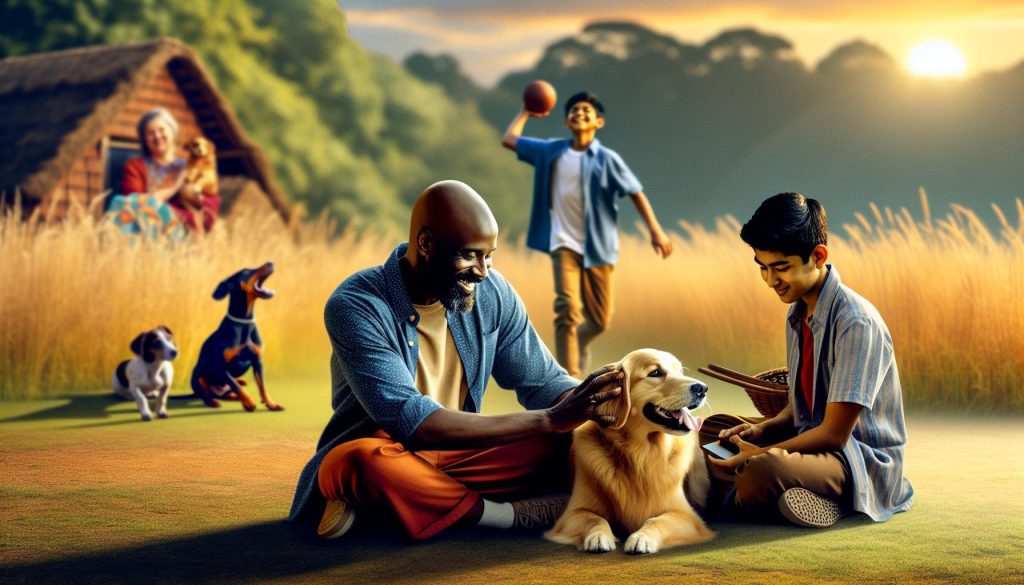
Did you know that dogs can recognize human emotions and respond to them? This remarkable ability lays the foundation for the profound bond we share with our canine companions. In “How Dogs Love Us: The Science Behind the Bond,” readers will discover how our pets not only enhance our lives but also adapt emotionally and behaviorally to our needs. This book delves into the fascinating research exploring the psychological and biological connections between dogs and humans, illuminating why our furry friends are often considered family. As we explore how this bond has evolved over thousands of years, you’ll gain insight into how understanding these dynamics can enrich your relationship with your dog. Whether you’re a lifelong dog owner or contemplating bringing a new pet into your home, this engaging exploration of the science of love between species is sure to deepen your appreciation for your four-legged friend and inspire reflection on the unique companionship they offer.
Understanding the Science of Dog Affection
Understanding how dogs express affection taps into a fascinating blend of biology, behavior, and emotion. Scientific studies reveal that dogs and humans share a unique bond that transcends mere companionship; it is underscored by strong physiological responses. One striking facet is the brain’s release of oxytocin, often referred to as the “love hormone.” When dogs and their owners engage in positive interactions-such as gazing into each other’s eyes-oxytocin levels increase in both species, bolstering feelings of affection and strengthening their relationship.
The Biological Basis of Dog Affection
Dogs have evolved alongside humans for thousands of years, which has led to deep-rooted adaptions that enhance this bond. Behavioral researchers have found that dogs exhibit a suite of social cues similar to those of human infants. These cues include puppy-dog eyes, playful gestures, and vocalizations that communicate their needs in a manner that elicits nurturing responses from humans. For instance, when a listener recognizes a dog’s subtle signals-like a tilt of the head or a wagging tail-the reward comes not only in the form of a treat or affection but in the release of dopamine, reinforcing the positive feedback loop of love.
Practical Implications for Dog Owners
Once we understand the science behind their affection, we can enhance our relationship with our dogs. Here are some actionable tips:
- Engage in Eye Contact: Take time to maintain gentle eye contact with your dog, which fosters the production of oxytocin.
- Play Together: Regular playtime, whether fetching a ball or engaging in tug-of-war, not only stimulates your dog mentally but also provides opportunities for bonding.
- Observe Behaviors: Pay attention to your dog’s small gestures of affection, such as leaning against you or nuzzling your hand. Acknowledging these can strengthen mutual trust.
- Consistent Training: Utilize positive reinforcement training techniques to enhance communication and build confidence, making your dog feel secure in your companionship.
By recognizing and responding to the underlying science of dog affection, pet owners can cultivate a more enriching and emotionally fulfilling relationship with their furry friends, creating an environment where love flourishes.
The Evolution of the Human-Dog Bond
The bond between humans and dogs has evolved over thousands of years, marking one of the most remarkable partnerships in history. Evidence suggests that this relationship began approximately 15,000 years ago when wolves were domesticated by early humans. Rather than simply being tamed, these wolves gradually adapted to living in close proximity to people, leading to the development of traits that enhanced their compatibility with human life. This mutual benefit shaped not just the dogs we see today but also how we perceive love and companionship in our interactions with them.
One key aspect of this bond is the way in which dogs have adapted to human emotional cues. Research indicates that dogs can read human facial expressions and respond in ways that align with our emotional states. For instance, when a person smiles, a dog may display playful behavior, while a frown could elicit a more subdued response. This innate ability to gauge human emotions has been honed through millennia of shared living and communication. Such responsiveness plays a crucial role in fostering affection, as dogs that effectively read and react to their humans’ emotional signals tend to be more accepted and loved, creating a positive feedback loop of affection.
Moreover, the evolutionary journey of dogs has led them to develop social behaviors that mirror those of human infants. Cues like the “puppy-dog eyes” and physical closeness not only evoke nurturing responses from their owners but also ensure their continued care and protection. This evolution has fostered a strong emotional attachment, allowing dogs to thrive as companions and emotional support for people across diverse cultures and environments.
In understanding this evolution, we can appreciate that the dog-human relationship is not merely about companionship; it’s a profound emotional connection forged through shared experiences, adaptability, and love. As we navigate our lives with dogs by our sides, recognizing the depth of this bond encourages us to nurture it further, ensuring that our furry friends receive the affection and understanding they deserve.
Neurological Insights: How Dogs Perceive Love
The interplay between a dog’s brain and its emotions offers fascinating insights into how dogs perceive love and affection. Recent studies utilizing neuroimaging techniques have shown that dogs, when exposed to human voices or familiar scents, exhibit significant brain responses similar to those seen in humans experiencing feelings of love. This neurological alignment hints at a profound emotional connection, suggesting that dogs not only recognize love but may also feel it in ways akin to their human counterparts.
One prominent area of the dog’s brain involved in feelings of affection is the caudate nucleus, which is associated with reward processing. When dogs receive attention, praise, or treats from their owners, activity in this brain region increases, indicating that they perceive these interactions as rewarding. This response reinforces their attachment to humans, as the positive experiences tied to their owners create a sense of well-being and happiness. Furthermore, studies have demonstrated that dogs have a heightened sensitivity to human emotions; they not only recognize but also respond to their owner’s emotional states, whether it be joy, sadness, or anger.
Additionally, the role of oxytocin, often dubbed the “love hormone,” has been linked to the bond between dogs and humans. This hormone is released during affectionate interactions, such as petting or cuddling, enhancing the feelings of love and attachment on both sides. Research indicates that just as it fosters social bonding in humans, oxytocin facilitates the connection between dogs and their owners, further solidifying their role as loyal companions.
Faced with the rich tapestry of neurobiology and emotional intelligence, it becomes clear that dogs possess a remarkable ability to understand and reciprocate love. As we cultivate our relationships with these furry friends, acknowledging the scientific foundations of their affection empowers us to nurture and deepen our bond through emotionally enriching experiences. By engaging in activities that stimulate both the dog’s brain and their emotional well-being-such as play, training, and affectionate interactions-we not only contribute to their happiness but also enrich our shared experiences, amplifying love’s impact in our relationships.
Behavioral Signs of Love in Dogs
Recognizing the signs of love in dogs is essential for developing a deeper bond with these loyal companions. Dogs express their affection in various ways, often through behaviors that mirror human emotions. One of the most universal signs of canine love is the classic tail wag. However, it’s not just about the wagging; the position and speed of the wag can indicate different feelings. A wide, exuberant wagging often signifies happiness and excitement, while a slow wag might suggest insecurity or caution.
Another strong indicator of a dog’s love is eye contact. When a dog looks into your eyes, it releases oxytocin, the same hormone that strengthens the bond between mothers and their infants. This mutual gaze creates a deep connection, demonstrating trust and affection. Additionally, dogs may exhibit a relaxed body posture, laying down comfortably next to you or leaning against you, which is another way they show they feel safe and loved in your presence.
Vocalizations also play a critical role in a dog’s expression of love. Gentle barking, whining, or even soft whimpers, especially when greeting you after a long day, signify excitement and affection. Moreover, when dogs follow you around the house or nudge you with their noses, they are seeking your attention and engagement, clearly expressing their desire to be close to you.
To further understand these signs, consider keeping a Behavioral Journal of your dog’s actions when they are around you. Note when they wag their tails or gaze at you, and observe how their behaviors change in different contexts. Over time, this practice may reveal patterns and help strengthen your bond. Building trust and recognizing these signs of love not only enhances your relationship with your dog but also contributes to their emotional well-being and happiness.
The Role of Oxytocin in Dog Relationships
The bond between humans and dogs is profoundly influenced by the hormone oxytocin, often referred to as the “love hormone.” This powerful chemical plays a key role in promoting feelings of affection, trust, and bonding in both species. Research indicates that when dogs gaze into their owners’ eyes, both humans and dogs experience an increase in oxytocin levels. This mutual gaze not only enhances emotional connections but also fosters a sense of safety and companionship, reinforcing the idea that dogs are more than just pets-they are deeply entrenched in our emotional lives.
The Biochemical Dance of Affection
The release of oxytocin in response to positive interactions creates a biochemical feedback loop that strengthens relationships. For instance, actions such as petting, playing, or simply spending time together can elevate oxytocin levels, promoting feelings of love and attachment. These interactions are not one-sided; as the human experiences an increase in this hormone, the dog’s response is equally profound. This is why practices that involve close physical interaction-like cuddling or training-are so essential in nurturing the bond between dogs and their owners.
Understanding Oxytocin’s Role in Training
In addition to enhancing affection, oxytocin also plays a significant role in the training process. As oxytocin levels rise during interactions, dogs are more receptive to learning and responding positively to commands. This hormonal boost encourages dogs to engage more enthusiastically with their owners, making training sessions not only effective but also enjoyable for both parties. Therefore, incorporating bonding activities-such as fetch or agility training-can significantly contribute to creating a conducive learning environment.
Practical Tips for Oxytocin-Enriched Interactions
To maximize oxytocin release and strengthen your relationship with your dog, consider these engaging practices:
- Frequent Eye Contact: Engage in gentle, extended eye contact with your dog to stimulate oxytocin release.
- Positive Reinforcement: Use treats and praise during training to create positive experiences linked with your presence.
- Play Together: Spend time in playful activities like fetch or tug-of-war, which are not only fun but also increase bonding hormones.
- Cuddle Time: Incorporate regular cuddle sessions on the couch or bed to promote closeness and comfort.
These activities not only enhance your dog’s emotional health but also your own, leading to a mutually beneficial relationship that thrives on affection. By actively promoting oxytocin production through simple, enjoyable interactions, you can deepen the connection with your furry friend, paving the way for a rich, loving companionship.
Emotional Intelligence in Canines: What Research Shows
Research indicates that dogs possess a level of emotional intelligence that allows them to perceive and respond to human emotions in profound ways. This capacity not only strengthens their bonds with humans but also highlights their role as empathetic companions. Studies show that dogs can detect human emotions through vocal tone, body language, and facial expressions, enabling them to react accordingly. For instance, a dog might approach a person who is crying or distressed, offering comfort and companionship, illustrating their sensitivity to human emotional states.
One fascinating study conducted by animal behaviorists involved observing dogs’ reactions to their owners’ cries and laughter. The results revealed that dogs were more likely to approach their owners and offer comfort when they heard crying rather than laughter. This suggests that dogs may have an innate ability to recognize distress and respond with empathy, reflecting a deeper emotional bond. Such behaviors underscore the idea that dogs are not just pets; they serve as emotional supporters, tailored to meet our needs and feelings during various life situations.
Canine Recognition of Human Emotions
The ability of dogs to interpret human emotions extends beyond mere reaction; it involves active engagement. For example, research has shown that dogs who are familiar with their owners are particularly adept at understanding their emotional cues. This ability can be seen when a dog determines whether a human is inviting play or needing space based on the person’s tone of voice and body language. This nuanced understanding of human emotions indicates a sophisticated level of social intelligence, allowing dogs to navigate complex human social environments successfully.
To enhance this emotional connection, dog owners can engage in practices that promote emotional responsiveness. Activities such as training and play not only stimulate a dog’s mind but also strengthen their ability to interact with humans in meaningful ways. Moreover, engaging in regular routines, such as daily walks or shared activities, helps dogs better understand their human’s emotional states, reinforcing their role as empathetic companions.
By understanding the emotional intelligence of dogs, we can better appreciate the depth of our relationships with them. Their ability to feel and respond to human emotions fosters a symbiotic bond, highlighted through unconditional love and mutual understanding.
How Dogs Communicate Their Feelings
Dogs possess a remarkable ability to communicate their feelings, often transcending verbal language to connect with humans on an emotional level. Understanding how dogs express their affection and emotions can deepen our bond and enhance our relationships with them. Through a variety of behaviors, body language, and vocalizations, dogs convey a spectrum of emotions ranging from joy to anxiety, longing to affection.
One primary way dogs communicate their feelings is through body language. For instance, a wagging tail might indicate happiness, but the speed and height of the wag can provide additional context. A slow wag at mid-height could suggest uncertainty or insecurity, whereas a high, fast wag often signifies excitement and friendliness. Similarly, a dog’s posture can communicate its mood: raised hackles might indicate alertness or fear, while a relaxed body suggests comfort and contentment. By paying attention to these subtle cues, owners can gain insight into their dog’s emotional state and respond accordingly.
Vocalizations also play a significant role in canine communication. Dogs use barks, whines, and growls to express their feelings. A joyful bark might indicate excitement, while whining can be a sign of distress or a desire for attention. It’s essential to consider the context and tone of these sounds. For instance, a dog that stands by the door and barks could be expressing a need to go outside, while a similar bark directed at a stranger might signal alarm. Understanding these vocal cues allows dog owners to better interpret their pet’s emotions and needs.
In addition to body language and vocalizations, dogs are adept at reading human emotional cues. Research has shown that dogs can detect subtle changes in human facial expressions and vocal tones, allowing them to respond appropriately to their owner’s feelings. For example, a dog might approach a person who is visibly upset, offering comfort and companionship. This ability not only strengthens the bond between dogs and humans but also underscores their role as empathetic companions in our lives.
By fostering an environment where communication is encouraged and understood, pet owners can enhance their relationship with their dogs. Engaging in regular activities like training, play, and social interactions not only provides enrichment for dogs but also sharpens their ability to read and respond to human emotions. This mutual understanding creates a deeper emotional connection, transforming our relationship with dogs into a partnership built on empathy and love.
The Impact of Training on Dog Affection
Training plays a crucial role in enhancing the bond between dogs and their owners, fostering a relationship built on trust, communication, and affection. This process not only equips dogs with essential skills and behaviors but also deepens their emotional connection to humans. Positive reinforcement training methods, such as rewarding desirable behaviors with treats or praise, can significantly enhance a dog’s overall emotional well-being, ultimately leading to a more affectionate and responsive pet.
When training is approached in a positive and supportive manner, dogs learn to associate training sessions with enjoyment and love, which can transform their perception of interactions with their owners. Each successful training experience provides a dog with a sense of accomplishment and boosts their confidence. For example, teaching a dog to sit on command and rewarding them with affection or treats encourages them to repeat the behavior, reinforcing their desire to bond with their owner. Over time, the practice of training fosters a pattern of mutual respect and trust, enhancing the dog’s affectionate behavior towards their human companions.
Moreover, regular training sessions serve as a form of mental stimulation, which is essential for a dog’s happiness. Engaging a dog’s mind through training activities not only prevents boredom but also strengthens the bond you share. Engaging in tasks like obedience training, trick training, or even agility exercises can create enjoyable shared experiences. This interaction allows dogs to feel more integrated into their human families, leading to increased affection as they recognize their owners as leaders who provide guidance and security.
In addition to its role in promoting affection, training can also correct unwanted behaviors that may otherwise interfere with a dog’s social interactions, both with humans and other animals. For example, a dog that jumps on guests may inadvertently create a negative environment, leading to less affection from both the dog and the individuals involved. By training the dog to greet guests calmly, owners can create a more inviting atmosphere that encourages positive interactions and affection from all parties involved.
The impact of training extends beyond immediate behavioral outcomes-it’s about building a lifelong partnership rooted in understanding and love. As you and your dog navigate the training process together, cherish the moments of connection that arise. Incorporate regular, enjoyable training sessions into your routine to both challenge your dog and nurture your bond. This consistent engagement not only reinforces your dog’s affection for you but also enriches the companionship you share for years to come.
The Power of Play: Strengthening the Bond
Engaging in play with your dog is not just a pastime; it is a powerful way to deepen the emotional connection you share. Studies reveal that playtime activates the same parts of the brain in both humans and dogs, leading to the release of feel-good hormones like oxytocin. This hormonal boost fosters feelings of love and attachment, enhancing your bond. In essence, play is a form of communication that speaks the language of joy and trust, allowing both you and your dog to express your feelings in a spontaneous and delightful manner.
When you play together, you’re creating memorable experiences that enrich your relationship. Different types of play-such as fetch, tug-of-war, or interactive puzzle games-offer unique benefits. For example, fetch can stimulate a dog’s natural instincts, while tug-of-war can reinforce your leadership in a fun way. Engaging in these shared activities promotes fitness, mental stimulation, and emotional satisfaction for your dog, ultimately leading to a more affectionate companion.
To maximize these bonding moments, consider the following tips:
- Vary the Activities: Keep your dog’s interest piqued by rotating through different games and toys. This not only provides mental stimulation but also caters to their evolving preferences.
- Incorporate Training: Use playtime as an opportunity for training. Incorporating commands during play-such as “drop it” or “stay”-can lead to better obedience while also making the training feel like a fun game.
- Read Your Dog’s Cues: Pay attention to your dog’s body language. Ensure that the play is enjoyable for both of you, adjusting your approach if you sense your dog becomes overstimulated or uninterested.
Integrating play into your daily routine can cultivate a resilient emotional bond that supports your dog’s overall well-being. Besides being a time for fun, play can also serve as a valuable tool for teaching your dog how to navigate social situations, build confidence, and reduce anxiety. By emphasizing the importance of shared play experiences, you’re not only entertaining your dog but also nurturing a profound connection that transcends ordinary companionship.
Canine Support: Dogs as Emotional Companions
Research continually shows that our canine companions are not just pets but vital emotional support systems. Dogs possess an innate ability to sense human emotions, which enables them to provide comfort and companionship in times of stress or anxiety. This emotional sensitivity stems from thousands of years of cohabitation with humans, evolving alongside us to become more attuned to our feelings. For instance, a study published in the journal *Animal Cognition* demonstrated that dogs can distinguish between positive and negative human emotions based solely on vocal tone, often responding with comforting behaviors when they detect distress.
Building on this emotional connection, dogs serve as proficient emotional companions. They can help mitigate feelings of loneliness and depression, largely through their unwavering presence and affectionate gestures. The simple act of petting a dog can release oxytocin, the “love hormone,” in both the human and the dog, promoting feelings of happiness and connection. This physiological response highlights the mutual benefit of companionship-while we provide care and love, they return it tenfold, effectively enhancing our mental well-being.
To deepen the emotional support dogs provide, consider these actionable strategies:
- Schedule Regular Interaction: Daily walks, playtime, or simply cuddling can strengthen your bond. Routine interaction promotes a sense of security for both you and your dog.
- Incorporate Training Sessions: Engaging in training exercises helps reinforce the human-dog bond. Positive reinforcement not only teaches your dog essential skills but also fosters communication and trust.
- Encourage Socialization: Expose your dog to various environments and people to develop their confidence. A well-socialized dog is typically happier and better equipped to handle stressors, making them more effective emotional companions.
Ultimately, the profound bond between humans and dogs acts as a buffer against emotional turbulence. By recognizing and nurturing this relationship, pet owners can unlock the full potential of dogs as emotional companions, enhancing both their lives and the lives of their furry friends. Rather than merely existing in parallel, the connection can thrive through mutual engagement, creating a support network that benefits everyone involved.
Cultural Perspectives on Dogs and Love
The emotional connection between humans and dogs transcends mere companionship; it is deeply woven into the fabric of cultures worldwide. Different societies have unique relationships with dogs that reflect their values and beliefs, demonstrating how these animals are perceived not just as pets but as integral members of the family and, in some cases, as spiritual companions. In many Indigenous cultures, dogs are viewed as guides and protectors, often featured in folklore and mythology. For instance, the Inuit people historically relied on sled dogs not only for transportation but also as essential partners in survival, strengthening the bond between humans and their canines.
In Western cultures, the perception of dogs has evolved, particularly in urban settings where they are increasingly seen as valued family members. Dog ownership is often associated with responsibilities, love, and even societal status. The rise of pet-friendly policies and services, such as dog parks and grooming salons, reflects a significant cultural shift where a dog’s happiness and well-being have become priorities. This cultural adoration manifests in various forms, including dog-centric events like “Yappy Hours” and dog parades, which celebrate the joy and companionship that these creatures provide.
Different cultural attitudes toward dogs also highlight contrasting beliefs about affection and loyalty. In some cultures, dogs are not just pets; they embody familial roles, indicating a profound emotional bond. For instance, in Japan, the story of Hachiko, an Akita known for his unwavering loyalty to his owner, has become a symbol of fidelity and love, reflecting how deeply embedded dogs are in societal values. Such narratives not only enhance the human-dog bond but also inspire others to appreciate the loyalty and affection dogs naturally exhibit.
To further strengthen your emotional bond with your dog and align with these cultural insights, consider incorporating cultural practices into your daily routine. Here are practical tips to enhance your relationship based on cultural philosophies surrounding dogs:
- Participate in Community Events: Join local dog-centric events to celebrate your dog’s place in your life and engage with other pet owners, fostering a sense of community.
- Learn from Different Cultures: Explore training methods or bonding activities from various cultures, such as enrichment games that reflect their unique perspectives and tap into different forms of affection.
- Embrace Storytelling: Share stories about your dog with friends and family, mirroring cultural narratives that celebrate the joy dogs bring into our lives.
By understanding and embracing the diverse cultural perspectives on dogs, caretakers can enrich their relationship with their furry friends, fostering an environment of mutual love and respect that aligns with global traditions.
Practical Tips to Enhance Your Bond with Your Dog
Connecting with your dog is more than just shared moments; it’s about cultivating a relationship grounded in mutual understanding and respect. Research shows that a strong bond with your dog can enhance their emotional well-being and strengthen their loyalty. To deepen this connection, consider various practical steps that align with the science of canine affection.
Engage in Interactive Play
Dogs thrive on playtime, which not only provides physical exercise but also strengthens the emotional bond between you and your dog. Incorporate games that challenge their minds, such as puzzle toys or scent work, which stimulate their mental faculties while making quality time fun. Interactive activities like fetch or agility courses can significantly increase your dog’s sense of accomplishment and joy, enhancing their affection towards you.
Establish a Consistent Routine
Dogs are creatures of habit, and a consistent routine can build a sense of security and stability in their lives. Regular feeding, walking, and training schedules help your dog understand what to expect, reducing anxiety and fostering trust. Consider creating a daily structure that includes dedicated time for walks, play, and training sessions, reinforcing their love and respect for you through predictable interactions.
Practice Positive Reinforcement
Using positive reinforcement techniques during training can enhance your dog’s emotional connection to you. Reward them for good behavior with treats, praise, or playtime, instilling a sense of trust and confidence. This method encourages your dog to associate you with positive experiences, deepening their affection. Be patient and consistent, as this approach builds a positive feedback loop that promotes both learning and bonding.
Explore Mental Enrichment Activities
Mental stimulation is crucial for a dog’s well-being. Introduce activities such as obedience training, trick training, or agility exercises. Exploring new environments during walks can also provide mental enrichment. These activities keep your dog engaged and satisfied, which translates into a happier and more affectionate companion.
Incorporate Quality Relaxation Time
Just as important as play and training is the time you spend simply being together. Engage in quiet activities like cuddling, grooming, or gentle massage, which can enhance feelings of love and safety. This downtime allows your dog to feel cherished and secured in your presence, reinforcing the emotional bond you share.
By actively involving these strategies into your daily interactions, you can significantly enhance your relationship with your dog. Each step you take nurtures not only their happiness but also leads to a more profound mutual affection, ensuring your canine companion feels loved and valued in your shared life together.
Q&A
Q: What insights does “How Dogs Love Us” provide about canine emotions?
A: “How Dogs Love Us” reveals that dogs experience complex emotions akin to humans. The book elaborates on how dogs express affection through physical gestures and vocalizations, showcasing their emotional intelligence and capacity for love, which fosters a strong bond with their human companions.
Q: How can understanding the bond with my dog improve our relationship?
A: Learning about the science behind the human-dog bond can enhance your relationship by encouraging empathetic communication and strengthening connections. Implementing the practical tips from the book, like increasing playtime and daily interactions, can significantly improve your dog’s well-being and your mutual affection.
Q: What role does oxytocin play in the relationship between dogs and humans?
A: Oxytocin, often called the “love hormone,” plays a vital role in bonding for both dogs and humans. The book explains that when you interact positively with your dog, such as through petting or eye contact, oxytocin levels increase, enhancing feelings of love and attachment for both.
Q: Are there cultural differences in how people perceive dogs’ emotions?
A: Yes, cultural perceptions of dogs’ emotions vary globally. While some cultures regard dogs as family members with deep feelings, others may see them primarily as working animals. This book explores how these perspectives influence the relationships people have with their dogs across different societies.
Q: How do dogs communicate their love to humans?
A: Dogs communicate their love through various behaviors, including wagging their tails, cuddling, and making eye contact. The book goes in-depth about these behavioral signs, helping owners recognize their pets’ emotional expressions and respond appropriately to strengthen their bond.
Q: What behavioral changes indicate a dog feels loved?
A: Dogs that feel loved often display increased sociability, playful behavior, and relaxed body language. Recognizing these signs allows owners to reinforce positive interactions, creating a nurturing environment that fosters a deeper emotional connection, as discussed in the book.
Q: How can training affect a dog’s ability to show affection?
A: Training can positively influence a dog’s ability to express affection. Well-trained dogs are more likely to engage in loving behaviors, as effective training builds trust and understanding between the dog and owner. “How Dogs Love Us” emphasizes the importance of consistent, positive reinforcement in this process.
Q: Why is play important in building a bond with my dog?
A: Play is essential for strengthening the bond between you and your dog. It not only provides physical exercise but also fosters emotional closeness. Engaging with your dog in playful activities enhances mutual trust and affection, a core theme in “How Dogs Love Us.”
Final Thoughts
As you’ve discovered in “How Dogs Love Us: The Science Behind the Bond,” the connection between humans and dogs is not just emotional but deeply rooted in biology and behavior. Understanding that dogs share our feelings, offer companionship, and enrich our lives can transform how we approach pet care and training. If you’re eager to dive deeper, explore our additional resources on canine psychology and the best training methods to strengthen your bond with your furry friend.
Don’t miss out on a chance to elevate your pet ownership experience! Join our newsletter for exclusive insights and tips that will help you nurture the incredible love you share with your dog. If you have any questions or want to share your experiences, we’d love to hear from you in the comments below. Remember, your journey into the world of canine companionship is just beginning-keep exploring to uncover even more enriching knowledge!
Get our latest guides, news, and insights highlighted in your Google Search & AI Overviews.