
Did you know that biographies can inspire us by showcasing the incredible journeys of individuals who overcame obstacles to achieve greatness? Understanding how to write a biography book report not only enhances your comprehension of another person’s life but also cultivates critical thinking and analytical skills. In this guide, we will explore the essentials of crafting an engaging biography report, highlighting the significance of detailed research, thoughtful organization, and clear presentation. Whether you’re highlighting a historical figure or a modern-day hero, capturing the essence of their life story is key to making your report stand out. By delving into the intricacies of their experiences, motivations, and impacts, not only will you learn more about the person you are studying, but you will also create a report that captivates and informs your readers. Ready to unlock the secrets of writing an impactful biography book report? Let’s dive in!
Choosing the Right Biography for Your Report
Choosing the right biography for a report can significantly influence how engaging and insightful your presentation will be. With an abundance of biographies covering various figures-from historical icons to contemporary celebrities-it’s essential to select one that not only sparks your interest but also fits the focus of your report. Start by considering your audience; think about what they would find intriguing or informative. For instance, if your report aims to highlight innovation, choosing a biography of a pioneering scientist or entrepreneur might resonate well.
When searching for a biography, assess its depth and perspective. Some biographies offer comprehensive overviews that detail every aspect of a person’s life, while others may focus on specific events or themes. Look for works that include well-researched information and are supported by credible sources, as these will provide a richer and more accurate account of your subject. Exploration of the author’s background can also be beneficial; for example, if you are interested in historical figures, biographies written by historians or scholars usually contain more rigorous analysis compared to general writers.
To ensure the biography aligns with your report’s objectives, pay attention to the style and tone. Biographies can vary from academic and analytical to narrative and conversational. Depending on your report, you may prefer a biography that aligns with an approachable style, making it easier for readers to engage with the subject’s life story. An exciting narrative can draw in your audience, turning facts into relatable, human experiences. To help in your selection, consider creating a comparison table of potential biographies, highlighting key themes, the author’s credentials, and the aspects of the subject’s life that are covered in each.
Ultimately, the biography you choose should not only captivate you but also serve your report’s purpose. By considering factors such as the audience’s interests, the author’s credibility, and the narrative style, you can select a biography that enriches your project and encourages a deeper understanding of the subject’s life and impact on the world.
Key Elements to Include in a Biography
To create an engaging biography, it’s vital to include several key elements that paint a comprehensive picture of the subject’s life. Each element contributes uniquely to the narrative and helps contextualize the achievements, struggles, and significance of the person being documented. Here’s a closer look at what to consider when crafting a biography:
Basic Biographical Information
Start with essential details such as the individual’s full name, date of birth, and place of origin. This foundational information sets the stage for the reader and provides context regarding the subject’s background. For example, when writing about Albert Einstein, you would include his birthplace (Ulm, Germany) and his birth date (March 14, 1879) to ground your narrative.
Major Life Events and Milestones
Identify significant events that shaped the subject’s life. These may include educational achievements, career milestones, personal challenges, or societal contributions. Organizing these events chronologically or thematically can enhance the narrative flow. For instance, in the biography of Nelson Mandela, key events like his activism against apartheid, imprisonment, and eventual presidency are paramount, illustrating his journey toward social justice and leadership.
Influences and Personal Relationships
Explore the influences that impacted the individual’s life choices and philosophies. This could encompass relationships, mentorship, cultural influences, and historical context. Detailing interactions with important figures can add depth to the character analysis. For example, discussing the mentorship between Steve Jobs and his early influences in technology provides insight into his drive and innovative mindset, which colored his later successes with Apple.
Legacy and Impact
Conclude with a discussion of the subject’s impact on their field or society as a whole. Legacy elements might include their contributions, how they changed the landscape of their discipline, and the ways they are remembered today. For example, when examining Marie Curie’s work in radioactivity, highlight her groundbreaking research and its lasting effects on science and women in STEM fields.
In your biography report, include these key elements to amplify the reader’s understanding and appreciation of the life story you are presenting. The depth of your discussion not only makes the biography more compelling but also encourages further curiosity and exploration into the subject’s life.
How to Structure Your Biography Report
To craft an effective biography report, structuring your content thoughtfully is essential to convey the subject’s life story clearly and engagingly. A well-organized report not only facilitates comprehension but also captivates the reader’s attention. Start by establishing a framework that outlines the flow of your report, ensuring that each section builds upon the last and contributes to a cohesive narrative.
Introduction
Begin with a compelling introduction that provides a brief overview of the individual you are writing about. This section should capture the reader’s interest and include key biographical details such as full name, notable achievements, and the significance of their life. A strong hook can come from an interesting fact or quote that encapsulates the essence of the subject. For instance, if writing about Maya Angelou, you might begin with her famous quote, “I’ve learned that people will forget what you said, people will forget what you did, but people will never forget how you made them feel,” to set the tone.
Body of the Report
Organize the body of your report into distinct sections, each focusing on a different aspect of the individual’s life. This may include:
- Early Life: Discuss the subject’s childhood, family background, and formative experiences.
- Career Highlights: Outline major milestones, achievements, and influential projects within their profession.
- Challenges and Triumphs: Explore any significant obstacles they faced and how they overcame them, which adds depth to their narrative.
- Influences: Identify key relationships or events that shaped their perspectives and actions.
- Legacy: Conclude with an analysis of their impact on society, their field, or future generations.
Using clear headings for each section not only organizes the information but also allows readers to navigate easily through your report.
Conclusion
Wrap up with a conclusion that encapsulates the individual’s legacy. Highlight why their story is relevant today and what lessons can be drawn from their experiences. This is also a good place to include a personal reflection or a thought-provoking statement, inviting readers to ponder the broader implications of the subject’s life.
Citations and Acknowledgments
Finally, be sure to include citations for any sources you referenced throughout your report. This is important not only for academic integrity but also for providing readers with resources for further exploration. Using a consistent citation style (such as APA or MLA) will improve the professionalism of your report.
By following this structured approach, you create a biography report that is not only informative but also engaging, encouraging readers to connect with the life story you are presenting.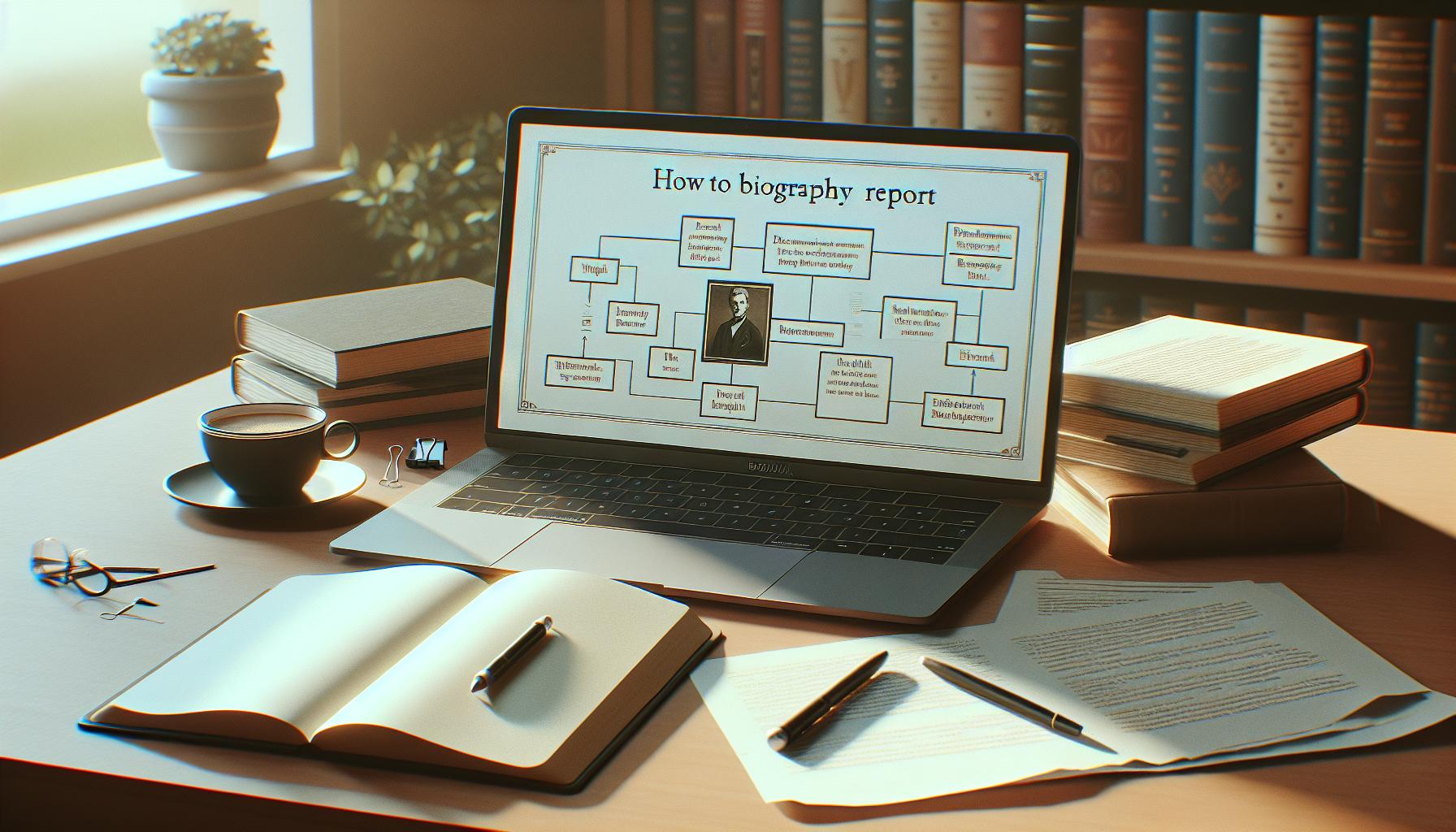
Researching the Life of Your Subject
To delve deeply into the life of your subject, it’s essential to approach the research process with both curiosity and a structured method. The richness of a biography often lies in the details, so the more thorough your research, the more engaging your report will be. Begin by gathering a variety of sources that chronicle different aspects of their life, ensuring a comprehensive understanding. For instance, consult authorized biographies, which provide critical insights and often feature firsthand accounts from the subject or their contemporaries, contributing to a fuller picture.
Utilize primary sources like letters, interviews, and autobiographies to uncover personal anecdotes that give life to your subjects’ experiences. These can often be more revealing than secondary analyses. Supplement this with articles, documentaries, and reputable online resources-academic databases or historical archives are excellent places to find reputable information, especially about significant figures. If your subject is a public figure, check specific media coverage around pivotal moments in their life, such as awards, criticisms, or key contributions to their field, which can provide context and depth.
As you compile your findings, create an organized system-whether through digital note-taking applications or traditional notebooks-to categorize information into thematic areas: early life, significant achievements, challenges, and legacy. This will not only help in maintaining clarity but also facilitate easier reference during the writing process. Be sure to cross-reference facts when possible to avoid misinformation; this is crucial in maintaining the integrity of your report.
Lastly, consider the relevance of your subject today. Highlighting current implications of their life story-not just in historical context but in contemporary discourse-can enrich your report significantly, making it not only informative but also resonant with your audience. Engaging with a variety of perspectives will ensure that your biography is nuanced, balancing objective facts with the compelling narrative that will captivate readers.
Engaging Writing Techniques for Book Reports
Crafting a biography report can be as engaging as telling a personal story, yet it’s essential to approach it with both creativity and structure. One effective technique is to start with a captivating hook-perhaps a surprising fact or a dramatic moment from your subject’s life. For instance, if you’re writing about a historical figure, opening with a vivid description of a pivotal event can draw readers in and set the tone for the rest of the report.
To enhance engagement, employ a narrative style that combines factual information with storytelling elements. Use descriptive language to paint a vivid picture of your subject’s environment, emotions, and aspirations. This technique not only makes the content more relatable but also helps to connect emotionally with the audience. For example, instead of simply stating that your subject won a major award, describe the atmosphere of the award ceremony, the subject’s feelings during the event, and the impact it had on their life and career.
Another key element is varying sentence length and structure. Interspersing shorter, impactful sentences with longer, more complex ones can create a rhythm that maintains reader interest. It’s also beneficial to include direct quotes from your subject or credible sources, as this lends authenticity and adds a personal touch to your report. When embedding quotes, ensure they are relevant and support the points you’re discussing, thus enriching your narrative.
Additionally, consider incorporating engaging visuals, such as photographs or infographics, to break up text and provide a visual connection to the narrative. This can enhance understanding and retention, as readers often find it easier to remember information that is presented in multiple formats. Lastly, remember to weave in a thematic analysis-highlighting lessons learned or the subject’s impact on society can provide depth and make your report not just a recount of life events but also a commentary on their significance.
Incorporating Quotes and Anecdotes
To effectively bring a biography to life, is essential. These elements not only humanize the subject but also provide insights and authenticity that facts alone may lack. A well-chosen quote can encapsulate your subject’s ethos, while a poignant anecdote can offer a compelling glimpse into their experiences and emotions. For example, Winston Churchill’s famous quote, “Success is not final, failure is not fatal: It is the courage to continue that counts,” can illustrate his resilience in the face of adversity, adding depth to your narrative.
When selecting quotes, consider the following strategies to enhance your report:
- Relevance: Choose quotes that are directly related to the themes of your biography. For instance, if you’re discussing a figure’s contribution to civil rights, utilizing their own words about justice and equality will strengthen your argument.
- Context: Provide background for the quote to help readers understand its significance. If an individual remarked on their childhood experiences, briefly sketch their early life to frame the quote and highlight its impact.
- Diversity: Mix personal quotes with observations from colleagues or historians. This creates a richer perspective. For instance, pairing an artist’s reflection on creativity with a critic’s assessment can demonstrate how their work is perceived.
Anecdotes serve as powerful tools to illustrate qualities that define the subject. They can reveal character, illustrate pivotal moments, or simply entertain. Including a short story about a pivotal moment in your subject’s life-like how a chance encounter inspired a career change-can illustrate their journey in a relatable way. Furthermore, anecdotes can create engaging transitions between the main events of your subject’s life, allowing for a narrative flow that feels more like storytelling than a list of facts.
Therefore, while quotes provide voice, anecdotes add color and context. Combining these elements thoughtfully will not only enrich your biography report but also captivate your readers, encouraging them to connect personally with the subject’s life journey. Always ensure that quotes are attributed properly and anecdotes are fact-checked to maintain the integrity of your report.
Analyzing Themes in Your Biography
To fully appreciate a biography, delving into its underlying themes can unveil deeper insights about the subject’s life and context. Themes often reflect broader societal issues, personal struggles, or significant milestones that shape an individual’s character and legacy. For example, when examining the life of Nelson Mandela, themes of resilience, justice, and forgiveness resonate profoundly. These persistent themes not only serve to portray an individual’s challenges and triumphs but also invite readers to consider parallels in their own lives or in contemporary society.
Analyzing themes begins with identifying recurrent ideas throughout the biography. Consider the main events and decisions that characterize the subject’s journey-what lessons do these decisions impart? Once selected, you can categorize these themes to enhance your analysis. A simple approach involves creating a thematic table:
| Theme | Example from Biography | Significance |
|---|---|---|
| Resilience | Mandela’s 27 years of imprisonment | Demonstrates strength in the face of adversity |
| Justice | Mandela’s fight against apartheid | Highlights the quest for equality and human rights |
| Forgiveness | His transition to president after imprisonment | Exemplifies the power of reconciliation |
While articulating themes, pose critical questions that dig deeper into their relevance and implications. How do these themes reflect the historical context in which the subject lived? How might they influence contemporary issues? Engaging with these questions not only enriches your understanding but encourages readers to reflect on the importance of these themes in varying contexts.
Incorporating these thematic analyses into your biography report enhances not just the narrative but also provides a foundation for discussing the subject’s impact. Highlighting themes encourages a connection between the biography and broader human experiences, fostering a meaningful exploration that resonates with readers and invites them to reflect on the relevance of the subject’s life in today’s world.
Citing Sources and Avoiding Plagiarism
Ensuring the integrity of your work when writing a biography report is essential, not only for ethical reasoning but also to avoid the pitfalls associated with plagiarism. Citing sources appropriately is a key component, as it acknowledges the original authors whose research, ideas, and words have informed your own understanding.
To start, familiarize yourself with different citation styles, typically APA, MLA, or Chicago. Each has its specific rules regarding how to format citations for books, articles, and online resources. While APA might emphasize the date of publication for scientific works, MLA tends to focus on authorship and page numbers for literary texts. Understanding these nuances will enhance the credibility of your report. Always include a bibliography or a works cited page at the end of your report. This section should list all the sources you consulted in your research, organized according to the chosen citation style, ensuring that anyone reading your work can trace back your references accurately.
Steps to Avoid Plagiarism
- Paraphrase Effectively: When you use information from a source, express it in your own words. This not only demonstrates your understanding but also reduces the likelihood of unintentional copying. Remember, even when paraphrasing, a citation is still necessary.
- Use Quotation Marks: If you want to include a direct quote, always place it within quotation marks and provide the appropriate citation. This clarifies which words belong to the original author and preserves the original context.
- Maintain Detailed Notes: As you conduct your research, take meticulous notes that include bibliographic details. This will save you time later when you compile your works cited page and help in accurately selecting quotes and paraphrases.
- Utilize Plagiarism Checkers: Before submitting your report, use online plagiarism detection tools. These resources can help identify any sections that might inadvertently resemble published works, allowing you to make necessary adjustments.
Incorporating these practices not only safeguards your academic integrity but also enriches your writing by grounding your insights in a broader context. Engaging with various sources adds depth to your report, helping to paint a fuller picture of your subject’s life and contributions. With thorough referencing and a mindful approach to sourcing, you can focus on crafting a compelling narrative while honoring the intellectual contributions of others.
Creative Presentation Ideas for Reports
Engaging your audience with a biography report doesn’t have to feel like a dry academic assignment. In fact, it can be an exciting opportunity to bring a person’s life story to life through creative presentation. Here are some innovative ideas to transform your report into a captivating experience for your audience.
Utilize Multimedia Elements
Incorporating different types of media can significantly enhance a biography report. Consider using slideshows that combine images, quotes, and key facts about your subject. Platforms like PowerPoint or Google Slides allow you to craft a visually appealing presentation. Pair your slides with audio clips-perhaps snippets from interviews or historical speeches made by your subject. This multi-faceted approach captures attention and provides a richer context around the individual’s life and achievements.
Create a Storyboard
A storyboard can be an imaginative way to narrate the life of your biographical subject. By visualizing key events in their life through a series of drawings or images, you can help your audience understand the progression of your subject’s journey. This could be done digitally or on a poster board, and you might include brief captions or quotes to complement the visuals. Not only does this method facilitate creativity, but it also allows for a more interactive discussion during your presentation.
Interactive Elements
Involve your audience to make the report more dynamic. Consider designing a quiz or trivia game based on facts from the biography. This could be a fun way to reinforce learning while keeping everyone engaged. Using platforms like Kahoot! can facilitate this interaction easily in a classroom setting. Additionally, you might include a Q&A session at the end where your audience can ask questions or share their thoughts, fostering a collaborative environment for discussion.
Creative Approaches to Writing
Instead of a traditional report format, think about writing a letter or diary entry from the perspective of your biographical subject. This technique invites readers to experience the individual’s emotions and thoughts, providing a personal touch that can make the biography more relatable. Alternatively, consider a webpage-style report where you can include links to external sources, videos, or relevant articles, creating a dynamic reading experience.
These creative presentation methods not only enhance the enjoyment of learning but also emphasize the richness of the individual’s life and contributions. By exploring various formats and engaging your audience through interactive and visual strategies, you can transform a simple biography report into a memorable educational experience.
Common Mistakes to Avoid in Biography Reports
When crafting a biography report, it’s all too easy to fall into common pitfalls that can diminish the quality and impact of your work. Avoiding these mistakes is crucial for creating a compelling and informative report that honors your subject’s life. A frequent error is failing to focus on the subject’s key achievements and defining moments. While it’s important to cover various aspects of their life, honing in on significant events that shaped the individual’s trajectory can help create a more engaging narrative. For instance, if you’re writing about a historical figure, highlight pivotal moments that not only define their legacy but also resonate with contemporary readers.
Another misstep often made is neglecting to conduct thorough research and fact-checking. Relying on limited sources or outdated information can lead to inaccuracies that undermine your credibility. Utilize diverse and reputable sources to construct a well-rounded view of your subject. For example, biographical databases, academic journals, and interviews can provide valuable insights that enrich your understanding. Be sure to verify dates, key facts, and quotes to ensure accuracy. Additionally, keep an open mind to new interpretations that may emerge from your research.
Equally important is avoiding overloading your report with unnecessary details. While it may be tempting to include every interesting tidbit discovered, excessive information can overwhelm your audience. Instead, select the most relevant facts and anecdotes that align with the central themes of your report. Organizing your content thematically or chronologically can help maintain focus and guide the reader through your narrative.
Maintaining Balance and Perspective
It’s vital to strike a balance between objective documentation of your subject’s life and engaging storytelling. Avoid letting personal bias cloud your presentation of facts. Providing a balanced view allows readers to form their own opinions based on the evidence presented. Incorporating different perspectives, such as criticisms or challenges faced by your subject, can also enhance the depth of your report.
Ultimately, by steering clear of these common mistakes, you position yourself to create a biography report that is not only informative but also engaging and reflective of the complexities of human life. By focusing on significant events, verifying your research, streamlining your details, and maintaining balanced perspectives, you can tell a compelling life story that resonates with your audience.
Enhancing Reader Engagement with Visuals
Using visuals effectively can transform a biography book report from a simple narrative into an engaging exploration of a person’s life. Visual elements such as photographs, timelines, charts, and infographics not only enhance comprehension but also captivate the audience’s attention. By incorporating these components, you can draw readers deeper into your subject’s story, making the life events feel more immediate and relatable.
To begin, consider including photographs and illustrations that showcase significant moments in your subject’s life. For example, if you are writing about a historical figure, you might feature images from key events like their major achievements or personal milestones. This not only helps to contextualize the narrative but also adds an emotional layer, allowing readers to connect with the subject on a more personal level. Additionally, using captions to explain each visual can help frame the images within the broader context of your report.
Creating a Timeline
Integrating a timeline in your report is another effective visual aid. A timeline provides a chronological perspective, illustrating the progression of your subject’s life and highlighting critical turning points. For instance, you could create a simple visual layout that marks important dates alongside short descriptions of events. This visual reference allows readers to grasp the sequence of events at a glance, making the information more easily digestible.
Infographics and Data Visualizations
In cases where your subject’s achievements can be quantified-like awards, contributions to different fields, or impacts on society-consider using infographics. These visual presentations turn raw data into appealing formats. A bar chart or pie chart, for instance, can display your subject’s awards won over time or the impact of their work measured by statistics. Infographics can effectively summarize complex information, making it accessible and engaging.
Engaging your readers through visuals not only supports your textual analysis but can also inspire curiosity and a deeper understanding of your subject’s life. Balancing images, timelines, and data visually enriches your report and encourages your audience to explore further, fostering a connection that extends beyond the written word.
Q&A
Q: What are the first steps in preparing for a biography book report?
A: Begin by selecting the right biography that interests you. Read the book thoroughly, taking notes on key events and themes. Consider using a graphic organizer to outline important aspects of the subject’s life, which will aid in structuring your report effectively.
Q: How can I effectively summarize a person’s life in my report?
A: Focus on major life events and achievements that highlight the individual’s impact. Use a chronological approach to outline their life story clearly. Incorporate significant struggles and triumphs to demonstrate character development and growth.
Q: What should I include in the introduction of my biography book report?
A: The introduction should capture the reader’s attention and provide essential details about the subject, like their full name, dates of birth and death, and a brief statement on why their life is significant. This sets the stage for your analysis.
Q: How do I analyze themes in a biography?
A: Identify central themes such as perseverance, leadership, or innovation. Discuss how these themes are illustrated through specific events and anecdotes in the subject’s life. Refer to your notes to highlight passages in the book that resonate with these themes.
Q: What are some creative presentation ideas for a biography report?
A: Consider using visual aids like posters or slideshows that highlight important events and quotes. You could also create a timeline, or act out a key event from the subject’s life. Engaging visuals can enhance your presentation and make it more memorable.
Q: Why is it important to cite sources in a biography report?
A: Citing sources is crucial to give credit to the original authors and to support your research. It helps avoid plagiarism and enhances the credibility of your report. Ensure you follow the proper citation format mentioned in your article for accuracy.
Q: How can I make my biography report more engaging?
A: Use engaging writing techniques such as vivid descriptions and compelling anecdotes. Incorporate quotes from the biography to add authenticity. Additionally, utilize infographics or photographs to visually enhance your report, making it appealing to the reader.
Q: What common mistakes should I avoid when writing my biography report?
A: Avoid summarizing the book without analysis or personal insights. Steer clear of including irrelevant details and ensure you maintain a clear structure throughout the report. Additionally, don’t forget to proofread for grammatical errors and clarity before submission.
The Conclusion
Now that you have a solid understanding of how to craft an engaging biography book report, it’s time to put your newfound knowledge into action. Remember, summarizing a life story not only deepens your appreciation for the subject but also boosts your analytical skills. Don’t just stop here-explore our resources on “Effective Research Techniques” and “Crafting the Perfect Conclusion” to enhance your writing further.
Ready to take the next step? We invite you to join our newsletter for more tips on report writing and in-depth literary analyses, or check out our engaging community discussions to connect with fellow learners. Sharing your thoughts or asking questions in the comments below can spark valuable conversations and enhance your understanding.
Your journey into the world of biographies continues here-discover the rich stories waiting to be told! Dive into related topics like “Famous Biographies to Read” or “Understanding Author Perspectives” to keep that curiosity alive. Let’s keep learning together and make your report writing a truly enjoyable experience!
Get our latest guides, news, and insights highlighted in your Google Search & AI Overviews.