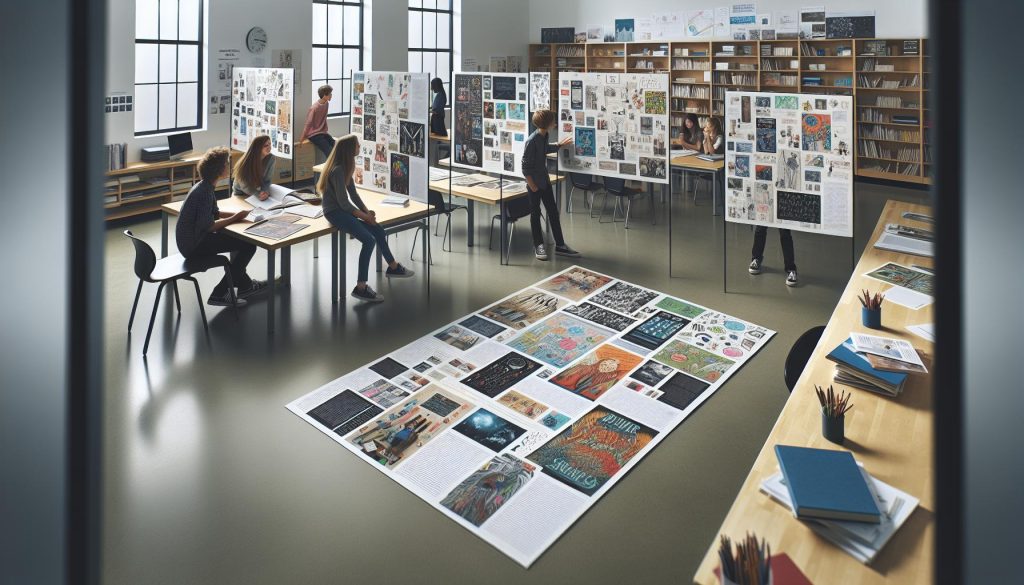
Creating an effective poster board book report can transform a simple assignment into an engaging visual experience that captures the essence of a book. Did you know that visual aids can enhance retention and understanding by up to 400%? This guide will offer you creative display ideas and practical tips to help you present your book report in a compelling way. Whether you are looking to impress your classmates or gain a deeper understanding of the material, a well-crafted poster can make all the difference. From selecting key themes to incorporating eye-catching visuals, each element plays a crucial role in drawing in your audience and conveying your insights. Let’s explore how to design a poster that not only showcases your hard work but also enhances your learning journey. Dive in, and discover how to elevate your project with thoughtful creativity!
Understanding Different Types of Poster Board Book Reports
Creating a poster board book report is an engaging way to synthesize information while allowing for creativity and personalization. Understanding the various types of poster board book reports can help you decide which format suits your project best. Generally, these reports can be categorized based on their focus and presentation style, such as thematic, chronological, or character-focused layouts.
For a thematic report, you might include sections dedicated to the main themes of the book, utilizing bold headings and color-coded areas to differentiate between themes easily. This approach allows viewers to grasp the book’s overarching messages quickly. In contrast, a chronological report would follow the timeline of events in the story, providing a clear progression that highlights pivotal moments in a structured way. This format often works well for narratives that have a strong sequential flow.
Another popular format is the character-focused report. In this style, the poster could feature dedicated sections for each main character, detailing their development throughout the story, significant quotes, and images representing them. Incorporating bullet points and visual icons can create an engaging and informative layout that captures attention.
Regardless of the type you choose, remember that clarity and organization are vital. Use clear headings, bullet points, and visuals to aid understanding and retain the viewer’s focus. Balancing information and aesthetics will make a lasting impression and convey the essence of the book effectively.
Essential Materials You Need for Your Project

Creating a captivating poster board book report requires thoughtful preparation and the right materials to bring your ideas to life. The first step in your toolkit is selecting a sturdy poster board, which provides a solid foundation for your work. Choose a size that fits your project needs-common dimensions are 22″ x 28″ or 24″ x 36″ depending on how much content you plan to display.
To make your poster visually appealing, gather a variety of craft supplies. A selection of markers and colored pencils will allow you to highlight key points and add flair. For a polished look, consider using printed images, photographs, or illustrations that relate to your book; ensure you have access to a printer or sourcing options if you’re searching for visuals online. Additionally, adhesive materials like glue sticks, double-sided tape, or adhesive dots will aid in securing your elements firmly in place.
Supplementary Materials for Clarity and Engagement
Beyond the basics, include materials that enhance the presentation of your report. Using stencils or templates for text can help maintain consistency and neatness throughout your poster. Consider investing in a transparent sheet protector for crucial elements like quotes or central themes to keep them prominent and protected. Incorporate scissors, a ruler for straight lines, and a craft knife for more intricate cuts, which can aid in creating interesting shapes or borders that draw the eye.
Furthermore, don’t overlook the power of interactive elements. Incorporating QR codes linked to relevant online content or video summaries can engage your audience even further. These additions can spark curiosity and provide a modern touch to your project, allowing viewers to delve deeper into the book’s themes and messages. By carefully selecting your materials and organizing them with intention, you will create a poster board book report that is not only informative but also memorable for your viewers.
Creative Layout Ideas for Visual Appeal

Crafting a visually appealing layout for your poster board book report can significantly enhance its effectiveness and engagement factor. A well-structured layout not only captures attention but also guides the viewer’s eye through your content in a logical and inviting manner. To achieve this, consider the following creative strategies that invite curiosity while presenting your research clearly.
Start with a focal point. Every good layout should have a central element that draws the viewer in-this could be an eye-catching title or a striking image from the book. Position this focal piece prominently, either at the top or center of the poster, to serve as a visual anchor. Surround it with complementary information that supports the main idea, creating a flow that naturally leads the viewer’s eye from one section to another.
Utilize sections and borders to organize content effectively. Partition your poster into clear sections for different aspects of your report-such as a summary, character analysis, and themes. Using colorful borders can help define these areas and make the content feel distinct yet cohesive. For instance, employing a different color for each section can visually separate them while also adding a vibrant touch to the overall design.
Incorporating visual hierarchy is essential for readability. Use font sizes strategically; larger, bolder text can signify headings, while smaller text can detail supporting information. This approach not only emphasizes key points but also aids in the effortless scanning of information. An effective use of fonts can convey the mood of the book-consider fonts that match the story’s genre; whimsical fonts for children’s books or elegant serif types for classic literature.
Furthermore, consider varying the layout style. Instead of a traditional linear presentation, experiment with layouts that allow you to integrate visuals alongside text. For instance, place images of characters or scenes adjacent to the relevant analysis. You could even create a timeline of events where visuals can connect different moments in the story, making the narrative flow more engaging.
Lastly, white space is your friend. Do not overcrowd your poster; ensure there’s enough breathing room around your text and images. This practice not only enhances aesthetics but also allows key information to stand out, facilitating better understanding for your audience.
By implementing these thoughtful layout strategies, you will create a poster board book report that not only conveys essential information effectively but also captivates viewers with its artistic presentation.
Incorporating Visuals: Images, Charts, and Diagrams
To effectively enrich your poster board book report, the integration of visuals such as images, charts, and diagrams is not just beneficial; it’s imperative. Visuals serve as compelling tools that can convey complex ideas quickly and keep your audience engaged. By presenting information in a visually stimulating manner, you enhance your report’s overall aesthetic and help to facilitate a deeper understanding of the material covered.
One of the most impactful ways to incorporate visuals is through the use of relevant imagery. For instance, including illustrations of key characters, scenes, or even symbols from the book can help draw viewers into the narrative. Be selective with the images you choose; they should complement your written content and reinforce the themes of your report. Consider placing a large, vibrant image as a focal point on your poster, then surround it with descriptive text that expands on the significance of the visual.
Charts and diagrams also play a pivotal role in summarizing complex information. If your book report delves into character development or plot structure, a simple flowchart or character map can visually represent relationships and timelines. For example, a character analysis chart might list characters alongside their traits, relationships, and development arcs. This not only breaks up the text but also allows viewers to absorb critical information efficiently. Use colors and shapes strategically to make these diagrams easy to follow and aesthetically beautiful.
Additionally, when incorporating visuals, ensure there is a clear connection between the graphics and the text. Each visual element should serve a purpose and align with the key points presented in your report. To avoid clutter, balance visuals with adequate white space, ensuring that each component of your poster has room to breathe. This thoughtful arrangement enhances comprehension and prevents overwhelming your audience with too much information at once.
Lastly, foster interactivity by integrating elements that encourage viewer interaction, such as QR codes linking to further resources or videos that delve deeper into your analysis. This can engage a tech-savvy audience and provide additional depth to your presentation. By thoughtfully incorporating visuals, you not only enhance the quality of your book report but also transform it into an engaging and informative experience for all viewers.
How to Choose a Theme and Color Scheme
Choosing the right theme and color scheme for your poster board book report is crucial in setting the tone and ensuring that your presentation is both visually appealing and contextually relevant. An effective theme reflects the essence of the book and helps to guide the viewer’s understanding and interpretation of the material. For example, if your report focuses on a classic novel like “Moby Dick,” choosing a maritime theme with blues and whites, alongside images of the ocean or nautical elements, can enhance your audience’s connection to the text.
When selecting a color scheme, consider the psychological impact of colors on viewers. Colors can evoke specific emotions; for instance, warm colors like red and orange can create a sense of urgency or excitement, while cooler tones such as blue and green tend to be calming. Aim for a palette that complements your subject matter. A biographical report on a historical figure could incorporate earthy tones to reflect the past, while a science fiction theme might benefit from vibrant, futuristic hues like neon greens and metallics.
To make your poster cohesive, it’s essential to maintain a consistent color theme throughout. Limiting your palette to three to five complementary colors will help create a unified look. A common approach is to use one dominant color, one secondary color, and an accent color. For example, the dominant color could be a soft blue, supplemented by white for text, and a bright yellow for highlighting key points or sections. This not only enhances readability but also makes important information stand out.
Ultimately, think about how your choices in theme and color can drive engagement. A well-chosen theme and thoughtfully selected colors not only attract attention but also helps convey your message clearly and effectively. Incorporating these elements strategically will make your poster board an engaging and informative experience for your audience, allowing your hard work and insights to resonate long after they leave the display.
Effective Text Placement: Tips for Readability
When it comes to creating an impactful poster board book report, the placement of text is paramount to ensuring that your information is both accessible and engaging. A well-thought-out text layout can draw the viewer’s eye and facilitate understanding, allowing the essence of your analysis to shine through. To achieve this, there are a few key strategies that can enhance readability and engagement.
Begin by prioritizing the information hierarchy. Clearly distinguish between headings, subheadings, and body text by varying the font sizes and styles. For instance, use a large, bold font for the title and a slightly smaller size for section headers. The body text should be sized appropriately for legibility, typically between 24 and 32 points. By organizing content from large and bold text to smaller, lighter text, you create a visual flow that guides the viewer’s eyes through the poster naturally.
Another vital component is spacing. Sufficient margins and padding around text blocks prevent overcrowding and make the layout more inviting. Aim for at least half an inch of space around each section. This not only improves readability but also helps separate different ideas, making it easier for viewers to digest your content. Utilize bullet points for listing key ideas, as they can effectively condense information and allow for quick scanning. For example:
- Key Themes
- Character Analysis
- Important Quotes
- Significant Events
Incorporate visual elements such as boxes or borders to highlight essential information. These design features can segment text from images or diagrams, further enhancing clarity. Additionally, consider the alignment of your text; left-aligned text typically offers the most natural reading experience while maintaining a professional appearance.
Finally, remember the importance of consistency. Maintain uniform fonts and colors throughout the poster to create coherence. For instance, if you use a particular style for titles, ensure that all titles share the same font and color scheme. Not only does this reinforce your theme, but it also helps in establishing a professional presentation that resonates well with your audience.
By applying these text placement techniques, you can elevate the readability and overall impact of your poster board report, making your hard work both visually appealing and intellectually engaging.
Engaging Presentation Techniques for Your Report
A captivating presentation can transform a standard poster board book report into an engaging experience for your audience. Utilizing dynamic techniques not only captures attention but also enhances understanding, making your analysis memorable. Emphasizing storytelling elements can greatly boost viewer engagement. Consider starting your presentation with an intriguing question or a compelling quote from the book that resonates with its themes. This creates immediate interest and encourages your audience to think critically about the content.
Incorporate different media formats to diversify the presentation and maintain interest. For instance, alongside text and visuals, you can use short audio clips or video snippets that relate to the themes or characters in the book. This multimedia approach adds layers to your report, appealing to various learning styles and keeping your audience actively engaged. Additionally, interactive elements, such as QR codes that link to further resources or discussions, can encourage deeper exploration of the subject matter.
Dynamic Use of Colors and Layout
The choice of colors within your presentation plays a significant role in setting the mood and tone. Use contrasting colors to draw attention to key areas or messages, such as major plot points or character developments. A clever use of color can help differentiate sections of your report, allowing viewers to navigate the content intuitively. For example, you might use a calm blue for character analysis and a vibrant red for significant quotes or themes, visually reinforcing the different elements of your analysis.
Engagement Through Active Participation
Encouraging participation can significantly boost engagement. Consider integrating discussion prompts that invite audience interaction. Questions posed during the presentation can stimulate dialogue, allowing your peers to share their thoughts or ask questions about your insights. You might even create a small quiz related to the book that can be fun and informative, assessing comprehension while providing an opportunity for viewers to reflect on what they’ve learned.
Overall, the most engaging presentations are those that blend creativity with clear organization, making your report not only informative but also a joyous experience for your audience. Remember to practice your delivery, as confidence will enhance your ability to connect with your viewers, making your insights resonate even more.
Showcasing Your Research: Organizing Information
To create a compelling poster board book report, it is essential to effectively organize and showcase your research to engage and inform your audience. The clarity of information presented can significantly affect how well your analysis is received, so structuring content in a logical and visually appealing manner is key. Start by outlining the main points you wish to convey, using headings and bullet points to break dense information into digestible segments.
- Introduction: Begin with a brief overview of the book, including the title, author, and a concise synopsis. This sets the stage for the deeper analysis that follows.
- Key Themes: Dedicate a section to explore the major themes of the work, using quotes and specific examples from the text. Highlighting themes helps your audience understand the underlying messages the author conveys.
- Character Analysis: Create a detailed subsection for important characters. Use visuals like character maps or images, and describe their motivations, conflicts, and development throughout the narrative.
- Plot Summary: Providing a clear, chronological outline of the plot can help your audience follow the story more easily. Consider using a timeline graphic to complement your textual description.
- Personal Reflection: Share your insights or connections to the book. This not only personalizes your report but also demonstrates critical thinking.
Incorporating visuals such as charts, graphs, or images related to the book’s setting or themes can enhance comprehension. For instance, a visual timeline of the plot’s progression paired with key events can make the narrative flow clearer. Additionally, utilizing color coordination for different sections can aid navigation; for example, using one color for character-related information and another for thematic discussions.
Remember to maintain coherence and flow between sections. Transitional phrases can help guide your audience through your research, making complex ideas feel accessible. Lastly, engage your audience by summarizing each section’s takeaways and suggesting questions for further discussion or thought, encouraging them to interact with the material more deeply. This proactive approach not only showcases your research effectively but also fosters a memorable learning experience.
Adding Interactive Elements to Capture Attention
Engaging an audience can often hinge on how interactive your presentation is. By incorporating interactive elements into your poster board book report, you can stimulate curiosity and encourage deeper engagement with the material. Consider the following strategies to create an immersive experience:
One effective approach is to include a QR code that links to an online resource, such as a video, interactive timeline, or an author interview. This not only provides supplemental information but also invites viewers to explore topics at their own pace. For instance, if your report discusses a historical novel, the QR code could direct them to a documentary related to the time period in which the book is set.
In addition to digital enhancements, physical interactive features can also captivate your audience. Creating a flap or pop-up element on your poster can unveil hidden insights or questions related to themes or character motivations. This tactile experience engages viewers and compels them to delve deeper. For example, beneath a flap, you might reveal a thought-provoking question like, “How would you react in this character’s situation?” encouraging them to contemplate the book’s moral dilemmas.
To further enhance interaction, consider implementing voting or feedback mechanisms, such as a small ballot box where viewers can submit their thoughts or favorite aspects of the book. You could pose questions like, “Which character do you relate to most?” This not only engages your audience but also creates a sense of community around shared insights. After the presentation, you can discuss the collected responses, making the experience even more participatory.
Finally, don’t overlook the power of demonstrations or mini-activities related to your book’s themes. If your report is based on a novel that addresses social issues, you might set up a brief discussion or role-playing scenario that invites participants to express their views on the topic. By creating these interactive opportunities, you foster an environment where individuals feel valued and encouraged to contribute their perspectives, thereby enriching the overall discussion surrounding your book report.
Peer Review: Getting Feedback Before Finalizing
In the journey of crafting an engaging poster board book report, the importance of obtaining feedback before finalizing your project cannot be overstated. Constructive critique can illuminate aspects of your presentation that you might not have considered, revealing both strengths and areas for improvement. Whether you’re working solo or in a group, seeking input from peers is a vital step that can enhance the overall quality and impact of your report.
One effective approach to gathering feedback is to form a small review group consisting of classmates or friends who can provide diverse perspectives. Before you circulate your draft, clarify what specific elements you want their feedback on, such as clarity of information, visual appeal, or engagement factors. Encourage them to focus on aspects like:
- Content Accuracy: Is the information presented about the book factual and correctly interpreted?
- Visual Layout: Are the colors, fonts, and images cohesive and appealing? Does the layout facilitate easy navigation?
- Engagement Level: Does the poster invite questions or further discussion?
Consider hosting an informal presentation session where you unveil your poster in a mock display situation, allowing your reviewers to interact with it as if it were at a real event. This can help you gauge reactions and adjust elements according to their immediate responses.
In addition to peer feedback, utilizing digital tools can enhance the process. Platforms like Google Forms or SurveyMonkey allow you to create structured questionnaires that reviewers can fill out anonymously, fostering honest and candid feedback. For example, you might ask reviewers to rate various components of your project on a scale from 1 to 5, making it easier to pinpoint which areas need more attention.
Ultimately, make sure to appreciate and apply the feedback you receive. Reflect on the suggestions, focusing on constructive criticism that resonates with you, and be open to making adjustments that will strengthen your project. By embracing this collaborative approach, you’ll not only refine your work but also elevate the quality of the final presentation, resulting in a poster that truly stands out.
Common Mistakes to Avoid in Your Book Report
Crafting a poster board book report can be an exciting endeavor, but it’s all too easy to fall into common pitfalls that can detract from the effectiveness and presentation of your work. Understanding these mistakes ahead of time can help ensure your report stands out in both content and visual appeal, making the reading experience engaging for your audience.
One major error is neglecting the visual layout of your poster. A cluttered or overly simplistic design can confuse or bore viewers. Take the time to plan a balanced arrangement that includes sections for various elements like summaries, character analysis, and thematic exploration. Utilize white space effectively; it helps in avoiding a cramped appearance. Ensure that all text is legible from a distance, and choose colors that are not only attractive but also reflective of the book’s theme or mood. For instance, darker colors may be fitting for a suspenseful story, whereas brighter tones might suit a light-hearted tale.
Another frequent mistake is failing to engage with the audience through interactive elements. Simply presenting information without inviting questions or participation can lessen the impact of your report. Incorporate activities like a question and answer section related to the book or a quick quiz about its themes or characters. This interactive approach can energize your presentation and foster a deeper connection between your audience and the material.
Lastly, be cautious about the depth of your analysis. A shallow understanding of the book can lead to oversimplification of its themes and characters on your poster. Spend time reflecting on significant passages and ideas presented in the text. Draw connections to broader concepts or personal insights that resonate with you. This not only enhances your report’s depth but also showcases your critical thinking skills, inviting your peers or instructors to engage in meaningful discussions about the book.
In summary, by avoiding these common missteps-focusing on effective layout and design, including interactive components, and ensuring thorough analysis-you’ll create a poster board book report that is not only visually appealing but also rich in content, ultimately ensuring a fulfilling experience for both you and your audience.
Frequently Asked Questions
Q: What is the best way to organize a poster board book report?
A: To effectively organize your poster board book report, divide each section according to key elements of the book, such as summary, character analysis, and themes. Use headings for clarity, and consider a flow that guides the viewer through your insights. This layout enhances readability and viewer engagement.
Q: How can I make my book report more visually appealing?
A: Enhance visual appeal by using a color scheme that complements your theme, and incorporating images, symbols, or creative fonts. Make use of charts or diagrams to illustrate key points. This approach not only catches the eye but also communicates your ideas more effectively.
Q: What materials are recommended for a poster board book report?
A: Recommended materials include a sturdy poster board, colorful markers, glue, scissors, printed images or graphics, and decorative elements like stickers. Using diverse materials can help create a visually engaging report and make important sections stand out.
Q: How should I format the text on my poster board?
A: For effective text formatting on your poster board, utilize a mix of font sizes to create a hierarchy where important information stands out. Keep text concise and readable-use bullet points or short sentences to convey your main ideas quickly and clearly.
Q: What are interactive elements I can add to my book report?
A: Consider adding interactive elements like QR codes linking to additional resources or creating a simple interactive quiz related to the book. These elements can engage your audience further and provide a deeper understanding of the material presented in your report.
Q: Why is peer review important before submitting a poster board report?
A: Peer review is crucial as it allows for constructive feedback on both content and design. It can highlight areas for improvement and help ensure that your report is clear, informative, and engaging. Incorporating feedback boosts the overall quality of your presentation.
Q: How can I effectively present my book report to an audience?
A: To present effectively, practice your speech and maintain eye contact with your audience. Use your poster board as a visual aid, pointing out key sections while summarizing main ideas. Encourage questions to foster engagement and clarify any points that may need more explanation.
Q: What common mistakes should I avoid in my poster board book report?
A: Avoid overcrowding your board with text or visuals, which can overwhelm viewers. Ensure clarity in your layout and maintain focus on the most relevant details. Moreover, check for spelling and grammar errors to ensure professionalism in your presentation.
The Conclusion
As you take the first steps in crafting your poster board book report, remember that creativity and clear communication are your allies. Showcase your ideas effectively to not only captivate your audience but also to shine in your presentation. Don’t forget to explore our guides on “Creative Presentation Techniques” and “How to Structure Your Book Report” for additional insights that can elevate your project.
Now is the perfect time to put your newfound knowledge into action! Consider signing up for our newsletter for the latest tips and resources that will support you throughout your academic journey. If you have any questions or need further clarification, feel free to leave a comment below; we love hearing from you! Embrace this opportunity to impress with your report-your hard work will undoubtedly pay off!
Get our latest guides, news, and insights highlighted in your Google Search & AI Overviews.