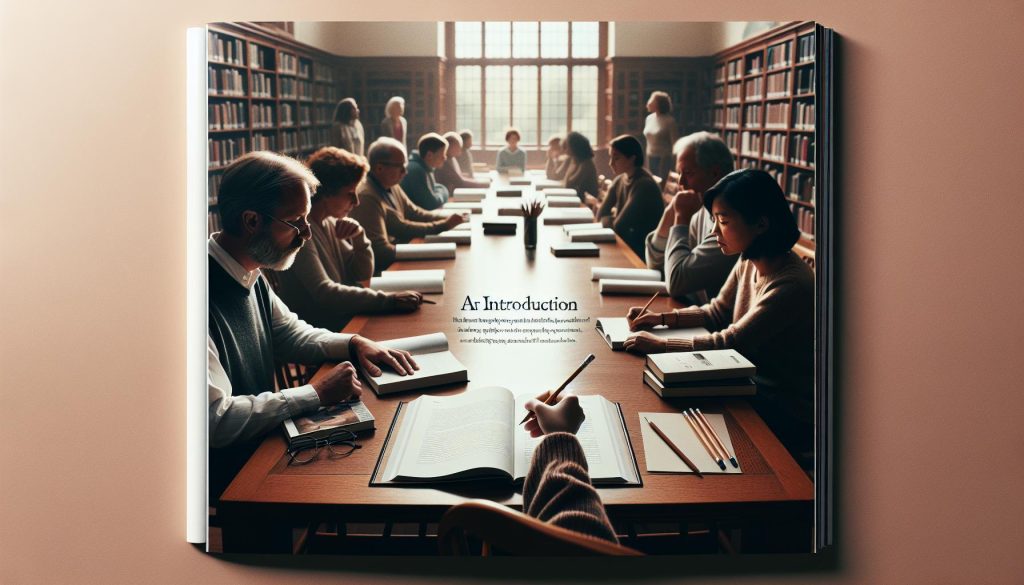
Crafting an engaging introduction for a book report is crucial, as it sets the tone for the entire evaluation and can captivate your reader’s attention right from the start. Did you know that a well-structured introduction not only provides essential details about the book but also demonstrates your understanding and analytical skills? Whether you’re summarizing a beloved classic or analyzing a contemporary bestseller, beginning with a strong hook can transform a mundane report into a fascinating exploration. In this guide, we’ll delve into effective strategies to create compelling introductions that resonate with interest and curiosity. By addressing common reader concerns and providing actionable insights, you’ll be equipped to make a lasting impression right from the first sentence. Let’s unlock the secrets to writing an impactful introduction that draws in your audience and sets the stage for a meaningful book report.
Understanding the Purpose of a Book Report Hook
A well-crafted hook serves as the gateway to your book report, drawing readers in and piquing their interest. Its purpose extends beyond just grabbing attention; it sets the tone for your analysis and provides a glimpse into the themes and insights you’re about to explore. Think of the hook as a critical first impression-a chance to engage your audience by framing the narrative of the book in a way that resonates with their curiosity.
To effectively understand the purpose of a book report hook, consider the emotional and intellectual connections it fosters. A strong hook not only intrigues readers but also prompts them to think critically about the book’s content. For example, starting with a thought-provoking question or a compelling fact about the author can stimulate curiosity and encourage readers to reflect on their own perspectives. By engaging them right from the start, you create an inviting atmosphere that invites further exploration of the text.
Moreover, the hook lays the groundwork for the subsequent discussion. It should seamlessly lead into your thesis statement, providing a bridge that connects your engaging opening to the analytical points you’ll cover later. This connection is vital, as it helps readers understand the relevance of your discussion and supports a logical flow throughout your book report. Ensuring that your hook aligns with the main themes or conflicts presented in the book will enhance coherence and make your analysis more impactful.
In essence, an effective hook is not just a stylistic choice; it is a strategic tool that helps frame your analysis and invites your readers into a deeper dialogue with the text. By thoughtfully considering your approach to this initial element, you enhance the overall readability and engagement of your book report, ultimately enriching the reader’s experience.
Key Elements of an Engaging Introduction

A compelling introduction sets the stage for a noteworthy book report, creating an immediate connection with your readers. Consider this: a well-crafted introduction not only outlines what to expect but also ignites curiosity and anticipation. To achieve this, there are several key elements that can transform a standard introduction into a captivating one.
To start, every introduction requires a strong hook-an engaging sentence or two that captivates the audience. This might be an intriguing quote from the book, a surprising fact about its background, or an evocative question that prompts further reflection. For instance, beginning with a thought-provoking statement like, “What would you do if you had the ability to rewrite history?” invites readers to ponder the themes of power and consequence that often emerge in literature.
Following the hook, it’s essential to provide a brief context that situates the reader. This includes mentioning the book’s title, author, and a glimpse of the genre and setting. By offering this context, you lay the groundwork for why the book is significant and what particular themes or conflicts to look out for. For instance, you might say, “In George Orwell’s ‘1984,’ set in a dystopian future, the exploration of totalitarianism not only illuminates the dangers of unchecked political power but also resonates with contemporary issues of surveillance and freedom.”
Finally, your introduction should culminate in a clear thesis statement. This statement outlines the main points or arguments you intend to explore in your report. It should succinctly convey your perspective or the central analysis you aim to present based on your readings. A well-formulated thesis could be, “Through its portrayal of oppressive regimes, ‘1984’ serves as a poignant warning against the erosion of individual freedoms in our society.” This creates a seamless transition from your captivating hook to a structured discussion about the book’s themes.
Incorporating these elements-a powerful hook, contextual clarity, and a definitive thesis-ensures that your introduction effectively engages your readers while setting up a coherent framework for your analysis. By strategically crafting this opening, you enhance the overall effectiveness of your book report, inviting readers into an enriching literary dialogue.
Techniques for Crafting a Compelling Hook

Crafting a compelling hook is essential for drawing readers into your book report with confidence and interest. One effective technique is to open with a striking or provocative statement related to the book’s themes. This not only piques curiosity but also sets the tone for the discussion that follows. For example, a powerful opening line could be, “In a world where truth is constantly manipulated, what does it mean to truly know oneself?” This kind of thought-provoking question serves to intrigue the reader and foreshadows deeper explorations of identity and truth throughout the report.
Another useful approach is to begin with a relevant quote from the book itself. Quotes can act as a window into the author’s intent and the book’s core messages. When selecting a quote, choose one that encapsulates the main conflict or theme. For instance, if writing about Harper Lee’s To Kill a Mockingbird, starting with Atticus Finch’s famous line about understanding others by walking in their shoes could effectively ground the themes of empathy and justice in the reader’s mind. Quotes add textual evidence right from the start, establishing credibility and inviting analysis.
Storytelling techniques can also be leveraged as a hook. Beginning with a brief anecdote or a personal reflection related to the reader’s potential experience with the book’s themes can create a personal connection. For example, if reviewing a novel about friendship, you might share a quick narrative about a time you experienced the trials of loyalty and betrayal. This method not only engages but also encourages readers to reflect on their own lives alongside the narrative.
Lastly, using a surprising fact or statistic relevant to the book can effectively capture attention. For example, starting with a shocking statistic about a societal issue that the book addresses-such as the prevalence of censorship-immediately highlights the book’s relevance and urgency, prompting the reader to want to know how the narrative ties into real-world issues.
In summary, employing a variety of techniques such as thought-provoking questions, impactful quotes, personal anecdotes, and surprising facts can significantly enhance the effectiveness of your hook. Experimenting with these methods allows you to discover which resonates best with your writing style and the specific book you are analyzing. This adaptability is key to crafting a compelling introduction that draws readers into your analysis with enthusiasm and curiosity.
Examples of Effective Book Report Hooks

The power of an effective hook can transform an ordinary book report into an engaging piece that captivates your audience from the very first sentence. For instance, consider beginning with a thought-provoking question: “What would you risk for the chance to rewrite your destiny?” This line not only prompts immediate curiosity but also hints at themes of choice and fate, encouraging readers to think deeply as they encounter the book’s narrative. Engaging hooks like this can set a compelling stage for discussions about character decisions and their consequences.
Another effective strategy is starting with a striking quote from the book itself. For example, if writing about George Orwell’s 1984, opening with Winston’s chilling realization, “Freedom is the freedom to say that two plus two makes four,” invites readers to delve into the book’s exploration of truth and totalitarianism. Such quotes not only provide a gateway into the text but also solidify your argument’s foundation, as they encapsulate pivotal themes that will be analyzed throughout the report.
Utilizing personal anecdotes related to the book’s themes can also serve as a powerful hook. For instance, if you’re writing about a story of resilience, you might begin with a brief narrative about overcoming a personal challenge, connecting the reader’s empathy to the book’s characters. This method not only creates relatability but also establishes a personal investment in the narrative that can enrich your analysis.
Surprising statistics can also act as attention-grabbers. Starting with a statistic about the societal issues your book addresses, such as “Did you know that over 50% of people feel isolated in today’s hyper-connected world?” can effectively illustrate the relevance of the book’s themes. This approach not only engages the reader’s curiosity but also emphasizes the book’s significance in today’s context, enhancing your analysis with real-world relevance.
Incorporating these diverse techniques can elevate your book report’s introduction, making it not just informative but also deeply engaging. By experimenting with various hooks, you can find the method that best resonates with your writing style and the essence of the book being discussed, ultimately crafting an introduction that invites readers into your analysis with enthusiasm and depth.
Tailoring Your Hook to Different Book Genres

When crafting a book report, the way you open your introduction can set the tone for the entire analysis. Tailoring your hook to suit the genre of the book isn’t just a stylistic choice-it’s a strategic maneuver that can significantly enhance reader engagement. Different genres invoke unique expectations and emotional responses, making it crucial to choose a hook that aligns with the specific ambiance and themes presented within the text.
For instance, if you’re writing about a mystery novel, starting with an intriguing question like, “What if the key to unlocking the truth lies in a single forgotten memory?” invites readers into the suspenseful atmosphere and encourages them to consider the unraveling narrative. Conversely, for a romance, you might begin with a heartfelt quote, such as, “In every lifetime, you meet only a handful of people who change everything,” immediately setting an emotional tone that resonates with themes of love and connection.
In the realm of fantasy, using vivid imagery can be compelling. A hook that describes an enchanting scene, such as, “Imagine a world where magic flows like water and every shadow hides a secret,” can captivate readers’ imaginations and transport them into the fantastical landscape of the book. For science fiction, an engaging statistic might serve well, like, “Did you know that by 2050, over 70% of the human population could be living in smart cities?” This not only sparks curiosity about the technological themes explored in the book but also connects the narrative to broader societal issues.
### Choosing Genre-Specific Hooks
A well-chosen hook can vary greatly by genre:
- Mystery: Use a provocative question or a startling fact related to crime or justice.
- Fantasy: Start with a vivid image or a magical quote to draw readers into the world.
- Science Fiction: Present a surprising statistic or a bold statement about future possibilities.
- Romance: Incorporate an emotional quote or a relatable scenario that resonates with love and relationships.
- Non-Fiction: Begin with a fascinating fact or anecdote that ties directly to the main theme of the work.
By customizing your hook to align with the genre’s unique characteristics, you not only attract the reader’s attention but also set the stage for a more profound exploration of the book’s themes. This tailored approach ensures that your book report doesn’t just inform but also captivates and resonates with your audience from the outset.
Common Mistakes to Avoid in Introductions
Crafting an engaging introduction is crucial for capturing your reader’s interest from the very beginning, yet many writers fall into common pitfalls that can undermine their efforts. One prevalent mistake is being overly vague or generic. An opening that lacks specific details or context can make your book report feel lifeless. For instance, starting with a broad statement like “This book is about several important themes” does little to entice readers. Instead, pinpoint a specific aspect that resonates with the book’s core message, such as the impact of friendship on personal growth depicted throughout the narrative.
Another frequent error is neglecting the connection between the hook and the thesis statement. While a strong hook is essential, it should lead seamlessly into a clear thesis. Failing to establish this link can leave readers disjointed or confused. For example, if your introduction begins with a gripping quote from the book, you should follow it up with an explanation of how this quote relates to your overall analysis of the author’s intent or the recurring motifs in the text.
Additionally, it’s crucial to avoid clichés or overused phrases, which can diminish the originality of your introduction. Phrases like “Since the dawn of time” or “In today’s fast-paced world” can feel stale and uninspired. Opt for fresh perspectives that reflect the unique nuances of the book you’re discussing. A captivating first line makes a memorable impression, so consider alternatives that surprise or engage the reader.
Maintaining Conciseness
Being concise is paramount. In an attempt to make their introduction compelling, some writers include too much information, turning the hook into an extended narrative that overwhelms rather than intrigues. Aim for clarity and brevity; your introduction should be succinct, capturing the essence of the book without lengthy elaborations. A well-crafted hook followed by a concise thesis statement keeps the reader focused and eager to delve into your analysis.
- Avoid vague statements: Be specific about what drew your interest.
- Link hook to thesis: Ensure a smooth transition that builds curiosity.
- Eschew clichés: Choose unique language to set the tone.
- Prioritize conciseness: Deliver your message clearly without overwhelming detail.
By steering clear of these common mistakes, your introduction can effectively pique interest, engage readers, and flatten the hurdles to understanding your insightful book analysis.
How to Transition from Hook to Thesis Statement
A well-crafted introduction does more than just settle the reader into your writing; it creates a bridge from an enticing hook into the core of your analysis-your thesis statement. The transition from the hook to the thesis is crucial because it connects the engaging opening to the primary argument or insight you aim to convey through your book report. It’s the moment where intrigue morphs into the groundwork for your analysis, guiding your reader toward the essential themes and arguments of the work at hand.
To achieve a smooth transition, consider employing transitional phrases that create a logical flow. For example, if your hook presents an impactful scene from the book, a phrase like “This pivotal moment encapsulates the overarching theme of…” can naturally lead into your thesis. This method maintains reader engagement while clearly delineating the shift from an illustrative anecdote or powerful quote to your central argument.
Ensuring Clarity and Connection
In crafting this transition, clarity is paramount. You should avoid vague connections that leave your readers guessing. Rather than using generalities, pinpoint specific elements of your hook that directly align with your thesis. If your hook highlights a character’s dilemma, explain why this conflict is significant in the broader context of the book’s themes. A structured approach helps to underscore the relevance of your hook, ensuring that readers understand why it captivates them and how it relates to your thesis.
- Use transitional phrases: Employ phrases that clearly direct the reader from the hook to the thesis.
- Link themes specifically: Make explicit connections between the elements of your hook and the main argument of your report.
- Maintain reader engagement: Ensure that the transition keeps the reader’s interest piqued as they move deeper into your analysis.
By focusing on a seamless transition, you solidify not only the engagement established by your hook but also the coherence of your argument. This thoughtful progression encourages readers to follow your analysis with keen interest, prepared to explore the insights and critiques that follow in your book report.
Incorporating Quotes and Anecdotes as Hooks
From the opening line of a book, a single quote can encapsulate a character’s essence or the novel’s primary conflict, instantly drawing readers into the narrative. in your book report can be an effective strategy for capturing attention. These elements not only engage but also provide insight into the book’s themes and characters right from the outset.
Using quotes effectively means selecting lines that resonate with the core themes of the book. For instance, opening with a poignant line from a protagonist can immerse your reader in the character’s mindset and foreshadow the journey ahead. If you were writing about “The Great Gatsby,” consider starting with Gatsby’s dream-like declaration of hope, which can set the stage for discussions about aspiration and disillusionment throughout the story. This creates an immediate connection between the reader and the narrative’s emotional weight.
Anecdotes, on the other hand, offer a narrative snapshot that can encapsulate a key moment from the book. Perhaps you choose to introduce your report on “To Kill a Mockingbird” with a brief anecdote about Scout’s childhood misadventures, capturing her innocence and setting the tone for a story steeped in moral and social complexities. Anecdotes work well as hooks because they ground abstract themes in relatable human experience, prompting curiosity and reflection.
When using quotes and anecdotes as hooks, clarity and relevance are essential. Ensure that your selected quote or anecdote not only grabs attention but also pertains directly to your thesis statement. As you transition from the hook into the body of your report, make clear connections between the introductory elements and your central argument. This organized approach not only maintains reader interest but also strengthens your analysis, leading seamlessly into deeper explorations of the text’s themes and characters.
Using Questions to Capture Reader Interest
Starting your book report with a thought-provoking question can instantly engage readers, prompting them to contemplate the book’s underlying themes and conflicts. For instance, posing a question like “What drives a person to pursue happiness at all costs?” not only captivates attention but also subtly introduces the central theme of a story such as “The Great Gatsby.” This method entices readers to look for answers within your report while setting a reflective tone that invites deeper examination of the narrative.
Questions can serve various purposes, and choosing the right type can enhance your introduction significantly. Open-ended questions often work best as they allow for exploration and discussion. For example, consider a question like “How does the past shape our present?” when analyzing a novel that delves into themes of memory and regret, such as in “The Sound and the Fury.” This approach not only sparks curiosity but also aligns your readers’ thoughts with the critical analyses you will present in your report.
In crafting your question, it’s essential to ensure its relevance to both the book and your thesis statement. The question should act as a bridge to your main argument, encouraging readers to think about how the story addresses the issues raised. For instance, if your thesis focuses on the role of societal expectations in character development, a question like “In what ways do societal norms dictate personal choices?” can smoothly transition into your analysis while maintaining reader engagement.
Ultimately, using questions as hooks can effectively frame your introduction. This strategy transforms passive reading into an interactive experience, compelling readers to think critically about the narrative even before they delve into your detailed observations. By strategically aligning your questions with your thesis, you enhance your report’s clarity and depth, making it a more compelling read.
The Importance of Tone and Style in Introductions
The way you present your introduction can greatly influence the reader’s perception of your entire book report. Tone and style are not just about conveying information; they shape the emotional and intellectual experience of your audience. A well-chosen tone will resonate with your readers, making them feel connected to your narrative, while an engaging style will ensure your insights are communicated effectively. Whether you adopt a formal, analytical approach or a more conversational tone, your choice should align with the book’s content and theme.
To achieve the right tone, consider the genre and emotional weight of the book you are discussing. For instance, a gothic novel may call for a more somber, reflective tone, whereas a humorous book might benefit from a light, witty introduction. Understanding the author’s voice and the book’s context will help you align your writing style appropriately. This alignment allows your readers to engage more deeply with your analysis, as they can sense an authentic connection between your commentary and the original material.
Moreover, an effective introduction often strikes a balance between clarity and flair. Readers appreciate clarity-it allows them to quickly grasp the main arguments you will explore. However, injecting a bit of personality into your style can elevate your report. Consider using vivid imagery or anecdotal references that evoke the narrative’s essence while maintaining an academic rigor. This strategy creates a richer reading experience and keeps your audience invested in your interpretations.
Incorporating varied sentence structures can enhance both tone and style. Mixing shorter, emphatic statements with longer, more descriptive sentences can create a dynamic reading experience. For example, instead of saying, “The main character faces many challenges,” you could articulate, “Faced with insurmountable challenges, the main character’s journey spirals into a captivating exploration of resilience and self-discovery.” Such variations enhance engagement, inviting your readers into a narrative that is both thoughtful and compelling.
Enhancing Your Introduction with Contextual Information
To create an engaging introduction for a book report, providing contextual information is vital. Context helps to frame the book within its historical, cultural, or literary milieu, allowing readers to grasp its significance and relevance. For instance, mentioning the time period in which a book was written can illuminate the motivations behind the author’s choices. A novel set during the Great Depression, for example, might explore themes of survival and resilience, which are directly influenced by the sociopolitical climate of the era.
When integrating contextual information, consider the following aspects:
- Author Background: Briefly introduce the author and their unique experiences or qualifications that pertain to the book. This can enrich your analysis by framing the author’s perspective.
- Historical Context: Situate the book within a specific time frame or historical event that may have shaped its narrative. Details about the prevailing societal norms can help readers understand character motivations and plot developments more profoundly.
- Literary Genre: Define the literary category or movement the book belongs to, such as realism, romanticism, or modernism, and discuss how this influences its themes and style.
Incorporating such contextual details strengthens the reader’s understanding and sets the stage for deeper analysis. For example, if analyzing a dystopian novel, discussing its reflections on contemporary societal issues can make the commentary more relevant and thought-provoking.
Moreover, seamlessly transitioning this contextual information into your hook can enhance the overall impact. A well-crafted introduction might open with a striking historical fact or a quote from the author that encapsulates the essence of the book. For instance, if writing about George Orwell’s “1984,” starting with a quote about surveillance can immediately engage the reader’s attention, providing both hook and context in one fell swoop.
By weaving in contextual information, not only do you provide necessary background, but you also create a richer narrative, inviting your readers to explore the interplay between the book and its wider implications. This approach not only answers the “why” behind the book’s relevance but also evokes curiosity, setting a compelling tone for the analysis that follows.
Revising and Refining Your Book Report Hook
Refining your book report hook is crucial in crafting an engaging introduction that captures your reader’s attention. This process involves evaluating your initial draft to ensure that every word contributes to making a powerful impression. Start by tentatively assessing your hook’s effectiveness-does it draw the reader in? Is it intriguing enough to compel them to continue reading? A well-designed hook not only piques curiosity but also establishes a direct connection with the themes and ideas you will explore in your report.
One effective way to refine your hook is to consider various types of engaging openings. These can include striking facts, provocative questions, or vivid imagery. For example, instead of starting your report with a bland statement about the book’s author or plot, try leading with a gripping quote or a surprising statistic that encapsulates the book’s major themes. This approach not only captivates your audience but also sets a tone that resonates throughout your analysis. Here are a few strategies to polish your hook:
- Eliminate Jargon: Use clear, concise language that everyone can understand. This ensures that your audience remains engaged and does not get distracted by complex vocabulary.
- Check for Relevance: Make sure your hook directly ties into the themes of the book. If you’re reviewing a dystopian novel, for instance, leading with a statement about societal issues can align well with the book’s message.
- Seek Feedback: Share your hook with peers or instructors to gather insights about its effectiveness. Fresh perspectives can highlight areas of confusion or lack of engagement.
As you revise, keep an eye on the transition between your hook and the thesis statement. A smooth segue ensures that readers can easily follow your line of thought. Consider crafting a sentence that bridges these two elements-a compelling observation that shifts effortlessly into your main argument, thereby reinforcing the connection between your engaging introduction and the subsequent analysis.
Incorporating these techniques not only enhances your hook but also enriches your entire book report. A thoughtful and refined introduction sets the stage for a thoughtful exploration of the book, engages readers from the start, and maintains their interest through to your conclusion. By taking the time to revise and perfect your hook, you transform your analysis from a mere summary into a compelling narrative that invites readers to dive deeper into the text.
Q&A
Q: What is the purpose of a hook in a book report introduction?
A: The purpose of a hook in a book report introduction is to capture the reader’s attention and make them eager to read more. A compelling hook draws the reader in by sparking interest and often relates to the themes of the book being reported on.
Q: How can I make my book report hook unique?
A: To make your book report hook unique, consider using personal anecdotes or uncommon facts about the book or the author. Additionally, employing a different stylistic approach, such as a rhetorical question or a striking quote, can set your introduction apart from others.
Q: What types of hooks work best for different genres?
A: Different genres may benefit from specific types of hooks. For instance, mystery novels may work well with intriguing questions, while romantic novels might use emotional quotes. Tailoring your hook to reflect the genre’s tone can enhance relevance and engagement. Refer to the section on “Tailoring Your Hook to Different Book Genres.”
Q: How long should my hook be in a book report?
A: A hook in a book report should generally be one to two sentences long. It needs to be concise yet powerful enough to draw the reader in without overshadowing the main points of your introduction.
Q: Can I use humor in a book report hook?
A: Yes, using humor can be effective as a hook, especially if it aligns with the book’s content and tone. A light-hearted beginning can engage readers and create a friendly connection, but ensure it does not undermine the overall seriousness of your report.
Q: What are common mistakes to avoid when writing a hook?
A: Common mistakes include being too vague, overly complex, or using clichés. It’s crucial to ensure the hook is direct and relevant to both the book and the report’s thesis to maintain focus. Refer to the “Common Mistakes to Avoid in Introductions” section for more insights.
Q: Should my hook link to my thesis statement?
A: Yes, your hook should naturally transition into your thesis statement, providing a seamless flow from the engaging start of your introduction to the specific main argument or perspective that you will discuss in your report.
Q: What techniques can I use to revise my book report hook?
A: To revise your book report hook, read it aloud to check for flow and impact. Assess its effectiveness in grabbing attention and consider feedback from peers. Additionally, ensure that it aligns closely with the main themes of the book for coherence and relevance.
Future Outlook
Thank you for exploring how to craft an engaging introduction for your book report. Remember, a compelling hook not only captivates your readers but also sets the stage for a thoughtful analysis of the text. If you found this guide helpful, why not dive deeper? Check out our articles on effective thesis statements and structuring your book report for further insights.
Don’t miss out on our exclusive newsletter, where we share tips and tricks to help you write compelling content that resonates with your audience. Have questions or want to share your thoughts? Feel free to leave a comment below or share this post with fellow students eager to enhance their writing skills.
Keep refining your techniques, and you’ll not only engage your readers but also improve your overall writing confidence. Dive in and let your unique perspective shine!
Get our latest guides, news, and insights highlighted in your Google Search & AI Overviews.