
In “The Pillow Book Hateful Things: Unfiltered Opinions,” we dive deep into the candid and often biting observations of Sei Shōnagon, a prominent court lady of Japan’s Heian period. This collection includes her unapologetic critiques of daily life and the people around her, revealing not just an individual’s taste but the intricate social dynamics of her time. Imagine navigating a world where beauty, wit, and social status were paramount-where even the simplest encounters were colored by hierarchy and expectation. Shōnagon’s sharp insights encourage readers to reflect on their own perceptions and biases, making her observations resonate even today. By exploring these “hateful things,” we not only uncover the nuances of Heian court life but also gain a broader understanding of human nature-a timeless theme that invites curiosity and introspection. Join us as we unravel the complexities of Shōnagon’s world and discover the value of her unfiltered opinions in navigating our own.
The Pillows of Thought: Exploring “The Pillow Book
In the realm of classical Japanese literature, “The Pillow Book” stands as a remarkable testament to the wit and keen observations of its author, Sei Shōnagon. Among its most striking passages are the “Hateful Things” – a fascinating list that captures not only personal aversions but also societal norms and cultural critiques relevant in her time. This section serves as a lens into the emotional landscape of the Heian court, where expressions of affection and disdain were often intertwined.
The beauty of “Hateful Things” lies in its unfiltered honesty. In today’s context, readers may find inspiration in this candidness, as it resonates with the modern pursuit of authenticity in communication. Shōnagon’s ability to articulate grievances about seemingly mundane irritations reflects a broader human experience; her observations invite readers to reflect on their own lives. Whether it’s the annoyance of prolonged small talk or an unsolicited visit from an unworthy acquaintance, her commentary encourages a dialogue about the complexities of interpersonal relationships.
Exploring these reflections prompts a deeper understanding of literary devices employed by Shōnagon. She uses humor and exaggeration to delve into her dislikes, allowing readers to appreciate the artistry of her writing while considering the underlying sentiments of frustration and critique. This juxtaposition not only provides entertainment but also fosters a connection through shared experiences of irritation. When encountering the specific items listed by Sei Shōnagon, one can appreciate how her personal dislikes simultaneously serve as social commentary on the decorum of court life, challenging readers to reconsider their perceptions of civility.
As readers engage with “The Pillow Book,” especially the “Hateful Things,” they can draw parallels to contemporary culture, where expressions of opinion-both affirmations and critiques-are essential in personal narrative constructions. Shōnagon’s work ultimately encourages a reflective approach to writing, where honesty governs the portrayal of personal truth, paving the way for richer and more nuanced forms of expression in both literature and everyday life.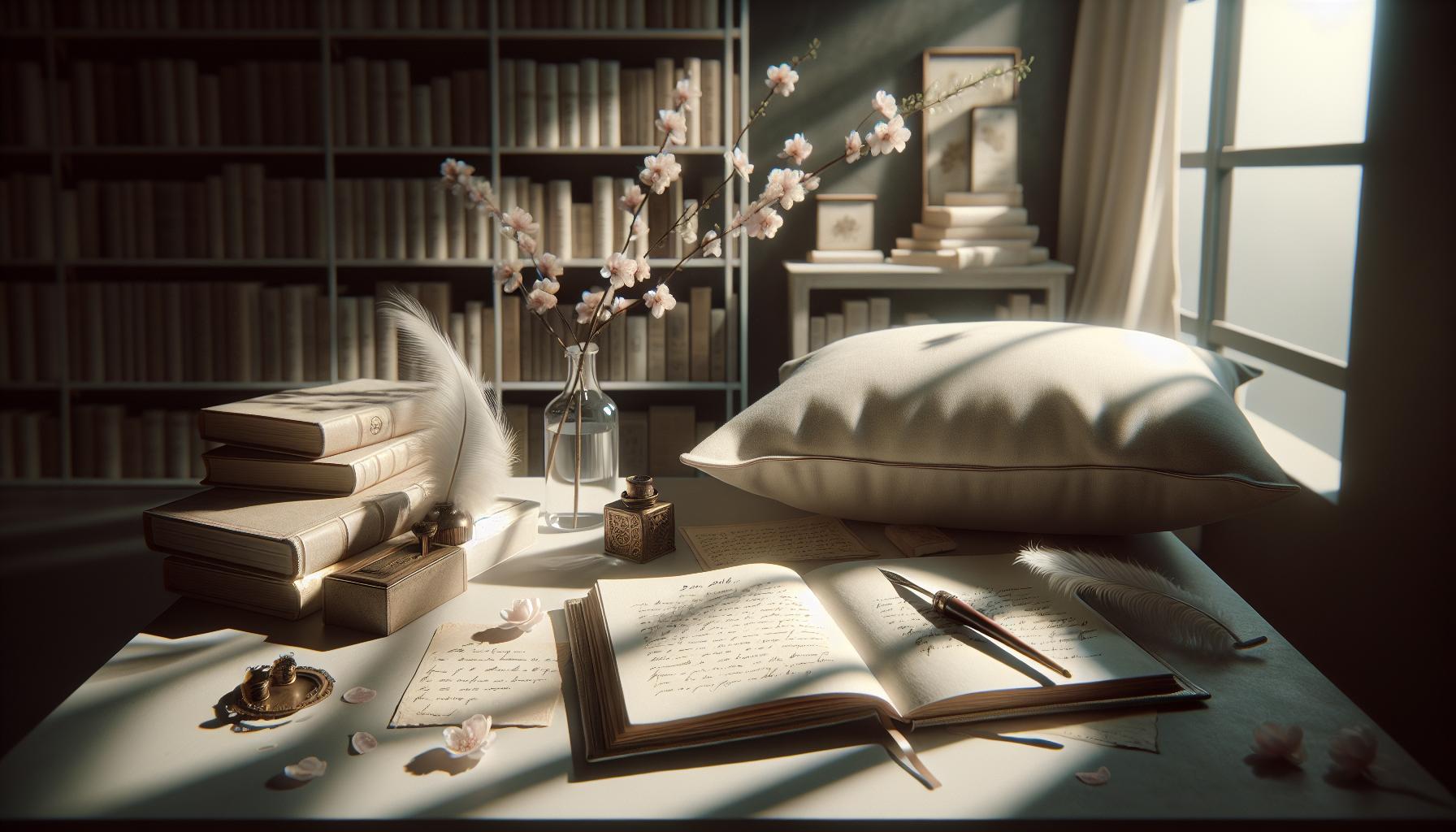
Unraveling the Meaning Behind “Hateful Things
In the rich tapestry of Sei Shōnagon’s “The Pillow Book,” the section known as “Hateful Things” serves not merely as a list of grievances but as an intricate window into the emotional and social fabric of the Heian court. This candid expression of dislike captures the essence of human experience-an invitation to explore the nuances of personal aversions that resonate with readers across centuries. Through Shōnagon’s keen observations, we glimpse a world where the trivial irritations of daily life are interwoven with deeper reflections on identity, societal expectations, and the complex tapestry of human relationships.
Shōnagon’s articulation of her “hateful” experiences is a masterclass in the liberating power of honesty. By laying bare her distaste for various aspects of court life-be it the tedium of idle chatter or the intrusiveness of unwelcome guests-she demonstrates the importance of voicing one’s authentic feelings. This rawness invites readers to reflect on their own irritations, encouraging a communal understanding of what it means to navigate both personal sentiment and the societal norms that often dictate our interactions. The juxtaposition of humor and pointed criticism found within her writing transforms her personal dislikes into broader social commentary, ultimately challenging conventional decorum and inspiring readers to reconsider their own responses to similar frustrations.
Moreover, the emotional resonance of “Hateful Things” can be traced to the very nature of honesty in communication. In a world where curated personas are prevalent, Shōnagon’s forthrightness sheds light on the value of authenticity and the benefits of expressing one’s true thoughts. Consider how her reflections can serve as a lens for contemporary readers grappling with the demands of social norms. In this way, “Hateful Things” not only enriches our understanding of courtly life in Japan but also stands as a timeless reminder of the importance of self-expression and the shared experience of navigating life’s inevitable annoyances.
To further appreciate the significance of “Hateful Things,” we must acknowledge how it encapsulates Shōnagon’s authorial voice-a voice that combines wit, discernment, and a deep emotional intelligence. Each item in her list is imbued with a sense of relatability, showcasing her ability to forge connections with her audience. As readers, we can learn from her approach to grievances and transform our own frustrations into meaningful narratives, ultimately embracing a form of creative expression that reflects our truths in an increasingly complex world.
Cultural Context: Historical Influences on “The Pillow Book
Sei Shōnagon’s “The Pillow Book” provides a fascinating glimpse into the cultural and historical milieu of the Heian period (794-1185), a time marked by the flourishing of Japanese aristocracy, literature, and art. Understanding the context in which Shōnagon wrote is essential for appreciating her unfiltered opinions, particularly in sections like “Hateful Things,” where personal grievances reflect broader societal norms and expectations.
The Heian court was characterized by its refined aesthetics and complex social hierarchies. Nobility engaged in elaborate rituals of etiquette, which emphasized harmony and conformity. Shōnagon’s candid expression of distaste arises from her awareness of these underlying tensions. As a courtier herself, she occupied a position where the expectations of decorum often clashed with personal feelings, revealing the pressure to maintain a façade of politeness despite genuine aversions. Through her sharp observations, Shōnagon critiques not only the individuals involved but also the very systems that enforce such pretenses, inviting readers to navigate their relationships with authenticity.
Moreover, the influence of Buddhism and Shinto practices during the Heian period plays a critical role in shaping Shōnagon’s thought. The Buddhist concept of impermanence can be linked to her disdain for certain court behaviors, as it encourages a deeper understanding of fleeting experiences and emotions. This perspective underpins her writings, providing a lens through which personal dislike becomes a means of existential inquiry. The cultural syncretism of the time also allowed for a coexistence of differing philosophies that informed her worldview, offering a nuanced backdrop against which her “Hateful Things” are framed.
In essence, Shōnagon’s observations are deeply embedded in the cultural fabric of her time. By confronting the contrasts between what is socially acceptable and what is genuinely felt, her writings resonate with contemporary readers who navigate similar dichotomies. Engaging with “Hateful Things” enables a moment of reflection on the absurdities of social interactions, showcasing how historical context magnifies the personal, making every list not merely a complaint but a commentary on the human experience.
Unfiltered Opinions: The Art of Honesty in Writing
In a world often cloaked in politeness and social niceties, the fearless candor exhibited in The Pillow Book serves as a striking reminder of the power and necessity of unvarnished expression. Sei Shōnagon, through her iconic list “Hateful Things,” invites readers into an intimate realm of her thoughts, where disappointments and aversions are articulated without pretense. This blend of personal introspection and societal observation not only highlights her unique voice but also dissects the underlying tensions that define human interactions. Hesitation to express dissatisfaction can often lead to a dissonance between feelings and social expectations, thus making Shōnagon’s honesty refreshing and relevant even today.
The art of crafting honest writing lies in its capacity to resonate with the reader’s own experiences. A good practice for anyone looking to emulate Shōnagon’s straightforwardness involves evaluating one’s own discomforts and preferences, much like she does. Identifying specific situations or behaviors that evoke strong feelings can serve as inspiration for honest reflections. For instance, consider documenting personal dislikes in various contexts-whether it’s the annoyance of being interrupted or the frustration of superficial conversations. This exercise not only channels your inner “Hateful Things” but also cultivates a deeper understanding of your own values and experiences.
Moreover, Shōnagon’s use of lists exemplifies a practical framework for articulating thoughts clearly and compellingly. The format allows for rapid consumption of ideas, inviting engagement without overwhelming the reader. To incorporate this into your writing, try employing lists to break down complex feelings or themes. For example, create categorized lists of “Things I Appreciate,” “Things I Dislike,” and “Things That Confuse Me.” Such lists not only organize thoughts but also facilitate deeper discussions about the juxtaposition of opposing feelings, similar to how Shōnagon juxtaposes her various entries to provide nuanced insights about life at court.
The influence of unfiltered expression in literature cannot be overstated. By embracing the authenticity of her responses, Shōnagon not only enriches her narrative but also encourages modern readers and writers alike to explore their own truths. In a world increasingly obsessed with crafted façades, the vulnerability and honesty displayed in The Pillow Book serve as a call to arms for anyone wishing to deepen their understanding of self and society through writing. Engaging with Shōnagon’s unfiltered opinions inspires a genuine dialogue about the complexities of personal feelings and societal expectations-a timeless endeavor for every writer seeking to create authentic connections through their work.
Character Reflections: Discovering Authorial Voice
Sei Shōnagon’s distinctive authorial voice in The Pillow Book emerges vividly through her candid expressions in “Hateful Things.” This short list not only provides insight into Shōnagon’s personal dislikes but also offers a broader commentary on societal norms and interpersonal dynamics of her time. Her reflections are marked by a sharp wit and a keen observational quality, drawing readers into her psychological landscape-a rare glimpse of a woman’s unfiltered thoughts in a male-dominated literary tradition.
Within her writing, Shōnagon employs lists as a structural device that amplifies her voice and makes her observations more impactful. This method allows her to convey complex emotions succinctly, inviting the reader to explore the nuances of her sentiments. For example, when she lists the annoyances of social interactions, she captures the trivial yet relatable frustrations of court life in Heian Japan. Readers can easily connect with these experiences, illustrating the timelessness of her insights. Consider how you might use lists in your own writing to distill your thoughts on personal experiences; for instance, writing a list of “Modern Annoyances” could unlock a deeper exploration of your feelings and enhance your authorial voice.
The power of Shōnagon’s unfiltered honesty lies in its ability to resonate across centuries, revealing not just her individuality but also a shared human experience. By juxtaposing her “Hateful Things” with moments of beauty and joy in other sections of The Pillow Book, she creates a rich tapestry of emotions that highlights the complexities of her inner life. This contrast encourages readers to reflect on their own dualities-love and hate, joy and frustration-serving as an invitation to embrace authenticity in their own expressions.
To cultivate your own authorial voice inspired by Shōnagon, consider embracing vulnerability in your writing. Reflect on the discomforts and absurdities of everyday life, articulating them with the same fearless candor that defines her lists. By doing so, you foster a deeper connection with your audience, encouraging them to explore their own truths alongside you. Empathy and relatability are key; grounding your insights in shared human experiences can elevate your writing and allow your unique voice to shine through.
Contrasting Love and Hate: A Deep Literary Dive
Sei Shōnagon’s “Hateful Things” not only encapsulates her personal grievances but also serves as a fascinating lens through which to examine the interplay between love and hate. In her candid lists, Shōnagon exposes the everyday irritations that can evoke strong emotional responses, creating a vivid contrast with the beauty and joy often celebrated in other sections of The Pillow Book. This duality invites readers to reflect on their own experiences and how negative feelings can coexist alongside positive ones, enriching our understanding of human emotions.
The effectiveness of Shōnagon’s approach lies in her ability to articulate feelings with precision and humor. By detailing her distaste for certain social customs, environmental factors, or even specific individuals, she provides a direct line into her psyche. For instance, she juxtaposes her “hateful things” against things that elicit admiration or fondness, forming a spectrum that resonates with readers. This method demonstrates how dislike, just like love, is a response that shapes one’s environment and interactions. It reflects the complexity of human feelings-how they are interwoven, rather than standing apart as isolated experiences.
Furthermore, Shōnagon’s observations are deeply contextualized within the Heian court, where social hierarchies and expectations dictated behavior. Her candidness about what she finds detestable not only challenges these norms but also underscores her individuality. The contrast she presents-moments of joy and beauty versus her unmistakable irritations-holds profound societal implications. It is a reminder that the acknowledgment of unpleasant feelings can serve as a form of authenticity and self-expression, thereby enriching one’s narrative. Readers can glean insights into the human condition and consider how embracing both love and hate leads to a more nuanced understanding of oneself and others.
Ultimately, the interplay of these opposing emotions in Shōnagon’s writing encourages a broader narrative framework. By allowing feelings of irritation to coexist with joy, writers can explore deeper themes within their own works, offering readers a reflective space to examine their emotional landscapes. This balance of love and hate cultivates an authentic voice that resonates across time and cultures, making “Hateful Things” not just a reflection of personal sentiment but a commentary on the shared human experience.
The Role of Nature in “Hateful Things
In her critique of the world around her, Sei Shōnagon utilizes the natural environment not just as a backdrop but as a significant character in her emotional landscape, particularly in her list of “Hateful Things.” Nature serves as a metaphorical canvas where her grievances are painted with vivid clarity, offering insights into her psyche and the societal context of the Heian court. The interplay between natural elements and her disdain reveals a complex relationship where beauty and irritation coexist, enriching the reader’s understanding of Shōnagon’s world.
Shōnagon’s references to nature are often colorfully descriptive and resonate with an intensity that elevates her personal feelings to a universal level. For example, she expresses distaste for things like “the sound of shuffling feet in gravel” or the “scent of wilted flowers,” which reflects not only her mood but also how those elements of nature can evoke deep emotions. Such vivid imagery invites readers to consider how the subtleties of the environment influence human emotions. This connection between nature and emotion reinforces the notion that our surroundings can profoundly affect our internal states, prompting us to reflect on similar experiences in our own lives.
Moreover, Shōnagon’s disdain for certain aspects of nature illuminates the tension between external beauty and internal turmoil. While the Heian court prized elegance and aesthetic refinement, Shōnagon’s candid observations serve as a counter-narrative that emphasizes authenticity. For instance, her irritation with seasonal changes-like the arrival of excessive rains-serves as a reminder that even the most delightful aspects of nature can become sources of frustration. This perspective empowers readers to acknowledge their own mixed feelings about nature, encouraging a more nuanced appreciation for how it shapes our emotional experiences.
In examining ,” one can draw parallels to contemporary works that embrace nature as a catalyst for personal reflection. Much like modern writers who delve into environmental themes, Shōnagon’s lists juxtapose the beauty of the natural world against the irritations it can provoke, inviting a dialogue about the human experience’s multifaceted nature. By framing her opinions within the context of nature, Shōnagon not only heightens the emotional resonance of her lists but also encourages readers to explore how their perceptions of the natural world reflect their inner lives. This exploration not only enriches our appreciation of her writing but also emphasizes the timeless relationship between humanity and its environment.
Influence of Buddhism on “The Pillow Book
Sei Shōnagon’s contributions to literature through “The Pillow Book” reflect a unique intertwining of cultural experiences and philosophical insights, especially influenced by the principles of Buddhism. In the context of the Heian period, Buddhism was not only a religion but also a cultural lens through which aesthetics and daily life were interpreted. This influence manifests in Shōnagon’s perceptive observations, where she candidly lists her grievances, including the things she hates, illustrating a deeper engagement with her own emotions and societal expectations.
One of the most profound ways Buddhism impacts Shōnagon’s work is through the concept of impermanence, or “anicca.” The fleeting nature of beauty and experiences is prominent in her lists-a reflection of the Buddhist understanding that all things are transient. For instance, her disdain for “the sound of shuffling feet in gravel” and “the scent of wilted flowers” encapsulates this idea, indicating both a recognition of beauty and its inevitable decline. With each statement, Shōnagon highlights how ephemeral moments can evoke feelings of frustration as much as joy, leading readers to contemplate their own relationships with temporality.
Contradictions and Awareness
The candidness in Shōnagon’s “Hateful Things” reveals an art of honesty that aligns with the Buddhist practice of mindfulness, promoting an awareness of feelings without attachment or aversion. By explicitly stating her dislikes, Shōnagon encourages readers to embrace vulnerability and authenticity in emotional expression. This approach resonates with the Buddhist teaching of acknowledging one’s emotions without allowing them to dominate one’s existence. The juxtaposition of love and hate in her observations further emphasizes the complexity of human sentiment-an intrinsic conflict that reflects the layered understanding of life promoted by Buddhist philosophy.
Furthermore, the notion of “karuna” or compassion can be observed subtly throughout her lists. While Shōnagon voices dislike for certain things, she does so with an underlying humor and an acknowledgment of shared human experiences, inviting empathy from her readers. When she expresses irritation, it is often accompanied by a recognition that her feelings are universal-a perspective that invites reflection on collective emotional experiences. This approach not only encourages a more profound understanding of her own psyche but also reinforces connections among individuals navigating similar feelings.
In summary, the ” enriches Shōnagon’s exploration of her environment and emotions, merging spiritual insights with personal reflection. Her lists, laden with unfiltered opinions, serve as a mirror reflecting the complexities of existence, encouraging readers to engage thoughtfully with their feelings and experiences in the context of broader human truths.
Comparative Analysis: “The Pillow Book” vs. Other Classics
Sei Shōnagon’s “The Pillow Book” distinctively stands out in the landscape of classical literature, marrying personal reflection with incisive cultural commentary. When comparing her work with other canonical texts, such as “The Diary of Anne Frank” or “The Analects of Confucius,” we uncover how unique methodologies can examine the human condition through a curated lens of personal experiences and societal introspection.
Shōnagon’s penchant for lists, specifically through her enumeration of “Hateful Things,” does not merely reflect annoyance; it encapsulates the complexities of emotion and societal observations reminiscent of Anne Frank’s diary. Both writers use personal reflections to navigate their respective contexts, yet while Frank’s narrative is steeped in the weight of historical tragedy and the fight for identity amid oppression, Shōnagon’s lists often relish in the minutiae of courtly life, thus emphasizing a broader spectrum of sensuality and aesthetic observation.
Exploration of Human Emotion
The subtle interplay of love and hate in Shōnagon’s writings aligns interestingly with the philosophical explorations found in Confucius’ teachings. Where “The Analects” addresses societal roles and moral virtues, Shōnagon’s compositions slice through the veneer of courtly etiquette, allowing readers access to raw and unfiltered opinions about daily irritations and joys. This juxtaposition of philosophical doctrine and personal gripes offers a distinctive commentary on the human psyche. Shōnagon invites us into her inner world to contemplate finer emotions, fostering a space for reflection that is often overlooked in more heroic narratives.
Rendering the Ordinary Extraordinary
Both “The Pillow Book” and classical works like “Meditations” by Marcus Aurelius exemplify the theme of finding profundity in the mundane. While Aurelius philosophizes on the nature of existence and virtue, Shōnagon’s humorous and unapologetic grievances lift everyday experiences to an art form, creating authenticity that resonates through centuries. Her disdain for the “sight of a person stumbling over a cord” is not simply a petty annoyance; it’s a reflection of the social grace expected within her courtly environment, stirring a blend of empathy and recognition in readers across different cultures and eras.
Ultimately, by contrasting “The Pillow Book” with other literary masterpieces, we can appreciate how the embodiment of personal sentiment within societal contexts creates a rich tapestry of human experience. Each work, while distinct in style and intent, contributes to a dialogue about emotional authenticity and the artistic expression of life’s daily fluctuations, inviting readers to explore their own feelings about the world around them.
Creative Expression: Modern Takes on “Hateful Things
Sei Shōnagon’s “Hateful Things” from “The Pillow Book” invites readers not just to witness her grievances but to recognize the art in expressing discontent. This artistic expression stands out in modern interpretations where individuals are encouraged to voice their own irritations and joys in candid yet creative ways. The appeal of Shōnagon’s work today lies in its relatable humanity; her unfiltered opinions resonate across centuries, making her insights timeless and applicable to contemporary issues.
In today’s world, where social media dominates communication, we see a resurgence in the popularity of sharing personal lists-an echo of Shōnagon’s lists that blend the mundane with the meaningful. For instance, platforms like Instagram and Twitter are flooded with hashtags that encourage users to share their “pet peeves” or “hateful things,” creating a communal space for grievances that feels both liberating and therapeutic. Engaging with these modern takes on “Hateful Things” can be an invitation for self-reflection, allowing individuals to confront and articulate their feelings about everyday nuisances.
Exploring the Creative Process
Modern writers and artists often draw inspiration from Shōnagon’s lists by employing similar structures in their work. For example, bloggers and essayists might create themed lists that highlight their personal “hateful things,” all the while ensuring they maintain a balance of humor and insight. Writing workshops invite participants to explore their lists, not merely as exercises in negativity but as avenues for creative expression that can lead to deeper understandings of their lives. The act of compiling and sharing these thoughts transforms frustrations into art, much like Shōnagon’s original intentions.
Consider an online journal or a personal blog where individuals could experiment with crafting their own “Hateful Things” lists. Such activities can serve as catharsis, helping to articulate feelings that might otherwise remain unexamined. This process can also foster a dialogue about shared experiences, reminding us that our grievances, while deeply personal, often connect us to others in surprising ways.
By viewing “Hateful Things” through the lens of modern expression, we not only honor Shōnagon’s legacy but also enrich our own understanding of how creativity can thrive even in dissatisfaction. Each list becomes a snapshot of our unique perspective, a way to channel frustrations into compelling narratives that invite empathy, camaraderie, and even laughter. Thus, Shōnagon’s method of capturing the nuances of courtly life encourages contemporary creatives to celebrate the beauty of the everyday, fostering a culture that values honesty and connection through art.
The Legacy of “The Pillow Book”: Impact on Literature Today
Sei Shōnagon’s “The Pillow Book,” particularly its chapter on “Hateful Things,” has left an indelible mark on literature, demonstrating the fine art of juxtaposing beauty and annoyance in daily life. This collection of observations and lists from the Heian court not only reflects the social mores of 10th-century Japan but also serves as a timeless exploration of the human condition. The way Shōnagon articulates her dislikes speaks to a universal truth about the shared human experience, influencing writers across cultures and ages to embrace candidness in their own works.
The straightforwardness of Shōnagon’s grievances presents a useful model for contemporary authors who wish to infuse honesty into their writing. By cataloging their own “hateful things,” modern writers find a mechanism to voice personal and pervasive irritations while also connecting with their audiences. This practice encourages readers and writers alike to explore vulnerability through art. Works such as essay collections and personal blogs often mirror this structure, which gives rise to a contemporary trend where reflecting on mundane annoyances becomes a creative outlet for deeper introspection.
Moreover, the legacy of “The Pillow Book” can be seen in how it inspires various forms of creative expression today. For instance, screenwriters and playwrights draw upon Shōnagon’s keen observations to depict authentic characters who resonate with audiences through their imperfections and observations of daily life. The act of listing, a hallmark of Shōnagon’s style, has also influenced social media platforms, where users curate their own lists of likes and dislikes, reflecting a cultural shift towards valuing personal expression and emotional honesty.
This integration of Shōnagon’s style into modern literature demonstrates the significant impact of her work on contemporary writers. It encourages them not only to embrace their frustrations but also to refine these experiences into narratives that foster connection and understanding. By drawing from Shōnagon’s unfiltered approach, today’s creators can cultivate a narrative voice that resonates on both personal and communal levels, thereby continuing her legacy of blending art with the authenticity of lived experience.
Faq
Q: What is the main theme of “The Pillow Book Hateful Things: Unfiltered Opinions”?
A: The main theme revolves around the raw and honest expression of emotions, exploring the complex interplay between love and hate. It offers insights into the author’s personal reflections and critiques on social norms, showcasing the beauty and brutality of human experience.
Q: How does “The Pillow Book” reflect cultural influences from its time?
A: “The Pillow Book” is steeped in historical context, reflecting Heian-era Japan’s aesthetics, social hierarchies, and Buddhist philosophy. The cultural nuances are essential in understanding the author’s perspectives and the literary significance of the text.
Q: Why is directness in writing important, as shown in “Hateful Things”?
A: Directness enhances authenticity in writing, allowing the author to convey genuine feelings and thoughts. *This transparent approach invites readers to engage more deeply* with the work, fostering a sense of connection and relatability.
Q: What role does nature play in “The Pillow Book Hateful Things”?
A: Nature serves as a poignant backdrop, symbolizing both beauty and transient impermanence. The author’s observations of natural elements reflect inner emotions, illustrating the deep bond between the natural world and human experience.
Q: How does “The Pillow Book” compare to other literary classics?
A: “The Pillow Book” stands out due to its unique blend of personal anecdotes and poetic observations. Unlike traditional narratives, it breaks the mold of linear storytelling, offering readers a more fragmented yet intimate experience.
Q: Can modern readers relate to the themes in “Hateful Things”?
A: Yes, modern readers can relate to the themes of *honesty, introspection,* and the duality of human emotions. These timeless issues resonate across cultures and eras, making the text accessible to contemporary audiences.
Q: What literary techniques are prominent in “The Pillow Book Hateful Things”?
A: Prominent techniques include vivid imagery, metaphoric language, and a stream-of-consciousness style. These elements create an immersive reading experience, drawing readers into the author’s world and feelings.
Q: How does “The Pillow Book” influence contemporary literature?
A: “The Pillow Book” influences contemporary literature by promoting *non-linear storytelling* and encouraging writers to explore emotional truths in their works. Its emphasis on personal reflection continues to inspire modern authors seeking authenticity in their writing.
Key Takeaways
As we conclude our exploration of “The Pillow Book Hateful Things: Unfiltered Opinions,” remember that these candid reflections invite you to challenge societal norms and embrace authenticity. If this resonated with you, consider diving deeper into subjects like literary criticism or personal expression by checking out our related articles on the nuances of literary analysis and the importance of diverse voices.
Don’t miss out on our exclusive newsletter, packed with insights that can enhance your reading experience and fuel your intellectual curiosity. Click here to subscribe for fresh content delivered straight to your inbox! Your opinion matters-share your thoughts in the comments below, and join our community of engaged readers. Remember, every story has layers waiting to be uncovered, and we encourage you to continue your journey of exploration with us.
Get our latest guides, news, and insights highlighted in your Google Search & AI Overviews.