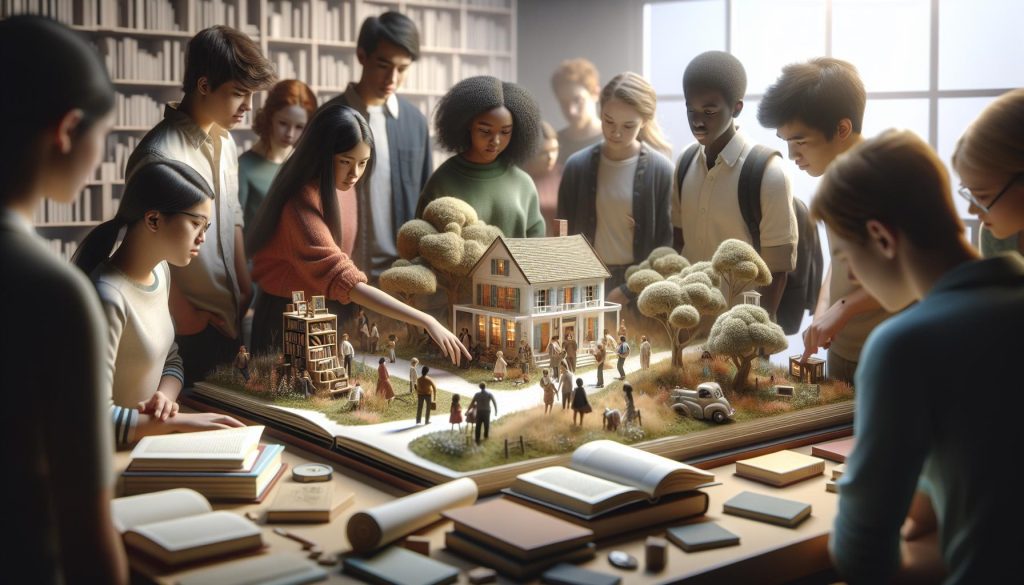
Diorama book reports transform traditional reading responses into engaging, hands-on experiences that captivate students’ imaginations and enhance their comprehension. By creating 3D representations of key scenes from a book, students not only illustrate their understanding of the narrative but also leverage their creativity, fostering a deeper connection with the material. This unique presentation style encourages critical thinking and problem-solving as students design their dioramas, making the literary analysis process both enjoyable and educational. Whether you’re a teacher seeking innovative methods to assess comprehension or a student eager to showcase your understanding of a favorite book, delving into diorama book reports can open new avenues for artistic expression and meaningful learning. As you explore this guide, you’ll discover the steps to create a memorable diorama that resonates with both the story and its themes, making the reading experience unforgettable.
What Is a Diorama Book Report?
A diorama book report is an engaging and interactive project that allows students to explore literature creatively. By constructing a three-dimensional representation of a scene or significant event from a chosen book, students not only display their understanding of the text but also enhance their critical thinking and artistic skills. This hands-on approach transforms a traditional book report into a multidimensional experience, encouraging students to visually interpret and express the themes, characters, and settings of the stories they read.
When embarking on a diorama book report, students typically select a pivotal moment from their book that encapsulates the essence of the story. They utilize a shoebox or similar container as the base for their diorama, filling it with miniature props, characters, and scenery that bring the scene to life. This format not only fosters creativity but also allows for a personal connection to the literature as students immerse themselves in the narrative and its elements. Through this project, learners can cultivate deeper insights into character motivations and plot development, while also practicing their summarization skills by including written descriptions or reflections alongside their visual representation.
Overall, diorama book reports serve as an innovative bridge between storytelling and artistic expression. As students construct their dioramas, they engage in problem-solving, project planning, and critical reflection on their reading, making this type of book report both educational and memorable. By inviting students to step beyond the pages of their books and create something tangible, diorama book reports not only enhance comprehension but also encourage a passion for reading and storytelling.
Benefits of Using 3D Presentations
Incorporating 3D presentations into educational projects, particularly diorama book reports, offers a range of benefits that extend beyond traditional learning methods. The tactile and visual nature of dioramas enhances students’ engagement with the material, making literature more accessible and relatable. This immersive experience demands active participation, which is crucial for deeper comprehension and retention of the themes and details within a story. By transforming a two-dimensional reading experience into a three-dimensional representation, students are prompted to think critically about their chosen scenes, analyze characters’ motivations, and reflect on plot developments in a dynamic way.
Using 3D presentations encourages creativity and innovation. As students design their dioramas, they are free to explore various materials, colors, and structures, which fosters their artistic expression. This creative process often leads to unique interpretations of stories, allowing students to make personal connections to the text. When children see their ideas take shape physically, it bolsters their confidence and can ignite a passion for both art and literature. Moreover, working on a diorama can stimulate teamwork and collaboration when done in pairs or groups, prompting discussions that enhance understanding of the book’s content.
In addition to engagement and creativity, 3D presentations can accommodate different learning styles. Visual, auditory, and kinesthetic learners all benefit from this hands-on approach. Some students may find that they can better articulate their understanding of a book through constructing a diorama rather than through a traditional written report. This multi-faceted learning experience not only supports diverse educational needs but also reinforces a love for reading through interactive participation. Ultimately, the , particularly in projects like diorama book reports, underscore the importance of experiential learning in fostering student success and enjoyment in education.
Essential Materials for Diorama Creation
To create a compelling diorama book report, the selection of materials is crucial. Not only do these elements contribute to the overall aesthetic and functionality of the diorama, but they also allow students to express their creativity and ingenuity. Understanding which materials are essential can help make the project more manageable and enjoyable.
Basic Supplies Needed
At the foundation of any diorama are the basic supplies, which include:
- Shoebox or Base Container: The classic choice for dioramas, a shoebox provides a contained space to create the scene. If a shoebox isn’t available, any sturdy cardboard box will suffice.
- Crafting Materials: These can range from construction paper, cardstock, and colored tissue paper to felt and foam sheets. These materials are versatile for creating backgrounds, characters, and other elements of the scene.
- Adhesives: A strong glue stick, liquid glue, or even tape will help secure items within the diorama. Hot glue can be useful for heavier decorations or three-dimensional elements.
- Scissors: Essential for cutting materials to size and shaping your decorations.
- Paints and Markers: These are great for adding details and personal touches to the diorama. Students can paint backgrounds or create decorations to represent their interpretations of the book.
Additional Creative Elements
Once the basic materials are gathered, consider adding creative touches that can further enhance the diorama. Some suggestions include:
- Natural elements: Items from nature, such as twigs, leaves, or pebbles, can create a realistic scene and connect students more deeply with the setting of their chosen book.
- Figures and Models: Pre-made figurines or homemade models from clay, paper, or other materials can represent characters, animals, or important objects from the story.
- Textured Materials: Consider using fabric scraps, cotton balls, or aluminum foil to create textural contrasts for landscaping, clothing, or features that add depth to the scene.
Organizational Tools
For an efficient construction process, having organizational tools on hand can significantly streamline the workflow. These might include:
- Storage Containers: Small bins or bags to keep smaller items organized while working on the diorama.
- Sketch Pad: Before starting the diorama, sketching out ideas can clarify the design and layout, helping visualize the final project.
By choosing the right materials and tools, students can bring their literary scenes to life in engaging, imaginative ways. This hands-on approach not only strengthens their connection to the text but also encourages critical thinking and creativity as they work through the project.
Step-by-Step Guide to Building Your Diorama
Creating a diorama for a book report can be an exciting way to delve deeper into the story while unleashing your creativity. The journey from the blank canvas of a shoebox to a vibrant 3D scene is both rewarding and educational. Follow these structured steps to build an engaging diorama that effectively represents a key moment from your chosen book.
Start with the planning phase, which is crucial for a successful diorama. Read through your book and identify a scene that resonates with you and encapsulates important elements of the storyline or character development. Once you have chosen your scene, sketch a rough layout in a notebook. Consider the dimensions of your shoebox or container and how you will arrange the objects within it. Think about the background, midground, and foreground elements to create depth in your presentation.
Next, gather your materials. As previously outlined, you will need a sturdy box, crafting supplies such as colored paper and paints, and adhesives. However, don’t hesitate to think outside the box-literally! Incorporate unique items like pebbles for a natural setting or figurines to represent characters. These elements will add authenticity and visual interest to your diorama.
Once you have your materials ready, begin constructing the background of your diorama. This can involve painting the backdrop or attaching colored paper to the inside of the box. Next, create the main features of your scene using your crafting supplies. Cut out shapes, assemble models, or arrange natural elements to depict the setting and action of the scene. Use glue to securely attach these components, ensuring they are stable and well-placed.
Finally, don’t forget about the details that can elevate your diorama from simple to spectacular. Add texture using materials like fabric or cotton to simulate clouds or grass, and consider including small labels or quotes from the book to provide context. Once your diorama is complete, take a moment to step back and evaluate it. Does it convey the story and evoke the emotions you intended? Make adjustments as necessary.
By following these steps, you’ll not only master the art of diorama creation but also gain a deeper appreciation of the literary work you are interpreting. The process encourages critical thinking, creativity, and a hands-on approach to learning, making the diorama a powerful educational tool in your toolkit.
Key Elements to Include in Your Diorama
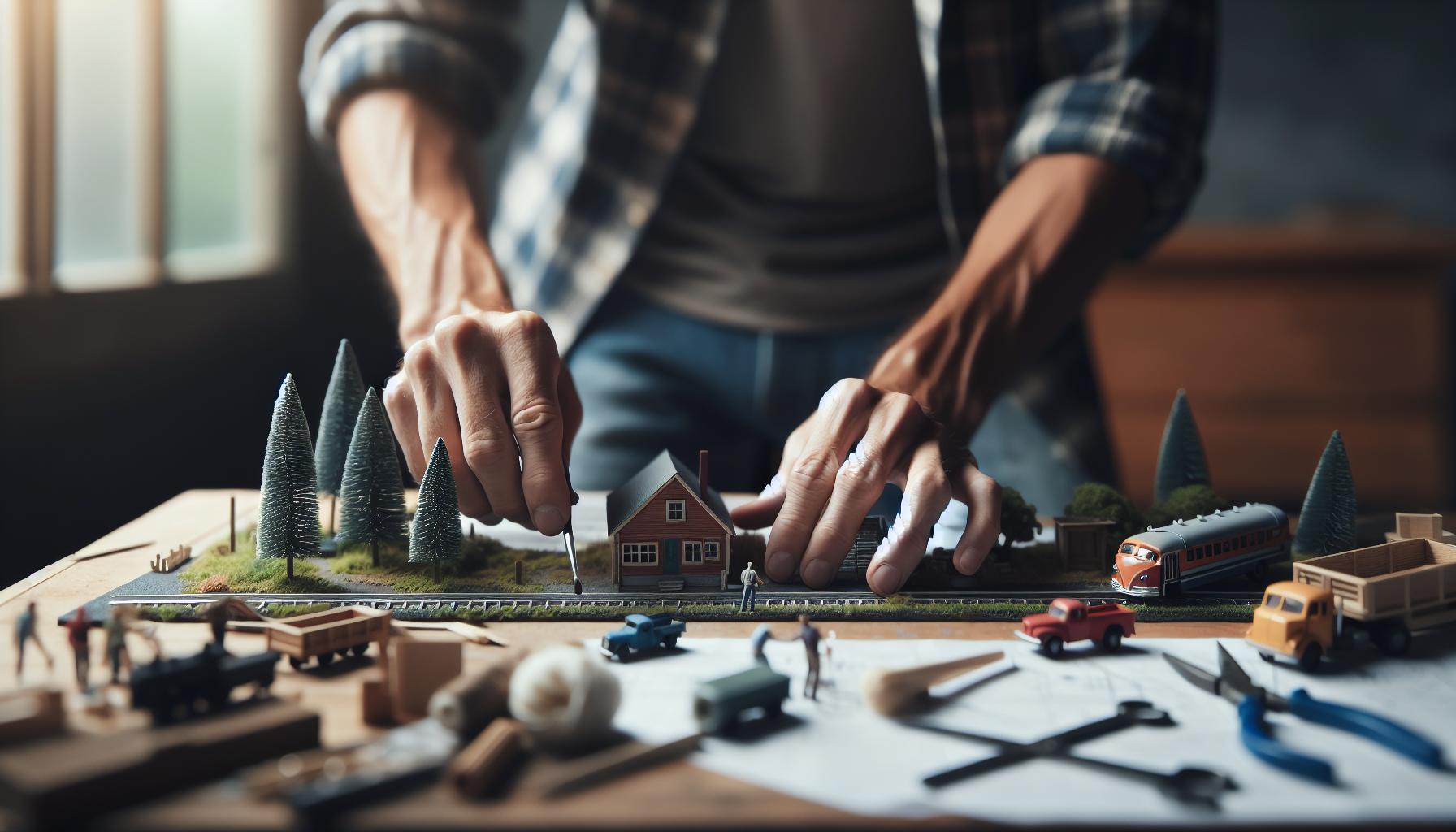
Creating a captivating diorama begins with understanding the crucial elements that will bring your chosen scene to life. A well-crafted diorama not only represents a moment from your book but also communicates the story’s themes and emotions. Here are some key components to consider including in your project to ensure it resonates with viewers and effectively conveys the narrative.
Scene Selection
Your diorama should focus on a pivotal scene that encapsulates the essence of the book. Whether it’s a climactic battle, an emotional moment between characters, or a significant setting, this choice will serve as the foundation for your project. Ensure that the scene you choose reflects critical plot points or character development, providing viewers with insight into the book’s overall message.
Background and Foreground Elements
To create depth in your diorama, consider the layout carefully. The background should provide context-this might include painted landscapes, structures, or symbolic elements that enhance the setting. In contrast, foreground elements should draw attention to the main action or characters. Use three-dimensional items like miniatures or created figures to bring your characters to life, making them central to the viewer’s experience.
Materials and Textures
Diversity in materials can vastly improve the visual interest of your diorama. Use a mix of textures to simulate various elements-example materials include fabric for characters’ clothing, cotton for clouds, or sand for a desert scene. Incorporating natural items like pebbles or dried leaves can add realism and an organic feel to the environment. Each component should serve a purpose, whether it enhances the visual appeal or contributes to the storytelling.
Interactive Features
Consider adding elements that invite viewers to engage more deeply with your work. This could include movable parts, a hidden compartment revealing a pivotal plot twist, or even quotes from the text displayed on small cards around the diorama. These interactive features will draw attention and encourage discussion, providing a richer experience for your audience.
By thoughtfully combining these elements, your diorama will not only showcase creativity but also invite viewers into the world of your chosen book. The key is to emphasize narrative clarity and emotional resonance, ensuring that your presentation is both educational and engaging.
Creative Ideas for Unique Diorama Designs
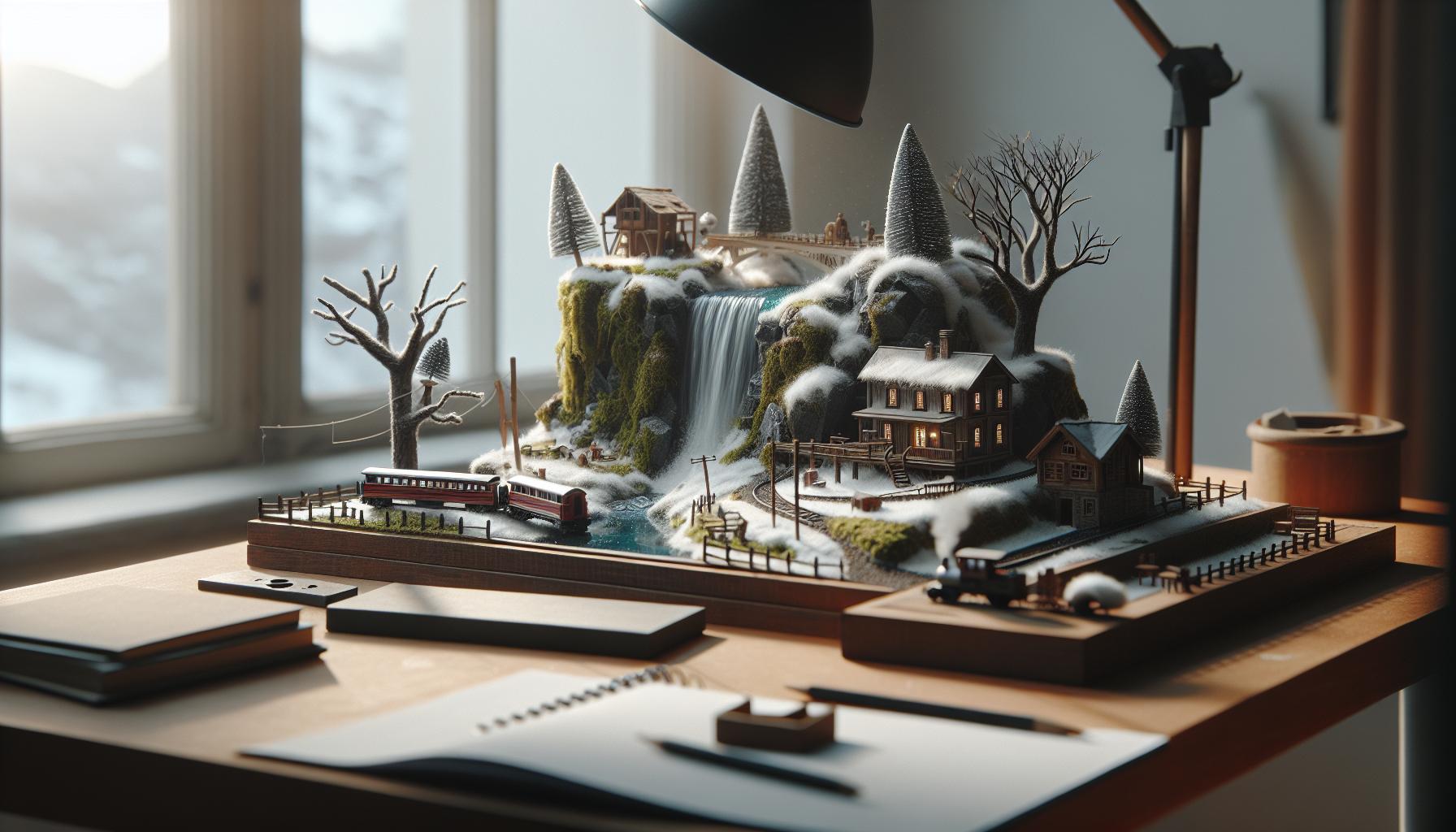
Crafting a diorama book report opens a world of creativity, allowing students to visually express their understanding of a novel’s key themes and scenes. To make your project stand out, consider integrating unique and thought-provoking elements that go beyond traditional designs. Here are some imaginative ideas to inspire your diorama creation.
Use of Mixed Media
Embrace a variety of materials to add dimension and texture to your diorama. For instance, combine natural materials such as moss and twigs for a forest scene or use fabric scraps to create clothing for miniature figures. Introducing light elements, such as LED lights to signify a sunset or a stormy night, can dramatically enhance the visual impact and emotional tone of your display.
Interactive Components
Adding interactive features can not only engage viewers but also deepen their understanding of the book’s narrative. Consider mechanisms that allow parts of the diorama to move or reveal hidden aspects. For example, a simple sliding mechanism can unveil a secret compartment that contains pivotal quotes or character insights. Additionally, using QR codes linked to video summaries or character analyses can encourage exploration and discussion among classmates.
Thematic Color Schemes
Colors hold significant meaning in storytelling. Choose a color scheme that reflects the book’s mood-muted tones for a somber story or vibrant hues for adventurous tales. Incorporate color through painted backgrounds and carefully selected materials, ensuring that the palette enhances the thematic elements of your chosen scene. For example, dark blues and grays can suggest an atmosphere of tension or sadness, while bright greens and yellows can convey joy and hope.
Story Flow Integration
Design your diorama not just as a static display but as a narrative experience. Arrange elements in a way that guides the viewer through the scene. For example, if your diorama represents a crucial chase scene, place characters at different positions to imply movement and direction. You might also include miniature signs or arrows that narrate the action, creating a storyboard effect that enriches the viewer’s comprehension of the plot.
By integrating these creative ideas into your diorama book report, you’ll not only enhance its aesthetic appeal but also create a more engaging educational tool that captures the essence of the story you are presenting. Engaging in such thoughtful design processes encourages both creative thinking and a deeper connection with literature, inspiring curiosity and a love for reading in yourself and your peers.
Common Challenges in Diorama Book Reports
Crafting a diorama book report can be an enriching experience, but it also comes with its own set of challenges. Navigating these obstacles effectively is crucial for creating a compelling and visually appealing project that resonates with viewers.
One of the first hurdles students often face is the selection of the scene to depict. The chosen scene should encapsulate a pivotal moment or theme from the book, which can be an overwhelming task. It’s essential to analyze the book thoroughly, identifying key events that not only reflect the plot but also evoke strong emotions or insights. This process can be aided by summarizing chapters to pinpoint which scenes are most impactful.
Materials can also present a challenge. Students may struggle with sourcing appropriate supplies that adequately convey their vision. Using a mix of traditional crafting materials such as cardboard and glue, alongside more unique components like natural elements or recycled items, can elevate the diorama. However, ensuring that materials are readily available and manageable in size is critical. Planning a materials list in advance can prevent last-minute scrambles.
Time management is another common issue, particularly in larger projects where students might underestimate the time required for planning, assembly, and presentation. Creating a timeline with specific milestones can help keep the project on track. Breaking the diorama creation process into smaller tasks and setting deadlines for each stage encourages a more organized approach and reduces stress as the presentation date approaches.
Lastly, the presentation of the diorama can induce anxiety. Students often worry about how to effectively communicate their ideas and engage their audience. Practicing the presentation beforehand and considering ways to invite interaction-such as asking questions during the overview-can enhance confidence. Incorporating technology, like a short video or digital presentation elements, can also modernize the experience and captivate an audience’s attention.
By being aware of these common challenges and proactively addressing them, students can not only create a captivating diorama book report but also develop valuable skills in critical thinking, project management, and creative expression.
Tips for Presenting Your Diorama Effectively
Engaging an audience during a diorama book report presentation can be as crucial as the diorama itself. The goal is not just to showcase the creative work completed but also to effectively communicate the themes and elements of the chosen story. To achieve this, preparation and practice are key. Here are several tips to help ensure your presentation captivates and informs your viewers.
Know Your Material
Before presenting, become intimately familiar with both your diorama and the book it’s based on. Understanding character motivations, pivotal plot points, and thematic elements will allow you to speak confidently and authoritatively. This depth of knowledge enriches your presentation, enabling you to respond to questions with ease and making your insights more engaging.
Organize Your Presentation
Crafting a clear structure can enhance the effectiveness of your presentation. Start with a brief introduction that outlines the book’s title, author, and the key theme represented in your diorama. Following this, you can delve into specific details:
- Describe the Scene: Explain why you chose this particular moment and how it captures the essence of the story.
- Showcase Your Diorama: Point out various elements and discuss their significance within the context of the book.
- Invite Interaction: Pose questions to your audience to encourage engagement. For instance, ask them how they think the characters might feel in that moment.
Practice with Purpose
Practicing your presentation multiple times will help you feel more at ease. If possible, rehearse in front of a mirror or a small audience of friends or family. Pay attention to your tone of voice and body language; effective presentations often include dynamic delivery rather than a monotonous recitation. Practicing with props, like your diorama, reinforces your familiarity with the material and can help smooth out transitions.
Utilize Visual Aids
While your diorama is a visual centerpiece, consider incorporating additional visuals or technology to enhance your presentation. Slides, videos, or an interactive element (like allowing viewers to come up and look at the diorama closely) can create a more immersive experience. For example, a small slideshow could show other related aspects of the book, such as character development or setting, which complement what your diorama depicts.
By adhering to these presentation tips-knowing your material, organizing your thoughts, practicing effectively, and utilizing visual aids-you’ll not only deliver a compelling report but also create a memorable experience for your audience. This preparation will instill confidence and skill as you share your creative interpretation of the book, enriching the learning journey for both you and your viewers.
Enhancing Your Diorama with Technology
Incorporating technology into your diorama project can elevate the presentation and engage your audience in innovative ways. By leveraging various technological tools, you can create a multi-dimensional experience that goes beyond traditional dioramas. Here are some practical approaches to enhance your diorama with technology, ensuring your book report captures attention and deepens understanding.
Augmented Reality (AR) Integration
One exciting way to enrich your diorama is by integrating augmented reality. This can be done using apps that allow you to overlay digital images or animations onto your physical model. For example, you could develop an AR experience that animates key scenes from the book or provides additional information about characters and their journeys. Tools like Zapper or HP Reveal can help you create simple AR experiences that viewers can access via their smartphones, making your diorama interactive and engaging.
Digital Presentations and Story Mapping
Using tools like PowerPoint, Prezi, or Google Slides can enhance your diorama presentation by visualizing your book’s main ideas and themes in a structured format. Consider creating a digital story map that outlines character relationships, plot developments, and thematic elements, which can complement the physical aspects of your diorama. This not only aids in the presentation but also allows viewers to see the progression of the story in an organized manner.
Video and Audio Elements
Incorporating video clips or audio narrations can provide a dynamic layer to your presentation. You could create a short video montage that summarizes the book, showcasing relevant scenes or character quotes. Alternatively, consider recording yourself or group members reading excerpts from the book and playing them during the presentation to provide context and depth. This auditory element helps set the tone and immerse your audience in the book’s world.
Interactive Feedback Tools
Utilizing interactive tools like Mentimeter or Kahoot can engage your audience during or after your presentation. These platforms allow viewers to ask questions or answer quizzes related to the book and diorama content in real-time, fostering a more interactive environment. This approach encourages active participation and can help reinforce the main themes of the book, making your report more memorable.
By thoughtfully integrating technology into your diorama book report, you can create a more engaging and informative experience for your audience. Embrace these tools to enhance storytelling, encourage interaction, and deepen the appreciation of the literary works you present.
Examples of Successful Diorama Book Reports
Creating effective diorama book reports can truly showcase a student’s understanding of a text through visual representation. A successful diorama not only captures a pivotal scene from the book but also incorporates creativity and insight, making it a powerful learning tool.
One notable example comes from a middle school project where students were assigned to create a diorama based on the popular novel The Great Gatsby. One student chose to depict the elaborate party scenes at Gatsby’s mansion, using miniature figures and vivid decorations to reflect the opulence described in the book. Layering the diorama with lights and sounds-such as music playing softly from a small speaker-brought the scene to life, allowing viewers to feel the energy of the roaring twenties. This immersive design not only impressed classmates but also sparked engaging discussions about the themes of wealth and disillusionment in the novel.
Another inspiring instance involved a high school student who created a diorama based on Harry Potter and the Sorcerer’s Stone. This report featured the iconic moment when Harry first encounters the Sorting Hat. By crafting the Great Hall complete with floating candles and a miniature Sorting Hat, the student effectively illustrated the importance of choice and identity in the wizarding world. Accompanying the diorama was a thoughtful narrative explaining the significance of each element included, enhancing the overall presentation.
Both examples highlight how effective dioramas can serve not just as artistic projects but as catalysts for deeper analysis. Leveraging creativity while remaining true to the story allows students to engage with literature on a multifaceted level, making the process of learning both enjoyable and impactful. Ultimately, the integration of visual art with textual understanding makes for a compelling educational experience.
Incorporating Feedback into Future Projects
Receiving feedback on a diorama book report is an invaluable part of the learning process that can shape and refine future projects. Constructive criticism and positive reinforcement not only enhance a student’s understanding of the material but also inspire creativity and innovation in their presentation style. Engaging with peers, teachers, and even family members can provide a well-rounded perspective that fosters growth.
One approach to leveraging feedback is to hold a reflective session after each presentation where students can discuss what they learned from the critiques. This could include questions such as: What aspects of the diorama were effective? What elements could be improved? This dialogue encourages students to identify their strengths and weaknesses. Moreover, by asking peers to rate specific components, such as creativity or clarity in presentation, students receive direct insights that can be immediately applicable to their next project.
Another effective strategy is to create a feedback checklist tailored for diorama presentations. This checklist could include categories like visual impact, relevance to the book, creativity, and presentation skills. By using a structured format, feedback becomes more constructive and easier to digest. It allows students to focus on specific areas needing improvement without feeling overwhelmed. After their next project, they can revisit this checklist to measure their progress and adjust their planning and execution accordingly.
Through these practices, students can turn feedback into a powerful learning tool, integrating it into their creative process. Whether it’s refining artistic skills or enhancing narrative elements, the incorporation of constructive criticism helps cultivate a culture of continual improvement. As they observe how their efforts evolve through each project, students not only enhance their artistic capabilities but also deepen their comprehension of the literary works they explore, paving the way for more enriching educational experiences in the future.
Resources and References for Further Learning
Creating a diorama book report can be a thrilling project that brings literature to life through visual storytelling. To dive deeper into this creative endeavor, various resources and references can greatly enhance both the crafting and presentation aspects of diorama projects. Identifying high-quality materials and insightful guides is essential for students and educators alike, fostering a more enriching educational experience.
Books and Guides
Several instructional books can provide detailed techniques for building dioramas, along with creative presentation tips. Look for titles in educational resource centers or libraries that focus on project-based learning in literature. For instance, books that feature thematic crafts can serve as excellent references, blending art and storytelling seamlessly.
Online Resources
The internet is replete with educational websites catering to artistic projects. Sites like DLTK’s Educational Activities offer plans and templates for making dioramas, providing a starting point for students struggling to choose their scene or materials [[3](https://www.dltk-teach.com/books/book_reports/m-diorama.htm)]. Similarly, Teachers Pay Teachers offers resources and rubrics specifically tailored for diorama book reports, covering assessment criteria and creativity aspects [[2](https://www.teacherspayteachers.com/browse?search=book%20report%20diorama)].
Inspiration and Examples
Visiting local art exhibits or online galleries can spark creativity. Websites such as Pinterest and Instagram often showcase user-generated content, where students can explore the innovative dioramas created by others. This visual inspiration is crucial for students looking to define a unique artistic approach or to get ideas for specific scenes from their chosen books.
Workshops and Community Events
Engaging in community workshops or library programs can provide practical experience. These events often allow students to collaborate, share ideas, and gather tips from peers and instructors. Many local libraries also host events focused on storytelling through art, making these gatherings ideal for inspiration and skill enhancement.
By tapping into these resources, students can elevate their diorama projects from mere assignments to compelling visual narratives that enrich their understanding of literature, enhancing their creativity and presentation skills. Embracing these tools and opportunities not only prepares them for the diorama task at hand but also equips them with skills valuable in future educational endeavors.
Q&A
Q: What materials do I need for a diorama book report?
A: To create a diorama book report, you will need a shoebox or similar container, colored paper or paint for the background, scissors, glue, and various crafting materials like clay, figurines, natural elements, or miniatures that represent scenes from your book. For more specifics, check the “Essential Materials for Diorama Creation” section of our article.
Q: How do I choose a scene for my diorama book report?
A: Select a scene that is pivotal to the storyline or illustrates a significant theme. It should be visually engaging and allow for creative expression. Consider key events, character interactions, or settings that highlight the book’s main ideas, referenced in our “Key Elements to Include in Your Diorama” section.
Q: What size should my diorama be for a book report?
A: A typical diorama should comfortably fit inside a shoebox, which usually measures about 12″ x 8″ and 6″ high. However, size may vary, so be sure to check your teacher’s requirements. For detailed construction tips, see the “Step-by-Step Guide to Building Your Diorama” section in our article.
Q: Can I use technology to enhance my diorama presentation?
A: Yes, technology can enhance your presentation! Consider using a digital slideshow or video to complement your diorama. Tools like augmented reality apps can bring your diorama to life by providing interactive elements. Explore more in the “Enhancing Your Diorama with Technology” section of our article.
Q: How can I effectively present my diorama book report to the class?
A: To present effectively, practice your speech, engage with your audience, and describe key elements of your diorama. Use prompts to connect your visual aids with the book’s narrative or themes. Consult the “Tips for Presenting Your Diorama Effectively” section for more strategies.
Q: What are common mistakes to avoid when creating a diorama book report?
A: Common mistakes include overcrowding the diorama with too many details, neglecting to reference the book accurately, and not planning the layout beforehand. Focus on clarity and relevance, and reference our “Common Challenges in Diorama Book Reports” section for further insights.
Q: How can I make my diorama stand out?
A: To make your diorama unique, consider incorporating mixed media, interactive elements, or a creative color scheme. Adding personalized touches that reflect your understanding of the book will also make it memorable. For creative inspiration, refer to the “Creative Ideas for Unique Diorama Designs” section of our article.
Q: What are some examples of successful diorama book reports?
A: Successful diorama book reports often include imaginative representations of key scenes, such as a detailed description of a character’s home or a significant event. You can find more examples in our “Examples of Successful Diorama Book Reports” section, which showcases diverse ideas and styles.
Wrapping Up
In conclusion, a diorama book report combines creativity with literary analysis, allowing students to explore their favorite scenes in a tangible way. Whether you’re looking to bring a classic novel to life or dive into contemporary storytelling, this 3D presentation style engages both the creator and the audience. Don’t wait-start planning your diorama today to elevate your understanding of the book and wow your classmates!
If you’re looking for more guidance, check out our comprehensive guide on creating impactful book reports or explore tips for enhancing your presentation skills. For additional resources, consider signing up for our newsletter to stay updated with creative learning projects. Share your thoughts in the comments below-what scene from a book would you love to recreate in a diorama? Explore these engaging opportunities to enrich your literary journey!
Get our latest guides, news, and insights highlighted in your Google Search & AI Overviews.