
The authorship of Proverbs 31, specifically its concluding verses, invites curiosity and offers valuable insights into wisdom literature. While traditional attribution assigns it to King Solomon, scholars have debated the true identity of its author, who is introduced as King Lemuel. Understanding who penned these verses can enrich our appreciation of their practical guidance and timeless principles, particularly in the context of the virtuous woman described within. This chapter not only reflects ancient cultural values but also resonates with modern readers striving for virtue and integrity in their daily lives. As we delve into the nuances of its authorship and the implications of this text, we discover not just literary attribution but life lessons that challenge and inspire us today. Join us as we explore the roots of this influential scripture.
Who Wrote Proverbs 31? Exploring Authorship
Scholars and theologians have long debated the authorship of Proverbs 31, a passage celebrated for its profound insights into virtuous living and the ideal woman. Traditionally, the chapter is attributed to King Lemuel, whose identity is often linked to King Solomon, the son of David renowned for his wisdom. This connection is significant; it elevates the text’s authority within the biblical canon, as Solomon’s wisdom sets a high standard for moral and ethical guidance.
However, a compelling argument exists suggesting that the composition of Proverbs 31 may be influenced by Bathsheba, Solomon’s mother. This theory posits that Bathsheba, who experienced both the heights and depths of royal life, provided her son with wisdom that reflects her own insights into the complexities of womanhood and societal expectations. According to some commentators, her experiences deeply informed the characteristics depicted in this passage, emphasizing diligence, strength, and fidelity in the woman described as “the Proverbs 31 woman” [1][2].
The authorship debate also highlights various scholarly perspectives. While some maintain the stance that this chapter was solely written by King Lemuel-presumably Solomon-others speculate that it could reflect the voice of a collective wisdom passed down through generations, thereby enriching its teachings. This multifaceted authorship perspective not only invites readers to probe deeper into the character of Lemuel and Bathsheba but also emphasizes the timeless nature of the wisdom encapsulated in Proverbs 31. The interplay of these interpretations encourages a nuanced understanding of biblical texts, prompting contemporary readers to reflect on their own lives and the legacies they create. Thus, the question of “who wrote Proverbs 31” is not merely about identifying a singular author but about embracing the rich tapestry of influences that shape this enduring passage.
Historical Context of Proverbs 31
The historical backdrop of Proverbs 31 provides essential insights into its creation and intent, framing the ideals of virtue and moral conduct depicted in the passage. This chapter is widely regarded not merely as a prescription for womanhood but as a broader social commentary reflecting the values of ancient Israelite society. Understanding this context invites readers to appreciate the intricate dynamics of gender roles, societal expectations, and familial responsibilities that resonate throughout the text.
Rooted in the cultural setting of the ancient Near East, Proverbs 31 emerges during a period where women held specific roles within the family and community. The text portrays an idealized woman whose actions, such as managing a household, engaging in trade, and providing for her family, embody diligence and wisdom. Interestingly, this portrayal counters many modern perceptions of submissive femininity, instead presenting a strong, capable figure who actively participates in economic and social spheres. This reflection of womanhood might be influenced by Bathsheba’s experiences and her desire to guide her son, King Lemuel, in valuing virtuous qualities in women, as well as the complexities of navigating royal life in a patriarchal society [1].
The authorship debate also sheds light on the text’s historical significance. While traditionally attributed to King Lemuel, possible connections to Solomon suggest that the wisdom conveyed can be understood as reflective of kingship responsibilities and moral instruction. Proverbs 31 serves not only as a personal guide for citizens but also as a collective ethos for the community, promoting ideals like integrity and industriousness, key tenets for the nation’s social fabric. Therefore, recognizing the historical context in which Proverbs 31 was penned broadens our understanding of its relevance, urging contemporary audiences to consider how these ancient insights can inform modern practices of virtue and strength in everyday life.
Understanding the Structure of Proverbs 31
The structure of Proverbs 31 is meticulously crafted, reflecting both its poetic origins and its practical implications for ethical living. Organized primarily as an acrostic poem, each verse begins with a successive letter of the Hebrew alphabet. This design is not merely for aesthetic appeal; it enhances memorization and underscores the completeness of the ideals presented. Scholars often note that this structure suggests a deliberate attempt to encapsulate the entirety of virtuous womanhood, aligning with the chapter’s overarching theme of wisdom and virtue as foundational components of a healthy household and society.
The two main sections of Proverbs 31 each serve distinct yet interrelated purposes. The first part, verses 1-9, presents counsel from King Lemuel’s mother, offering wisdom on leadership, self-control, and the responsibilities of kingship. It cautions against indulgence and emphasizes the importance of justice, specifically advocating for the rights of the oppressed. This introduction sets the stage for the ideal woman described in verses 10-31, where the focus shifts dramatically from public duties to the intimate realm of family and home management.
Within the latter section, often referred to as the description of the “Proverbs 31 Woman,” the characteristics outlined depict a multifaceted individual who actively engages in various roles: a reliable partner, an industrious manager, and a wise investor. She is portrayed as a figure of strength and dignity, capable of both managing a household and participating in the economic life of her community. This duality not only provides a model of femininity but also challenges conventional gender roles by showcasing women as proactive, capable leaders in their own right.
Ultimately, the structure of Proverbs 31 invites readers to appreciate its depth. It combines practical advice for living a virtuous life with sweeping statements about the nature of wisdom and the value of women in society. This layered approach not only emphasizes its timeless relevance but also encourages both individual reflection and communal dialogue about the roles and expectations placed on women, marrying ancient ideals with modern aspirations.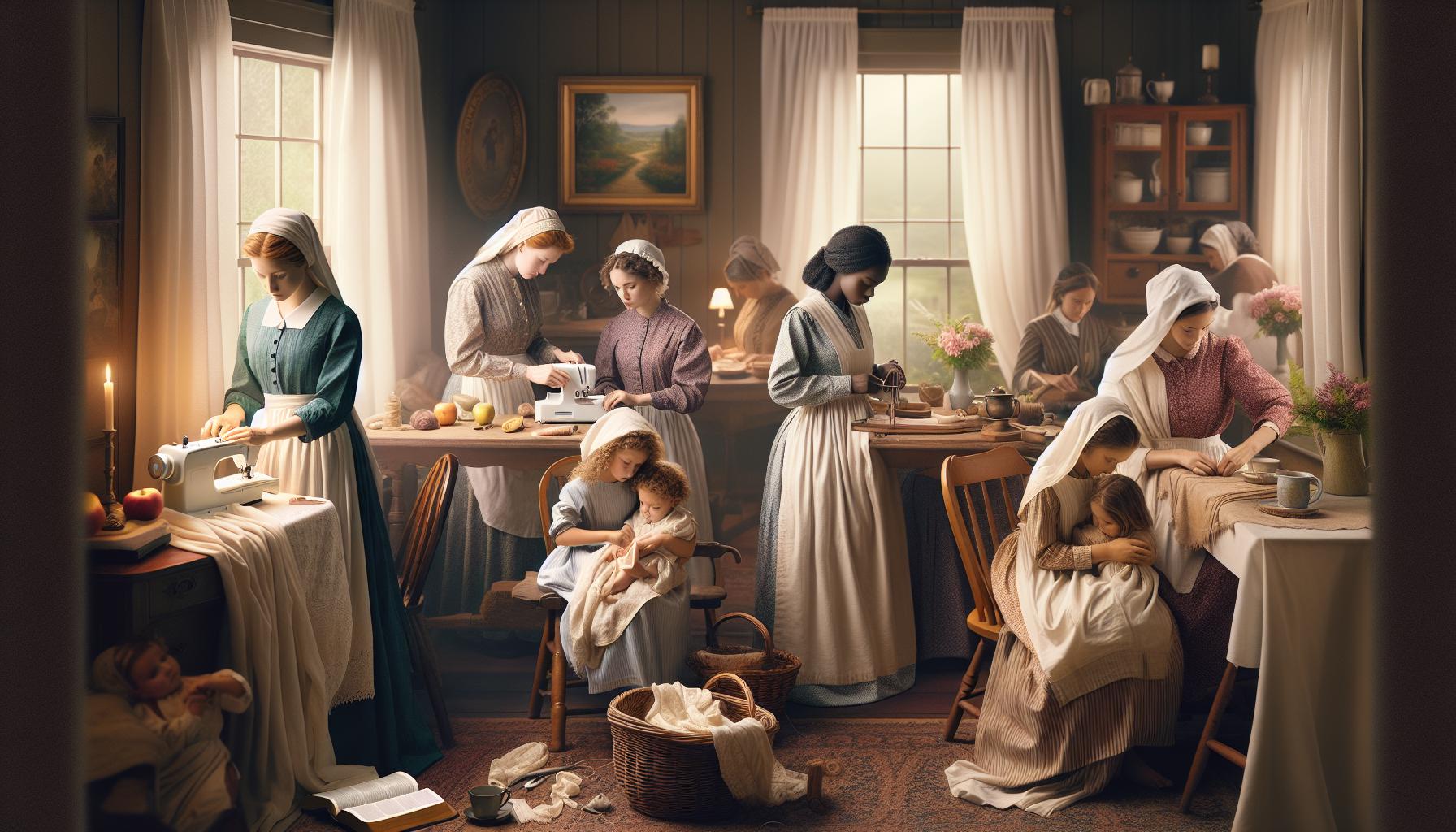
The Theological Significance of Proverbs 31
The portrayal of the “Proverbs 31 Woman” within the framework of Proverbs 31 carries profound theological significance that transcends mere moral instruction. This chapter, attributed to King Lemuel, serves as a cultural and spiritual encapsulation of the attributes desired in both women and, by extension, the community of faith. It illustrates the virtues of wisdom, strength, and capability, inviting reflection on the characteristics that God values in both individuals and society.
At the heart of Proverbs 31 is the illustration of virtuous living, framed within both a familial and societal context. The theological implications suggest that the life of integrity modeled in this text is not confined to personal piety but extends to social responsibility. This dual focus enables believers to appreciate the interconnectedness of personal morality and communal ethics. The wise woman described is engaged, active, and influential-qualities that reflect God’s call to all believers to contribute positively to their families and communities.
Moreover, the text functions as a reminder of divine wisdom’s value. The acrostic format suggests a meticulous crafting of ideals that can be memorized and internalized, indicating that these traits are not merely aspirational but attainable through a relationship with God. Each characteristic, whether it be her capability in business or her nurturing role in the home, encourages individuals to seek a holistic approach to life that honors God in all areas-home, work, and service.
In modern Christianity, continues to resonate; it empowers women to embrace their multifaceted identities and responsibilities. This chapter transcends cultural expectations, presenting a model of femininity that is both respectful of traditional roles and assertive in capabilities. By understanding the theological weight of Proverbs 31, readers can find inspiration in striving to embody these virtues, ultimately honoring God through their actions and contributions to society.
In summary, the virtues encapsulated in Proverbs 31 serve not just as guidelines for women but as a collective call for all believers to embody wisdom, strength, and industriousness in various spheres of life. This chapter enriches our understanding of how individual qualities can reflect broader theological truths about God’s intentions for humankind.
Literary Techniques in Proverbs 31
The crafting of Proverbs 31, particularly verses 10-31, serves not only as a profound exploration of character but also as a masterclass in literary technique. This section is characterized by its use of several poetic devices that enrich the text and enhance its message. For readers delving into the literary craftsmanship of this chapter, understanding these techniques unveils deeper meanings and helps appreciate the work’s artistry.
One prominent technique found in Proverbs 31 is the acrostic structure, where each verse begins with successive letters of the Hebrew alphabet. This intentional arrangement not only showcases the poet’s skill but also facilitates memorization, reinforcing the set of ideals that the text presents. The acrostic format reflects careful construction, suggesting that these virtues are not arbitrary but thoughtfully ordered as foundational pillars for the virtuous woman being described. This literary device invites readers to ponder the sequential nature of virtue and the completeness of the ideal woman, effectively encapsulating the attributes in a poetic framework [2].
Another significant aspect is the extensive use of metaphors and similes, which brings vibrancy to the characteristics being illustrated. For instance, references to her work as “more precious than rubies” not only speak to her value but interplay with concepts of wealth and worth. Such comparisons draw the reader into a richer understanding of her role-she is a caregiver, a businesswoman, and a guide, embodying multifaceted responsibilities. This vivid imagery serves to anchor the ideals in tangible experiences, making the virtues relatable and aspirational [3].
Moreover, the repetition of key phrases and themes throughout the verses reinforces the text’s central ideas. This technique allows for emphasis on the attributes of diligence, wisdom, and strength. For example, the repetition of her engagement in various tasks highlights her industrious nature-an essential theme in the portrayal of the ideal woman. The cumulative effect of these literary devices results in a rhythmic and engaging reading experience, capturing the complexity of the virtuous woman while encouraging reflection on the broader implications of her traits [1].
In summary, the literary techniques employed in Proverbs 31 not only enhance its poetic beauty but also serve to convey life lessons that transcend time. This rich tapestry of language invites readers to internalize the characteristics of the virtuous woman, ultimately aspiring to embody these values in their own lives. Through acrostic structure, vivid metaphors, and deliberate repetition, the author crafts a compelling narrative that remains relevant and inspiring across generations.
Debates Surrounding the Attribution of Proverbs 31
The authorship of Proverbs 31, particularly the famous passage portraying the virtuous woman, is a topic rich in debate and interpretation among scholars and theologians. King Lemuel, a figure mentioned at the beginning of Proverbs 31:1, is traditionally attributed as its author, forming the basis of many discussions concerning the text’s origins and intent. However, the exact historical context of Lemuel, his parentage, and his cultural background remains ambiguous, which fuels the ongoing debates about who truly penned these verses.
Several factors contribute to the complexity surrounding the attribution of Proverbs 31. First, the phrase “the sayings of King Lemuel” suggests a compilation rather than a single author’s voice, leading some to propose that the chapter consists of teachings from various sources, possibly including the wisdom of his mother as noted in Proverbs 31:1b. This mom-influenced wisdom aligns with the encouragement of virtue and strength in women, highlighting a collaborative approach to the text’s creation. Such perspectives underscore the cultural significance of female voices within the wisdom literature of the Bible, suggesting that multiple thinkers could shape Proverbs 31.
Moreover, the debate extends to the stylistic elements within the text that point towards different time periods and literary methods. The acrostic structure present in Proverbs 31, where each verse begins with a successive letter of the Hebrew alphabet, indicates a level of literary artistry that might not have been typical of all authors in the same period. This sophisticated technique suggests that there may have been an editor or compiler who melded earlier writings and oral traditions into the final form of the text we have today, thus complicating the simplicity of attributing Proverbs 31 to a singular author.
As scholars continue to analyze linguistic patterns and cultural contexts, many questions regarding authorship persist. They examine how the perspectives within the text reflect the values and expectations of society at the time-potentially signaling wider acknowledgments of women’s roles beyond traditional frameworks. These ongoing discussions not only enrich our understanding of Proverbs 31 but also illuminate how biblical texts can reflect diverse voices and evolving ideas across generations. Ultimately, the royal heritage of King Lemuel and the potential multiplicity of contributors illustrates the layered complexity behind biblical authorship, providing fertile ground for both academic inquiry and practical reflection.
Comparative Analysis of Proverbs 31 Across Translations
When we examine Proverbs 31, its varied translations reveal fascinating insights into the text’s nuances, particularly regarding the authorship attributed to King Lemuel. Each translation brings its own interpretative lens, affecting how the virtuous woman’s characteristics and roles are depicted, thus enriching our understanding of the text while posing questions about its intended meaning.
Translation Variability
Different Bible translations approach the language of Proverbs 31 with unique emphases, often reflecting the theological perspectives of their translators. For instance, the New International Version (NIV) presents the virtuous woman as a figure of practical wisdom and industriousness, emphasizing her role in managing the household and engaging in commerce. In contrast, the English Standard Version (ESV) maintains a more formal tone, focusing on her reverence for God as a cornerstone of her virtues. This divergence between translations can influence how readers perceive the qualities of the woman described in Proverbs 31 and, by extension, the nature of the wisdom imparted by King Lemuel.
Key Characteristics in Translations
To illustrate these differences, consider how several translations describe the woman’s capabilities, particularly in verses detailing her work and character:
| Characteristic | NIV | ESV | NLT |
|---|---|---|---|
| Entrepreneurial Spirit | “She considers a field and buys it.” | “She considers a field and buys it; with the fruit of her hands she plants a vineyard.” | “She goes to inspect a field and buys it; with her earnings, she plants a vineyard.” |
| Strength and Dignity | “She is clothed with strength and dignity.” | “Strength and dignity are her clothing.” | “She is clothed with strength and dignity.” |
| Wisdom and Kindness | “She opens her mouth with wisdom, and the teaching of kindness is on her tongue.” | “She opens her mouth with wisdom, and the teaching of kindness is on her tongue.” | “When she speaks, her words are wise, and she gives instructions with kindness.” |
The emphasis on practical skills in various translations invites readers to consider how King Lemuel’s teachings might reflect broader societal values regarding women’s roles during the time of writing. It raises questions about whether the text promotes a standard to aspire to or simply reflects the existing norms of ancient society, thereby complicating the straightforward attribution of these wise sayings to a singular figure.
Implications for Understanding Authorship
Furthermore, the disparate translations resonate with the ongoing scholarly discussions about the authorship and intention behind Proverbs 31. If we consider King Lemuel as a composite character-potentially representing various voices, including maternal influences-the varied interpretations encourage deeper engagement with the text. Readers can appreciate how different cultural, historical, and theological backgrounds shape our understanding of wisdom literature and the figures who contribute to its formation.
By exploring Proverbs 31 across translations, we not only gain insight into the diverse portrayals of the virtuous woman but also cultivate a more nuanced appreciation of the text’s authorship. This engagement leads us to reflect on the wider narrative of women’s roles in biblical contexts and invites further inquiry into how these themes manifest in contemporary discussions about gender, virtue, and wisdom.
Key Themes and Messages in Proverbs 31
The portrayal of the virtuous woman in Proverbs 31 embodies a rich tapestry of themes and messages that resonate across generations. At its core, this chapter serves as both a celebration of womanhood and a guide to an idealized life marked by diligence, wisdom, and faithfulness. The phrase “a wife of noble character” opens this chapter, encapsulating key ideals: strength, resilience, and virtue. Readers are introduced to a figure whose accomplishments in her home and community transcend traditional boundaries, challenging contemporary understandings of women’s roles.
One of the central themes is the balance of domestic responsibilities and entrepreneurial spirit. The virtuous woman is characterized not just by her ability to manage a household but also by her active participation in economic endeavors. She engages in trade, manages investments, and contributes to her family’s well-being through hard work and initiative. For instance, when the text mentions that “she considers a field and buys it,” it emphasizes her foresight and business acumen, suggesting that women can wield significant influence within both the domestic and public spheres.
Additionally, Proverbs 31 highlights the importance of wisdom and moral integrity. The woman is depicted as possessing wisdom, with the ability to teach and guide others. Her strength is coupled with kindness, illustrating that true power often lies in gentleness and moral clarity. This combination challenges the often rigid societal norms by suggesting that virtues like compassion and strength can coexist, offering a more holistic model for both men and women today.
The chapter also encourages readers to recognize the value of nurturing relationships and community engagement. The virtuous woman is portrayed as not only a devoted wife and mother but also a contributor to her community, emphasizing the broader social responsibilities that come with her domestic role. Her actions are grounded in a deeper faith and trust in God, further connecting her virtues with a divine purpose and source of strength.
In essence, the messages within Proverbs 31 call for a reconsideration of gender roles, uplifting the contributions of women in both the family and community settings. This timeless wisdom encourages a blend of attributes traditionally seen as complementary, fostering an understanding that true virtue encompasses a vibrant balance of strength, wisdom, and nurturing-all while rooted in a commitment to faith and integrity.
Influence of Proverbs 31 in Modern Christianity
The enduring legacy of Proverbs 31 in modern Christianity is profound, shaping the identities and spiritual journeys of women and communities alike. This chapter has transcended its ancient origins to offer a template for virtue and strength that resonates with contemporary believers. At its core, the archetype of the virtuous woman continues to inspire a redefined understanding of femininity, combining both domestic and professional roles effectively.
One significant aspect of this influence is the call for women to embrace their multifaceted identities. In many modern Christian contexts, the attributes of the Proverbs 31 woman serve as a model for integrating faith with daily living. She is depicted as a capable manager of her household, a savvy businesswoman, and a supportive community member. This encourages women today to pursue their callings-whether in their homes or workplaces-while maintaining a vibrant faith. The Proverbs 31 woman exemplifies a life rooted in diligence and devotion, which empowers women to prioritize their spiritual growth while fulfilling various responsibilities.
Moreover, the chapter has influenced church teachings and women’s ministries significantly, fostering discussions that are both empowering and relevant. Churches often highlight the characteristics we see in the Proverbs 31 woman-strength, wisdom, and kindness-encouraging women to cultivate these qualities in their own lives. Workshops and study groups frequently explore how these traits can contribute to both personal development and community building. This approach not only uplifts women but also enriches the entire faith community, as it embraces a holistic view of contributions made by both genders.
As the cultural landscape continues to evolve, the teachings of Proverbs 31 offer a fresh perspective on gender roles and empowerment. It serves as a reminder that, regardless of societal expectations, women’s roles-both in the home and beyond-are crucial to the fabric of faith communities. By integrating the timeless wisdom found in Proverbs 31 into modern discourse, believers can help foster a more inclusive church environment that celebrates the diverse gifts and callings of women.
Women in the Bible: The Role of Proverbs 31
The image of the virtuous woman in Proverbs 31 stands as one of the most cited and revered depictions of womanhood in the Bible. This passage not only offers a description of ideal feminine qualities but also serves as a powerful reminder of the diverse roles women have historically embraced within the fabric of their families and communities. Originally attributed to King Lemuel, believed by many scholars to be Solomon, this text has layers of meaning that enrich our understanding of women’s contributions, both in the biblical narrative and beyond.
In the context of the biblical worldview, the Proverbs 31 woman embodies a balance of strength, wisdom, and virtue, acting as an archetype for women in various stages of life. Her portrayal equips modern readers, particularly women, with a framework for navigating contemporary challenges while maintaining their faith and values. For instance, she is depicted as a diligent worker who not only cares for her household but also engages in commerce, illustrating that women’s roles are multifaceted and vital to the health of family and society. This duality encourages women to pursue professional aspirations while remaining anchored in their spiritual commitments.
Moreover, this chapter encourages introspection, prompting women to consider how they can integrate the virtues of the Proverbs 31 woman into their own lives. Practical steps might include setting personal goals that resonate with the qualities she exemplifies, such as cultivating kindness, working diligently, and being resourceful. Workshops and Bible studies often reference these attributes, fostering discussions around their relevance in a woman’s daily experience. By doing so, they empower participants to embody these characteristics in a way that is authentic and impactful within their communities.
In summary, the Proverbs 31 woman does not simply serve as a historical figure but rather as a living guide chronicling the essential roles women play in nurturing families and influencing communities. By engaging with her story, modern women are encouraged to embrace their unique identities fully, amplifying the legacy of strength and virtue showcased in biblical texts. This exploration not only enriches personal faith journeys but also contributes to a broader understanding of women’s roles within both religious and secular contexts, celebrating the myriad ways they contribute to society’s well-being.
Proverbs 31 in Cultural Context
The virtues extolled in Proverbs 31 resonate powerfully with contemporary cultural narratives surrounding femininity and leadership. As various movements advocate for women’s empowerment and gender equality, the portrayal of the Proverbs 31 woman serves as a timeless reference point, illustrating the multifaceted role women play not only in familial settings but also in societal structures. In modern discourse, this figure is often embraced as a model for how women can combine traditional responsibilities with professional ambitions, fostering a balanced life that honors both personal and societal commitments.
Despite originating in an ancient context, the insights from Proverbs 31 invite us to examine ongoing cultural expectations of women. The text highlights traits such as industriousness, wisdom, and compassion, which are not only valued in biblical narratives but are also increasingly recognized in today’s workforce. Women are often expected to excel in professional roles while being primary caregivers, a dual burden that echoes the diligent description found in Proverbs 31. This alignment suggests that the wisdom shared in this passage might still inform contemporary discussions around balancing work and home life, encouraging women to seize leadership roles while nurturing their families and communities.
Moreover, the message of the Proverbs 31 woman transcends individual capabilities and addresses broader societal values. In a world increasingly concerned with social responsibility, the character’s emphasis on economic engagement-through trading goods and assisting the needy-provides a framework for discussions about ethical entrepreneurship and community engagement. This perspective aligns with modern efforts that emphasize the importance of women in economic development and leadership, encouraging a cultural shift that recognizes and celebrates women’s contributions across all domains of life.
In exploring the cultural implications of Proverbs 31, it becomes evident that this ancient text not only serves as a source of inspiration for women seeking to navigate complex identities but also challenges society to rethink the roles women can play. By embracing the virtues highlighted in this passage, women today can become catalysts for change, using the wisdom of the past to address the needs of the present and future, while fostering community and family ties that remain vital to both personal and societal health.
Scholarly Perspectives on Proverbs 31 Authorship
The authorship of Proverbs 31 has been a topic of considerable scholarly discussion, drawing attention to the contrasting views on its authors. Traditionally attributed to King Lemuel, this attribution is significant because of the cultural and historical implications it holds. King Lemuel is mentioned specifically at the beginning of this chapter, raising questions about whether he is the sole author or if the chapter reflects contributions from multiple voices within the biblical narrative.
Attribution to King Lemuel
In Proverbs 31:1, King Lemuel is directly mentioned as the recipient of wisdom imparted by his mother, indicating a familial context that emphasizes the importance of maternal influence in shaping his character and values. Scholars have pointed out that the verses attributed to Lemuel (Proverbs 31:1-9) focus on moral teaching and social justice, underscoring the responsibilities of a ruler concerning the welfare of others. This paternal role aligns with prevalent themes in ancient Near Eastern literature, where wise kings are often depicted as protectors of the oppressed.
Debates Among Scholars
Despite Lemuel’s mention, some scholars contend that the authorship is more complex. Certain interpretations suggest Bathsheba-Lemuel’s mother-may have played a crucial role in crafting these verses, which contain advice specifically tailored for a king. The idea posited by some commentators is that Bathsheba, through Lemuel, communicates essential virtues and moral obligations, showcasing the potential for women to exert influence within the patriarchal structure of ancient Israel [[3]]. This theory emphasizes the voice of women in biblical texts and how their contributions have shaped the very fabric of wisdom literature.
Literary Techniques and Structure
The literary techniques present in Proverbs 31 also raise questions regarding singular authorship. The text employs acrostic form, which is often characteristic of various Proverbial writings, presenting a structured approach to wisdom that may hint at collective authorship over time, rather than the individual contributions of one person. This multifaceted approach encourages readers to consider how the text has been shaped not only by Lemuel’s insights but by the communal wisdom of generations prior and post its initial writing.
Conclusion
Interpreting the authorship of Proverbs 31 through these scholarly lenses opens up pathways to understanding its rich historical and cultural context. The dual attribution to both King Lemuel and the potential influence of his mother, coupled with the discussion regarding literary techniques, invites a broader dialogue about the roles of both kings and women in ancient wisdom literature. As contemporary readers reflect on these insights, they recognize the timeless nature of the principles woven throughout Proverbs 31, resonating with modern conversations about leadership, family, and social ethics.
Faq
Q: Who traditionally is considered the author of Proverbs 31?
A: The traditional attribution of Proverbs 31 is to King Solomon, who is believed to have penned the first 29 chapters of Proverbs. Chapter 31, however, begins with words attributed to King Lemuel, raising questions about its authorship and how it relates to Solomon [2].
Q: What does Proverbs 31 discuss about women?
A: Proverbs 31 highlights the characteristics of a virtuous woman, describing her virtues, responsibilities, and roles within the family and community. It serves as a model for women, emphasizing strength, wisdom, and diligence [1].
Q: What is the significance of King Lemuel in Proverbs 31?
A: King Lemuel is significant because he is believed to be the narrator of Proverbs 31, wherein he recounts lessons learned from his mother about the qualities of a noble wife. This underscores the maternal influence in imparting wisdom about womanhood and virtue [3].
Q: How does Proverbs 31 reflect societal values of its time?
A: Proverbs 31 reflects the societal values of the Ancient Near East by emphasizing women’s roles within the household and society, showcasing dedication to family as well as economic contributions, which were vital for community welfare [2].
Q: What themes are prevalent in Proverbs 31?
A: Key themes in Proverbs 31 include wisdom, hard work, and family values. It portrays an ideal woman as one who balances domestic duties with social responsibilities, embodying strength and moral integrity [1].
Q: How is Proverbs 31 interpreted in modern Christian contexts?
A: In modern Christian contexts, Proverbs 31 is often interpreted as a guide for Christian womanhood, emphasizing the importance of strength, virtue, and dedication within both personal and communal settings. It serves to inspire women to pursue these qualities in their lives [2].
Q: Are there debates regarding the authorship of Proverbs 31?
A: Yes, there are ongoing debates regarding the authorship of Proverbs 31, particularly concerning the transition from Solomon’s earlier writings to the words attributed to King Lemuel. Many scholars explore these differences to understand the text’s intent and historical background [3].
Q: What literary techniques are evident in Proverbs 31?
A: Proverbs 31 employs poetic structures, such as parallelism and acrostic forms, to enhance its rhetorical impact. These techniques make the virtues of the ideal woman memorable and encourage reflection on her significance within the text [1].
Concluding Remarks
As we explore the authorship of Proverbs 31, it becomes clear that understanding its context enriches our appreciation of its profound wisdom. Whether you see King Lemuel as the author or attribute it to other biblical figures, the value of these teachings remains timeless. We encourage you to dive deeper into the themes of virtue and character presented in this passage. Don’t miss our related articles on the significance of Proverbs 31 in contemporary life and discussions on women’s roles in Scripture.
If you found this exploration insightful, consider subscribing to our newsletter for more enlightening content or check out our resources on biblical interpretation techniques. Share your thoughts below-what resonates with you from Proverbs 31? Engaging in this dialogue could uncover new perspectives and foster a vibrant community of learners. Let’s continue this journey together; your comments not only enhance our conversation but also invite others to join in as we seek wisdom together.
Get our latest guides, news, and insights highlighted in your Google Search & AI Overviews.