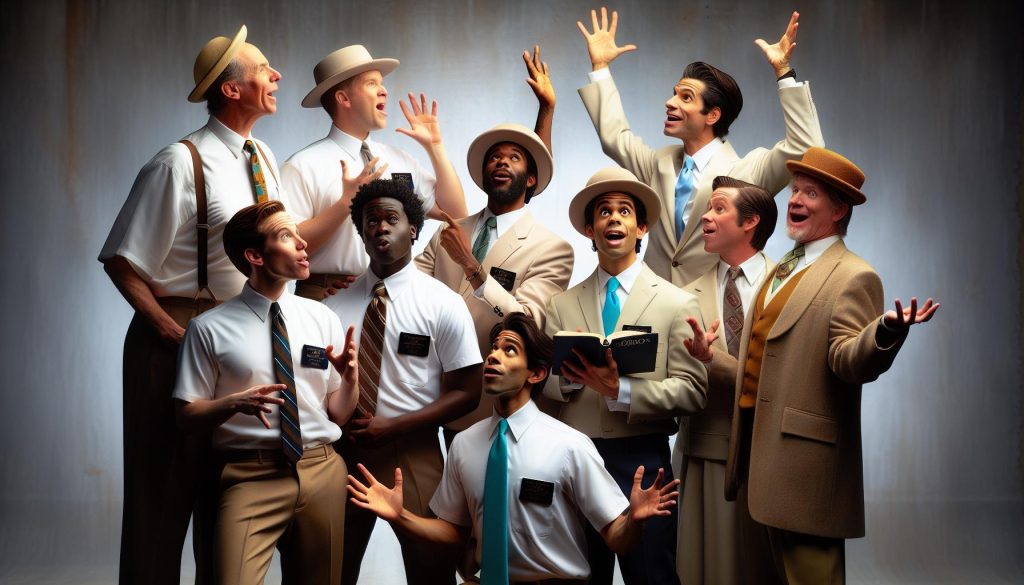
The Book of Mormon Musical has become a cultural phenomenon, captivating audiences with its sharp satire and irreverent humor. This exploration of the musical delves into its biting social commentary while reflecting on its portrayal of faith and belief systems. As one of the most controversial yet celebrated shows of our time, it challenges viewers to confront their own convictions and the often absurd nature of organized religion.
With its unique blend of comedy and thought-provoking themes, the musical invites discussion about acceptance, identity, and the human experience. Audiences often find themselves questioning not just the narrative but also the broader societal implications of the stories we tell about faith. As we dissect the highlights of this satirical masterpiece, we encourage you to consider: what truths do we uncover amidst the laughter? Discover how “The Book of Mormon” humorously highlights societal issues while sparking meaningful conversations about belief, acceptance, and the tapestry of human experience.
Exploring Satire in the Book of Mormon Musical
The “Book of Mormon” musical stands as a daring examination of faith, culture, and societal norms through the lens of satire, engaging audiences while simultaneously provoking thought about its themes and representations. Satire in this production is not just a comedic device; it is a method of critiquing the very foundations of the Church of Jesus Christ of Latter-day Saints and the often problematic portrayals of African cultures. By exaggerating elements of both the Mormon faith and its interpretations of Africa, the musical creates a platform where absurdity contrasts sharply with reality, invoking laughter while inviting deeper introspection about cultural stereotypes and religious conventions.
To illustrate how the musical employs satire, consider the character of Elder Price, who embodies the naivety often associated with young missionaries. His experiences in Uganda highlight not only the absurdities of his beliefs but also the stark realities faced by the Ugandan people, creating a poignant juxtaposition. The musical’s use of humor, particularly in its song “Hasa Diga Eebowai,” a phrase that humorously masks a deeper expression of despair, challenges the audience to reconcile laughter with serious socio-political issues, showcasing the harshness of life in Uganda through a comedic lens. This technique invites viewers to reflect on their own perceptions of race, belief, and privilege, questioning what is considered acceptable on stage and in society.
Furthermore, the creators’ approach is not without controversy; critics argue that the show’s portrayal of African nations leans dangerously into racial stereotypes, which can reinforce negative perceptions rather than dismantling them. This tension encapsulates the essence of satirical works: as they use humor to critique societal flaws, they must navigate the potential for misinterpretation and offense. The balance between intelligent satire and insensitive portrayal is precarious, and “The Book of Mormon” finds itself at this crossroads. While some viewers celebrate it for its boldness and humor, others see it as problematic, reflecting a cultural dialogue on the implications of artistic expression in a diverse society.
In conclusion, the “Book of Mormon” musical exemplifies how satire can serve as a powerful vehicle for commentary on faith and culture, challenging audiences to confront their assumptions and beliefs. Its lasting impact lies in its ability to elicit both laughter and reflection, making it a unique case study in the realm of contemporary theater. Whether viewed as a brilliant critique or a controversial commentary, it undeniably fosters an ongoing dialogue about the role of satire in the exploration of sensitive and complex themes.
Cultural Impact: How the Musical Challenges Beliefs
The “Book of Mormon” musical presents a daring exploration of cultural beliefs, utilizing satire as its primary tool to challenge and provoke thought among its audience. By employing humor and irony, it creates an environment where serious discussions about faith, race, and societal values can take center stage. The narrative explores the naive perspectives of its characters, particularly through Elder Price and Elder Cunningham, revealing their misconceptions about both their faith and the culture of Uganda where they serve as missionaries.
One of the most striking aspects of the musical is its ability to confront deeply held beliefs with a playful yet incisive critique. For instance, as the missionaries wrestle with their idealized views of spreading their faith, they are met with the stark realities faced by the Ugandan community, often portrayed in exaggerated and absurd terms. This juxtaposition not only highlights the absurdity of certain religious practices but also calls into question the missionaries’ moral authority, prompting audiences to reflect on the effectiveness and implications of their beliefs in a global context. By creating characters that are both humorous and painfully naive, the musical invites viewers to examine their own assumptions and prejudices toward different cultures and religions.
Moreover, through its controversial elements, “The Book of Mormon” pushes boundaries and ignites discussions around the portrayal of race and culture in contemporary entertainment. Critiques of the show often focus on whether its satire undermines or reinforces harmful stereotypes. For many, the musical serves as a lens through which they can dissect and debate these complex themes. The catchy, yet poignant song “Hasa Diga Eebowai” serves as a prime example, merging humor with darker societal critiques, thereby forcing audiences to reconcile their discomfort with the comedic aspects and the serious underlying messages about despair and resilience faced by those in Uganda.
In essence, the cultural impact of the musical lies in its dual role as both entertainment and a catalyst for discussions. It challenges audiences not only to laugh, but also to think critically about the interplay between faith, culture, and the narratives shaped by media and art. As the show continues to provoke varied reactions, it stands as a testament to the power of satire in questioning and reshaping societal norms and beliefs.
The Role of Humor and Irony in the Musical

The “Book of Mormon” musical masterfully leverages humor and irony to craft a narrative that both entertains and provokes critical thought. This dual function is essential, as it allows the audience to engage with complex themes of faith, morality, and cultural understanding in a way that feels accessible rather than accusatory. The clever juxtaposition of humorous dialogue with serious issues creates an environment where laughter is intertwined with reflection, inviting viewers to confront their own beliefs and biases.
Throughout the musical, irony plays a pivotal role in shaping the audience’s perception. For example, the missionaries’ naive optimism contrasts sharply with the harsh realities the Ugandan community faces, which is often depicted with exaggerated humor. This stark contrast not only underscores the absurdity of the missionaries’ perceptions but also highlights the potential disconnect between faith and real-world challenges. The use of ironic situations, such as Elder Price’s idealism meeting the grim existence of his counterparts, serves to humanize both the missionaries and the local people, allowing audiences to empathize with their struggles and misperceptions alike [[1]](https://onstagepittsburgh.com/2024/02/28/review-the-book-of-mormon-is-a-satirical-sermon-that-preaches-big-laughs-and-big-societal-commentary/).
Moreover, the musical’s humor is often dark and absurd, as exemplified in the song “Hasa Diga Eebowai.” While seemingly comedic at first, the lyrics reveal deeper societal critiques concerning despair and resilience. By blending humor with serious commentary, the musical challenges audiences to reconcile their laughter with the underlying themes of suffering and survival in Uganda [[2]](https://thinkchristian.net/the-simple-satire-of-the-book-of-mormon). This comedic approach provides a space for discussing sensitive subjects, encouraging audiences to reflect critically on their own cultural frameworks and the larger societal issues at play.
In essence, the roles of humor and irony in the “Book of Mormon” are not merely for comedic effect; they serve as a vehicle for deeper exploration of faith, identity, and cultural collisions. This interplay not only captivates audiences but also invites ongoing dialogue about the implications of the year’s narrative choices. As such, the musical stands as a provocative piece of art that utilizes humor to wield sharp critique, fostering both laughter and introspection in its wake.
Controversial Themes: Analyzing Hate vs. Acceptance
The “Book of Mormon” musical navigates a fine line between humor and harsh truths, brilliantly exposing the tensions between hate and acceptance. This thematic dichotomy is central to the narrative, prompting audiences to critically evaluate how societal prejudices manifest and how individuals can rise above them. Through satirical portrayals of both the Mormon missionaries and the Ugandan community, the musical challenges preconceived notions about faith, race, and humanity.
One poignant example lies in the contrasting characters of Elder Price and his fellow missionaries. Initially depicted as well-meaning yet oblivious, they arrive in Uganda with a simplistic view of salvation. Their interactions often highlight their lack of understanding and the insensitivity towards the local culture, which is laden with conflict and suffering. In moments of absurdity, such as the song “Hasa Diga Eebowai,” the dialogue oscillates between laughter and discomfort, illustrating underlying themes of despair. The missionaries’ naive optimism stands in stark contrast to the harsh realities faced by the locals, which ultimately fosters a discussion on how hate-whether born from ignorance or societal issues-can be challenged through empathy and connection [[1]](https://onstagepittsburgh.com/2024/02/28/review-the-book-of-mormon-is-a-satirical-sermon-that-preaches-big-laughs-and-big-societal-commentary/).
Moreover, the show’s self-reflexive humor invites audiences to question their reactions to both the comedic elements and serious subject matter. By juxtaposing moments of levity with poignant critiques of religion and colonial attitudes, the musical encourages a deeper examination of the themes of acceptance. Acceptance in the context of the “Book of Mormon” means not just tolerating differences but actively rejecting hate and fostering understanding across cultural divides. This narrative approach resonates with audiences, prompting them to consider how satire can be a powerful tool for social commentary and change, making it clear that the journey to understanding is often messy, complicated, and riddled with miscommunication.
Ultimately, the “Book of Mormon” encourages a reflection on how narratives shaped by hate can be transformed through stories of acceptance. By, as the musical suggests, engaging in dialogue and humor rather than clinging to ignorance and hatred, society can inch closer toward empathy and understanding-an endeavor that feels more critical than ever in today’s interconnected world.
Understanding Satirical Techniques in the Show

The “Book of Mormon” musical employs a rich tapestry of satirical techniques that not only entertain but also provoke critical reflections on religion, culture, and human behavior. One of the central mechanisms of satire in the show is exaggeration, where characters’ traits and beliefs are amplified to absurd levels. For instance, the portrayal of the naive Mormon missionaries, particularly Elder Price, serves to highlight not only their earnestness but also their profound ignorance of the complex realities facing the Ugandan community. This over-the-top representation invites audiences to laugh while simultaneously understanding the deeper commentary on blind faith and the cultural misunderstandings often encountered in missionary work.
Another significant technique is irony, particularly in how the songs juxtapose the missionaries’ simplified view of salvation with the harsh, often grotesque realities of life in Uganda. In the song “Hasa Diga Eebowai,” the missionaries attempt to preach positivity but are met with a starkly contrasting local sentiment that embodies frustration and despair. This ironic twist forces the audience to confront the uncomfortable truths about the intersection of faith and reality, showing that while the missionaries believe they are spreading hope, their approach often misses the mark entirely. Such moments exemplify how irony serves as a vehicle for exposing hypocrisy and naïveté, prompting audiences to engage critically with the material rather than simply laughing at the surface humor.
The musical’s self-reflexivity also plays a crucial role in its satirical approach. The performers often break the fourth wall, engaging in self-referential humor that acknowledges the absurdity of their circumstances. This technique allows the audience to see the performance as both a story and a commentary on itself, inviting reflections on the nature of satire in theater. By drawing attention to its own artifice, the “Book of Mormon” encourages viewers to evaluate their own beliefs and attitudes toward the subjects being parodied. This dynamic fosters a layer of introspection rarely found in conventional musicals.
Finally, the use of cultural references and parodic devices enhances the satirical impact. By alluding to well-known tropes in both religious and popular culture, the musical creates a landscape that is familiar yet twisted. For example, the show’s frequent nods to Broadway conventions serve not only to entertain but to critique the very nature of storytelling in the context of religion and morality. This intertextual playfulness allows the audience to recognize the absurdities in both the musical’s narrative and in the broader cultural narratives surrounding faith and societal values.
In conclusion, the “Book of Mormon” employs a variety of satirical techniques that enrich the experience for the audience, using humor not just for laughter, but as a tool for social critique and deeper understanding. Through exaggeration, irony, self-reflexivity, and cultural parody, the musical challenges preconceived notions and encourages a dialogue about faith, acceptance, and the human condition, demonstrating the power of satire as a form of artistic expression.
Audience Reactions: Controversy and Celebration

Audience reactions to the “Book of Mormon” musical reveal a complex tapestry of emotions and insights, characterized by both celebration and controversy. For many, the show is a humorous and daring exploration of faith, culture, and the absurdities within both; it has garnered a passionate fan base that appreciates its clever writing, catchy tunes, and bold approach to sensitive topics. However, this enthusiasm is tempered by significant criticism, particularly regarding its portrayals of African communities and its treatment of the Mormon faith.
One of the primary sources of contention lies in the musical’s use of satire, which some audiences interpret as a sharp critique of both organized religion and cultural imperialism. For instance, while many enjoy the outlandish characters and uproarious songs, others perceive the humor as crossing the line into offensive territory. Critics argue that the exaggeration serves not only to expose but also to perpetuate harmful stereotypes, particularly regarding the way missionary work intersects with local cultures in Africa. Discussions on platforms like Reddit reflect this divide; users frequently express their discomfort with certain portrayals, such as the awkward interactions between the naïve missionaries and the Ugandan villagers, suggesting these scenes may reinforce negative stereotypes rather than challenge them [[2]].
Despite the controversy, the musical has also sparked a broader conversation about the role of satire in art, prompting audiences to reflect deeply on their beliefs and cultural assumptions. The show’s creators, Matt Stone and Trey Parker, have defended their work as an attempt to push boundaries and engage in candid discussions about religion and cultural issues. In doing so, they encourage viewers to confront uncomfortable truths about faith and morality, a sentiment echoed by many audience members who find value in the provocative commentary embedded within the humor. This tension between celebration and critique underscores a significant cultural moment, as the theatrical landscape grapples with balancing artistic freedom against the risk of racial insensitivity and misrepresentation [[3]].
Ultimately, audience responses to the “Book of Mormon” highlight how art can serve as a mirror reflecting society’s complexities and contradictions. The musical’s capacity to elicit both laughter and discomfort prompts a deeper examination of its implications, inviting viewers to engage with not only the narrative but also the broader societal issues it raises. As audiences continue to debate the merits and pitfalls of the show, it becomes a vehicle for both celebration of artistic expression and critical dialogue about cultural representation, faith, and the power of satire.
Comparative Analysis: Other Religious Satire in Theater
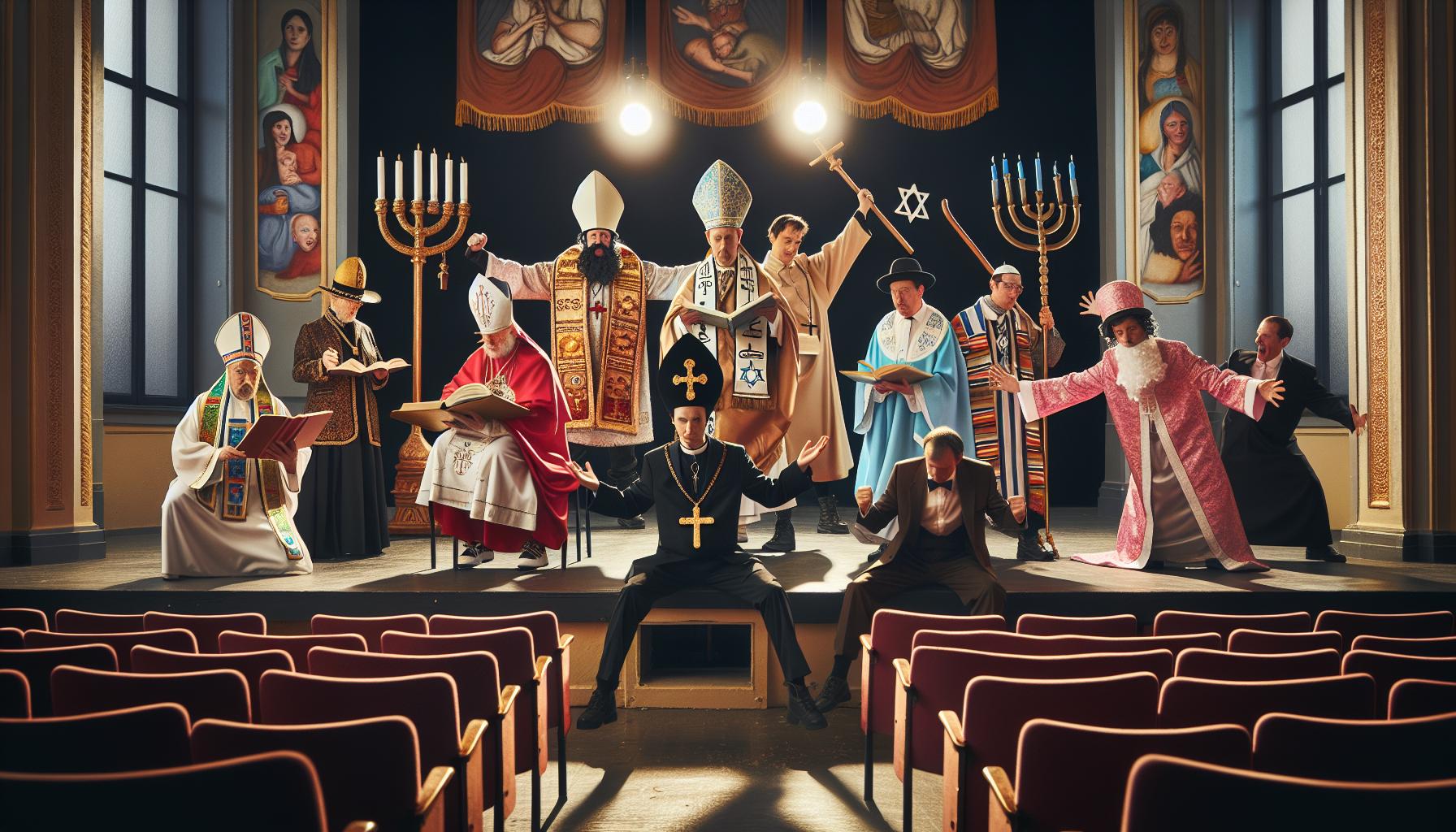
Satirical theater has a long tradition of both entertaining and provoking thought, especially when it comes to religion. The “Book of Mormon” is not alone in its unconventional exploration of faith; it stands among notable contemporaries that similarly utilize humor and irony to challenge established beliefs and cultural narratives. Analyzing these works offers insight into how satire can navigate sensitive subjects, sometimes crossing boundaries and igniting debate.
One of the most recognized examples is “Jesus Christ Superstar,” which takes a markedly different approach by humanizing the figure of Jesus, telling his story through the lens of rock music. This production, while reverent in some ways, raises questions about the interpretations of biblical events, especially regarding the political and social implications of his life. Its combination of reverent portrayal and critical examination allows it to explore themes of doubt and betrayal in a way that invites audiences to reconsider their perceptions of faith.
Similarly, “Monty Python’s Spamalot” uses absurdity and parody to reflect on religious themes, particularly those surrounding the Arthurian legend and its connections to Christian mythology. With a nonchalant attitude toward sacred subjects, the musical entertains through slapstick and irreverent humor, simultaneously encouraging viewers to laugh at the quirks of religious narratives. Rather than fearing critique, “Spamalot” embraces it, engaging audiences in a dialogue about the absurdities often found within organized religion.
In contrast, productions like “Avenue Q” touch on religious themes within a larger conversation about societal norms and adult anxieties. The show features puppets alongside human actors, creating a unique dynamic that allows it to address sensitive topics such as sexuality, identity, and, yes, religion, without traditional constraints. The humor is raw and unabashed, using wit to promote conversations about acceptance and the complexities of faith.
As the landscape of theatrical satire evolves, works like “The Book of Mormon” contribute significantly to this dialogue, demonstrating how humor can serve as a vehicle for cultural critique. By inviting audiences to confront uncomfortable truths and societal prejudices, these musicals ultimately challenge not only individual beliefs but also the broader frameworks that shape our understanding of religion and its role in modern society.
Debating Artistic Freedom vs. Offensive Content
The interplay between artistic freedom and the potential for offense is a critical concern in the realm of theatrical satire, particularly illuminated by productions like “The Book of Mormon.” This musical, while widely celebrated for its sharp wit and humor, raises essential questions about the boundaries of creative expression. Can art be genuinely provocative without crossing into harmful territory? This question is not only relevant to audiences but also deeply impacts creators navigating the complex terrain of sensitive topics.
To engage thoughtfully in this discussion, it’s vital to recognize how artistic freedom fosters an environment where challenging societal norms can occur. The “Book of Mormon” employs satire to critique organized religion, addressing its beliefs and practices in a way that prompts audiences to reflect on their own views. The overarching goal of satire is to entertain while simultaneously challenging and exposing contradictions within cultures and ideologies. However, the balance lies in ensuring that this critique does not devolve into hate speech or reinforce negative stereotypes. Critics argue that some portrayals in the musical can perpetuate harmful narratives about African cultures, highlighting the need for cautious navigation of such themes [[2]](https://www.reddit.com/r/Broadway/comments/uc2czj/am_i_the_only_one_who_found_the_book_of_mormon/) [[3]](https://artsatmichigan.umich.edu/ink/2019/11/03/the-book-of-mormon-is-really-problematic/).
Moreover, the reception of such works often reflects a spectrum of audience reactions-where humor can alienate some while resonating with others. This duality raises questions of intent versus impact: a creator might aim for humor and critique, yet the listener’s interpretation could lead to feelings of marginalization or oppression. This dynamic necessitates a conscientious approach to satire; artists must consider the possible interpretations and consequences of their work. Engaging critics and stakeholders from the communities being portrayed can offer valuable insights that foster a more inclusive conversation about creative boundaries.
Ultimately, as conversations surrounding artistic freedom versus offensive content evolve, they shape the landscape of theatrical expression. Productions like “The Book of Mormon” serve as catalysts for these discussions, compelling both creators and audiences to confront critical issues. By embracing an informed dialogue about the intersection of humor, satire, and cultural narratives, we can cultivate a richer understanding of how the arts can challenge and reflect society without perpetuating division or hate.
The Musical’s Reception: Reviews and Critiques
The reception of The Book of Mormon has sparked extensive dialogue, blending praise for its humor with concerns about its portrayals of race and religion. Critics and audiences alike have encountered a mix of laughter and discomfort, eliciting varied responses that reflect deeper societal tensions surrounding race, faith, and cultural representation. This complexity is emblematic of how art can function as both a mirror and a hammer, reflecting reality while also shaping perceptions.
One of the most noted aspects in reviews centers on the show’s clever and often outrageous humor, which successfully shines a light on the absurdities within organized religion and the missionary experience. For instance, the musical’s catchy numbers and irreverent lyrics can provoke laughter, while simultaneously allowing audiences to confront their own biases and assumptions about faith and cultural practices [1]. However, this comedic approach does not come without its critics. Many argue the humor can cross the line into insensitivity, particularly regarding the depiction of African cultures. Critics have pointed out that while the satire targets the missionaries, it also runs the risk of perpetuating harmful stereotypes about the people of Uganda, highlighting a tension between comedic intent and potential impact [2].
Despite the division in audience reception, one interesting aspect is how the show has become a benchmark for examining religious satire in contemporary theater. It opens doors for discussions about artistic freedom versus accountability. Some theatrical enthusiasts view the musical as groundbreaking in its ability to engage with difficult subjects, while others question whether this groundbreaking status absolves it from the responsibility to avoid reinforcing stereotypes [3]. This duality creates a rich tapestry of conversations that are critical for understanding the place of satire in modern art: Balancing humor with sensitivity is an ongoing challenge that requires thoughtful engagement from both creators and audiences alike.
In conclusion, the critiques of The Book of Mormon reflect broader societal conversations about race, faith, and artistic expression. As audiences continue to grapple with the juxtaposition of humor and offense, the implications for future works of satire cannot be understated; understanding this balance will be key to the future of religious satire in entertainment.
Behind the Scenes: Creative Minds and Inspirations
The inception of The Book of Mormon is a fascinating amalgamation of creative vision, cultural critiques, and personal experiences of its creators. When Trey Parker and Matt Stone, known for their irreverent animated series South Park, teamed up with Robert Lopez, co-creator of Avenue Q and composer behind hit songs like “Let It Go” from Frozen, the stage was set for a musical that would challenge conventions and provoke thought on religion, morality, and cultural representation.
One of the pivotal influences on the show was Parker and Stone’s own experiences as young Mormons in Utah, where they were exposed to the unique beliefs and practices of the Church of Jesus Christ of Latter-day Saints. Their initial fascination evolved into a critique of the absurdities they perceived within the church and evangelical missions. This personal lens allowed them to weave a narrative that, while intensely humorous, does not shy away from significant themes regarding faith and the missionary experience, highlighting a nuance that resonates with audiences beyond mere satire.
The creative process itself was characterized by a distinctive blend of humor and poignancy. Parker and Stone embraced an “anything goes” approach, crafting a musical that was unapologetically irreverent yet emotionally resonant. The writing team spent significant time researching not just Mormon doctrine but also the cultural and social contexts in which missionaries operate, particularly in Africa. This input informed the show’s portrayal of both the Mormon faith and the Ugandan backdrop, framing the narrative through the lens of a satirical yet critical examination of stereotypes and cultural misunderstandings.
Moreover, the musical’s vibrant score-an infectious fusion of traditional Broadway with elements of African music-reflects both a homage and a playful twist, drawing audiences into its narrative while encouraging them to reflect on the underlying messages. The catchy tunes, replete with sharp, witty lyrics, serve not only as entertainment but also as a vehicle for critical discourse, engaging viewers in a dialogue about the intersections of culture, belief, and identity.
Ultimately, The Book of Mormon stands as a testament to the creative minds that birthed it, urging audiences to confront complex issues through humor. The show not only entertains but also invites deeper conversations about faith, societal norms, and what it means to engage critically with the world and the cultures that surround us.
Educational Perspectives: Teaching Satire in Context
Teaching satire, particularly in the context of productions like *The Book of Mormon*, provides a rich opportunity to explore humor’s role in critiquing societal norms and beliefs. The musical cleverly employs satire to highlight and confront various aspects of faith, culture, and the complexities of human experience. This approach not only entertains but also invites deeper analysis, making it a compelling subject for educational settings.
When introducing satire in the classroom, it’s essential to establish what satire is and how it operates. Satire utilizes humor, irony, and exaggeration to offer commentary on human behavior or social issues. Using *The Book of Mormon* as a case study, educators can explore how the musical caricatures the Mormon faith and American evangelicalism. For example, the irreverent depiction of missionary work, paired with the juxtaposition of Ugandan culture and Mormon doctrine, forces audiences to confront uncomfortable truths about faith and the impositions of cultural narratives.
To effectively teach this content, consider these practical strategies:
Engaging in Contextual Analysis
- Historical Background: Provide students with context about the Church of Jesus Christ of Latter-day Saints, its foundational beliefs, and its cultural implications in contemporary society. This background will help students understand the stakes of Parker and Stone’s satire.
- Cultural Sensitivity: Facilitate discussions around how the musical portrays different cultures, particularly the African context. Discuss the implications of these portrayals and how they may perpetuate stereotypes.
Analyzing Satirical Techniques
- Song Lyrics: Examine specific songs from the musical for their use of satire. Analyze the lyrics to unpack the humor and critique embedded within them, encouraging students to consider how language shapes perception.
- Dramatic Elements: Engage with the musical’s staging, characterizations, and plot development to observe how these elements contribute to its satirical message.
Fostering Critical Dialogue
A vital component of teaching satire involves encouraging students to express their views and reactions. Facilitate discussions on questions such as:
– How does humor serve as a vehicle for critique in *The Book of Mormon*?
– Where do we draw the line between satire and offensiveness?
– Can satire incite positive change or merely reinforce existing biases?
By fostering an environment where students can critically engage with such questions, educators can guide them toward a nuanced understanding of satire’s complexities.
As discussions around media and its role in shaping our understanding of faith and culture evolve, teaching satire through an iconic work like *The Book of Mormon* equips students with critical thinking skills necessary for navigating today’s world. Through this musical, learners not only dissect the art of satire but also reflect on broader societal implications, encouraging empathy and understanding in a diverse cultural landscape.
The Future of Religious Satire in Entertainment
The landscape of religious satire in entertainment is constantly evolving, with productions like *The Book of Mormon* leading the charge in challenging established norms and sparking vital conversations. As societal values shift and audiences become increasingly diverse, the future of this genre will likely hinge on a delicate balance between comedy and sensitivity. Drawing upon the lessons and themes highlighted in *The Book of Mormon*, future works must navigate the complexities of faith while engaging diverse perspectives to avoid reinforcing stereotypes or perpetuating misunderstandings.
One implication of the current trend is the opportunity for new voices to emerge in the realm of religious satire. Writers and creators from varied backgrounds can bring unique experiences to the table, enriching the narrative fabric of spiritual explorations in theater and film. Audiences are not just ready for humor that pokes fun at religious practices; they are thirsty for authentic storytelling that reflects genuine cultural experiences and critiques institutional structures. For instance, productions like *Avenue Q* and *South Park: Bigger, Longer & Uncut* exemplify how humor can simultaneously entertain and challenge prevailing ideologies, paving the way for a more nuanced exploration of faith in future works.
Engaging with Audience Sensitivity
The future of religious satire will also demand a heightened awareness of audience sensitivities. With increasing discussions around cultural appropriation and the impact of representation, creators will need to be more thoughtful in their approach to humor. Satirical works must be inclusive rather than exclusionary, allowing for a broad spectrum of interpretations while fostering dialogue instead of division. This inclusivity can facilitate a greater understanding of the underlying issues faced by different communities.
Notably, audience reactions will play a significant role in determining the success of upcoming productions. As demonstrated by varying responses to *The Book of Mormon*, which led to both great celebration and significant controversy, new satirical endeavors will need to be prepared for divided reception. Creating spaces for open dialogue, where audiences can critique and reflect on the content presented, will elevate the conversation and perhaps steer future productions towards more thoughtful and constructive satire.
In conclusion, holds immense potential for profound exploration and engaging critique. Embracing diverse narratives and promoting sensitivity can ultimately lead to a richer artistic landscape, paving the way for satire that both entertains and educates. By learning from the successes and shortcomings of existing works, creators can craft pieces that resonate with audiences while addressing the complex web of faith, culture, and societal norms.
Q&A
Q: What themes of hate and acceptance are explored in the Book of Mormon Musical?
A: The Book of Mormon Musical juxtaposes themes of hate and acceptance through its characters’ journeys, highlighting how cultural beliefs can foster discrimination or understanding. This contrast invites audiences to reflect on personal biases and promotes dialogues surrounding acceptance within religions.
Q: How does the Book of Mormon Musical use satire to challenge beliefs?
A: The musical employs satirical humor to critique established beliefs, often pulling from absurdity and irony to highlight contradictions in organized religion. This method encourages audience members to reconsider their views and engage with the nuances of faith in both comedic and serious contexts.
Q: Why do audiences react differently to the Book of Mormon Musical?
A: Audience reactions vary due to personal backgrounds, faith experiences, and cultural perspectives. Some appreciate the humor as a critique of dogma, while others may find it offensive. The musical’s exploration of controversial themes invites both celebration and disdain, reflecting a broad spectrum of societal beliefs.
Q: What role does humor play in the Book of Mormon Musical?
A: Humor acts as a catalyst for conversation in the Book of Mormon Musical, using comic relief to address serious subjects like faith and hypocrisy. By blending laughter with critique, the musical not only entertains but also challenges audiences to confront their own beliefs.
Q: How is artistic freedom debated in the context of the Book of Mormon Musical?
A: The Book of Mormon Musical exemplifies the tension between artistic freedom and offensive content. While some argue that satire is a form of expression, others believe it crosses boundaries by effectively mocking religious beliefs. This debate highlights the fine line between creativity and respect.
Q: What comparative insights can be drawn from other religious satires in theater?
A: Comparing the Book of Mormon Musical to other religious satires, such as Avenue Q or The Book of Mormon, reveals how each piece utilizes satire to reflect societal issues and beliefs. These works collectively challenge audiences to reconsider the intersection of faith and modernity.
Q: How is the Book of Mormon Musical received by critics?
A: Critics have mixed responses to the Book of Mormon Musical, praising its wit and sharp satire while questioning its approach to sensitive subjects. The artistic merit is often acknowledged, but discussions surrounding offensiveness and political correctness remain prevalent in critiques.
Q: What can educators learn from the Book of Mormon Musical for teaching satire?
A: Educators can utilize the Book of Mormon Musical as a case study in teaching satirical techniques. By analyzing its use of humor, irony, and exaggeration, educators can help students grasp complex narratives and engage critically with both artistic and societal themes.
Future Outlook
As we wrap up our exploration of “Book of Mormon Musical Hateful: Satirical Highlights,” it’s essential to reflect on the provocative themes that challenge norms and beliefs. This musical doesn’t just entertain; it invites us to examine our perspectives on faith, satire, and the narratives that shape our identities. If you found this discussion engaging, take a moment to dive deeper into related topics like the cultural impact of satire in theater or how humor influences belief systems in our article on religious narratives.
Don’t miss out on additional insights-sign up for our newsletter to stay updated on new content that will enrich your understanding and spark your curiosity. Feel free to share your thoughts or questions in the comments; your perspective matters! Continue exploring our site for more compelling discussions about contemporary musicals and their societal implications. Remember, the conversation doesn’t end here-your engagement fuels our community!