
In a world where reading is often seen as a universal joy, “Hating Books: Stories of Literary Aversion” delves into the fascinating and underexplored phenomenon of literary dislike. Surprisingly, many readers experience aversion to certain books or even the entire act of reading itself. This collection of narratives captures the complexity of these feelings, revealing how personal experiences, cultural perceptions, and even societal pressures shape our literary preferences. By addressing the concerns of those who struggle with reading and acknowledging the commonality of these conflicting feelings, this book invites a compassionate exploration of why some stories resonate deeply while others fall flat. Join us as we uncover the hidden relationships between readers and their aversions, sparking curiosity about what it truly means to engage with literature.
The Psychology Behind Literary Aversion
The complex relationship between readers and books often harbors nuances that can lead to literary aversion. Psychological factors play a crucial role in shaping individuals’ feelings toward literature, impacting their engagement or detachment from reading. For many, the sheer act of reading can evoke stress or pressure, particularly if it is perceived as a requirement rather than a leisure activity. This sense of obligation can spark resistance, where individuals may associate books with past negative experiences-whether stemming from a challenging school assignment or a book they felt forced to read.
Experiences of failure, whether in comprehension or connection to themes, can foster a feeling of inadequacy in readers. This emotional response might manifest as a broad disdain for literature, leading one to avoid reading altogether. The fear of judgment, both self-imposed and societal, contributes to this aversion. When individuals perceive reading as an intellectual endeavor that requires them to maintain a certain status or conform to a peer group’s tastes, they may withdraw from it entirely to avoid the pressure of evaluation.
Cultural identity significantly influences literary preferences as well. In a society where specific genres or authors are esteemed, those who don’t resonate with popular choices may feel alienated. This disconnect can deter engagement with books entirely, generating a cycle of aversion. Furthermore, cognitive dissonance arises when a reader’s personal values clash with the messages conveyed in a book. Readers often shy away from literature that challenges their beliefs or presents unfavorable viewpoints, leading to yet another layer of resistance.
In navigating these psychological barriers, fostering a positive reading experience becomes essential. Recognizing the personal nature of literary appreciation encourages readers to explore genres and authors that genuinely resonate with them, ultimately reducing the stigma associated with literary aversion. By cultivating a no-pressure environment around reading-where exploration trumps obligation-individuals can gradually transform their relationship with books, turning reluctance into enjoyment.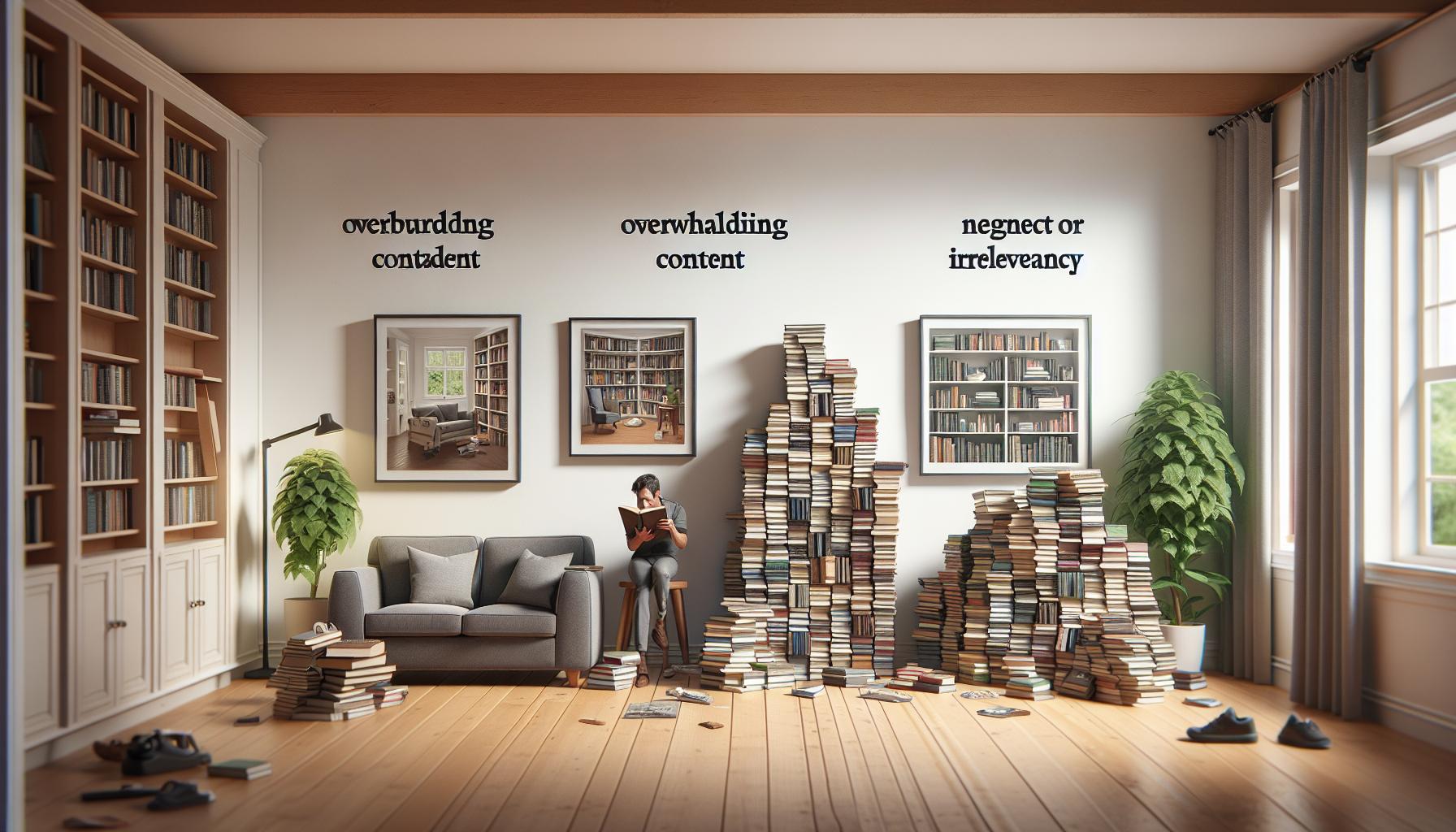
Common Reasons People Hate Books
People often develop a strong aversion to books for a variety of reasons that can stem from both personal experiences and societal pressures. One significant factor is the association of reading with negative memories, sometimes rooted in school settings where literature is mandatory. For many students, the pressure to read and analyze complex texts can lead to a feeling of dread, especially if the texts feel irrelevant or daunting. This can create a psychological block where books are viewed as sources of stress rather than enjoyment.
Another contributing element is the overwhelming feeling of choice. With countless books available, individuals may struggle to find a text that resonates with them. The fear of investing time into a book that ultimately disappoints can deter readers from picking one up at all. Additionally, when popular books receive high praise, those who don’t connect with the themes or writing style may feel isolated, leading to a heightened distaste for literature. This is often exacerbated by social media, where the pressure to conform to trending opinions can make readers feel inadequate for their preferences.
Moreover, personal values play a crucial role in literary aversion. When a book’s themes contradict deeply held beliefs, readers may feel discomfort or even anger, retreating from literature that challenges their worldview. This cognitive dissonance can contribute to a broader dislike for reading. In many cases, an individual’s cultural background influences literary taste, as exposure to different genres or styles may shape their preferences. For those who don’t see themselves represented in literature, it can further alienate them, perpetuating a cycle of aversion.
Understanding these factors is the first step toward overcoming literary aversion. By identifying what specifically breeds dislike-be it past experiences, societal pressures, or misalignment with personal values-readers can actively seek texts that challenge these perceptions. Engaging with diverse narratives that reflect various cultures and experiences can also foster a renewed interest in reading, encouraging exploration and, eventually, enjoyment.
Famous Authors and Their Literary Detractors
Despite the reverence often granted to literary giants, many authors have found themselves at the receiving end of intense criticism and disdain. This backlash can stem from various sources, including political beliefs, writing style, or the themes they explore within their works. Understanding the dynamics between celebrated authors and their detractors provides insight into the reasons behind literary aversion and the complexities of reading preferences.
One prominent example is J.K. Rowling, whose acclaimed Harry Potter series captured the hearts of millions but has also drawn significant backlash, particularly over her comments regarding gender identity. Rowling’s outward stance against certain transgender rights issues has led to a polarized debate among fans and critics alike. Many who once admired her work have since distanced themselves, creating a dichotomy where adoration for her storytelling coexists with disapproval of her personal views.
Another author who faced considerable backlash is Ernest Hemingway. Known for his terse prose and themes of existentialism, Hemingway’s work has been both celebrated and criticized. Detractors often point to his depictions of gender roles and violence, arguing that they reflect a problematic worldview. These criticisms showcase how readers’ interpretations of an author’s context and moral stance can heavily influence their enjoyment or aversion to the text.
In the realm of contemporary literature, Elena Ferrante, the reclusive Italian author of the acclaimed Neapolitan Novels, elicited both admiration and criticism for her frank portrayal of female relationships and identity. While her storytelling resonates with many, there are others who find her narratives unrelatable or overly bleak, sparking discussions on the impact of personal experiences on reader preferences. The contrast in opinions highlights the subjective nature of literary appreciation and aversion, reminding us that what resonates deeply with one reader can profoundly alienate another.
Ultimately, the relationship between authors and their critics illustrates that literature is not merely about the text itself; it’s also a reflection of personal values, cultural context, and societal influences. Engaging with these discussions offers readers the opportunity to confront their biases and explore diverse perspectives, potentially transforming aversions into appreciation. By examining the multifaceted relationships between authors and their detractors, readers can cultivate a more nuanced understanding of literature and its role in shaping cultural dialogues.
The Impact of Personal Experience on Reading Preferences
Personal experiences significantly shape our reading preferences, creating a diverse tapestry of tastes and aversions in literature. These experiences can emerge from a multitude of sources, such as family background, educational environments, and personal milestones. For example, a reader who grew up in a household that celebrated literature may gravitate towards classics, whereas someone with negative associations related to reading-perhaps stemming from challenging experiences in school-might develop a disdain for books altogether. This phenomenon illustrates how intricately tied a reader’s emotional landscape is to their literary choices.
The effect of life experiences extends beyond mere exposure to literature; it often influences the reader’s response to themes, characters, and narratives. Consider, for instance, readers who have navigated tumultuous familial relationships. Such individuals might read a book that presents a fractured family dynamic and feel deeply connected and validated, while others without similar experiences might find the same narrative unrelatable or even repulsive. This disparity exposes a crucial truth: literature can resonate or repel based on the personal canvas upon which readers paint their interpretations.
Moreover, trauma and major life events can lead to literary aversion as well. A reader who encountered loss may find it difficult to engage with books that tackle themes of grief and death. Conversely, a story reflecting resilience may serve as a cathartic experience, fostering a deeper appreciation for the work. In therapeutic contexts, readers often find solace and understanding in stories that echo their experiences, leading to a renewed interest in literature that once felt alienating or hostile.
To navigate this complex relationship between personal experience and reading preferences, one powerful approach is self-reflection. Readers who take the time to examine their feelings toward certain genres or authors can uncover underlying motivations and biases. Keeping a journal to track responses to various texts or engaging in discussions with others can also reveal how diverse experiences shape collective literary tastes. In fostering these reflective practices, individuals can pave the way toward more inclusive reading habits, ultimately transforming aversions into newfound appreciation for a broader spectrum of literature.
Cultural Influences and Literary Taste
The interplay between culture and literary taste can significantly shape a reader’s aversion to books. Cultural narratives, societal values, and community norms can frame our expectations and perceptions of literature, directly influencing whether we embrace or reject particular genres, authors, or themes. For instance, someone raised in a culture that prioritizes certain storytelling traditions may find contemporary literature devoid of substance or relevance, developing a distaste based primarily on a clash of cultural values. This phenomenon highlights how deeply enmeshed our reading preferences can be in cultural contexts, often creating islands of understanding and misunderstanding.
Influence of Cultural Narratives
Cultural narratives serve as powerful influencers of literary taste, forming a backdrop against which readers evaluate texts. Cultural biases can manifest in various ways, such as dismissing genres deemed “lowbrow” (like romance or fantasy) or rejecting books perceived as culturally irrelevant. For example, an individual from a background steeped in classical literature might struggle to appreciate the humor and relatability found in contemporary young adult fiction. This disconnection can lead to a broader aversion, where the reader distances themselves from the entire genre based on a few negative encounters. Understanding this aspect of cultural influence is crucial; recognizing the biases we carry can open new avenues of appreciation for diverse narratives.
Societal Values and Norms
Societal values also sculpt our literary preferences, sometimes leading to aversion when a book challenges established norms. A reader might recoil from literature that tackles controversial topics-such as race, gender identity, or politics-due to the discomfort such themes evoke. These instances illustrate the affinity many have for familiar narratives that validate their worldview. However, challenging literature can also serve as a catalyst for growth. Readers willing to confront discomfort may find themselves enriched by perspectives they initially resisted, forging deeper connections to the literary world and expanding their understanding of humanity.
Strategies for Navigating Cultural Influences
To navigate the complexities of cultural influences on literary taste, readers can adopt several strategies:
- Engagement with Diverse Voices: Actively seeking out literature from various cultural contexts can enhance empathy and understanding, allowing readers to bridge gaps between different literary traditions.
- Critical Reflection: Self-reflection on one’s biases can uncover aversions rooted in cultural narratives, transforming resistance into curiosity.
- Discussion and Dialogue: Engaging in conversations with others who have different literary backgrounds can expose readers to new perspectives, fostering a more expansive appreciation for literature.
By embracing cultural diversity in reading preferences, individuals can reshape their literary landscapes, transforming aversions into rich avenues for exploration and growth.
Overcoming Literary Aversion: Tips and Strategies
Literary aversion can often feel insurmountable, like an impenetrable barrier between a reader and the world of books. However, understanding the roots of this aversion is the first step toward rekindling a love for reading. By implementing a holistic approach that combines self-awareness, community engagement, and purposeful exploration, individuals can transform their reading experiences and find joy in literature.
Exploring New Genres
One effective strategy is to experiment with genres outside of one’s comfort zone. For example, if a reader has a deep-seated dislike for classic literature, venturing into graphic novels or contemporary fiction could provide an exciting shift in perspective. Diverse genres not only cater to varied interests but also challenge preconceived notions about what constitutes “good” writing. Start by setting a goal to read one book from a different genre each month, perhaps beginning with titles that have garnered positive popular reviews to ease the transition.
Curating Book Lists with Purpose
Another helpful approach is curating personalized reading lists that speak to one’s interests, such as themes that resonate emotionally or narratives that connect with personal experiences. Many online platforms offer recommendations based on user preferences, guiding readers towards books they might not have considered. This tailored methodology encourages a more intimate engagement with texts and can help mitigate feelings of aversion by fostering a sense of ownership over one’s reading journey.
Participating in Book Discussions
Joining a book club or participating in literary forums can also be transformative. Engaging in discussions allows readers to view literature through diverse lenses and enhances understanding by illuminating aspects that may have previously been overlooked. For instance, hearing different interpretations of the same book can spark curiosity and incite a desire to reassess one’s own reactions to literature.
Practicing Mindful Reading
Finally, practicing mindful reading can shift the focus from judgment to enjoyment. Encouraging oneself to read without the pressure of evaluation, perhaps journaling thoughts and feelings during the process, can promote a more relaxed approach. This mindfulness fosters a deep connection to the material, helping readers appreciate the craft of storytelling itself, even if they don’t initially resonate with the subject matter.
By embracing these strategies, readers can gradually dismantle the barriers of literary aversion, rediscovering the transformative power of storytelling and its capacity to open worlds of understanding, empathy, and joy.
The Role of Genre in Perceived Value of Books
Engaging with different genres can significantly alter a reader’s relationship with books, especially for those who might feel aversion toward literature. The notion of what constitutes “good” literature is heavily influenced by genre, which can evoke differing expectations and interpretations. When readers pigeonhole themselves into a single genre-like classics or contemporary romance-they may inadvertently block out narratives that could resonate on a deeper level. This perspective limits the perceived value of books that exist outside their reading comfort zone.
One critical factor in literary aversion is how genre shapes individual perceptions. For instance, if someone has only been exposed to dense literary fiction, they might come to associate reading with complexity and difficulty. Conversely, exploring genres such as fantasy, science fiction, or mystery can provide a more accessible and enjoyable entry point to literature. These genres often convey universal themes in engaging ways that may bypass entrenched biases against reading. Approaching literature as a spectrum of styles rather than a rigid hierarchy can foster appreciation for diverse storytelling techniques and diminish feelings of aversion.
To navigate the overwhelming world of genres and refine personal taste, readers can consider the following strategies:
- Dive into Genre Blends: Many modern works blend genres, creating unique narratives that defy traditional categorization. Books that mix elements of romance with science fiction or adventure with mystery can attract and hold interest more effectively.
- Utilize Reading Challenges: Participate in reading challenges that encourage tackling books across various genres. This exposure can demystify previously disliked genres and open minds to new forms of expression.
- Seek Recommendations: Engage with tools like Goodreads or community forums where readers share their experiences. Personalized recommendations can help discover books that align with one’s tastes while still stretching beyond familiar boundaries.
By deliberately interacting with a wider range of genres, readers can reshape their literary landscapes, fostering a deeper connection to reading and mitigating aversion. This can lead to transformative experiences where literature no longer feels like a chore or a source of frustration, but rather a source of joy and discovery.
Exploring Contrarian Book Reviews
Contrarian book reviews often provide a refreshing perspective in the literary landscape, challenging the conventional acclaim that many popular works receive. These dissenting opinions can be invaluable, facilitating deeper discussions about literature and the reasons behind our preferences or aversions. For instance, while a book like *The Great Gatsby* is widely celebrated for its narrative depth and societal critique, contrarian reviews may highlight perceived flaws in character development or question the relevance of its commentary in a contemporary context. Engaging with these differing views not only fosters critical thinking but can also lead to meaningful explorations of one’s own reading biases.
Understanding the motivations behind contrarian reviews reveals essential insights about literary taste. A reader may express disdain for a bestselling novel due to overhyped expectations, a disconnect from personal experiences, or even cultural critiques that resonate differently with them compared to mainstream audiences. This concept aligns with the broader psychology of literary aversion, where personal background and societal influences shape one’s encounters with text. It’s worth noting that an author’s intention may not always align with a reader’s interpretation, leading to varied responses that fuel the nature of contrarian critique.
Ultimately, embracing contrarian book reviews can be an enlightening practice. Readers can benefit from exploring diverse voices within the literary conversation, allowing for a more nuanced understanding of literature. Here are some practical approaches to engage with these critiques:
- Expand Review Sources: Seek out reviews from independent bloggers and lesser-known platforms to gain a broader array of opinions, which often reflect unique viewpoints.
- Participate in Discussions: Engage in book clubs or online forums where contrarian views are valued and debated, helping to refine your understanding and appreciation of diverse perspectives.
- Reflect on Your Reactions: After reading a contrarian review, consider your response. Does it challenge your assumptions? How does it alter your perception of the book in question?
By actively pursuing and evaluating contrarian reviews, readers can not only confront their literary aversions but also cultivate a richer and more varied engagement with literature as a whole. This practice encourages a reflective approach to reading, transforming what might initially seem like disdain into opportunities for discovery and dialogue.
The Social Stigma of Disliking Popular Novels
Despite the vast array of literary choices available today, a surprising number of readers grapple with the unspoken pressure to embrace certain popular novels. Disliking widely celebrated books can often feel like stepping into a minefield of judgment and misunderstanding. Whether it’s a bestseller that has taken the literary world by storm or a perennial favorite that’s been taught in schools, expressing aversion can lead to social discomfort, and sometimes even conflict. This stigma not only discourages honest discussions about personal preferences but also contributes to a broader culture of conformity in reading tastes.
The social expectation to enjoy certain books can stem from various factors, including communal values, marketing influences, and the intrinsic desire for belonging. People often find themselves conforming to the majority, feeling compelled to praise celebrated works to avoid being labeled a “literary outcast.” For example, if an individual openly disdains a book like *Harry Potter* or *To Kill a Mockingbird*, they may face backlash from peers who view these stories as cultural touchstones. This reaction reflects a deeper question of identity and belonging, where one’s literary preferences can inadvertently become conflated with their social worth.
Addressing this stigma involves fostering an environment where diverse opinions are encouraged rather than shunned. Readers can begin by creating open dialogue with friends or book club members about their feelings towards popular novels, emphasizing that differing tastes are valid and enrich discussions. Readers can use the following strategies to mitigate the discomfort of disliking well-regarded literature:
- Acknowledge Your Feelings: Recognize your preferences without self-judgment, understanding that disliking a popular book doesn’t define your literary worth.
- Seek Like-Minded Communities: Explore forums or social media groups where diversity in literary taste is celebrated. Engaging with others who may share similar sentiments can affirm your experience.
- Focus on Personal Readings: Prioritize your own reading experience over societal expectations, allowing yourself to explore genres and authors that resonate with you personally.
Ultimately, breaking free from the societal sanctions surrounding literary preferences promotes a richer cultural dialogue. By voicing personal opinions and supporting others in their literary journeys, readers can collectively reshape the narrative around what it means to enjoy-or dislike-popular novels, thus liberating themselves from the confines of literary conformity.
Literary Aversion in Education and Curriculum
Within the realm of education, the literature chosen for curricula can significantly influence students’ engagement and attitudes toward reading. Often, classic texts are selected based on their historical significance or perceived literary merit, yet this can inadvertently lead to widespread literary aversion among students. When individuals are compelled to dissect books that do not resonate with their interests or experiences, it can foster negative associations with reading as a whole.
Understanding Literary Aversion in Schools
Imagine a classroom filled with students, each with diverse backgrounds and preferences, forced to grapple with a single text like *The Great Gatsby*. For some, this novel may evoke boredom or frustration, leading to disengagement. This experience is not uncommon; many students find themselves disliking literature that feels irrelevant to their lives or too archaic to resonate with modern-day contexts. Such aversion can be particularly acute with works that reflect societal norms or values alien to the current generation, reinforcing the idea that reading is a chore rather than a pleasure.
Encouraging educators to adopt a more inclusive approach can be pivotal. This involves integrating diverse voices and genres into the curriculum-text selections that encompass various cultures, experiences, and perspectives. The inclusion of contemporary authors alongside classics can enhance student relatability and interest, illustrating the lasting impact and relevance of literature. For example, pairing a classic text with a modern counterpart can spark engaging discussions about differing themes and cultural contexts, helping students see the value in both.
Creating an Engaging Literary Environment
To combat literary aversion, educators can adopt several practical strategies:
- Diverse Reading Lists: Curate books from various genres and cultures to cater to the varied interests of students. This can help students find titles that resonate with them personally.
- Choice-Based Assignments: Allow students to select from a range of books for projects or discussions. Empowering students with choice fuels engagement and fosters a sense of ownership over their learning.
- Critical Discussions: Create a classroom culture where it’s safe to express dislike for certain texts. Encouraging healthy debate not only validates students’ feelings but also enriches the learning experience.
By fostering an environment that values personal connection to literature, educators can mitigate the stigma associated with disliking certain books. This cultural shift nurtures students’ natural curiosity and promotes a more profound appreciation for reading, allowing those who may have previously rejected literature to rekindle their love for books. Through thoughtful curricular choices and open dialogue, schools can transform literary aversion into a celebration of diverse reading experiences, ultimately enriching students’ educational journeys.
Transformative Reading: From Hatred to Love
Transformative reading experiences often stem from individuals’ journeys from aversion to appreciation of literature. Many readers initially develop a distaste for certain genres, styles, or specific books, perhaps due to negative early experiences or being forced to engage with texts that felt irrelevant. However, the shift from hatred to love can be a profound and enriching process that opens doors to new perspectives and joys in reading.
One effective strategy for transforming literary aversion is the exploration of diverse genres and authors. For instance, if a reader finds themselves bored with classic literature, they might discover a passion for contemporary fantasy or graphic novels, which can reignite their interest in storytelling. Engaging with varied formats-from poetry to memoirs-allows individuals to identify what resonates with them personally. Book clubs or online communities can also facilitate this exploration, providing recommendations and discussions that guide readers toward literature they might otherwise overlook.
Moreover, reframing how readers approach literature can significantly influence their experiences. Instead of viewing reading as a chore or a requirement, it can be helpful to adopt a mindset of curiosity and openness. Setting aside preconceived notions about “good” literature and allowing oneself to enjoy stories for their entertainment value can be liberating. For example, someone who was once turned off by a complex novel may find enjoyment in a light-hearted romance or an engaging mystery, reminding them that reading need not always be serious to be valuable.
Feedback and reflection play crucial roles in this transformation as well. Keeping a reading journal or blogging about book experiences can help individuals articulate their feelings and discover patterns in their preferences. By critically engaging with their reading choices and recognizing what spurred enjoyment or aversion, readers can consciously shift their selections. This self-awareness not only helps in curating future reading lists but fosters a more profound connection with literature as a whole.
Ultimately, the journey from hatred to love in literature is deeply personal and can be transformative in ways beyond mere entertainment. It encourages empathy, understanding, and personal growth, enriching readers’ lives as they explore the vast landscape of literary expression.
Celebrating Diversity in Reading Preferences
The literary landscape is as varied and nuanced as human emotion itself, creating a vibrant tapestry of reading preferences that reflect individual experiences, cultural backgrounds, and personal tastes. Celebrating this diversity is not only essential but also enriching; it fosters a deeper understanding of literature and encourages empathy among readers. Recognizing that everyone has their unique literary journey highlights that what one person might find tedious or unfulfilling can resonate deeply with another, affirming the idea that there is no singular “right” way to experience books.
Engaging with a broad range of genres is a powerful way to appreciate this diversity. Readers can explore a wealth of possibilities-from gripping thrillers to introspective memoirs to heartwarming graphic novels. Each genre offers its unique set of experiences and insights. For those who have never ventured beyond mainstream fiction, trying something like magical realism or historical non-fiction could provide a refreshing perspective that rekindles their interest in reading. Ultimately, exploring myriad styles encourages readers to step outside their comfort zones, offering new flavors of storytelling that can transform aversion into appreciation.
Understanding Individual Preferences
Recognizing the factors that shape individual preferences can also help readers cultivate an open-minded approach to literature. Some might gravitate towards certain authors due to their background or life experiences, while others may favor writing that challenges societal norms or explores cultural heritage. Engaging in discussions within diverse reading communities, such as book clubs or online forums, can illuminate different viewpoints and foster a broader appreciation for varying literary tastes.
Moreover, personal connections to literature can deepen one’s understanding and enjoyment. For instance, someone who struggles with themes of loss might find solace in a poignant coming-of-age story or a novel centered on grief. In contrast, another reader may seek out complex plot-driven thrillers to escape reality. This spectrum illustrates how literature serves as both a mirror and a window-reflecting personal experiences and offering insights into others’ lives.
Encouraging Curiosity and Open-Mindedness
To celebrate and explore diverse reading preferences, readers can adopt a mindset of curiosity and openness. Here are some practical steps that can facilitate this journey:
- Try New Genres: Commit to reading outside your preferred genres each month. Challenge yourself to pick a book that is completely different from your usual choices.
- Join a Diverse Book Club: Seek out groups that read widely across genres and cultural contexts. Engaging in discussions about different styles can enrich your understanding.
- Follow Book Recommendations: Utilize social media platforms and blogs to discover lesser-known authors and titles. Often, the colorful landscapes of indie publishing and international literature remain unexplored.
- Keep a Reading Journal: Document your feelings about each book, noting what you liked and what you didn’t. This practice fosters self-awareness and encourages richer literary exploration.
In conclusion, embracing the variety of reading preferences is a catalyst for transforming literary aversions into opportunities for growth and connection. By celebrating the diverse tapestry of literature, readers can navigate their pathways toward appreciation and understanding, ultimately enriching their reading experiences in profound ways.
Frequently Asked Questions
Q: Why do some readers develop a strong aversion to specific genres?
A: Readers may develop a strong aversion to specific genres due to personal experiences, cultural influences, or past negative interactions with a particular type of literature. Factors such as familiar narrative structures or themes can also impact enjoyment. Understanding these influences can help overcome biases and explore new genres effectively.
Q: How can readers overcome a dislike for popular books?
A: To overcome a dislike for popular books, readers can try exploring contrarian reviews or seek alternative recommendations that align with their personal taste. Engaging in discussions about these books can also provide new perspectives. This approach can broaden one’s reading experience and may uncover hidden gems that resonate.
Q: What role does personal experience play in literary aversion?
A: Personal experiences significantly influence literary aversion by shaping individual preferences and perceptions of certain themes or styles. For example, a negative event associated with a book’s subject matter can create lasting aversion. Recognizing this connection can aid readers in reassessing their reading biases.
Q: Can social stigma affect a person’s willingness to express dislike for popular novels?
A: Yes, social stigma can deter individuals from expressing their dislike for popular novels due to the fear of judgment or exclusion. This pressure often leads to a reluctance to share honest opinions. Discussing literary aversion openly can foster understanding and acceptance of diverse reading preferences.
Q: What strategies can help cultivate a more open attitude toward disfavored books?
A: Cultivating an open attitude toward disfavored books can be achieved by setting aside preconceived notions and approaching them with curiosity. Readers can practice active engagement, like taking notes or discussing what they read, which can enhance comprehension and potentially shift perspectives.
Q: How do cultural influences shape literary tastes?
A: Cultural influences shape literary tastes through exposure to diverse literary traditions, societal values, and collective narratives prevalent in a community. These factors can ignite both preference and aversion toward certain authors or genres. Insights into these influences can provide a richer reading experience.
Q: Are there benefits to discussing one’s literary aversions with others?
A: Discussing literary aversions with others can provide supportive perspectives and foster deeper connections. Such discussions promote understanding of diverse viewpoints and can lead to a more tolerant reading experience. Engaging with others’ insights can also inspire a change in personal reading habits.
Q: What are some contrarian reviews and how can they help readers?
A: Contrarian reviews challenge mainstream opinions and can help readers discover alternative viewpoints about well-known books. They serve as a tool to question popular beliefs and encourage readers to explore various interpretations, potentially leading to a more nuanced understanding of literature.
Wrapping Up
Thank you for diving into “Hating Books: Stories of Literary Aversion.” This exploration of literary disdain reveals the rich, complex relationships we all have with literature. If you’ve found yourself frustrated by a book or questioning the value of reading, you’re not alone. These stories highlight how aversion can lead to new perspectives, urging you to reconsider what you read next.
Ready to reflect further? Check out our related articles on “Overcoming Literary Aversions” or explore book recommendations in “Love to Hate: Discovering Gems in Unlikely Places.” Don’t miss out on sharing your thoughts in the comments below-your insights could resonate with fellow readers!
Join our newsletter for more engaging content and resources on literature that challenge and inspire. Remember, every book you dislike opens the door to one you might love, so keep reading, keep sharing, and continue your journey through the literary landscape!