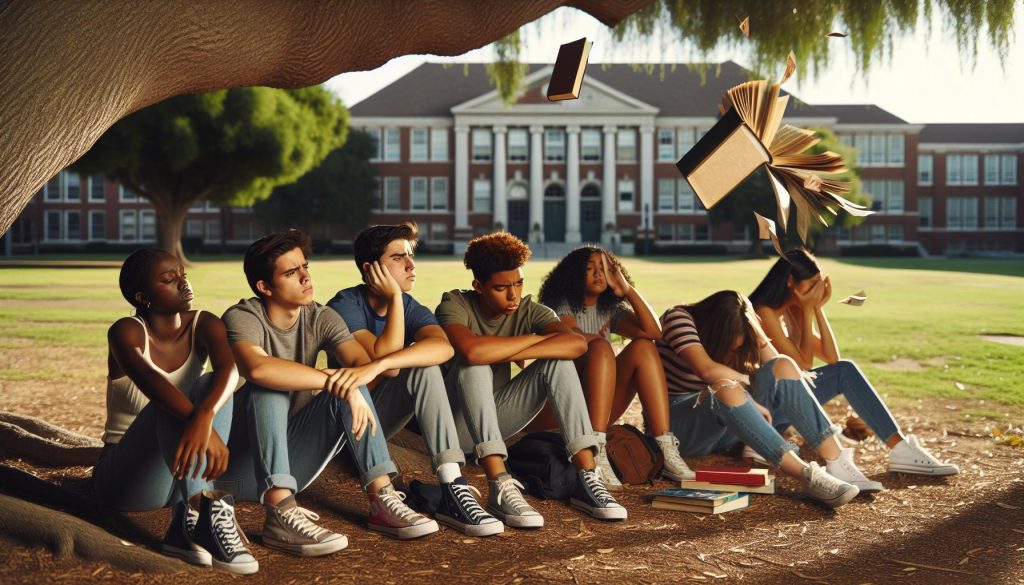
Many children experience a love-hate relationship with school, a dynamic that can profoundly affect their learning and development. Books that explore these themes resonate with young readers and their families, offering relatable stories that acknowledge the pressures and struggles of school life. These narratives provide an invaluable opportunity for reflection and discussion, addressing concerns over academic performance, social dynamics, and mental health.
Engaging with stories about hating school can help validate feelings of frustration and isolation that many students face, while also illuminating pathways toward resilience and understanding. Whether it’s through the eyes of a character who grapples with academic challenges, like Hudson from “Hudson Hates School,” or the insightful reflections found in publications like “Why Kids Love (and Hate) School,” these books serve as mirrors of the school experience. They invite readers to explore their own attitudes about education and empower them to navigate their unique journeys. Join us as we delve into a selection of impactful stories that not only entertain but also inspire meaningful conversations about the complexities of school life.
Books That Capture the School Struggle
Books that delve into the struggles of school resonate deeply with many readers, capturing the intricacies of emotions that students encounter every day. These narratives reflect a spectrum of experiences-from the mundane to the monumental. Engaging with these stories not only provides validation for those who feel overwhelmed but also fosters empathy in readers who may not share the same experiences. The journey through academic challenges is universal, and literature captures this dynamic beautifully by illustrating the conflicts between personal identity and societal expectations.
One standout title is School Struggles: A Guide to Your Shut-Down Learner’s Success, which offers practical strategies and insights for families grappling with educational challenges. It emphasizes understanding the root of a child’s resistance to learning, with actionable advice that helps to create supportive environments where students can thrive. Such books not only share relatable scenarios but also empower readers with the tools to navigate these hurdles effectively [2].
Moreover, literature addresses diverse experiences across various backgrounds, illustrating how culture and environment shape students’ perspectives on education. For instance, titles that reflect on systemic issues within educational frameworks, such as Tested: One American School Struggles to Make the Grade, encourage deeper reflection on the societal pressures students face and how these affect their school life [3]. Through these narratives, readers are invited to consider not only their own experiences but also the broader societal context that influences education.
Thus, exploring books about the challenges of school allows readers to find solace in shared struggles, learn valuable lessons, and develop a nuanced understanding of the diverse school experiences that exist within our society. These stories foster connection, encourage dialogue, and inspire action, making them essential reading for anyone navigating the school environment.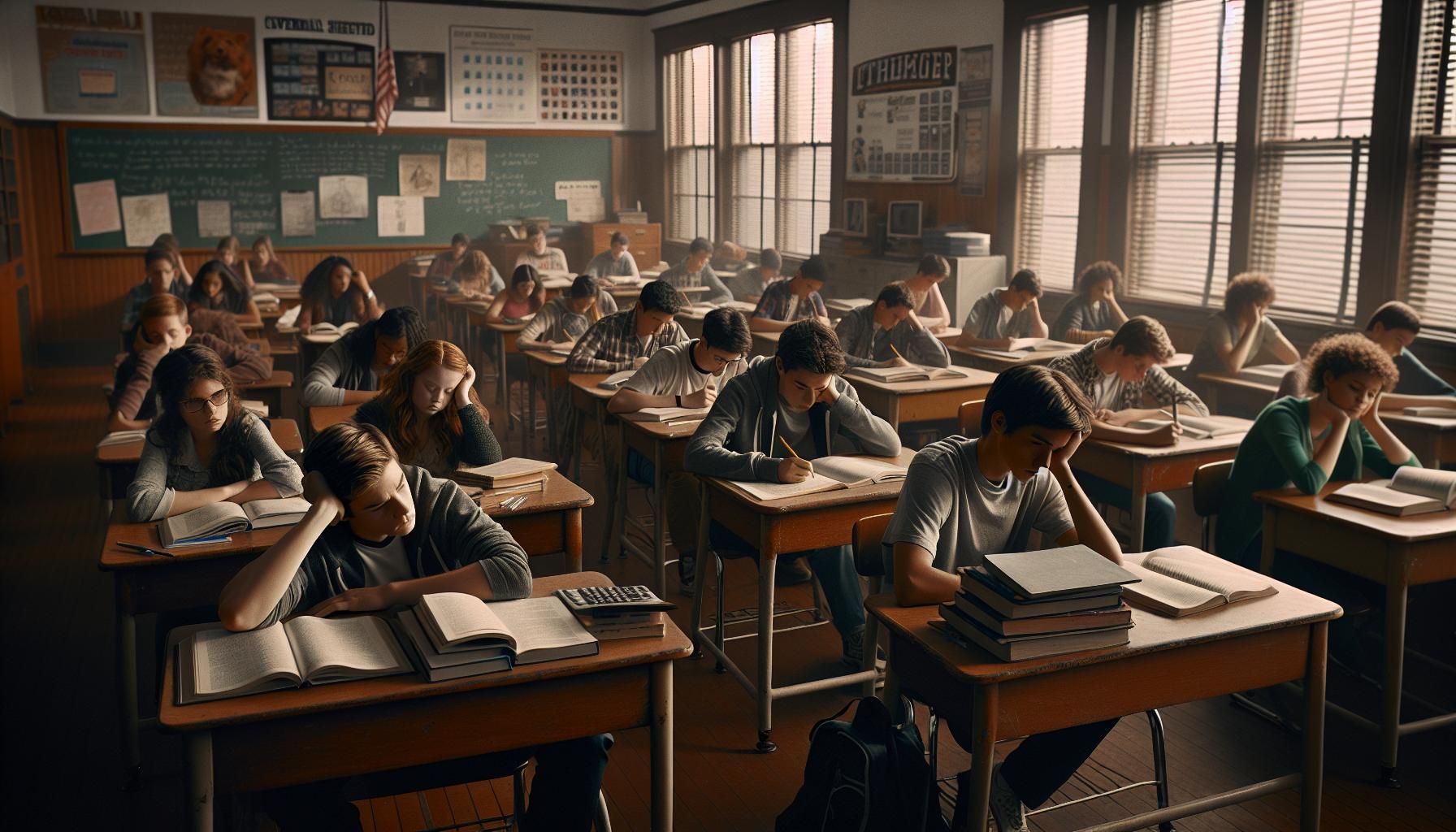
Relatable Characters: Finding Yourself in Fiction
In the realm of literature about school struggles, characters serve as lifelines for readers grappling with their own challenges. These relatable figures often navigate a complex landscape of emotions, including anxiety about academic performance, social pressures, and identity crises. For many, discovering a character who embodies their experiences can provide a profound sense of validation and connection. This recognition fosters an understanding that they are not alone in their feelings and experiences, ultimately allowing readers to reflect on their own journey.
Such characters often come from diverse backgrounds and reflect a range of personalities, from the shy outsider to the rebellious misfit. For example, a character might struggle with fitting in, facing bullying, or feeling misunderstood by teachers and peers. These portrayals not only resonate with students but also prompt discussions about empathy and kindness. Engaging with these narratives can lead readers to contemplate their behaviors and attitudes toward those who may be experiencing similar hardships.
Moreover, these stories frequently explore themes of resilience and personal growth. As readers follow these characters through their struggles, they witness pivotal moments that contribute to emotional and social development. This journey often mirrors real-life experiences, illustrating the importance of perseverance and the impact of finding supportive friendships or mentors. A character’s eventual triumph over adversity not only inspires hope but also reinforces the message that struggles, while challenging, can lead to significant personal growth and understanding.
In creating a vibrant tapestry of school life, these fictional representations help address broader societal issues, such as educational inequalities or mental health awareness, prompting readers to connect their individual stories to wider narratives. By identifying with these characters, readers gain insight into their own challenges, learning to navigate their school environments with newfound confidence and empathy.
The Impact of School Stories on Mental Health
Literature centered on the unappealing aspects of school offers more than just a narrative of hardship; it serves as a mirror reflecting the complex emotional landscapes many students navigate daily. Engaging with stories that depict school struggles can significantly impact mental health by validating feelings, fostering connections, and providing strategies for coping. Books that address themes of alienation, anxiety, and rebellion resonate deeply with readers, particularly those who may feel overwhelmed by their academic environments.
When characters articulate their frustrations with school, they offer readers a sense of community and understanding. This shared experience can counteract feelings of isolation. For instance, encountering a character who battles against oppressive educational systems or navigates intense social pressures can empower readers to confront their own circumstances. Such literary encounters often encourage dialogue surrounding mental health, diminishing stigma and promoting awareness. Through characters’ journeys, readers learn that it is acceptable to express their struggles and seek help, reinforcing that personal challenges are integral to the broader human experience.
Furthermore, incorporating humor and fantasy elements can also provide a therapeutic escape for readers. Books like “The Perks of Being a Wallflower” or “The Absolutely True Diary of a Part-Time Indian,” while grounded in realism, often use humor to address serious themes, enabling readers to engage with difficult topics more comfortably. Exploring varied genres not only enriches the reading experience but also equips young individuals with diverse perspectives and coping mechanisms that may aid in their own lives. By reflecting on characters’ resilience and adaptability, readers cultivate skills that are instrumental in their personal growth and emotional resilience.
Ultimately, the stories about hating school are not merely tales of dissatisfaction; they are vital narratives that contribute to the ongoing conversation about mental health. They encourage empathy, self-reflection, and community, fostering an environment where readers can learn and grow together.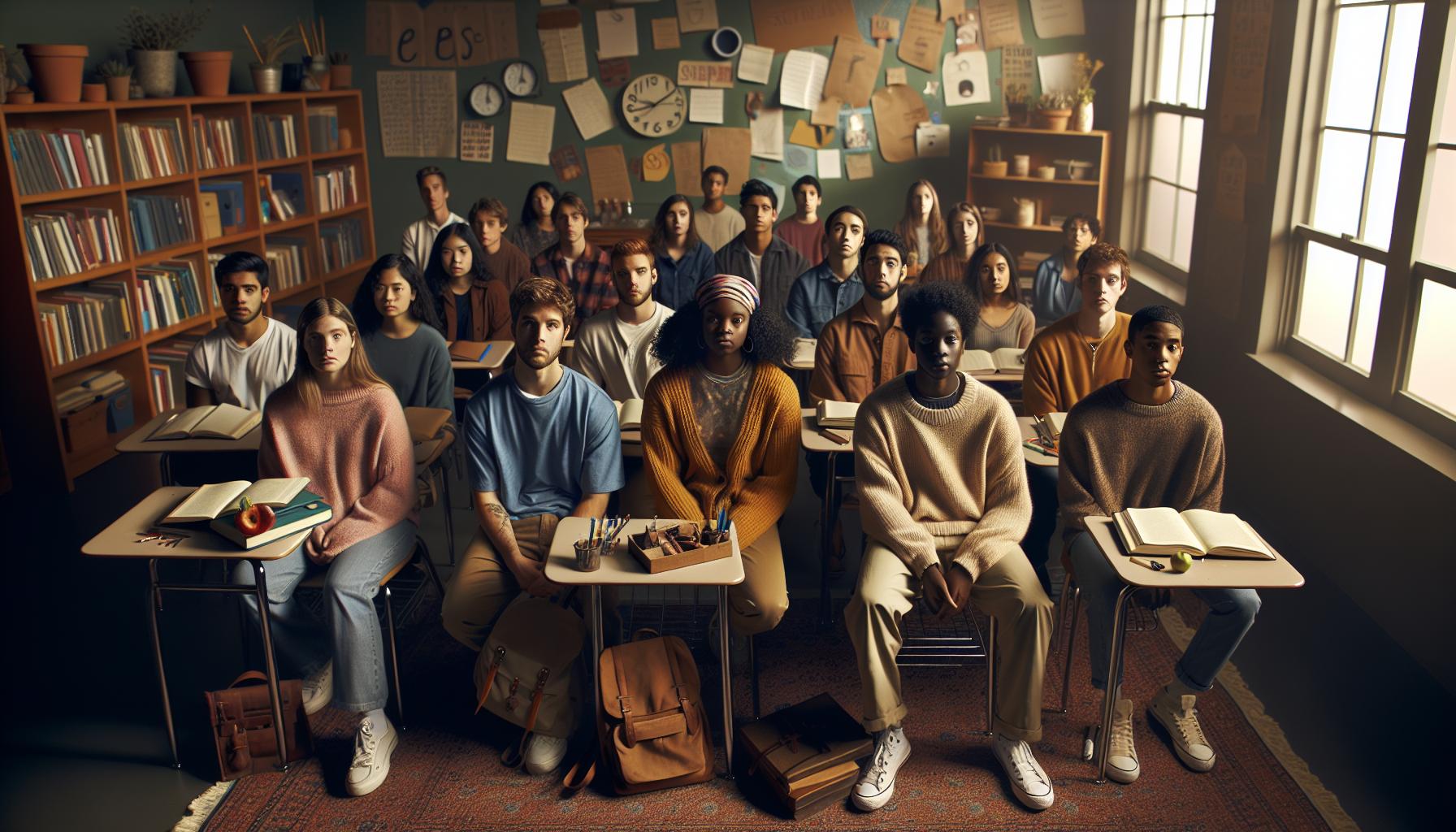
Exploring Different Genres: Humor, Drama, and Fantasy
Navigating the tumultuous school experience can be a daunting challenge for many young readers. Fortunately, literature offers a diverse landscape of genres-from humor to drama and fantasy-each providing unique avenues to explore the struggles students face. These genres not only entertain but also resonate with readers, reflecting their fears, frustrations, and triumphs in school.
Humor: Finding Laughter Amidst Chaos
Humorous narratives play a pivotal role in illustrating the absurdities of school life. Author Dan Gutman’s “My Weird School” series exemplifies this, delivering laugh-out-loud moments that underscore the ridiculousness of school norms and authority figures. Characters often exaggerate their complaints, allowing readers to relate on a personal level while indulging in a light-hearted perspective on the daily grind of education. This laughter can transform the daunting aspects of school into manageable, approachable challenges.
Drama: Deep Emotional Resonance
In contrast, drama-focused narratives delve deeper into the emotional struggles of students facing serious issues. Susan D. Blum’s “I Love Learning; I Hate School” presents a nuanced exploration of educational disenchantment, blending personal anecdotes and research to uncover the dissonance between the joy of learning and the rigidity of school systems. These stories often invite readers to confront their own struggles, articulating feelings of anxiety, alienation, and rebellion. Dramatic narratives can bridge the gap between personal experience and universal challenges, fostering empathy and dialogue.
Fantasy: Escaping Reality
Fantasy literature provides an exciting escape, offering imaginative realms where school struggles morph into epic adventures. In J.K. Rowling’s “Harry Potter” series, Hogwarts serves as both a magical haven and a microcosm of school life, where characters grapple with friendship dynamics, academic pressures, and societal expectations-albeit with wands and spells. Such fantastical settings enable readers to explore their feelings in alternative realities, often reinforcing the idea that challenges can be overcome with courage and creativity.
By engaging with different genres, readers can find reflections of their own experiences and discover varying methods of coping with the often overwhelming nature of school. Each genre-whether through humor, drama, or fantasy-offers specific tools for navigating the complexities of education, making literature an invaluable ally in the school struggle. As readers connect with these stories, they not only escape into relatable narratives but also develop a broader understanding of their emotional landscapes, ultimately equipping themselves for their own real-world challenges.
Top Picks: Must-Read Books About Hating School
In the landscape of literature, books that capture the essence of hating school resonate deeply with many readers. These stories not only provide an entertaining escape but also mirror the real-life struggles that students face daily. Characters often grapple with rigid systems, uninspired teaching, and social dynamics that can make school feel like an uphill battle. Here are several must-read titles that delve into the complexities and frustrations of school life, making them essential reads for anyone who has ever felt a sense of dread about returning to class.
1. “I Hate School” by Anne D. Le Faye
This novel presents a candid depiction of a student’s perspective on the monotony of traditional schooling. Through the protagonist’s humorous and often sarcastic narrative, readers are encouraged to laugh at the overwhelming aspects of homework, tests, and social pressures. This relatable voice allows readers to feel seen and understood, fostering a sense of community among those who share similar sentiments.
2. “My Weird School” series by Dan Gutman
Gutman’s series brings humor to the forefront, illustrating the absurdities of school through quirky characters and ridiculous scenarios. Each book features unique teachers and strange occurrences, making the narrative both entertaining and relatable. This series is especially popular among younger readers who appreciate the exaggeration of everyday school life, reinforcing that feeling of being overwhelmed can often lead to laughter.
3. “Fish in a Tree” by Lynda Mullaly Hunt
This poignant story revolves around a student struggling with dyslexia, which makes the traditional school setting particularly frustrating. Hunt’s characterization of Ally showcases the challenges faced by those who feel alienated from a system that often doesn’t cater to diverse learning styles. The representation of struggle and eventual self-acceptance serves as a powerful reminder that school can be a challenging yet transformative experience.
4. “The Perks of Being a Wallflower” by Stephen Chbosky
While not explicitly about hating school, Chbosky’s coming-of-age novel delves into the deeper social and emotional challenges that can arise in high school settings. Through the lens of Charlie’s experiences, readers engage with themes of isolation, anxiety, and the quest for belonging, allowing them to explore their own feelings toward school institutions and peer dynamics.
These selections offer varied perspectives on the school experience, illustrating that literature can be a vital outlet for understanding and addressing feelings of frustration. By engaging with these stories, readers can find solace and humor in their own experiences, reminding them that they are not alone in their struggle. Whether through laughter, poignant reflection, or relatable characters, these books provide a crucial space for exploration and connection.
Lessons Learned: What These Stories Teach Us
The narratives that explore the challenges and tensions of school life reveal much more than a mere commentary on the educational system; they impart vital lessons about resilience, empathy, and the importance of seeking connection. Through the lens of different characters and their experiences, readers glean insights that are applicable not only to their academic journeys but also to their broader life narratives.
One of the most prominent lessons is the significance of resilience. Characters like Ally in “Fish in a Tree” demonstrate that struggle, particularly with learning differences, is a shared human experience. Her journey from feeling inadequate to embracing her unique intelligence encourages readers to embrace their own challenges as opportunities for growth. This shift in perspective fosters a sense of empowerment, emphasizing that overcoming obstacles is often more valuable than the successes themselves.
Similarly, stories like “The Perks of Being a Wallflower” powerfully illustrate the importance of empathy. Charlie’s emotional journey through mental health struggles and social isolation resonates deeply with many. Readers learn that connecting with others-recognizing their struggles and offering support-can transform the school experience from one of loneliness to one of belonging. This theme teaches us that our shared experiences create interconnectedness, fostering a supportive environment that can alleviate the burdens of school life.
Another significant takeaway is the need for advocacy. Many protagonists find their voices and learn to stand up against bullying or injustice within the school system. For instance, in “The Hate List” by Jennifer Brown, the protagonist navigates the aftermath of a tragedy and learns the importance of speaking out about violence and its roots in social issues. This narrative serves as a reminder that change often begins with the courage to challenge the status quo, prompting readers to reflect on their roles in creating positive change within their own communities.
These stories collectively instill hope and encourage introspection, reminding readers that while school can be a landscape of challenges, it is also a space for profound personal development. By engaging with these narratives, individuals not only see reflections of their own experiences but also gather the tools to navigate their school life with greater understanding and resilience. Through the myriad lessons embedded in these stories, readers can cultivate not just a better perspective on school, but also an enriched understanding of themselves and their peers.
Writing Styles and Narrative Techniques Explored
Capturing the intricate emotions and challenges of the school experience requires not just compelling plots, but also a keen command of writing styles and narrative techniques. Authors targeting the theme of discontent with school often employ unique perspectives and stylistic choices that resonate deeply with adolescent readers. By analyzing various techniques, readers can appreciate how these stories engage and reflect their own experiences with the school system.
Character-Centric Narratives
Many books about the struggles of school are rooted in strong character development. Protagonists are often portrayed with relatable flaws and aspirations, making their journeys more impactful. For instance, in novels like *The Perks of Being a Wallflower*, the use of a first-person narrative allows readers to intimately experience the protagonist’s internal conflicts and emotional states. This perspective fosters a sense of intimacy, drawing readers into the intricacies of the character’s thoughts and feelings, all while reflecting common adolescent struggles such as fear of fitting in or coping with mental health issues.
Vivid Imagery and Symbolism
Another essential technique is the use of vivid imagery and symbolism to evoke emotions related to the school environment. Authors may describe a school hallway as a “dark tunnel of dread,” immediately conjuring feelings of anxiety that many students share. Symbolic elements, such as a broken clock representing the feeling of time dragging on in a monotonous class, enhance the thematic depth of the narrative. These devices not only enrich the reading experience but also allow for deeper reflection on the aspects of school life that provoke discomfort or resentment.
Humor and Satire
In exploring themes of school embarrassment or frustration, humor can be particularly effective. Books like *Diary of a Wimpy Kid* utilize a light-hearted, humorous approach to tackle serious topics like bullying or social anxiety. The illustrations and playful language create an engaging atmosphere that encourages readers to confront their feelings about school while still enjoying the story. Moreover, satire can highlight systemic issues within educational settings, prompting readers to think critically about their environment and experiences.
Diverse Narrative Structures
Lastly, diverse narrative structures can profoundly influence how stories about school struggles are received. Some narratives unfold through a linear timeline, while others might employ a non-linear approach, such as flashbacks. This can reflect the chaotic nature of a teenager’s mind where memories of pivotal school moments intermingle with present struggles. Utilizing formats like letters or journal entries (as seen in *Looking for Alaska* by John Green) can also provide alternative insights into the characters’ emotions and relationships.
In conclusion, the effective blending of character development, vivid imagery, humor, and diverse narrative structures contributes to the power of stories about hating school. By employing these techniques, authors not only capture the challenges young readers face but also invite them to engage with their own experiences, turning the struggle into an opportunity for reflection and connection.
Diverse Perspectives: School Experiences Across Cultures
The way children experience school varies dramatically from one culture to another, and literature often serves as a lens through which these diverse school experiences can be explored. Books about hating school not only reveal personal struggles but also reflect broader societal issues, providing readers with a rich tapestry of experiences that highlight the challenges of growing up in different environments.
In many Western contexts, stories like The Outsiders by S.E. Hinton emphasize issues such as social class differences and the search for identity amidst peer pressure. Characters grapple with fitting in, showcasing the universal themes of belonging and alienation, but they also highlight the specific cultural contexts of their experiences. Conversely, in books like A Shadow on the Hill by J.M. Huxley, set in a non-Western milieu, readers encounter school systems steeped in tradition, where academic pressure and familial expectations carry different weights. Such narratives broaden the understanding of how students confront their individual challenges against the backdrop of cultural norms and values.
Similarly, graphic novels such as American Born Chinese by Gene Luen Yang explore the dual struggles of cultural identity and assimilation in school settings. Through the lens of a Chinese-American protagonist, the story reveals not only the hardships of fitting into an often unwelcoming environment but also the internal conflict of cultural identity, emphasizing the struggles of students navigating multiple cultures. This duality resonates with many readers, allowing for a greater connection to their own experiences.
Furthermore, educational settings in books like The Kite Runner by Khaled Hosseini delve into how cultural histories and conflicts shape school experiences, portraying the impact of war and societal change on youth. These narratives illuminate the disparate school challenges faced by children in various cultural contexts, offering insights into the psychological ramifications of social upheaval on young minds.
Through these diverse perspectives, readers can appreciate the complexity of school experiences around the world. Exploring literature from different cultures encourages empathy and a deeper understanding of how cultural factors influence the way students perceive and navigate the school system.
How Literature Reflects Real-Life School Challenges
Books that delve into the struggles of school life often resonate with readers not just for their storytelling but for their ability to mirror real-life challenges faced by students. These narratives grant insight into the multifaceted issues that arise within educational environments, addressing aspects such as bullying, academic pressure, and the quest for identity. Such stories become a sanctuary for many young readers, offering validation and a sense of belonging as they navigate their own educational journeys.
Consider the profound impact of novels like Speak by Laurie Halse Anderson, which illustrates the overwhelming isolation a student may feel following trauma, while grappling with the intricacies of adolescence. The protagonist’s challenges with communication reflect a reality for many students who struggle to articulate their insecurities within a school backdrop that often feels unforgiving. The Perks of Being a Wallflower by Stephen Chbosky also highlights themes of mental health and friendship, emphasizing how connection-or the lack thereof-shapes one’s experience in school. Through relatable characters facing significant adversities, these stories encapsulate the very essence of what it means to navigate educational paths filled with obstacles.
Moreover, graphic novels, such as Roller Girl by Victoria Jamieson, blend humor and the realities of growing up, showing how interests, friendships, and self-acceptance can collide within school settings. This genre’s distinct visual storytelling not only engages reluctant readers but also exemplifies how literature can address complex emotions and experiences, all while remaining accessible. It demonstrates that literary forms can cater to different preferences, allowing more students to find solace and understanding within pages that reflect their struggles.
Ultimately, literature serves as both a mirror and a window-reflecting real-life school challenges while providing a glimpse into experiences outside one’s own. Readers can learn empathy and resilience through characters’ journeys, fostering a sense of community and shared understanding. As they explore these stories, students may find encouragement and strategies to confront their own battles, transforming their reading experience into a tool for personal growth and discovery.
Creating Connection: Readers’ Personal Experiences
Many young readers find a profound connection with books that reflect their own experiences in school, especially when navigating the complex emotions tied to feelings of frustration, alienation, and rejection. These narratives resonate deeply because they articulate feelings that are often difficult for students to express. For those grappling with school hatred, encountering characters who face similar struggles can be validating and empowering.
Books such as The Perks of Being a Wallflower by Stephen Chbosky and Looking for Alaska by John Green invite readers into the lives of individuals who feel out of place within their educational environments. These authors skillfully create relatable characters who deal with themes of loneliness, identity, and the quest for belonging. Readers are not just passive observers; they often see reflections of their own lives in these stories. This connection can lead to important discussions about personal experiences, allowing readers to share how literature has mirrored their own school challenges.
Moreover, engaging with these narratives can be a catalyst for self-reflection and personal growth. Readers may find themselves contemplating their own experiences within the confines of their schools, which can promote a deeper understanding of their feelings and circumstances. For example, discussions that revolve around how the characters handle peer pressure can empower readers to brainstorm solutions to their own dilemmas, fostering a sense of agency. Taking the time to discuss these books, whether in book clubs or with friends, can help amplify the sense of community among readers and provide a safe space for sharing personal stories.
Ultimately, the connections forged through these relatable stories can significantly impact a reader’s emotional landscape, reminding them that they are not alone in their school struggles. Embracing these narratives enables readers to build resilience and encourages them to express their feelings in supportive environments, paving the way for healing and understanding.
Book Recommendations for Different Age Groups
Engaging with stories about the struggles of school life can be both therapeutic and enlightening for readers of all ages. Whether they’re grappling with the social dynamics of high school or the challenges of navigating middle school, readers can find solace and understanding in relatable narratives. Here are tailored recommendations that resonate with different age groups, ensuring that every young reader can find a book that mirrors their own experiences.
Elementary School (Ages 6-10)
For younger readers, books that explore the nuances of school life through humor and relatable situations can provide comfort and reflection. Titles such as “The Day the Crayons Quit” by Drew Daywalt cleverly highlight the quirks of classroom dynamics in a fun and accessible way. “Charlotte’s Web” by E.B. White also deals with themes of friendship and belonging, helping children navigate the complexities of relationships in school settings. These stories use engaging narratives to help kids understand their own feelings and experiences.
Middle School (Ages 11-13)
As children transition to middle school, they often face increased social pressures. Books like “Wonder” by R.J. Palacio tackle issues of acceptance and kindness, illustrating how difficult these years can be, while also promoting empathy. “Inside Out and Back Again” by Thanhha Lai provides a poignant perspective on resilience through the eyes of a Vietnamese girl navigating a new school in America. These stories encourage young readers to reflect on their social interactions and develop deeper emotional awareness.
High School (Ages 14-18)
Young adult literature often explores more complex themes of identity, mental health, and societal pressure. Recommendations include “The Perks of Being a Wallflower” by Stephen Chbosky, which intimately portrays the journey of a high school student dealing with feelings of isolation and struggle. Another noteworthy title is “Looking for Alaska” by John Green, which explores the search for meaning and understanding in both friendships and personal challenges. These books resonate deeply with teens, validating their feelings and experiences in a world that often feels overwhelming.
Conclusion
No matter the age, literature about school struggles serves a vital purpose in fostering community and understanding among readers. By identifying relatable characters and narratives, young readers can find validation in their experiences, paving the way for both personal and emotional growth. Exploring these literary works can enrich discussions among peers, enabling a supportive environment where shared challenges lead to collective healing.
Engaging Activities: Discussing Books with Friends
Engaging with peers about the struggles depicted in school-related literature opens the door to profound conversations and personal insights. As readers reflect on their own experiences relating to characters who face similar trials and tribulations, they forge connections that enrich their understanding and empathy. To facilitate meaningful discussions, consider organizing a book club or casual reading group focused on titles that capture the essence of hating school and the challenges that come with it.
One productive way to structure these discussions is by preparing open-ended questions that encourage deeper analysis and personal reflection. For instance, ask questions like:
- What aspects of the book resonated with your own school experiences?
- How do the characters’ struggles mirror real-life issues faced by students today?
- What lessons can we learn from the characters’ journeys?
Creating a safe environment where everyone feels comfortable sharing their thoughts can significantly enhance the group dynamic. To make the most of these gatherings, consider integrating activities such as:
- Character Role Play: Allow participants to embody the characters and discuss their motivations and feelings from a first-person perspective, fostering a deeper emotional connection.
- Thematic Discussions: Pick a theme from the book, such as friendship, isolation, or resilience, and encourage each member to share their interpretations or experiences related to that theme.
- Creative Expression: Encourage members to create a visual representation (like a collage or a drawing) that represents their feelings about the book, leading to a discussion about these interpretations.
In addition, using social media or messaging platforms can extend these discussions beyond the initial meetings, allowing for continuous engagement. Members can share quotes from the books that stood out to them or articles related to the themes explored in the stories. Setting up a dedicated space for these conversations helps keep the momentum going, so participants can feel connected even outside scheduled meetings.
These engaging activities not only promote a deeper understanding of the literature but also empower readers to express themselves and connect with others who share similar struggles. By creating a community focused on exploring the nuances of school life through fiction, participants can gain invaluable insights and support, ultimately enhancing their overall reading experience.
Faq
Q: What are some common themes in books about hating school?
A: Common themes in books about hating school include bullying, friendship struggles, academic pressure, and the quest for identity. These narratives often dive into the psychological impacts of school life and provide relatable scenarios that resonate with readers’ own experiences.
Q: How do books about hating school help readers cope with their own experiences?
A: Books about hating school often provide a sense of validation for readers, allowing them to see their struggles reflected in characters. This can foster a sense of community and understanding, and many stories also offer insightful lessons that help readers develop coping strategies for their own challenges.
Q: Are there books that blend humor with themes of school struggles?
A: Yes, many books combine humor with school struggles, making the reading experience enjoyable while addressing serious topics. Titles such as “Diary of a Wimpy Kid” and “Middle School: The Worst Years of My Life” use humor to explore the trials of school life without diminishing their impact.
Q: What age groups benefit from reading relatable school struggle stories?
A: Relatable school struggle stories appeal to a wide range of age groups, especially middle school and high school students. However, younger readers and even adults can appreciate these narratives, as they often explore universal themes of growth and resilience.
Q: How can educators use books about hating school in the classroom?
A: Educators can incorporate books about hating school in discussions about empathy, diversity, and conflict resolution. These stories can serve as conversation starters and allow students to reflect on their experiences, fostering a more supportive classroom environment.
Q: What makes books about hating school relatable for young readers?
A: Books about hating school are relatable due to their authentic portrayal of challenges faced in school settings, such as fitting in, academic stress, and peer pressure. Readers often find their own emotions mirrored in the characters’ journeys, enhancing their connection to the stories.
Q: Where can I find recommendations for the best books about hating school?
A: You can find recommendations for the best books about hating school in curated lists on reading platforms like Goodreads or through educational blogs. Additionally, libraries and local bookstores often highlight popular titles during back-to-school promotions.
Q: How do these books impact mental health awareness among readers?
A: Books about hating school play a significant role in raising mental health awareness. They often explore themes like anxiety and depression in educational settings, encouraging discussions around these topics and fostering a better understanding of mental health challenges faced by students.
Closing Remarks
Thank you for exploring “Books About Hating School: Relatable Stories.” These narratives resonate deeply, highlighting shared frustrations and triumphs that many students experience. If you found these stories compelling, don’t miss our related articles on coping strategies for school stress and top fiction that captures the school experience. Feel inspired? Take the next step by diving into our curated book list that further explores these themes, or subscribe to our newsletter for more relatable content that speaks to your experiences.
We encourage you to share your thoughts in the comments below-what’s your favorite book about school struggles? Your insights can help others discover valuable reads! By continuing your journey with us, you’ll unlock resources that empower and inspire. Let’s keep the conversation going as we navigate the complexities of education and personal growth together!