

In a world where dragons soar and bravery defines true friendship, “How to Train Your Dragon” captivates readers of all ages with its enchanting narrative. This beloved series not only entertains but also imparts valuable life lessons about courage, acceptance, and the power of understanding. As we delve into this book review, we will explore how Cressida Cowell beautifully intertwines adventure with meaningful themes, making it a standout for both young readers and adults alike. What can we learn from Hiccup’s journey that resonates with our own lives? Join us as we unravel the magic behind this timeless tale, inviting you to discover why it remains relevant across generations and why it deserves a cherished spot on your bookshelf.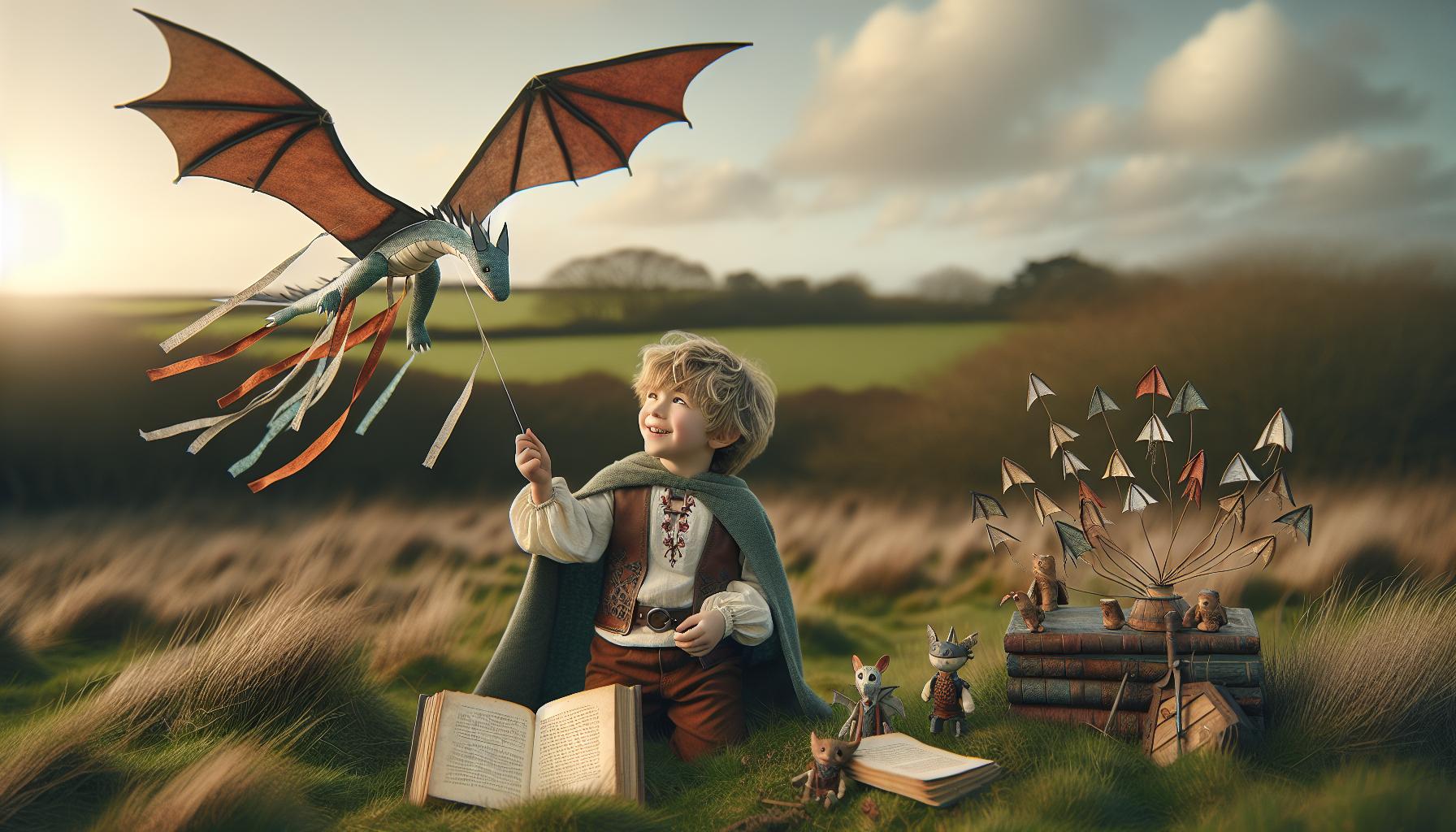
Understanding the World of “How to Train Your Dragon” Series
The world of “How to Train Your Dragon,” originally crafted by Cressida Cowell, is a richly imagined universe that captures the hearts of audiences young and old. Set in the mythical Viking village of Berk, it’s a place where dragons and humans once stood divided by fear and misunderstanding. The narrative unfolds through the eyes of Hiccup Horrendous Haddock III, a young Viking who challenges the status quo by befriending a dragon he names Toothless. This friendship not only transforms their lives but also unravels a profound journey of acceptance and mutual respect between their kinds.
The series deftly explores various themes such as bravery, identity, and the importance of family and community. Hiccup’s evolution from an underestimated outcast to a courageous leader is mirrored in his relationship with Toothless, who symbolizes the power of companionship and trust. Their adventures resonate with readers by showcasing the strength found in embracing differences rather than fearing them. This fundamental message about personal growth and acceptance creates a captivating backdrop that appeals to a wide demographic, fostering an appreciation for both adventure and emotional depth.
Furthermore, the visual artistry of the series breathes life into its narrative. Illustrations throughout Cowell’s books are playful yet detailed, enhancing the whimsical yet adventurous spirit of the story. Readers can expect a delightful blend of humor and drama, inviting them to engage with the characters on a deeper level. As the series expands into films, educators and parents alike can utilize these stories to spark discussions about contemporary themes such as friendship and empathy, making it a valuable addition to any reading list.
In essence, understanding the world of “How to Train Your Dragon” involves recognizing its blend of adventure, rich character development, and thematic depth. The series encourages readers to explore their courage, embrace their unique identities, and foster connections across perceived divides, making it an enduring narrative for all ages.
Captivating Characters: Meet Hiccup and Toothless
In the heart of the “How to Train Your Dragon” series lies the unforgettable duo of Hiccup Horrendous Haddock III and his dragon companion, Toothless. Their bond serves not only as the foundation for the narrative but also as a lens through which themes of friendship, acceptance, and personal growth are vividly explored. Hiccup, a young Viking with a reputation for being different, defies the traditional expectations of his kind by choosing to befriend Toothless, a dragon traditionally feared by villagers. This pivotal choice transforms Hiccup’s identity from an awkward, underestimated outcast into a brave leader who learns the true meaning of courage and compassion.
Toothless, a Night Fury dragon, symbolizes not only strength and loyalty but also the beauty of forging unexpected friendships across divides. His initial wariness of humans evolves into a deep-seated trust for Hiccup, showcasing the series’ central message: embracing differences fosters rich relationships. The dynamic between Hiccup and Toothless demonstrates that true bravery is about understanding and protecting those we care for, regardless of societal norms. Their journey together is characterized by thrilling adventures, touching moments, and significant challenges that ultimately deepen their connection.
Hiccup’s character development is marked by moments of vulnerability and wisdom. Through trials that test his resolve, readers witness his growth into a leader who advocates for harmony between dragons and humans. His insecurities, notably his struggle with self-acceptance and desire to prove himself, resonate with readers of all ages. This relatability makes Hiccup not just a hero, but a figure of authenticity who encourages young audiences to embrace their individuality. Likewise, Toothless, with his mix of fierce protectiveness and playful nature, is an endearing character that captures the hearts of fans, illustrating that appearances can be misleading, and true strength lies within.
The intricate interplay between Hiccup and Toothless elevates the narrative beyond mere adventure, encouraging readers to reflect on their relationships and personal growth. As they traverse the challenges of their world together, their story inspires courage and empathy, making it a timeless tale that resonates deeply across generations. Engaging with these characters offers insights into the complexities of emotional bonds and serves as a reminder that understanding and love can bridge even the widest of gaps.
Themes of Friendship and Bravery Explored
In the “How to Train Your Dragon” series, friendship and bravery emerge as pivotal themes that resonate deeply with readers of all ages. Central to this narrative is the unbreakable bond between Hiccup and Toothless, which exemplifies how authentic relationships can flourish even in the face of adversity. Their journey together invites readers to explore the transformative power of friendship, where both characters teach each other valuable lessons about courage, trust, and acceptance.
Hiccup’s evolution from an insecure boy to a heroic leader is intricately linked to his friendship with Toothless. This relationship not only demonstrates bravery in the face of social norms but also showcases the strength that comes from vulnerability. Hiccup’s willingness to embrace his fears and pursue a connection with a creature deemed dangerous sets a powerful example. It teaches readers that true courage isn’t the absence of fear, but rather the ability to overcome it for the sake of someone we care about. As they navigate their challenges, readers see that bravery often involves standing up for what is right, even when it contrasts with conventional expectations.
The series also delves into the importance of understanding and accepting differences. Toothless, initially a foe in the eyes of the Vikings, represents a broader message: that fear often stems from misunderstanding. As Hiccup and Toothless learn to trust each other, they model an essential aspect of friendship-looking past appearances and preconceived notions to see into the heart of another being. This thematic exploration encourages readers to evaluate their relationships in their own lives, promoting a message of empathy and connection.
Moreover, the narrative’s emphasis on friendship extends beyond Hiccup and Toothless. Supporting characters like Astrid and Gobber further enrich this theme, demonstrating how camaraderie and loyalty can drastically shape individual journeys. Each character’s willingness to support one another in times of crisis underscores the series’ message: that true bravery is often found in our connections to others, and that together, we can forge pathways to create understanding and change in our societies.
Engaging Adventure: What to Expect in the Books
The “How to Train Your Dragon” series invites readers into a captivating world brimming with adventure, where dragons, Vikings, and friendships intertwine to create an exhilarating narrative experience. From the moment you open the first book, you are transported into the whimsical Isle of Berk, a place where the clash of tradition and innovation unfolds seamlessly. Cressida Cowell’s storytelling is infused with humor, wisdom, and unpredictability, making it a thrilling ride for readers of all ages.
The adventures of Hiccup Horrendous Haddock III begin with his quest to prove himself among his peers. As he navigates the challenges of living up to Viking expectations, readers can expect a variety of exhilarating escapades. Whether it’s training dragons, facing fierce foes, or exploring uncharted territories, each book is structured to combine action with poignant lessons. Expect thrilling encounters with mythical creatures, clever strategies against adversaries, and a transformation of Hiccup from an unsure boy to a remarkable leader. Along the way, Cowell deftly weaves in themes of courage and identity, enriching the experience with deeper meaning alongside the action.
Moreover, the series excels at blending humor with adventure, ensuring that readers remain engaged and entertained. Cowell’s unique narrative style and whimsical illustrations complement the fast-paced plot, allowing for vivid imagery that enhances the readers’ imagination. As you delve through the pages, expect to meet a colorful cast of characters such as Astrid, Fishlegs, and Gobber, each contributing to Hiccup’s journey in their own dynamic ways. These relationships not only spark adventure but also offer moments of levity and heartwarming connection, making the challenges Hiccup faces even more impactful.
For those introducing young readers to this engaging series, the adventure is not solely about dragons and battles; it is also about personal growth and moral lessons. Parents and educators can highlight how Hiccup’s experiences mirror real-life challenges, from standing up against bullying to embracing one’s unique qualities. As each story unfolds, the combination of excitement, humor, and heartfelt moments creates a rich tapestry that is sure to resonate with readers time and again, ensuring that “How to Train Your Dragon” remains a beloved classic for adventurers of all generations.
Illustrations and Art Style: A Visual Delight
The “How to Train Your Dragon” series is not only a treasure trove of storytelling but also a visual feast that charms readers with its engaging illustrations and distinct art style. Cressida Cowell’s whimsical drawings, characterized by their playful yet expressive nature, supplement the narrative beautifully, inviting readers deeper into the imaginative world of Vikings and dragons. These illustrations add layers of meaning, enhancing character emotions and the series’ enchanting environment, making the reading experience even more captivating.
Illustration Style and Impact
Cowell’s art style is rooted in a quirky, almost childlike aesthetic that resonates with both young readers and adults. The characters, from the timid Hiccup to the fierce Toothless, are depicted with exaggerated features and dynamic postures that convey their personalities instantly. This visual representation significantly aids in understanding the characters’ journeys, with images often depicting their growth and relationships. For instance, as Hiccup evolves from a insecure boy to a confident leader, his progression is mirrored in the increasingly confident way he is illustrated alongside Toothless, shifting from timid companionship to a powerful partnership.
Moreover, the illustrations serve a functional role in storytelling. They break up the text and provide visual cues that help maintain pacing and engagement throughout each chapter. The artwork often complements the dialogue, enhancing humor and emotional weight while offering children relatable visuals that aid comprehension. This perfect balance of image and text ensures that readers, especially younger ones who may struggle with lengthy prose, find the series approachable and enjoyable.
Artistic Collaborations and Fan Interpretations
The allure of the series’ art extends beyond Cowell’s original illustrations. Fans and artists alike have embraced the visual world of “How to Train Your Dragon,” creating a wealth of fan art that celebrates the series’ themes and characters. Platforms like Reddit showcase a variety of artistic interpretations, ranging from intricate posters to educational illustrations that can serve as guides to different dragon species [[1](https://www.reddit.com/r/httyd/comments/rlmnjs/how_to_train_your_dragon_illustrations_by_kd/)]. Such community engagement not only highlights the series’ impact but also demonstrates how its artistic appeal continues to inspire creativity and imagination.
In exploring the art style of “How to Train Your Dragon,” readers are not just enjoying a story; they are witnessing a vibrant fusion of narrative and imagery that enchants and educates. From the unique character designs to the community’s artistic expressions, each visual element contributes to the rich tapestry that is beloved by audiences of all ages.
Comparing the Books to the Animated Films
While both the books and the animated films of “How to Train Your Dragon” share core themes of friendship, bravery, and the bond between humans and dragons, they differ significantly in narrative depth and character development. Cressida Cowell’s book series spans several volumes, allowing for a more extensive exploration of Hiccup’s character, his backstory, and the world around him. The books delve deeper into themes of individuality and self-acceptance, highlighted by Hiccup’s struggles fitting in with his more brawny Viking peers. This nesting of character development over time fosters a nuance that is sometimes compressed in the films due to their shorter runtime and need for pacing.
Character Arcs and Relationships
One remarkable difference is how relationships are portrayed. In the books, the friendship between Hiccup and Toothless is gradually built, showcasing their journey from mistrust to a deep, brotherly bond. The nuanced evolution of their relationship resonates more profoundly when compared to the films, which, while visually stunning and emotionally effective, must condense these arcs. For instance, the transformation of Hiccup from a misunderstood boy to a confident leader is intricately illustrated through multiple encounters in the literary version that might only represent pivotal moments in the animation.
Plot Structure and Themes
Another area of distinction lies in how plots are structured and themes are conveyed. Cowell’s narratives often weave in various subplots, touching on broader world-building elements, Viking lore, and dragon types, which contribute richly to the overall mythology. Readers can explore the complexities of Viking society, the intricacies of dragon behavior, and the layers of moral and ethical considerations surrounding their coexistence with humans. In contrast, while the films touch on these elements, their focus tends to remain tightly on the central conflict, often prioritizing action sequences over deeper theological discussions of morality and interspecies relationships.
Visual Representation vs. Imagination
The artistic interpretation also plays a crucial role in how audiences perceive the story. The animated films bring characters and dragons to life in a vibrant, visually striking manner that captivates viewers of all ages. This visual representation can enhance emotional scenes, providing immediate impact through vivid expression and animation. However, the imaginative power of Cowell’s illustrations and storytelling invites readers to connect with the narrative through their interpretations, potentially fostering a more personal engagement with the text as they visualize characters and settings through their lens.
In summary, while both mediums celebrate the iconic adventures of Hiccup and Toothless, the books offer richer detail and a more layered experience. The animated films, with their stunning visuals and streamlined storytelling, appeal broadly and bring the beloved characters to life in an engaging way. Exploring both allows fans to appreciate the series from multiple angles, enriching their understanding and enjoyment of these enchanting tales.
Why “How to Train Your Dragon” Appeals to All Ages
The appeal of the “How to Train Your Dragon” series transcends age boundaries, captivating readers from children to adults through its rich storytelling and relatable themes. At its core, the narrative enchants with a blend of adventure, comedy, and heartfelt moments, making it perfect for family reading. The protagonist, Hiccup, embodies the journey of self-discovery and acceptance, resonating deeply with young readers who often grapple with their own identity and the pressures of fitting in.
Universal Themes
Below are some of the core themes and elements that contribute to the series’ broad appeal:
- Friendship: The evolving bond between Hiccup and Toothless exemplifies the power of friendship. Their relationship teaches valuable lessons about loyalty, trust, and empathy-qualities that resonate with readers of all ages.
- Courage and Bravery: The series showcases the importance of facing fears and standing up for what is right. Hiccup’s transformation from an insecure boy to a brave leader inspires readers to embrace their own challenges.
- Imagination and Creativity: The whimsical portrayals of dragons and Viking lore stimulate the imagination, inviting readers to visualize their own adventures and creations beyond the pages.
Beyond the story, Cowell’s engaging narrative style is punctuated with humor, clever dialogue, and whimsical illustrations, which grab the attention of younger readers while simultaneously inviting older audiences to appreciate the deeper messages within the text.
Lessons That Resonate
The ability of “How to Train Your Dragon” to explore complex topics such as morality, the importance of understanding others, and environmental stewardship adds layers to its appeal. For instance, the series often addresses the themes of coexistence and respect for nature, situating its fantastical elements within a framework that encourages thoughtful reflection. This makes it not just a fun read, but also an opportunity for families to engage in meaningful conversations about these topics.
In essence, whether one is experiencing the story as a child, relating to Hiccup’s struggles as a teenager, or reflecting on the moral lessons as an adult, the series manages to offer something for everyone. Its charm lies in its ability to entertain while also promoting significant life lessons, ensuring that “How to Train Your Dragon” remains a beloved staple across generations.
Parent and Educator Perspectives on the Series
Parents and educators alike recognize the value of the “How to Train Your Dragon” series as it serves as both an engaging narrative and a rich learning tool. One notable aspect that many find appealing is its ability to promote dialogue about important social and emotional lessons. The journey of Hiccup, a character who evolves from a timid outsider to a courageous leader, presents a relatable scenario for children navigating their own journeys of self-identity. Parents often use Hiccup’s experiences as a springboard for discussions about friendship, resilience, and the impact of kindness and acceptance among peers.
Lessons for Educators
In the classroom, educators can harness the themes of the series to foster critical thinking and empathy among students. For example, after reading the books, teachers might encourage students to reflect on their own experiences with friendship and teamwork through guided discussions or creative projects. Such activities not only enhance comprehension but also encourage students to connect literature to their own lives, reinforcing the idea that stories can provide valuable life lessons.
Additionally, many parents appreciate the series’ positive messages regarding acceptance and understanding differences. The relationship between Hiccup and Toothless acts as a beautiful metaphor for overcoming prejudice and misinterpretation of the “other,” which can be particularly relevant in diverse educational settings. This opens the door to conversations about inclusivity, making it a beneficial choice for both home and classroom reading.
Engagement Strategies for Parents
For parents wanting to introduce the series to their children, engaging reading techniques can enhance the experience. Consider hosting family reading nights where discussions about themes, character choices, and moral lessons can occur. This not only enriches the reading experience but also strengthens family bonds through shared storytelling.
Incorporating hands-on activities related to the book can also spark interest. Parents might encourage their children to draw their favorite dragons or create their own Viking character, fostering creativity and a deeper connection to the narrative. Such interactive approaches help children realize that literature can inspire action and imagination beyond the pages, encouraging lifelong reading habits and an appreciation for storytelling.
In summary, the “How to Train Your Dragon” series offers a valuable resource for parents and educators looking to engage young readers not just with an adventurous tale, but with profound life lessons that resonate throughout various aspects of life and education.
Expanding the Universe: Spin-offs and Merchandise
The “How to Train Your Dragon” universe has truly expanded beyond the pages of its beloved books, engaging fans of all ages through a rich tapestry of spin-offs and merchandise. This franchise has successfully continued to capture the imagination by breathing life into its vibrant characters and thrilling settings, inviting both children and adults to explore a world filled with adventure, friendship, and discovery.
Spin-offs and Adaptations
The journey began with Cressida Cowell’s original book series, which laid the foundation for the animated film adaptations that significantly broadened the audience. The first film, released in 2010, was followed by several sequels and spin-off series, including “The Dragon Race” and “Race to the Edge.” Each adaptation not only entertains but also introduces new characters and expands on the lore of the Viking world and their dragon counterparts. For instance, the “How to Train Your Dragon: The Hidden World” beautifully concludes the trilogy, providing fans with a satisfying narrative resolution while remaining true to the series’ core themes of friendship and personal growth.
In addition to films, the franchise has flourished in television with series like “Dragons: Race to the Edge,” which delves deeper into the characters’ lives and adventures, allowing fans to engage with their favorite heroes in a more serialized format. These adaptations keep the spirit of the original books alive while exploring new and exciting storylines that resonate with audiences-showing that the tale of Hiccup and Toothless is far from over.
Merchandise: From Toys to Apparel
As the franchise gained popularity, merchandise began to flood the market, appealing to collectors and young fans alike. Action figures, plush toys, and playsets, particularly the highly sought-after Night Fury action figure of Toothless, have become staples for enthusiasts looking to bring a piece of the magic into their own homes. For instance, the Spin Master Night Fury figure is available for approximately $64.99, reflecting the growing interest in articulated and highly detailed collectibles that allow children and adults to recreate their favorite scenes from the series [[1](https://howtotrainyourdragon.fandom.com/wiki/How_to_Train_Your_Dragon_Wiki:Merchandise/Action_figures_and_dolls)].
Additionally, apparel featuring characters and motifs from “How to Train Your Dragon,” such as shirts, hats, and accessories, is widely available, allowing fans to express their love for the series in their everyday lives. Retailers like BoxLunch offer a variety of items from cozy t-shirts to collectible merchandise, creating pathways for fans to engage with the franchise in multiple dimensions [[3](https://www.boxlunch.com/pop-culture/shop-by-license/how-to-train-your-dragon/?srsltid=AfmBOorNiGi5X-Fmjmb_Ab4UuXkK2mwFhNhGqH8Iruld4h41bxtLUyn0)].
Connecting with the Community
For fans eager to dive deeper into the “How to Train Your Dragon” universe, social media platforms and fan communities provide vibrant spaces for discussion and collaboration. Groups on Facebook and other forums allow fans to share their collections, experiences, and creative interpretations, fostering a sense of belonging and passion around the series [[2](https://www.facebook.com/groups/2320758378204388/posts/4098230260457182/)]. These interactions not only celebrate individual fandom but also enrich the larger narrative by encouraging fan art, cosplay, and collaborative storytelling inspired by the original works and adaptations.
In conclusion, the expansion of “How to Train Your Dragon” through spin-offs and merchandise exemplifies how well-crafted stories can transcend their original format to create an enduring cultural imprint. This universe remains an enchanting gateway to adventures that resonate across generations, inviting everyone to soar alongside Hiccup and Toothless on their epic journeys.
Reader Reviews: What Fans Are Saying
Fans of the “How to Train Your Dragon” series often express their love through enthusiastic reviews that highlight the series’ charm, humor, and emotional depth. A common sentiment among readers is that the adventure transcends age, making it a beloved staple for both children and adults. For many, the books serve as a gateway into a richly imagined world where friendship and bravery reign supreme. One reader shared that “the story of Hiccup and Toothless captures the heart and sparks the imagination, making it impossible to put the book down.”
A significant aspect mentioned in reader reviews is the seamless blend of humor and adventure. Many fans appreciate Cressida Cowell’s engaging writing style, which balances excitement with witty dialogue. As one parent noted, “My kids laughed out loud, and I found myself chuckling along – it’s the perfect family read!” This ability to entertain across generations speaks to the series’ universal themes and relatable characters, allowing both children and parents to connect over shared experiences and emotions.
Moreover, illustrations play a critical role in enhancing the storytelling. Numerous readers have commended the artwork, which vividly brings the story and characters to life. One fan remarked, “The illustrations are stunning and complement the story perfectly, making the adventures even more vivid in my mind.” This combination of visual artistry and compelling narrative ensures that readers remain fully immersed in Hiccup’s journey.
The community surrounding “How to Train Your Dragon” also flourishes, with fans eager to share their interpretations and artistic renditions inspired by the series. Reviews often indicate that social media platforms and fan discussions provide a space for connections, allowing readers to bond over their mutual love for the series. Collaborative fan art and cosplay celebrate the creativity inspired by the narrative, enriching the overall experience of being a part of the “How to Train Your Dragon” family.
In summary, the reader reviews underscore the series’ ability to resonate with audiences of all ages, proving that great storytelling can transcend age barriers and create lasting memories. Whether through laughter, adventure, or artistic expression, “How to Train Your Dragon” continues to inspire readers to explore the skies alongside Hiccup and Toothless.
Tips for Introducing the Series to New Readers
Introducing the “How to Train Your Dragon” series to new readers can be a delightful endeavor, tapping into a world of adventure that appeals to both children and adults alike. To ensure that this introduction is engaging and effective, consider a few key strategies that can help ignite interest and foster enjoyment in these charming tales.
First, start with the animated films. Many children are already familiar with the movies, making them an excellent gateway into the books. By watching the films, new readers can grasp the characters and their world, which will enrich their understanding when they dive into the books. Discuss the differences between the films and the books, pointing out the unique developments of characters and storylines that readers will encounter in the print versions. This approach not only heightens anticipation but also prompts discussions about adaptation and storytelling.
Next, create an interactive reading experience. Encourage children to express their thoughts as they read, whether through drawing their favorite scenes or acting out parts of the story. Preparing questions or prompts related to the chapters can stimulate dialogue and deepen their connection to the characters. For example, ask them what they would do in Hiccup’s place when facing a dragon or how they would train their own dragon. This not only makes the reading more fun but also enhances comprehension and retention.
Another impactful method is to share personal anecdotes or reviews from others who have enjoyed the series. For instance, you could relay a story about how the series sparked your child’s interest in reading or how it helped your family bond during bedtime stories. Positive testimonials and relatable experiences create an inviting atmosphere and encourage interest. Highlight quotes from other parents or educators about the series, emphasizing its humor and emotional depth, such as, “My kids couldn’t wait to turn the page, and neither could I!” This reinforces the series’ reputation as a family favorite.
Lastly, introduce companion materials such as activity books, graphic novels, or spin-off series. These can enrich the main narrative and provide a broader context for the world of dragons. Engaging with different forms of media related to “How to Train Your Dragon” can draw in reluctant readers by providing variety and enhancing the overall experience.
By employing these strategies, new readers can embark on their journey into the world of “How to Train Your Dragon” with excitement and curiosity, ready to explore the adventures that await.
Where to Find “How to Train Your Dragon” Books
For those curious to dive into the enchanting world of “How to Train Your Dragon,” locating the books is your first step towards adventure alongside Hiccup and Toothless. These beloved stories, originally penned by Cressida Cowell, are widely available in various formats. Whether you prefer the traditional feel of paperback, the convenience of e-books, or the vibrant illustrations found in picture books, there’s an option that will suit your needs.
Shopping Online
The internet is an incredible resource for finding “How to Train Your Dragon” books. Major online retailers like Amazon and Barnes & Noble offer the complete set of novels, often with the option for next-day delivery. Many of these platforms also feature additional merchandise, including activity guides and spin-offs. Websites like Book Depository provide free shipping worldwide, making it easier for international fans to get their hands on the books.
Local Bookstores and Libraries
If you prefer to browse in person, your local bookstore is a wonderful place to find these titles. Independent bookstores may even offer unique editions or events related to the series. Additionally, many libraries carry the series, allowing readers to borrow them at no cost. This can be an excellent way to sample the books before committing to a purchase, especially for families exploring reading options for children.
Expanding Your Search with Substitutes
Apart from the core series, consider exploring graphic novels and activity books related to “How to Train Your Dragon.” Works like “How to Train Your Dragon: The Serpent’s Heir” expand the narrative universe and are available at most retailers or may be requested through library interloan systems. Companion books can enrich the reading experience and introduce readers to new aspects of the story.
In summary, whether you choose to buy online, support local bookstores, or utilize your library’s resources, the path to discovering the captivating world of “How to Train Your Dragon” is both diverse and accessible. Embrace this adventure for readers of all ages and get ready for a journey filled with excitement and friendship.
Frequently Asked Questions
Q: What age group is “How to Train Your Dragon” suitable for?
A: “How to Train Your Dragon” is suitable for children ages 8 and up, but its themes of friendship and bravery resonate with readers of all ages. The engaging adventures of Hiccup and Toothless make it a perfect choice for family reading time.
Q: How does the book series differ from the animated films?
A: The book series provides a more detailed and expansive view of Hiccup’s world, focusing heavily on character development and the Viking society. While the films take creative liberties, the books delve into the lore and background of dragons in greater depth.
Q: What are the main themes explored in the book?
A: The main themes include friendship, bravery, and self-discovery. Each book in the series highlights Hiccup’s growth as a character, teaching valuable lessons about loyalty, courage in the face of adversity, and the importance of understanding others.
Q: Are there any spin-off books or merchandise related to the series?
A: Yes, the “How to Train Your Dragon” series has several spin-off books, including the “How to Train Your Dragon: How to Speak Dragonese” and various picture books. Merchandise includes toys, games, and clothing that celebrate the beloved characters.
Q: What is the writing style of Cressida Cowell?
A: Cressida Cowell’s writing style is characterized by whimsical storytelling and engaging prose that captures the imagination. Her use of humor and relatable characters makes the story accessible and enjoyable for young readers.
Q: How can parents introduce the series to reluctant readers?
A: To introduce the series to reluctant readers, start with shared reading sessions where you both take turns. Discuss the illustrations and exciting plotlines, and consider integrating related activities like watching the films to build enthusiasm.
Q: Why should teachers include this series in their classroom reading?
A: Teachers should include the series because it is rich in moral lessons and stimulating content that promotes discussions about themes like teamwork and resilience. It encourages a love for reading through captivating stories that engage students.
Q: Are there any literary analyses available for the series?
A: Yes, various analyses explore character development and themes, offering insights into Cowell’s narrative techniques and the societal implications of the Viking culture depicted in the series. These resources can enhance both teaching and understanding of the text.
In Conclusion
As we wrap up this adventure through “How to Train Your Dragon,” it’s clear that this tale is not just for children-it’s a timeless story that ignites the imagination of readers of all ages. Whether you’re drawn in by Hiccup’s journey or the enchanting world of dragons, there’s something here for everyone. Don’t miss out on more insights-check out our related articles like “The Evolution of Fantasy in Children’s Literature” and “Top Books for Young Readers” to expand your reading list!
Ready to dive deeper? Subscribe to our newsletter for updates on more captivating book reviews and exclusive content. If you have thoughts, questions, or experiences to share, we invite you to leave a comment below!
Explore the magic of storytelling, and take the next step in your reading adventure today. Remember, every dragon has its treasure; find yours in the pages of your next book!
Get our latest guides, news, and insights highlighted in your Google Search & AI Overviews.










